Final Verdict: The Strategic Importance of GAC Honda’s Early Joint Venture Renewal
 07/22 2026
 456
456
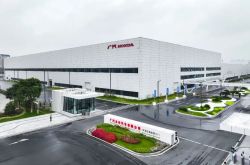
On July 20, GAC Honda and Honda China jointly announced that their joint venture cooperation has been extended in advance to 2038, maintaining an equal 50:50 equity ratio. Originally set to expire in 2028, the contract has now been secured for an unprecedented 12-year term, two years ahead of schedule. This move is particularly significant amid mounting pressures faced by joint venture brands across the industry.
Dispelling Exit Rumors: Honda’s Firm Commitment to China
Over the past two years, the domestic automotive market has undergone intense restructuring, with Japanese brands like Suzuki, Mitsubishi, and Acura withdrawing from the market. Coupled with Honda's continued sales decline in China, widespread speculation had arisen about a potential market exit. Data shows that in the first half of 2026, GAC Honda’s cumulative sales reached 68,300 units, a year-on-year decline of 55.82%. Sales of key models such as the Accord and Breeze nearly halved, fueling market pessimism.
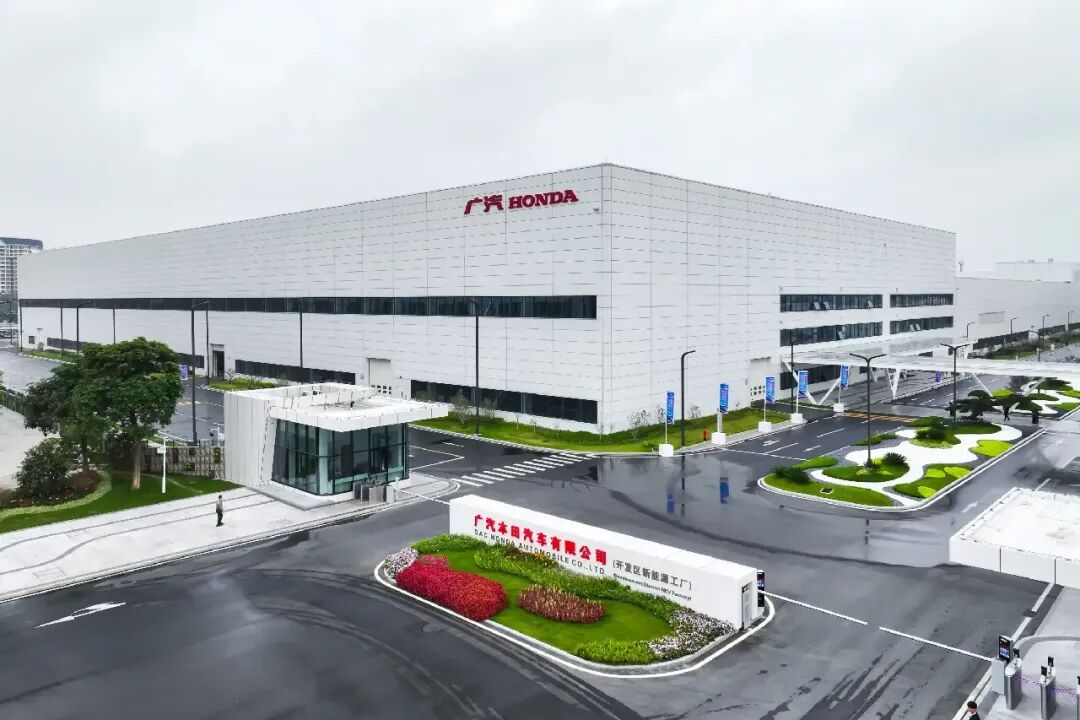
The early renewal decisively puts an end to such speculation through concrete action. China remains Honda’s largest single market globally, and GAC Honda—its earliest and most significant joint venture in China—has accumulated over 11 million cumulative sales. With a vast user base, a mature supply chain, and a stable dealer network, GAC Honda is an irreplaceable pillar of Honda’s global strategy.

By voluntarily forgoing short-term equity adjustments and opting for a 12-year commitment, Honda signals a clear strategic judgment: exiting China would mean sacrificing a cornerstone of its global operations. As the industry transitions from fuel-powered vehicles to new energy, uncertainties such as price wars, technological disruptions, and policy shifts abound. While most automakers prefer short-term collaborations for flexibility, GAC Honda’s ultra-long-term contract transcends market cycles, mitigating strategic volatility risks.
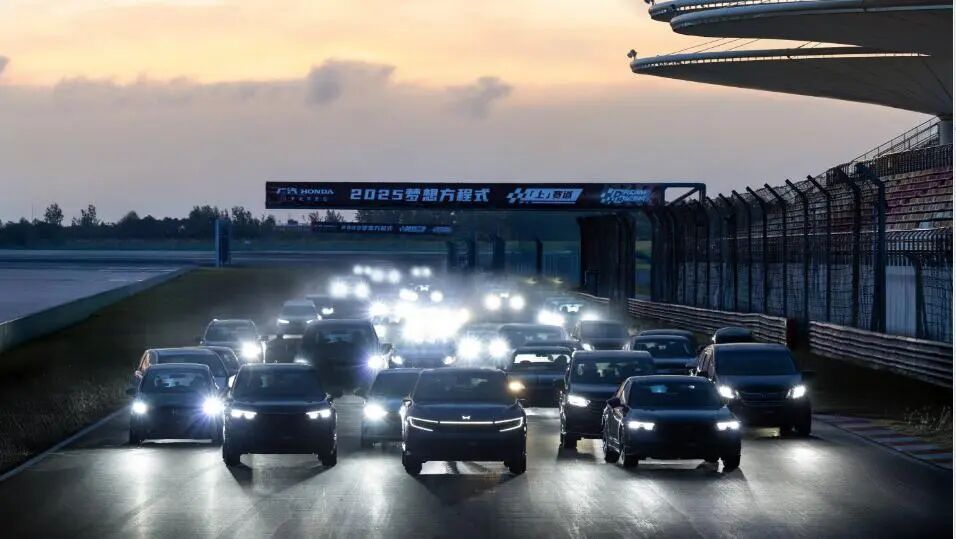
Under the renewed plan, Honda will accelerate localized R&D to address gaps in smart cockpits and three-electric systems (battery, motor, and electric control). Leveraging GAC Honda as a strategic hub, the brand aims to steadily embrace electrification. Simultaneously, both sides will use joint R&D to refine technologies and models for the Chinese market, feeding innovations back into Honda’s global ecosystem and transforming the joint venture into a vital engine for the brand’s global布局 (global layout).
Strengthening Profit Foundations, Ushering in a New Era of Cooperation
For GAC Group, GAC Honda has long served as a reliable "profit anchor" over its 28-year history. Amid the rise of independent new energy brands and the contraction of the traditional joint venture fuel vehicle market, GAC Honda continues to deliver stable earnings through its strong brand reputation, sophisticated manufacturing system, and loyal user base. It also drives the coordinated development of the Pearl River Delta parts supply chain and the national dealership network.
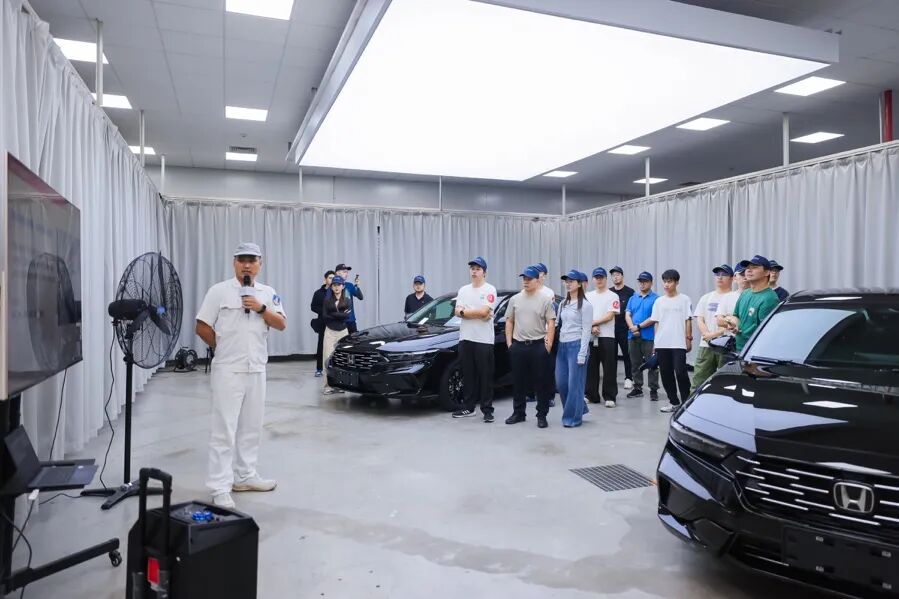
This renewal marks the end of the one-way cooperation model where "the Japanese side provides technology, and the Chinese side handles production and sales." Instead, it ushers in an equal co-creation phase characterized by "technological exchange, joint R&D, and complementary strengths." This aligns with China’s automotive industry policies promoting integration and innovation between Chinese and foreign automakers, signaling a shift from the early "market-for-technology" approach to a high-quality "joint technological research and market sharing" direction.
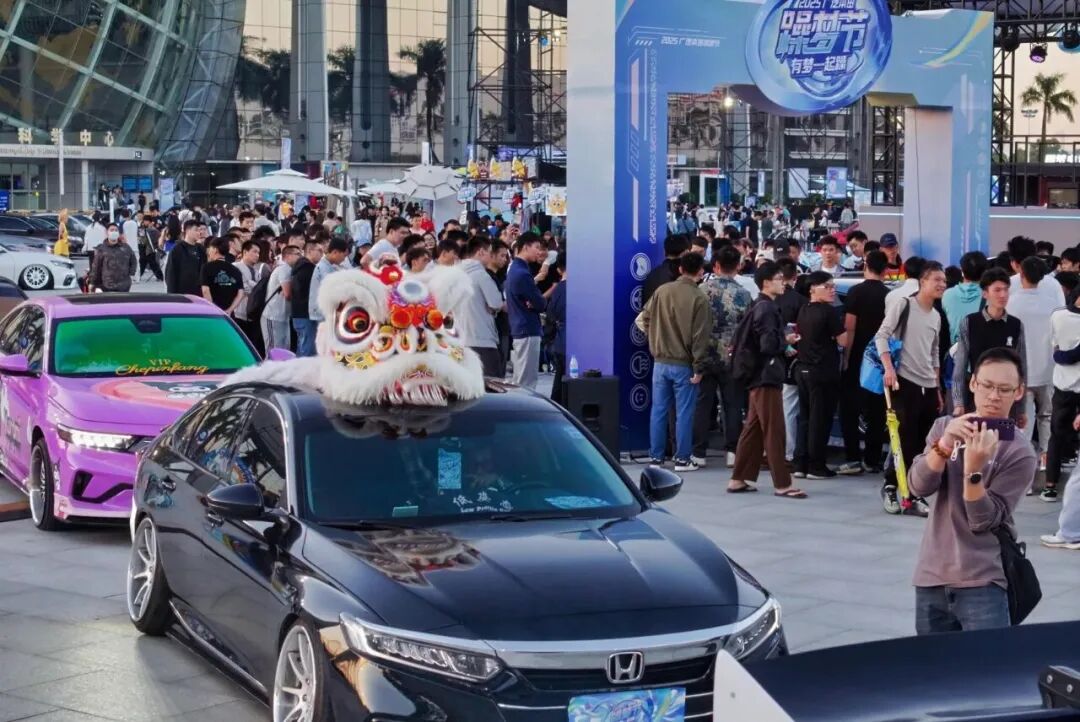
In future collaborations, GAC will contribute its local supply chain expertise, three-electric technologies, and market insights, while Honda will leverage its core strengths in hybrid technology and vehicle quality control. Relying on a stable cooperative foundation, Honda’s hybrid technology will undergo continuous iteration, serving as a critical bridge between the fuel and pure electric eras. This will help the enterprise smoothly complete its electrification transition, avoiding product gaps and user attrition.
The new model not only grants GAC Honda greater R&D autonomy but also accelerates GAC Group’s progress in electrification and intelligence by tapping into Honda’s global technological resources. Both sides can leverage each other’s overseas channels and industrial experience to achieve bidirectional expansion of products and technologies, amplifying synergistic value and solidifying the foundation for the next 12 years of development.
Setting a New Benchmark for Joint Ventures, Breaking Free from the ‘Equity Ratio Game’
In the new energy era, traditional joint venture models have struggled with issues such as foreign technological barriers, sluggish localization responses, and rigid mechanisms, leading to the decline of many joint venture brands. Some foreign automakers have adopted risk-averse strategies like "increasing equity ratios, consolidating operations, and shortening cooperation cycles," exacerbating industry anxiety.
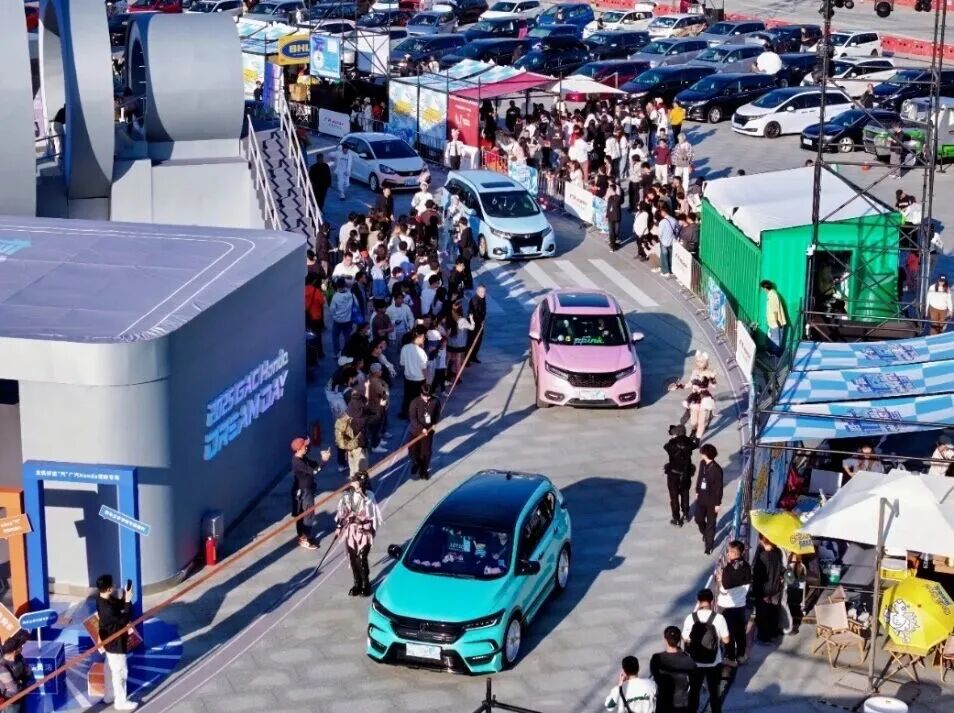
GAC Honda, however, has forged a distinct transformation path, creating a referential "GAC Honda Model" for the industry. Adhering to a 50:50 equity ratio represents the optimal solution for balancing the rights and interests of both parties. It avoids the issue of foreign dominance hindering localization while preventing technological disruptions caused by single-party control, clearing institutional barriers for technological integration.
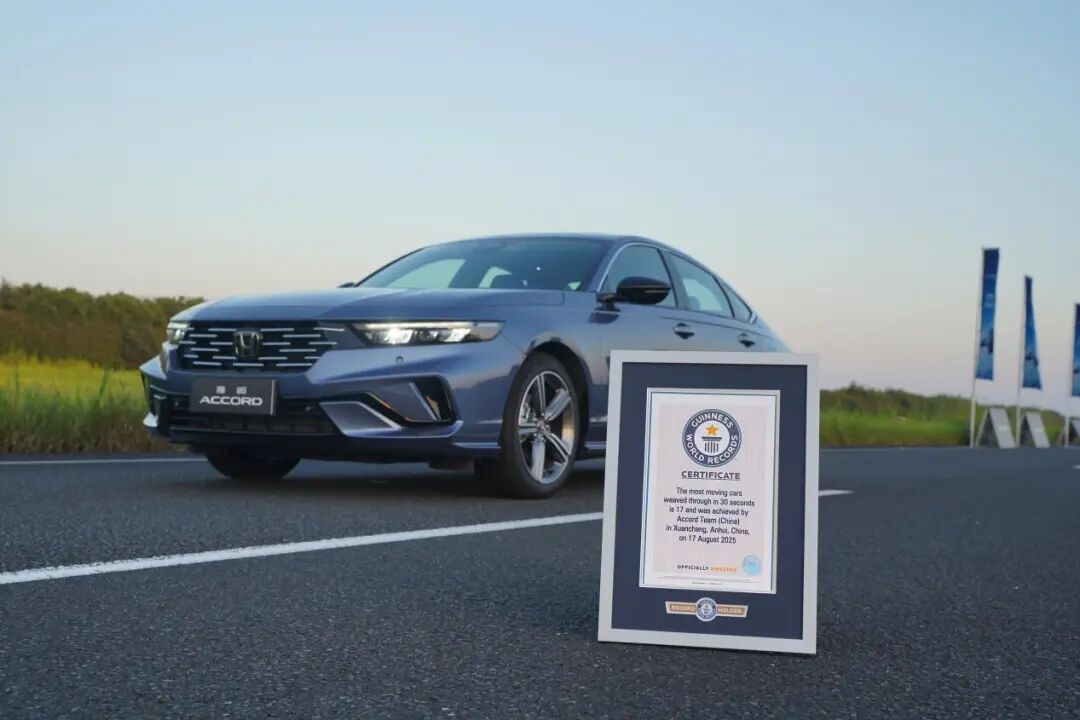
This 12-year long-term agreement eliminates short-sighted behaviors driven by short-term profit-seeking, ensuring the steady implementation of joint R&D, technological investments, and product layouts. The approach of "relying on local symbiosis rather than equity monopoly" overturns the old logic of foreign technological infusion, redefining the core values of the joint venture 2.0 era through equal collaboration, deep symbiosis, long-term planning, and joint innovation.
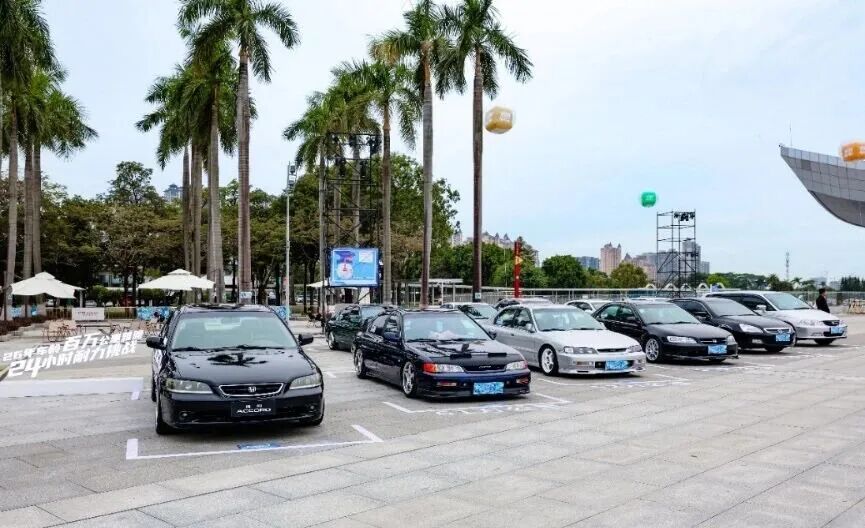
In today’s context, the core competitiveness of joint venture automakers lies not in overseas technological barriers but in their ability to iterate and collaborate efficiently to meet local demands. GAC Honda’s practice offers a replicable breakthrough strategy for joint venture brands struggling with transformation.
Providing ‘Reassurance’ to Millions of Car Owners
For over 11 million existing GAC Honda car owners, this renewal serves as the most direct guarantee of their rights and interests.
In recent years, following the market withdrawals of several brands, issues such as parts supply disruptions, after-sales paralysis, and a plunge in used car residual values have caused significant concern among joint venture car owners. The 12-year cooperation agreement completely dispels these worries.
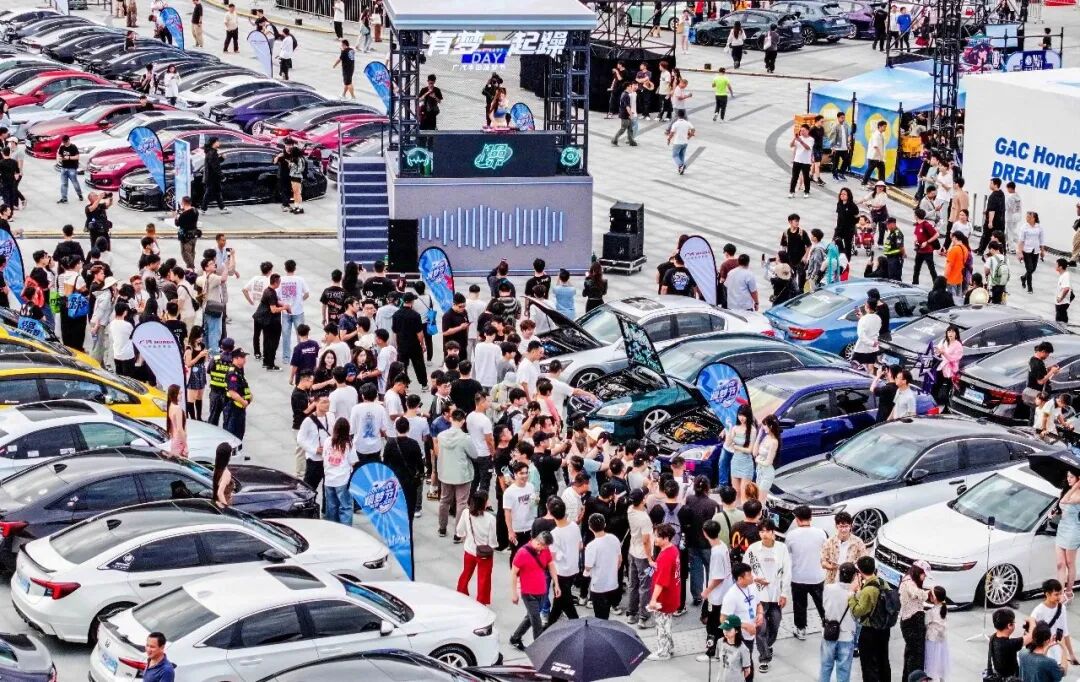
Over the next decade, official after-sales services, original parts supplies, and vehicle maintenance systems will remain stable, effectively supporting used car residual values. Meanwhile, GAC Honda has clarified its product renewal plans, with a full range of new fuel, hybrid, and pure electric models set to launch by 2027. All products will be tailored to Chinese users’ driving habits, intelligent demands, and spatial experiences, securing both the long-term usage rights of existing owners and the purchasing experience of new consumers.
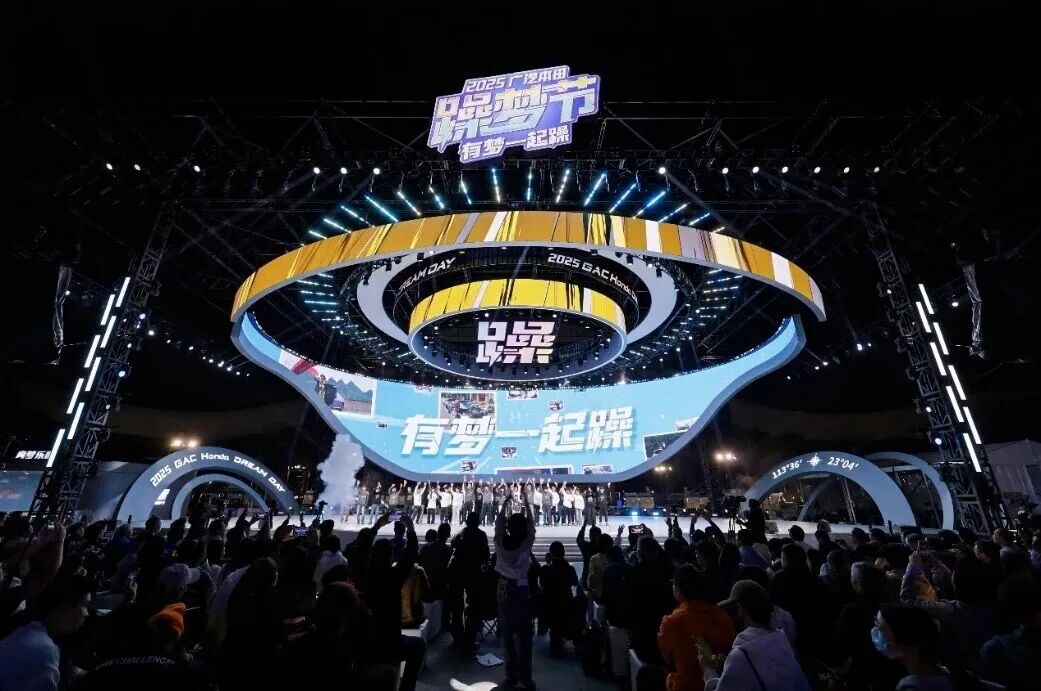
At this critical juncture where electrification and intelligence are reshaping the automotive industry, this 12-year long-term agreement carries the hopes of joint venture brands breaking through and signals the emergence of a new landscape in China’s automotive industry characterized by the "rise of independent brands and the symbiosis of joint ventures."
For GAC Honda, this renewal is not an endpoint but a new beginning. Over the next 12 years, it is hoped that GAC Honda will adhere to localized co-creation, accelerate its new energy transformation, and deeply cultivate user value, living up to the trust of millions of users. It should continue to write the "GAC Honda Legend" amid fierce market competition and contribute more to the development of China’s automotive industry. (End)
-
![]()
Final Verdict: The Strategic Importance of GAC Honda’s Early Joint Venture Renewal
-
![]()
SpaceX's Stock Price Falls 30% from Peak! Musk Warns Short Sellers: Your Survival Probability is Extremely Low
-
![]()
100,000 Steps at WAIC! 10 Questions to Understand the Next Phase of the AI Industry: From Chatting to 'Embodied' Work
-
Image Stabilization Motor Leader’s Second Attempt at Hong Kong IPO: Shinco Motor’s Rise, Challenges, and Ties to O-film Tech
-
![]()
Personnel Shuffle: Independent Director Mi Xuming Steps Down from OFILM
-
![]()
Net Profit Anticipated to Skyrocket by 103%: What Gives This Optical Company a Competitive Edge?
-
In Just One Year, China Unveils Unicorns Valued at 10 Trillion Yuan!
-
![]()
6 Park Companies Shine at WAIC: How Hong Kong Science Park Bridges AI from Research to Industry