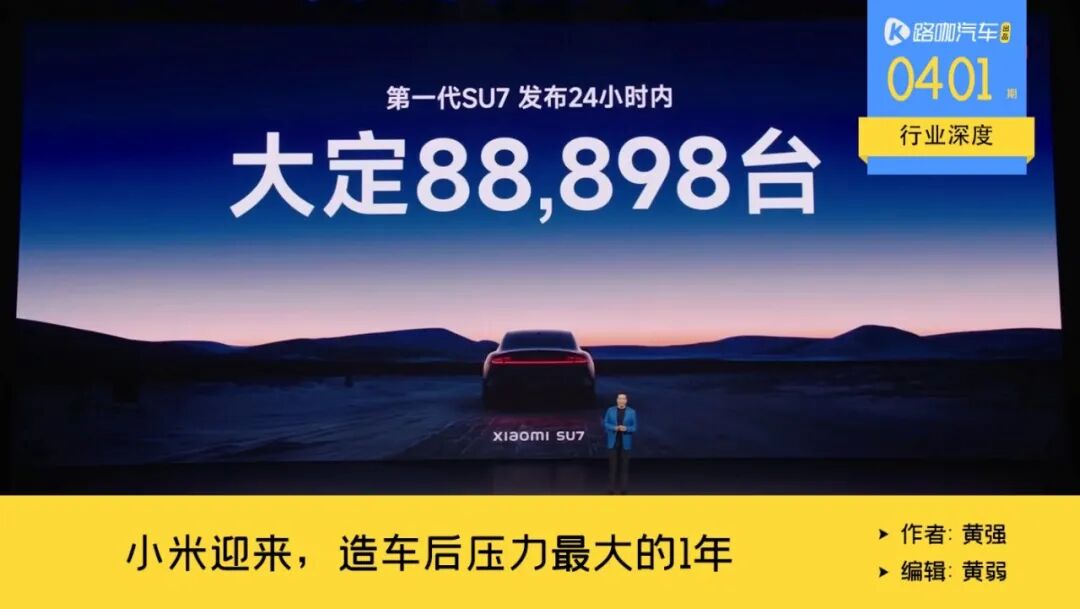
Is 2026 the Most Pressurized Year Yet for Xiaomi SU7?
 07/23 2026
 563
563
New Models Flood the Market, Intensifying Competition for Xiaomi, Doubling the Pressure Compared to Tesla's 2024 Siege.
In 2024, when six major brands converged to challenge the Model Y, the contenders included the Leitao L60, Zeekr 7X, Voyah Zhiyin, Luxeed R7, IM LS6, and Avita 07.
Fast forward to 2026, and a new wave of models is making its debut, entering pre-sale, and hitting the market, effectively besieging Xiaomi. Unlike two years ago, when only the Model Y faced such intense competition, now both the Xiaomi SU7 and YU7, two of Xiaomi's best-selling new models, are surrounded by similar rivals.
The sedan Xiaomi SU7 now contends with the recently pre-sold Geely Galaxy TT Ultra, the newly launched BYD Seal 08 and BYD Da Han, the recently announced Denza Z9S, Fangcheng S, Fangcheng S GT, as well as the already launched Qijing GT7, Shangjie Z7, and Shangjie Z7 GT.
The SUV Xiaomi YU7 also faces numerous competitors, including the recently pre-sold Voyah Zhiguang S, the Chang'an Qiyuan Q06 set for a September launch, the Luxeed RX scheduled for an autumn release, the expected August debut of the Arcfox Alpha T7, and the Saitong ME7 to be launched within the year.
For Xiaomi, this market scenario signifies that the "specialized, refined, and unique" product definition logic it adopted in its early stages is no longer exclusive. Initially focusing on niche markets with significant untapped potential, Xiaomi has transformed the coupe segment with the SU7 and turned the FUV (Family Utility Vehicle) into a popular household model with the YU7.
This pressure far exceeds that faced by Tesla's Model 3 and Model Y. So, could 2026 be Xiaomi's most challenging year since entering the automotive industry?

The New Wave of Siege: A Departure from Two Years Ago
The most notable change is that the sales of an increasing number of new models demonstrate that the current siege differs from that of the Model Y two years ago.
Previously, the Model Y could maintain its lead while the sales of other models remained stagnant.
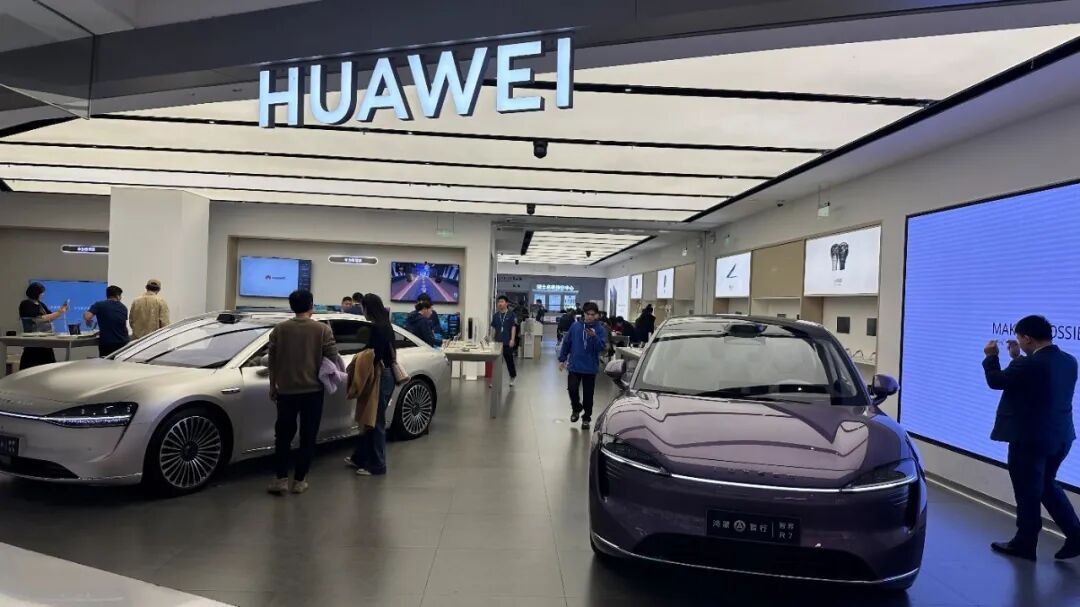
However, the current siege shows a genuine ability to divert sales. In other words, after a new round of consumer habit cultivation, most people no longer dislike the narrative logic of "affordable alternatives."
The convergence of ideas towards best-selling products is a fundamental rule in most consumer markets.
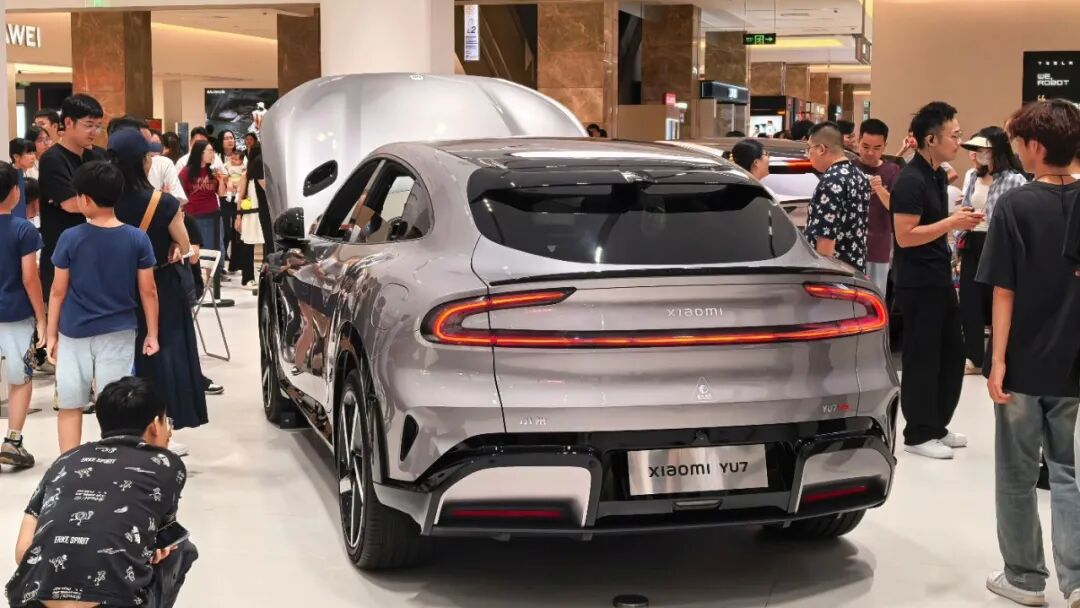
The reason is simple: best-selling products either represent the current consumption and aesthetic preferences of the majority or signify breakthrough capabilities. In short, learning from best-selling models, while possibly not achieving a breakthrough, will likely yield better sales results than direct trial and error.
Pragmatism is a prominent feature in the current Chinese automotive market.
Therefore, considering current model sales, the siege of the Model Y two years ago made sense, and the same applies to the current siege of Xiaomi SU7 and YU7.
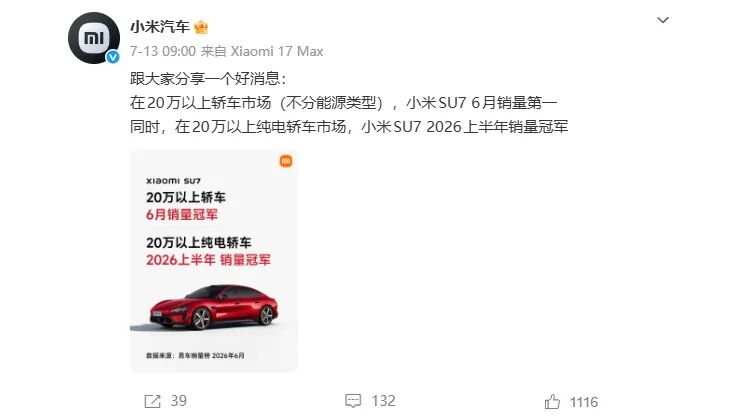
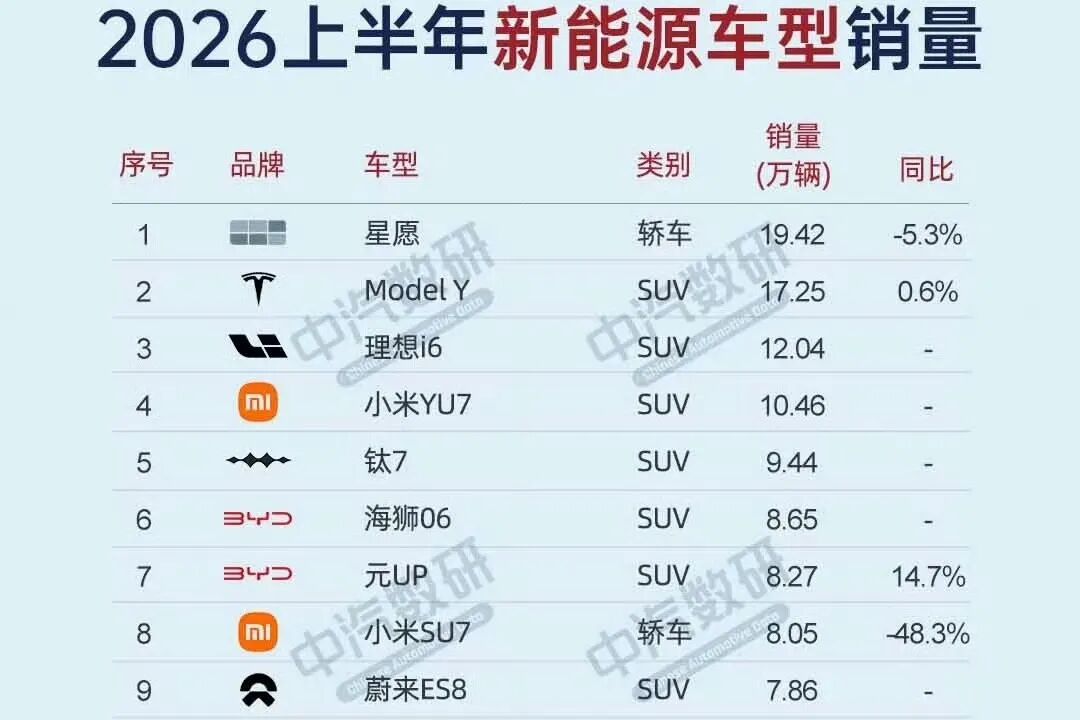
From January to June 2026, retail sales of the Xiaomi SU7 reached 80,400 units, averaging over 12,000 units per month, ranking seventh among all sedans. It was slightly lower than the Passat and slightly higher than the Magotan. However, the significance of this sales figure extends beyond that. Among all new energy sedans, the Geely Starwish ranked first, and Xiaomi SU7 ranked second. Among luxury sedans priced above 200,000 yuan, Xiaomi SU7 led in sales. Considering that January to March was the model transition period for Xiaomi SU7, with monthly sales once as low as 1,133 units, but from April to June after the model transition, sales consistently exceeded 20,000 units.
The same applies to Xiaomi YU7. Among all SUVs in 2026, it sold 104,500 units, ranking fourth. The top three were the Model Y with 172,000 units, the Li Auto i6 with 120,000 units, and the Geely Boyue L with 110,000 units.
In other words, as long as a model can capture the latest trends, be recognized by consumers, and differentiate itself, there is potential for sales and development.
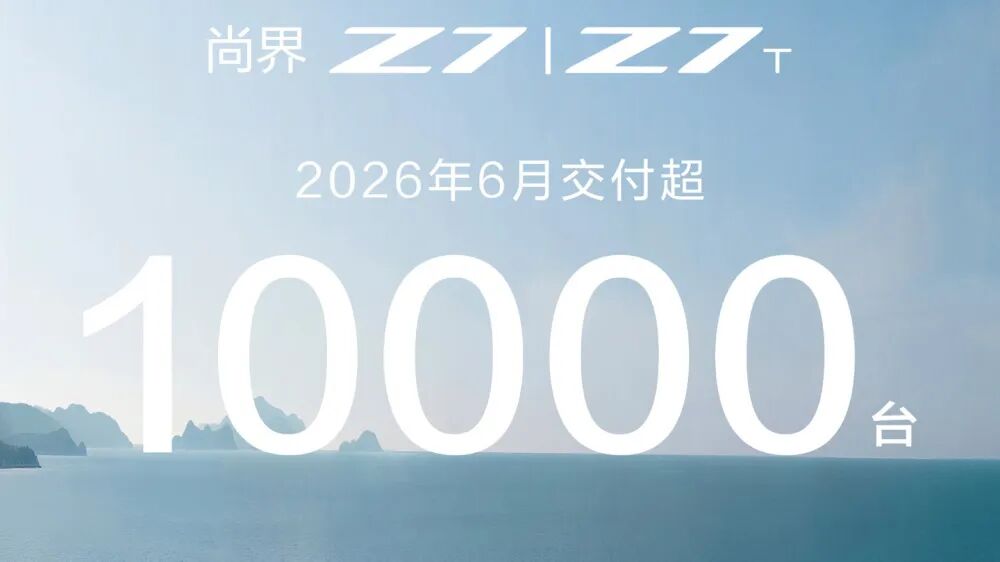
For example, the combined sales of the Shangjie Z7 and Shangjie Z7T in June 2026 exceeded 10,000 units, with the Z7 delivering 6,296 units and the Z7T delivering 4,030 units. The Qijing GT7 also performed similarly, with over 5,200 reservations within 24 hours of its launch. However, it is worth noting that the recent commercialization of Huawei's Qiankun ADS 5, which was first installed on the GT7, further stimulated order growth. The orders for the BYD Da Han and Seal 08 also surged. This is much better than the scenario during the siege of the Model Y when Tesla remained unfazed.
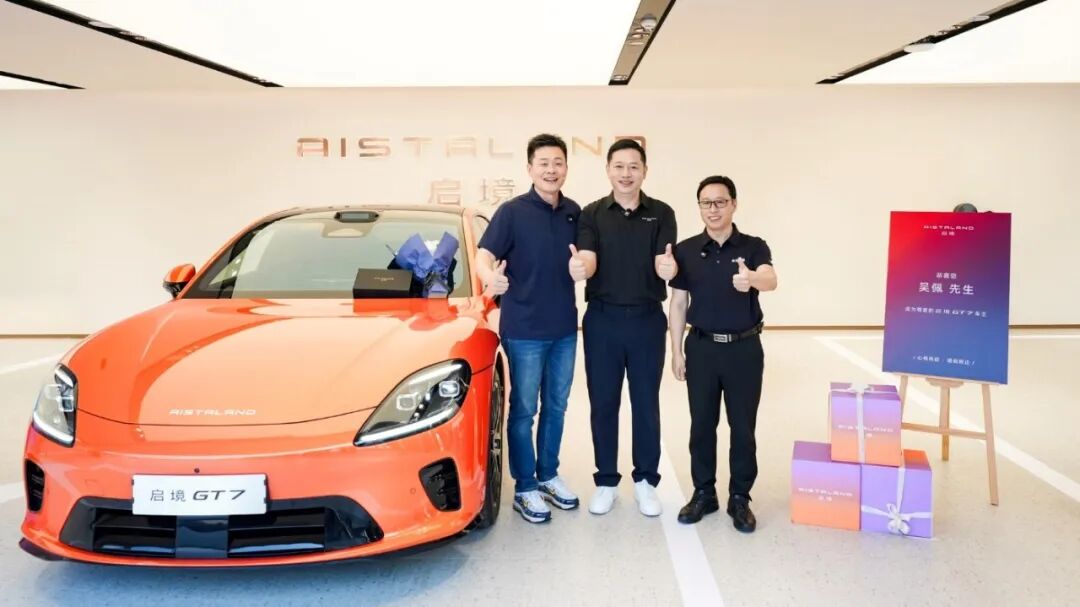
The current situation is that various automakers have grasped Xiaomi's strengths and defined their products to be highly similar, while adding unique selling points and more competitive pricing.
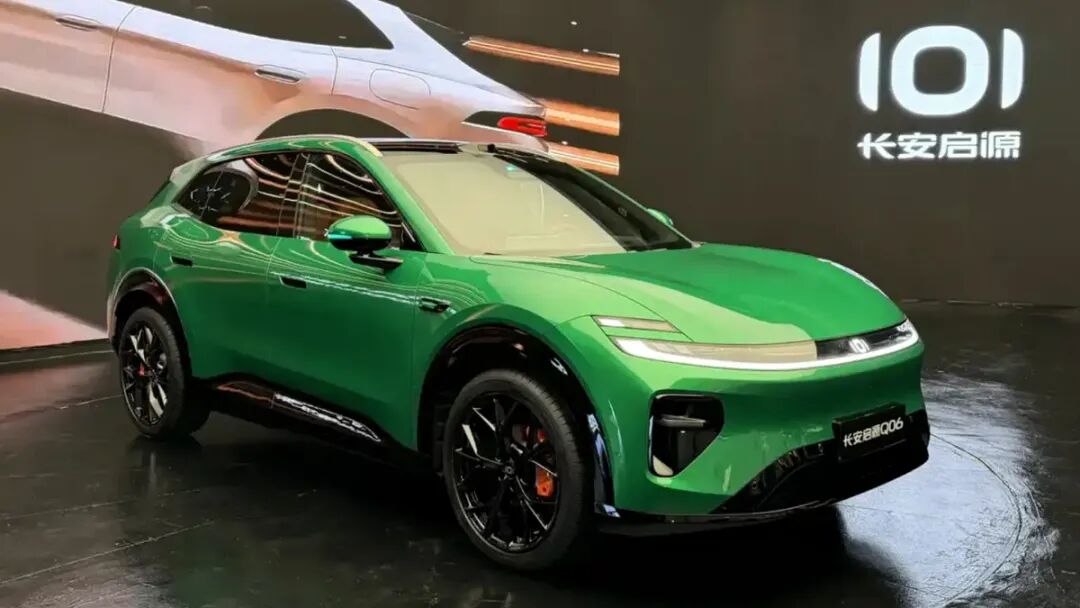
The Xiaomi SU7 has a length of 5 meters and a wheelbase of 3 meters, and the same goes for the Shangjie Z7, Qijing GT7, Fangcheng S, Da Han, Seal 08, and Geely TT Ultra. The Xiaomi YU7 also has similar dimensions, with the Chang'an Qiyuan Q06 being slightly smaller in length but similar in wheelbase. The Voyah Zhiguang S offers dimensions of 5050mm and 3000mm, while the Luxeed RX offers 5020mm and 3000mm.
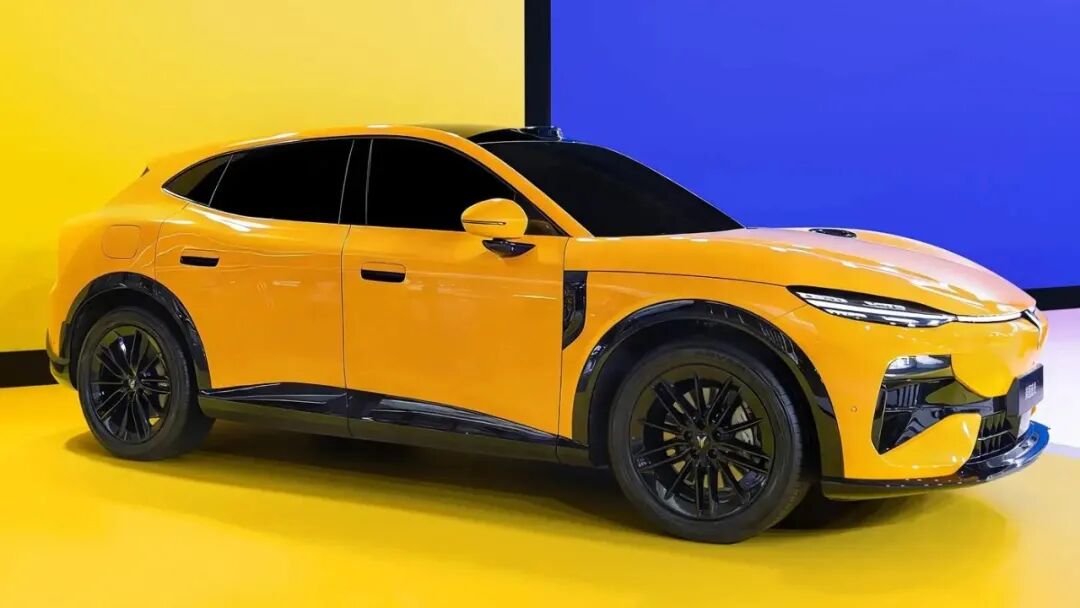
There is also a high degree of consistency in styling design, performance parameters, and intelligent driving assistance. With the support of Huawei's Qiankun ADS 5, some models even surpass Xiaomi in this aspect, followed by a high degree of consistency in chassis suspension. So, what does it come down to in the end? It's about experience, cost, pricing, aesthetics, product stability, and various other details.
Geely or BYD: Who Might Break Through?
Undoubtedly, Xiaomi will face its first wave of high pressure since entering the automotive industry in 2026. Although automotive companies may fall short of Xiaomi in terms of brand influence and marketing, the price difference is a significant factor in the current consumer market. Moreover, major automakers have caught up with the promotional feel of new forces or digital products in recent years, narrowing the gap.
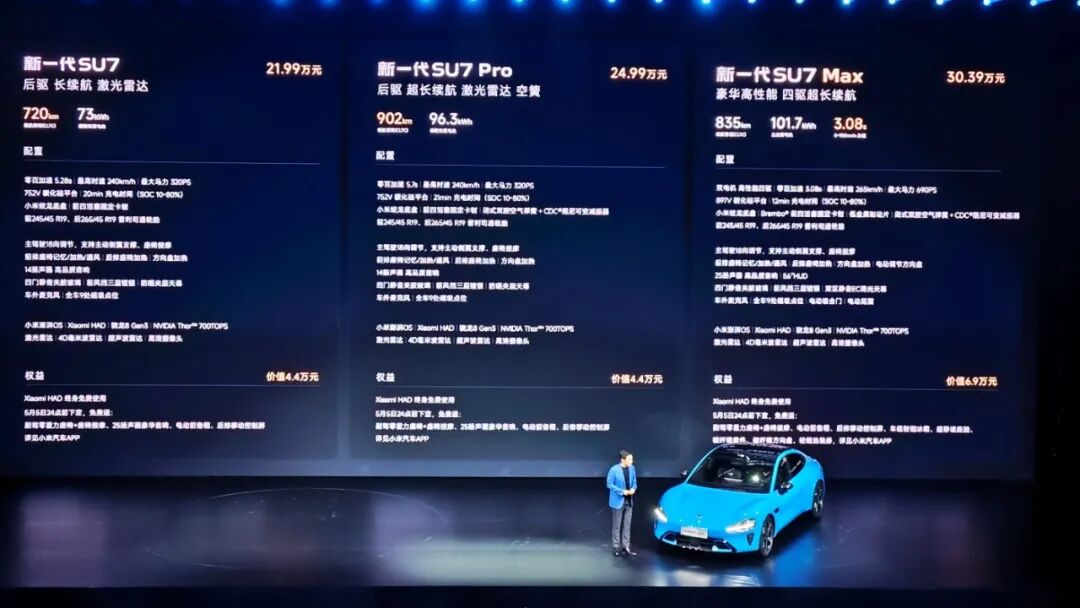
The suggested price (recommended price) of the new generation Xiaomi SU7 is 219,900 yuan, 249,900 yuan, and 303,900 yuan. According to 4S stores and industry speculation, the most popular version is the 249,900 yuan Pro model. The recommended price of the Xiaomi YU7 ranges from 233,500 yuan to 389,900 yuan, with the most popular Pro model priced at 279,900 yuan.
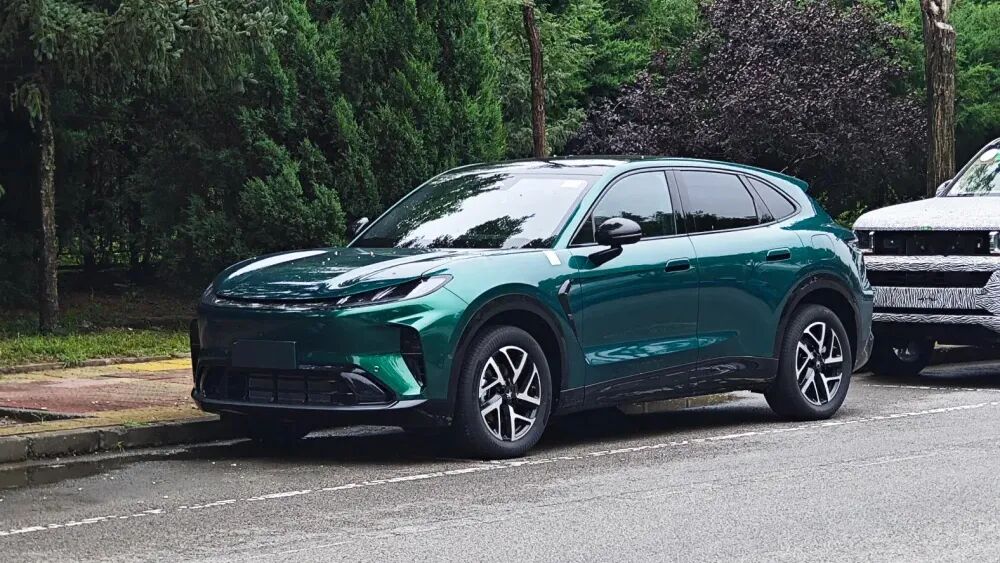
In terms of pricing for the new wave of competitor models, the Shangjie Z7 is 1,000 yuan cheaper than the Xiaomi SU7, and the Qijing GT7 is 10,000 yuan cheaper. The main sales price of the Qiyuan Q06 is expected to be below 200,000 yuan, 70,000 yuan lower than the Xiaomi YU7. The Voyah Zhiguang S is expected to be priced very close to the Xiaomi YU7, while the Arcfox Alpha T7, equipped with Huawei's Qiankun ADS 5, may be priced over 50,000 yuan lower than the Xiaomi YU7.
Apart from the aforementioned models, several new models from Geely and BYD pose the strongest challenges to Xiaomi, especially in the sedan segment.
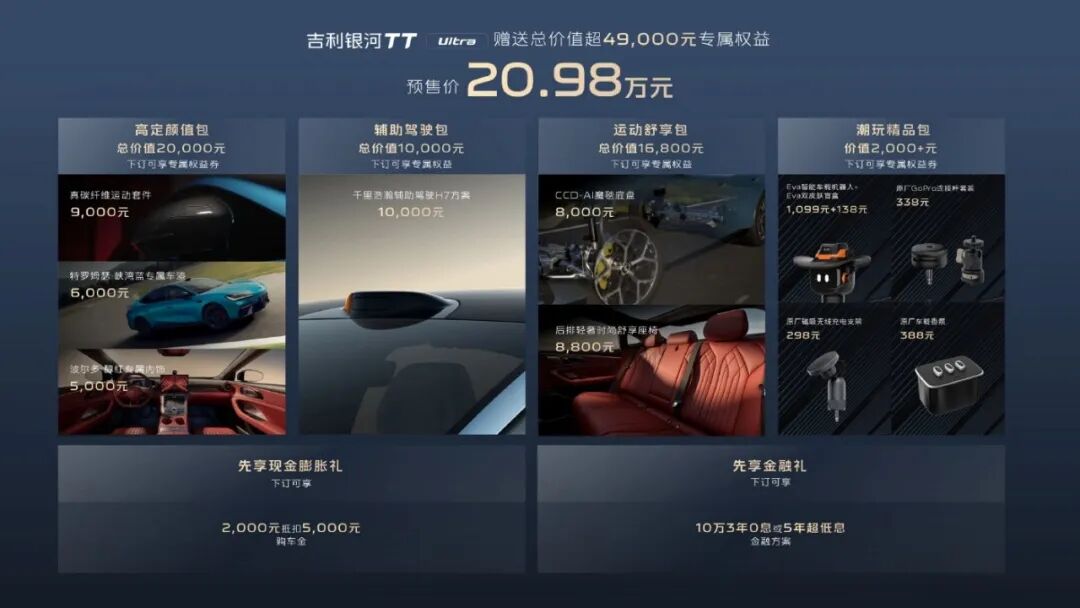
The Geely Galaxy TT Ultra has already started pre-sales, while the BYD Seal 08 and BYD Da Han are about to enter pre-sale and launch. The Fangcheng S and Fangcheng SL are also set for pre-sale and launch. Denza recently unveiled its new model, the Denza Z9S, which is also in the pre-launch phase.
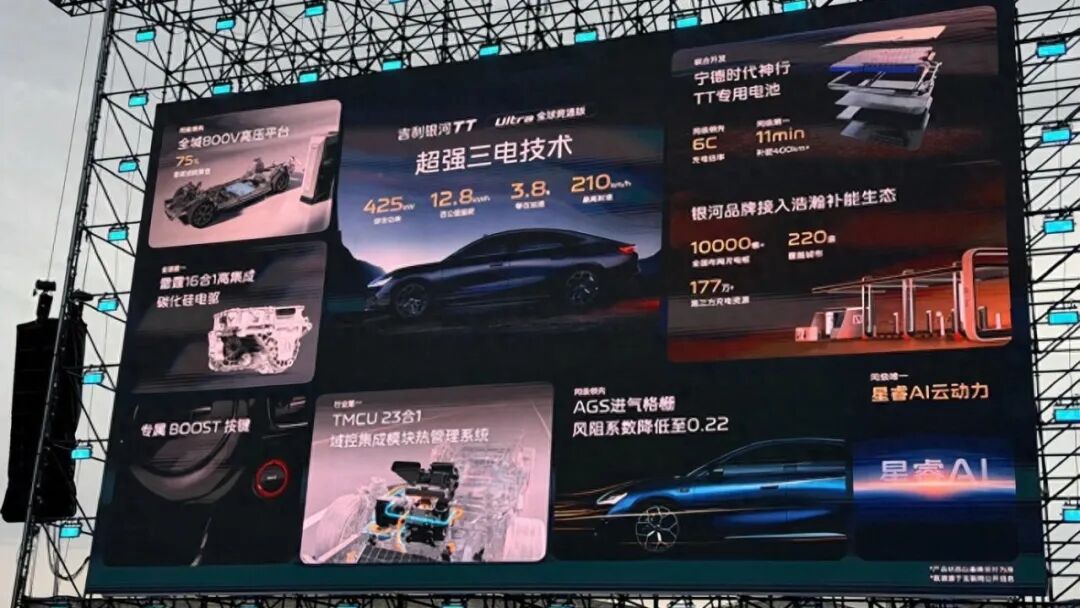
The logic behind the Geely Galaxy TT is quite intimidating. The pre-sold version is the top-performance, fully-equipped model priced at 209,800 yuan. Key features include dual-motor all-wheel drive, a 0-100 km/h acceleration of 3.8 seconds, a CLTC range of 650 kilometers, CCD-AI chassis with pre-mapped road conditions, and the Qianhai H7 assisted driving system.
In comparison, the key features of the Xiaomi SU7 Max version include dual-motor all-wheel drive, a 0-100 km/h acceleration of 3.08 seconds, a CLTC range of 835 kilometers, and Xiaomi's HAD assisted driving system.
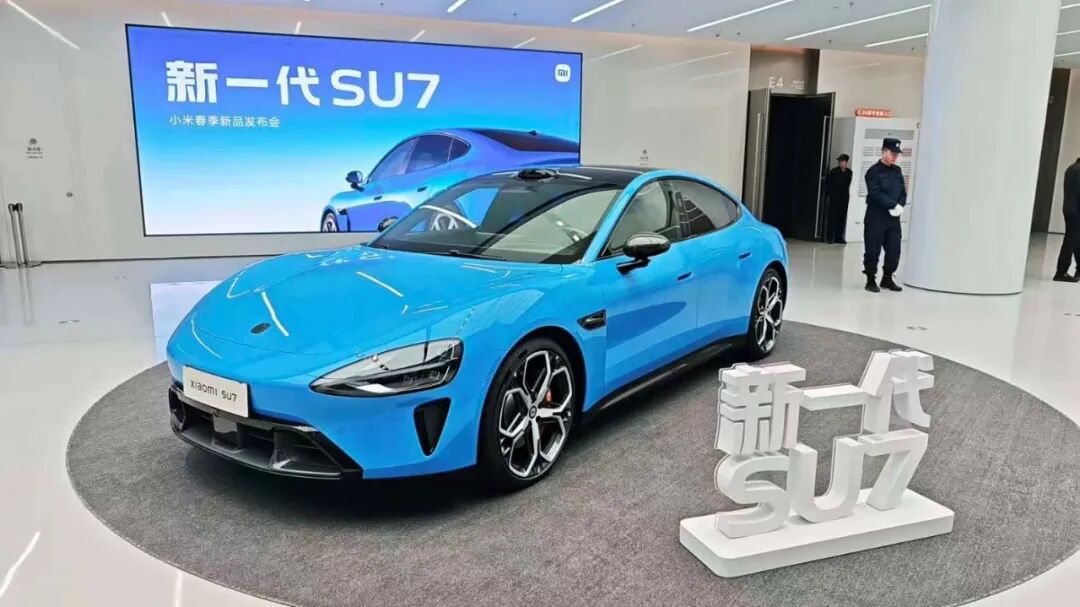
The aforementioned key configurations aim to demonstrate that the Geely Galaxy TT Ultra can offer a similar configuration experience, better emotional value, and superior driving control performance at a price 100,000 yuan lower than the Xiaomi SU7, except for slightly lower range data.
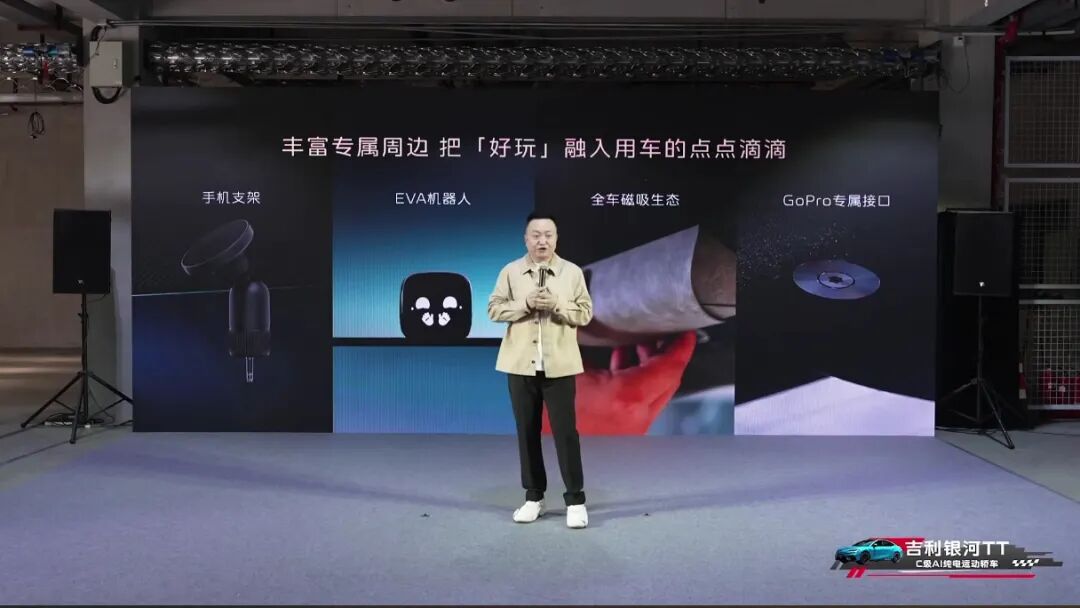
Especially in terms of emotional value, it comes with a carbon fiber package/electric rear wing, which is 10,000 yuan cheaper than the Xiaomi SU7. It also includes a smart in-car robot similar to NIO's NOMI, which Xiaomi does not offer, as well as an original factory-chargeable wireless phone holder and an in-car GoPro connection rod set.

In other words, the Geely Galaxy TT Ultra offers many of the unique features of the Xiaomi SU7. This differential competition strategy, on the one hand, aims to demystify the "Xiaomi worship," as since its launch, many young people have indeed perceived owning a Xiaomi SU7 at their age as a sign of success.
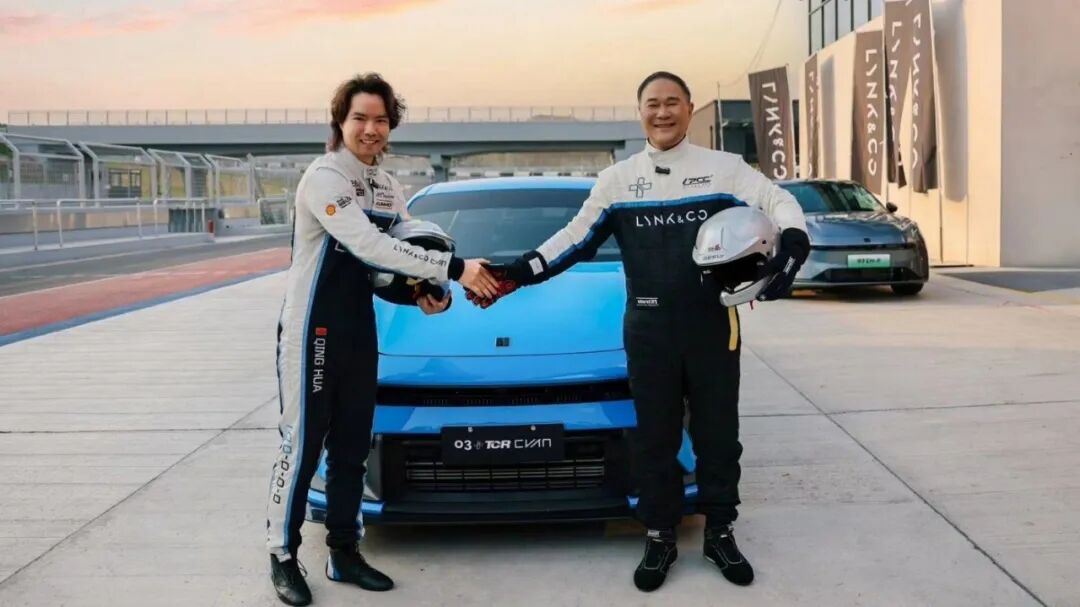
On the other hand, it allows those with a budget of around 150,000 yuan to also enjoy the privileges of a sports coupe. Moreover, Geely's long-standing involvement in global motorsports may also influence the purchasing decisions of older family members. Furthermore, with the top-spec pre-sale price at only 209,800 yuan, the regular version of the Geely Galaxy TT may have even greater price competitiveness.
Meanwhile, Xiaomi is also besieged by multiple models from BYD. BYD's current strategy is to make its existing models larger, more high-end, and slightly increase prices to align with its high-quality business policies.

-
![]()
Profits Plunge by 57%: China’s Auto Price War Takes a Toll on Tesla
-
![]()
Google: Is AI Going to Collapse? A Savior Has Arrived
-
![]()
The Proxy War Between Uber and Meituan
-
![]()
30 Acres! Another Aerospace Unicorn Secures Land in Yizhuang to Establish a 'Satellite Factory'
-
![]()
A Rocket Soars from the East China Sea: Orient Space Embarks on Dual Solid-Liquid Long-Haul Journey
-
![]()
Baidu Becomes "Younger"
-
![]()
Baidu Becomes 'Younger'
-
![]()
Chinese Automakers Going Global: Electrification as the Key Enabler, AI-Driven Intelligence as the Decisive Factor