Chinese Automakers Going Global: Electrification as the Key Enabler, AI-Driven Intelligence as the Decisive Factor
 07/23 2026
 538
538
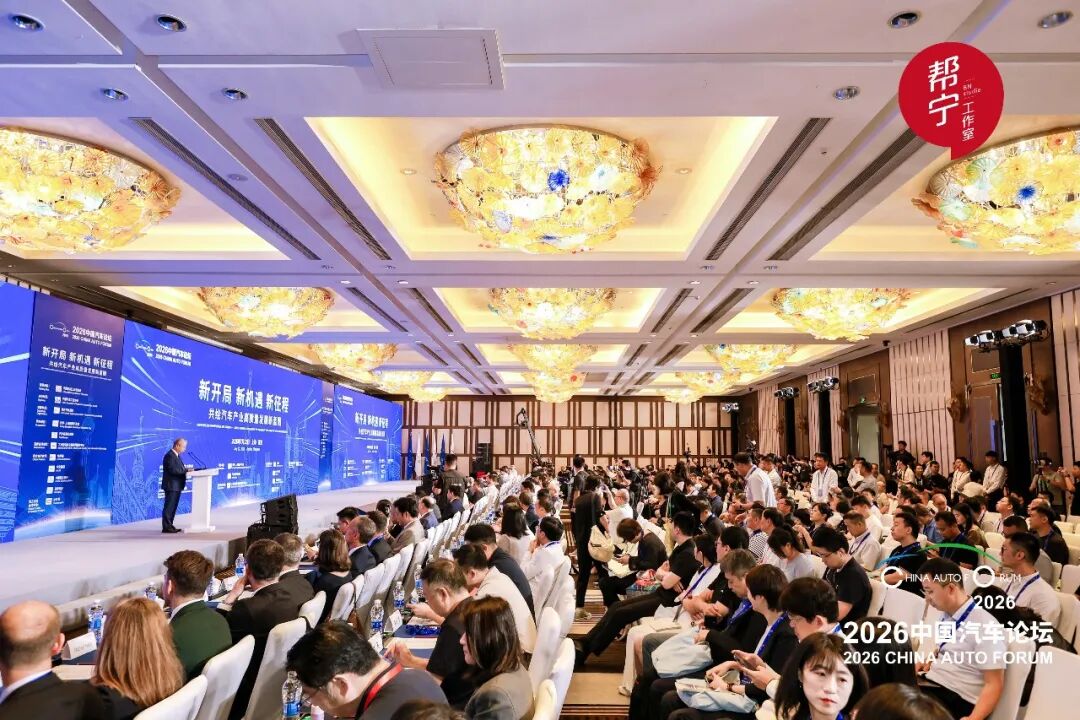
"2026 China Auto Forum Hotly Discusses Intelligence and Globalization"
Author | Gong Chenyan
Editor | Li Guozheng
Produced by | Bangning Studio (gbngzs)
"We are in a great era. The future of the automotive industry is very promising," said Fu Bingfeng, Vice President and Secretary-General of the China Association of Automobile Manufacturers (CAAM), at the 2026 China Auto Forum on July 22. At a critical juncture marking the end of the first half of the year and the transition to full-year development, the CAAM held this forum in Jiading, Shanghai, from July 21 to 23.
This year's forum featured one closed-door summit, one main forum, one technology leaders' summit, 13 thematic sub-forums, and multiple launch events. Each session focused on hot topics and core issues in the automotive industry, exploring development directions and leading future trends.
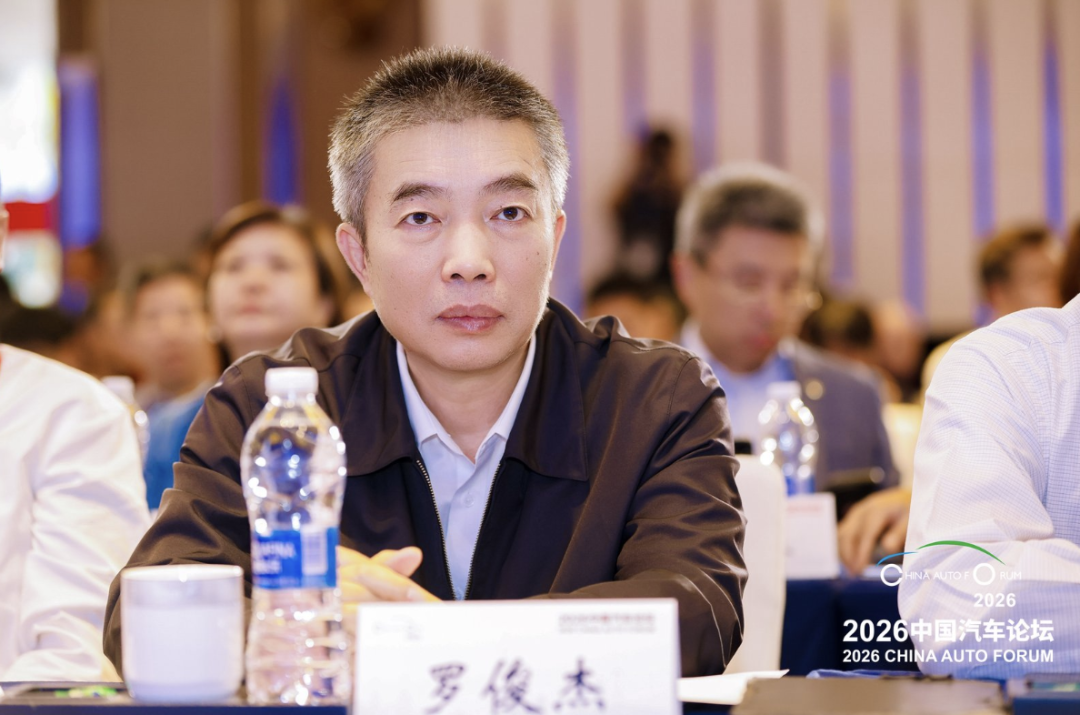
The main forum, held on the morning of July 22, addressed challenges such as a complex and volatile international environment, fierce domestic market competition, and pressure on enterprise development. It explored how the industry can build long-term confidence, maintain strategic focus, and cultivate long-term value to drive the industry from scale expansion to high-quality development.
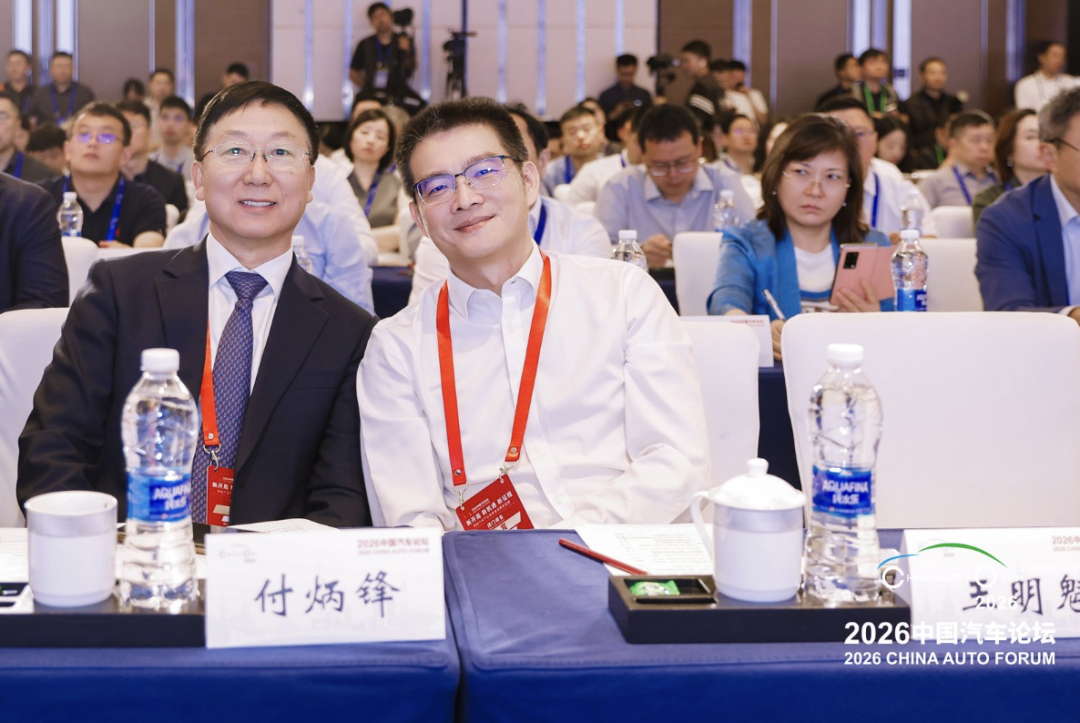
Key speakers at the main forum included Luo Junjie, Vice President of the China Machinery Industry Federation; Li Jun, Academician of the Chinese Academy of Engineering and Professor at the School of Vehicle and Mobility, Tsinghua University; You Zheng, Deputy General Manager and Standing Committee Member of the CPC Committee at Dongfeng Motor Group; Jia Jianxu, President and Deputy Secretary of the CPC Committee at SAIC Motor Corporation; Wang Hui, Executive Vice President of Chongqing Changan Automobile Co., Ltd. and Chairman of Avatar Technology (Chongqing) Co., Ltd.; and Fu Bingfeng.
The recurring themes throughout the main forum were intelligence and globalization. Participants believed that electrification is the key enabler for Chinese automakers going global, while AI-driven intelligence and self-developed capabilities are the core barriers to winning in the global market. The going-global model has evolved from single-product exports to localized deep cultivation across the entire industrial chain and system.
After entering the first year of the 15th Five-Year Plan period, the domestic auto market has entered intense competition in the existing market, with overseas markets becoming the core engine for growth in China's automotive industry.
In the first half of this year, automobile production and sales reached 14.993 million and 15.017 million units, respectively, down 4% and 4.1% year-on-year, with the decline narrowing compared to the first five months. Notably, exports saw Exceed expectations (unexpectedly strong) growth, forming stable support with sales reaching 5.096 million units, up 65.3% year-on-year. According to the CAAM, this marks the first time China's exports exceeded 5 million units in the first half of the year.
A healthy industry ecosystem is crucial for the sustainable and steady development of the industry.
In his speech, Luo Junjie proposed that the entire industry should improve its governance, quality, and self-discipline systems, engage in regulated and orderly competition, and resolutely resist irrational competition and blind expansion (blind expansion). He emphasized the need to continuously promote quality improvement and brand cultivation initiatives to help create a group of globally competitive Chinese auto brands and benchmark enterprises.
▍01 Overseas Partners Value Chinese Auto AI
Unlike previous forums that focused on overseas sales, model supply, and channel expansion, this year's event featured insights from several auto executives based on their firsthand overseas visits.
In their view, the focus of overseas customers has shifted from models and prices to automakers' AI and intelligent driving layouts. The industry needs to adhere to a long-term perspective, with technology, brands, and standards going global together to shape a new global image for Chinese automobiles.
"When I go overseas now, partners are not asking about our next-generation vehicles but about our next-generation AI layout (layout)," shared Wang Hui at the main forum, sparking lively discussion.
Wang returned to China a week before the forum and will visit 20 countries in the next three months for overseas market work. Based on his firsthand observations, Wang believes that the cost of educating overseas markets about Chinese brands has significantly decreased, with acceptance and recognition rising markedly across global markets.
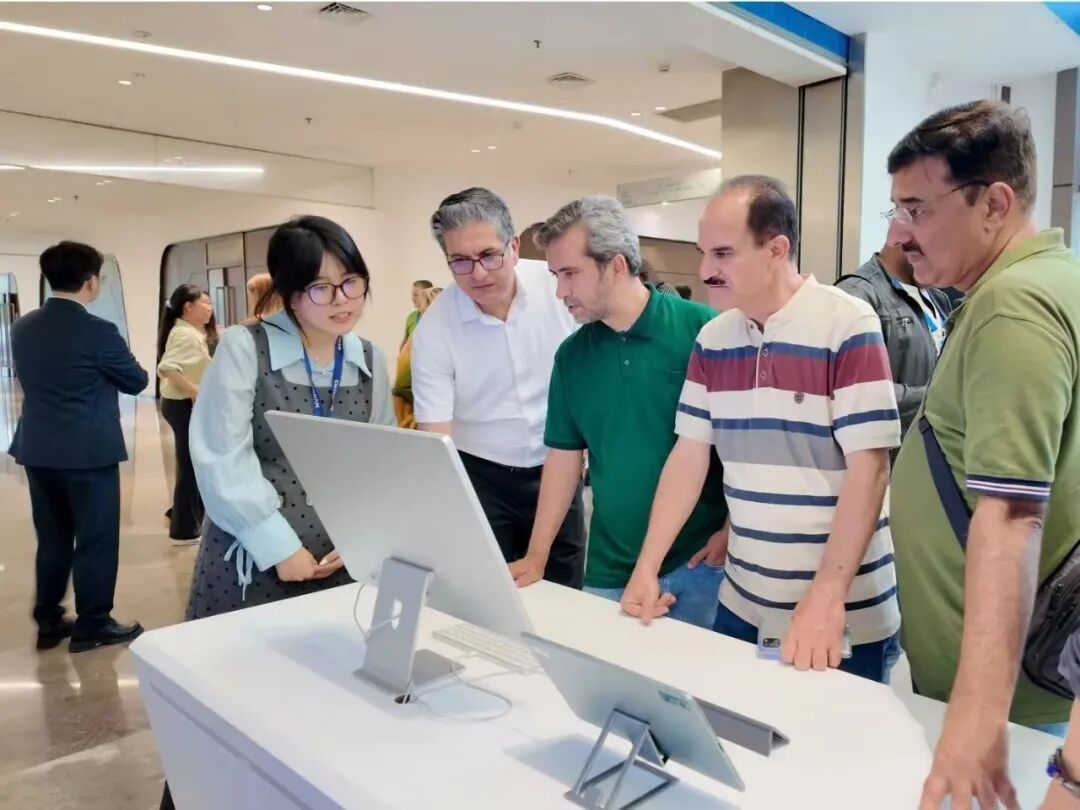
"Visiting every country overseas, I can fully feel the confidence, which is a great opportunity for Chinese auto brands," he said. "The overseas market is a rally race for incremental expansion. The global journey of Chinese automobiles has fully begun."
In Jia Jianxu's view, the Cognitive turning point (cognitive turning point) in the European market more intuitive (intuitively) confirms the evolution of overseas demand; the going-global model for Chinese automakers will shift from product exports to coordinated exports across the entire industrial chain.
He noted that in May this year, the monthly registrations of Chinese passenger cars in 31 European countries surpassed those of Japanese brands, marking a highly symbolic turning point. Chinese automakers are no longer relying on price to capture the market but are competing with international first-tier brands through original technologies such as three-electric systems, intelligent cockpits, and intelligent driving, exporting a complete set of new energy vehicle manufacturing standards and intelligent mobility solutions.
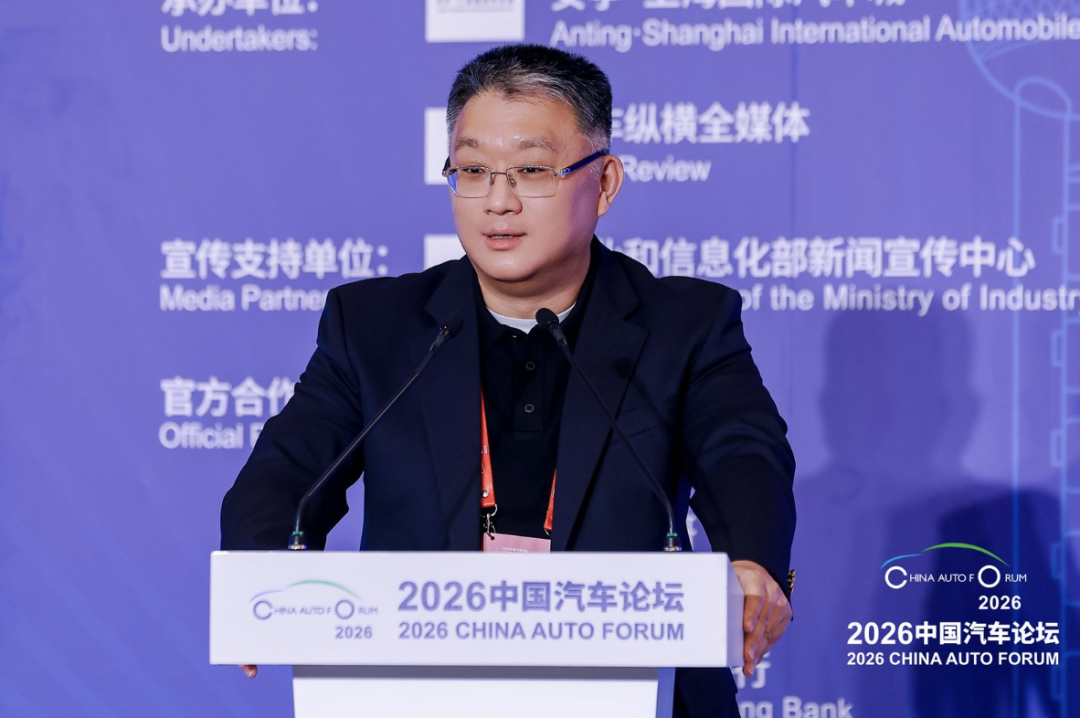 ● Jia Jianxu, President and Deputy Secretary of the CPC Committee at SAIC Motor
The industry's previous perception was that Europe favored small commuter vehicles, but currently, models equipped with advanced intelligent driving and large-size intelligent cockpits are seeing significantly faster sales growth. When European consumers make purchasing decisions, they no longer solely weigh price and range; vehicle AI interaction and holistic intelligent experience have become core value-added factors.
Chinese automobiles are also rewriting the logic of cooperation with multinational automakers.
At the forum, Zhu Jiangming, Founder, Chairman, and CEO of Leapmotor Technology, shared details of the cooperation with Stellantis, stating that it broke the previous model where Chinese automakers only sold complete vehicles overseas.
"We have classic cooperation cases with FAW Hongqi, FAW Besturn, and Stellantis. We provide platform-based solutions and core components, allowing them to produce vehicles quickly with guaranteed quality," said Zhu. He explained that this is equivalent to a packaged service, a new model for Leapmotor as a supplier, similar to Huawei's approach.
This indicates that while electrification is the ticket for Chinese automobiles to enter overseas markets, the era of solely competing on models and cost-effectiveness has ended. AI-driven intelligence and self-developed technologies are now the core criteria for overseas enterprises to evaluate the long-term value of Chinese automakers and decide on deep cooperation.
▍02 Exporting Complete Intelligent Vehicle Manufacturing Solutions
The evolving demands of overseas partners are not a short-term market preference fluctuation but an inevitable trend driven by dual transformations in the global automotive industry's technological roadmap and going-global model.
At this year's main forum, speaking auto executives unanimously judged that competition among automakers has extended from single-vehicle products to entire intelligent industrial ecosystems; going global has also upgraded from simple complete vehicle trade to a full-chain industrial model involving the simultaneous localization of technology, production capacity, and services.
Wang Hui introduced the transformation and development path of Changan's going-global model.
"In April this year, we launched the Haina Baichuan Strategy 2.0 to promote global development, upgrading from a product-trade-dominated model to a comprehensive business model integrating manufacturing trade, investment services, and ESG construction. To achieve this, we will focus on seven directions for comprehensive upgrades," said Wang. The upgrades primarily involve technology, products, brands, investments, cooperation models, services, and teams.
Regarding teams, in the next three years, Changan's overseas workforce will exceed 4,600, with local employees accounting for over 70%, driving total employment across the upstream and downstream industrial chains to surpass 15,000. Through comprehensive upgrades in seven directions, Changan aims to reach overseas sales of 1.5 million to 1.8 million units by 2030.
You Zheng proposed in his speech that the industry used to compete on how fast cars could go, but in the future, it will compete on how smart cars are.
Facing the global market, Dongfeng Motor has launched the Tianji Yangfan Plan to promote comprehensive going-global efforts in products, production capacity, and industries. By investing over 100 billion yuan in core resources and launching 55 global new energy models, Dongfeng aims to meet the legal and technical requirements of various global regions and achieve over 50% localized manufacturing. By 2030, overseas sales are expected to account for 40% of the total.
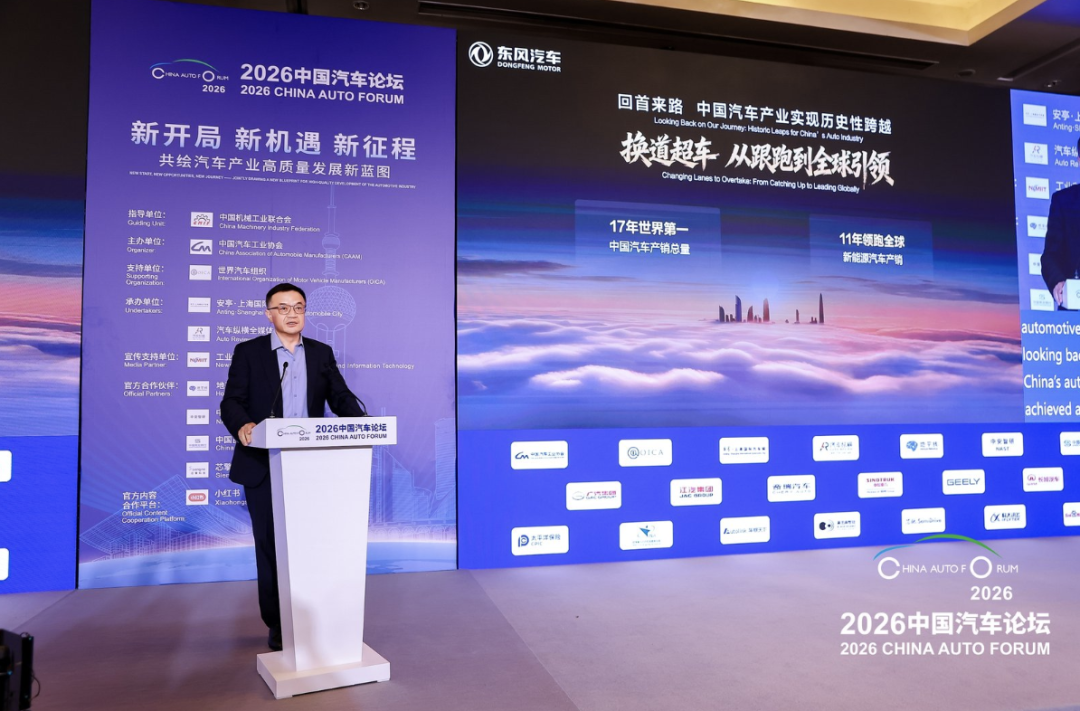 ● You Zheng, Deputy General Manager and Standing Committee Member of the CPC Committee at Dongfeng Motor
"Against the backdrop of continuous reconstruction of global rules, only by relying on compliant and systematic layouts and integrating the industrial chain, innovation chain, and service chain into local markets can we achieve the leap from 'going out' to 'going in' and then to 'going up'," said You.
"The real test of going global is not whether we can 'go in' but whether we can stay there locally," You added.
Jia Jianxu also advocated that as the layout model upgrades from trade-based going-global to localized deep cultivation across the entire value chain, Chinese enterprises must pay particular attention to compliance.
"When visiting someone else's home, I believe guests should follow the host's rules; otherwise, they will eventually be asked to leave. So my first proposal (proposal) is compliance. If you are not compliant, the host will not like you," Jia reminded.
According to Jia, SAIC has invested over 150 billion yuan in tackling core technologies for intelligent electric vehicles, holding over 26,000 self-developed patents. Its third-generation electronic and electrical architecture enables holistic control of intelligent driving, cockpits, and chassis, adopting a self-developed base and open ecosystem approach compatible with intelligent regulations and software and hardware systems in various countries.
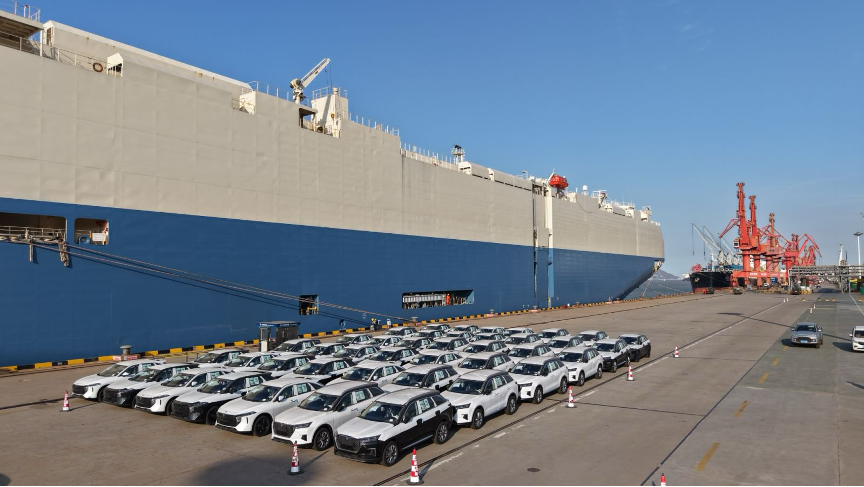
Meanwhile, SAIC has established overseas manufacturing bases in Thailand, India, and Indonesia, built local component industrial parks, and used its own ro-ro ships to establish global logistics links, achieving simultaneous going-global efforts for complete vehicles and intelligent components. Instead of solely exporting vehicles, SAIC exports complete intelligent vehicle manufacturing solutions.
In response to weak charging infrastructure in Southeast Asia and long-distance travel demands in Europe, Leapmotor has self-developed a direct-drive plug-in hybrid technology, using a single underlying architecture to adapt to different global markets. It can directly provide standardized intelligent power solutions to overseas automakers, reducing their R&D cycles and costs, and saving thousands of yuan in component expenses per vehicle for partner brands.
Facing the reconstruction of global trade rules, You Zheng suggested that the industry adhere to systematic layouts, brand-oriented operations, and compliant operations to jointly maintain the brand image of Chinese automobiles and create a group of world-class auto brands.
"Going global is generally a market-driven behavior. Enterprises have different strategies and layout considerations, which are understandable given the diversity. However, one thing remains the same: enterprises going global must pace themselves. We need to integrate with local markets and economies and consider local bearing capacity (capacity)," said Fu Bingfeng. He believes that international markets should be developed steadily, innovative joint venture and cooperation models should be explored, and overseas localized operations and cross-cultural management capabilities should be enhanced to achieve stable going-global development.
-
![]()
Gemini Slips From Global Top 10: What Lies Ahead for Google's AI Dominion?
-
![]()
Exclusive | Interview with Wu Yongjian, Vice President of Tencent Cloud: The Intelligent Agent Market Has Yet to Enter a Bubble Phase, Though Some Sectors Are Becoming Saturated
-
![]()
Profits Plunge by 57%: China’s Auto Price War Takes a Toll on Tesla
-
![]()
Google: Is AI Going to Collapse? A Savior Has Arrived
-
![]()
The Proxy War Between Uber and Meituan
-
![]()
30 Acres! Another Aerospace Unicorn Secures Land in Yizhuang to Establish a 'Satellite Factory'
-
![]()
A Rocket Soars from the East China Sea: Orient Space Embarks on Dual Solid-Liquid Long-Haul Journey
-
![]()
Baidu Becomes "Younger"