In-Depth Analysis | July Sales Performance of Emerging Auto Brands
 08/03 2026
 493
493

On the first day of each month, it’s time to review the sales performance of various brands.
Let’s start with the emerging auto brands.
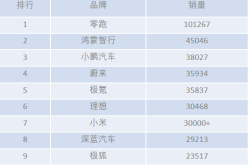
NIO: 35,934 units
XPeng: 38,027 units
Li Auto: 30,468 units
Leapmotor: 101,267 units
Xiaomi: 30,000+ units
01 NIO
NIO delivered 35,934 vehicles in July.
This marks a decline from June’s 40,597 units.
Let’s break it down by brand.
Starting with NIO: The NIO brand delivered 20,008 new vehicles, down slightly from last month’s 21,908 units.
The ES8 sold 10,286 units in July, continuing to lead in both sales and profitability. The ES9 likely contributed significantly as well.
The decline is mainly attributable to the other seven models currently on sale.
The Ledo brand delivered 10,155 new vehicles, down from 11,743 in June and 12,029 in May, continuing its downward trend.
Hmm, my concerns are materializing. Even with the refreshed L60 and L90, along with the new L80, performance remains lackluster.
It seems Ledo is falling into the “new model valley of death.”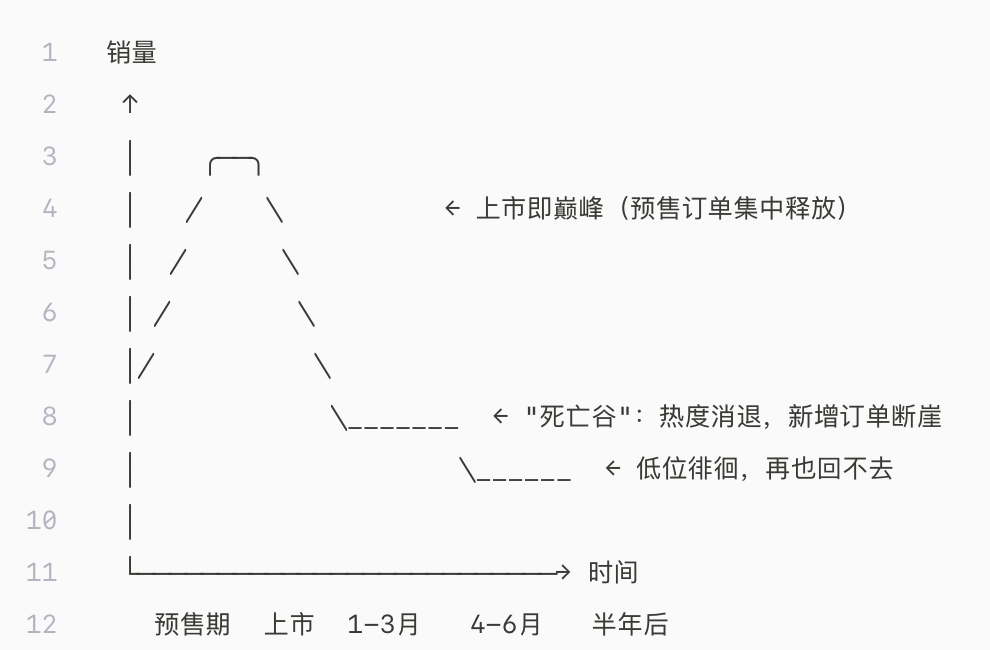
This isn’t Shen Fei’s fault. The market is fiercely competitive, with numerous highly capable new models vying for attention through technological advancements.
Consumer attention is highly fragmented, and the “exclusive period” for any single model is shrinking rapidly.
This trend applies to Ledo and many other brands.
Unfortunately, this is the current reality of the automotive market. Enough said, let’s refocus.
The Firefly brand delivered 5,771 new vehicles, down from last month’s 6,946 units.
For Firefly, monthly sales above 5,000 units are positive for NIO. Firefly has also found new growth areas through community building, user engagement, and personalization. The launch of the Halo series represents Firefly’s attempt to break through to a higher brand value tier.
However, simply changing the design without upgrading performance to justify a higher price doesn’t appeal to a pragmatic Taurus like myself.
Still, it’s a worthwhile experiment. At this point, NIO has played all its cards for the year. The main focus for the second half will be on “steadily selling vehicles.”
02 XPeng
In July, XPeng delivered 38,027 new vehicles, a slight decline from June’s 40,126 units. The primary reasons are industry competition, new model transitions, and production ramp-up.
XPeng’s current lineup includes: XPeng: P7 (coupe), P7+ (sedan), G6 (SUV), G9 (SUV), GX (luxury 6-seater flagship SUV), X9 (7-seater MPV) MONA: M03 (coupe), L03 (SUV) Currently, the M03, L03, and GX are expected to drive the majority of sales.
Other models are struggling due to intense industry competition. Recently (July 24), XPeng recalled 33,473 X9 units, accounting for about 60% of global cumulative deliveries. This incident has also impacted XPeng’s sales to some extent.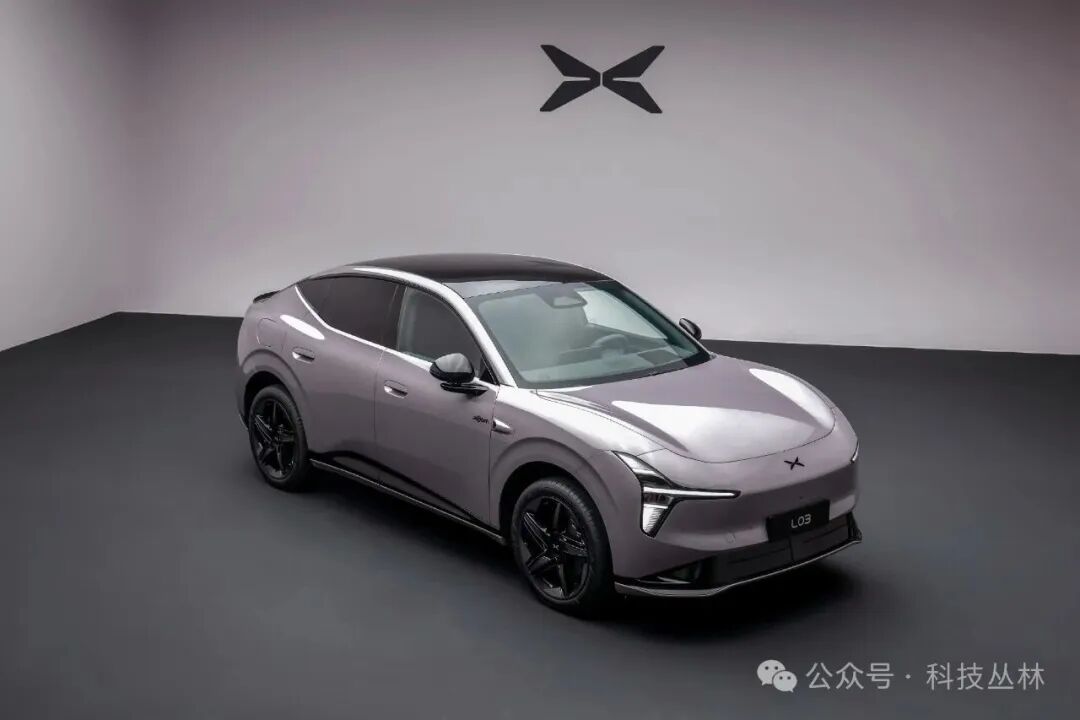
However, XPeng still has growth potential.
Starting with existing models: On July 16, the XPeng MONA L03 was launched, receiving over 20,000 orders in just 7 minutes and surpassing 46,000 orders within an hour.
Deliveries began on July 22, and production is still ramping up.
Currently, the wait time for the L03 range extender is 8-13 weeks, while the battery electric version requires 13-18 weeks. Large-scale deliveries of the L03 will commence in August, providing a significant boost to XPeng’s sales.
Additionally, the XPeng GX is still in its production ramp-up phase.
The current delivery time for the GX battery electric version is 28-32 weeks, while the range extender version takes 9-12 weeks, significantly faster than before.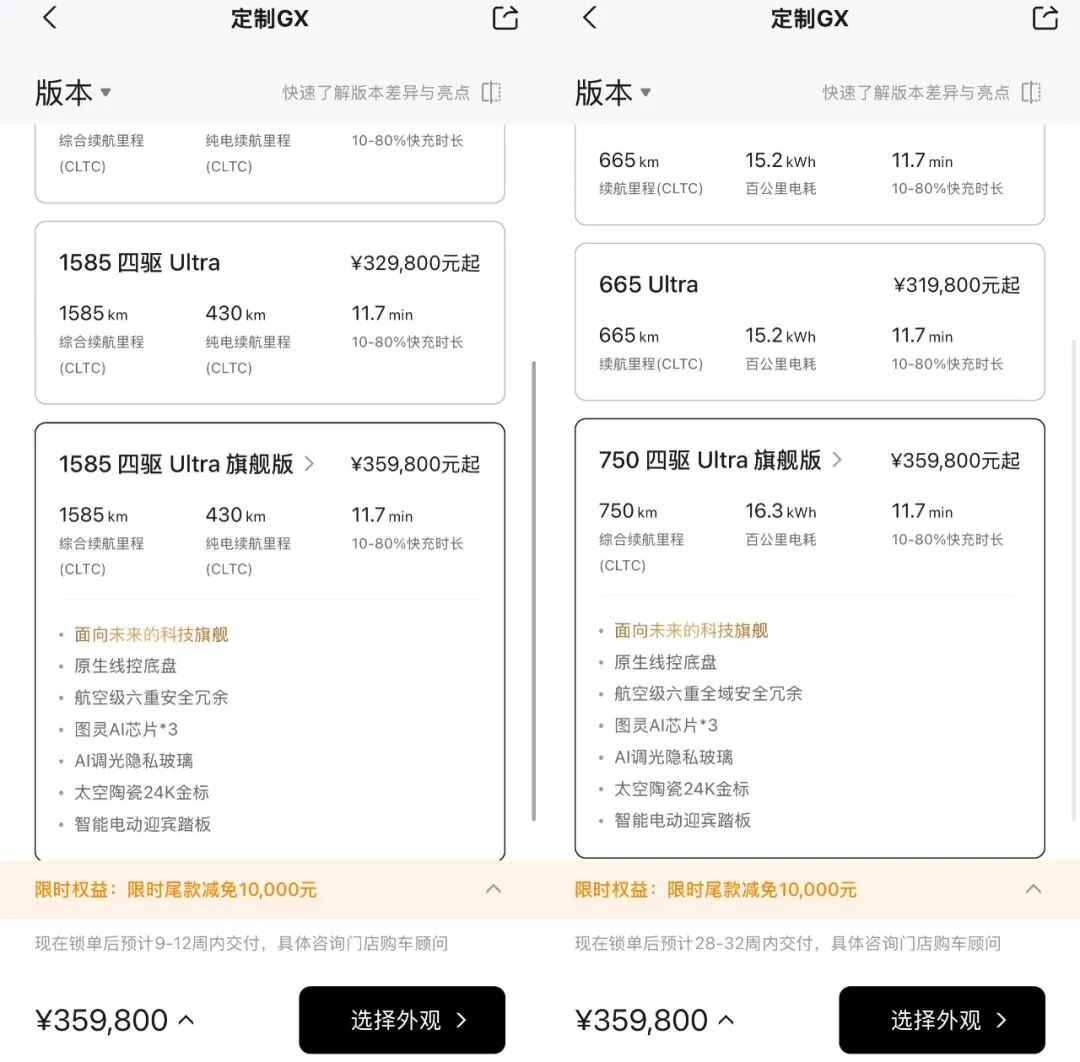
Furthermore, XPeng plans to launch two new models in the second half of the year: the G9L and L05.
If these models are launched quickly, such as in August or September, they could significantly drive XPeng’s sales. While current models ensure continued sales growth, XPeng still faces structural challenges, including over-reliance on entry-level models for volume, weak momentum in mid-to-high-end models, and recurring quality control issues. (PS: I’m not here to criticize.) To achieve sustained and stable sales growth, XPeng must address these issues.
03 Li Auto
Li Auto delivered 30,468 vehicles in July, down from last month’s 30,895 units.
In reality, the total volume decreased by approximately 4,000 units due to the following reason: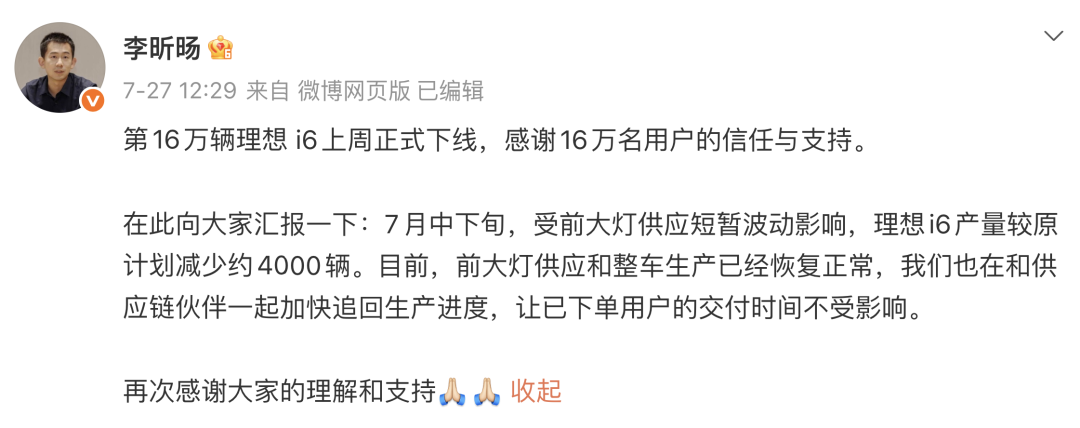
For Li Auto, this sales figure isn’t particularly high. However, the performance can be justified by the fact that new models are still in the production ramp-up phase.
After all, the new L8 was launched on June 23, and the new L6 debuted on July 16. Product ramp-up takes time.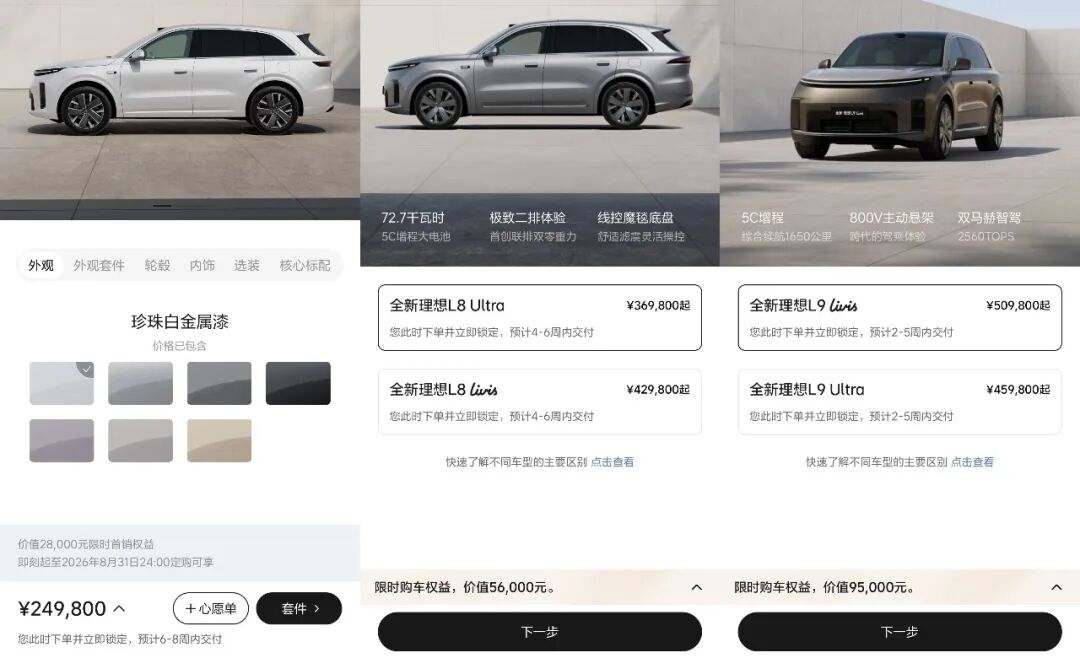
Thus, after more than six months, Li Auto has finally completed the refresh of its range extender series.
The upcoming battle for Li Auto will be challenging.
The main reasons are the fading benefits of range extender technology, the erosion of the L series’ market foundation, the gap between product transitions, and the redefinition of competitive dimensions.
The L series can no longer easily achieve monthly sales of over 10,000 units as it once did. Now, it’s all about hard-fought battles.
Li Auto’s sales target for the year is a 20% increase, roughly 488,000 units. To achieve this, monthly sales must exceed 50,000 units going forward.
The newly launched L8 and L6 must prove their value.
At the very least, the new L6 should guarantee monthly sales of over 10,000 units.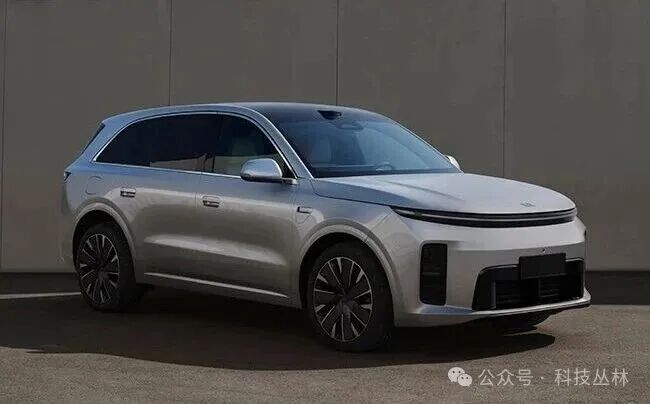
This month, a minor refresh of the i8 is expected to launch, featuring a new single-motor rear-wheel-drive version (340 horsepower), dual zero-gravity front seats, an upgraded Mach M100 smart driving chip, and a highly anticipated electric front trunk.
It remains to be seen whether the refreshed i8 can boost sales and drive incremental growth.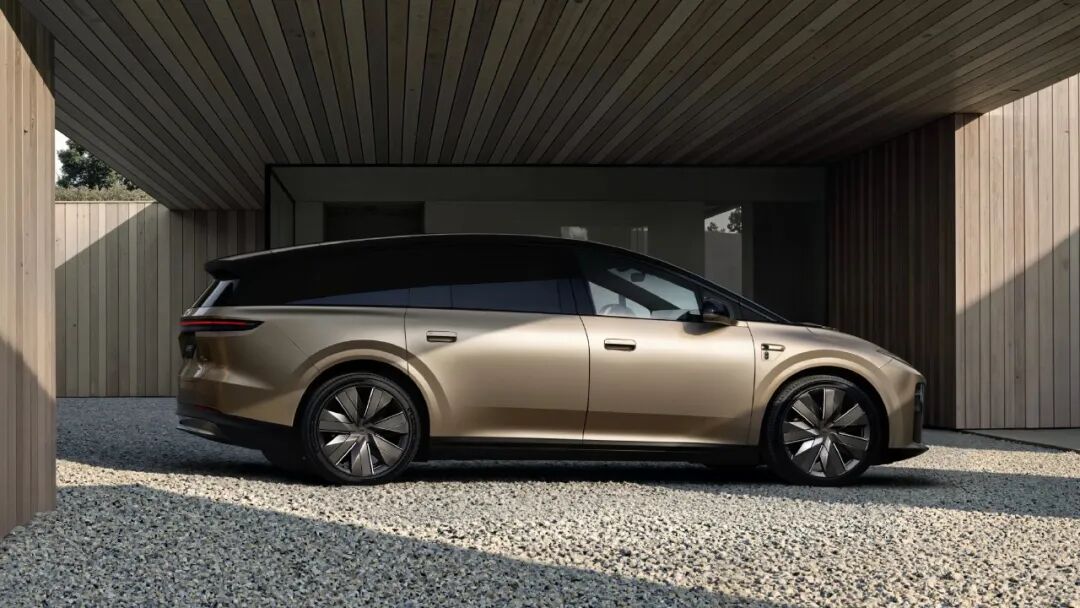
In September, the new i9 will also hit the market, forming a dual-flagship 9 series alongside the L9. The sales performance of this model remains uncertain. Overall, Li Auto faces a tough year ahead.
04 Leapmotor
Leapmotor delivered 101,267 vehicles in July (up from 93,376 in June), surpassing 100,000 units in a single month for the first time.
It became the first Chinese emerging auto brand to achieve over 100,000 monthly deliveries.
This performance doesn’t surprise me.
As mentioned in last month’s sales outlook by Tech Jungle, Leapmotor is on track to consistently exceed 100,000 monthly sales, with some months potentially reaching 110,000 or 120,000 units.
As stated in a previous Tech Jungle article, starting from June, we will witness Leapmotor repeatedly setting new delivery records. This success stems from the collective strength of its four product series: A, B, C, and D.
A Series (below 100,000 RMB): Targets the mass market for incremental growth.
B Series/C Series (100,000-200,000 RMB): Focuses on the family vehicle segment.
D Series (250,000-350,000 RMB): Offers affordable luxury for upward mobility.
Specifically: A Series: The A10 sold nearly 30,000 units monthly.
B Series: The new B01 and B10 were instant hits, with over 20,000 units sold in July alone.
C Series: Maintained strong sales momentum in its debut month, with the C10 consistently selling over 10,000 units globally.
D Series: The D19 surpassed 10,000 deliveries in July, while the first MPV, the D99, has begun deliveries with an average selling price exceeding 300,000 RMB for initial orders. Each of the four product series caters to distinct market segments and leads within their niches, collectively solidifying Leapmotor’s product-driven sales growth.
In August, Leapmotor will launch the new A05 under the A Series. Additionally, Leapmotor’s Tech Day in September will showcase more technological advancements.
05 Xiaomi
Xiaomi maintained sales of over 30,000 units in July, a strong performance relying on just two models: the SU7 and YU7.
However, reaching July with only 30,000+ monthly sales is concerning. In today’s fiercely competitive market, standing still means falling behind.
Moreover, Xiaomi’s annual sales target is 550,000 units.
By the end of July, cumulative sales reached approximately 220,000 units. To meet the target, average monthly sales must hit 66,000 units over the next five months.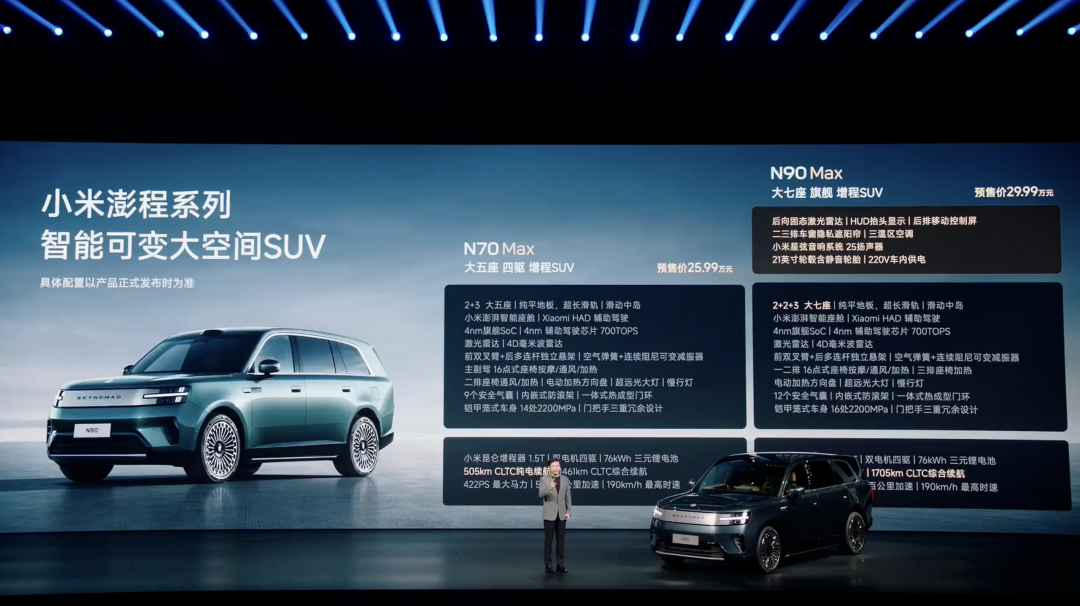
Although Xiaomi has begun presales for two new models in its Pengcheng series—the N70 Max (259,900 RMB) and N90 Max (299,900 RMB)—their official launch isn’t until September. This delay is puzzling.
A vehicle developed over three years still cannot reach the market swiftly.
This efficiency is questionable.
In a race against time, competition intensifies every month.
A clear fact is that among the dozens of 523-sized vehicles introduced to the market, few achieve monthly sales of over 10,000 units. Xiaomi Pengcheng’s September launch means losing another month of opportunity. Despite reaffirming its annual target in recent earnings calls, if monthly sales remain at 30,000 in August, Xiaomi must average 75,000 units per month from September to December to meet the goal. This implies the Pengcheng series must sell 40,000 units monthly to bridge the gap. Currently, the Pengcheng series has attracted around 60,000+ reservations, showing decent heat (popularity).
However, based on past experience, at least a 60% drop-off rate from reservations to firm orders is expected. Thus, the current reservation volume is insufficient.
Xiaomi’s urgency is evident, even advertising in Xiaomi stores: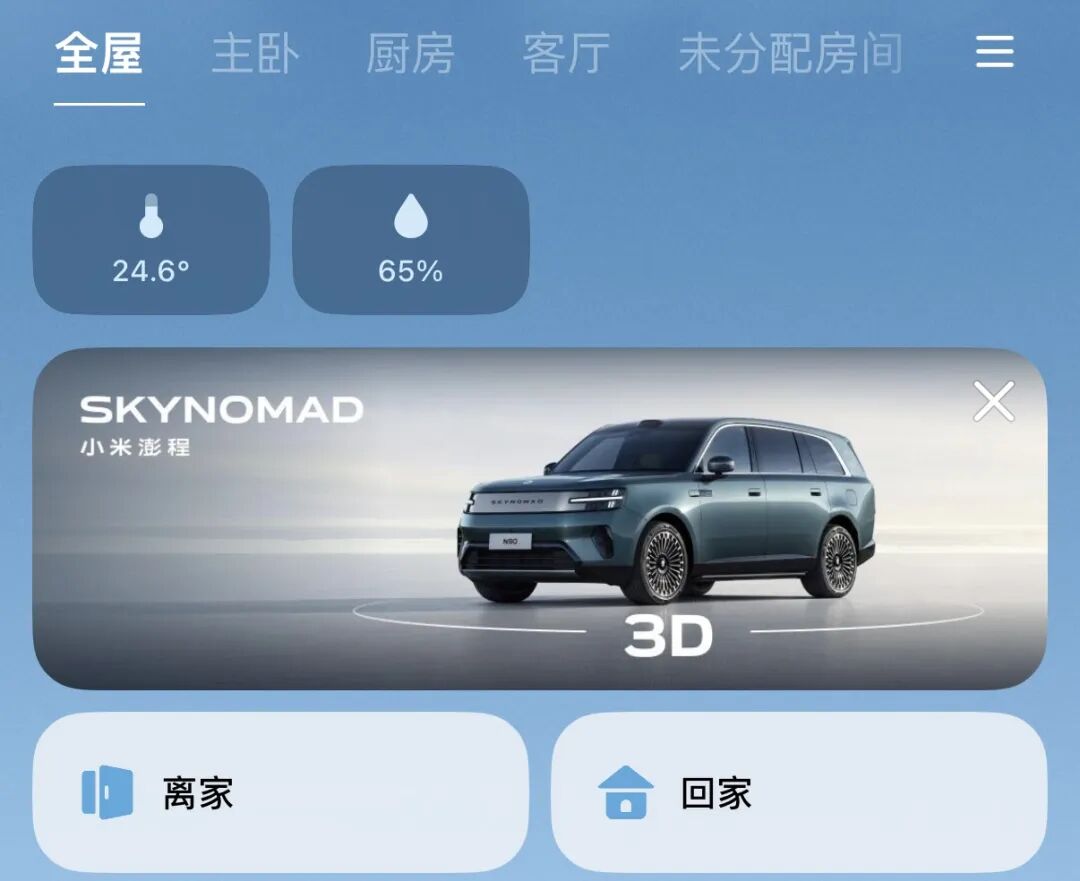
This makes sense, as family vehicles align well with Xiaomi’s ecosystem. From a product perspective, beyond spatial innovation, the Pengcheng models have notable shortcomings.
They excel in some areas but lag significantly in others, likely leading to polarized consumer reviews.
To secure a large volume of orders quickly, a price reduction of 30,000-50,000 RMB might be necessary, similar to XPeng’s GX strategy (pre-sale at 399,800 RMB, official starting price at 269,800 RMB, a cut of over 100,000 RMB), which stimulated sales. This addresses the issue of order reserves.
Additionally, new models typically face production ramp-up challenges.
Xiaomi’s monthly sales are unlikely to jump to 70,000 units immediately; instead, they will gradually increase from 40,000-50,000 units. From every angle, achieving this year’s target remains a formidable challenge for Xiaomi.
The End.
-
![]()
Analysis of Service Reputation Index in the First Half of 2026
-
![]()
After Leapmotor’s Monthly Sales Surpass 100,000 Units, Netizens Ponder: Who Will Be the Next Newcomer to Achieve Both Scale and Profitability?
-
Auto Market News: Tesla Refutes, Calls It 'False Information'!
-
1.5% Profit Margin for Complete Vehicles: Where is the Automotive Industry's Profit Shifting?
-
![]()
In-Depth Analysis | July Sales Performance of Emerging Auto Brands
-
![]()
July Sales of Emerging Automakers: Widespread Month-on-Month Declines, Leapmotor Leads with Over 100,000 Units Sold
-
![]()
Musk Clarifies: Tesla Has No Plans to Divest Chinese Operations
-
![]()
ByteDance, Capturing 40% of User Time, Seeks to Transform Its Revenue Model