Dongan Power: From Xiaomi's Favorite to Being Phased Out by Li Auto and Others
 08/10 2026
 434
434
Lead
Introduction
Range-Extended Powertrain: A Mission for an Era
Starting from July 23, Li Xiaoshuang, the Vice President of Xiaomi Auto, began teasing the range extender for Xiaomi's upcoming Pengcheng launch event, scheduled a week later—the Dongan Power M15DRE 1.5T four-cylinder range extender. On the evening of July 30, the full details and data of the powertrain, named the "Kunlun Super Range Extender," were revealed to the public.
Coincidentally or not, on July 24, Zhou Ruoyu, Head of Product Operations for Li Auto's second product line, announced on social media that the Li ONE had surpassed 500,000 kilometers in cumulative mileage, with its Dongan Power three-cylinder range extender enduring prolonged, high-intensity use.
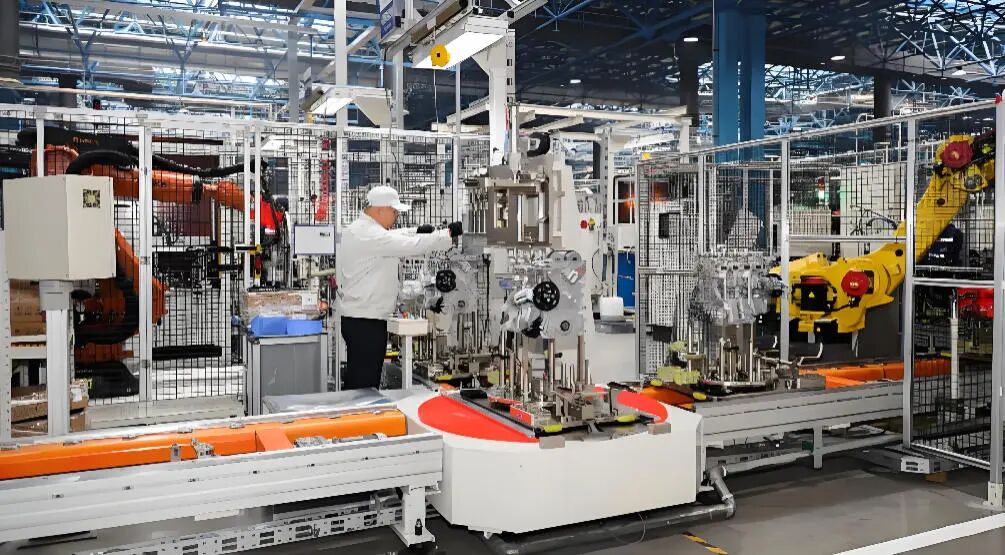
Thus, Dongan Power once again became a focal point of discussion. The company's history dates back to 1948, but it was formally established in 1998 as Harbin Dongan Auto Power Co., Ltd. Now, it is a subsidiary of the newly formed China Changan Automobile Group Co., Ltd., the parent company of Changan Automobile.
In an era when domestic brands lacked independent engine R&D capabilities, Dongan Power introduced technologies such as the iconic 4G63 series engine, which was widely used in early models of domestic brands. However, as domestic automakers developed their own engine R&D systems, customers gradually left, leading to a sharp decline in Dongan Power's engine sales.
By 2018, the company's engine sales had dropped to just 168,900 units, with net profit plummeting by 87%, nearly pushing it to the brink of bankruptcy. That same year, Li Auto launched the Li ONE, hailed as China's pioneering range-extended electric vehicle in the new energy era. Its range extender was Dongan Power's 1.2T three-cylinder engine.
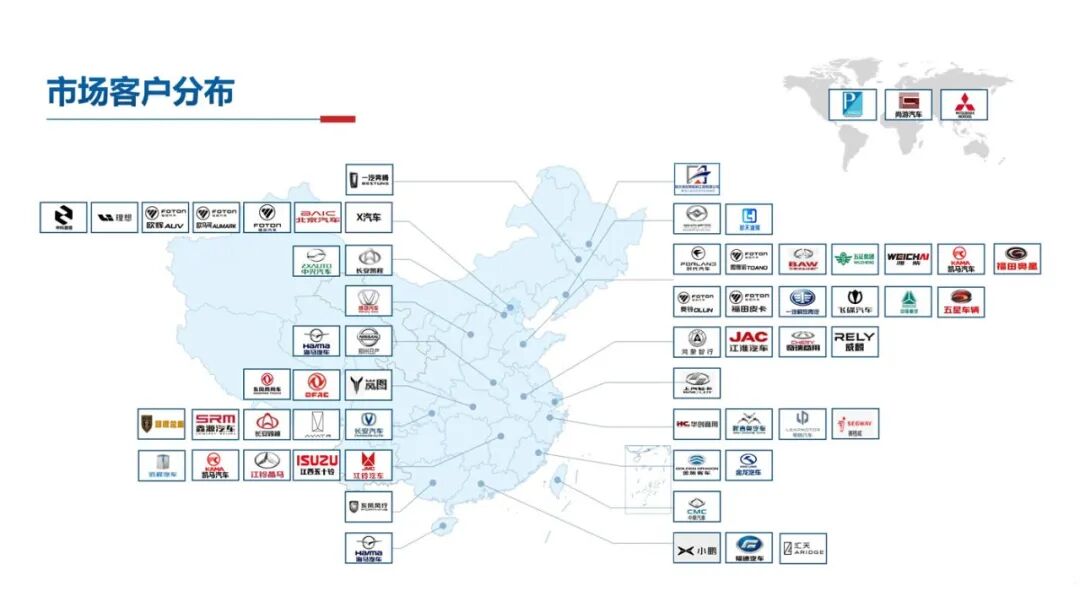
Driven by the success of the Li ONE, Dongan Power transitioned from an engine manufacturer abandoned by domestic brands to the preferred range extender supplier for brands venturing into range-extended vehicles. By 2025, Dongan Power's range extender sales had reached 820,000 units, with clients including Leapmotor, Voyah, Zunjie, XPENG, and others beyond the aforementioned two automakers.
01 A Turning Point
As early as 2017, Li Auto began searching for a range extender solution for the Li ONE. Tang Jing, Head of Li Auto's Product Line, later recalled on social media that the Li ONE could not use a 1.5T four-cylinder engine "not because we didn't want to, but because there were no suitable third-party options available in the market at the time."
Li Auto, then a newly established company without in-house engine R&D capabilities, had to rely on existing third-party solutions. Negotiations with first-tier fuel vehicle manufacturers like Honda and Volkswagen reportedly fell through due to commercial interests. Additionally, widespread skepticism about range-extended technology discouraged suppliers from developing a dedicated 1.5T four-cylinder range extender.
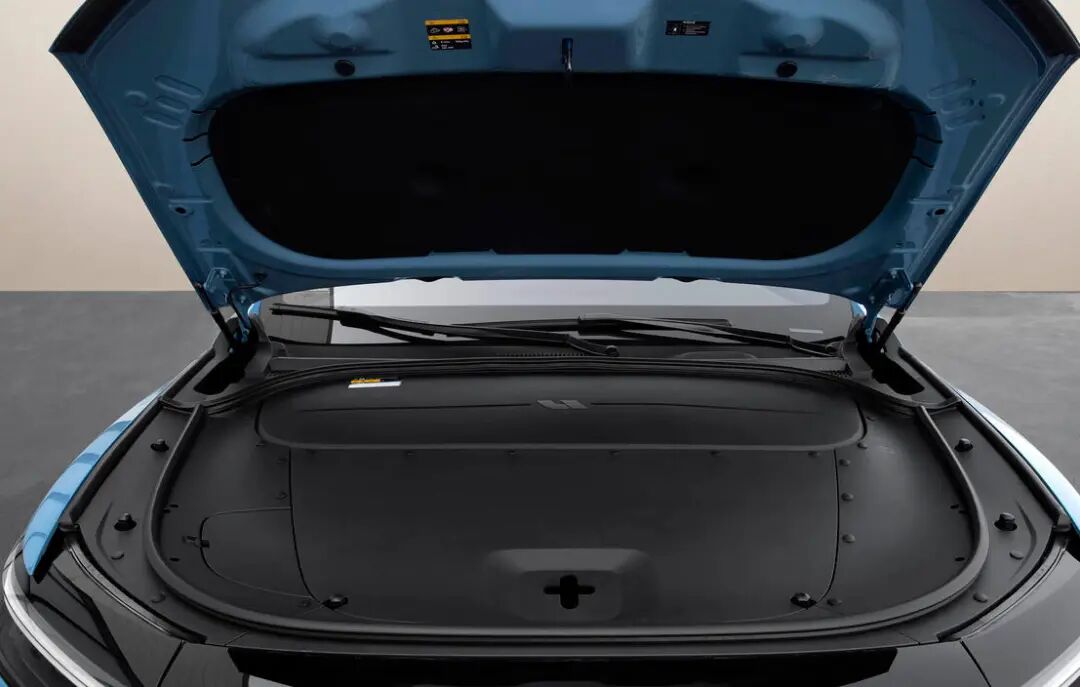
Ultimately, Dongan Power's 1.2T three-cylinder engine became the only viable option in terms of power output and size. However, the DAM12TD 1.2T three-cylinder engine's specifications were not particularly impressive. Moreover, three-cylinder engines inherently suffer from uneven firing intervals, producing a "choppy" and unrefined sound.
Li Auto's engineering team exhausted every possible method to address NVH issues, including reinforcing the cylinder block, optimizing the camshaft, and improving the range extender itself. They designed a specialized acoustic package to both insulate and absorb sound, encapsulating the range extender, and added soundproofing materials to both sides of the firewall.
Despite ongoing controversies, the engine solidified Dongan Power's reputation for affordable and suitable range extenders. Following Li Auto, Dongan Power received orders from Leapmotor, Neta, Voyah, and other automakers. An engine manufacturer nearly abandoned by domestic brands was revived thanks to the choices of new energy vehicle startups.
For these startups, time-to-market is critical. Choosing a market-validated powertrain solution significantly shortens the vehicle launch cycle. Additionally, Dongan Power's products later demonstrated clear cost advantages. For example, its 1.5T range extender has a factory price of around 8,000 yuan, with a thermal efficiency of 42% to 44.3% and a fuel-to-electricity conversion rate of approximately 3.4 kWh per liter.
Developing an equivalent range extender in-house would require hundreds of millions of yuan in investment and a lengthy R&D and production line setup period. For startups, controlling BOM costs is vital for survival. Just as Xiaomi's Pengcheng opts for a domestic range extender and battery combination, it helps control costs while maintaining performance and enhancing price competitiveness.
Of course, technology also plays a role. From the 1.2T three-cylinder engine to today's third-generation range extenders, Dongan Power's product lineup continues to upgrade. For instance, the Zunjie S800 is equipped with the DAM15NTDE 1.5T four-cylinder range extender-specific engine, featuring a maximum power of 115kW and incorporating technologies such as 350Bar high-pressure direct fuel injection, deep Miller cycle, and ultra-high compression ratio.
Many have also noticed that Dongan Power's stock price experienced two significant fluctuations in recent years—once at the end of 2023 and again between October and November 2024. The former saw 10 consecutive daily limit-ups, reaching a historic high, while the latter surged to a new peak after a year-long decline.
However, subsequent analysis revealed that Dongan Power's stock price surges were not driven by explosive sales growth or fundamental improvements in the new energy vehicles it supplies but rather by speculative trading. For example, the 2023 rally was triggered by Changan Automobile's announcement on November 26 of signing an "Investment Cooperation Memorandum" with Huawei. As a Changan-affiliated company with Huawei-related hype, Dongan Power experienced a sharp increase.
Dongan Power issued a clarification on November 29, explicitly stating that the cooperation project did not involve the company. In fact, Dongan Power's revenue in the first three quarters of 2023 fell by 17.87% year-on-year, with net profit attributable to shareholders declining by 72.14%. The stock price rally was more driven by market sentiment than fundamental improvements.
The second rally, in late 2024, differed in context. Fueled by news of XPENG AHT's flying car debut at an air show and Dongan Power supplying its range extender powertrain, the market labeled Dongan Power as a leader in the low-altitude economy. However, the project had not yet entered mass production or sales, generating no actual revenue.
Nevertheless, Dongan Power secured 43 design win agreements from 21 enterprises in the first half of 2026 (including 7 new developers). With Xiaomi Pengcheng's addition, Dongan Power claims to have "locked in" 3.8 million future sales, including 2.7 million units planned for the new energy vehicle market.
02 Departing Partners
Thanks to the buzz generated by Xiaomi Pengcheng, Dongan Power's collaboration models with these manufacturers have come under scrutiny. Online rumors, allegedly from Dongan Power employees, anonymously rated other automakers' supply chain management using Xiaomi's Kunlun Super Range Extender as a 100-point benchmark. Surprisingly, some scored as low as 10 points.
A comparison revealed stark differences in how new energy automakers integrate Dongan Power's range extenders, directly impacting the final product's energy efficiency and NVH performance.
For example, the Li ONE's Dongan Power 1.2T three-cylinder engine primarily underwent NVH optimization at the vehicle level, with minimal core modifications to the range extender itself. The Li ONE ultimately achieved an official fuel consumption of 8.8L/100km under battery-depleted conditions, as announced by the MIIT. However, the three-cylinder engine's "unpleasant" sound remained unresolved, with Tang Jing bluntly stating, "The three-cylinder engine did its best."
In contrast, Xiaomi Pengcheng's approach involved deep customization and joint development. Out of over 200 components, the two parties focused on optimizing 57 key parts, with 7 core components accounting for nearly 50% of the total cost undergoing complete reselection and dedicated development. Li Xiaoshuang specifically thanked Dongan Power, praising its "technical strength and manufacturing experience."
Additionally, Xiaomi collaborated with Shell to develop API SQ 0W-16 motor oil, the industry's highest standard grade, for this range extender. The final product achieved a thermal efficiency of 44.3%, a WLTC minimum fuel consumption of 5.7L/100km under battery-depleted conditions, and full compatibility with 92-octane gasoline.
Dongan Power also engages in other collaboration models with new energy automakers. For instance, in February 2026, Voyah Automobile and Dongan Power jointly inaugurated the "New Energy Power Joint Innovation Center," marking a strategic upgrade from traditional "product supply" to deep "technology co-creation."
Clearly, Dongan Power enjoys high recognition in the range extender market. However, it is worth noting that an increasing number of automakers are abandoning Dongan Power in favor of other suppliers or in-house development.
Li Auto, the earliest adopter of Dongan Power's range extenders, was also the first to abandon them. Starting in 2022, the Li L series switched to a 1.5T four-cylinder range extender produced by Li Xinchen Technology, an improvement based on BMW's Prince series CE16 engine. Li Xinchen is a joint venture between Li Auto and Mianyang Xinchen Power.
Subsequently, Leapmotor followed suit. Its early Leapmotor C11 range-extended version used Dongan Power's 1.2T three-cylinder range extender with a thermal efficiency of around 38%. Later, it switched to a 1.5L naturally aspirated four-cylinder range extender produced by Chongqing Sokon Power, boosting thermal efficiency to 40%. Additionally, its "Super Range Extender" system employs a next-gen 1.5L Atkinson-cycle four-cylinder range extender with an engine fuel consumption rate as low as 220g/kWh.
Notably, the new Zunjie S800, which passed MIIT approval on February 6, 2026, is equipped with the M8100PHD range extender—a 1.5T unit produced by Anhui Jianghuai Automobile Group Co., Ltd., replacing Dongan Power's previous offering.
This raises questions about Dongan Power's future. For automakers with limited sales volume, outsourcing Dongan Power's range extenders remains the most cost-effective choice. As a professional third-party powertrain supplier catering to small and medium-sized automakers lacking the capability or willingness to develop in-house range extenders, Dongan Power still has a role to play.
Moreover, Dongan Power is actively exploring new technological directions. In December 2025, it successfully ignited a single-rotor engine, followed by a twin-rotor supercharged engine (R10TE) in June 2026, securing patents such as "Portable Modular Rotary Range Extender." Rotary engines are known for their compact size, light weight, and high specific power, making them suitable for the low-altitude market.
Thus, whether it is Li Auto's decision to adopt and later abandon Dongan Power or Xiaomi's current choice, it is clear that for suppliers, seizing market trends, making strategic choices, and diligent effort are all crucial.
Editor-in-Chief: Yang Jing Editor: Wang Yue

THE END
-
![]()
Tencent Secures a Crucial Victory in AI Office Arena, While Baidu Continues to Struggle
-
![]()
DeepSeek Raises Prices, Alibaba Takes a Cut: Will Major Clients Stay or Leave?
-
![]()
After Persistent Declines, Is This Joint Venture Automaker Considering an Exit? Here’s the Official Word
-
![]()
DeepSeek Raises Prices, Alibaba Takes a Cut: Will Big Clients Pay Up or Walk Away?
-
![]()
SAIC-GM Shows Confidence in Joint Venture Model: What Lies Ahead?
-
![]()
Early Riser, Late Arrival: Where Is Toyota Stumbling in Its Electrification Journey?
-
![]()
Deep Integration and Rooted Expansion: China’s Auto Industry Systematically Expands into Western Markets
-
![]()
Emitting an Unyielding Message: The Injured Chery Seeks the Truth