Sales Reshuffle Among Emerging Auto Brands: Will August Mark the Start?
 08/10 2026
 427
427
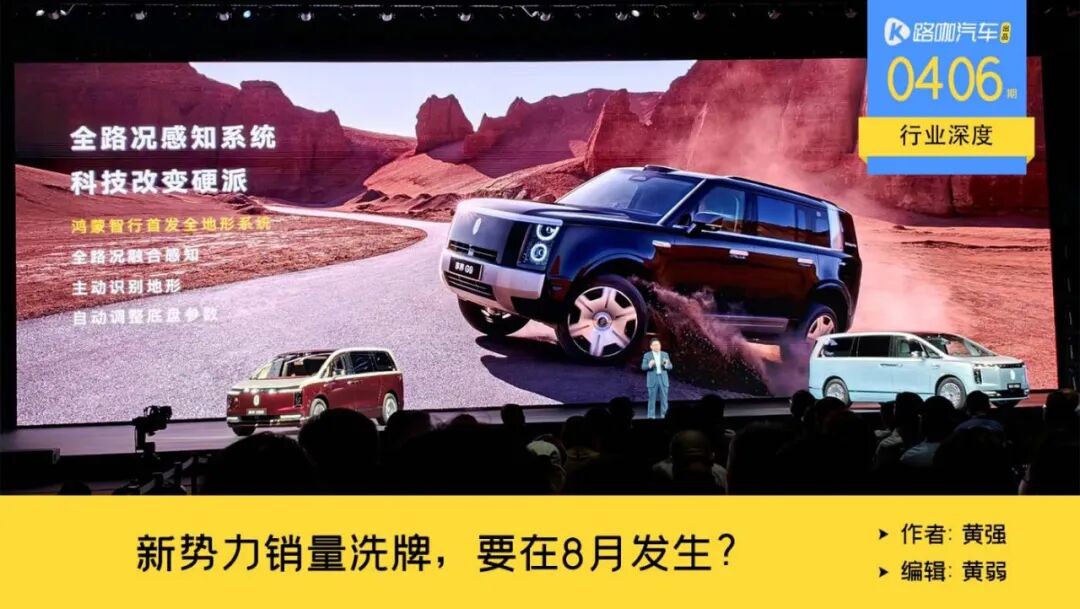
Once major automakers begin to view homogenization as a liability, a shake-up in sales can occur at any moment.
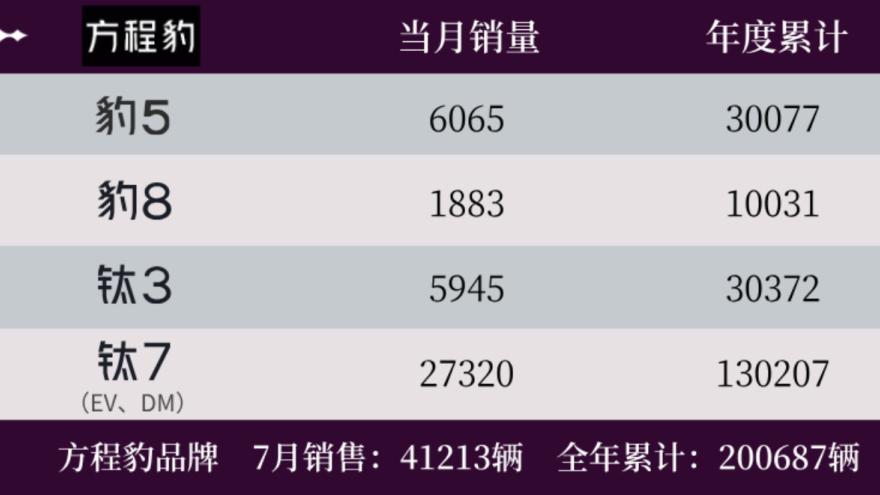
Feedback from Toyota dealerships suggests that the premium of 20,000 to 30,000 yuan for the Alphard model is becoming unsustainable following the launch of the Zenith. Denza sales data indicates that the latest figures do not fully reflect the current market reality. With the gradual increase in production capacity of the second-generation Blade Battery and strong order numbers, Denza's monthly sales could potentially reach 40,000 units. Fangchengbao surpassed 40,000 units in July, and sales could later exceed 50,000 units or more, though constrained by Blade Battery production capacity.
Furthermore, pre-sales of the Xiaomi Pengcheng N90 and N70, particularly the N90, have been outstanding. Although the number of small orders has not been disclosed, Xiaomi Pengcheng is expected to perform well despite the declining sales growth and market share of the entire extended-range market.
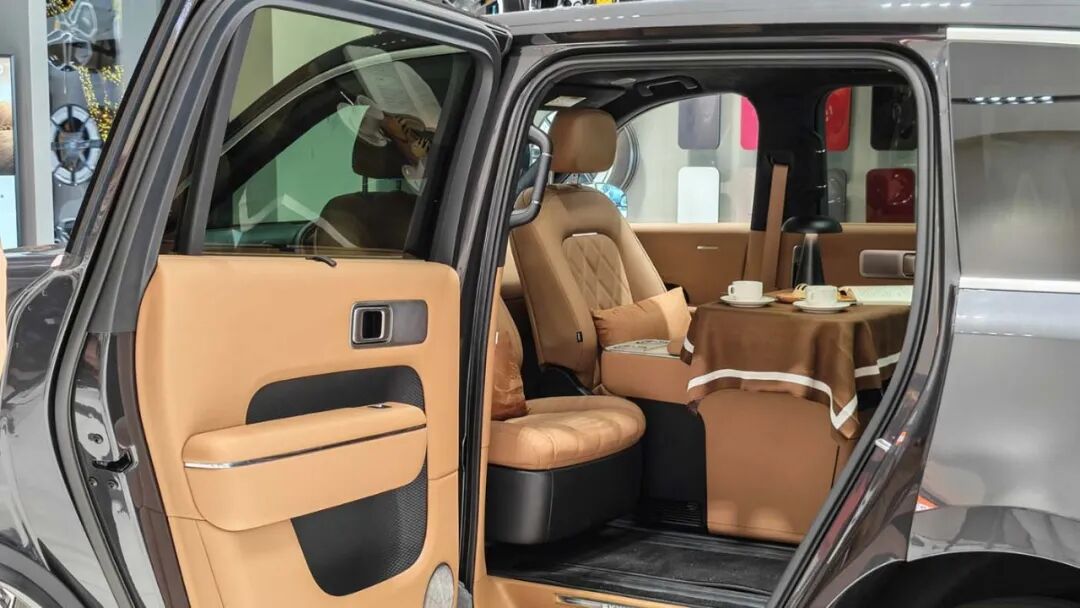
According to survey data from a third-party agency, small order numbers are expected to surpass 70,000 units within 72 hours after pre-sales commence. As of August 7th, small order numbers are estimated to have exceeded 100,000 units.
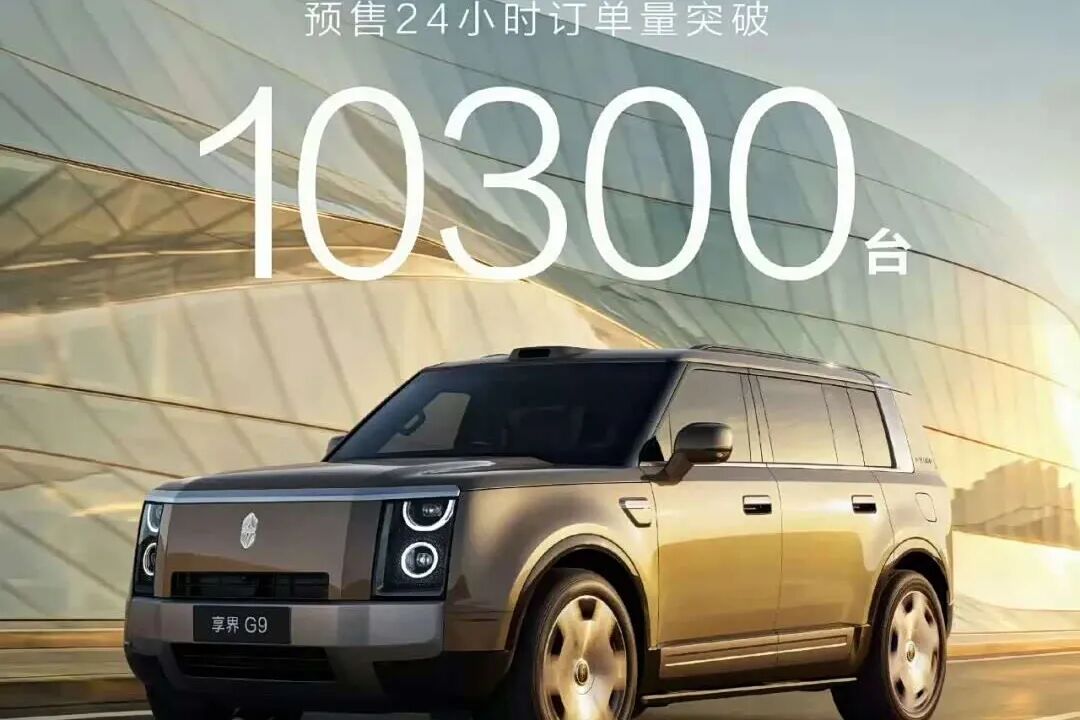
Additionally, the Xiaoxiang G9 received 10,300 small orders within 24 hours of pre-sales, the Zenith V800 and V680 secured over 3,500 large orders within 24 hours of launch, and the Great Wall H10 broke through 31,826 large orders within 24 hours, prompting Wei Jianjun to publicly state that it exceeded expectations. 
Extended-range and plug-in hybrids: The new main battleground for reshuffling
Beyond the August figures, when combined with the July sales results of various automakers, it is clear that a reshuffle is underway.
Leapmotor emerged as a dark horse in July with over 100,000 units sold, surpassing mainstream joint-venture brands like Volkswagen and Toyota this year. If this trend continues, it could surpass Great Wall Motor and enter China's top six automotive groups, with the sales gap between the two in July being less than 7,000 units.
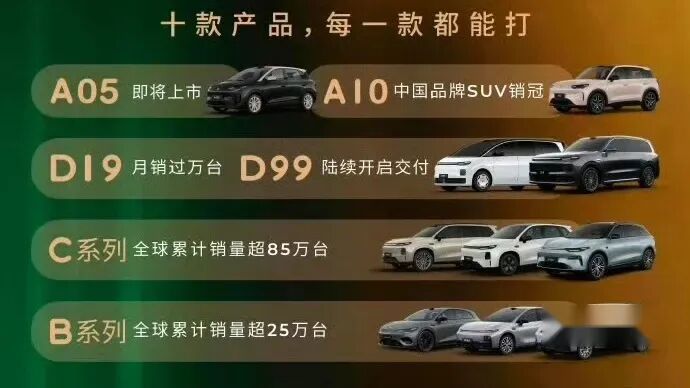
XPeng sold over 38,000 units in July. After launching two new models, the XPeng GX and XPeng MONA L03, it experienced a 5.23% month-on-month decline and less than a 4% year-on-year increase.
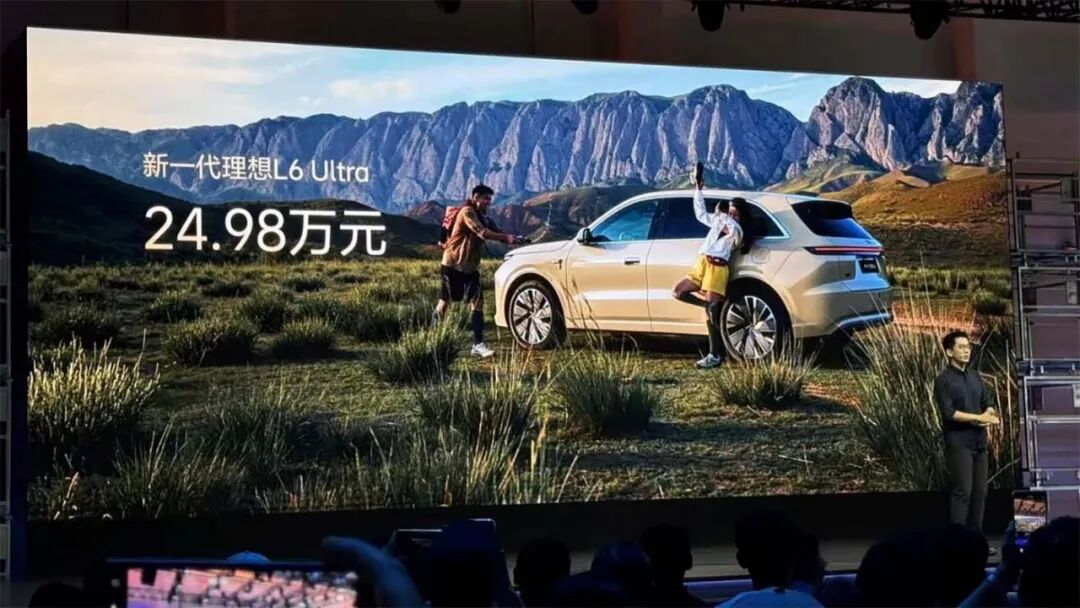
Li Auto, after launching three new models in succession, saw a 1.38% month-on-month decline and a 0.86% year-on-year decrease, which is normal in this year's market environment. Harmony Intelligent Mobility experienced a 5.7% year-on-year decline despite launching multiple new models and contributions from the Shangjie Z7, Shangjie Z7T, and Zhijie V9.
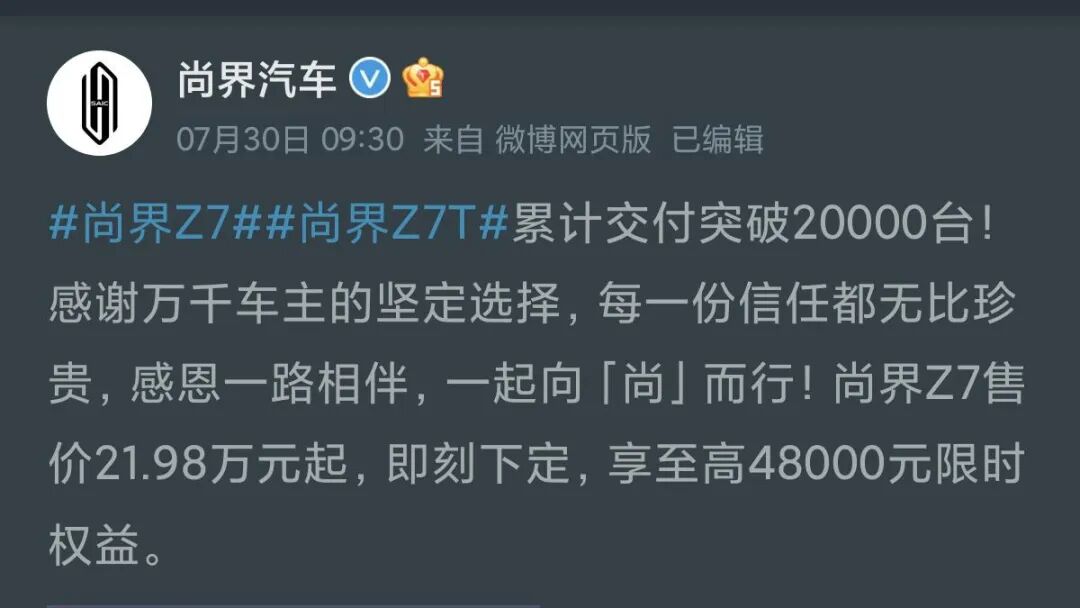
The market situation directly reflected above is that adhering to the previous competitive logic can maintain a company's basic market position, but breaking out and achieving significant growth is unrealistic.
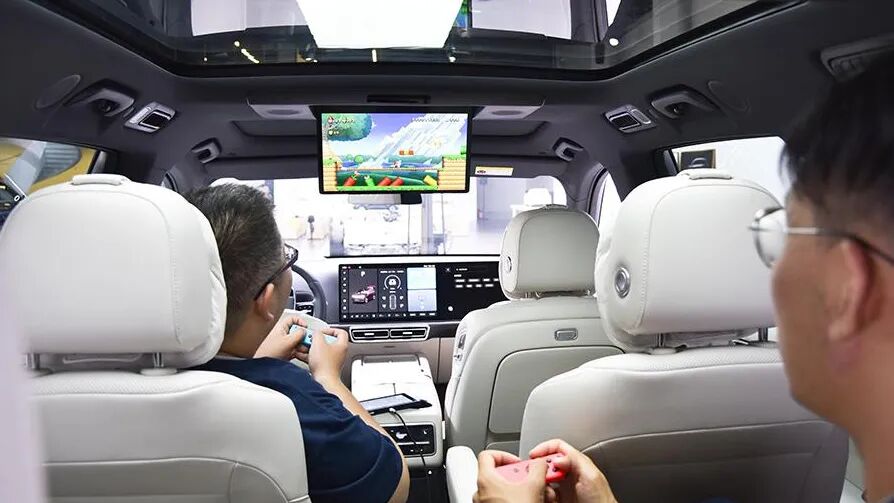
The so-called previous competitive logic refers to the home and business breakout capability of 'refrigerator, TV, large sofa + intelligence' pioneered by Li Auto. This includes large three-row extended-range SUVs like the Wenjie M7, Wenjie M8, Wenjie M9, XPeng GX, and Leapmotor D19, all evolving according to this logic.
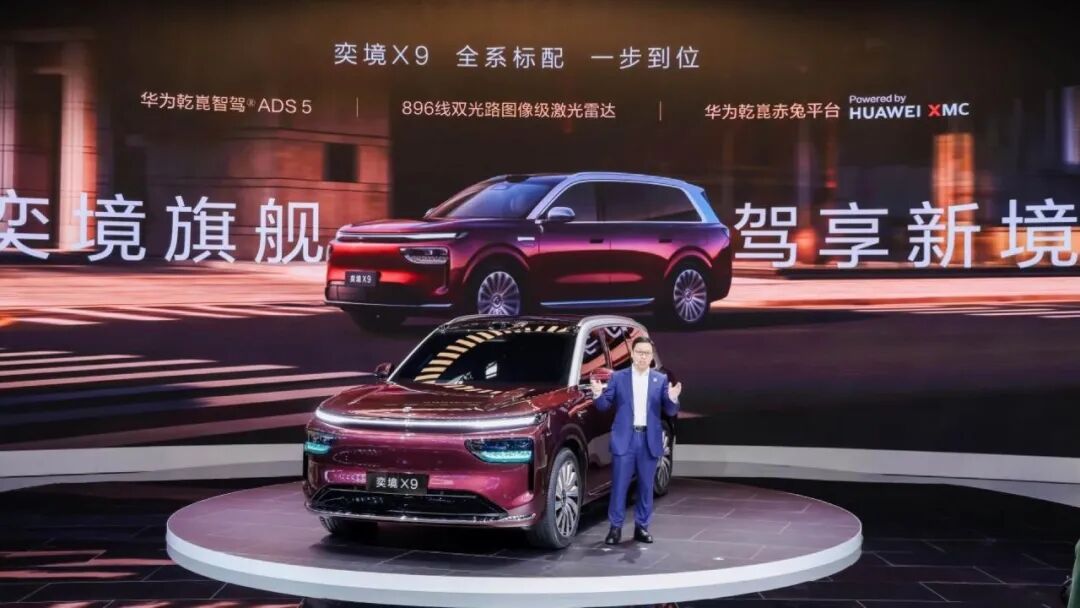
With the introduction of more models like the Jing series and Dongfeng models, such as the Dongfeng and Huawei Qiankun-cooperated Yijing X9 and the Dongfeng and Epi-cooperated Epi M8, the former is expected to reduce the price of Huawei-series 9 SUVs by over 100,000 yuan, while the latter brings the entry price of the Huawei full suite to under 180,000 yuan.
The changes in the aforementioned sales figures and the lack of explosive sales growth from new models are primarily due to consumer fatigue with homogenization. If a vehicle lacks new features or unique selling points and only competes on price, the sales results are generally unimpressive. The counterexamples are Leapmotor and NIO, with the former experiencing a 102% year-on-year increase and the latter a 70.98% year-on-year increase.
Their competitive advantages are evident. Leapmotor holds a 65% self-research and self-manufacturing ratio, covering 17 core components such as domain controllers, batteries, electric drives, headlights, and even seats. Combined with its ability to tap into users' potential needs and its product definition capabilities that match the characteristics of the times, it includes all necessary configurations while minimizing unnecessary ones, along with competitive pricing.
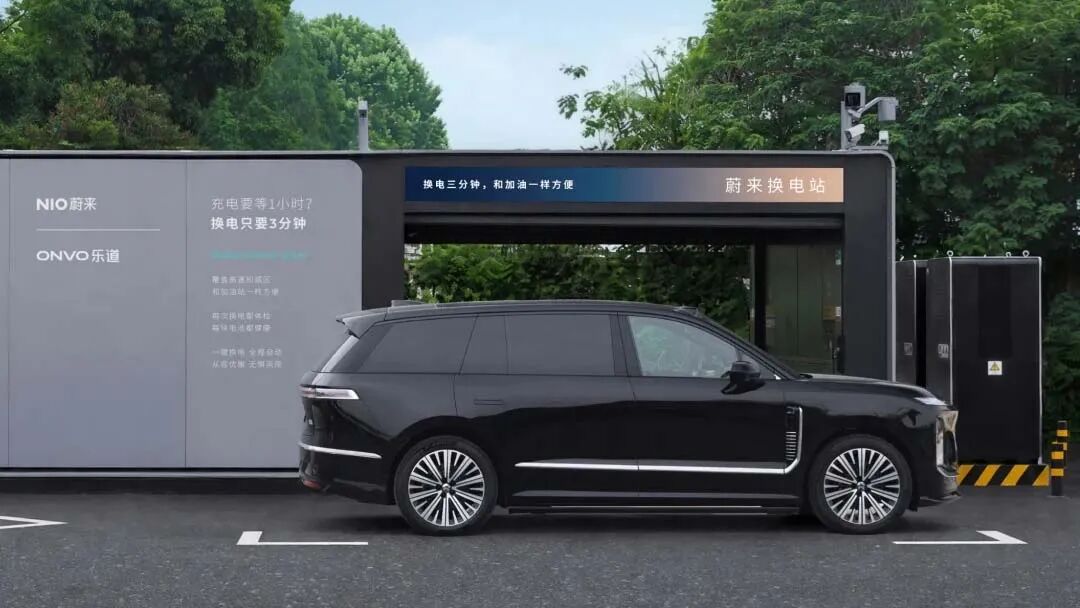
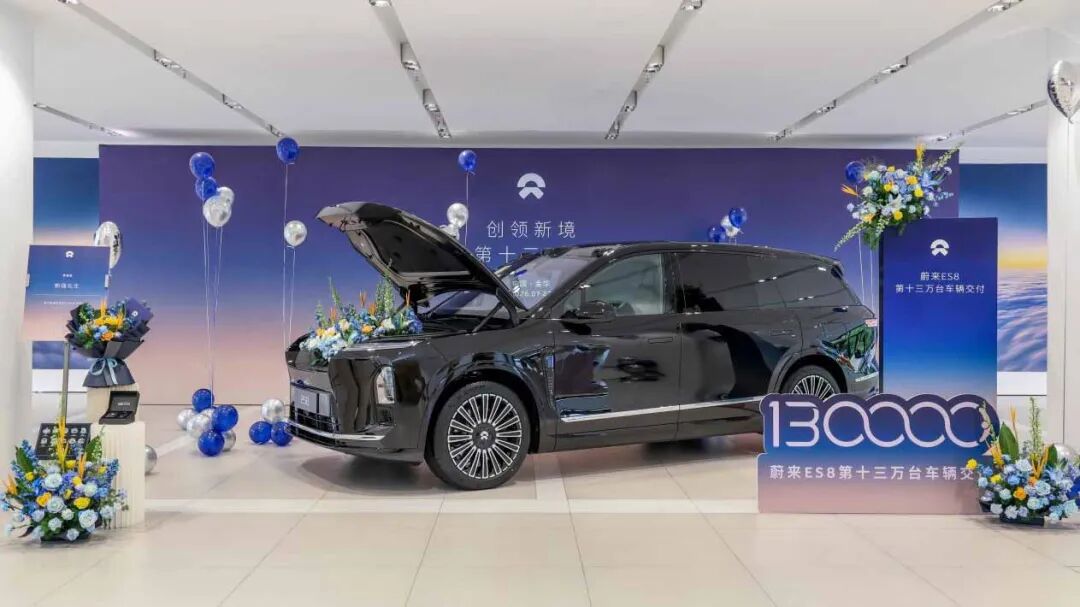
NIO's competitive advantage is self-evident, with long-term persistence yielding good returns. While other major automakers chase trends, NIO continues to be itself and adjusts its angle with real consumer demands. One of the latest data points is that NIO's battery swap service has surpassed 120 million times, significantly changing many people's perception that 'charging is more convenient than refueling' for new energy vehicles. Based on this, along with the gradual implementation of NIO's full-stack self-research results in core technologies, the current disruptive results have emerged. In the first half of 2026, the sales of pure electric large three-row SUVs ranked first among all power forms. In June, the sales of pure electric large five-seaters surpassed extended-range models for the first time and exceeded fuel vehicles for two consecutive months.
Therefore, the above continuously proves that plug-in hybrids and extended-range vehicles have entered a new round of major reshuffling. Xiaomi is proving that although the extended-range market is generally declining, there are still opportunities. Meanwhile, Zhao Yongpo, a senior executive at Great Wall WEY, predicts that within a few years, the 300,000 yuan SUV market will be dominated by plug-in hybrids represented by the Super Hi4.
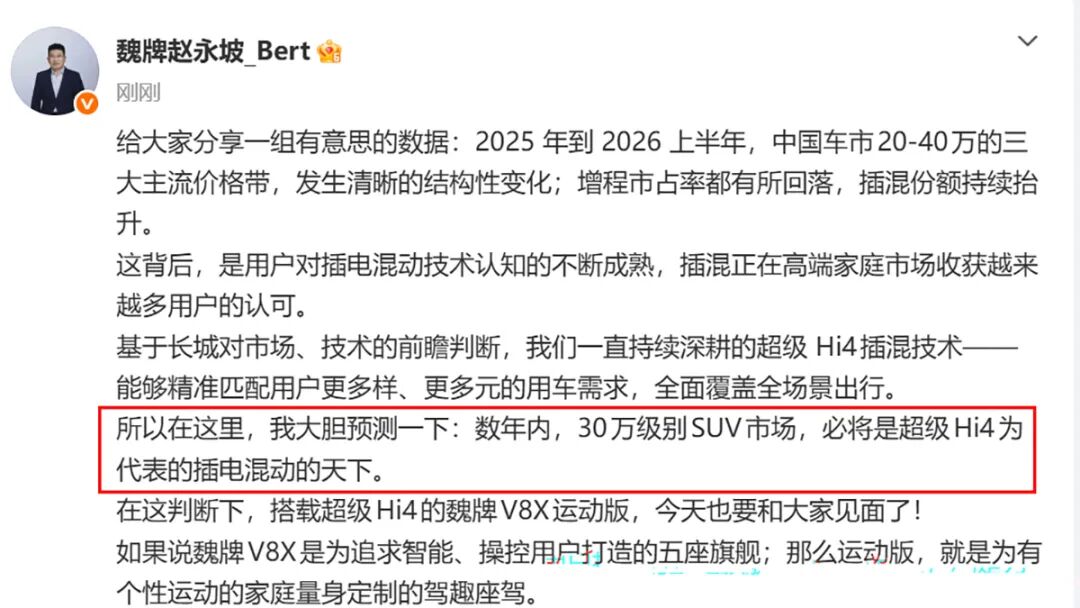
Although there are differences in views, the aforementioned conclusions seem valid in the current market environment. However, the above is only one of the two major reasons for the reshuffle.
Another major event is that technology is entering a period of iteration
From 2020 to 2025, major automakers have been in a state of chaos, making numerous attempts.
This is mainly reflected in the pursuit of the hottest sectors. Hence, the six major factions attacking the Model Y, the proliferation of large three-row SUVs, and the recent intense competition in plug-in hybrids among major automakers.
Furthermore, the golden quote from the 2026 Beijing Auto Show was that the highlights were only two models: Land Rover and Porsche.
Looking at the sales of new models under this model, the effect is far lower than that of blockbusters in previous years.
In summary, after automakers realize that 'homogenization is a dead end,' they have found two paths for themselves: one is to pursue substantive technological innovation to create the next generation gap, and the other is to achieve deep product differentiation, especially by exploring undeveloped but potentially significant markets.
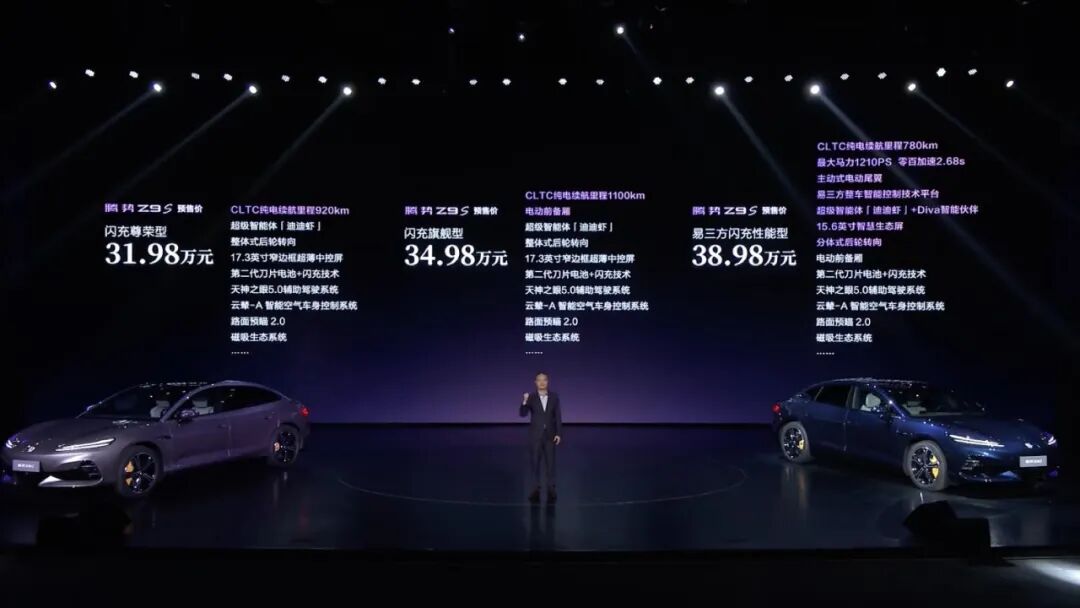
The former is evident in BYD and Geely. For high-end brands, the aforementioned Denza, empowered by the second-generation Blade Battery, megawatt flash charging, and intelligent driving assistance, offers the latest Denza Z9S with a pre-sale price of 319,800 yuan, providing a range of 920 kilometers, and 349,800 yuan for 1,100 kilometers.
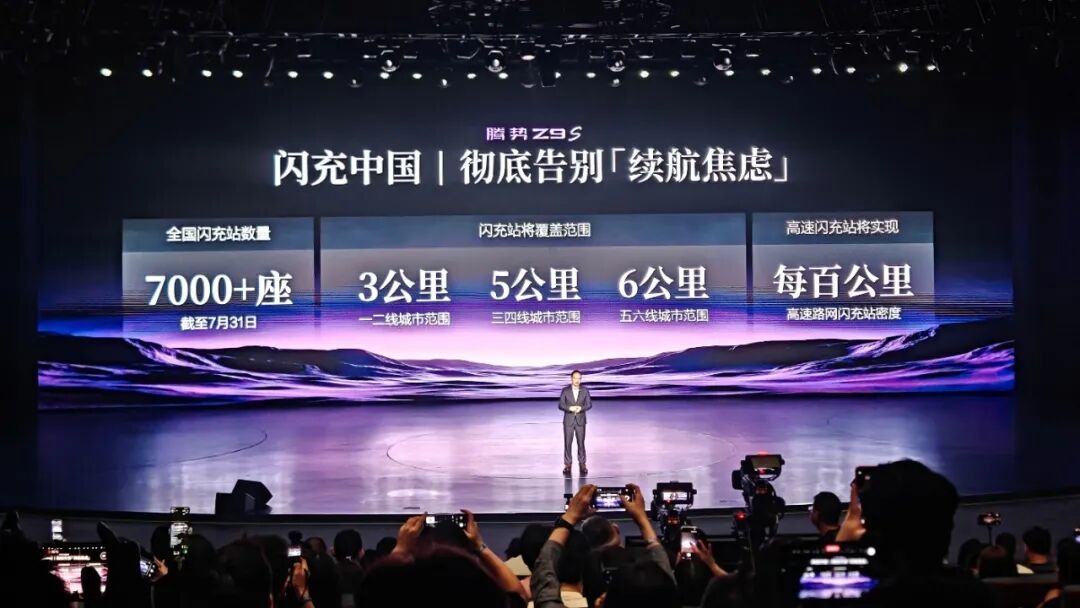
Combined with the ability to fully charge in 9 minutes at a flash charging station, models like the Mercedes-Benz E-Class, BMW 5 Series, and Audi A6L have lost much of their competitiveness, and extended-range sedans in this class are also being significantly suppressed.
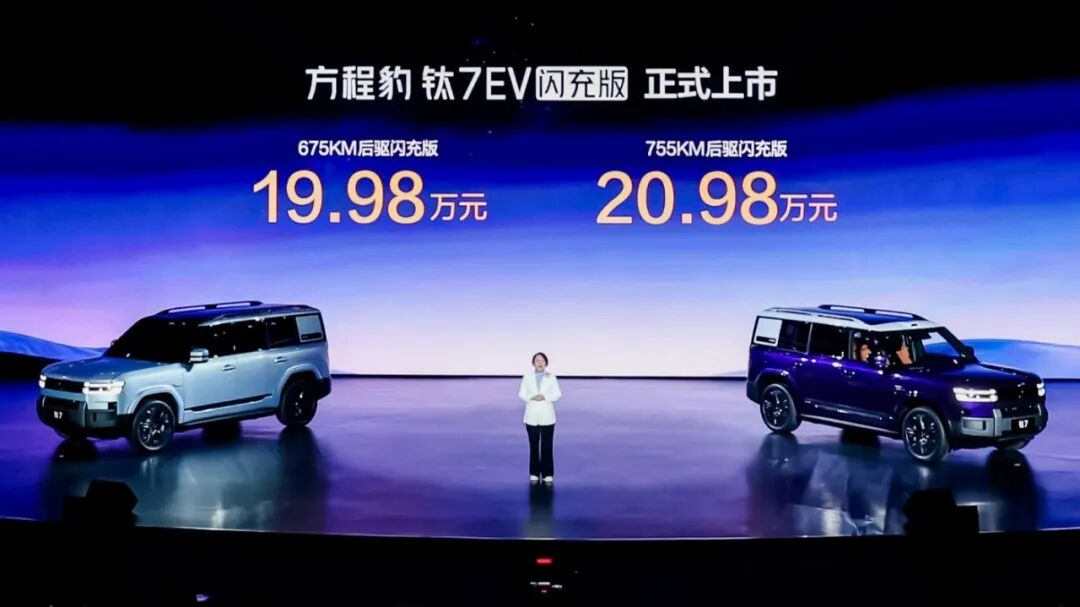
Additionally, NIO's previous viewpoint that 'the market demand for pure electric large five-seaters is enormous' is being validated by BYD. The monthly sales of the Fangchengbao Titan 7 have approached 30,000 units, and the large orders accumulated since June this year have not yet begun explosive deliveries.
The impact on high-end plug-in hybrids will be significant. For example, the trend of the Zeekr 9X is relatively unstable compared to NIO's. The NIO ES8 continues to stabilize at over 10,000 units in monthly sales, and the NIO ES9 has delivered over 20,000 units. In comparison, the Zeekr 9X sold 5,817 units in June.
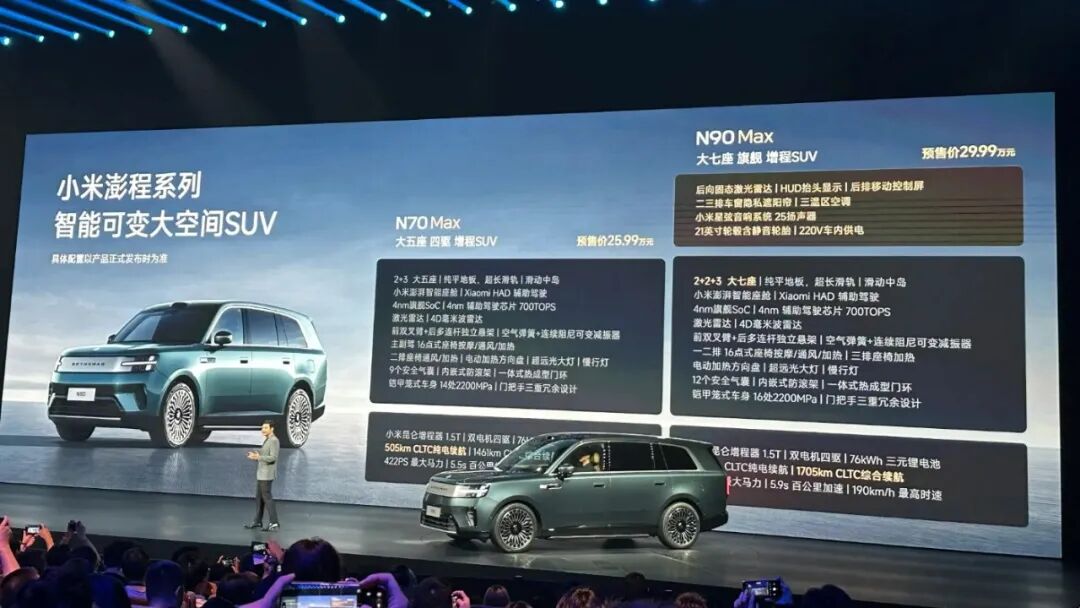
Taking the currently very popular new model, the Xiaomi Pengcheng N90, as an example, its top-trim pre-sale price is 299,900 yuan, with a body size of 5285*1998*1825mm and a wheelbase of 3080mm. Combined with the nearly flat front and rear floor inside the vehicle and a 2.95° inclination angle, the official concept of 'looking like an SUV but sitting like an MPV' has been accepted by users.
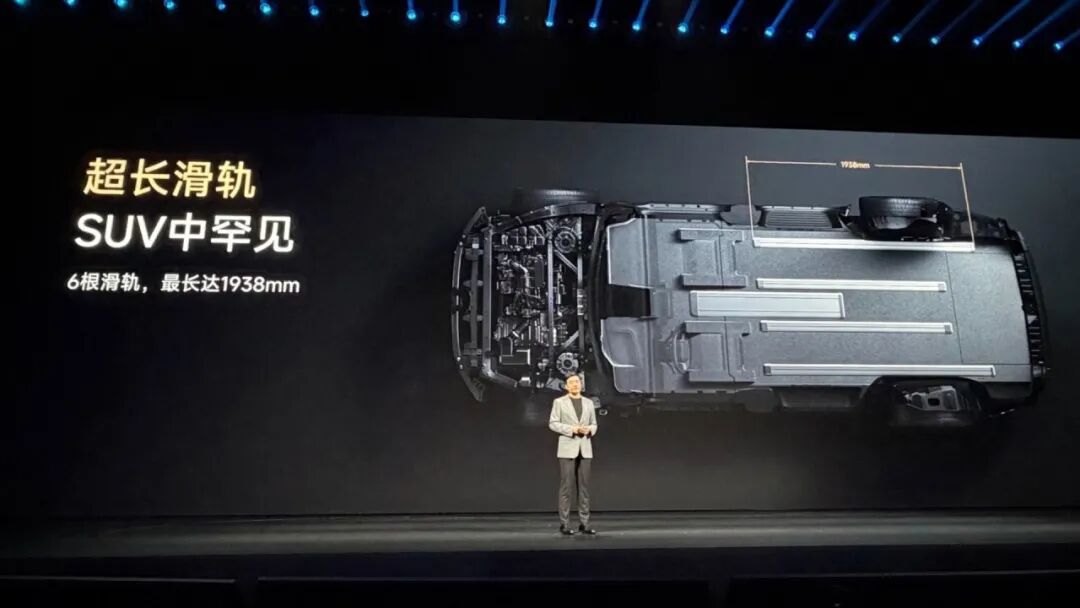
From a configuration perspective, the Xiaomi Pengcheng N90's performance is not particularly top-tier for the 300,000 yuan price range. However, features like interior space, second and third-row seat rotation, and rearward sliding, combined with the CLTC range of 464km on pure electric extended-range, have collectively contributed to the current 100,000 pre-sale orders.
Moreover, it is evident that it will have a significant impact on models like the Wenjie M8 and XPeng GX. After all, the pre-sale price of the top-trim version is only 299,900 yuan, and it will be lower upon launch, making it far more attractive than the Wenjie M8's 359,800-459,800 yuan and the XPeng GX's 279,800-359,800 yuan.
Moreover, due to its maximum pure electric range of nearly 500 kilometers, it is highly likely to reignite the competition between range-extended models and pure electric vehicles. After all, among the four pure electric versions of the XPENG GX, three have a range of only 665 kilometers.
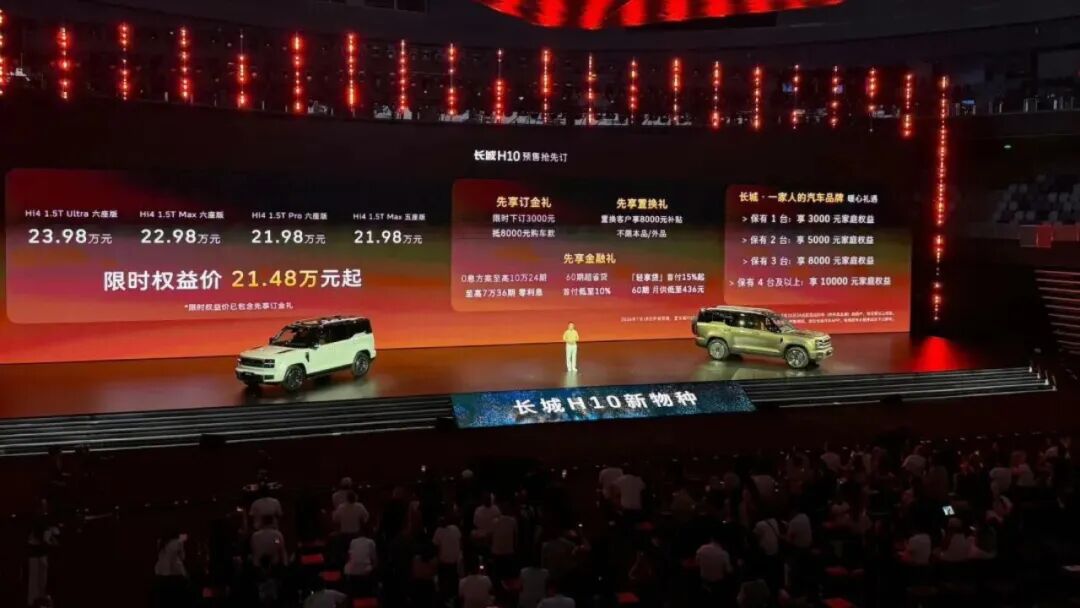
Furthermore, another factor is that as automakers increasingly tap into niche markets, it directly impacts the previously dominant large three-row vehicle segment. Typical examples include three recent new models: the Xiangjie G9, Zunjie V800/V680, and Great Wall H
Take this year's Chengdu Auto Show as an example. A range of new car models will make their debut, including the BYD Han, Fangcheng S, and BMW iX3. Some of the standout features include pure electric ranges that surpass 900 kilometers for a price tag of approximately 250,000 yuan. Additionally, there's the integration of Yunlian-M racing-grade suspension systems in models priced under 300,000 yuan. Not to be outdone, traditional luxury brands are also stepping up their game, offering the latest Momenta intelligent driving assistance technology and dual-motor all-wheel-drive models. These models boast pure electric ranges exceeding 900 kilometers after undergoing comprehensive updates.
As the influence of the previous trends gradually wanes and the new trends start to gain significant traction, a major industry reshuffling in August this year appears to be inevitable.
-
![]()
Tencent Secures a Crucial Victory in AI Office Arena, While Baidu Continues to Struggle
-
![]()
DeepSeek Raises Prices, Alibaba Takes a Cut: Will Major Clients Stay or Leave?
-
![]()
After Persistent Declines, Is This Joint Venture Automaker Considering an Exit? Here’s the Official Word
-
![]()
DeepSeek Raises Prices, Alibaba Takes a Cut: Will Big Clients Pay Up or Walk Away?
-
![]()
SAIC-GM Shows Confidence in Joint Venture Model: What Lies Ahead?
-
![]()
Early Riser, Late Arrival: Where Is Toyota Stumbling in Its Electrification Journey?
-
![]()
Deep Integration and Rooted Expansion: China’s Auto Industry Systematically Expands into Western Markets
-
![]()
Emitting an Unyielding Message: The Injured Chery Seeks the Truth