The Surge of Electric Vehicle Camping: Are Traditional Hotels Being Overtaken by the New Energy Wave?
 08/11 2026
 423
423
Click on the blue text to follow us and stay updated!
Recently, the concept of electric vehicle camping has become a hot topic on social media. As this trend gains momentum this summer, how should we interpret its rise? Could it be that new energy vehicles, rather than traditional hotels, are the future of accommodation? What does this shift in consumer behavior signify?
I. Electric Vehicle Camping: A Disruptor in the Hotel Market
According to a report by Jiuman Finance and Economics, reposted by TMTPost and based on summer monitoring data from Guojin Securities, during the first week of summer vacation, the Revenue Per Available Room (RevPAR) for budget hotels nationwide witnessed an 8.2% year-on-year decline, while mid-range hotels experienced a 7.8% drop.
From July 6 to 12, the average hotel occupancy rate across the country stood at 62.3%, marking a 3% year-on-year decrease. RevPAR was recorded at 209.6 yuan, down 3% year-on-year, and revenue per available room decreased by 5.9% year-on-year.
While people are still traveling, the funds are not flowing into hotels as before. So, who is siphoning off the hotel's clientele? A recent Bloomberg report sparked heated discussions: Chinese new energy vehicle owners are ditching hotels in favor of bed-car camping, thereby impacting the traditional summer hotel accommodation market.
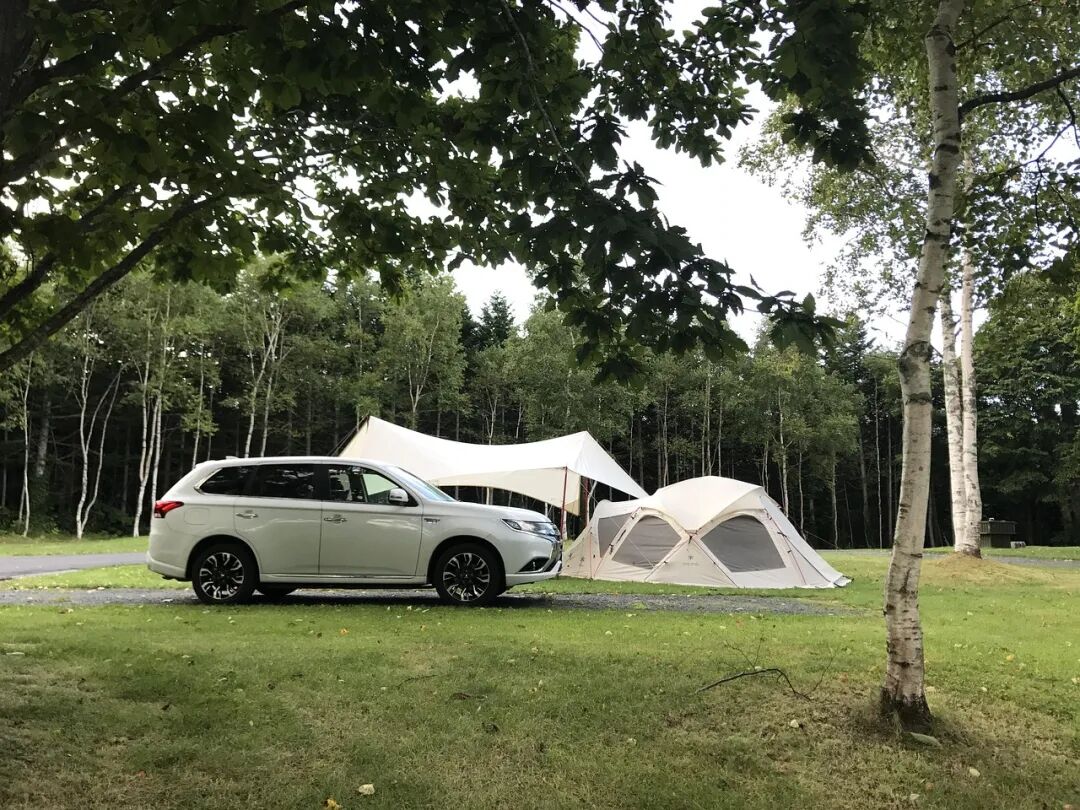
On Xiaohongshu, numerous users share tips on how to save over a thousand yuan in accommodation fees by sleeping in their vehicles. They typically park in highway service areas, parking lots near scenic spots, or sports centers in urban areas. These locations offer low fees and are equipped with hot showers, enabling low-cost, high-quality travel experiences.
In fact, electric vehicle camping had already gained popularity during this year's May Day holiday. According to a report by Zinkeu at the time, when sleeping in cars and charging during off-peak hours became a sought-after "electric vehicle camping economy," the tourism consumption market began to undergo subtle changes. This emerging trend not only challenged the established model of the traditional tourism consumption chain but also reshaped consumer behavior and market supply and demand structures.
The hotel accommodation industry is feeling the brunt of this shift. Hotels that once relied on their prime locations and comprehensive facilities as selling points now face competition from electric vehicle campers who prefer natural, serene, and low-cost camping sites. These campers are no longer satisfied with traditional hotel stays; they seek a freer, more spontaneous lifestyle.
II. Will New Energy Vehicles Overtake Hotels?
This summer, we've witnessed a fascinating phenomenon: new energy vehicles are no longer just a mode of transportation; they are evolving into a lifestyle, even a form of mobile property. Have you noticed? In the past, during holidays, everyone's first reaction was to book a hotel quickly, fearing they wouldn't secure a good room or would face exorbitant prices. But now? More and more social media posts depict people camping in new energy vehicles and sleeping inside. Some even claim that electric vehicle camping is impacting the hotel market. Is this really the case?
Firstly, electric vehicle camping has revolutionized the logic of accommodation supply. In recent years, with the rise of the camping economy, the desire to be close to nature has become irresistible. However, traditional camping has high barriers; it requires setting up tents, sleeping on moisture-proof mats, and even facing insect bites, resulting in poor comfort. This is where the "technology spillover" effect of new energy vehicles comes into play. Look at the new car manufacturers like NIO, Li Auto, and Seres. What do they emphasize? "Large sofas, big TVs," and even "queen-size co-pilot seats." The underlying logic of their product definitions has transformed cars from mere driving machines into mobile living spaces. When you lay down the rear seats and place an air mattress, the vehicle instantly becomes a "big bed."
Most importantly, this transformation has significantly reduced the marginal cost of "staying overnight" through technological means. In economics, price is a core variable affecting demand. Previously, to stay overnight, you had to pay high hotel fees, a fixed expense. But now, when you already own a new energy vehicle with such capabilities, the marginal cost of deciding where to spend the night becomes negligible. You don't need to incur significant sunk costs for that bed. This change in cost structure directly breaks through consumers' psychological barriers. When the experience of "staying in a car" is no worse than "staying in a budget hotel," and even superior in terms of privacy and freedom, consumers' decision-making scales naturally tilt dramatically. This is not simply a downgrade in consumption but a return to rational consumption based on technological dividends.
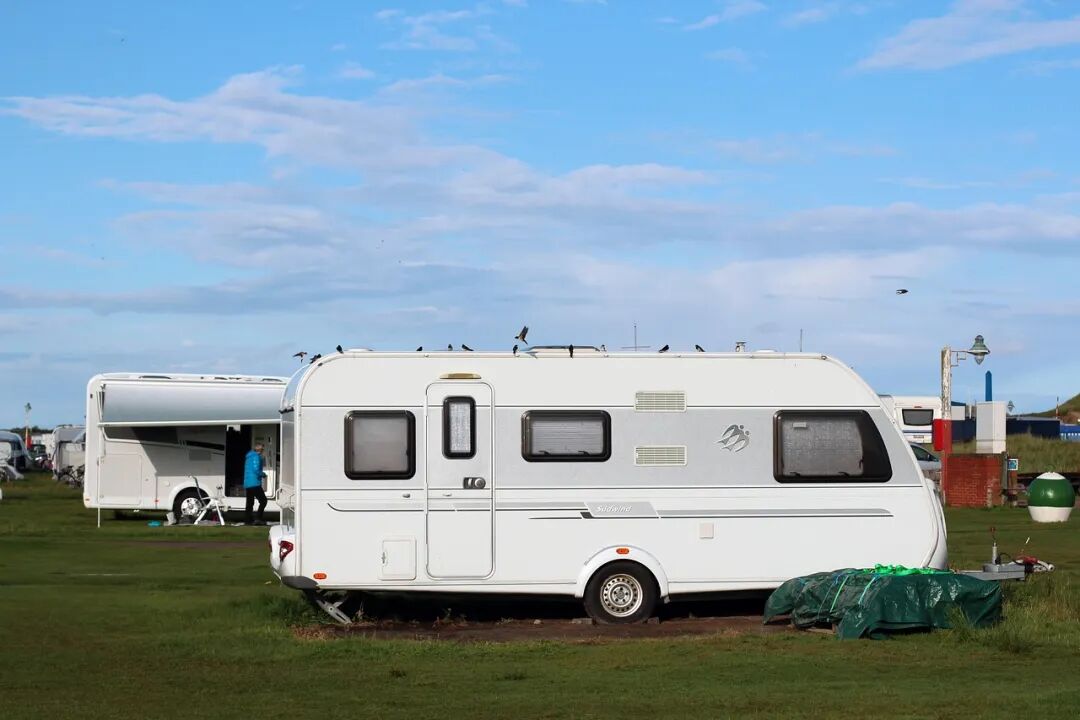
Secondly, the price squeeze makes electric vehicle camping even more cost-effective. The traditional hotel industry follows a typical peak-season premium logic. During holidays, when demand surges, hotels significantly raise room rates, converting short-term demand dividends directly into operating profits. This has been the hotel industry's business model for years. In the past, tourists had few alternatives when visiting popular attractions and had to accept inflated room rates passively. But with the advent of electric vehicle camping, the situation has changed completely. Relying on large-capacity power batteries and an increasingly dense domestic charging network, vehicle owners can run the air conditioning all night at a minimal electricity cost, creating a stark contrast with the soaring hotel room rates during holidays.
This cost comparison directly changes how ordinary tourists think. In the past, when traveling, people generally first determined their destination and then accepted the corresponding accommodation prices, with budgets following the destination. Now, many consumers first calculate their total budget and then plan where to go. If hotel prices at the destination are excessively high, they simply abandon expensive rooms and choose to park their electric vehicles overnight. It's important to note that this doesn't mean all tourists refuse to spend money on hotels; rather, price-sensitive groups now have a strong alternative. Hotels' ability to charge peak-season premiums is thus constrained.
Once consumers have alternatives, they will no longer willingly pay inflated peak-season prices. It's worth mentioning that electric vehicle camping is not zero-cost; mattresses, blackout curtains, and other accessories require investment, and parking and charging also incur expenses. However, compared to the soaring room rates during holidays, the overall cost difference remains significant. This difference in cost structure is not a short-lived trend; as long as the ownership of new energy vehicles continues to rise and the charging network keeps improving, this consumer choice will persist in the long term.
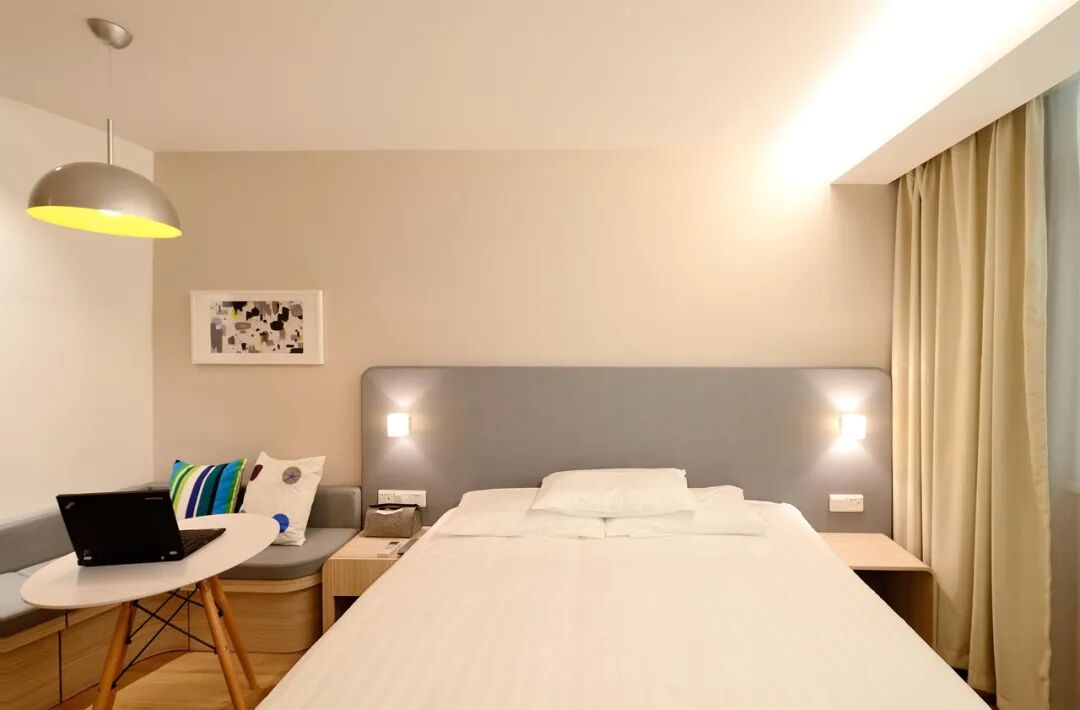
Thirdly, electric vehicle camping breaks the traditional hotel's monopoly on scenic views. For a long time, scenic resources have been a core selling point for hotels and guesthouses. Lakesides, mountaintops, and bays—these scarce views have been monopolized by hotel properties. Consumers who want to enjoy these views from their windows have to pay hefty room rates. Essentially, besides paying for a bed, consumers are also purchasing the right to view the scenery monopolized by the property. To see a lake view, you need to book a lake-view room; to enjoy a mountaintop vista, you need to stay at a mountaintop guesthouse. The view becomes an additional commodity sold by hotels. If you don't stay in their rooms, it's hard to enjoy the scenery peacefully.
Electric vehicle camping disrupts this logic. You don't need to spend money to stay at a scenic hotel; simply drive your electric vehicle to a parking lot by the lake or on the mountaintop, park the vehicle, and step out to enjoy the view. The scenery is no longer tied to hotel rooms but becomes an experience directly accessible in public spaces. Of course, the hardware conditions for sleeping in a vehicle can't match those of a hotel—there are no soft bathrooms or neatly arranged bedding—but it offers consumers a free experience unconstrained by property management. For many self-drive tourists, the core purpose of travel is to see the scenery. When the scenery no longer requires booking an expensive room to access, part of the hotel's core appeal is diminished.
This doesn't mean the scenic value of hotels disappears entirely; high-end hotels' garden designs and exclusive viewing facilities still hold value. However, accommodation products that rely solely on their location for profit, offer ordinary hardware and services, and simply raise prices by occupying scenic views will face direct competition. Many guesthouse operators may wonder why, despite having great views, they have fewer guests. A significant reason is that electric vehicle camping has diverted a portion of self-drive tourists who only came for the scenery; they no longer need to pay for a view through a window.
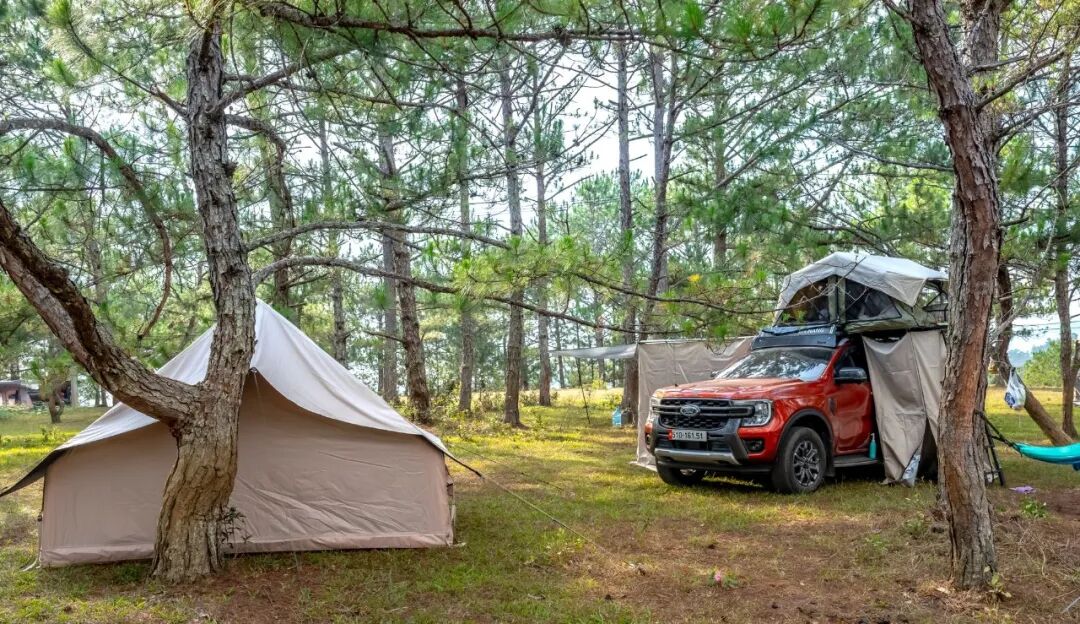
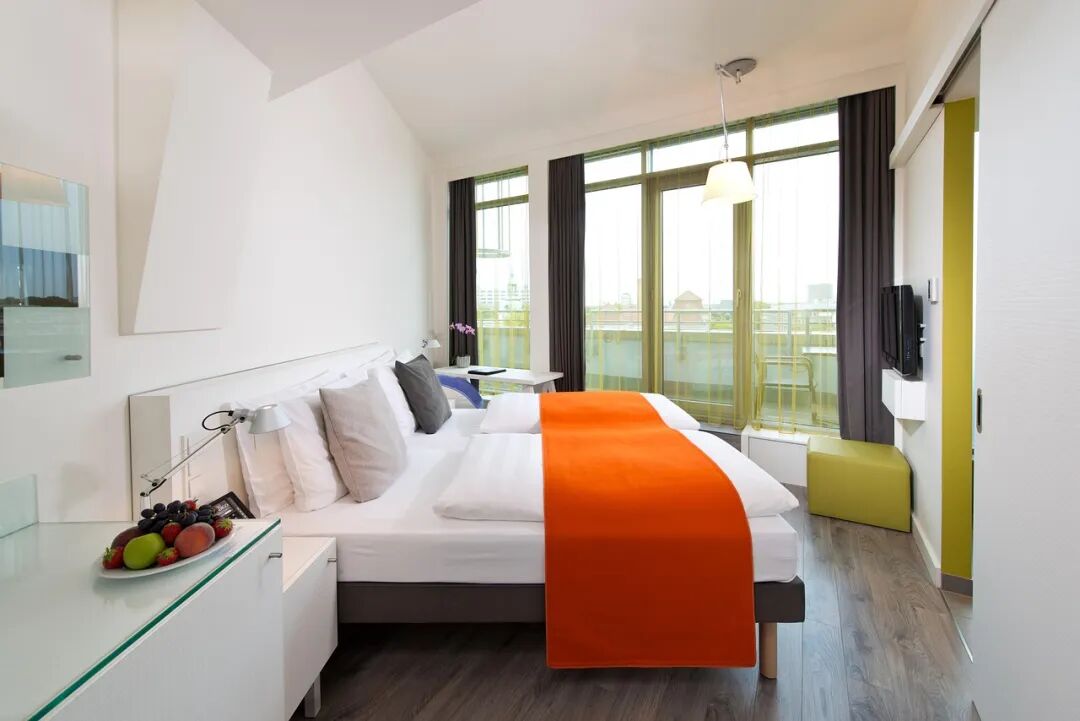
IV. Will Electric Vehicle Camping Replace Hotel Stays? Although electric vehicle camping is gaining momentum, in my view, it primarily impacts budget hotels and those mediocre accommodation options that offer nothing unique beyond a bed. Why do I say this? Because budget hotels provide a very singular value: "sleeping." Since new energy vehicles can offer a more cost-effective and freer "sleeping" solution, this demand will naturally shift.
However, this doesn't mean electric vehicle camping will completely eliminate the demand for hotels. The core logic here is that accommodation has hierarchies and scenarios. Business travel requires stable internet, conference rooms, and laundry services, while family long-distance travel needs clean bathrooms and comfortable breakfasts—all of which new energy vehicles currently cannot replace. Therefore, I believe electric vehicle camping hasn't completely killed the hotel industry; instead, it acts like a "catfish," forcing the hotel industry to reshape its accommodation rhythm. To survive in the future, the hotel industry must not compete with electric vehicles on price—that's a battle they can't win and don't need to fight. The hotel industry must return to its most essential role. Only hotels that can quickly adjust their stance, provide exceptional professional services, and actively integrate into new scenarios will find their unique advantages.
END
-
How Far Have Domestic GPUs Progressed Behind Book Losses?
-
![]()
Taobao Flash Sale Restructures: After a Year of 90 Billion Yuan in Losses in the Food Delivery Battle, Even Alibaba Can’t Sustain the Fight
-
![]()
Valued at 7 Billion! Turing Quantum Races to Become the First Photonic Quantum Computing Company to Go Public
-
![]()
Revenue Sees Slight Rise, Net Profit Soars Twofold: Wavelength Opto-Electronic's 'Optics+' Strategy Yields Initial Fruits
-
![]()
Expected loss widens to HK$12.1 million! Ever Smart Eyewear issues profit warning
-
After 'No Right to Recall,' Can GAC Still Spin a Compelling Robot Tale?
-
![]()
Baidu's Critical Moment in AI Transformation: After Losing the Main Apple Partnership, What's Next for Ping Xiaoli's Strategy?
-
![]()
Voice Input: Opening the AI Gateway?