Piercing the Veil of Specs: A Pragmatic Evaluation of Vehicle Water-Crossing Capabilities
 08/17 2026
 446
446
Introduction | Lead
Typhoon season often brings torrential downpours, which have repeatedly exposed the limitations of vehicles in wading through floodwaters. Consequently, water-crossing capability has emerged as a key criterion for consumers when selecting family vehicles. Many automakers now tout wading depth, battery electric waterproofing, and specialized wading modes as selling points. However, the data they provide are typically test results obtained under ideal conditions, often glossing over usage restrictions in their promotional materials. It is imperative for both consumers and the industry to clarify the differences in water-crossing capabilities between gasoline and new energy vehicles and to assess this metric rationally based on regional needs.
Published by | Heyan Yueche Studio
Written by | Zhang Dachuan
Edited by | Hezi
Full text: 2,225 characters
Reading time: 4 minutes
Recently, Typhoon Dolphin swept across the country, bringing widespread and persistent heavy rainfall to numerous cities.
The intense precipitation led to unprecedented levels of water accumulation on urban roads, stranding many vehicles, including numerous urban SUVs marketed for their all-terrain capabilities. Many drivers, relying solely on visual estimation of water depth, proceeded recklessly, underestimating the wave surges caused by vehicle movement and the hidden dangers posed by road potholes. The sudden rise in water levels caused vehicles to take in water and stall; multiple low-lying neighborhoods and underground parking garages experienced rainwater backflow, submerging scores of vehicles. This series of wading-related incidents has underscored the importance of vehicle wading depth and overall water-crossing capability as key reference indicators for consumers when purchasing cars.
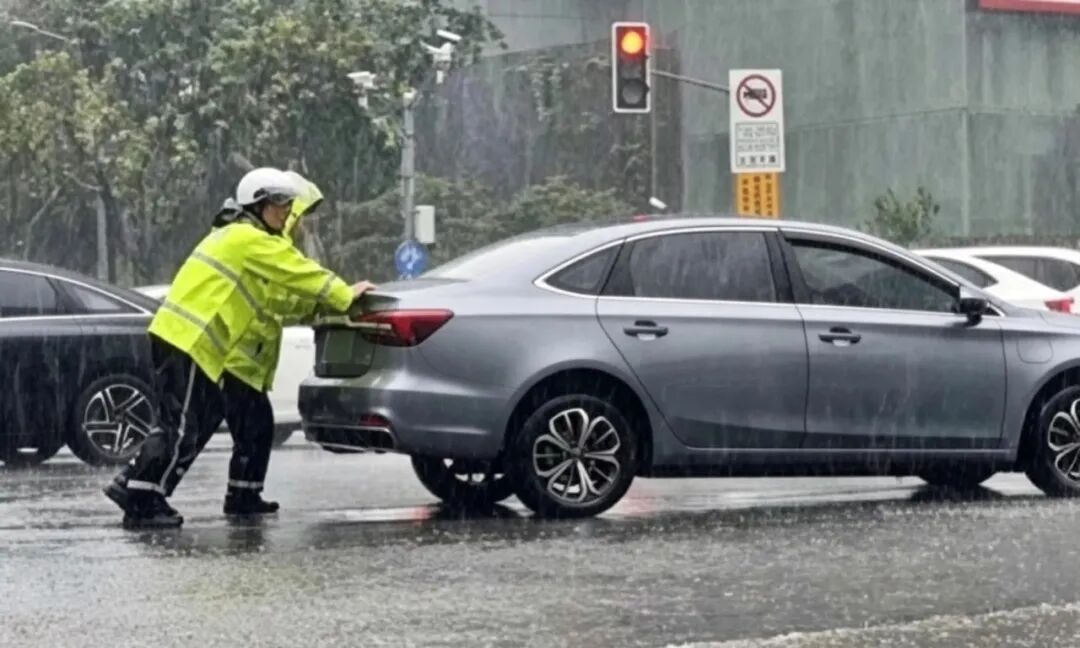
△ During Typhoon Dolphin, numerous vehicles encountered stalling issues
What factors determine a vehicle's water-crossing capability?
Vehicle water-crossing capability refers to the maximum ability of a vehicle to safely traverse waterlogged roads. The theoretical wading depth for most ordinary family sedans is approximately 20-30 cm, while urban SUVs generally range from 30-50 cm, and off-road vehicles can exceed 50 cm.
What are the core factors determining a vehicle's wading depth?
For gasoline vehicles, the upper limit of water-crossing capability is primarily determined by the engine's air intake layout, exhaust structure, ground clearance, and overall vehicle sealing performance. The greatest hazard during wading is water being drawn into the air intake, causing a water hammer effect that can directly damage the engine. Many models enhance their water-crossing performance by raising the air intake position, optimizing ground clearance, and incorporating four-wheel-drive systems and low-speed gears. Some high-end off-road models also feature dedicated wading modes that adjust power output and traction control, while vehicles with air suspensions can raise the body. For instance, the Land Rover Defender can utilize front bumper radar to monitor water levels in real-time, assisting drivers in judging passability.
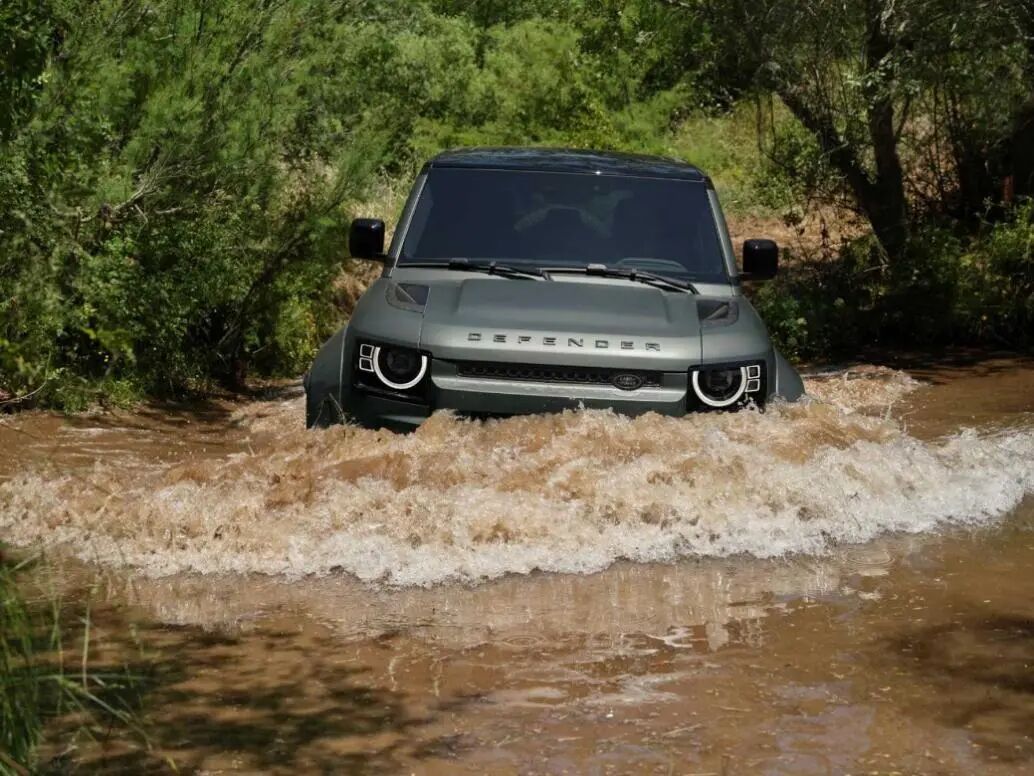
△ Some off-road-focused models offer specialized wading modes
Compared to gasoline vehicles, electric vehicles do not face the fatal risk of water entering the engine's air intake or exhaust, giving them an inherent advantage in water-crossing scenarios. Mainstream new energy models generally adopt IP67 or higher waterproofing standards for battery packs, high-voltage wiring, drive motors, and electronic control units, mitigating the risk of core powertrain failure due to water ingress at the hardware level. Many automakers also develop targeted wading control strategies: limiting maximum speed during travel, smoothly delivering motor torque to avoid large waves created by wheels, optimizing four-wheel-drive traction control to prevent slippage on waterlogged roads, and actively raising the chassis on vehicles with air suspensions to increase the safe water level.
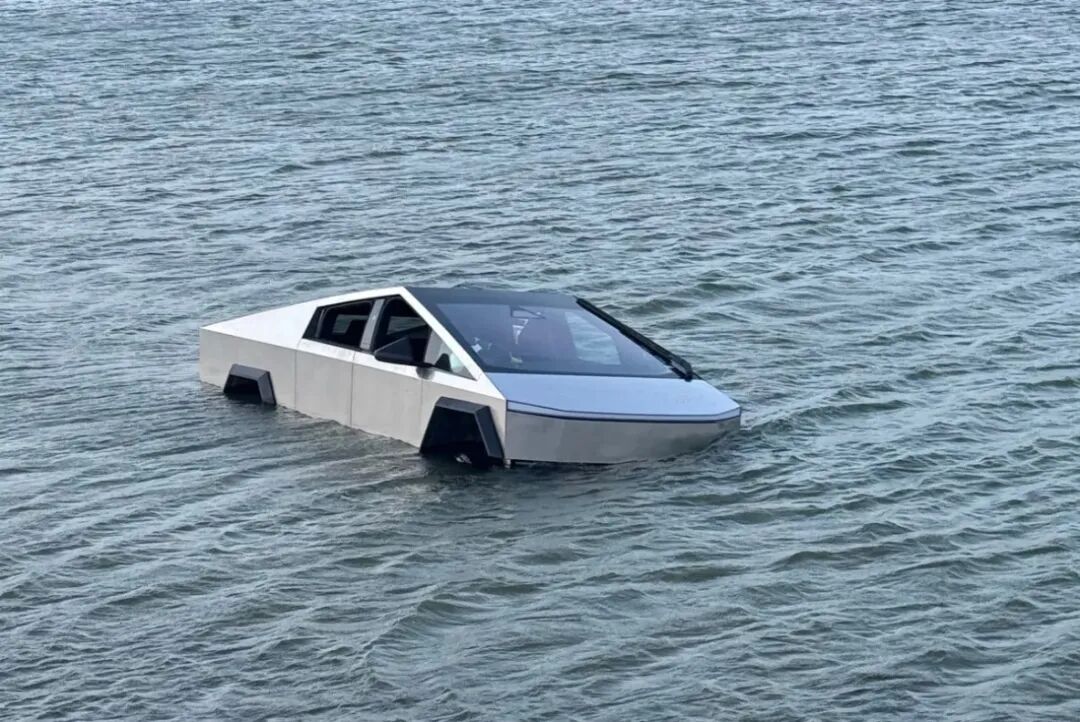
△ Pure electric vehicles have an easier time wading through water than gasoline vehicles
Should water-crossing capability be a concern when purchasing a vehicle?
Water-crossing capability is worth considering, but its significance depends on the driving environment.
For individuals residing in regions prone to frequent typhoons, heavy rainfall, and urban flooding, water-crossing capability should be a key safety indicator when purchasing a vehicle. When selecting a car, focus on maximum wading depth, ground clearance, and four-wheel-drive systems. For new energy vehicles, also pay attention to battery pack layout and waterproofing capabilities of the high-voltage system, as these indicators provide greater safety redundancy in sudden waterlogging scenarios. However, standalone wading modes are of limited practical use for most users. After all, using a car like a boat is not a常规 (chángguī, regular) operation. Wading modes essentially optimize power output and stabilize the vehicle but cannot exceed the hardware limits of the vehicle's water-crossing capability, nor can they resist unknown risks from undercurrents, waves, or underwater potholes.
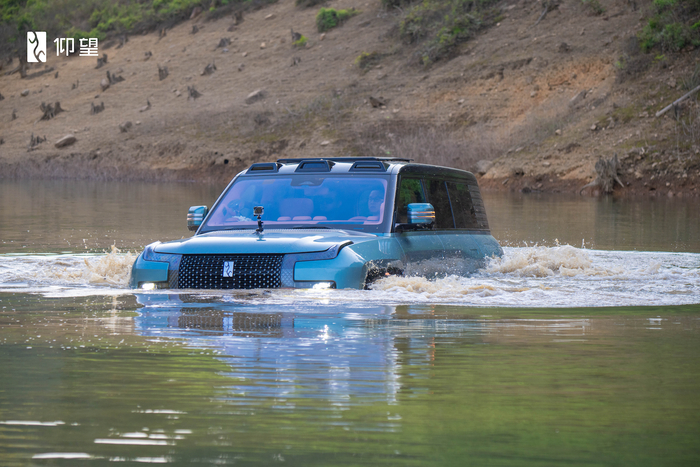
△ Water-crossing capability is one of the selling points for Yangwang
However, for consumers in most cities with flat terrain and few waterlogged roads, it is not advisable to sacrifice other frequently used safety features solely for the pursuit of water-crossing capability. In daily driving, braking performance, tire wet grip and drainage capabilities, active safety configurations, and vehicle stability are more commonly applicable. Many off-road and high-end new energy SUVs claim wading depths of 600 mm, 700 mm, or even 900 mm, but numerous real-world tests show that these figures are only extreme test values obtained on still, flat surfaces. When faced with water flow or waves created by vehicles, the risks increase significantly, and prolonged or high-speed travel at the same depth is not feasible.
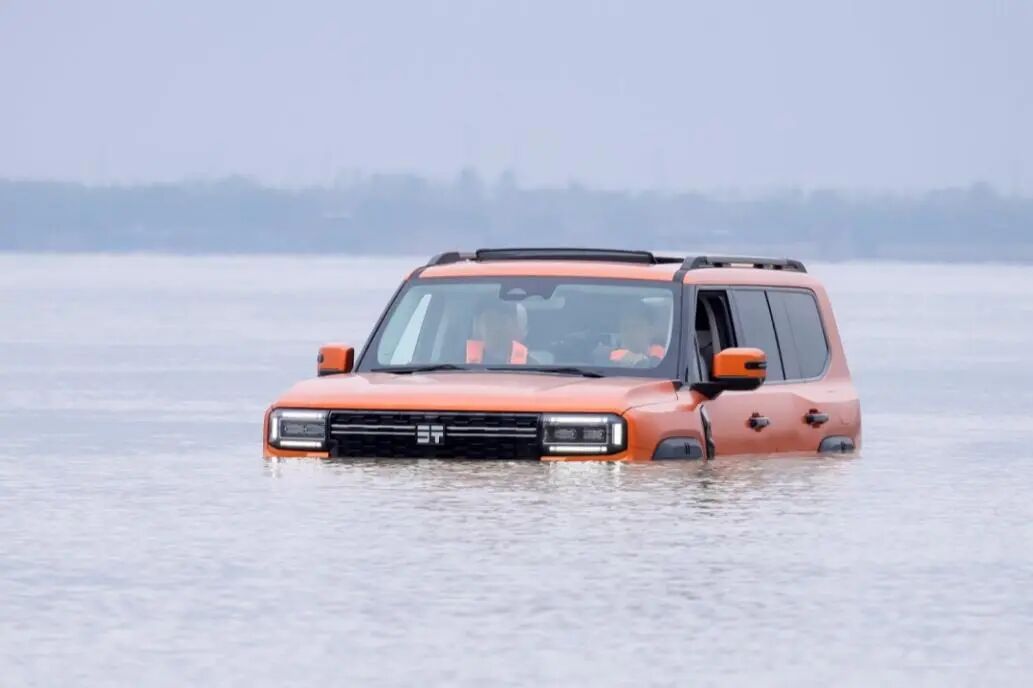
△ Water-crossing capability can be viewed as a safety redundancy for extreme weather conditions
Owners should not blindly trust vehicle wading limits
For vehicle owners, especially urban SUV users, fully understanding the limits of their vehicle's wading depth is crucial. The wading depths announced by automakers are based on ideal testing conditions in still water on flat surfaces and are difficult to replicate in typhoon or heavy rain conditions. Hidden undercurrents, waves created by preceding vehicles, and concealed road potholes can reduce the actual safe water depth by 15-20 cm compared to official standards.
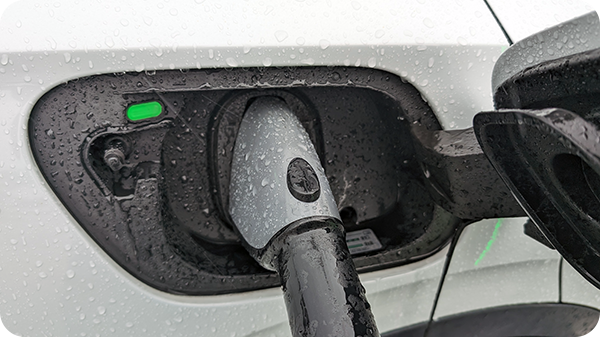
△ Most new energy models currently have IP67 waterproofing for their battery electric systems, but they do not support prolonged wading or long-term submersion
After a gasoline vehicle stalls in water, do not attempt to restart it, as this can easily cause a water hammer effect, resulting in permanent damage such as bent connecting rods or a damaged cylinder block. Engine overhaul costs typically range from 15,000 to 50,000 yuan, with higher costs for luxury models. While electric vehicles have inherent water-crossing advantages, they are not without limitations. Most new energy models currently have IP67 waterproofing for their battery electric systems, but this standard only applies to laboratory static immersion conditions and does not support prolonged wading or long-term submersion. Waterlogged roads with mud and debris can corrode chassis wiring, radars, and electronic control components; if water enters the cabin, damage to interiors and onboard equipment can result in significant repair costs and long-term depreciation due to water damage.
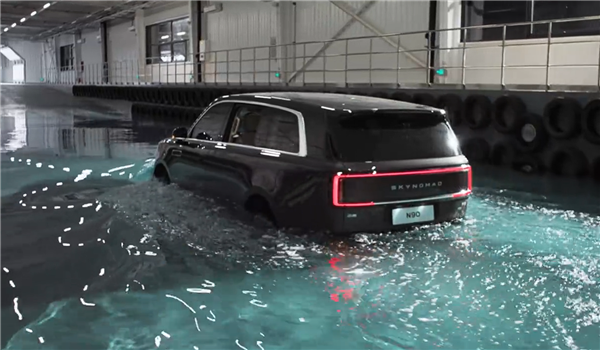
△ Even with a wading mode, actively avoiding unknown waterlogged roads is the best choice
Therefore, water-crossing capability can be viewed as a safety redundancy for extreme weather conditions: consumers in coastal areas, low-lying old cities, or those commuting through flood-prone areas need to pay close attention, while ordinary urban users can simply consider it a bonus feature. When evaluating water-crossing performance, do not just focus on the maximum wading depth advertised by manufacturers but also consider factors such as wading modes, officially limited wading speeds, ground clearance, allowed wading duration, and supporting safety mechanisms like wading self-checks and high-voltage protection. Truly reliable water-crossing capability does not encourage owners to recklessly drive through waterlogged areas but rather reduces the risk of vehicle failure and personnel being stranded in emergency situations where water is unexpectedly encountered and cannot be avoided. All parameters should only serve as emergency reserves; when faced with unknown waterlogged roads, actively avoiding them is the safest way to prevent major losses.
Commentary
Water-crossing performance is becoming a direction for differentiated competition among vehicle models. User demand in flood-prone areas is driving automakers to optimize chassis sealing and electronic control strategies. However, the industry tends to focus on promoting extreme wading parameters without adequately explaining applicable conditions, which can lead to misunderstandings. Water-crossing capability is merely a safety redundancy for extreme conditions. The industry should promote greater transparency in wading parameter information and reach a consensus: wading technology is for emergency avoidance, not for encouraging forced passage through waterlogged areas. Prioritizing avoidance of unknown waterlogged roads should be the primary guideline.
(This article is original to Heyan Yueche and may not be reproduced without authorization.)
-
![]()
The Scripts of Chinese and U.S. AI Have Completely Swapped Overnight
-
![]()
From a 1.4 Billion Yuan Loss to an Estimated 500 Million Yuan Profit: Generative AI Paves the Way for SenseTime’s Turnaround
-
![]()
After Testing CatPaw, I See the Second Half of Meituan's AI Game
-
![]()
In the AI Era, How Much Is Doubao’s Entrance Pricing Power Worth in Terms of Commission?
-
In Line with HJ 1480 - 2026! Hikvision Launches Specialized Products for Video Surveillance Systems in Pollution Discharge Monitoring
-
![]()
The Next Corolla: How Toyota is Reinventing the 'National Car' Amid Global Automotive Industry Changes - NHK's 'Inside Toyota'
-
![]()
HONOR Robot Phone: A Revolutionary Smartphone or Just a Compelling Tale?
-
![]()
Short Dramas with Face-Swapping and Talent Show Debuts: AI Begins to 'Mass-Produce Stars'