FREELANDER 8 Kicks Off Pre-sales, Potential Buyers Rave: ‘This Is Incredible!’
 08/17 2026
 467
467
On the evening of August 14, the FREELANDER brand unveiled its inaugural model, the FREELANDER 8, opening the floodgates for pre-sales. With prices starting at 349,900 yuan for the spacious six-seater variant and 339,900 yuan for the five-seater, social media buzzed with excitement. This newcomer, drawing on the legacy of the Land Rover Freelander and backed by Chery and Jaguar Land Rover’s innovative ‘Joint Venture 3.0’ framework, comes loaded with cutting-edge features as standard across all trims. These include Huawei’s Qiankun Intelligent Driving system, 800V extended-range technology, dual-chamber air suspension, and rear-wheel steering.
During the pre-sales launch event, ‘E-Car Review’ visited a FREELANDER dealership nestled in a bustling Beijing business district. The showroom was packed with eager customers tuning into the live announcement. As the pricing details were revealed, exclamations of “This is incredible!” filled the air. The large six-seater MAX and PRO models stole the spotlight, though the more affordable five-seater also piqued the interest of family-oriented buyers.
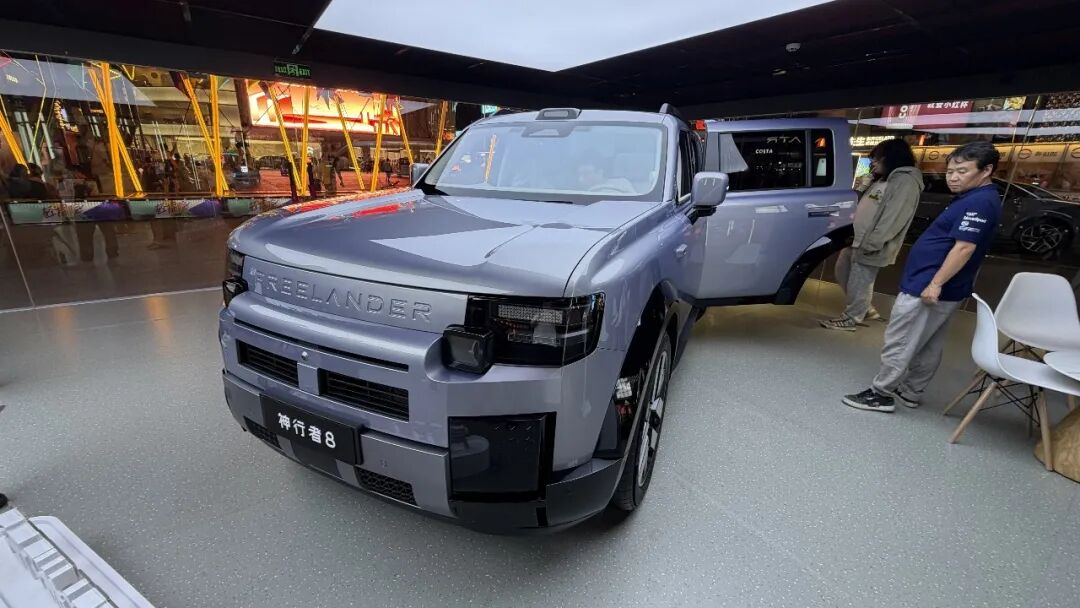
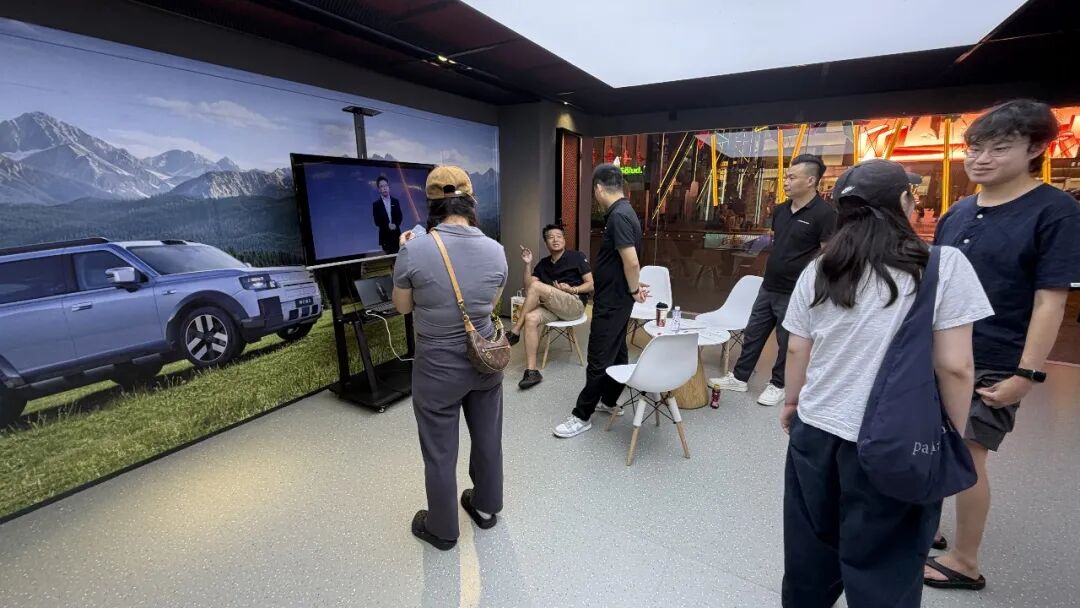
Beyond new car enthusiasts, a significant portion of visitors were looking to trade in their current rides. One potential buyer, arriving in an older Tank 300 model, confessed to ‘E-Car Review’ that while they adored off-roading and the vehicle’s rugged design, the high fuel costs for daily commutes were a deterrent. The FREELANDER 8’s extended-range solution and roomy interior seemed to perfectly address their needs, with the final market price being the deciding factor.
Core Configurations: Standard Across the Board
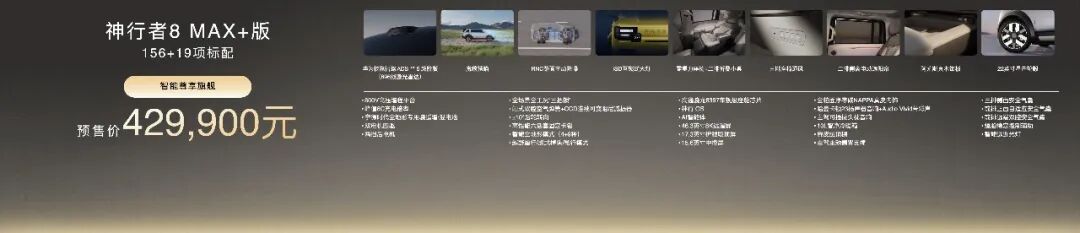
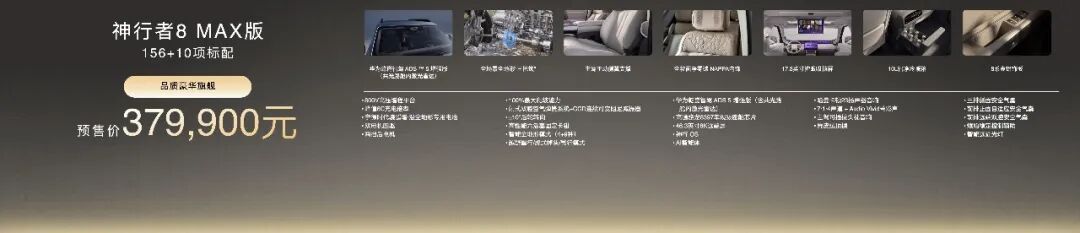
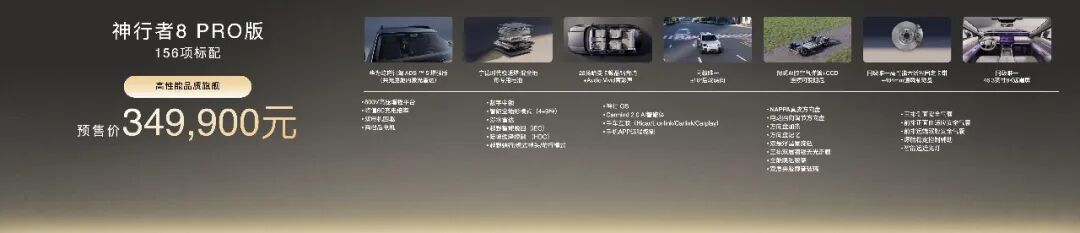
Let’s break down the pricing. The FREELANDER 8 large six-seater comes in three flavors: the PRO at 349,900 yuan, the MAX at 379,900 yuan, and the MAX+ at 429,900 yuan. The five-seater kicks off pre-orders at 339,900 yuan, with specific configurations yet to be detailed. Additionally, a limited Launch Edition of 1,000 units is available at a fixed price of 449,900 yuan. Until August 31, customers who place a 1,000 yuan deposit for the six-seater models can enjoy pre-sale perks worth up to 121,000 yuan.

What truly stands out isn’t just the price tags but the breadth of standard features. The official list boasts an impressive 156 items, with core hardware including: a 6C-rate 800V high-voltage extended-range platform, a CATL 60.3kWh battery, a dual-motor four-wheel-drive system (boasting a combined power output of 610kW), closed dual-chamber air springs, CCD continuously variable damping shock absorbers, ±10° rear-wheel steering, front six-piston fixed calipers, and Huawei’s Qiankun Intelligent Driving ADS5 Enhanced Edition.
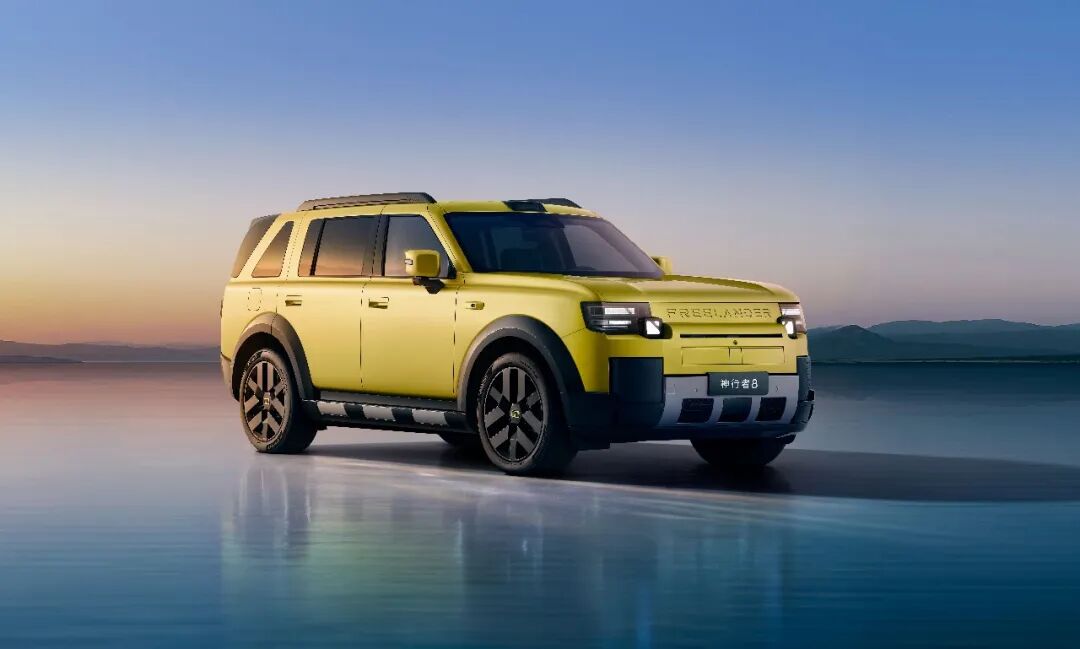
This configuration strategy is a rarity in today’s market. Typically, air suspension, rear-wheel steering, and advanced intelligent driving systems are reserved for top-tier models, with entry-level versions often seeing feature reductions. The FREELANDER 8 flips the script, equipping all trims with these sought-after features, effectively elevating the ‘baseline’ of even the lowest-tier model. The upside? Even the base model packs a punch, avoiding the pitfalls of ‘buying a badge and getting a car as an afterthought.’ The downside? The price gap between low and high-tier models narrows, potentially weakening the premium pricing space for higher-end variants.
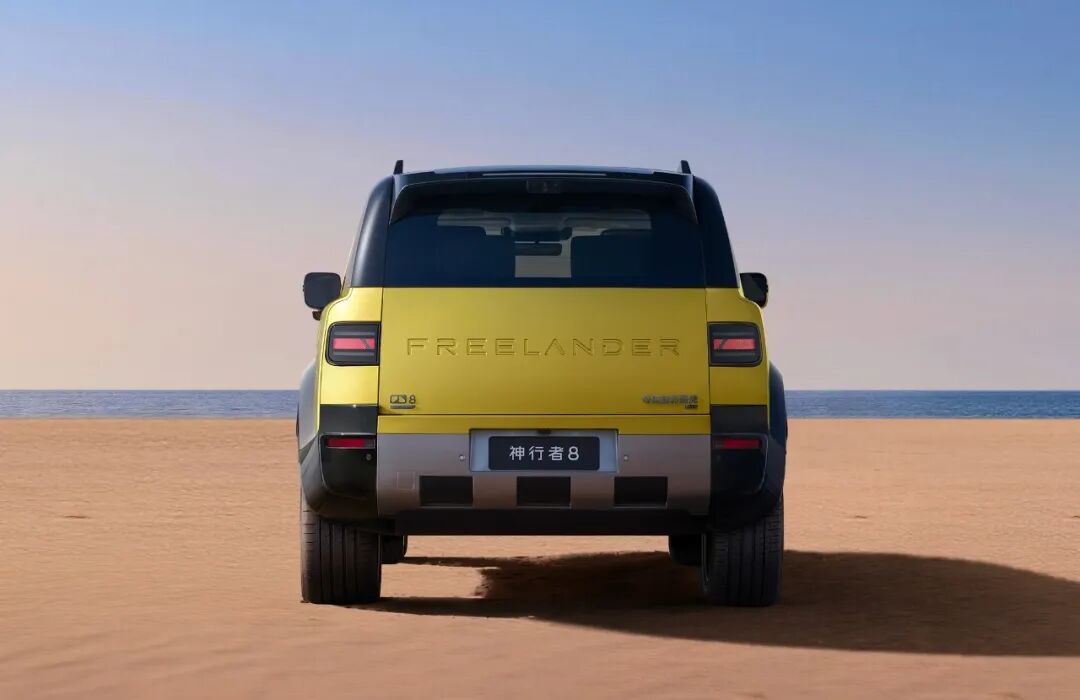
Based on on-site customer feedback, the 379,900 yuan MAX version garnered the most attention. Compared to the PRO, it adds 10 standard features, such as richer interior materials and second-row electric sunshades, striking a balance between luxury and practicality. While the 429,900 yuan MAX+ version is fully loaded, its price places it in the same league as traditional luxury brand mid-to-large SUVs, appealing to a niche audience.
An Off-Road Veteran’s New Energy Foray
The FREELANDER 8’s choice of extended-range technology is no accident. Off-road enthusiasts have heightened concerns about range, refueling, and reliability compared to regular family vehicle users. Pure electric solutions fall short in long-distance travel and remote areas, while plug-in hybrids grapple with small battery capacities and limited electric-only ranges. The extended-range setup ensures low electricity costs for daily commutes while relying on gasoline to alleviate range anxiety in long-distance and off-road scenarios, making it a pragmatic choice at this stage.
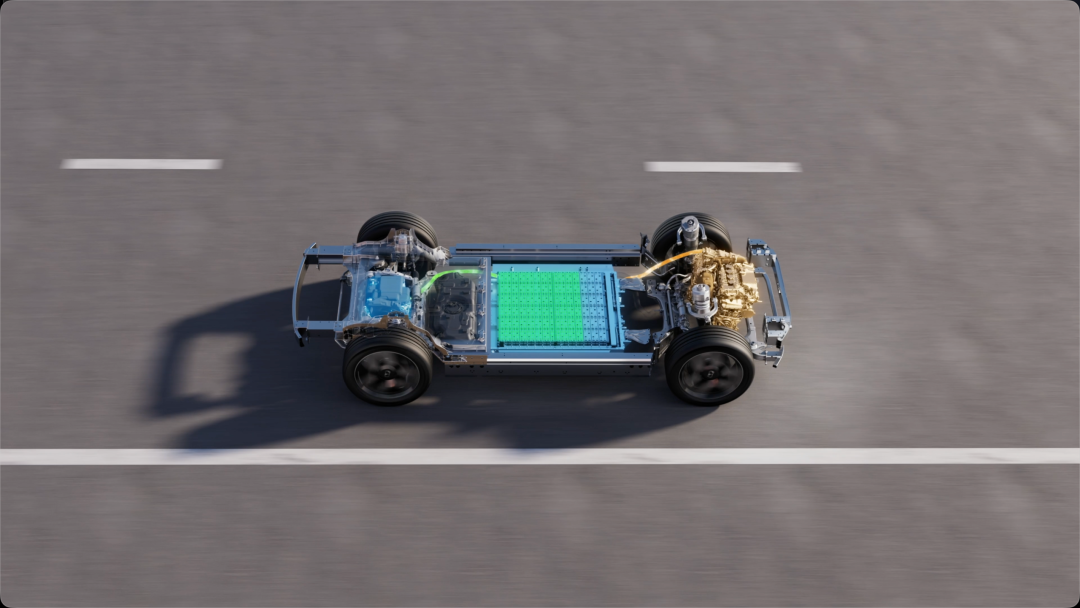
In terms of specifics, the 1.5T four-cylinder range extender boasts a claimed thermal efficiency of 45.79%, capable of generating up to 3.7 kWh of electricity per liter of fuel. Paired with a 60.3kWh battery, it achieves a CLTC electric-only range of 310 kilometers. The dual-motor system delivers a combined power output of 610kW, accelerating from 0 to 100 km/h in just 4.6 seconds. The rear motor features a 250kW two-speed design, balancing high-speed cruising efficiency and low-speed climbing capability, with a maximum wheel torque of 8000Nm.
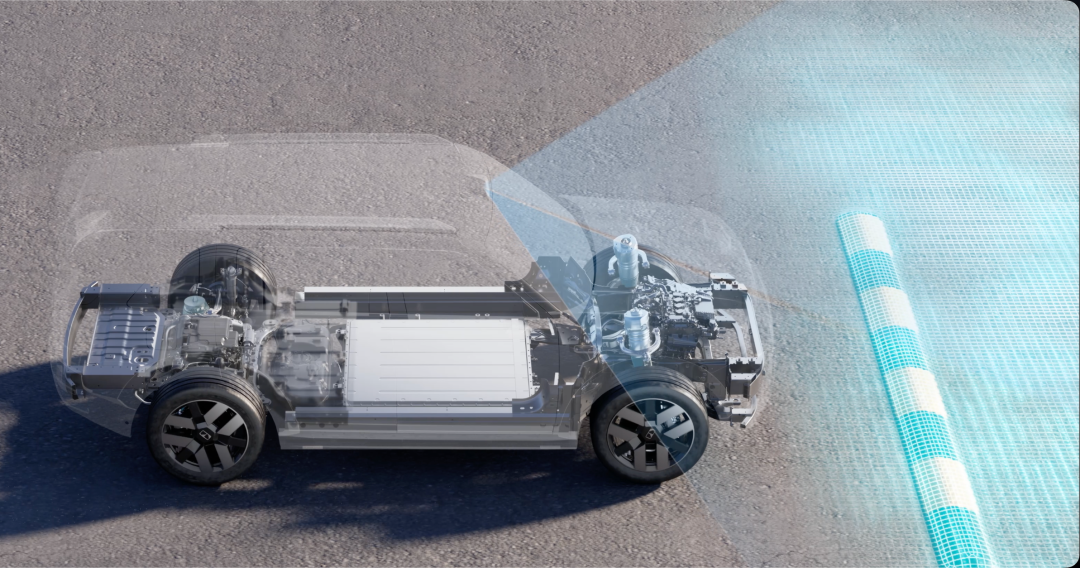
For off-roading, the FREELANDER 8 has co-developed the i-ATS intelligent all-terrain system with Huawei Qiankun, supporting nine terrain modes. In intelligent mode, it can identify six types of terrain and switch modes automatically within 0.5 seconds. The official claims it boasts 100% climbing ability, 900mm wading capability, and 800mm cross-axle capability, paired with a ‘three-lock’ structure consisting of a front mechanical lock, rear e-LSD, and digital energy center lock, indicating no compromise in hardware specifications.
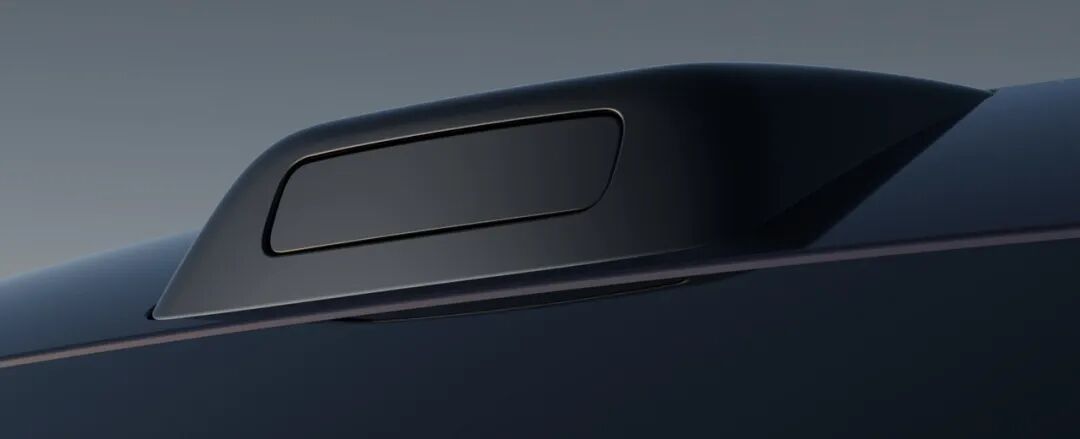
Notably, the integration of LiDAR and the off-road system is a standout feature. The top-tier version is equipped with an 896-line dual-light-path LiDAR, capable of detecting objects as small as 14 cm from up to 120 meters away, along with a dToF rear solid-state LiDAR. This perception hardware not only aids intelligent driving but also participates in terrain prediction for the all-terrain system, identifying road surface characteristics 10-15 meters in advance and actively adjusting suspension and power output. This ‘reusing intelligent driving hardware’ approach maximizes sensor value.
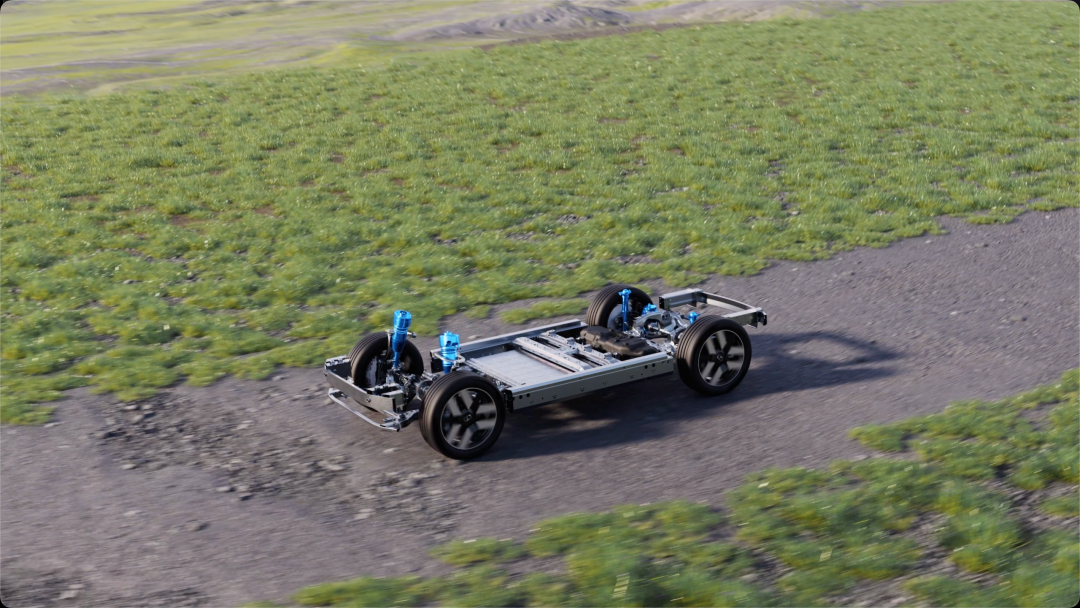
However, the actual performance of the intelligent all-terrain system remains to be seen in real-world testing. Questions linger about LiDAR’s accuracy in identifying gravel and sand, the smoothness of mode switching, and reliability under extreme conditions. These can only be answered through extensive real-vehicle testing. Impressive specs are one thing; user-friendliness is another.
Is Joint Venture 3.0 Just a Rebrand?
The FREELANDER 8’s biggest talking point is the ‘Joint Venture 3.0’ concept. Traditional joint ventures saw foreign partners provide products and technical standards, while Chinese partners handled manufacturing and distribution, with core decision-making power resting with the foreign side. The FREELANDER brand adopts a different approach: Jaguar Land Rover contributes brand heritage, design language, and all-terrain technology expertise, while Chery leads vehicle development, three-electric intelligence, supply chain integration, and global operations, with both parties holding a 50:50 equity stake. In essence, the foreign side provides branding and design, while the Chinese side brings technology and industrial chain capabilities to the table.
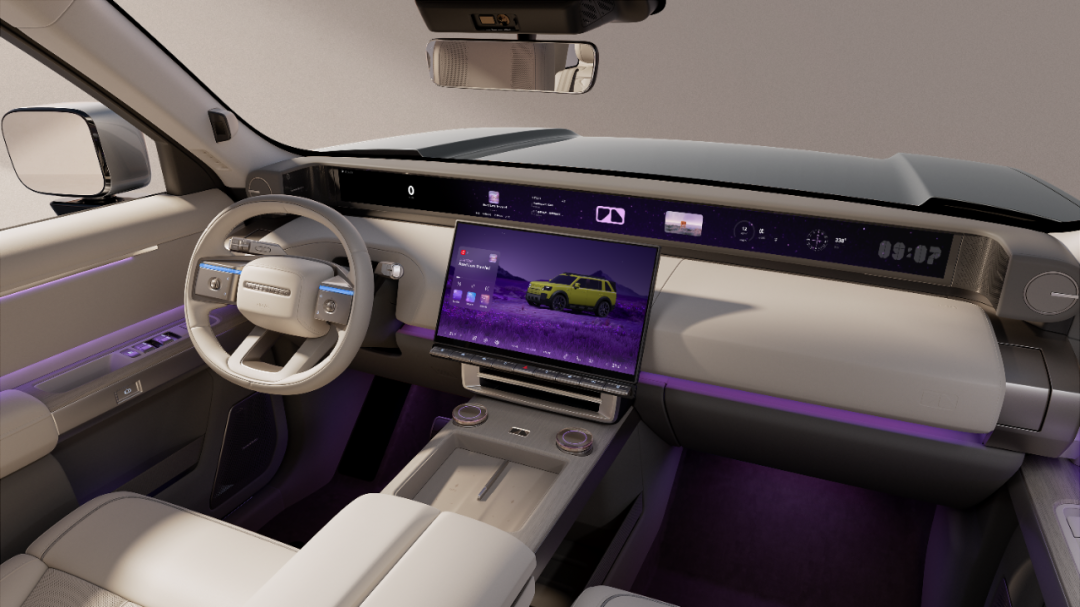
Does this model equate to ‘rebranding’? From a product standpoint, the FREELANDER 8’s three-electric system, intelligent cockpit, and intelligent driving solutions all hail from the Chinese supply chain. CATL batteries, Huawei intelligent driving, and Qualcomm chips represent a technology path dominated by the Chinese side. Meanwhile, body design, chassis tuning, and brand character are controlled by Jaguar Land Rover, with Design Director Phil Simmons’ team directly responsible for the styling. This differs fundamentally from the past approach of ‘localizing a gasoline vehicle.’
The advantages are clear. China’s new energy industrial chain offers cost advantages and rapid iteration capabilities, while the design heritage and global distribution channels of a luxury brand provide a unique blend of ‘luxury quality and Chinese pricing.’ The reason the FREELANDER 8 dares to include so many features as standard across all trims is supported by its supply chain integration prowess.
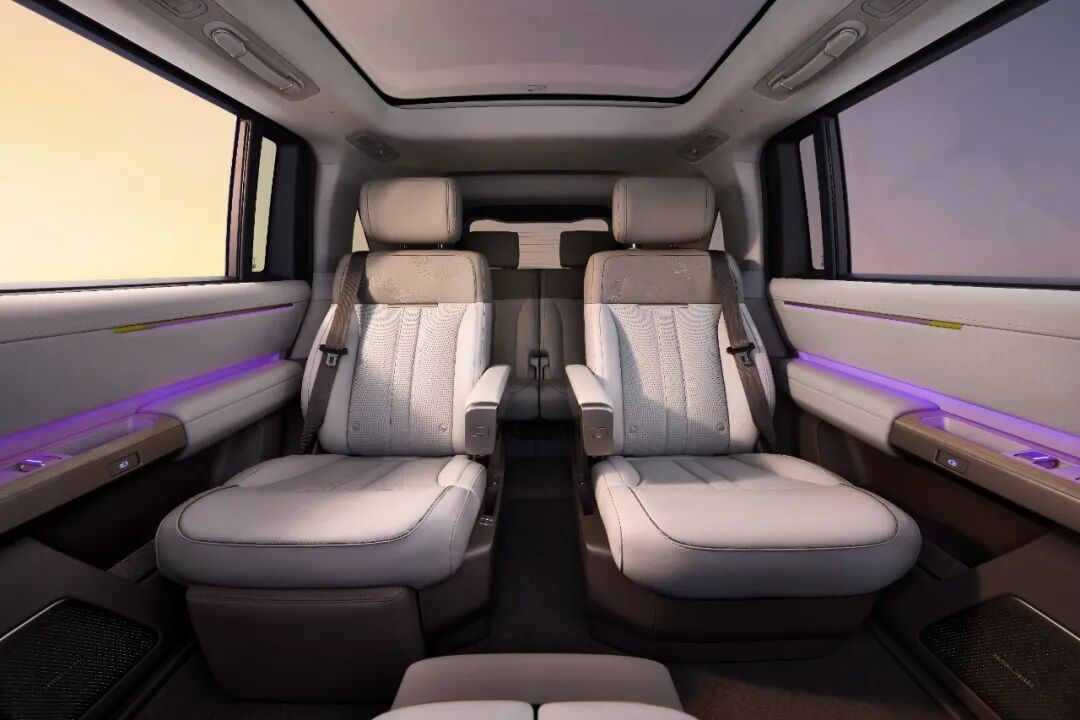
However, challenges persist. First is brand recognition. Whether consumers will embrace this ‘reborn’ Freelander and how much brand premium they’re willing to pay remains to be seen. Second is quality control and tuning. Whether Jaguar Land Rover’s chassis tuning expertise can seamlessly integrate with a new energy chassis, and whether Chery’s manufacturing system can meet luxury brand quality standards, both require time to verify. Finally, there’s the challenge of distribution and service. Building a network from scratch for a new brand makes it difficult to ensure a consistent user experience.
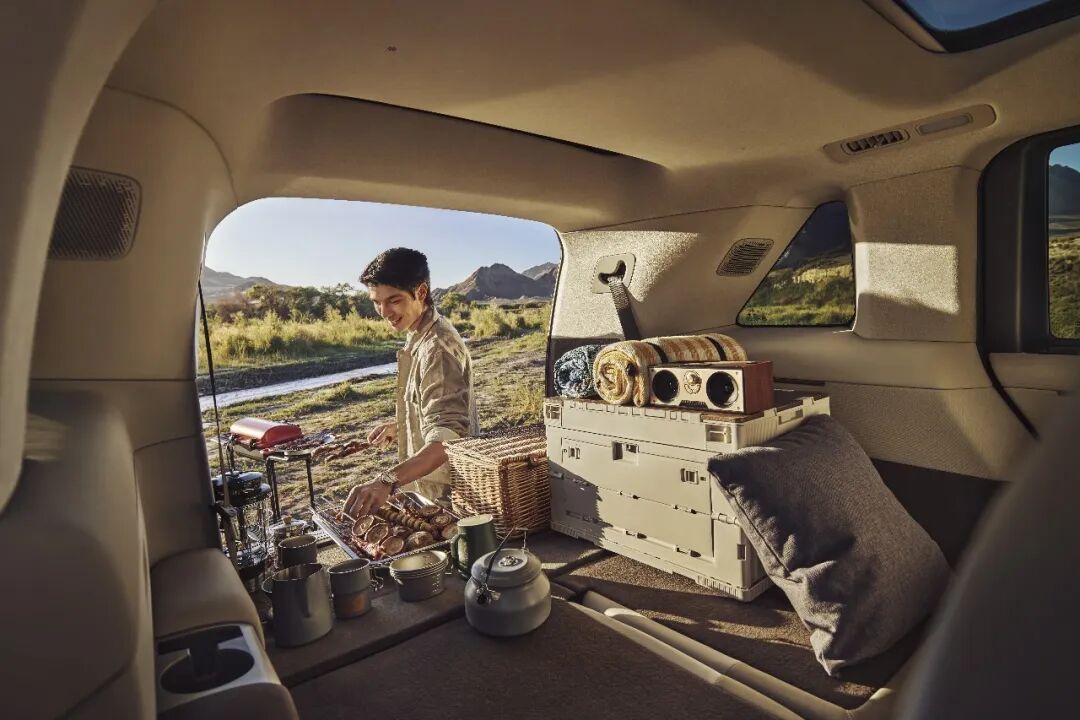
Overall, the FREELANDER 8’s product strength is undeniable. With a starting price of 339,900 yuan, paired with standard features like 800V extended-range technology, dual-chamber air suspension, rear-wheel steering, and Huawei intelligent driving, it offers exceptional value in the niche market of hardcore new energy SUVs. It’s not merely a ‘Land Rover rebadged as Chery,’ nor is it a ‘new force stacking features.’ Instead, it represents the fusion of two systemic capabilities.
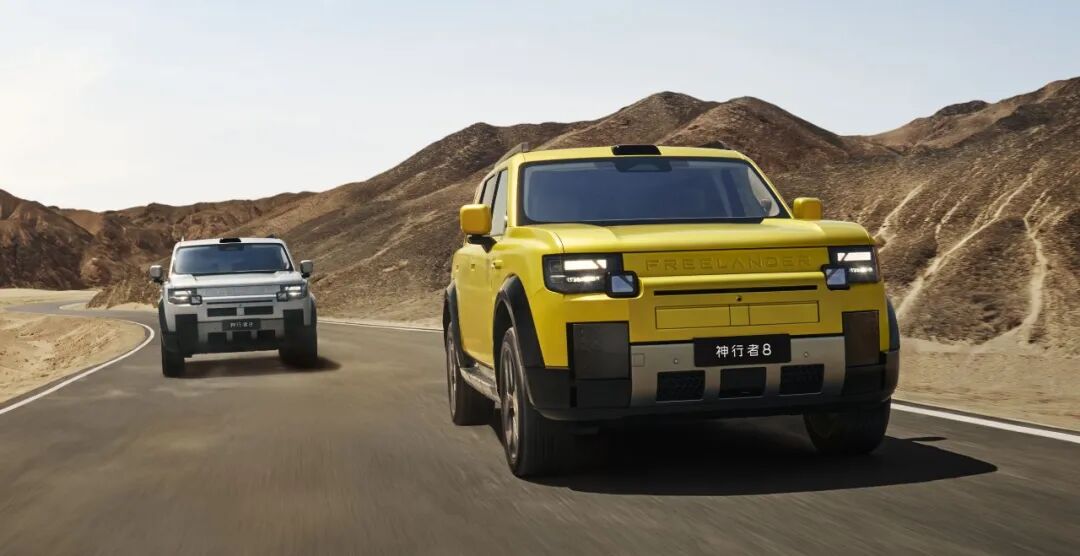
Of course, it’s premature to declare victory. Brand recognition needs to be established, real-world experience requires verification, and the after-sales service system needs refinement. For users, rather than fixating on whether it ‘counts as a real Land Rover,’ it’s better to focus on whether it ‘can meet real needs.’ If you desire both the off-road capability of a hardcore SUV and the cost savings of electric daily commuting, while also valuing intelligent driving and luxury interiors, the FREELANDER 8 presents a compelling new option. Whether it ultimately succeeds depends not just on product strength but also on delivery pace, terminal service, and market reputation. At least from the pre-sale pricing, FREELANDER has taken a bold first step.
-
![]()
Three Waves of Technological Advancement in Sync: Who Will Seize the Next AI 'Opportunity Window'?
-
![]()
The Scripts of Chinese and U.S. AI Have Completely Swapped Overnight
-
![]()
From a 1.4 Billion Yuan Loss to an Estimated 500 Million Yuan Profit: Generative AI Paves the Way for SenseTime’s Turnaround
-
![]()
After Testing CatPaw, I See the Second Half of Meituan's AI Game
-
![]()
In the AI Era, How Much Is Doubao’s Entrance Pricing Power Worth in Terms of Commission?
-
In Line with HJ 1480 - 2026! Hikvision Launches Specialized Products for Video Surveillance Systems in Pollution Discharge Monitoring
-
![]()
The Next Corolla: How Toyota is Reinventing the 'National Car' Amid Global Automotive Industry Changes - NHK's 'Inside Toyota'
-
![]()
HONOR Robot Phone: A Revolutionary Smartphone or Just a Compelling Tale?