Chengdu Auto Show Preview: Xiaomi and AITO Take Diverse Approaches, Leaving NIO as the Lone BEV Purist
 08/19 2026
 529
529
All uncertainties will be put to the test in the market, extending far beyond the show floor.
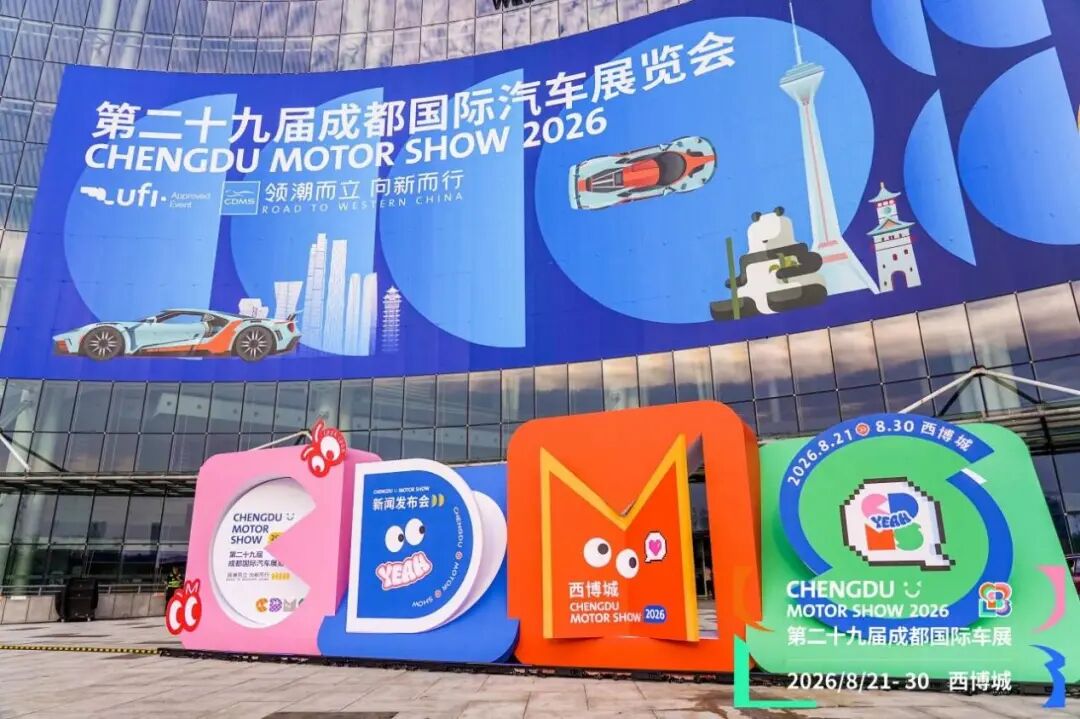
The 29th Chengdu International Auto Show, the most significant A-class auto exhibition in China for the second half of the year, is about to open its doors.
Covering an area of 220,000 square meters, this year's event boasts nearly 120 exhibitors and around 1,600 vehicles, on par with the scale projected for 2025.
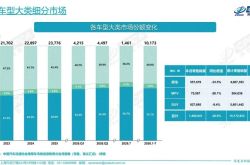
Positioned at the peak of the consumption cycle, this Western China industry gathering not only serves as a platform for new model debuts but also provides a crucial window into annual automotive market trends and corporate strategic shifts. According to data from the China Passenger Car Association (CPCA), retail sales of passenger vehicles in China reached 10.173 million units in the first seven months, marking a 20.3% year-on-year decline.
As the peak consumption season nears, the Chengdu Auto Show will also ignite the second-half arms race among automakers. Based on currently available information, at this year's Chengdu Auto Show, domestic brands are collectively setting their sights on the premium market, new forces are continuing to refine niche segments, joint-venture luxury brands are accelerating electrification with parallel development of hybrid and battery electric vehicles (BEVs), and advanced driver-assistance systems (ADAS) are being widely adopted, creating multiple variables that will shape the second-half market dynamics.
The consumption characteristics of the Western market define the unique nature of the Chengdu Auto Show.
Unlike auto shows in Beijing, Shanghai, and Guangzhou, which cater to first-tier city trendsetters, the Western market, centered around Sichuan, is characterized by prevalent scenarios of multi-member family travel, long-distance road trips, and complex road conditions. Consumers here value both luxury and practicality, with high demands for range compatibility and all-scenario adaptability. Large SUVs, MPVs, and plug-in hybrid models suitable for both long-distance and urban commuting often enjoy greater market acceptance in this region.
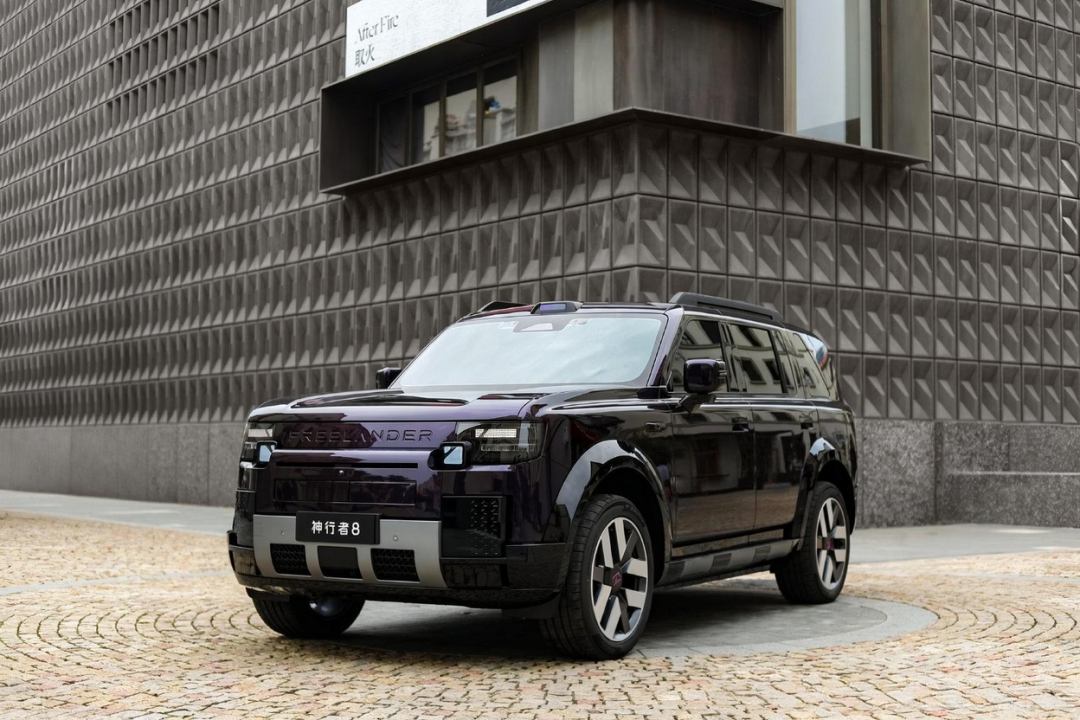
A variety of "boxy" models will make their debut, including the iCAR V25, Fangchengbao Titan 9, and Shenxingzhe 8. Additionally, a notable shift is that domestic models are no longer confined to the sub-200,000 yuan price range but are launching numerous 300,000 yuan flagship products, directly challenging the price bands of traditional luxury brands.
BYD will unveil the global debut of the Dynasty series' first D-segment executive sedan, the Dahuan. This 5,256mm-long sedan with a 3,130mm wheelbase directly competes with traditional luxury D-segment sedans, offering both BEV and DMi plug-in hybrid powertrains. The BEV version features second-generation blade batteries, achieving over 1,000km CLTC range, equipped with Yunlian chassis, rear-wheel steering, and advanced ADAS, bringing configurations previously exclusive to million-yuan luxury cars to the sub-300,000 yuan price range, filling the premium gap in BYD's sedan lineup.
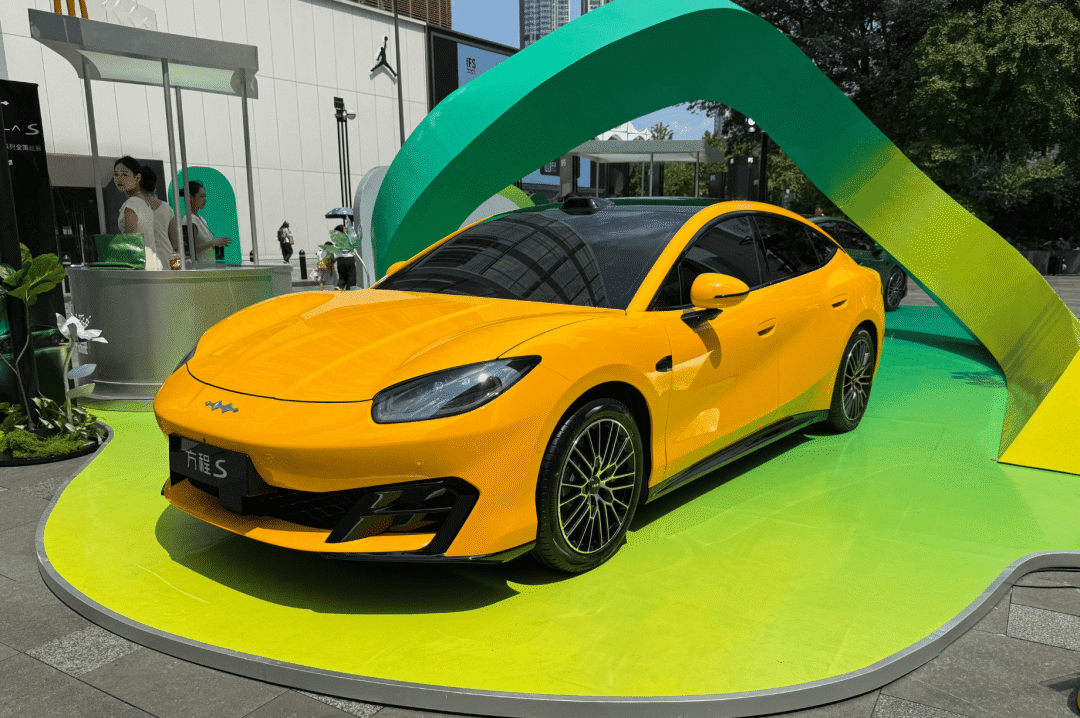
Simultaneously, the Fangchengbao S series will commence presales at the show. As the brand's first BEV sedan, it offers sedan and shooting brake body styles, targeting a personalized sports positioning and directly competing with models like the Xiaomi SU7, completing BYD's product matrix from family to off-road to niche coupes.
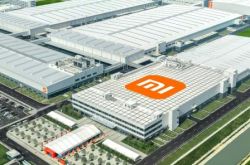
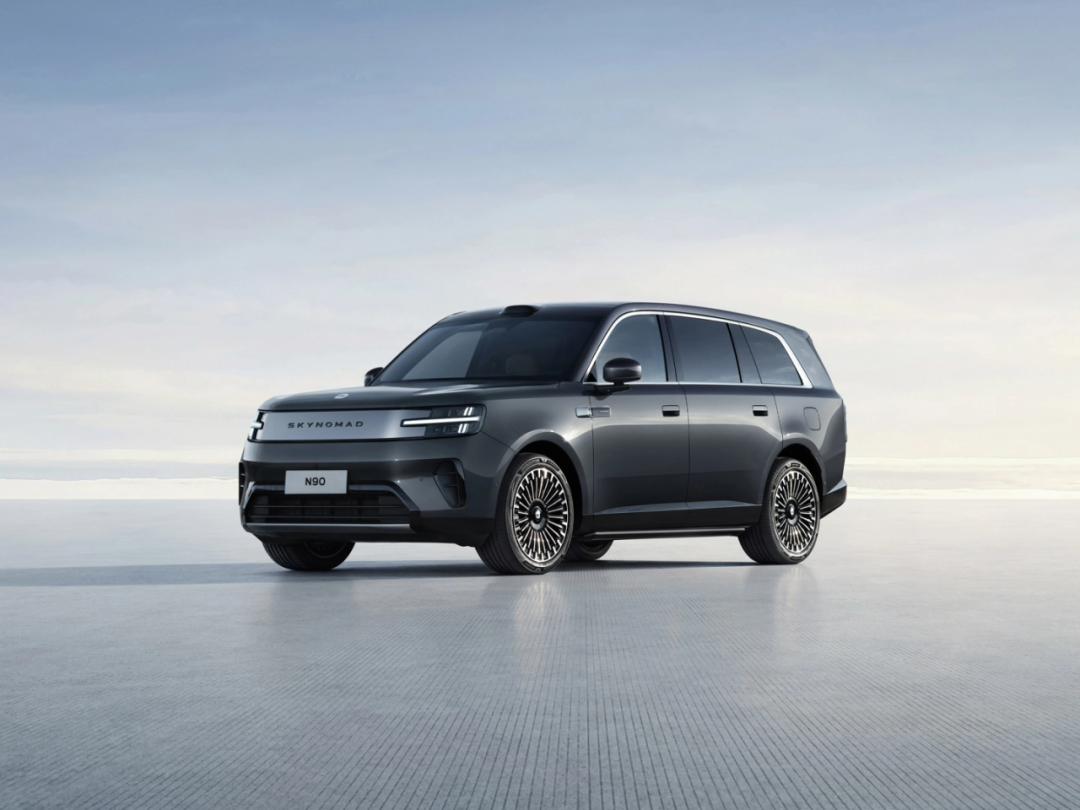
The unveiling of Xiaomi Pengcheng N90 Max's interior is another major highlight of the show.
This large seven-seat extended-range SUV focuses on transformable cabins and travel scenarios, leveraging the spaciousness of the Kunlun architecture to target family long-distance travel.
Amid ongoing industry debates over extended-range technology, Xiaomi's commitment to this segment reflects pragmatic market judgment, as many Chinese households lack fixed charging infrastructure, face cold climates in northern regions, and have high demand for long-distance travel.
The Harmony Intelligent Mobility Alliance will also launch new models, including the Xiangjie V8 business MPV, Xiangjie G9 off-road SUV, and Zhijie RX coupe SUV, continuing the "automaker manufacturing + Huawei intelligence" collaboration model, deploying Qiankun ADS advanced ADAS to more models, and continuously expanding the boundaries of premium intelligent electric vehicles.
Traditional domestic automakers are also present, with Hongqi launching presales for the all-new H7, integrating plug-in hybrid technology and locally developed ADAS into a traditional luxury sedan. Geely and Exeed are introducing new mid-size and full-size SUVs, covering family and business segments, as traditional automakers complete their product iterations from the fuel era to the intelligent electric era.
In the first half of this year, the market share of joint ventures and foreign brands in China's passenger vehicle market has dropped to 28.2%. This year's Chengdu Auto Show clearly reflects these brands' urgency to transform.
For a long time, many joint ventures relied on existing fuel vehicle inventories, delaying electric product iterations and continuously losing market share in China. This time, overseas giants are no longer waiting, bringing localized new energy products in bulk.
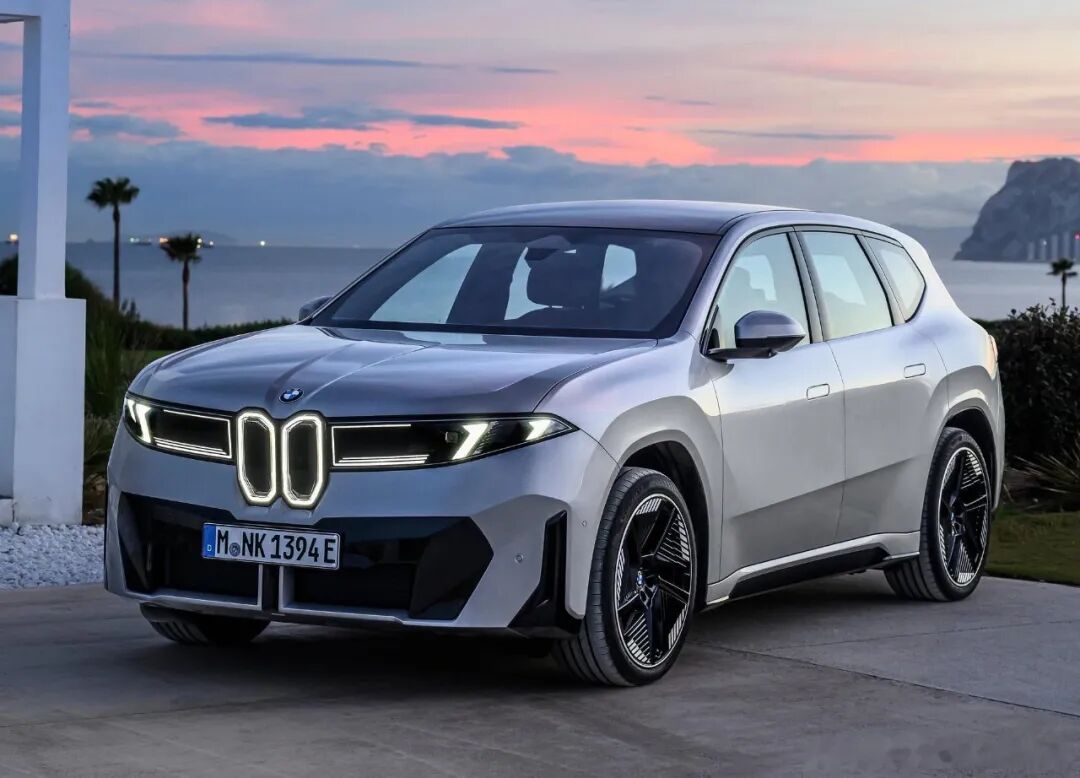
BMW's Neue Klasse i3 makes its global debut, with the all-new iX3 also starting presales. Both models are built on BMW's Neue Klasse platform, featuring a new electrical architecture, 10-minute fast charging for 400km range, over 900km CLTC range, upgraded panoramic interactive cockpits, and next-gen infotainment systems, offering a refreshed intelligent experience.
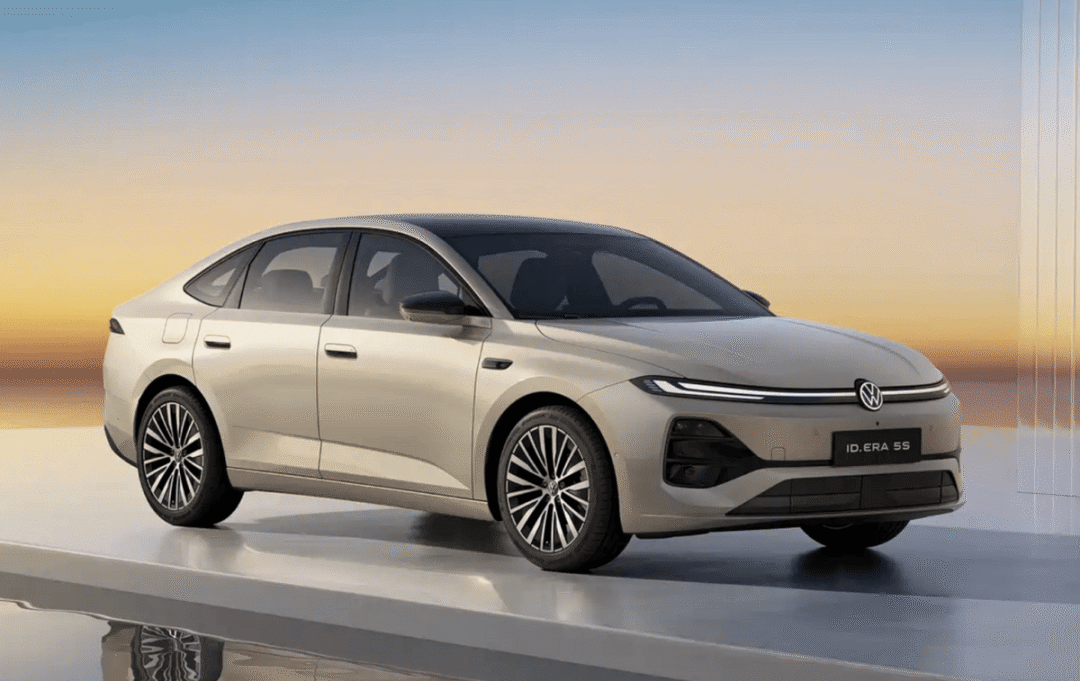
Mercedes-Benz introduces a long-wheelbase GLE, Volkswagen launches multiple ID.ERA series models, and Cadillac introduces a plug-in hybrid XT5, adding LiDAR, high-voltage fast charging, and other configurations valued by Chinese consumers to new models.
Beyond the dazzling array of new models, what deserves deeper analysis are the strategic logics hidden behind these products.
After increasing market share, brand premiumization has evolved from a slogan into collective action. While domestic brands previously relied on single blockbuster models for breakthroughs, they now employ platform-based, matrix-style strategies. 800V high-voltage platforms, air suspensions, and full-scenario ADAS are no longer exclusive to top-tier models but are becoming standard in mainstream 300,000 yuan models. Domestic automakers are now competing not just for sales volumes but to redefine pricing power. Moreover, technology routes are no longer binary; parallel development of BEVs, plug-in hybrids, and extended-range EVs has become industry consensus. BEVs target first- and second-tier city users with home charging, while plug-in hybrids and extended-range EVs cater to mass-market and long-distance travel needs. Automakers are no longer betting on single routes but adopting dual or even multi-route strategies as standard. Indeed, from the perspective of the new forces, NIO remains the only pure BEV player.
As domestic market competition intensifies, global expansion has become a core strategy for automakers to hedge pressures. Many new models debuting at the Chengdu Auto Show are being launched as global models and will subsequently be introduced to overseas markets, shifting from simple low-cost exports to targeting European, Middle Eastern, and Southeast Asian markets with premium products, achieving higher-level brand globalization.
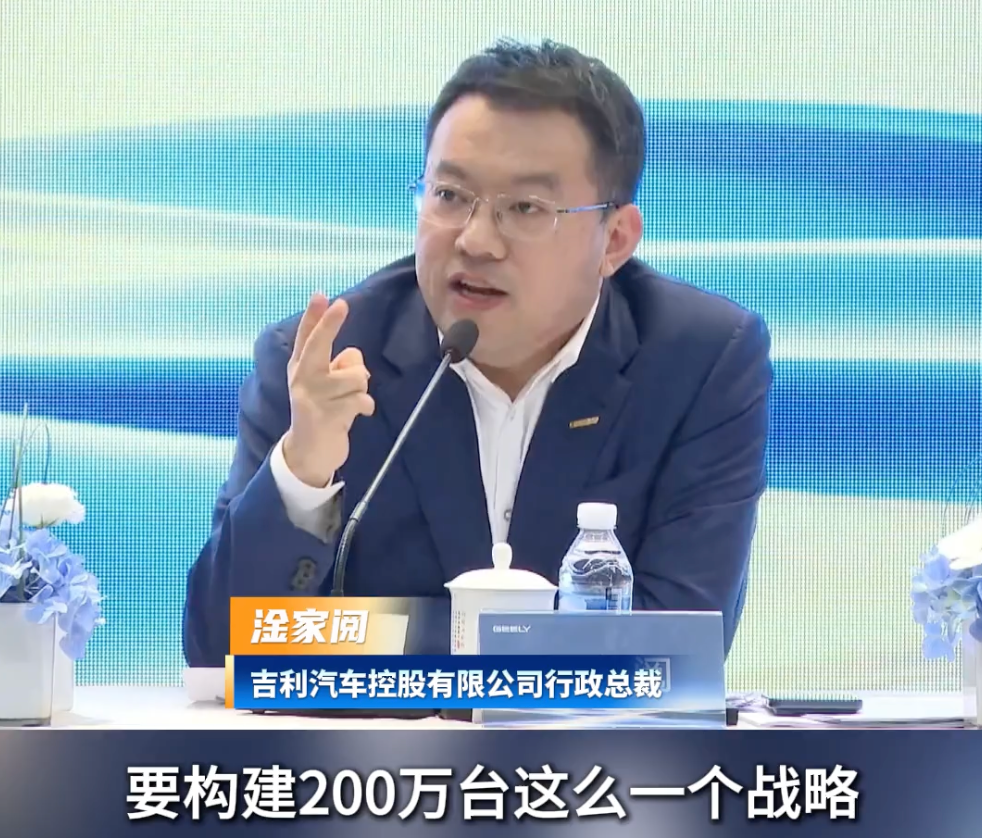
For example, at its 2026 interim results briefing on August 17, Geely announced its overseas development plan for the next 2-3 years, launching the Geely International "123456" strategy.
"1" represents establishing a unified overseas operational base system; global expansion will leverage three distinct brand positions: Zeekr for tech luxury, Lynk & Co for sporty trends, and Geely for mainstream family markets.
"23456" corresponds to sales targets in key regions: building a regional market array of 600,000 units in Europe, 500,000 in ASEAN, 400,000 in Latin America and Africa, 300,000 in Eastern Europe, and 200,000 in Central Asia and the Middle East, totaling 2 million units across regions.
While a steady stream of premium models priced above 300,000 yuan are being launched, the market pie remains finite, with some gaining more while others struggle.
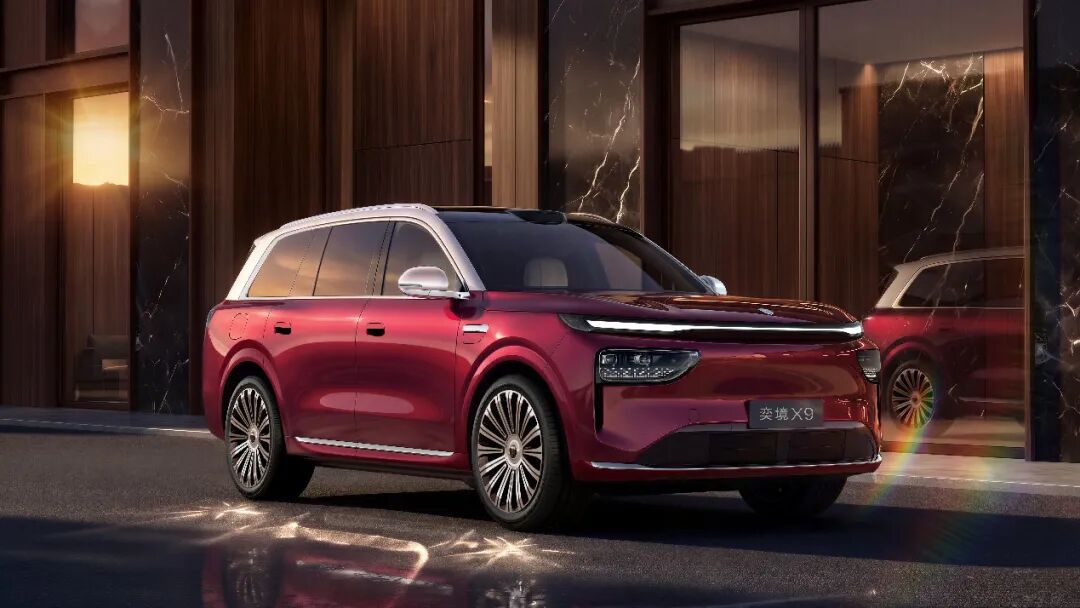
As automakers collectively push for premiumization, competition in the core market segment shows no signs of easing. In earlier years, automakers preferred to unveil major strategic initiatives on media days at auto shows. Now, more brands choose to hold separate launch events around the show period, such as the Yijing X9, IM L6, Aion Super BEV Ray7, Fangchengbao Titan 7 DM long-range version, and Xiangjie G9...
The auto show now primarily serves for physical model displays and consumer conversion, with fewer in-depth technical announcements, gradually shifting from an industry bellwether to a large-scale consumer marketplace.
As the Chengdu Auto Show kicks off, it officially signals the start of the peak consumption season. This year, we are unlikely to see the crazy price-cutting of the past. Instead, trade-in subsidies, financial incentives, and maintenance packages will become mainstream incentive methods. Newly launched new energy flagship models are also unlikely to see significant price reductions, with competition among automakers shifting from price wars to product strength, service, and comprehensive benefits.
Will domestic premiumization prove a fleeting trend or reshape the industry landscape? Will joint ventures achieve electric redemption or continue retreating? How will the competition among multiple technology routes shape the future market?
All uncertainties will be put to the test in the market, extending far beyond the show floor.
Note: Images sourced from the internet. For any copyright infringements, please contact for removal.
-END-
-
![]()
Surpassing the 'Storage Storm': Xiaomi’s Pivotal Moment
-
![]()
2026 China Auto Market: A 'Major Reshuffle' — Small Cars Decline, Large Cars Flourish, Is the Era of Fuel Vehicles Over?
-
![]()
Non-Recurring Items-Adjusted Net Profit Soars by 72.59%! Dongtianwei Records 502 Million Yuan in Revenue
-
![]()
Securing 2 Billion Yuan in Financing and Supplying Inno-Light: This Optical Device Company Launches Its IPO!
-
![]()
Farewell to 'Card Stacking': 2026 Marks China's Computing Power Shift to 'Token Value Output' Era
-
![]()
Xiaomi Weathers Storage Price Surge, Q2 2026 Revenue Tops 100 Billion Yuan Again
-
![]()
Geely Bids Farewell to the 'Li Shufu Era': A Historic Power Transition in China's Auto Industry | Auto Circle
-
![]()
Baidu Prepares for Inclusion in Southbound Trading: Wall Street Reassesses the Value of 'AI ETF'