Is August Truly Not the Ideal Month to Purchase a Car?
 08/20 2026
 498
498
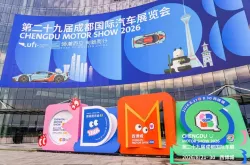
Reflecting on the Chengdu Motor Shows of the past five years, August this year doesn't seem to be the most opportune time to hastily buy a car.
The rationale is straightforward: this year's Chengdu Motor Show has undergone a significant transformation, marking a pivotal moment or even a turning point for the three core electric technologies, chassis advancements, and intelligent driving assistance systems.
Traditionally, the Chengdu Motor Show has served as a major catalyst leading up to the peak car sales period from September to October, as well as a key annual event for concentrated car consumption in Southwest China. In previous years, major automakers would utilize the show to unveil or premiere significant new models or technologies, with few brands revealing their flagship models complete with pricing details at the Chengdu Motor Show.
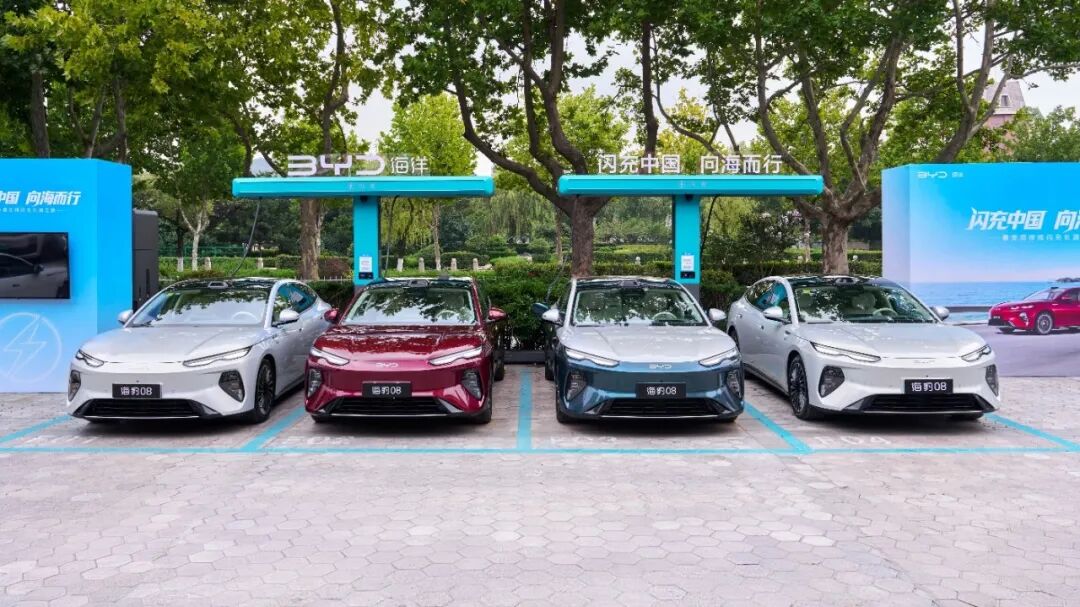
However, this year is different. The rapid pace of technological innovation has disrupted the traditional rhythm of China's top four auto shows. Models like BYD's Han, Seal 08, BMW's iX3, SAIC Volkswagen's ID.ERA 5S, MG 07, Haishi 08, and Cadillac XT5 PHEV are either available for pre-sale or have already been launched. If we include the Xiangjie G9, which was launched prior to the show, and the Yijing X9, which is open for pre-sale, this year's Chengdu Motor Show boasts an unprecedented level of value.
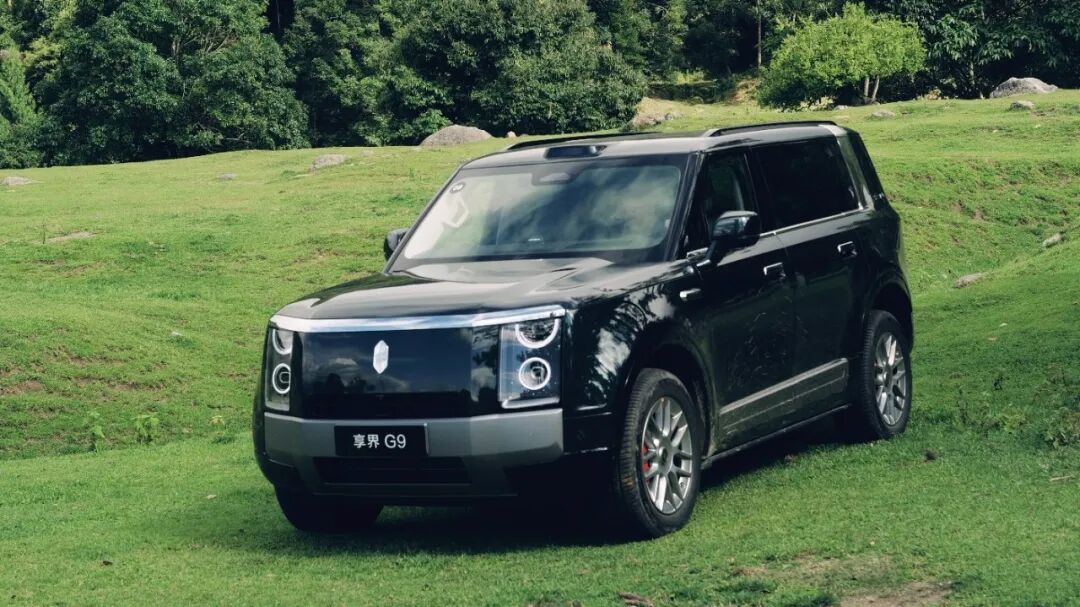
Nevertheless, new cars and pricing are merely the superficial aspects for consumers. Deeper transformations are underway, involving advancements in the core technologies of new energy vehicles, such as the three electric systems, the competitive landscape of intelligent driving, and even chassis improvements. Moreover, these changes are substantial.
A Cluster of New Batteries: Could Range Increase by 10%?
The most notable changes anticipated around this year's Chengdu Motor Show pertain to the three electric systems of new energy vehicles. Three significant cases have emerged, involving CATL, Huawei, and BMW. Additionally, automakers like Geely and NIO are also refining their three electric technologies. CATL's recent moves could even lead to a structural overhaul of existing power batteries.
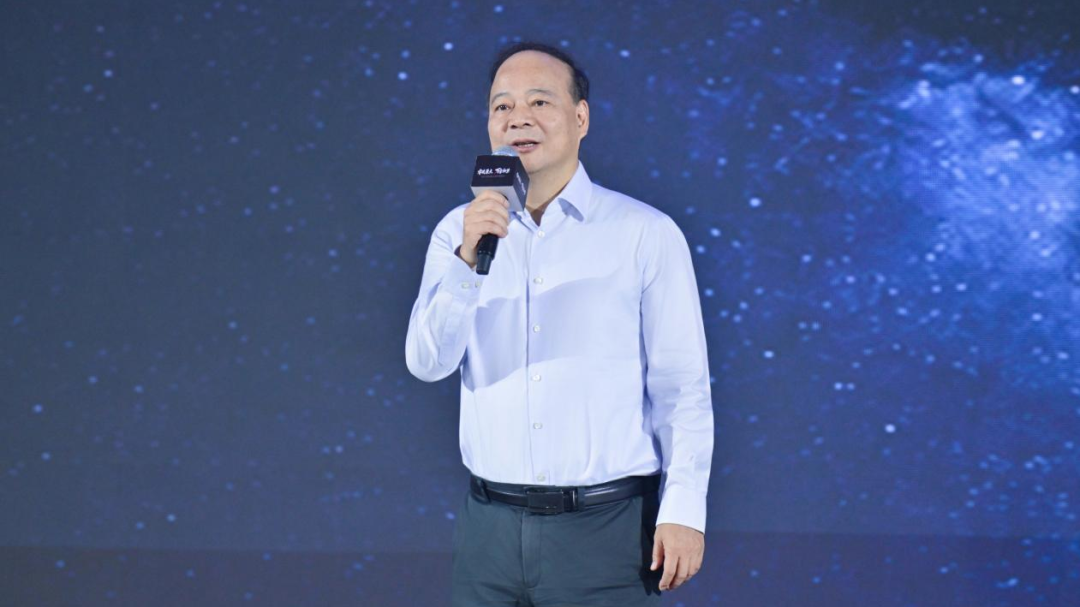
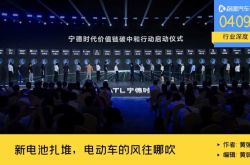
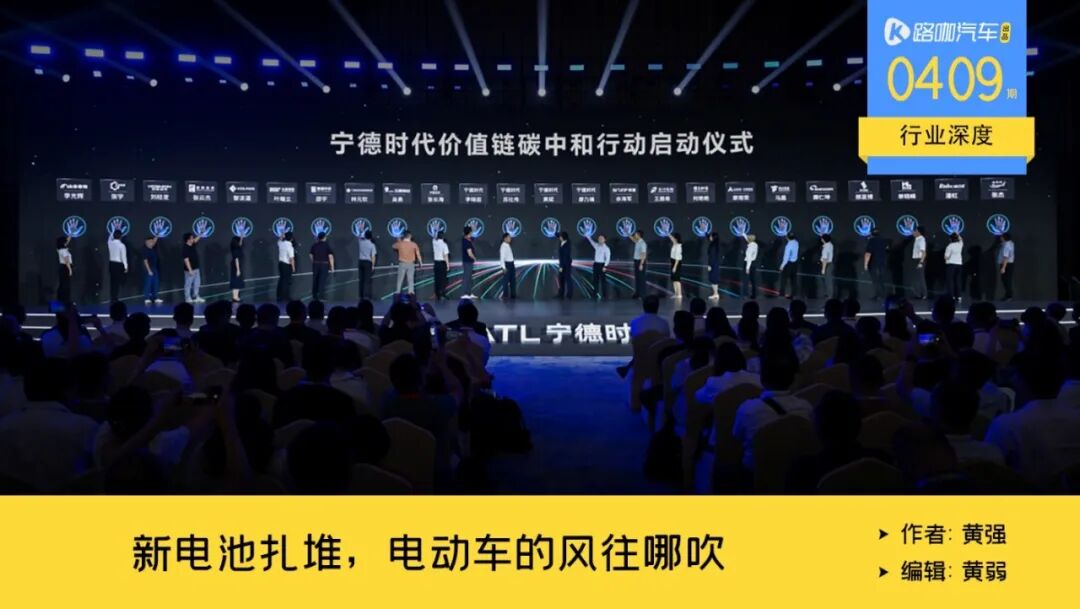
Firstly, CATL is undergoing structural changes. At the August 17th Carbon Neutrality Conference, Robin Zeng's latest statement outlined CATL's development strategy: "Batteries that are not carbon-neutral will be rendered obsolete by the times." The message behind these words is unmistakable.
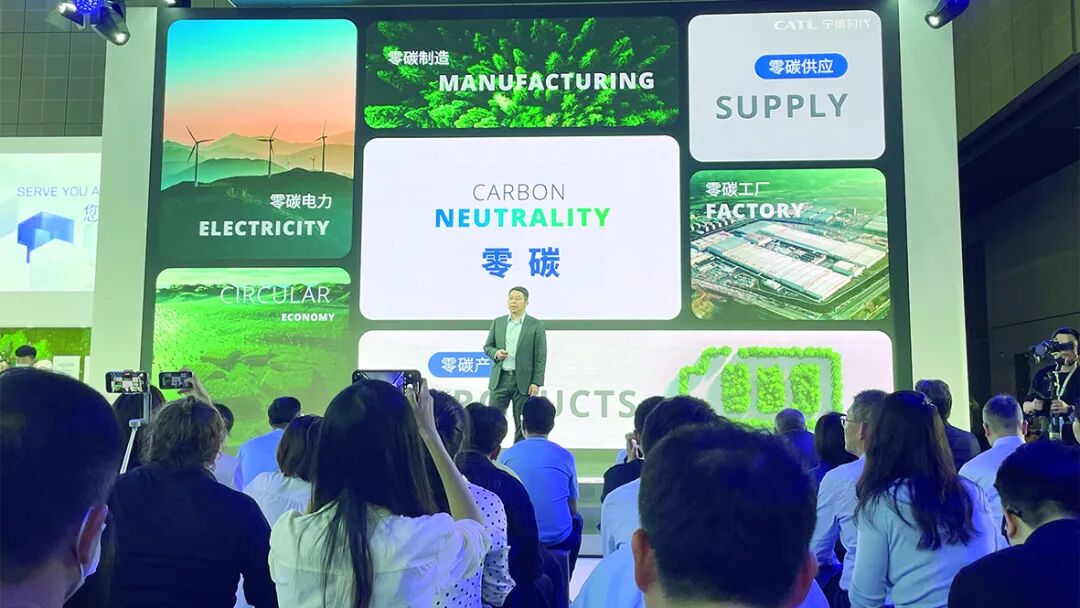
From electricity usage to raw material extraction and production, CATL aims to achieve carbon neutrality across its value chain by 2035. This initiative will enhance its global procurement appeal. Zero-carbon batteries will be significantly more attractive to European countries than existing batteries. Furthermore, there's a hidden benefit for consumers: achieving true carbon neutrality across the value chain will introduce a substantial amount of renewable energy and materials, ultimately reducing the cost of power batteries. Undoubtedly, CATL, which held a 39.2% share of the global automotive power battery market in 2025, is likely to trigger industry-wide changes with its every move. Companies that fail to keep pace may face elimination.
Beyond these long-term changes, examining the recent initiatives by companies like Huawei, BMW, Geely, and NIO reveals what consumers can expect in the near future.
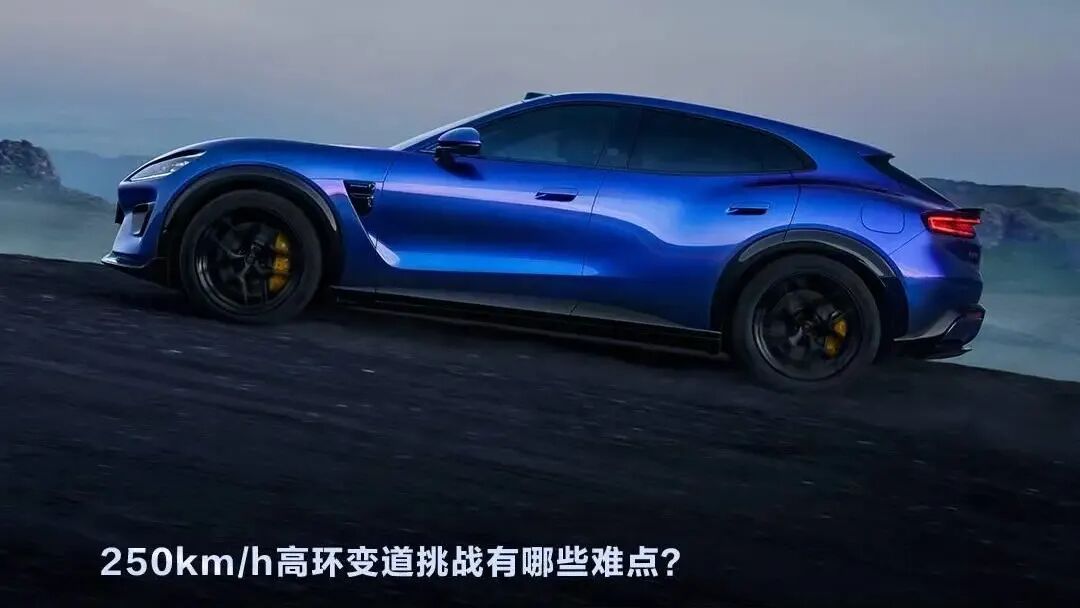
Firstly, two recent events indicate that Huawei is making significant strides in electric drive technology. On August 17th, the Luxeed RX officially completed a high-speed ring challenge at over 250km/h. On August 19th, Aion and Huawei DriveONE jointly held a press conference.
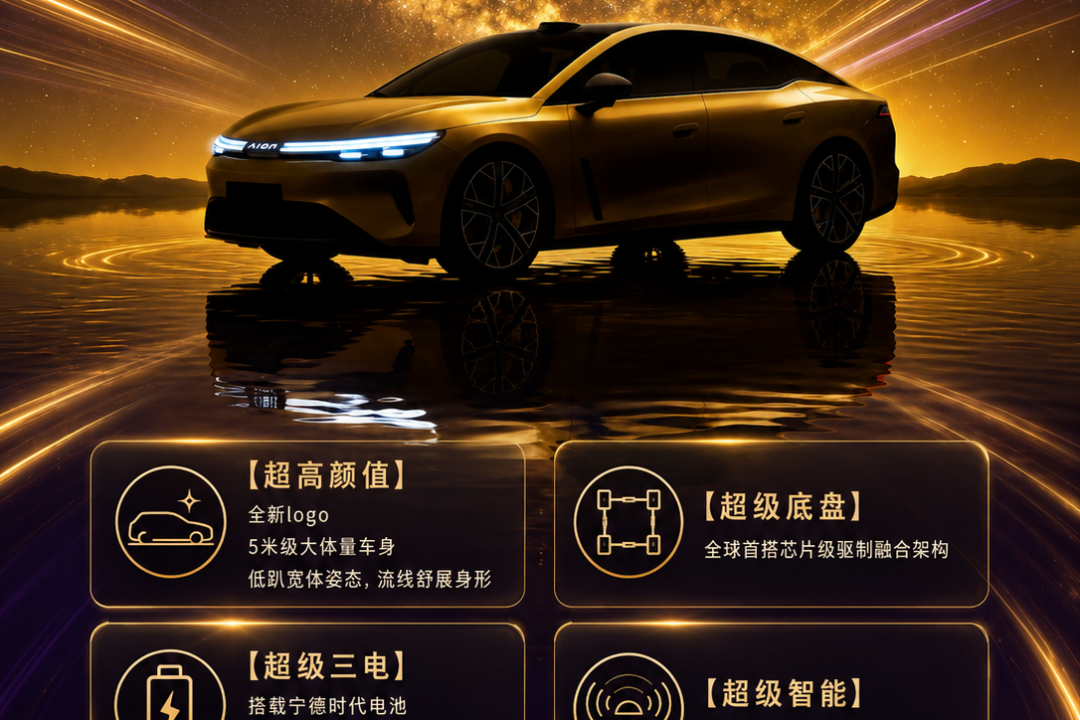
The common thread between these two events is the utilization of Huawei's new electric drive technology. The 250km/h speed suggests a further increase in motor speed. Considering that the Luxeed RX does not feature a triple-motor version like the Xiaomi SU7 ULTRA, a speed indicator of 38,800rpm is almost inevitable. This surpasses BYD's 30,000rpm and Xiaomi's 28,000rpm.
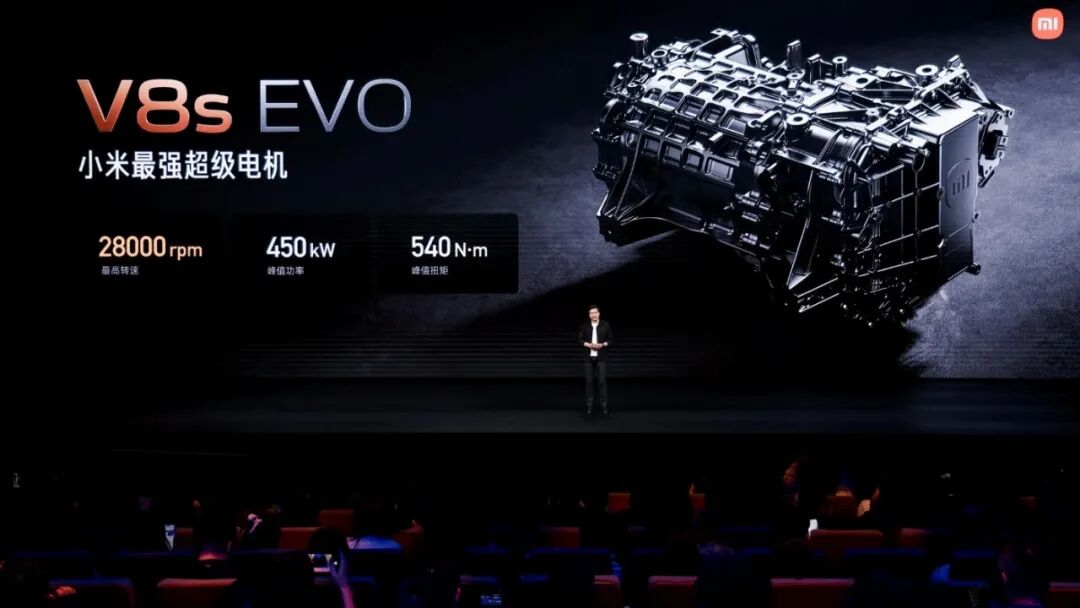
What advantages does a higher-speed motor offer? Based on BYD's extensive data, after sequentially replacing second-generation blade batteries and new electric drive and control systems, taking the new and old versions of the BYD Han as an example, the old model with a 72kWh battery and a 168kW motor had a range of 605 kilometers. The new model, with a reduced battery size of 69.07kWh and a 240kW motor, boasts an increased range of 705 kilometers.
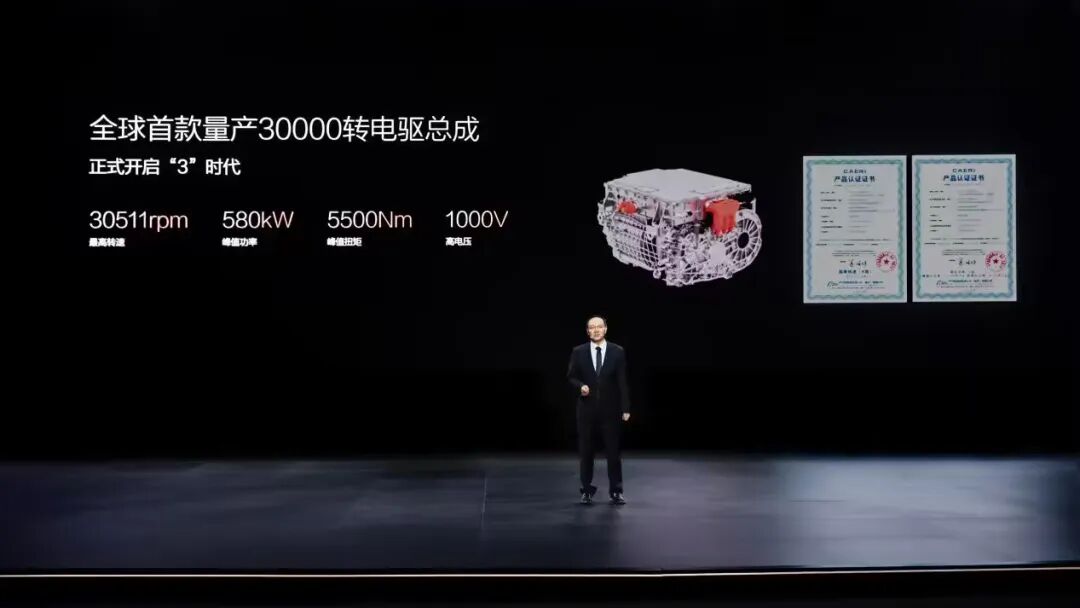
Of course, this includes enhancements in battery energy density. However, the industry consensus is that the return on investment for higher-power and higher-speed new motors in improving range is superior to that of non-solid-state batteries.
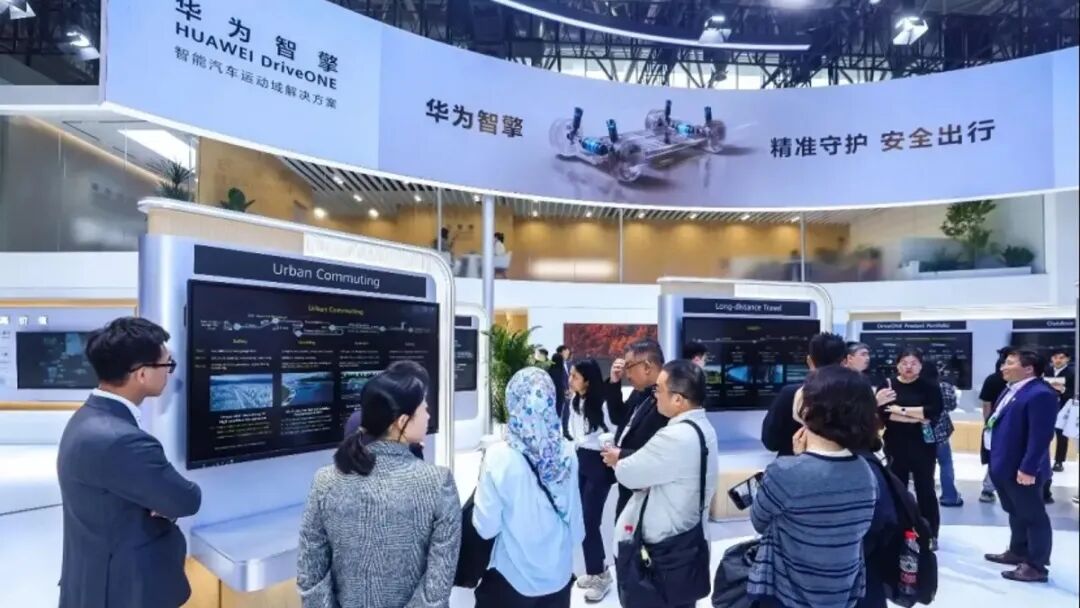
According to current public information, the mainstream range per kWh in the industry is approximately 8 kilometers. Huawei's new electric drive is expected to deliver over 12km, representing a significant increase of over 10% in vehicle range.
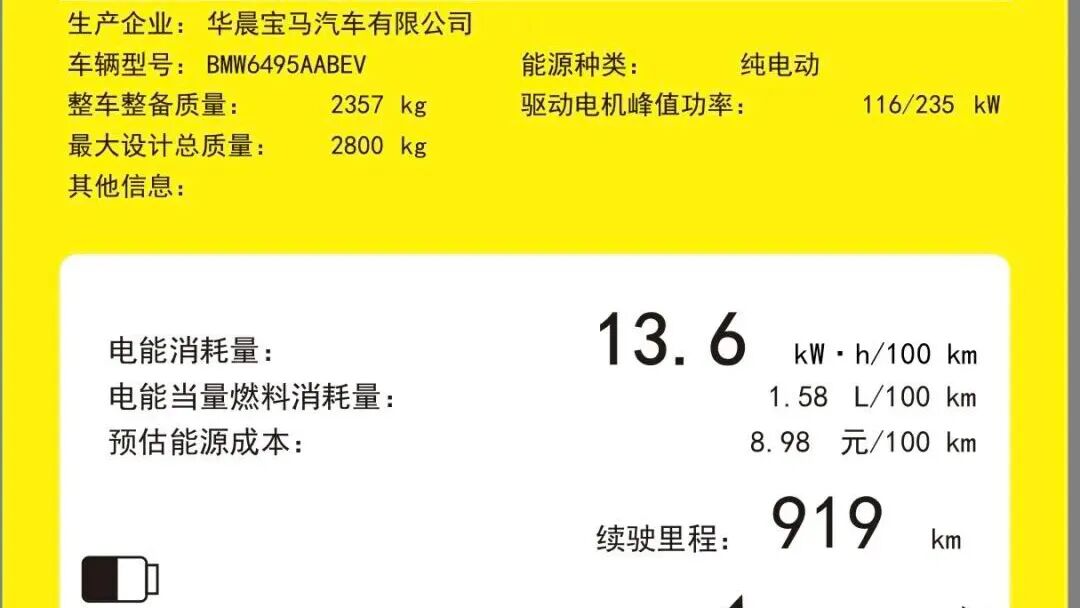
Next, let's examine BMW's performance at the Chengdu Motor Show. The all-wheel-drive version of the new-generation iX3, as revealed in recent filing information, is equipped with a 108.7kWh large cylindrical battery and new excited-field motors. It achieves a 0-100km/h acceleration of 4.9 seconds, a curb weight of 2.35 tons, and a CLTC range of 919 kilometers, with a power consumption of 13.6kWh per 100 kilometers.
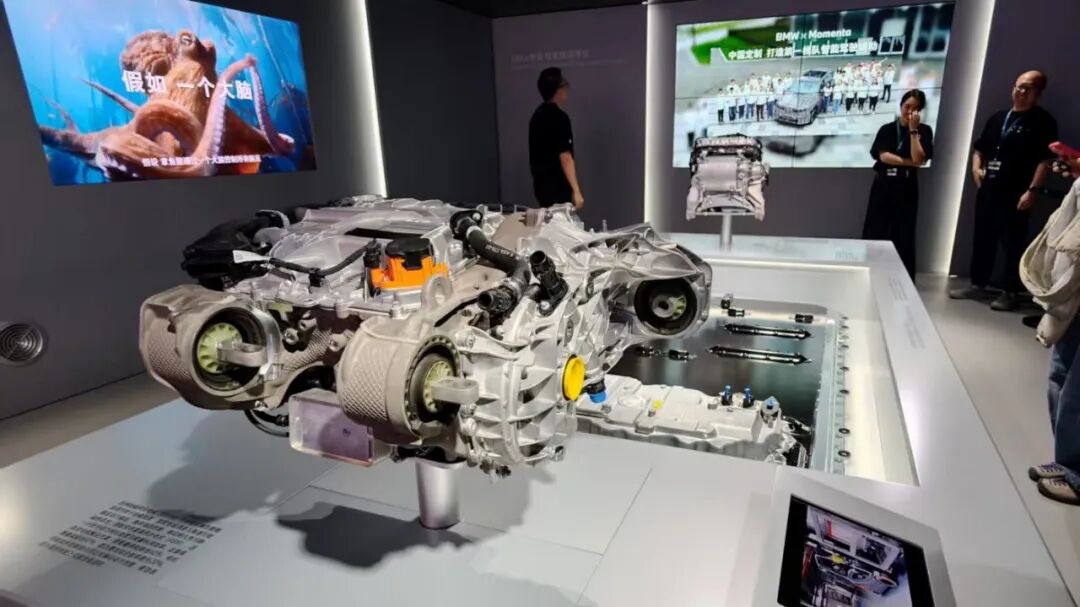
In terms of energy efficiency, it outperforms mainstream products like the Li Auto i8, Model Y, Xiaomi YU7, XPENG GX, and BYD Tang. Moreover, due to the large cylindrical cells and CTP technology, the Z-direction (height) of the battery pack is further compressed, reducing its intrusion into the interior space and eliminating the feeling of sitting on a small stool, which is common in many cars.
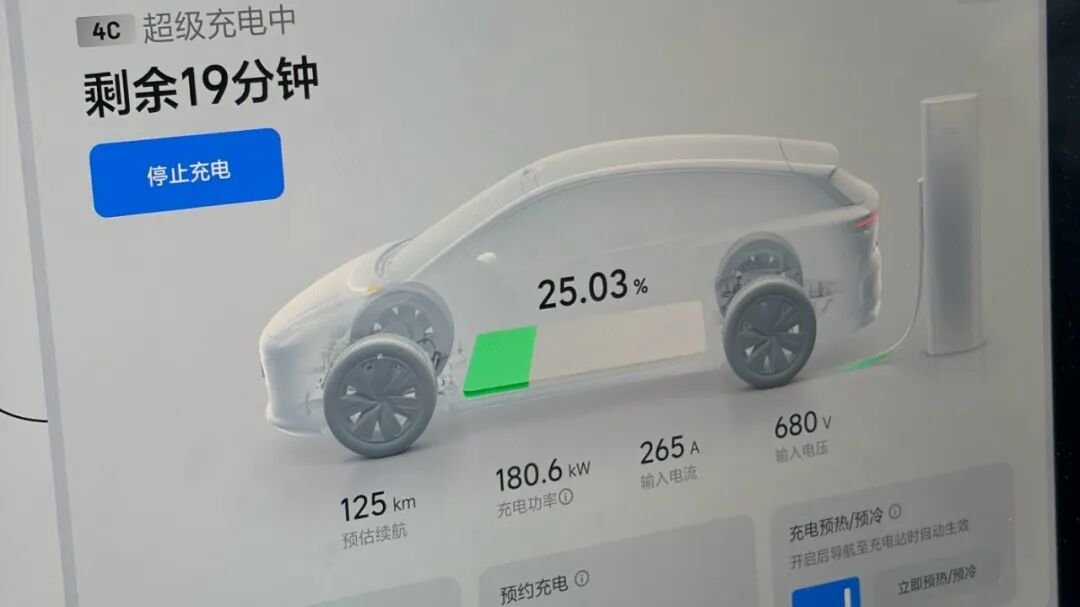
How impressive is BMW's achievement? It has achieved the energy efficiency of a single-motor setup with dual motors. Comparing it to the highly regarded Li Auto i6 single-motor version, which has a curb weight of 2.38 tons and a power consumption of 13.6kWh per 100 kilometers, identical to the all-wheel-drive new-generation BMW iX3.
Trend Changes Observed from Geely and Others
Besides CATL, Huawei, and BMW, we can also witness more innovative moves in power batteries from NIO and Geely. Qin Lihong recently revealed in a communication that NIO's independently developed large cylindrical battery is progressing smoothly and is expected to enter the market within 1-2 years, allowing the first-generation NIO ES8 from eight years ago to be upgraded.
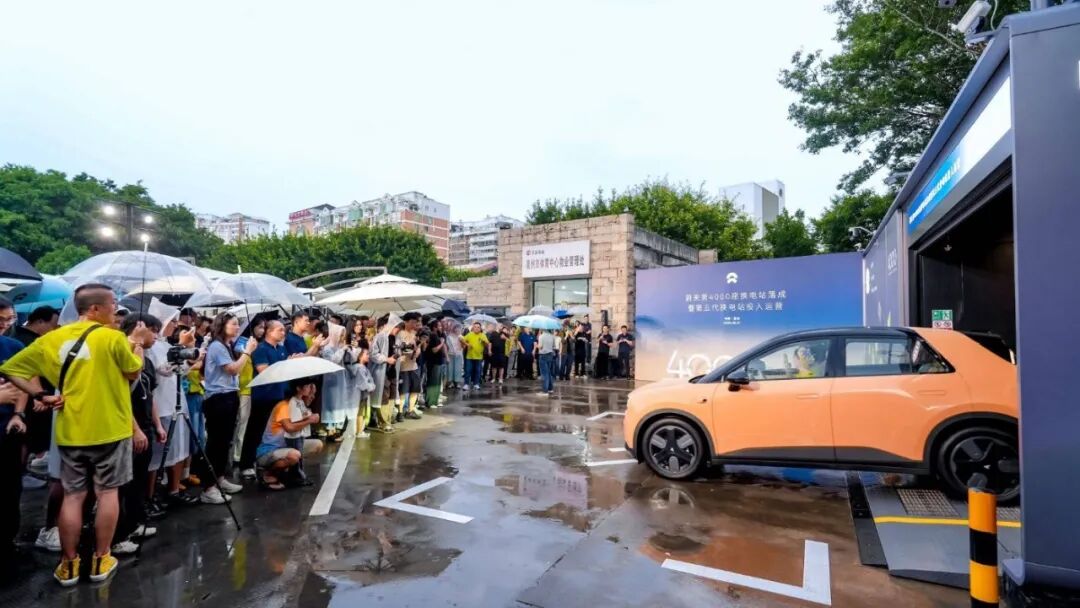
NIO's approach is naturally unique in the industry. Based on publicly available data from previous years, the new battery is likely to support a 5C charging rate and have a single-cell energy density exceeding 290Wh/kg. This will unlock the full potential of its 900V high-voltage architecture, while also significantly improving range, especially at high speeds, by over 7% with the same battery capacity.
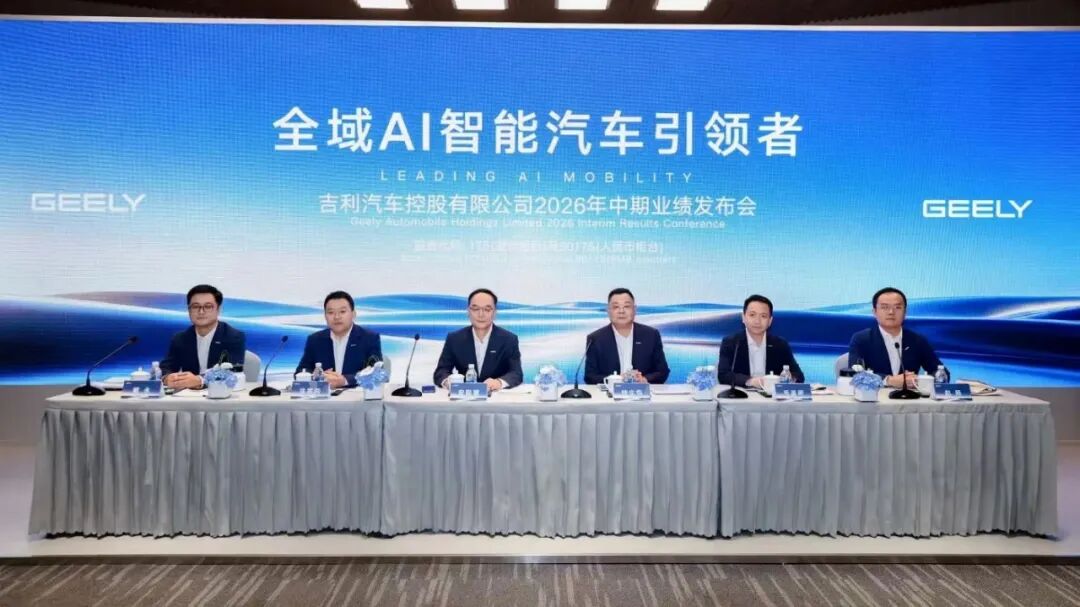
Furthermore, Geely Holding Group announced plans for ultra-fast charging platforms and technologies at its latest mid-year results press conference. One plan is to officially launch megawatt-level charging temperature control in September 2026. Another is to fully deploy the 800V+ ultra-fast charging platform across new models under the Geely Galaxy and Lynk & Co brands this year.
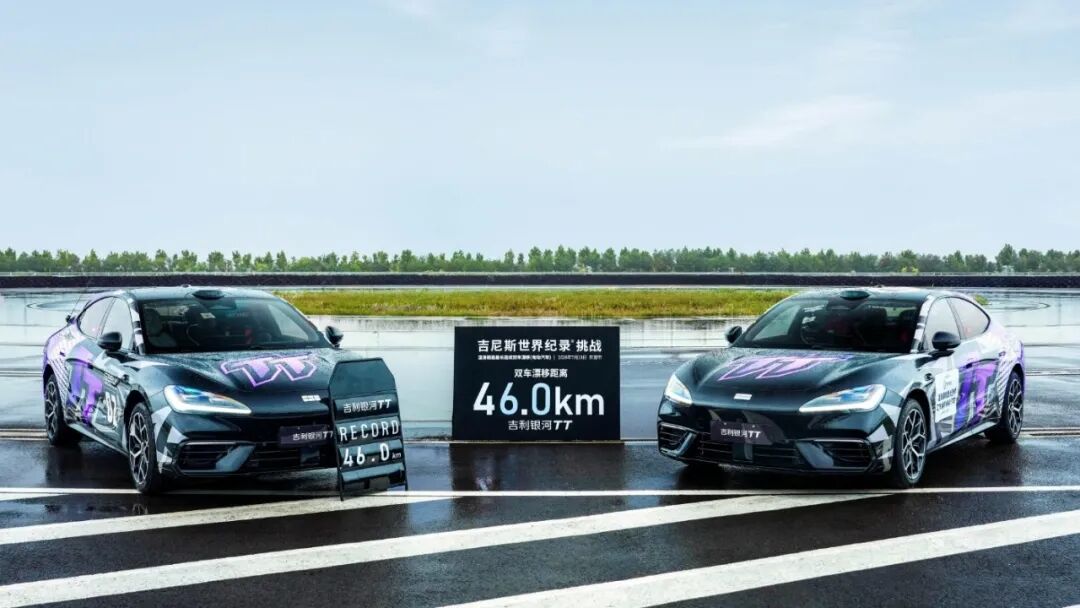
As a direct consequence, after the new round of technologies is deployed in improved versions of current models, 800V will replace 400V, high-speed motors will replace old motors, power consumption will significantly decrease, and range will significantly increase. Based on current examples, the Geely Galaxy E8, a mid-to-large-sized car using 400V technology, has a 67.8kWh battery that delivers a CLTC pure electric range of 610 kilometers. In the new Geely Galaxy TT, after switching to 800V and a new motor, a 63.8kWh battery can deliver a range of 640 kilometers.
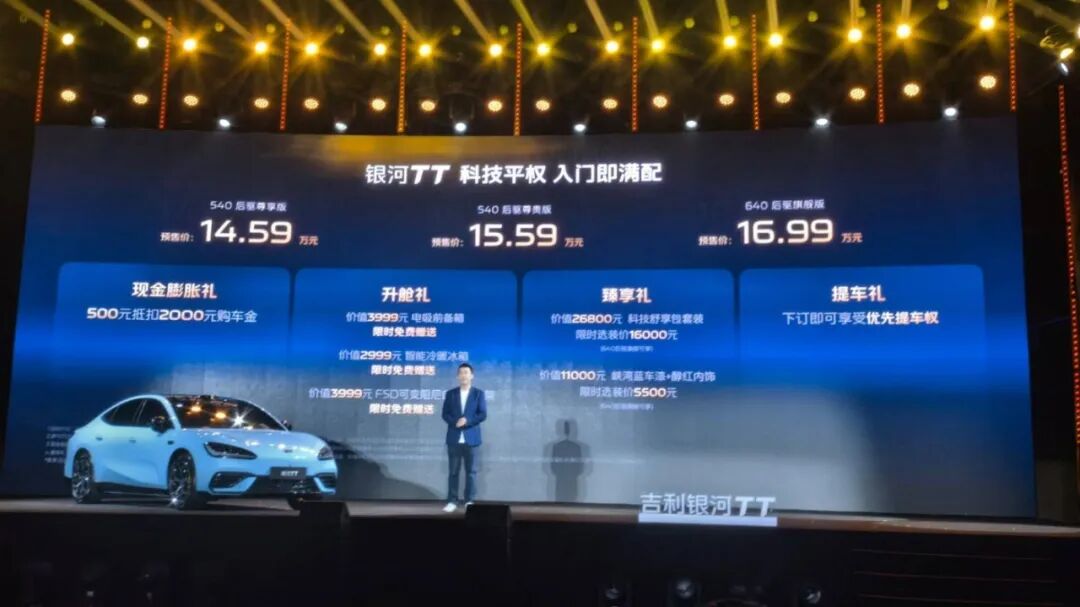
However, these are just theoretical figures. More importantly, we should observe the decrease in actual power consumption, especially at high speeds, and the significant increase in charging speed, such as reducing the 30%-80% charging time from around 20 minutes to 11 minutes.
All the above clearly indicate that after several years of preparation and reorganization, the latter half of 2026 represents a significant turning point for the three electric technologies. This turning point signifies the widespread adoption of 800V technology and the marginalization of 400V, along with the launch of numerous new motors. The range of new technologies will significantly increase, with improvements of over 10% being common.
The magnitude of this iteration is much greater than previous advancements in battery charging rates. While 3C, 4C, 5C, and 6C charging rates seem impressive, in daily use, they only translate to a maximum additional waiting time of 10 minutes during charging.
Therefore, the classic consumer argument of "buy early, enjoy early" may no longer hold true.
Because, besides the leap in the three electric technologies, deeper changes have occurred in the core areas of intelligent driving assistance, product definition, and R&D models of automotive companies.
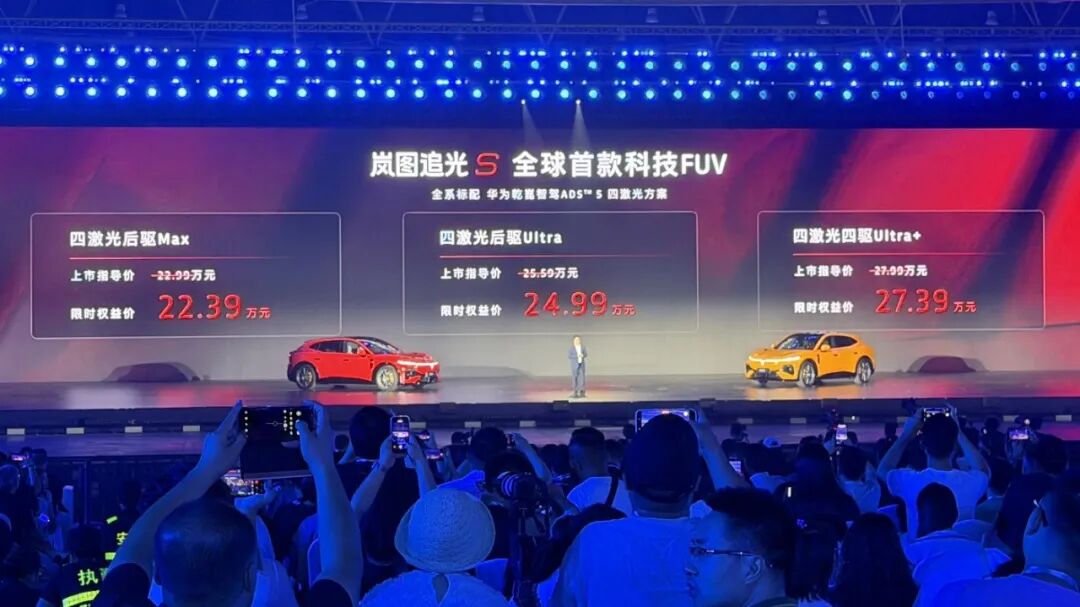
Looking at intelligent driving assistance, a typical example is the integration of Huawei's ADS5 with four LiDAR sensors in the entry-level version of the Voyah Zhiguang S, priced at RMB 229,900. This move has at least halved the premium previously associated with single-LiDAR intelligent driving systems and completely eliminated the remaining premium for pure vision-based driving assistance.
Considering that many auxiliary driving features in the Chinese market are already included in the vehicle price at no extra cost, the short-term impact may be limited. However, as Huawei's ADS technology continues to collaborate with more automakers, existing pure vision-based solutions priced below RMB 200,000 will face significant pressure.
In addition, examining a host of auto companies including Geely, the deep-seated product definitions and R&D logic within the automotive industry are also undergoing significant transformations.
The latest data from Geely Automobile Holdings Limited shows that its sales volume exceeded 1.42 million vehicles in the first half of the year, with total revenue reaching 173.6 billion yuan, a year-on-year increase of 15%. Core profit reached 9.68 billion yuan, up 46% year-on-year.
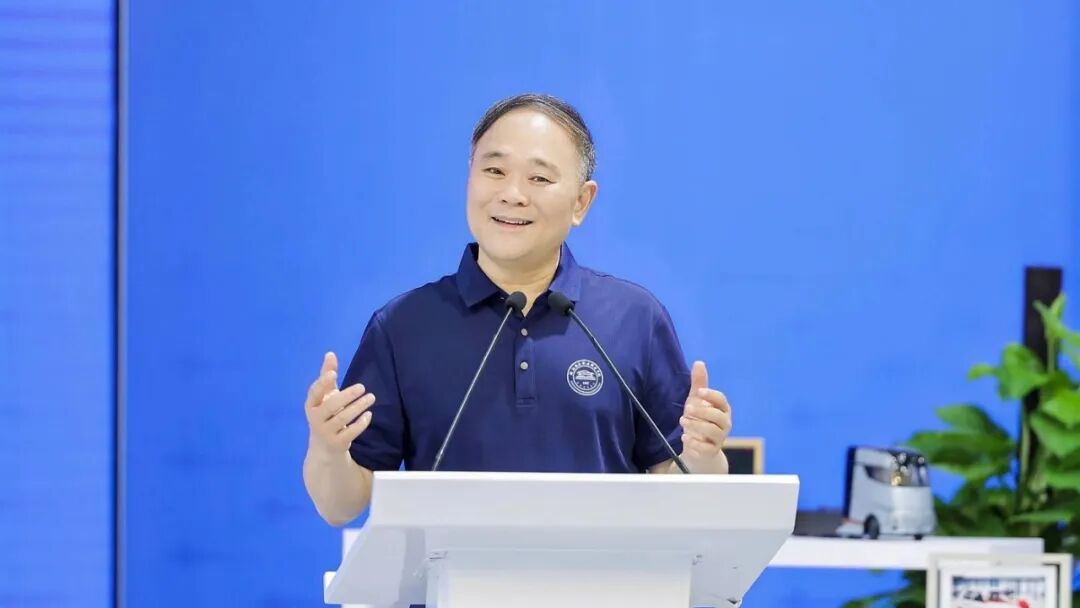
In contrast, BYD's first-quarter financial report showed declines in both revenue and net profit. Great Wall Motors experienced growth in sales volume and revenue in the first half of the year, but its net profit attributable to shareholders dropped by nearly 60%. Changan Automobile saw a 17.44% decline in sales volume in the first half of the year, with net profit attributable to shareholders of listed companies expected to range from 740 million to 970 million yuan, down 57.66% to 67.7
-
![]()
Why Does Dongfeng Peugeot Citroen Opt for a Fresh Start Rather Than Share Reform?
-
![]()
Hesai: How Much Longer Will the Price Decline and Earnings Struggle Last?
-
![]()
Is August Truly Not the Ideal Month to Purchase a Car?
-
![]()
2026 Chengdu Auto Show Preview: Emerging Forces, Top Five Chinese Brands in Showdown, Joint Ventures Speed Up Localization Efforts
-
Has Xiaomi Weathered Its Toughest Phase as Single-Quarter Revenue Again Tops 100 Billion Yuan?
-
![]()
14.6 Billion Yuan in Asset Impairment Losses: What’s Ailing Geely Holding Group, and How Will Li Shufu Navigate the Crisis?
-
![]()
Baidu’s WorkBuddy: Beyond Task Completion, Toward Trusted Automation
-
![]()
Bu Yizhou from Junyuan Capital: The Allure of Commercial Space Investment Transcends Mere Rocket Recovery Success