Why Does Dongfeng Peugeot Citroen Opt for a Fresh Start Rather Than Share Reform?
 08/20 2026
 409
409
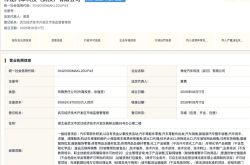
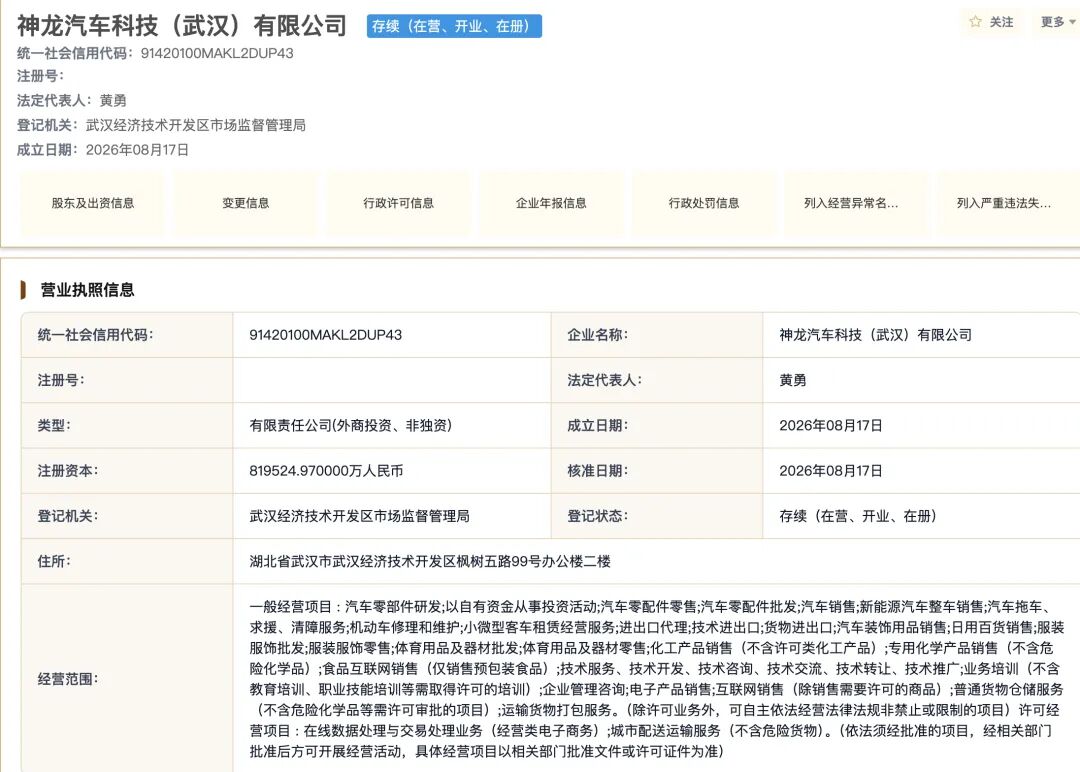
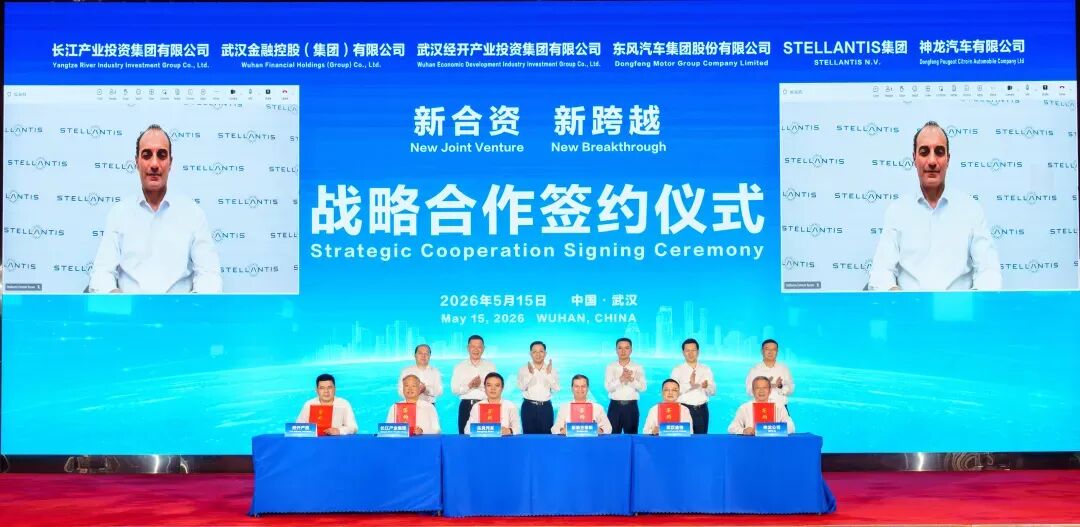
On August 17, Dongfeng Peugeot Citroen Automobile Technology (Wuhan) Co., Ltd. (hereinafter referred to as "Dongfeng Peugeot Citroen Technology") completed its industrial and commercial registration in the Wuhan Economic and Technological Development Zone. Boasting a registered capital of 8.195 billion yuan, surpassing that of Dongfeng Peugeot Citroen Automobile, this new entity represents more than just a routine setup. It marks a pivotal milestone in the execution of the six-party strategic cooperation agreement inked on May 15 this year.
For Dongfeng Peugeot Citroen Automobile, this move is akin to embarking on a "second entrepreneurial journey" with a "fresh start" mentality. Just a week prior, Yu Yuefeng, the former General Manager of the Marketing Division at Dongfeng eπ, was appointed Deputy General Manager of Dongfeng Peugeot Citroen Automobile Sales Company, overseeing the sales of Dongfeng Peugeot and Dongfeng Citroën. This marketing executive, who has distinguished himself in the independent new energy vehicle (NEV) arena, was swiftly transferred to the joint venture sector, creating a synergistic effect in both personnel and capital with the establishment of Dongfeng Peugeot Citroen Technology.

Why Not Directly Implement Share Reform at Dongfeng Peugeot Citroen Automobile?
This is perhaps the most straightforward query from the outside world—given the need for reform, why not directly undertake equity restructuring within Dongfeng Peugeot Citroen Automobile's existing framework instead of establishing a new company with additional investment? The crux lies in Dongfeng Peugeot Citroen Automobile's over 30-year history, which has resulted in a complex equity structure and accumulated historical debts.
Pursuing share reform within such an entrenched framework entails simultaneously navigating the intricate dynamics among multiple historical shareholders, managing existing debts, and overcoming the inertia of a three-decade-old organizational structure. This is destined to be a prolonged and arduous endeavor. Rather than attempting to renovate an old edifice, it is more prudent to construct a new one alongside it.
Dongfeng Peugeot Citroen Technology commences with a clean slate, unburdened by the constraints of the original system, and constructs a brand-new framework tailored for today's competitive market from the ground up. Meanwhile, the new cooperation model has evolved from a mere "enterprise-to-enterprise" interaction to a higher-dimensional collaboration of "industrial ecosystem connecting with the global market," which far surpasses what can be achieved by merely patching up the old joint venture framework.
Why Did the Six Parties Unite?
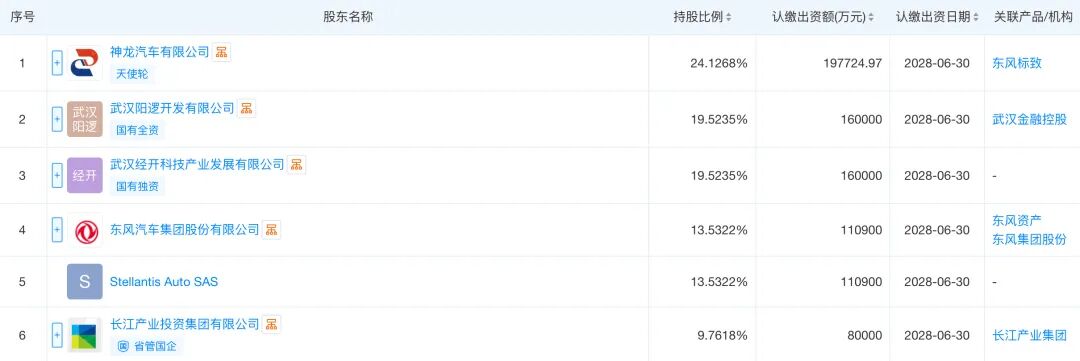
The shareholder lineup of Dongfeng Peugeot Citroen Technology is truly "stellar." It is jointly held by six entities: Dongfeng Peugeot Citroen Automobile Co., Ltd., Dongfeng Motor Group Co., Ltd., Stellantis Auto SAS, Wuhan Economic and Technological Development Zone Science and Technology Industrial Development Co., Ltd., Wuhan Yangluo Development Co., Ltd., and Changjiang Industry Investment Group Co., Ltd. Among them, Dongfeng Peugeot Citroen Automobile subscribed for 1.977 billion yuan (holding 24.13%), Dongfeng Motor and Stellantis each subscribed for 1.109 billion yuan (each holding 13.53%), Wuhan Financial Holdings and Economic Development Industrial Investment each subscribed for 1.6 billion yuan (each holding 19.52%), and Changjiang Industry Group subscribed for 800 million yuan (holding 9.76%).
The convergence of these six parties is rooted in strategic considerations. Dongfeng Motor possesses leading domestic new energy technologies and a comprehensive supply chain system, which are precisely the core capabilities that Dongfeng Peugeot Citroen Automobile lacks. Stellantis Group, on the other hand, boasts a century-old brand heritage with Peugeot, Citroën, Jeep, and a global sales channel network.
The involvement of the three local industrial capital entities is no mere coincidence. The participation of Wuhan Financial Holdings, Economic Development Industrial Investment, and Changjiang Industry Group not only reflects the local government's resolve to prevent the collapse of the automotive industry, a pillar sector, but also signifies that the transformation of Dongfeng Peugeot Citroen Technology will be integrated into Hubei Province's trillion-yuan automotive industry strategy.
A deeper rationale lies in the fact that the traditional Sino-foreign joint venture model has become clearly outdated. The conventional cooperation model of "foreign parties providing technology and products, while Chinese parties handle production and sales" has lost its efficacy in today's Chinese NEV market, where the penetration rate has exceeded 60%. The coming together of these six parties is essentially a collective response to the notion that "adapt or perish."
Dongfeng Peugeot Citroen Automobile and Dongfeng Peugeot Citroen Technology: A Division of Labor, Not a Replacement
Understanding the transformation hinges on comprehending the relationship and division of labor between "Dongfeng Peugeot Citroen Technology" and "Dongfeng Peugeot Citroen Automobile."
According to relevant sources, Dongfeng Peugeot Citroen Automobile has not vanished but has undergone a fundamental transformation in its role. Following the establishment of the new company, the original Dongfeng Peugeot Citroen Automobile will serve as one of the investors, primarily focusing on production and manufacturing functions, shrinking from its past role as an integrated "production and sales" entity to a "factory" role solely dedicated to vehicle manufacturing.
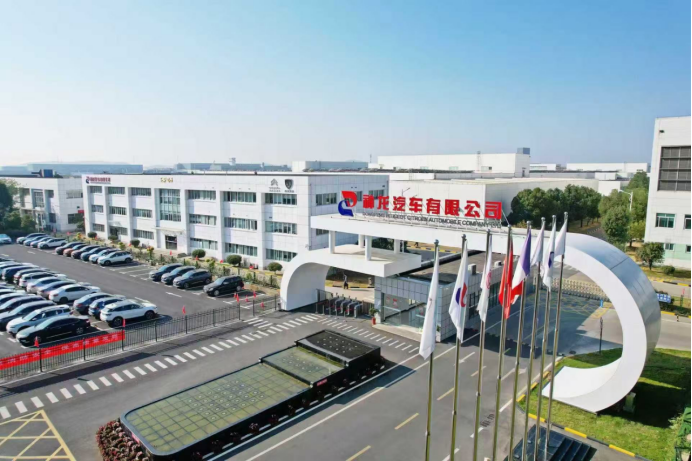
Dongfeng Peugeot Citroen Technology, conversely, assumes the role of the operational entity for the "new Dongfeng Peugeot Citroen," comprehensively undertaking new business segments such as technology research and development, product planning, market operations, and international expansion. From its business scope, Dongfeng Peugeot Citroen Technology encompasses multiple fields including automotive parts research and development, NEV whole vehicle sales, technology import and export, and internet sales. This definition extends far beyond that of a traditional manufacturing enterprise and more closely resembles a technology-based platform company integrating research and development, sales, and investment.
The rationale behind this "manufacturing for manufacturing, operations for operations" division of labor model is crystal clear: to enable Dongfeng Peugeot Citroen Technology to commence with a clean slate, unencumbered by the organizational inertia and historical burdens of the original system. Industry insiders remark, "Dongfeng Peugeot Citroen Automobile is no longer the main entity of the future Dongfeng Peugeot Citroen."
The transfer of Yu Yuefeng precisely supplements this new entity's breakthrough on the sales front. Now urgently transferred to Dongfeng Peugeot Citroen, Dongfeng Motor Group's intention is crystal clear: to import NEV marketing strategies and user operation experience into the transforming Dongfeng Peugeot Citroen and revitalize the traditional joint venture dealer system. This signifies that Dongfeng Peugeot Citroen Technology is not only "starting over" in terms of capital structure and technological routes but is also infusing fresh blood into its marketing system.
Transformation of the Landscape: Beyond the Rebirth of a Single Enterprise
The establishment of Dongfeng Peugeot Citroen Technology holds significance that transcends Dongfeng Peugeot Citroen Automobile itself.
For the Wuhan Economic and Technological Development Zone, as an industrial hub built around Dongfeng Peugeot Citroen Automobile, a mature automotive industry chain has formed over more than 30 years of development. The implementation of the Dongfeng Peugeot Citroen Technology project will not only revitalize Wuhan's existing vehicle manufacturing capacity but also drive the coordinated development of the upstream and downstream industrial chains for whole vehicles, power batteries, and intelligent components.
For Hubei Province, the establishment of Dongfeng Peugeot Citroen Technology is integrated into the overarching strategy of propelling the provincial automotive industry towards the trillion-yuan level. The proportion of NEV production in the Wuhan Economic and Technological Development Zone has surged from 1.2% at the end of the "13th Five-Year Plan" to 54.4%, making the electric transformation of Dongfeng Peugeot Citroen Technology timely.
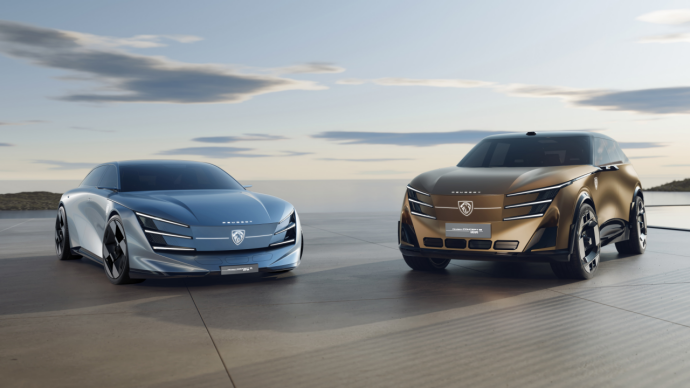
For Stellantis Group, this is a pivotal juncture for the implementation of its global strategy in China. Through Dongfeng Peugeot Citroen Technology, it re-binds "Chinese capabilities" and leverages China's supply chain efficiency and new energy technologies to feed back into the global market.
For the Chinese automotive industry, Dongfeng Peugeot Citroen Technology pioneers a "new joint venture" model that combines central enterprises, foreign capital, and local industrial capital, upgrading to a higher-dimensional collaboration of "industrial ecosystem connecting with the global market."
According to the plan, Dongfeng Peugeot Citroen Technology will sequentially launch multiple new NEV models starting from 2027, covering pure electric and plug-in hybrid technology routes and diverse scenarios such as off-road vehicles, urban commuting, and family travel. These models will be equipped with China's three electric systems (battery, motor, and electronic control), Chinese smart cockpits, and advanced intelligent driving technologies. This marks the first time in Dongfeng Peugeot Citroen Automobile's over 30-year history, signifying a leap from "introduction" to "independent research and development."
Conclusion:
The establishment of Dongfeng Peugeot Citroen Technology undoubtedly represents the boldest strategic restructuring in Dongfeng Peugeot Citroen Automobile's history. From the signing of the agreement in May to its registration in August, the completion of industrial and commercial establishment in just three months underscores the determination and efficiency of all parties involved. Dongfeng Peugeot Citroen Technology carries not only the hope for the rebirth of Dongfeng Peugeot Citroen Automobile but also serves as a crucial reference for how traditional joint venture automakers can transform in China's NEV era. The ultimate outcome may gradually unfold in 2027 when the first NEV, equipped with Chinese technology and bearing the Peugeot or Jeep logo, rolls off the production line at the Wuhan factory.
-
![]()
Why Does Dongfeng Peugeot Citroen Opt for a Fresh Start Rather Than Share Reform?
-
![]()
Hesai: How Much Longer Will the Price Decline and Earnings Struggle Last?
-
![]()
Is August Truly Not the Ideal Month to Purchase a Car?
-
![]()
2026 Chengdu Auto Show Preview: Emerging Forces, Top Five Chinese Brands in Showdown, Joint Ventures Speed Up Localization Efforts
-
Has Xiaomi Weathered Its Toughest Phase as Single-Quarter Revenue Again Tops 100 Billion Yuan?
-
![]()
14.6 Billion Yuan in Asset Impairment Losses: What’s Ailing Geely Holding Group, and How Will Li Shufu Navigate the Crisis?
-
![]()
Baidu’s WorkBuddy: Beyond Task Completion, Toward Trusted Automation
-
![]()
Bu Yizhou from Junyuan Capital: The Allure of Commercial Space Investment Transcends Mere Rocket Recovery Success