Negative Influences Have Run Their Course: Three Key Questions Surrounding Seres' H1 Performance 'Dip' | Mirror Pro
 08/21 2026
 447
447
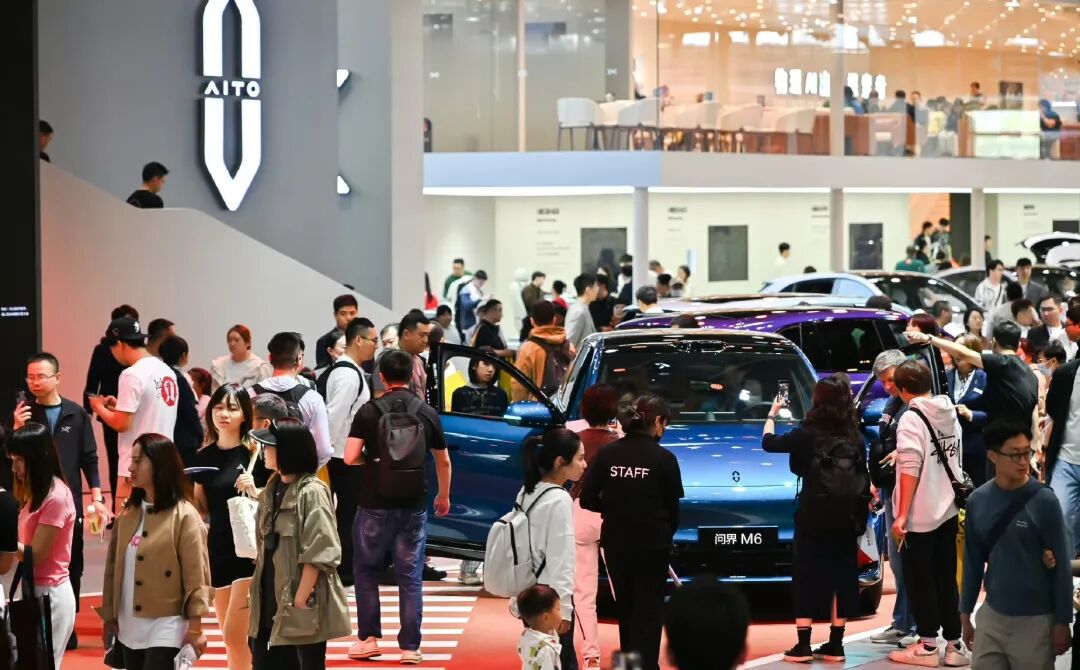
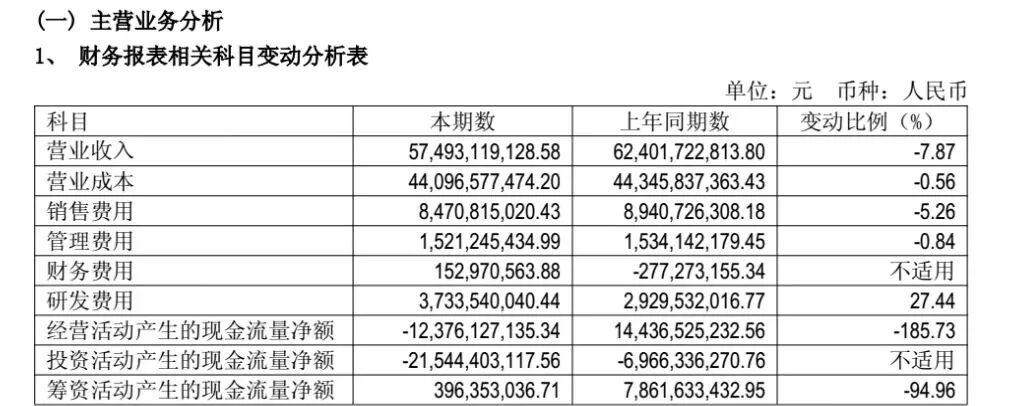
The 2026 first-half (H1) report from Seres Group, released on August 19, showed that revenue hit approximately RMB 57.493 billion, a 7.87% decrease year-over-year (YoY). Net profit attributable to shareholders of the listed company was approximately RMB -1.717 billion, marking a 158.38% YoY decline. Total profit for H1 stood at RMB -2.353 billion, down 163.18% YoY. The gross margin was 23.3%, a decrease of 5.6 percentage points YoY. Furthermore, after excluding non-recurring gains and losses, Seres' net profit attributable to shareholders for H1 2026 was RMB -2.379 billion, compared to RMB 2.474 billion in the same period last year, representing a 196.12% decline.
As a former benchmark automaker known for its high profitability, Seres was considered the 'beacon of hope' for the industry amid a significant downturn in vehicle manufacturing profits. Now, even this leading automaker is experiencing losses—what implications does this hold for others in the sector?
Indeed, judging by core metrics, Seres witnessed declines across nearly all indicators in H1. This financial report is seen as a 'turnaround in performance.' Consequently, many analysts argue that its model, heavily reliant on Huawei, is unsustainable. However, Seres' H1 report does not suggest a 'collapse' but rather a short-term adjustment. Fluctuations in performance are merely external manifestations of this adjustment. Three core questions arise: First, why did Seres' profits plummet so sharply? Second, can Seres' subsequent performance rebound? Third, has Huawei 'drained' Seres, becoming the pivotal factor in its performance reversal?
Regarding the profit decline, Seres officially attributes it to three primary reasons: First, shifts in the product sales mix, with Q2 flagship models undergoing product iteration transitions, resulting in capacity and sales scale effects not being fully realized. Second, amid rising upstream raw material prices in H1, the company refused to transfer costs by compromising on component quality standards, adhering instead to market-recognized high-end supply chain standards, which temporarily squeezed operating profits.
Third, amid ongoing industrial transformation, automotive technological innovation has entered a new phase of multi-path parallel breakthroughs, with L3 autonomy being crucial for the large-scale commercialization of passenger vehicle autonomous driving. Against this backdrop, Seres recognized impairment losses on certain inventory assets with limited adaptability.
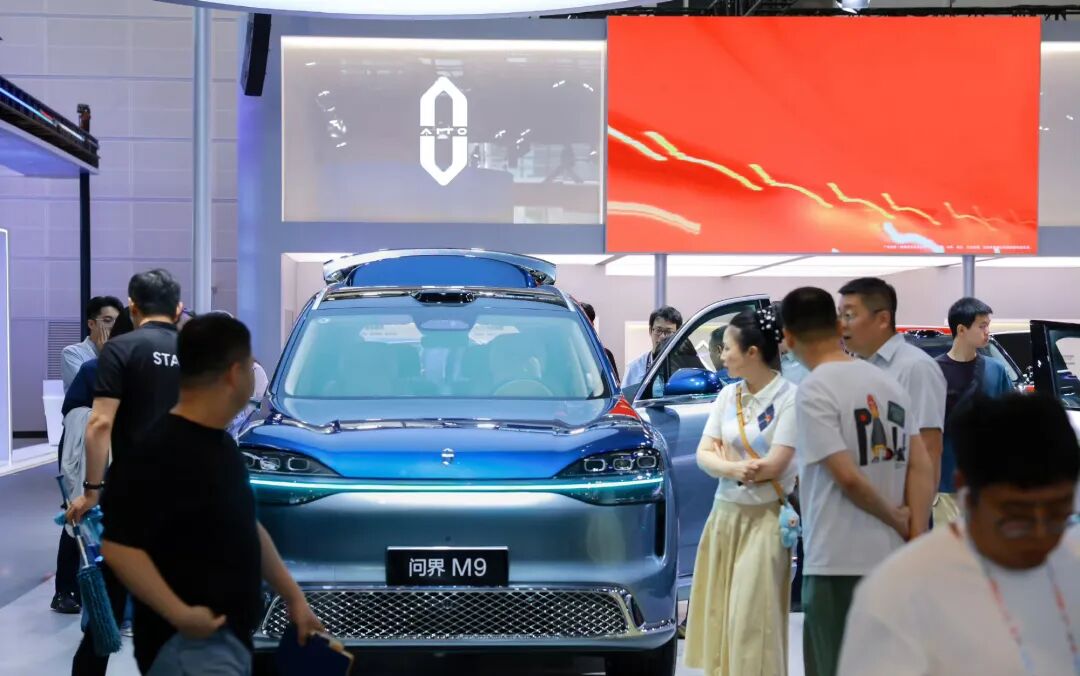
Specifically, H1 new energy vehicle sales reached approximately 178,800 units, a 3.87% increase YoY. Seres-branded vehicle sales were about 160,800 units, up 5.6% YoY. However, Seres' core model, the M9, underwent updates in H1. As the M9 is AITO's primary profit contributor, its sales are currently climbing despite supply constraints from upstream vendors. Currently, the delivery lead time for the M9 is around two months.
Second, rising costs were a major topic of discussion among automakers in H1. Affected by increases in storage chips, industrial metals, and lithium carbonate prices, production costs rose. In June, Seres Group Chairman Zhang Xinghai stated at the 2026 China Auto Chongqing Forum that automakers face numerous challenges, with the most significant being a fivefold increase in storage chip prices; simultaneously, lithium carbonate prices rose from RMB 80,000 per ton YoY to RMB 180,000 per ton. According to Zhang, this increased AITO's average manufacturing cost per vehicle by RMB 15,000–20,000.
Assuming a maximum cost increase of RMB 20,000 per vehicle, H1 cost growth ranged from RMB 2.4–3.2 billion. While exact cost figures are unavailable, the gross margin declined from 28.93% YoY to 23.30%, a 5.63-percentage-point drop. Comparatively, H1 revenue was RMB 57.493 billion, down 7.87% YoY, but operating costs were only RMB 44.097 billion, down just 0.56% YoY—revenue fell while costs barely declined.
According to data from the National Bureau of Statistics on industrial enterprises above a designated size, H1 automotive manufacturing revenue (including vehicles, parts, and components) grew 1.8% YoY, but costs rose 2.8%, with total profit down 19.5% YoY, narrowing profit margins across the industry.
However, Q2 impairment provisions had a more significant impact on Seres' financials. H1 asset impairment losses were RMB -1.820 billion (compared to RMB -275 million YoY), a YoY increase of approximately RMB 1.545 billion. Fixed asset impairments were RMB -1.570 billion (compared to RMB -38 million YoY). R&D expenditure impairments were RMB -180 million (a new impairment item). Management noted that with L3 autonomy nearing large-scale commercialization, 'impairment losses were recognized on certain inventory assets with limited adaptability,' reflecting the clearance of inventory assets amid technological iteration.
Additionally, two expense-side changes affected profit performance. First, R&D expenses surged to RMB 3.734 billion in H1, a 27.44% increase YoY, or approximately RMB 804 million more. This primarily funded cutting-edge technologies like 800V full-domain high-voltage platforms, full-domain brain electronic architectures, L3 safety redundancy, and AI engineering applications. The R&D increase aims to secure future competitiveness, a positive signal. Second, financial expenses shifted from income to expense. H1 financial expenses were RMB 153 million (compared to RMB -277 million income YoY), a YoY impact of approximately RMB 430 million, mainly due to macroeconomic factors increasing exchange losses.
Thus, H1 was affected by over RMB 5 billion in one-time factors, causing significant performance fluctuations. Despite Lunar New Year factors in Q1, net profit attributable to shareholders remained positive at RMB 754 million, a 0.89% increase YoY. Overall performance changes primarily occurred in Q2, reflecting a concentrated release of adverse factors.
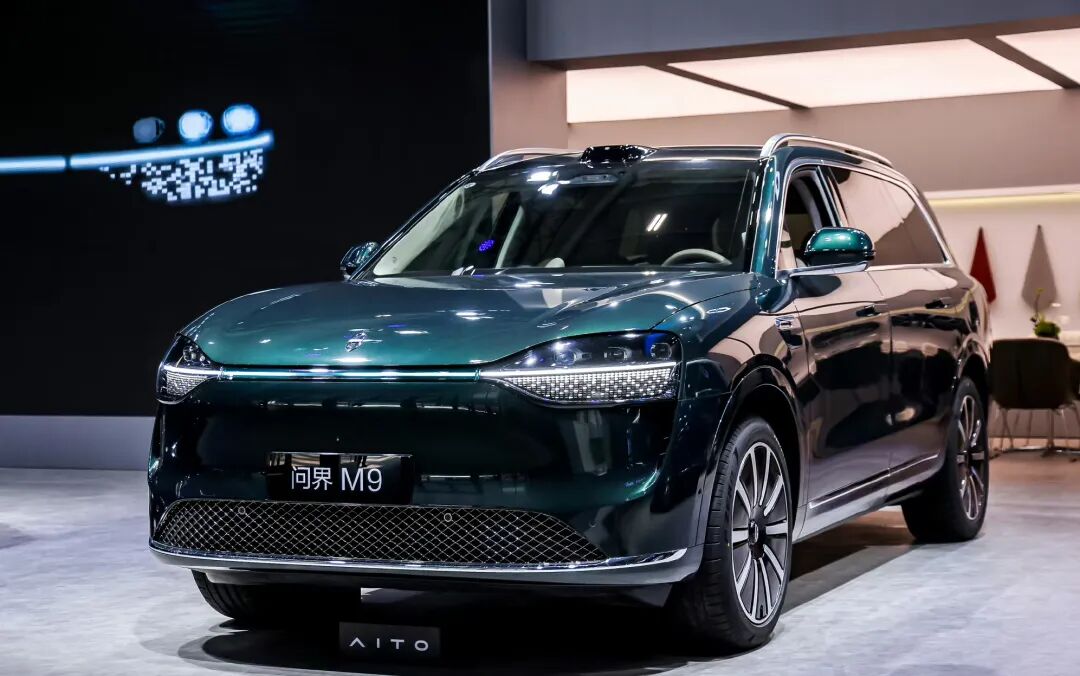
Looking ahead, Seres' overall performance is likely to recover in the second half (H2). First, deliveries of its profit core, the AITO M9, have normalized. In the market, the AITO M9 dominates the 500,000+ price segment with virtually no competitors, ensuring subsequent operating performance. The all-new AITO M9 achieved cumulative deliveries exceeding 20,000 units within seven weeks of launch, demonstrating strong momentum. Additionally, the newly launched AITO M9 Ultimate version starts at over RMB 600,000, boosting the average selling price and gross margin. Thus, Seres' Q2 'iteration gap' pressures will naturally subside.
Moreover, asset impairments are non-recurring and one-time accounting treatments, unlikely to recur in future periods. Therefore, core factors are overall sales volume changes and upstream price trends. Financially, Seres' structure is extremely healthy, with strong risk resistance. Cash reserves exceed RMB 73.15 billion, accounting for 57.0% of total assets. Debt is minimal, with interest-bearing liabilities at just 3.2% of total assets, all long-term loans with no short-term repayment pressure. This means the company has sufficient funds to navigate industry downturns without resorting to forced price cuts or R&D contractions.
Third, from a market perspective, amid a 20.2% YoY decline in industry passenger vehicle retail sales, Seres' NEV sales grew 3.87% YoY, with Seres-branded (AITO) sales up 5.6% YoY, achieving counter-trend growth. Few enterprises in the industry maintained growth, especially in the 400,000+ price segment, where AITO was the only growth interval (up 18.8% YoY). In high-price segments, Seres possesses its own brand-technology moat.
Additionally, Seres' operational efficiency is exceptionally high. Financials show H1 inventory turnover days at just 7.5 (Q2), significantly better than the industry average. Inventory balance was only RMB 2.250 billion, down from RMB 2.447 billion at year-end, with no inventory backlog risks. Overall, Seres' health metrics rank among the top tier in the automotive industry.
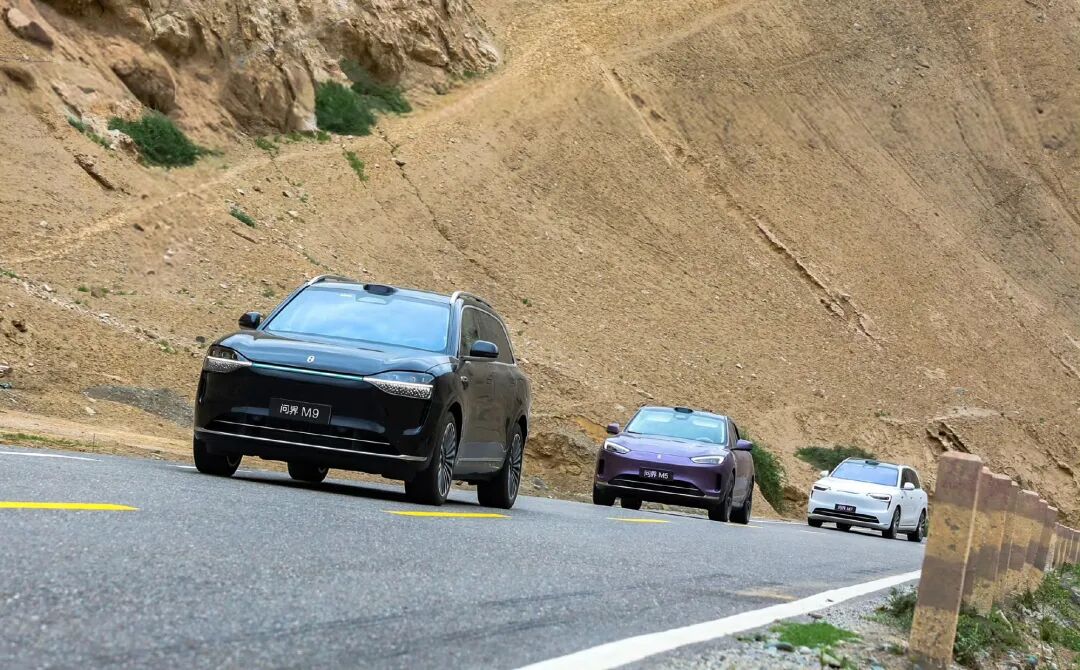
Of course, questions about Huawei charging high fees have persisted for years. In H1, Seres procured goods and services from Yinwang Intelligence worth approximately RMB 9.840 billion, a 75.6% increase YoY. As a percentage of revenue, RMB 9.840 billion accounted for about 17.1% of H1 revenue (RMB 57.493 billion), making it Seres' largest single related-party procurement item and a key variable affecting gross margin. This claim is inaccurate; for example, in 2025, procurement from Yinwang reached RMB 22.335 billion, with net profit attributable to shareholders at RMB 5.957 billion, achieving substantial profits.
Indeed, Yinwang earns 'product + service revenue,' but according to media reports, it does not bear inventory, production line depreciation, or price war impairment risks; all operating risks are borne by Seres, a structural contradiction in the model. However, Seres is also a shareholder of Yinwang, entitled to 10% of profits. Previously, Avatr's prospectus revealed that in 2025, Huawei Yinwang achieved revenue of RMB 45.018 billion, a 72.1% increase YoY, with cumulative growth exceeding 20x over three years. Based on shareholding, Avatr accounted for RMB 182 million in associate profits, contributing positive earnings in its first year. Seres, also holding 10%, should have received similar dividends.
From this perspective, as Yinwang grows, Seres' subsequent performance and valuation warrant reevaluation. The relationship between HarmonyOS Execution and Seres also requires repositioning.
-
![]()
Yu Chengdong's Harmony Intelligent Travel Achieves 'First in New Force Deliveries', Netizens: Unbeatable Win
-
![]()
Six Entities Invest 8.2 Billion to Launch Shenlong Technology
-
![]()
Give BMW X3 a Chance?
-
![]()
Chengdu: Leading in New Car Sales, Yet Losing the Favor of Rolls-Royce and Its Luxury Peers
-
![]()
Shenzhen Speed: The New Era
-
![]()
Shenzhen Speed Gets a New Version
-
When AI Becomes Too Powerful to Ignore: OpenAI Hits the Brakes for the First Time in History
-
![]()
Why Have Small Commuter Cars Priced Under 50,000 Yuan Seen a Slump in Sales?