Can Domestic Autos Still Hold Their Own Against Joint Venture Brands?
 08/24 2026
 511
511
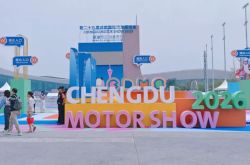
The Chengdu Motor Show has undergone three significant transformations over the past five years.
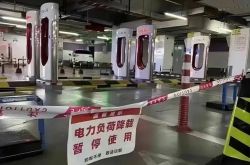
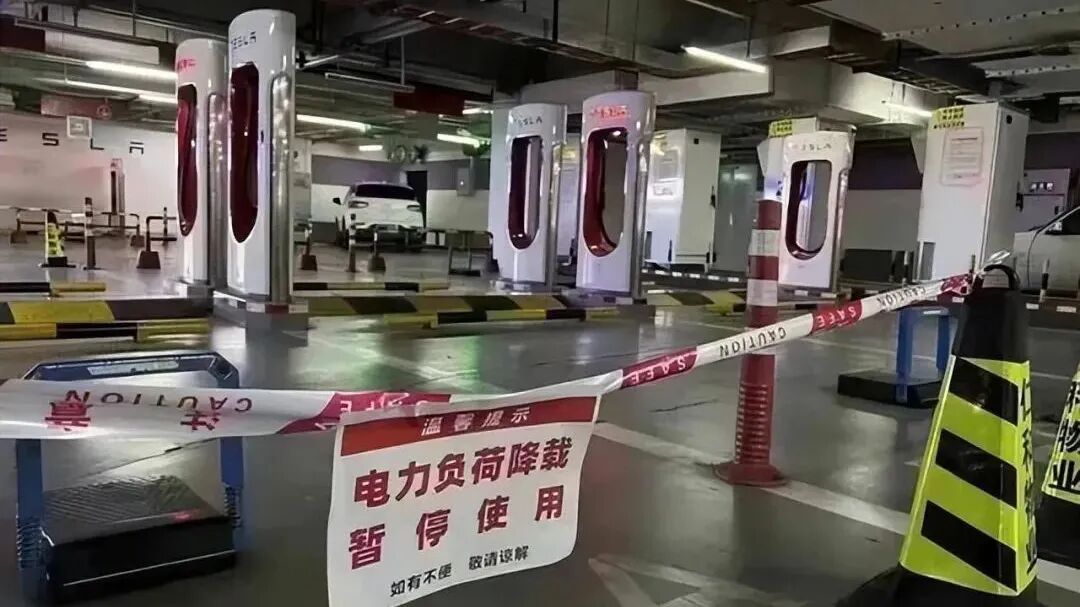
In 2022, power rationing prompted Chengdu residents to reevaluate the feasibility of new energy vehicles (NEVs). This led to explosive growth in plug-in hybrid and extended-range electric models, a trend that emerged ahead of the national average.
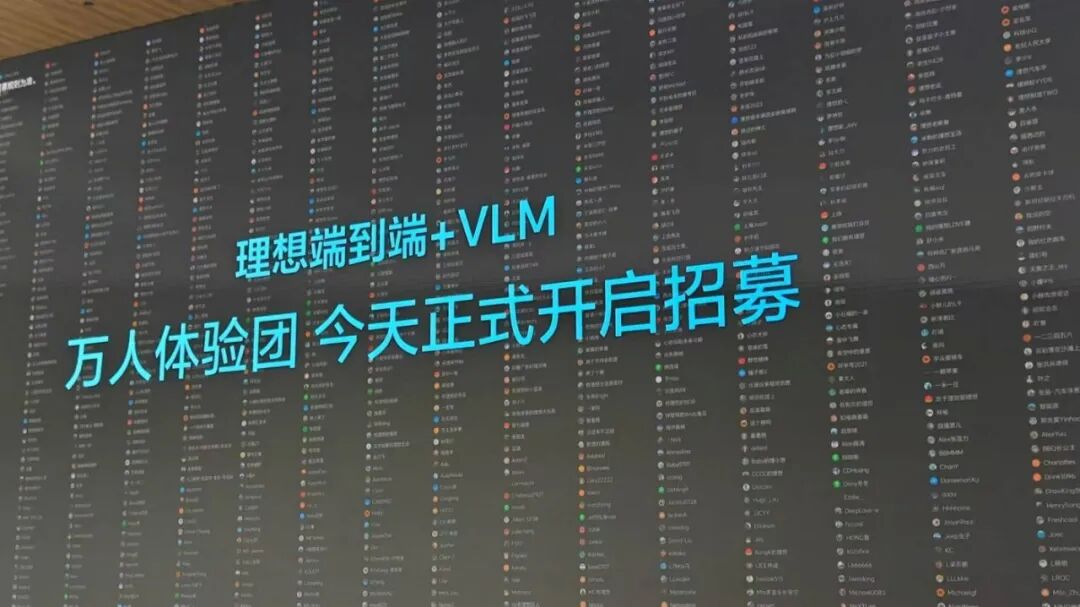
By 2024, Audi and nearly all non-luxury joint venture brands had diminished in presence at the Chengdu Motor Show. Previously, Chengdu's affluent consumers had begun to prioritize cost-efficiency, shifting their preferences towards brands with strong intelligent driving capabilities, such as NIO, Li Auto, Xiaomi, and Harmony Intelligent Mobility. This trend also emerged over a year earlier than in most other cities and regions across the country.
It turns out that Chengdu consumers' spending power even surpasses that of Beijing, Shanghai, Guangzhou, and Shenzhen. By 2026, it's clear that consumption trends have shifted once again. Whether this will set a new market benchmark will be determined within the next six months.
The new benchmark is the resurgence of joint venture brands, which are no longer being overshadowed by Chinese brands as they have been for nearly five years. Instead, they are now on an equal footing.

Joint Venture Brands Make a Comeback, Reclaiming Past Glory
Traditionally, at top-tier auto shows, a key global indicator has been to see which brands are absent.
The current list shows a further decline compared to 2025. Chengdu, once a major global market for luxury vehicles, saw brands like Bentley, Porsche, Rolls-Royce, and Maserati skip the show again.
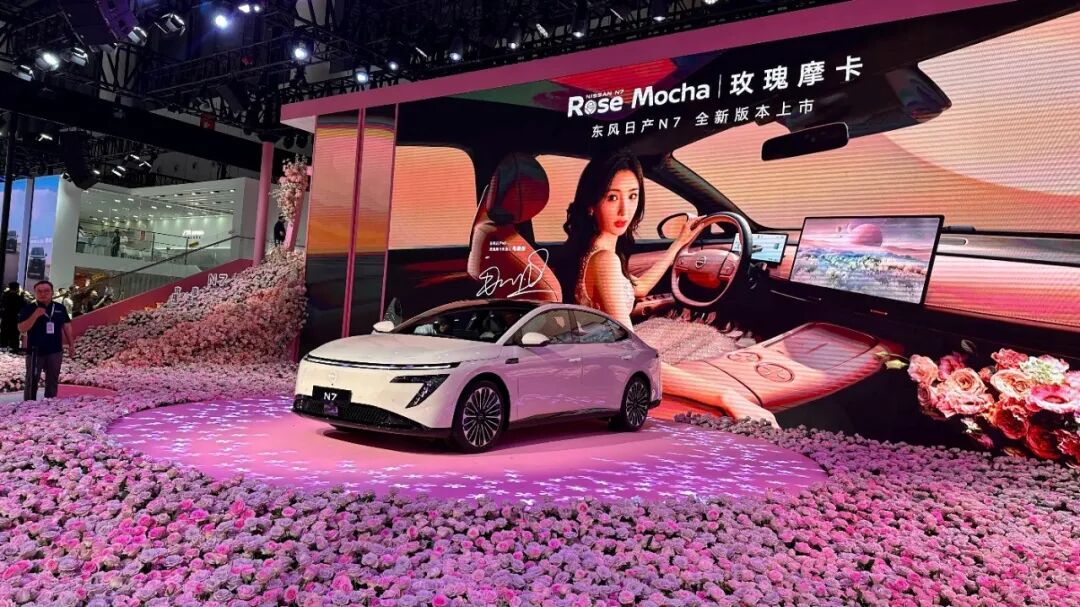
At the same time, Dongfeng Nissan was absent for the first time, and Dongfeng Honda was also not on the list, while Lexus continued to skip the event. On the surface, it seems that joint venture brands are weakening.
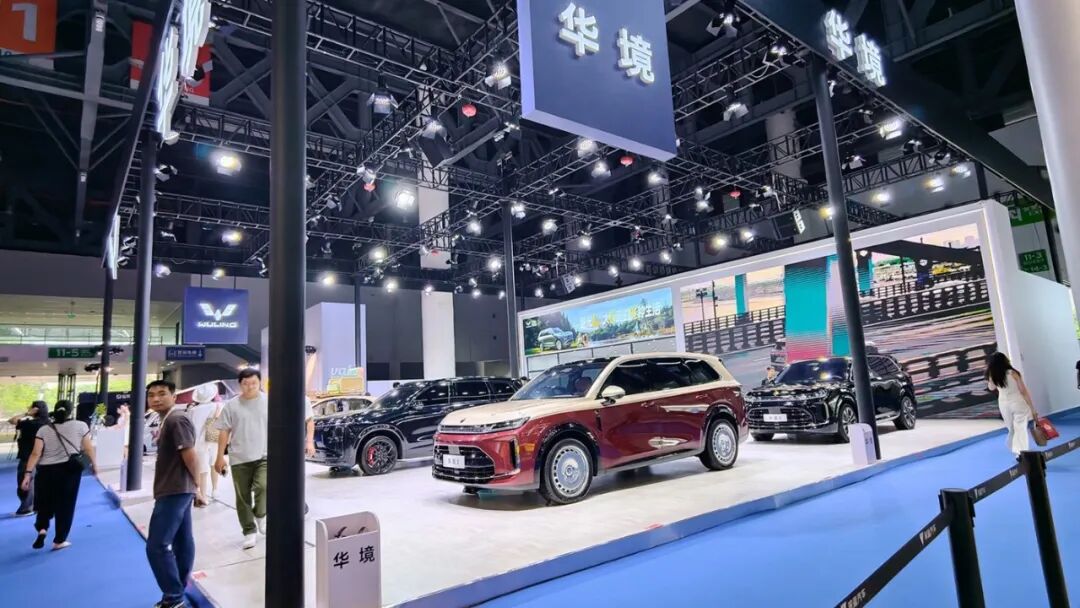
However, the reality is different. For example, among domestic brands, SAIC-GM-Wuling did not fully participate in the show, instead focusing its efforts on the Baojun Huajing, a model developed in-depth with Huawei. There have been rumors that Huajing might become an independent brand under Baojun, on par with Yijing and Qijing. However, we understand that there is significant resistance to this move, given that Huajing S sales are just barely satisfactory. With a Huawei full-tech package priced at 150,000 yuan and a large six-seater configuration, its monthly sales remain below 10,000 units—not an impressive figure.
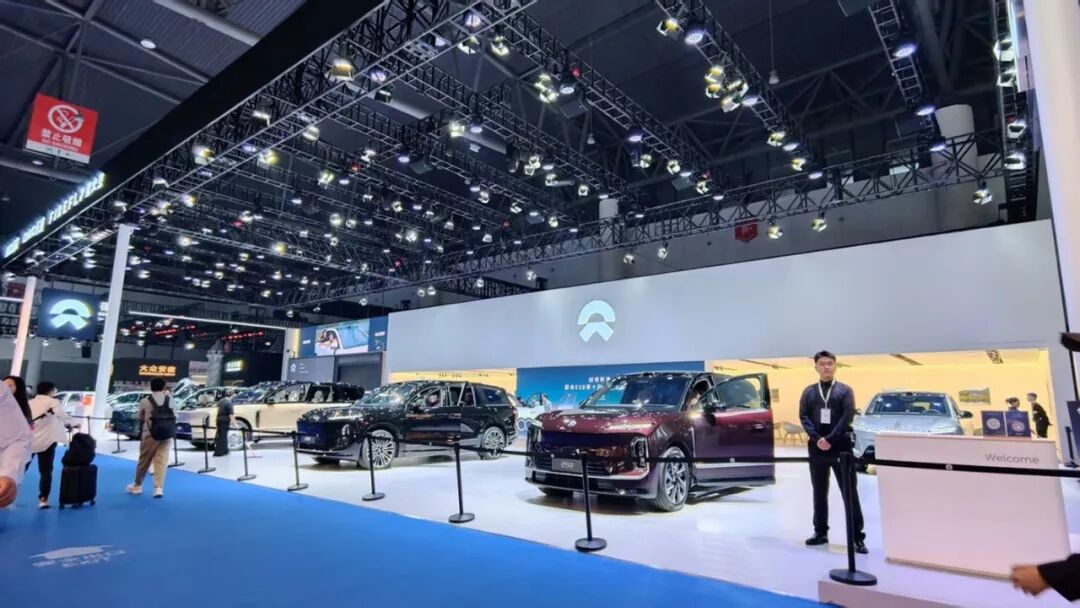
Additionally, the number of press conferences at this year's Chengdu Motor Show has decreased by about 25-30% compared to 2025. This means that while the number of participating brands remains similar, the number of brands making announcements has dropped by more than 25%. For example, NIO and Li Auto chose to focus on selling cars at this year's show. Moreover, exhibition fees and costs are significantly lower than in 2025.
Under these circumstances, the competition boils down to who has the newest cars, the most advanced technology, and the most compelling stories.
After walking around the venue and observing the media density at press conferences, as well as the number of attendees remaining at booths after the events, all signs point to one conclusion: joint venture brands are clearly on the rise at the 2026 Chengdu Motor Show.
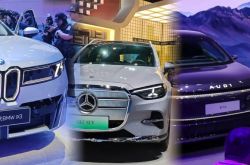
Mercedes-Benz and BMW have brought their century-old luxury appeal to the forefront.
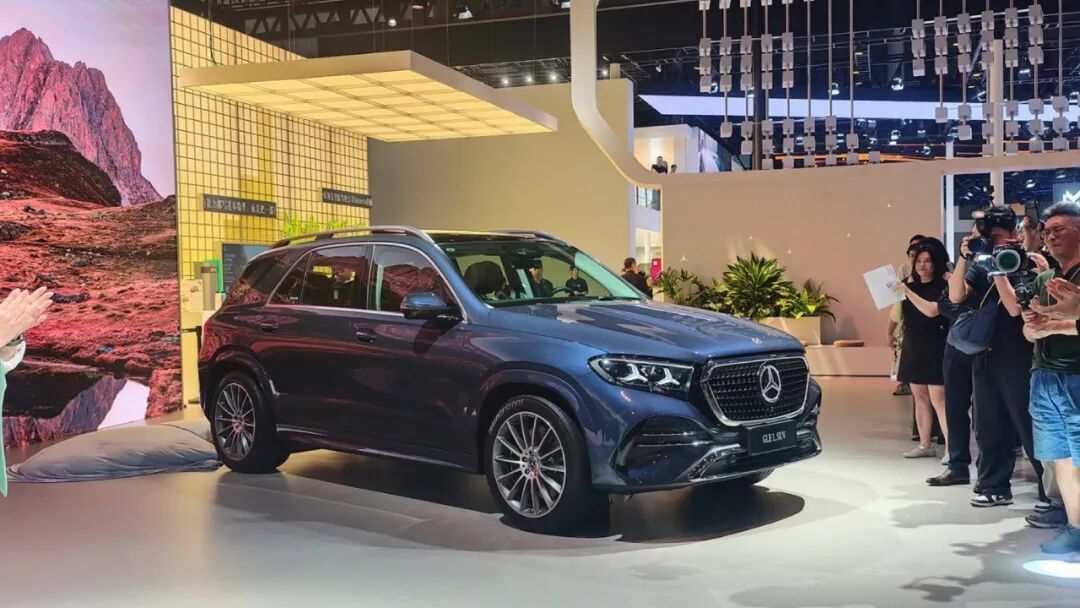
The domestic Mercedes-Benz GLE features an extended wheelbase that is only 20mm shorter than the GLS. It is equipped with a 2.0T M254 engine and an upgraded 3.0T M256 engine, paired with an electric auxiliary supercharger. The vehicle comes with Momenta's advanced intelligent driving solution, which can be upgraded to the R7 world model version. The infotainment system is powered by Doubao AI, and the vehicle is equipped with VLM end-side perception models for different passenger positions, allowing it to learn and cater to the needs of various occupants.
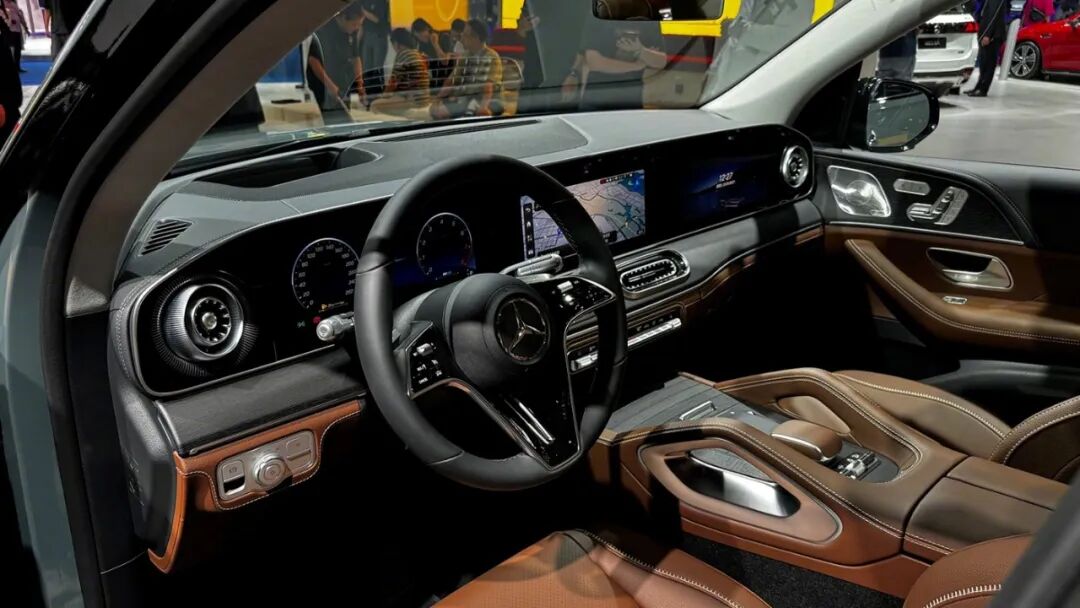
Standard all-wheel drive and seats redesigned to fit the Chinese physique combine elements from the Mercedes-Benz G-Class and S-Class. The emergence of such a model has left online public opinion searching for criticisms, allowing Mercedes-Benz to regain its perceptual advantage.
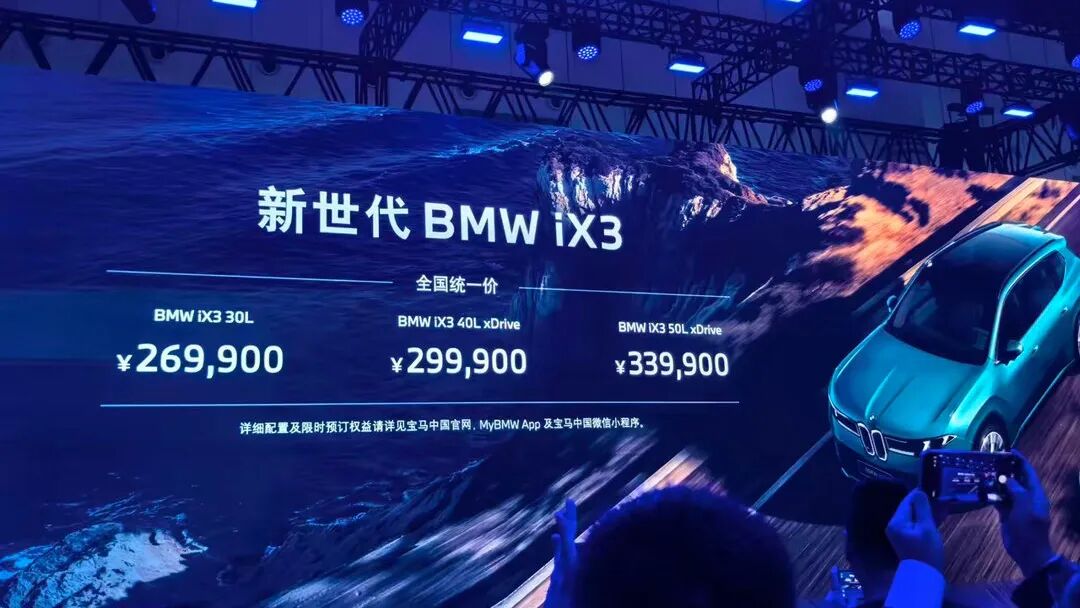
BMW showcased the iX3 and i3, with the former's main selling point being its price. Priced between 269,900 and 339,900 yuan, it directly competes with new energy vehicle (NEV) startups. The Model Y starts at 263,500 yuan, and most NEV startups price their models slightly lower, targeting the Model Y. BMW's bold claim that its driving pleasure surpasses that of other automakers has gone unchallenged in public opinion.
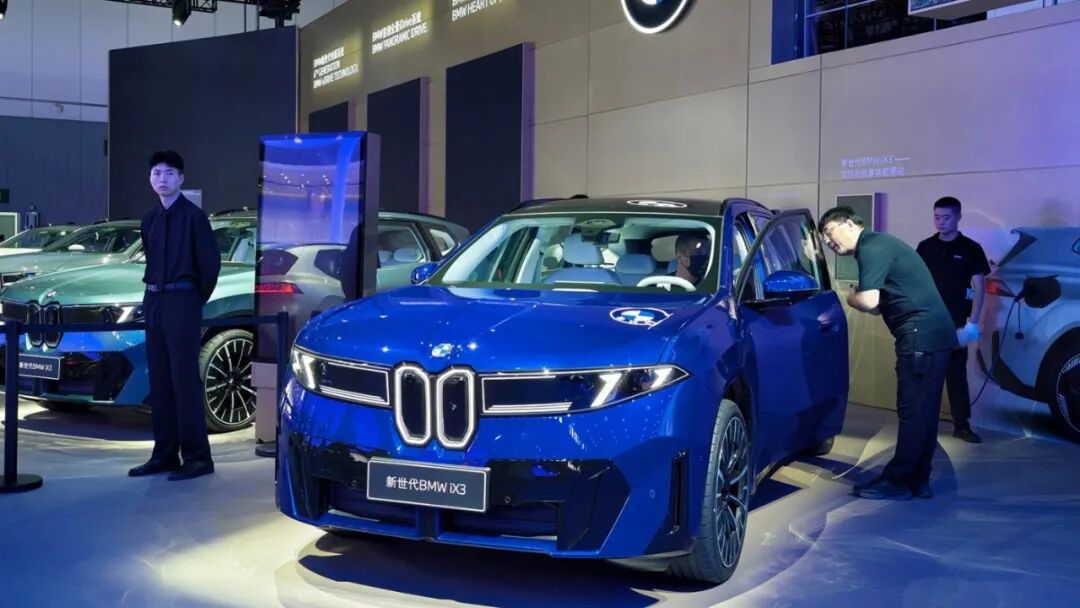
At the same time, the combination of Momenta's full-scenario assisted driving with BMW's standards, along with a new cockpit infused with Doubao AI capabilities, addresses previous shortcomings. However, the most notable feature is its electric range. The all-wheel-drive version boasts a CLTC range of 919 kilometers, with real-world tests exceeding 1,000 kilometers, effectively alleviating range anxiety for most users. The entry-level version offers 630 kilometers of range, which is mainstream, though the performance difference between lithium iron phosphate batteries and large cylindrical cells remains a question.
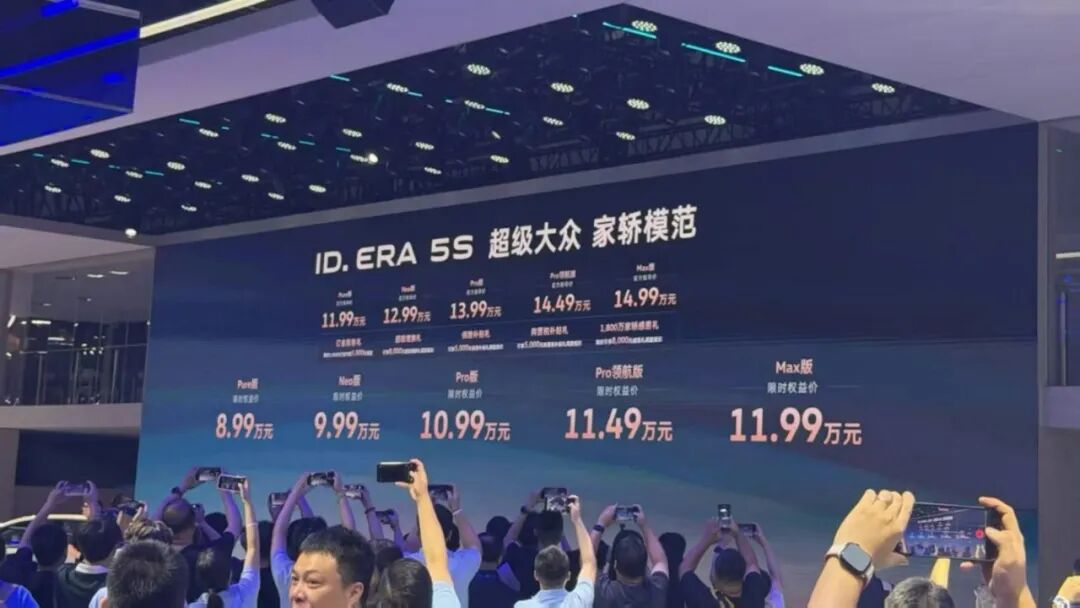
SAIC Volkswagen introduced the ID.ERA 5S, with its main appeal being price. When the limited-time entry-level price of 89,900 yuan was announced, the audience was left speechless. The 114,900 yuan version offers urban assisted driving capabilities. Additionally, it boasts a fuel consumption rate of 2.82L/100km in hybrid mode and an overall range exceeding 2,000 kilometers, posing a significant threat to BYD.
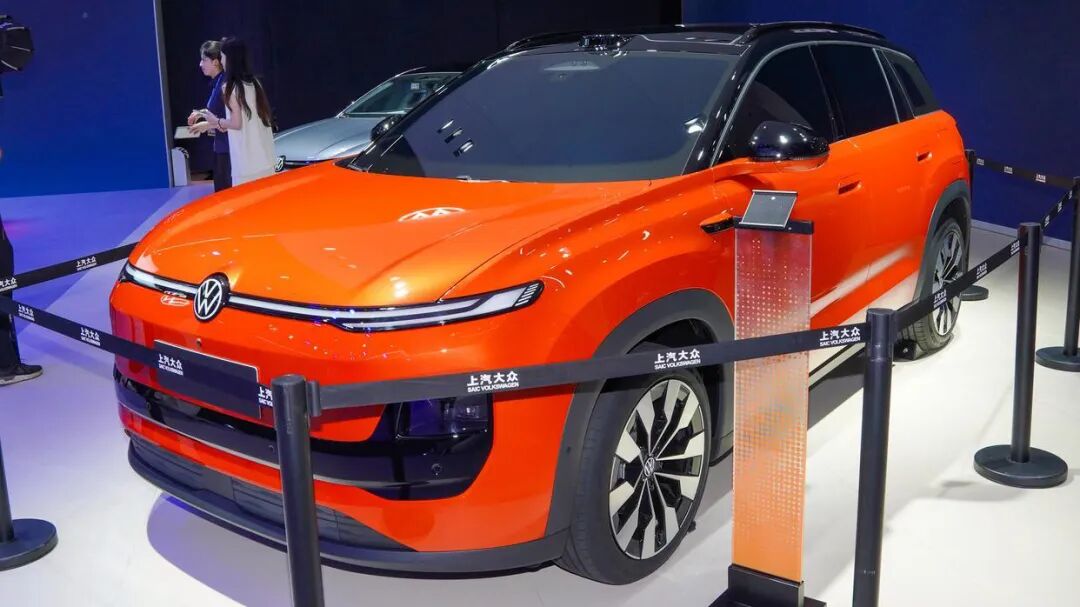
Moreover, this is just the first model. The ID.ERA 5X and ID.ERA 8X, also unveiled at the show, have generated high expectations regarding their pricing.
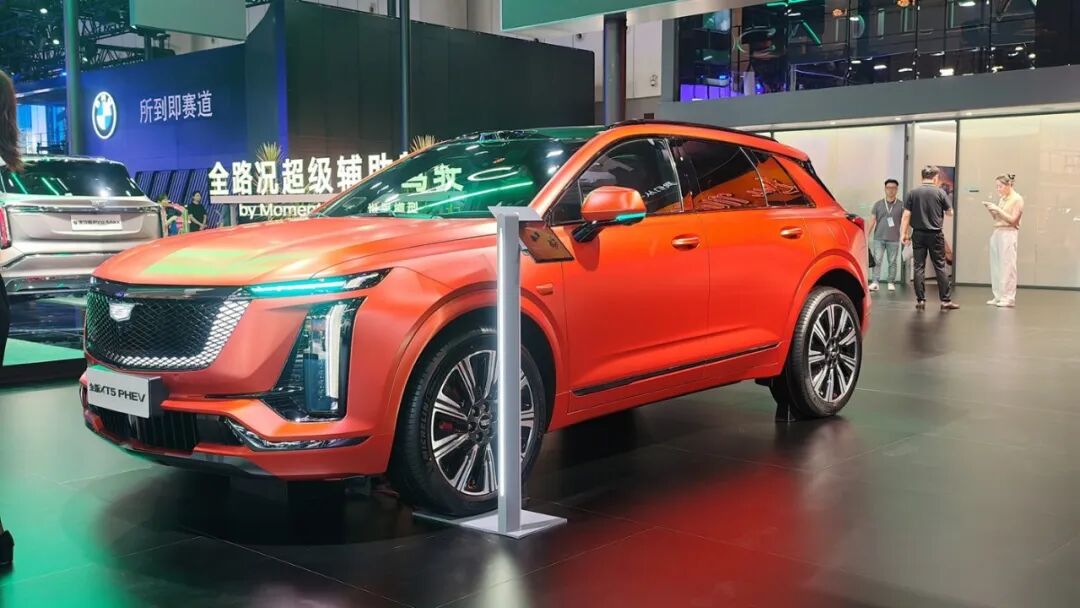
SAIC-GM showcased the Cadillac XT5 PHEV and the Buick Zhijing L7 all-electric model, which was launched just before the show. The former features 5C fast charging, dual motors, a plug-in hybrid system, and Momenta's R7 world model with lidar. Although no price has been announced, rumors suggest that its PHEV version might be priced lower than the existing fuel version (internal combustion engine version), which would be highly disruptive.
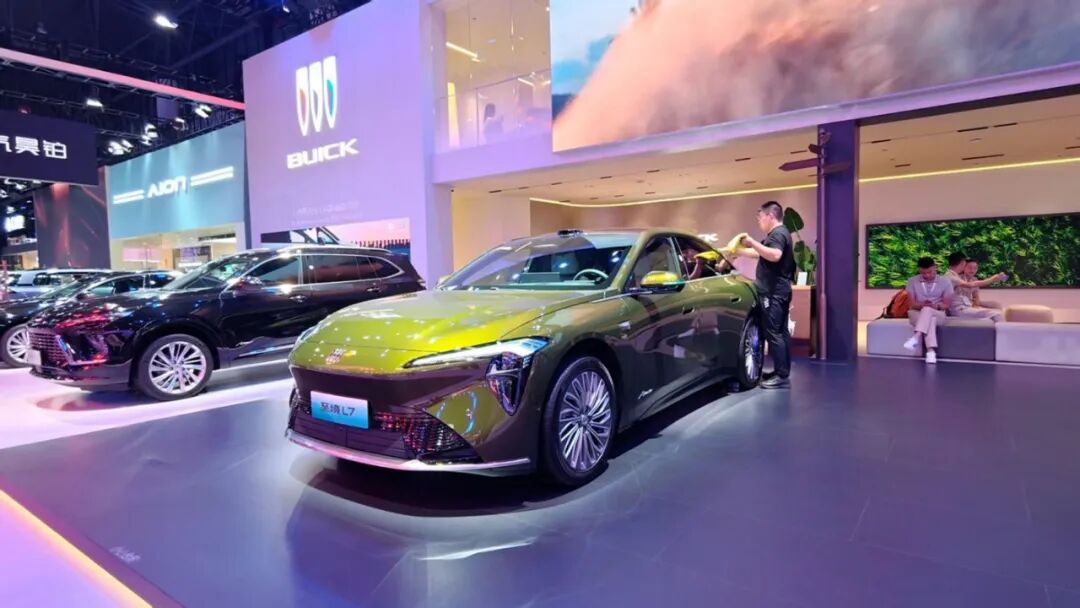
The latter is no less competitive, with an entry-level price of 169,900 yuan, standard 800V architecture, 6C temperature-controlled ultra-fast charging batteries, and an electric range exceeding 700 kilometers. This positions it in a market segment where Chinese brands and NEV startups have yet to compete. The XPeng P7+ offers advanced intelligent driving but is priced near 200,000 yuan for versions with over 700 kilometers of range. At the same price point, the Zhijing L7 offers top-tier Avenir trim. Even when compared to the BYD Han, the Zhijing L7 is more cost-effective, as the Han's "Divine Eye" advanced driver-assistance system option costs an additional 12,000 yuan.
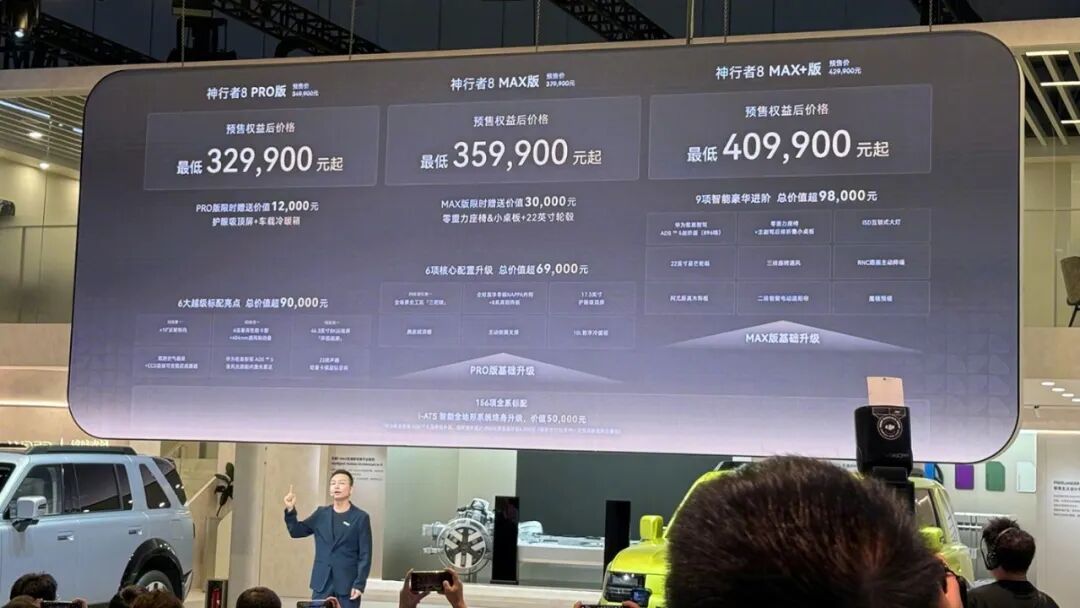
Furthermore, after fully upgrading the benefits for the Shenxingzhe 8, the Pro version is priced at 329,900 yuan, the Max at 359,900 yuan, and the Max+ at 409,900 yuan. Huawei's Qiankun ADS5 assisted driving system with long-term i-ATS upgrades comes standard across all trims, along with complimentary roof-mounted screens and in-car refrigerators. This has drawn significant attention away from the newly launched Xiangjia G9.
With no gaps in terms of configuration and intelligent technology, the next question is whether these joint venture models can achieve more robust data in terms of range, charging speed, and driving assistance standards, as they did during the fuel-powered vehicle (internal combustion engine vehicle) era, due to higher standards and more extensive testing. If they can indeed offer more stable ranges, faster charging, and higher-standard driving assistance, regaining user recognition and reversing public perception is only a matter of time.
After all, even press conferences are becoming increasingly homogeneous nowadays. Apart from a few automakers that can innovate, most lack compelling new technologies and stories to tell. Consumers are also waiting for something new to pique their interest.
In contrast, domestic automakers are scaling back on technology
Additionally, Dongfeng Peugeot Citroën (DPCA) should not be overlooked. At this year's Beijing Auto Show, Citroën and Peugeot unveiled their new design philosophies and concept cars. Subsequent announcements revealed plans to apply extensive Chinese local technology, reintroduce Jeep as a domestically produced brand, and offer unique designs for Peugeot and Citroën that avoid similarity and plagiarism, along with distinct driving qualities. Backed by China's AI technology and supply chain, these brands aim to provide new pricing and imaginative possibilities, ensuring that consumers who appreciate uniqueness and high aesthetic standards are no longer left without options.
So, what are the core highlights of domestic cars this time? The answer is simple: while continuing to offer top-tier configurations, they are providing even more aggressive pricing.
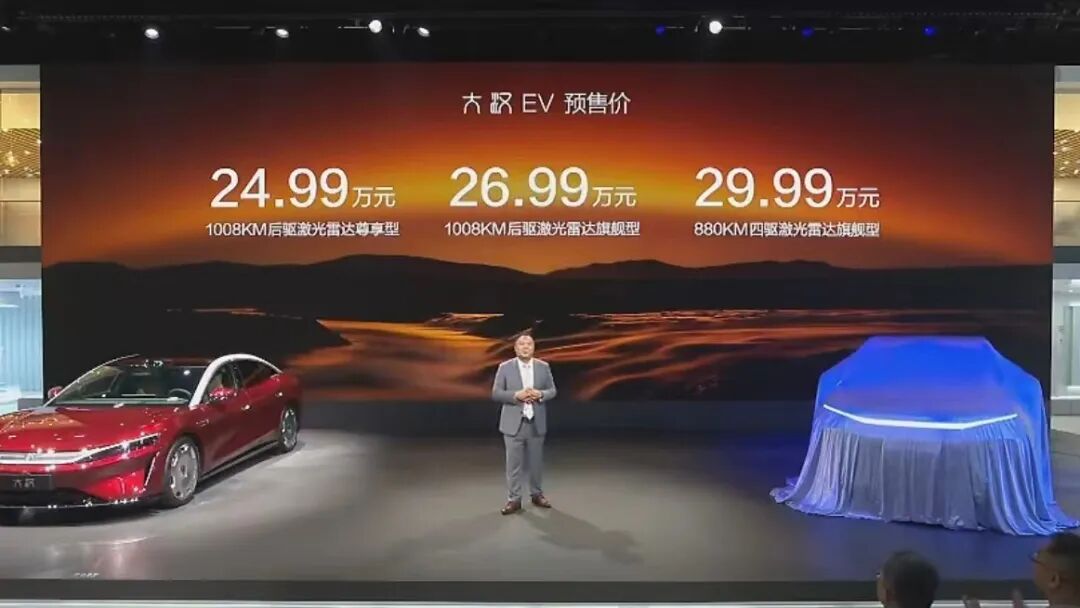
The pre-sale price for the BYD Han starts at 249,900 yuan, with the rear-wheel-drive entry-level model offering a range of 1,008 kilometers. The version capable of accelerating from 0 to 100 km/h in 3.3 seconds is priced at 299,900 yuan. Referring to the performance of the BYD Tang when it was launched, prices could drop by an additional 10,000 yuan. The third-generation BYD Tang will draw attention based on its final pricing, as the question remains whether it can price its large SUV in the range typically reserved for compact SUVs, catching joint venture brands off guard since their new SUV models have yet to arrive.
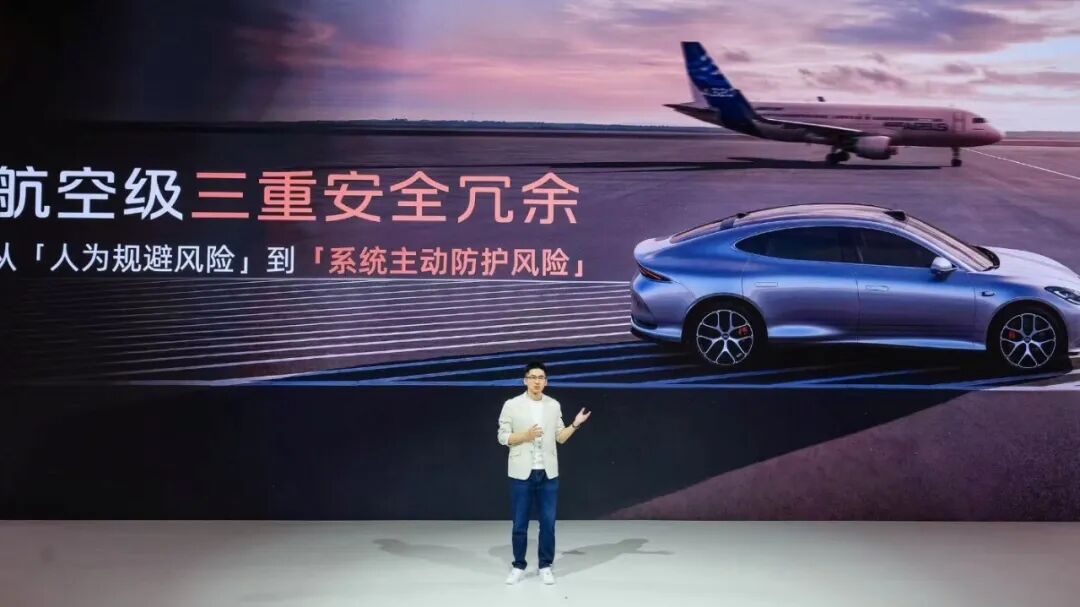
The IM LS6 did not announce its latest pricing but teased a September launch. Its highlight is bringing aerospace-grade safety to a 200,000-yuan price segment. The vehicle features the NEO three-electric architecture, full wire-controlled chassis, and the IM Claw intelligent agent.
Great Wall Motors continues to share user stories and real-world examples of its ecological and off-road capabilities, which will help the Great Wall H10 break into new circles. However, since this is a previously announced model, it has not garnered as much focus.
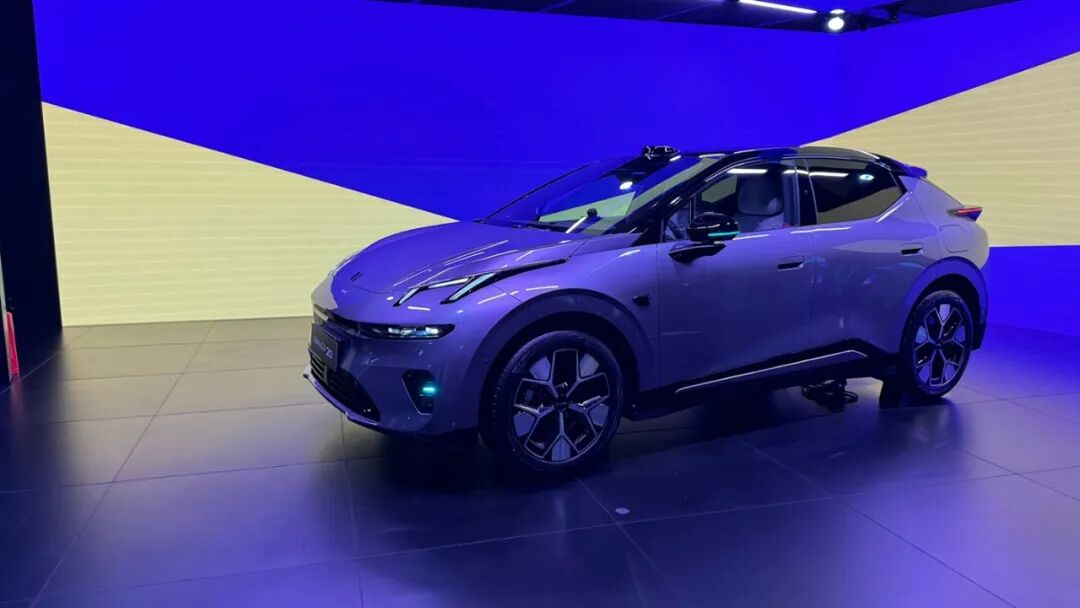
The Geely family continues to integrate hybrid electric technology into their SUVs, injecting more sporty capabilities into urban commuter SUVs like the Lynk & Co Z20. The Warship 700 is particularly noteworthy, as it has the potential to disrupt the dominance of Great Wall Motors in the hardcore and off-road-capable SUV segments. Additionally, the Trumpchi Yue7 also fits this mold, often described by many as a
In reality, the principal trends surfacing at the present auto show are remarkably distinct. Confronted with a highly competitive market landscape, Chinese automotive brands are strategically pivoting towards overseas expansion and zeroing in on niche markets brimming with untapped potential. This strategic move is exemplified by the burgeoning popularity of boxy vehicle designs, an uptick in station wagon models, and the broadening of concepts such as camping—a trend recently propelled into the mainstream by Xiaomi.
Concurrently, joint venture brands are progressively embarking on a counteroffensive strategy. We are observing a paradigm shift in technological supremacy, as the discourse on cutting-edge technology changes hands amid this era of technological convergence. As joint venture brands assimilate the manufacturing paradigms of Chinese automakers, their erstwhile cost advantages are swiftly eroding. Furthermore, with the ascent of intelligent driving enterprises like Horizon Robotics and Momenta, Huawei's once-unassailable leadership in the realm of intelligent driving is beginning to show signs of decline.
Nevertheless, the moment Chinese brands successfully infiltrate these niche markets, it will herald the dawn of yet another competitive chapter in the automotive industry saga.
-
![]()
Walmart: Steady Performance Marred by Overvaluation Concerns
-
![]()
Can Domestic Autos Still Hold Their Own Against Joint Venture Brands?
-
![]()
Domestic Cars Priced Above 300,000 Yuan Are Gaining Ground in Chengdu
-
![]()
Sedans Face an Uphill Battle in Sales
-
![]()
BBA Takes a Leap of Faith: No Sales, No Tomorrow
-
![]()
Chengdu Unfaded: BYD and Geely Vie for Championship While the Weak Exit
-
![]()
3X Salary Poaching, 40 Executives Depart: Autonomous Driving Talent is Batch-Producing Embodied AI Leaders
-
![]()
Apple’s Foldable iPhone and Huawei’s Straightened Pura X: Two Paths, One Vision