Breaking News! IM Motors Unveils Car Without Steering Wheel, Sparks "China's Cybercab" Debate
 08/28 2026
 507
507
The automotive industry is undergoing a transformation that has been a century in the making! The steering wheel, a constant companion to drivers for over a hundred years, is on the verge of disappearing from mass-produced vehicles.
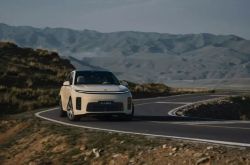
On August 26, a series of sensational road test spy photos emerged in Shanghai's Jiading Auto City, quickly spreading like wildfire within the new energy vehicle community. Without any prior teasing or official announcement, IM Motors took to the streets to test its new vehicle, directly challenging traditional cabin design. The comments section quickly became polarized, sparking a heated debate.
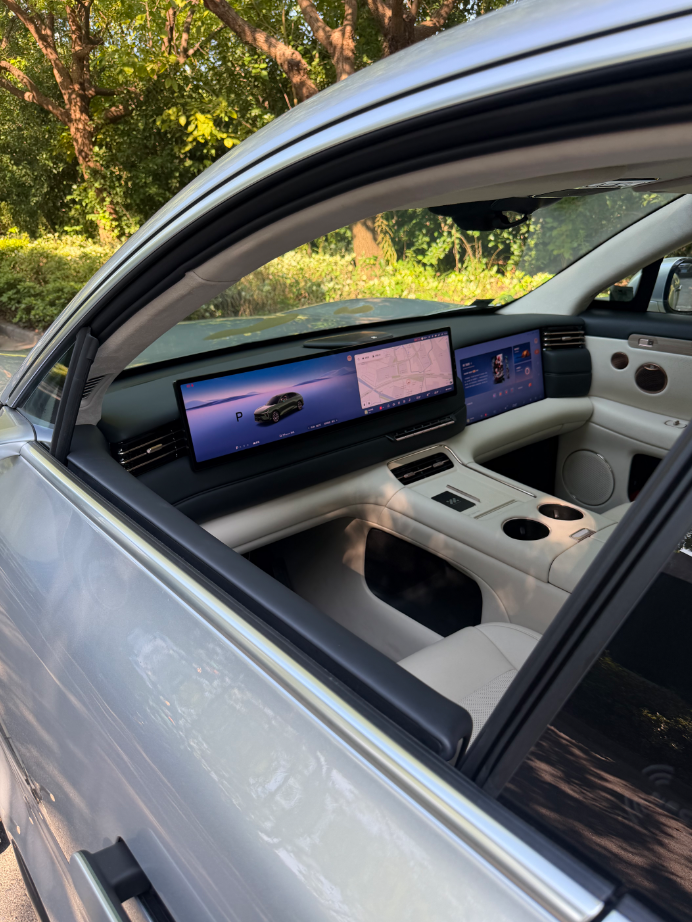 Image source: Weibo
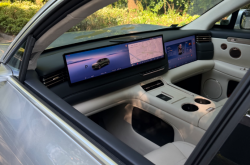
While the exterior of the test car shows no significant changes, the interior transformation is revolutionary. The driver's seat is left vacant, and the traditional steering wheel, a staple for a century, is completely absent!
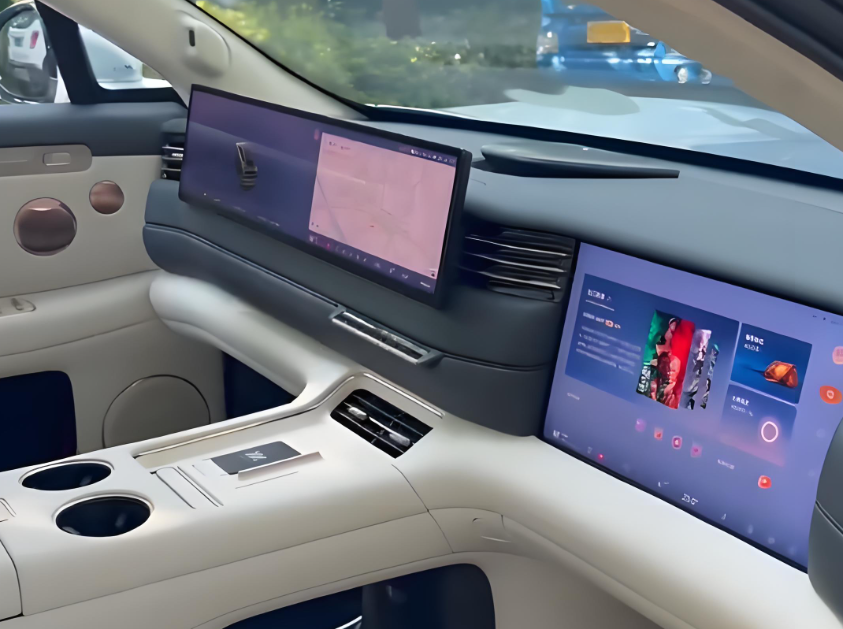 Image source: Weibo
Gone are the steering wheel and mechanical dashboard, core elements of traditional cabins. In their place, a massive panoramic screen stretches across the front, accompanied by a reconfigured center console and passenger display. The front cabin exudes an ultra-minimalist aesthetic, brimming with futuristic tech vibes.
The steering wheel-free design enhances the driving view, providing the driver with an open, expansive feel while blurring the lines between the driver and passenger seats—a taste of what future mobility has in store. Many netizens praised it, saying, "This is what future cars should look like! The minimalist cabin sheds mechanical clutter, exuding sophistication!"
Key highlight: This isn't just a concept car—it's a legally road-tested engineering vehicle! Given IM Motors' product timeline and model positioning, industry insiders largely confirm that this is the all-new LS6 set to debut in September.
IM Motors has just accelerated China's new energy vehicle revolution.
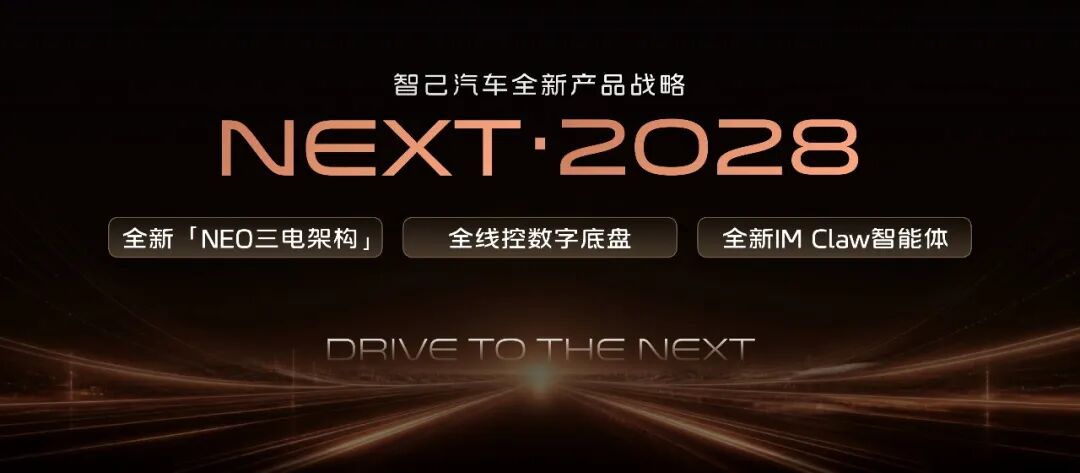
At the recent Chengdu Auto Show, IM Motors unveiled its NEXT·2028 product strategy, announcing a push into high-level autonomous driving. Before the buzz faded, a steering wheel-free real car hit the roads for testing—a top-tier execution in strategic efficiency. Fans marveled, "While others talk about the future in PPTs, IM Motors tests real cars. That's China's hardcore tech prowess!"
With hype comes controversy. Some netizens complained, "Removing the steering wheel in family cars misses the point—sacrificing practicality for gimmicks." But industry experts know better: this isn't just hype. It's the early adoption of core autonomous tech in mass-market vehicles, a true technological leap.
Farewell, steering wheel! IM Motors rewrites a century of automotive logic.
For over a hundred years, the steering wheel has been the center of human-vehicle interaction, with all controls built around manual mechanical operation.
This rigid logic leaves many seasoned drivers uneasy: "After decades of driving, I rely on the steering wheel for safety. Without it, there's no manual backup in emergencies—it's unsettling."
IM Motors' aviation-grade full steer-by-wire chassis shatters this century-old approach.
Simply put, vehicle control goes fully electronic and signal-based. Human inputs and autonomous driving decisions alike directly and precisely control the chassis, steering, and braking via electronic signals.
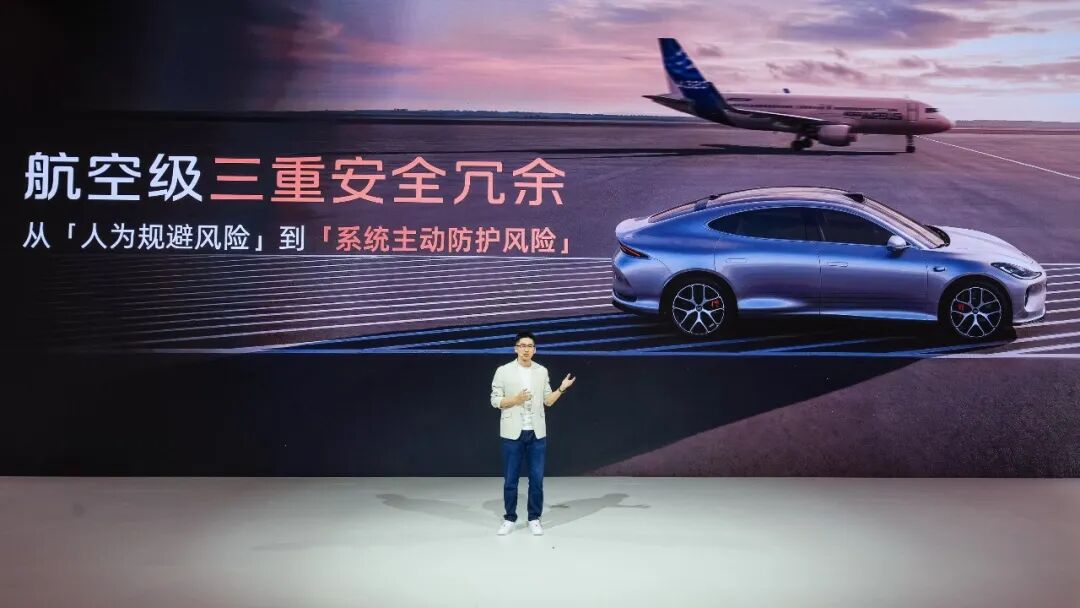
This is the technological backbone that gives IM Motors the confidence to ditch the steering wheel.
Freed from mechanical constraints, IM's steer-by-wire system achieves 20-millisecond response times—over 10 times faster than human reflexes. Paired with aviation-grade triple safety redundancy, it shifts safety logic from "human risk avoidance" to "system proactive defense," significantly reducing human error. Tech-savvy netizens explained, "The key to removing the steering wheel is meeting redundancy standards in steer-by-wire—a foundational tech breakthrough, not just hype."
This chassis tech is also the core hardware for L3/L4 autonomous driving and fully driverless mobility.
Double black tech! Redefining the smart EV experience.
The NEXT·2028 strategy is a holistic vehicle tech overhaul. Beyond steer-by-wire, two core technologies—IM Claw AI agent and NEO advanced powertrain architecture—set IM Motors apart from ordinary new energy vehicles, dominating online discussions.
First, the IM Claw AI agent ditches traditional, limited in-car voice systems—let the "lobster" drive.
Mainstream voice assistants handle only single commands or simple tasks, struggling with complex trips, earning them the nickname "AI idiots."
IM Claw is a true in-car AI agent. It thinks proactively, plans autonomously, and executes closed-loop tasks. Complex demands like multi-stop pickups, dynamic rerouting, or slight itinerary tweaks? One sentence does it all, fully automated. Beta users raved, "An AI that actually gets things done—no repeated commands, adapts on the fly. Utterly practical!"
IM Motors is fully integrating AI understanding, autonomous driving judgment, and chassis execution into a seamless smart mobility loop.
Second, the NEO advanced powertrain architecture solidifies core vehicle performance.
The new car comes standard with an 800V high-voltage platform and next-gen high-performance electric drive, directly addressing user pain points: low energy consumption, lightweight design, rapid charging, and stable power. Practical users noted, "Powertrain upgrades are what family cars need—far more useful than a flashy steering wheel-free design." Others raised valid concerns: "New tech iterates fast. Mass-production stability and after-sales support still need market validation."
AI handles decision-making, autonomous driving judges the route, the chassis executes, and the powertrain delivers power. This complete tech matrix is the foundation for IM Motors to break a century of automotive conventions.
Taking on Tesla's Cybercab! IM Motors carves a differentiated path for China.
After the steering wheel-free spy photos leaked, the hashtag #China’sVersionOfCybercab# trended instantly, putting IM Motors at the center of industry debate.
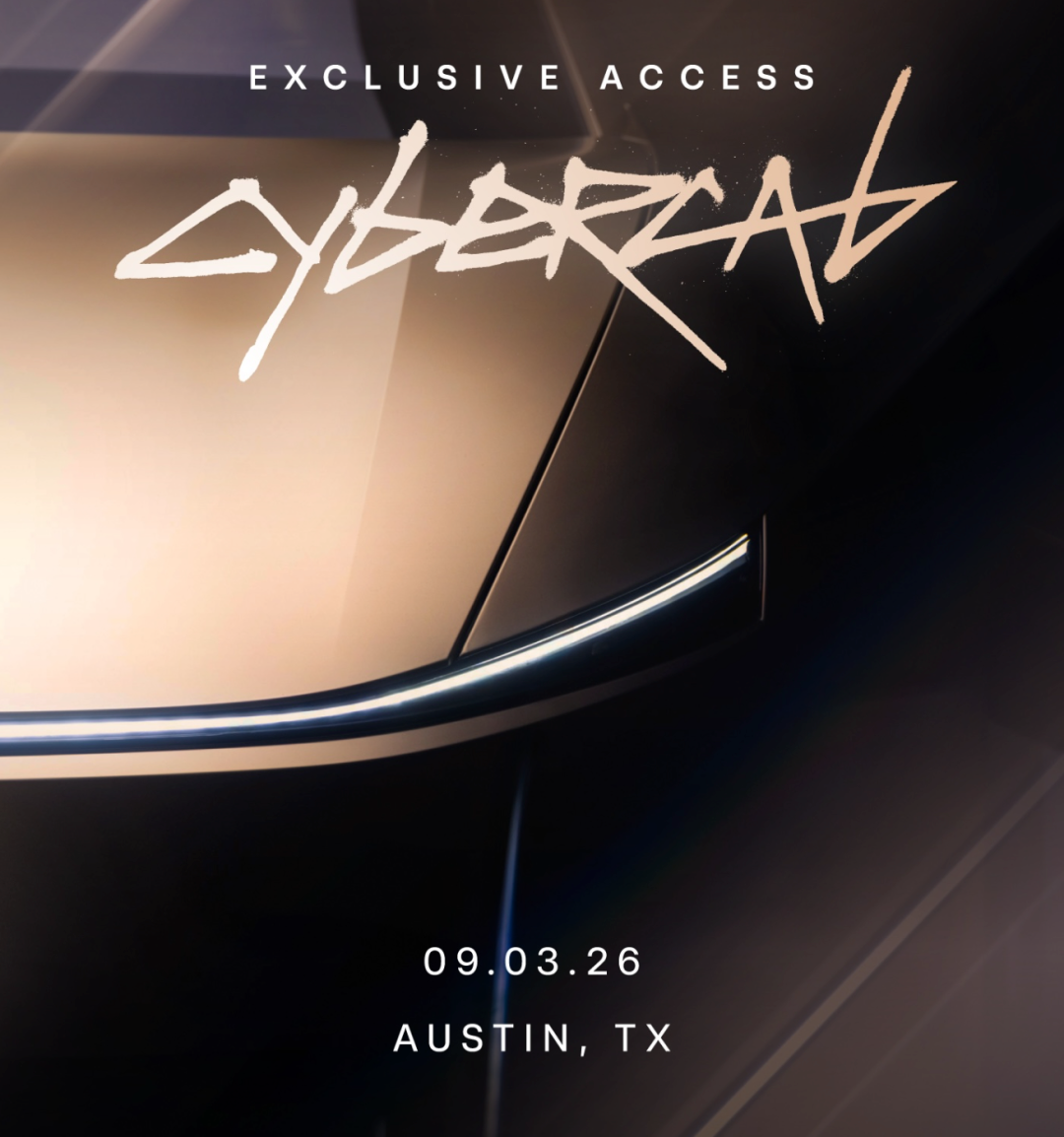
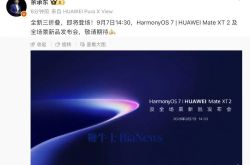
Tesla, the industry titan, announced it will unveil the fully autonomous Cybercab on September 3, 2026—a model built without a steering wheel, pedals, or mirrors, exclusively for driverless ride-sharing.
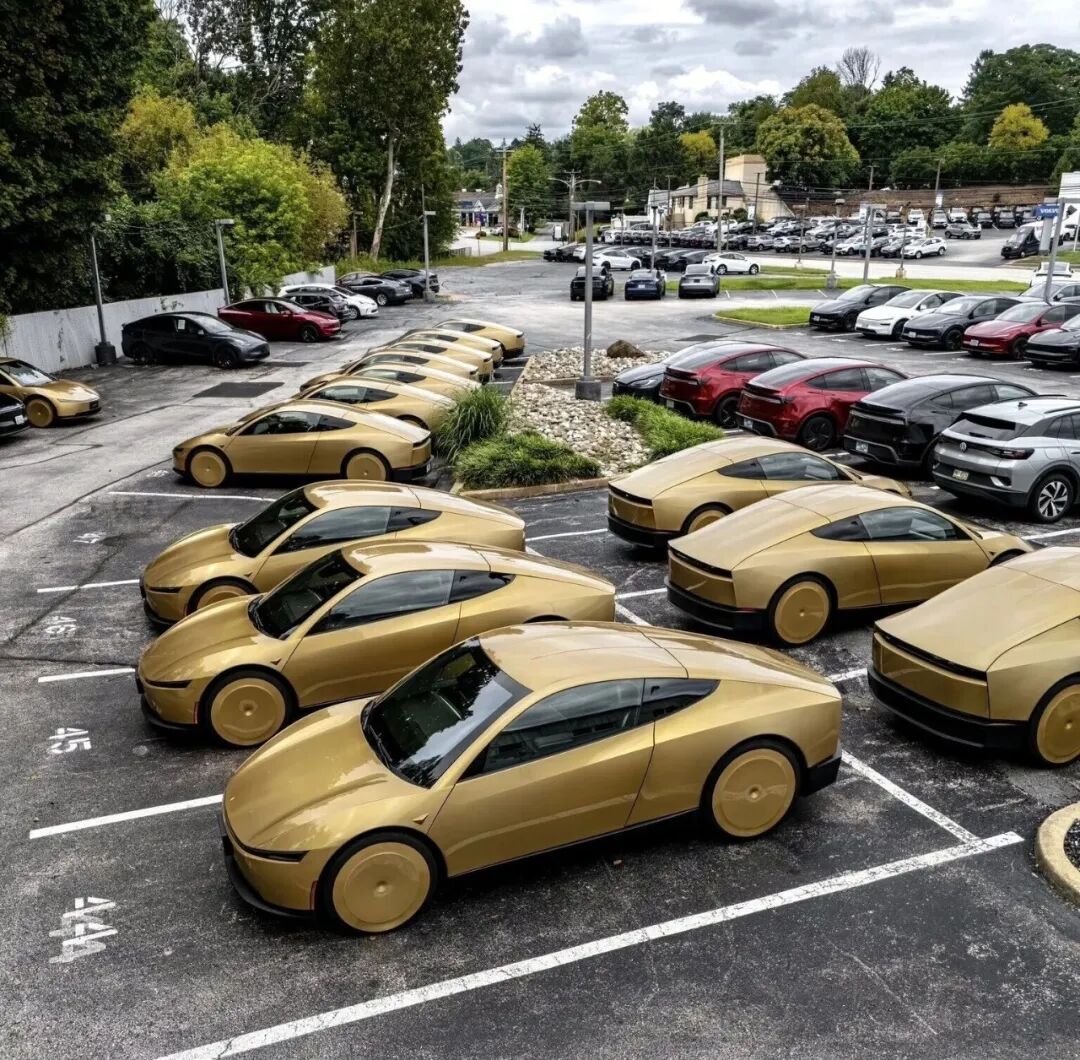 Image source: Weibo
When the Cybercab debuted in 2024, Chinese car enthusiasts lamented China's lag in autonomous tech. Now, IM Motors' real-world road tests fill that gap in high-level autonomous tech. Many netizens cheered, "No more envying Tesla—China's self-developed high-level autonomous tech is here!"
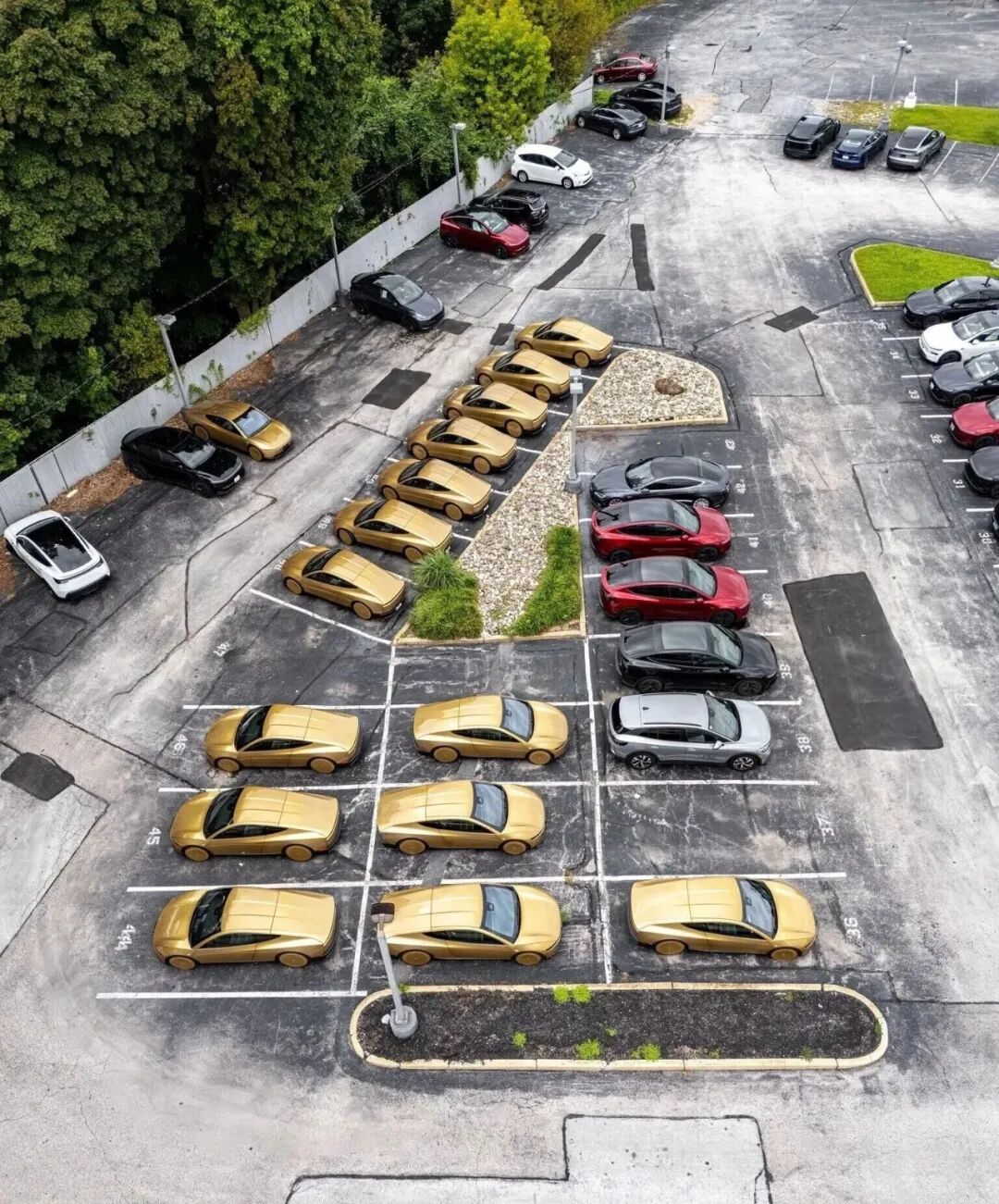 Image source: Weibo
While they seem similar, their approaches differ fundamentally.
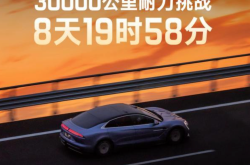
Tesla's Cybercab is a dedicated operational vehicle, designed solely for robotaxi fleets and ride-hailing—not for individual consumers. It's useless for families. One netizen nailed it, "Tesla's Cybercab is built for mobility companies, not regular car owners."
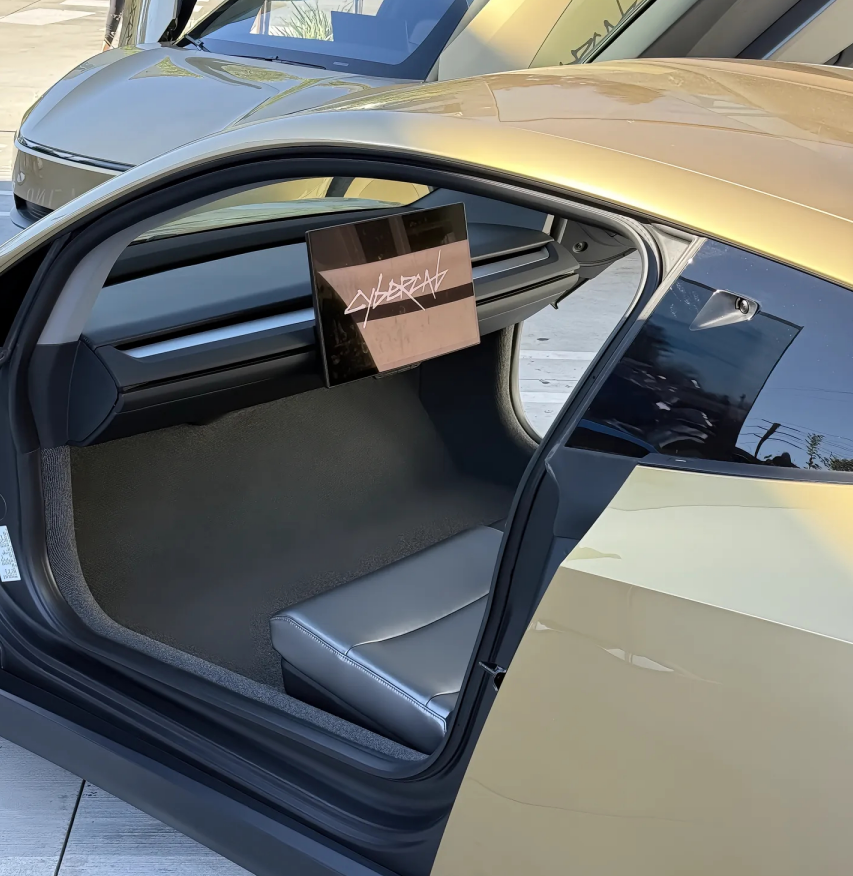 Image source: Weibo
IM Motors takes a more inclusive approach: bringing future autonomous tech to mass-market family vehicles. Some netizens cautioned, "Leading with tech is great, but a steering wheel-free design is too radical. Practicality for family use needs proof."
The all-new LS6 targets civilian family use, balancing high-level autonomous scenarios with manual driving modes. It iterates technology gradually, perfectly aligning with current mass mobility needs.
No need to panic! The steering wheel may vanish, but safety stays top-tier.
The steering wheel-free design sparked major safety concerns—a focal point of online debate. Many worried, "Autonomous systems aren't flawless. Without a steering wheel, there's no manual backup—daily driving risks skyrocket."
Auto reviewers explained professionally: The test car's wheel-free design is for extreme validation of fully autonomous capabilities. The mass-production version will likely retain emergency controls. In short: the steering wheel can go, but safety standards won't drop.
Hardware-wise, aviation-grade triple redundancy enables proactive risk avoidance. Software-wise, it runs IM AD ZETA autonomous driving system + Momenta World Model, empowering civilian assistance driving with L4-level capabilities. Tech experts clarified, "Multi-layer redundancy + millisecond responses make the system far safer and more fault-tolerant than human driving."
Four core technologies integrate deeply, with hardware-software synergy maximized. All capabilities are road-tested and verified—not just conceptual hype.
These leaked spy photos mark China's high-level autonomous driving tech joining the global top tier, competing directly with Tesla's cutting-edge solutions. Netizens celebrated China's new energy vehicles achieving a breakthrough.
IM Motors announced that NEXT·2028 core technologies will come standard across all models, raising the brand's tech benchmark and letting ordinary users enjoy future mobility tech at affordable prices.
The ultimate mystery unveils in September! A century-old industry rule may rewrite.
The all-new IM LS6 is in its countdown to launch, set to debut in September.
Now, the online focus has shifted beyond typical upgrades like looks or screens.
Everyone awaits the final answer: Will the mass-production LS6 ditch the steering wheel entirely, rewriting a century of automotive rules? Netizens are split—some crave disruptive innovation, others cling to practicality.
Can China's automakers break the century-old mold of the automotive industry? We'll soon find out!
Interactive topic: Do you think family cars should ditch the steering wheel entirely? Would you be the first to try a steering wheel-free autonomous vehicle? Share your thoughts in the comments!
Disclaimer: This article is solely a financial commentary by IM Motors and does not constitute investment advice. All corporate data and regulatory events mentioned are from public information and are for reference only. Specifics are subject to official announcements. Image sources: Internet. Contact us for copyright removal if needed.
-
![]()
September Sees Fierce Smartphone Market Competition: Will Foldable Phones Be Overshadowed?
-
![]()
Ideal's 'Revival'
-
![]()
AI Behemoth Spends $45 Billion Amassing Computing Power: A Battle Too Costly for Small Firms
-
![]()
Breaking News! IM Motors Unveils Car Without Steering Wheel, Sparks "China's Cybercab" Debate
-
![]()
Auto Circle: Bold Claims Grab Attention, Fine Print Hides Risks – But Some See 'Genuine Intent'
-
![]()
Enterprise AI Service Provider ArgaLabs Secures $10 Million in Seed Funding to Develop a 'Crash Test Lab' for AI Agents
-
Rich Sutton, the Pioneer of Reinforcement Learning, Shares Latest Insight: Large Models Caught in 'Local Optima,' AI Must Embrace Continuous Learning
-
Insta360 Semi-Annual Report: Net Profit Drops 94.15%, Q2 Sees Shift from Profit to Loss Amid Triple Challenges