Robots Spring into Action in Huizhou, Guangdong: Thousands of Robots on Production Lines, Autonomous Vehicles Delivering Goods—This Coastal City is Stealthily Rising Again
 06/17 2026
 615
615
Introduction
Have you ever witnessed robots 'tightening bolts' with an astonishing 99.99% success rate? Or seen autonomous vehicles delivering mineral water during a marathon?
Believe it or not, this scene is not unfolding in Silicon Valley, nor in Shenzhen—it's happening in Huizhou, Guangdong.
Recent data reveals that Huizhou boasts approximately 260 large-scale enterprises in the AI and robot hardware sectors, with a first-quarter output value reaching 73.7 billion yuan.
Robots from EVE Energy are already 'at work' in factories, autonomous vehicles from Desay SV are navigating the streets, and Zhiyuan Robots are being mass-produced in Huizhou.
What's even more remarkable is that Huizhou also boasts nuclear power, a cluster of ten-thousand-card computing capacity, and data transaction volumes exceeding 400 million yuan. Huizhou is leveraging the 'energy + computing power + data' trifecta to lay a solid foundation for China's AI industry.
No longer can Huizhou be pigeonholed as just a city of electronics factories—it has quietly transformed into a fortress of robotic 'workers'.
(For more insights, please click: 'Huizhou Zhongkai High-Tech Zone: Desay SV's 'Chuanxing Zhiyuan' Autonomous Vehicle 'Takes Part in' Marathon, Providing Core Logistics Support for a Large-Scale Urban Event for the First Time')
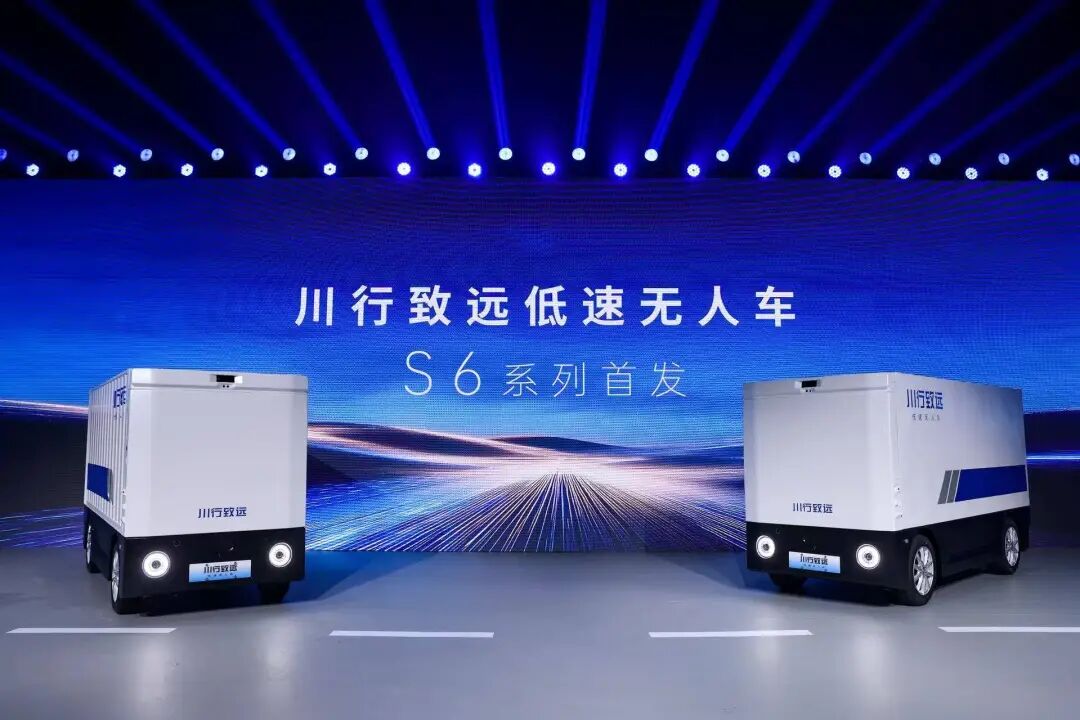
Image Source: ITBEAR
I. Robot 'Workers' Take Center Stage: 36 Hours Non-Stop, 99.5% Success Rate
In EVE Energy's factory in Huizhou, a group of unique 'new hires' are diligently at work.
They don't need water breaks, don't slack off, and don't engage in office politics—they can work tirelessly for 36 hours straight.
These are industrial robots deployed by Huizhou Jinyuan Intelligent Robot Co., Ltd. (a wholly-owned subsidiary of EVE Energy).
Currently, seven robots are operational at three stations, with plans to increase the number to around 70 by June, replacing more than ten positions. The ambitious goal for 2026 is to have over 1,000 robots 'working' on the production lines.
These 1,000 robots are far from being just for show. Jinyuan has completed the R&D and design of 11 robot models and 15 machine types, with all orders placed for manufacturing.
Four models underwent trials on the production lines last year and officially commenced continuous operation at the end of March this year, without any downtime since.
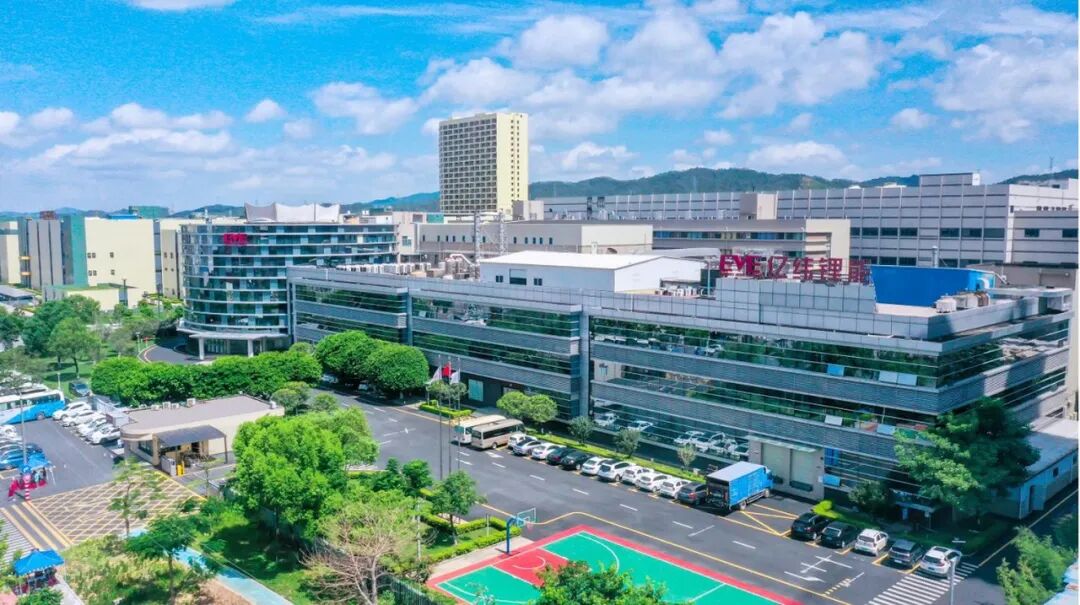
Image Source: Silicon Carbon Home
During the experimental phase, the robots successfully completed a continuous 36-hour material-handling test, achieving the required success rate of 99.99%.
Once deployed on the production lines, the actual success rate surpasses 99.5%.
What does this mean? Out of a thousand operations, there are at most five errors—more reliable than many skilled workers.
Even more impressive is their 'pre-job training'.
Jinyuan has established a real-life training ground with a 1:1 replica of the actual work environment. After training, robots can commence work on the production lines within two hours. The company has also applied for over 150 patents related to robots.
Next, they will verify the collaborative capabilities of multiple robots at the same station—the robot factory is transitioning from science fiction to reality.
II. Autonomous Vehicles Navigate Huizhou: Delivering Essentials, Even Running a Marathon
While robots have made their way into factories, autonomous vehicles are hitting the streets.
Chuanxing Zhiyuan Technology Co., Ltd., affiliated with Desay SV, specializes in low-speed functional autonomous vehicles, catering to express delivery, store replenishment, urban distribution, industrial park transportation, as well as special needs like government patrols and environmental testing.
Chuanxing Zhiyuan's products are primarily cargo-oriented and have already partnered with agricultural markets in Huizhou for agricultural product distribution, state-owned enterprises for canteen ingredient delivery, and supermarkets for daily necessities like water and replenishment, all entering the early stages of commercial testing.
The company has secured over 100 test licenses for autonomous vehicles and has opened more than 100 operational and debugging routes in Chengdu, Guangzhou Nansha, Huizhou, and other locations.
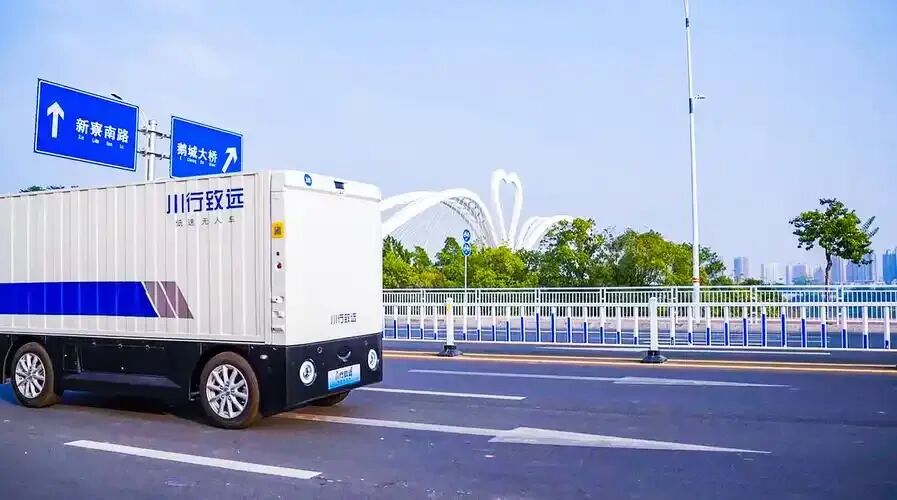
Image Source: Huizhou News Network
Last December, during the Huizhou Marathon, Chuanxing Zhiyuan's S6 series autonomous vehicle made a notable appearance.
Featuring a practical body 2 meters high, 1.4 meters wide, and with a 6-cubic-meter capacity, it integrates several cutting-edge technologies first applied in the low-speed autonomous vehicle industry.
That day, it quietly handled the transportation of event supplies like mineral water, becoming a low-key yet formidable 'smart presence' beside the racecourse.
III. Zhiyuan Robots in Mass Production: From Shanghai to Huizhou, Leasing Model Paves New Paths
When discussing robots, Zhiyuan cannot be overlooked. Founded by 'Huawei's prodigy' Zhi Hui Jun, the company has achieved mass production in Huizhou.
Zhiyuan Innovation established a production base in Huizhou in January this year, utilizing it as a production hub in Guangdong, and is currently manufacturing products.
Simultaneously, Zhiyuan registered and established 'Qingtian Leasing Technology Company' in Huizhou to create an open robot leasing platform.
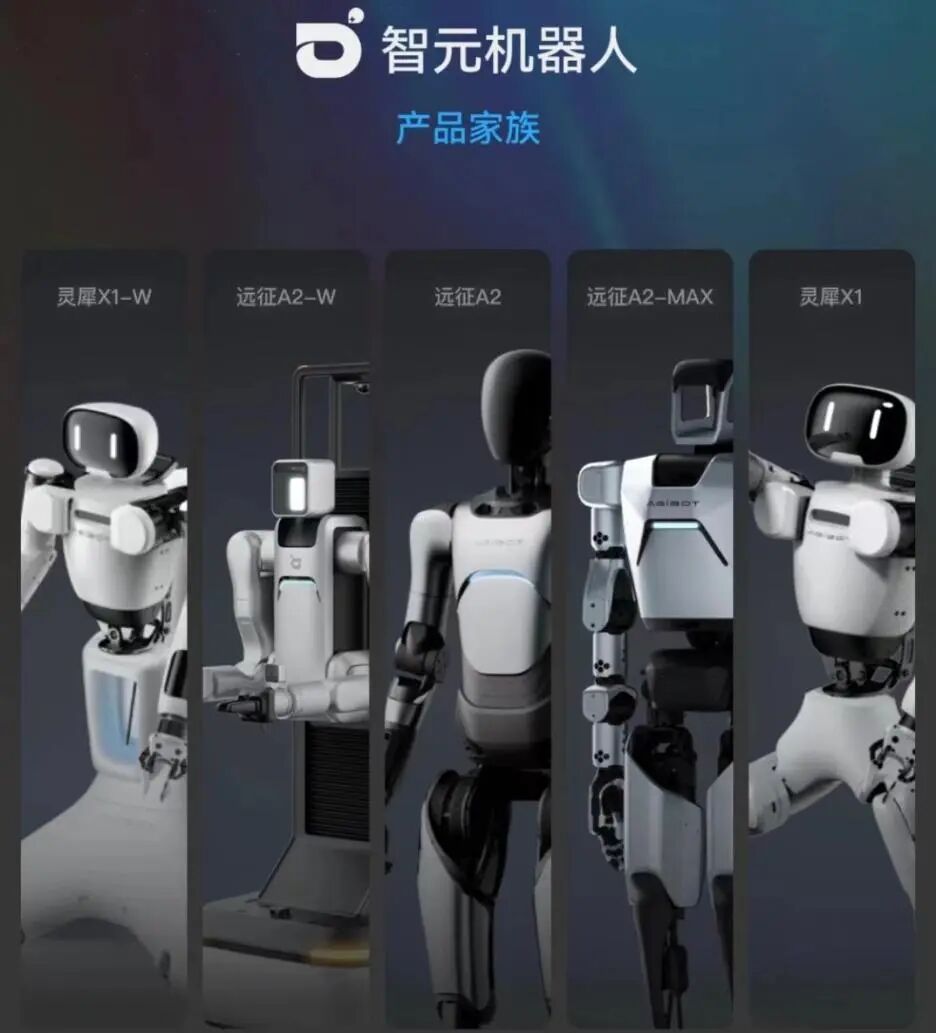
Image Source: IT Home
Why leasing? Because many small and medium-sized enterprises cannot afford robots costing hundreds of thousands of yuan each, but they can afford to rent them.
Payment by the hour, day, or task significantly lowers the entry barrier.
Experts predict: 'The next three to five years will be a critical growth period for robots to truly 'integrate' into industries, and Huizhou's production base and scenario resources will become key pillars.'
This prediction is well-founded.
Huizhou is not just about Zhiyuan. TCL, Desay SV, Victory Giant Technology, EVE Energy, Biel Crystal Manufactory, Longcheer Electronics, Roborock, and Lyric Robot... A cluster of representative enterprises have formed a relatively complete industrial chain from upstream high-end new materials, midstream core components, to downstream AI terminals.
Robot data collectors train humanoid robots at the Huiyang Heterogeneous Embodied Intelligence Training Ground.
Victory Giant Technology, the global AI computing power PCB leader, listed on the Hong Kong Stock Exchange in April, setting a record for the largest IPO in Hong Kong this year;
Desay SV collaborated with NVIDIA to release a new intelligent driving solution;
Desay Battery powered 'Lightning,' the champion of the Beijing Yizhuang Humanoid Robot Half Marathon!
—Huizhou enterprises are frequently 'shining' in the global AI industrial chain.
IV. The Bedrock of a 73.7 Billion Yuan Output Value: Energy + Computing Power + Data, All Indispensable
What fuels robots and autonomous vehicles? Electricity, computing power, and data.
Huizhou has amassed substantial resources in all three domains.
Firstly, the energy foundation.
The endpoint of AI and robots is computing power, and the endpoint of computing power is electricity.
Huizhou's clean energy installed capacity has surpassed 18 million kilowatts, with clean energy accounting for over 85%. Unit 1 of the Taipingling Nuclear Power Station has commenced operation, and Unit 2 will follow suit this year.
This signifies that Huizhou's AI industry is bolstered by 'green electricity,' rendering it more cost-effective and sustainable.
Secondly, the computing power foundation.
Runze (Huizhou) International Information Port has constructed a cluster of ten-thousand computing cards, with a 100% cabinet utilization rate, and plans to build a second one this year.
Projects like China Mobile's Guangdong-Hong Kong-Macao Greater Bay Area Data Center are also under construction. Computing power is the 'lifeblood' of the AI era, and Huizhou is already stockpiling it.
Thirdly, the data foundation.
The Guangzhou Data Exchange (Huizhou) Service Base and the Shenzhen Data Exchange Huizhou Workstation have cumulatively achieved over 400 million yuan in data transaction volume.
Platforms like the Huiyang Heterogeneous Embodied Intelligence Training Ground and the Boluo Data Annotation Base are accelerating construction. Data is the 'nourishment' of the AI era, and Huizhou is already cultivating it.
These three foundations, coupled with 260 large-scale enterprises and a first-quarter industrial output value of 73.7 billion yuan, constitute the 'four pillars and eight beams' of Huizhou's AI industry. It's not sustained by one or two star projects but by the operation of the entire industrial ecosystem.
In essence, 'Autonomous Vehicles Are Coming' (WeChat Official Account: Autonomous Vehicles Are Coming) believes:
When thousands of robots are 'working' on Huizhou's production lines, when hundreds of autonomous vehicles are 'delivering goods' on Huizhou's streets, and when Zhiyuan's robot leasing platform is accessible to small and medium-sized enterprises, Huizhou is answering the most fundamental question in the most straightforward manner:
Can AI truly assist people in working, saving money, and generating revenue?
The answer is gradually unfolding on Huizhou's production lines and streets.
What are your thoughts, dear readers?
References: Media reports from ITBEAR, Silicon Carbon Home, Huizhou News Network, IT Home, Huizhou Daily, Zhongming Travel, etc.
#AutonomousVehiclesAreComing #Autonomous #SelfDriving #DriverlessVehicles
-
![]()
Computing Power Supplier Bags Orders Worth Over 600 Million Yuan, Yet Receives Only 4.5 Million Yuan in Actual Payments!
-
Alibaba Is Just Five Months Away from Securing Two Consecutive AI Coding Titles
-
![]()
Less Investment Isn't Apple's Get-Out-of-Jail-Free Card
-
![]()
The 'King of Africa' Tecno Mobile: What Is the Market Hesitating About After Its 'V-shaped' Rebound?
-
![]()
ByteDance Restructures Feishu, What Signals Does It Send?
-
![]()
ByteDance Overhauls Feishu: What Strategic Signals Are Being Sent?
-
![]()
Pay $39 a Month with Apple Upgrade: Apple's New Business, Your Old Wallet
-
![]()
The Open-Source Debate Dividing Silicon Valley