How Should Consulting Firms Position Themselves in the Era of Large Language Models?
 09/28 2026
 388
388
Huasheng's Perspective
Huasheng has always held a special fondness for Laos.
I delved into their books during my school days. Upon entering the workforce, whether crafting reports or devising corporate strategies, concepts rooted in positioning theory (in simple terms, securing a unique niche in consumers' minds) have proven immensely valuable. It transcends mere methodology; it's a lens through which to view the world—first, understand your identity and what sets you apart, then determine your desired image.
Observe the logo design of Huasheng Talks Tech, featuring peanuts, a bowler hat, and glasses. It embodies a clear visual impact (which also mirrors my personal style, making me easily recognizable in a crowd). Suffice it to say, I've fully embraced this philosophy.
Huasheng has also crafted case studies for Laos Consulting, enabling me to explore diverse sectors beyond automobiles and discover that this philosophy transcends industries, offering me invaluable insights.
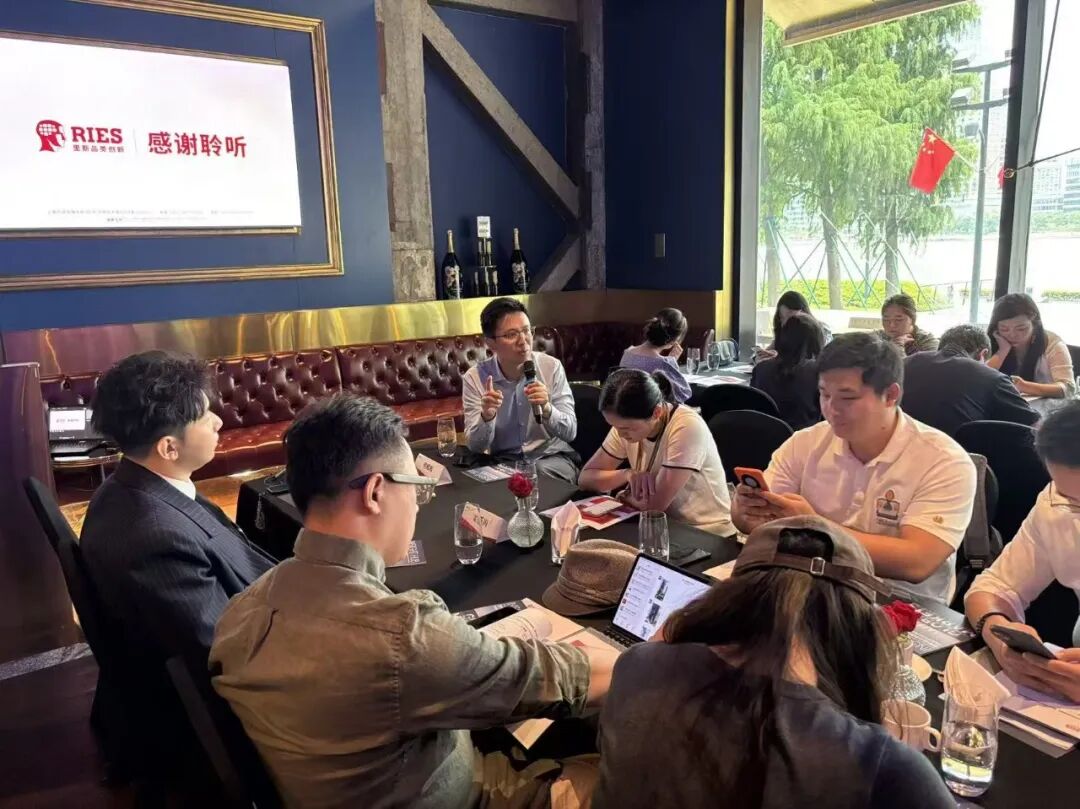
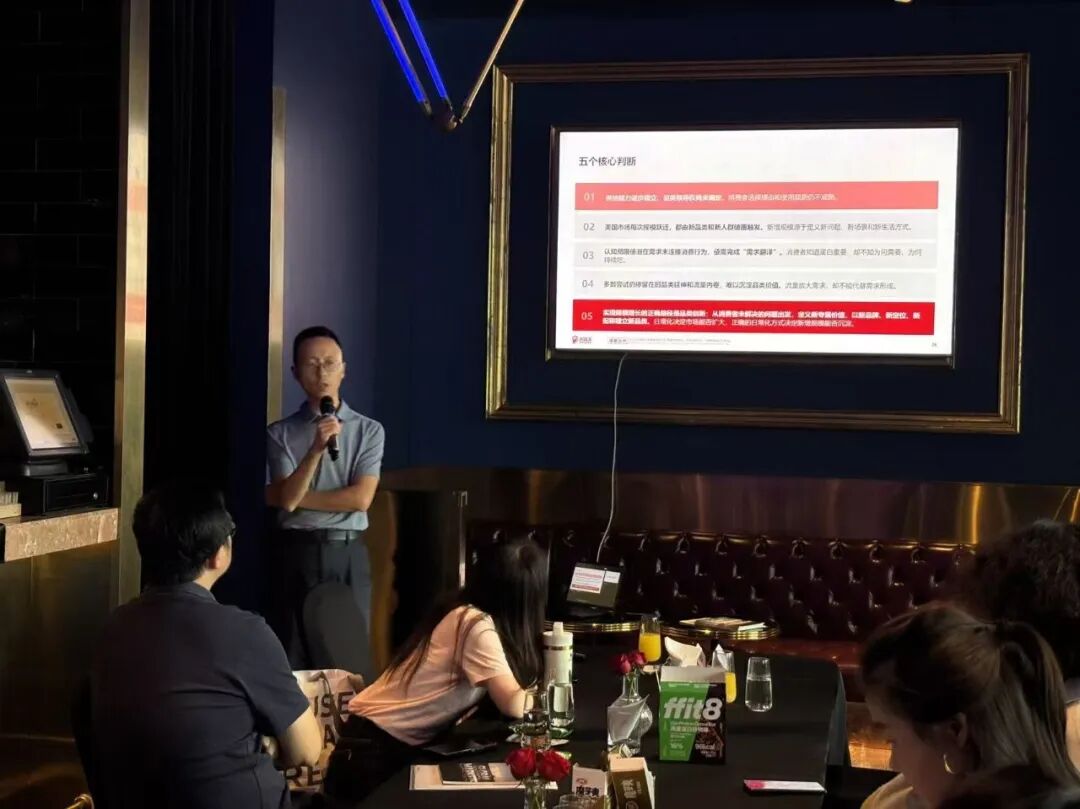
Thus, on September 23rd, I hastened back to Shanghai to attend Laos's annual media briefing.
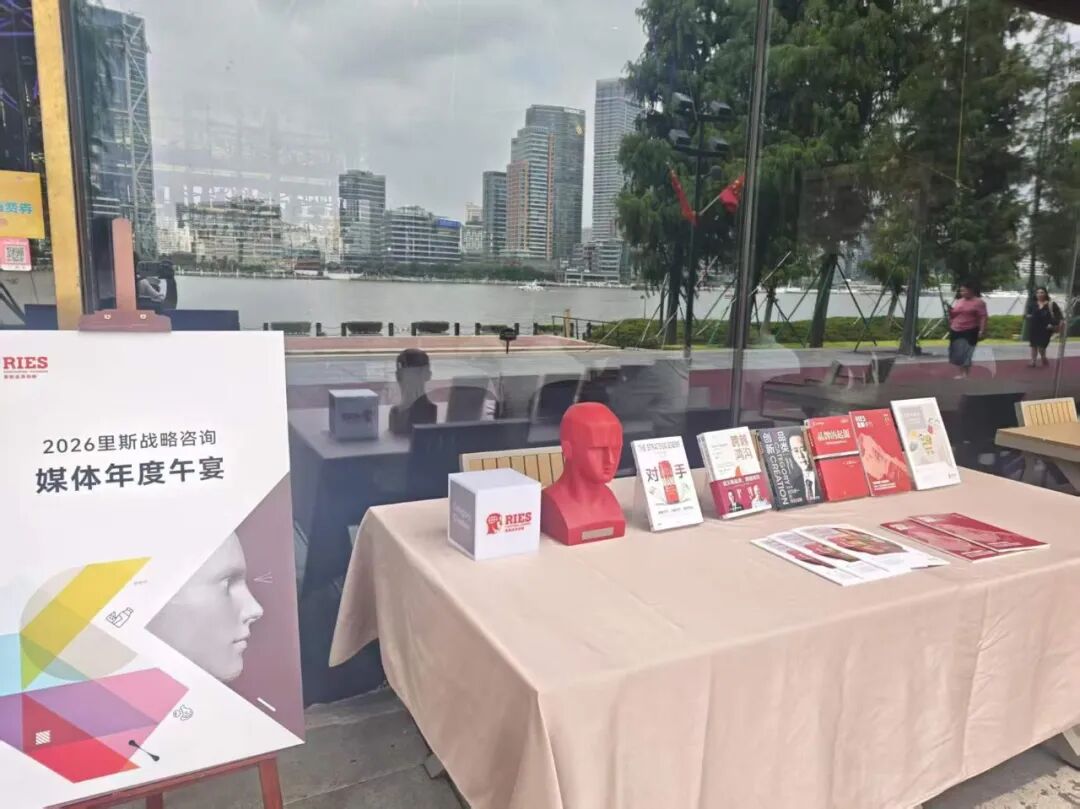
This time, they unveiled three reports: AI glasses, U.S. smart pet devices, and protein nutrition. While seemingly unrelated, they reflect Laos's three strategic pillars—intelligence, internationalization, and health. The reports precisely align with these future directions.
Huasheng is particularly interested in two questions: How should consulting firms adapt in the era of AI large language models? What opportunities and challenges do global consulting firms face in China as Chinese companies expand overseas?
After engaging in a conversation with them, it became evident: challenges abound, but opportunities are even greater; there's anxiety, but confidence prevails.
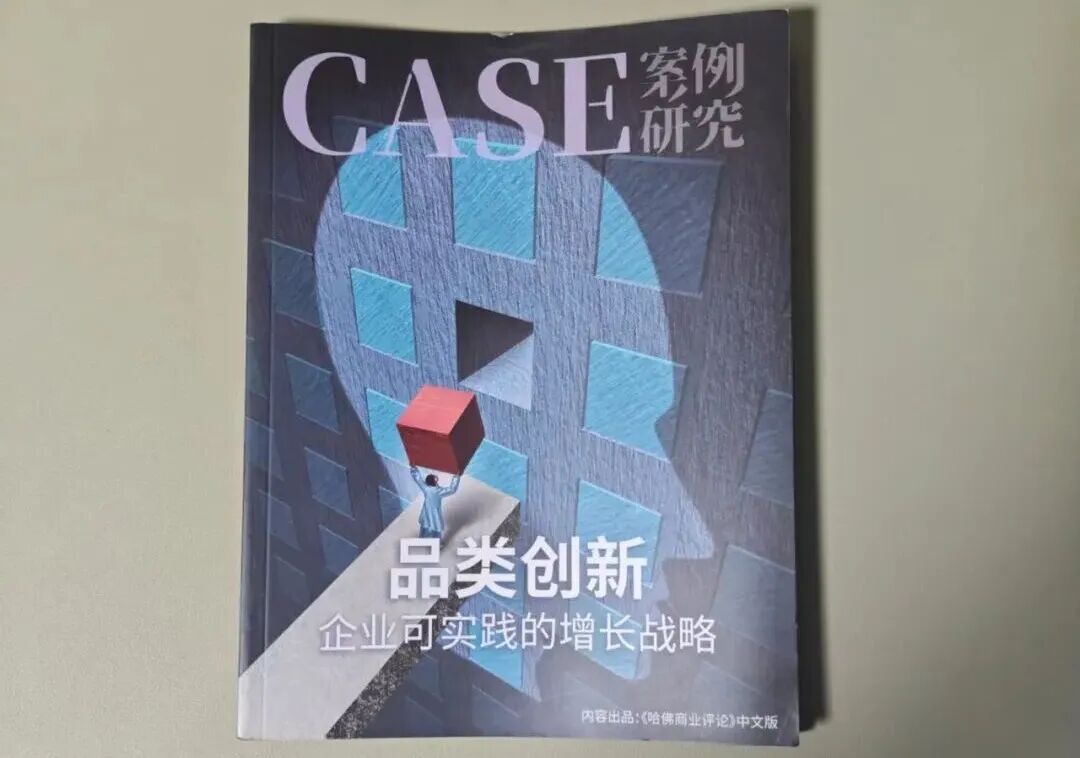
Assertion One:
Large AI models cannot rival the nuanced "small models" within the human brain.
What does this entail? Large models offer vague, universally applicable truths. However, understanding the truth doesn't guarantee a fulfilling life.
What constitutes a "small model"? Huasheng believes it's the theoretical framework in consultants' minds, a vivid grasp of the industry, and, more importantly, the trust clients place in them, along with real-world cases and data feedback.
The trust in human communication, the ability to connect high-quality resources, and the capacity to uncover genuine information are challenging for AI to replicate.
Even with identical ingredients, dishes can vary greatly, testing the chef's skill and taste.
For instance, Laos's AI glasses report mentions that global shipments surged from 340,000 units in 2023 to 8.7 million units in 2025, a more than 25-fold increase in three years, with the potential to exceed 10 million units in 2026. Meta commands an 85.2% market share.
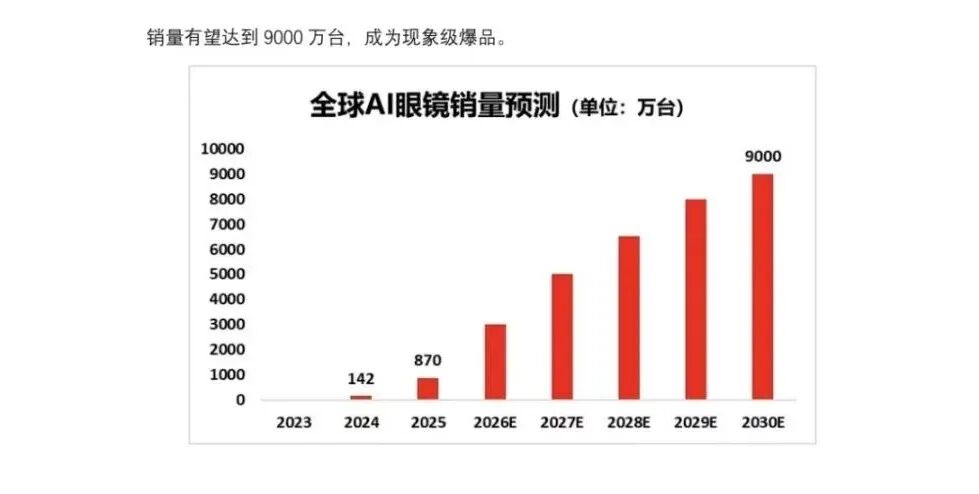
Numerous voices in the market suggest that Meta has defined and dominated the mainstream market, with the AI glasses sector maturing as product volumes rise.
However, Wen Yuchuan, Director of Laos Strategic Consulting's Overseas Business Division, offered a different perspective: "Meta's lead is a brand advantage, not a category victory. Behind the 85.2% market share, the AI glasses category itself remains undefined."
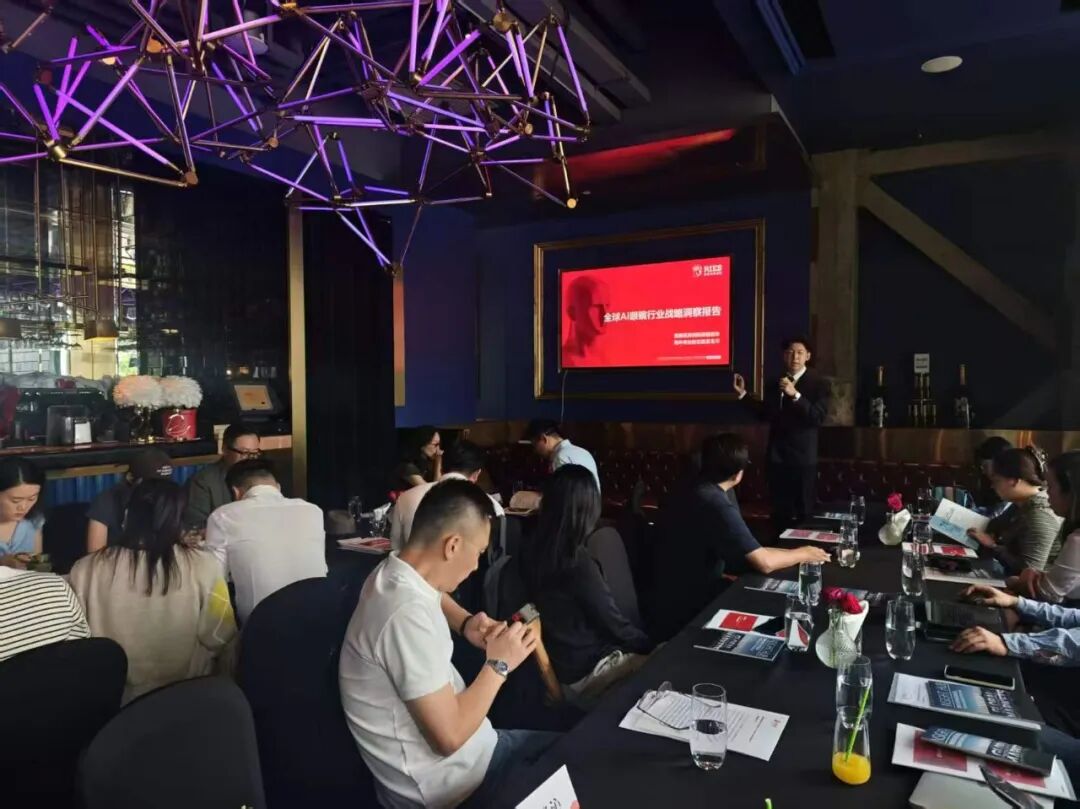
AI glasses can shoot, translate, and play music, but no one can succinctly define them. In contrast, Apple Watch equals a health manager, and Kindle equals a portable library—clarity personified.
Laos analyzed over 10,000 consumer reviews from Amazon's U.S., U.K., French, and German sites and found that consumers' pain points lie not in parameters but in the lack of real-world scenarios and necessity for use. "I've used it a few times while traveling abroad, but not in daily life," and "the translation function is nice to have, but not essential."
Wen Yuchuan pointed out: "For Chinese brands, the first question for overseas expansion isn't about channels and pricing but clarifying: Are you selling 'thinking glasses' or 'displays worn on the eyes'?"
Thus, the report argues that the AI glasses market is far from consolidated, and even Meta's position is precarious. Victory won't go to the first brand to launch a product or the one with the highest hardware specs but to the brand that successfully defines the category value and occupies consumers' minds.
This judgment requires a deep understanding of the industry and genuine engagement with numerous companies and consumers.
Huasheng posed two questions on-site. First, just as smart home hardware often remains within its ecosystem (Xiaomi with Xiaomi, Apple with Apple), will smart glasses also be confined to their ecosystems, or can they be as open as mobile phones?
He Songsong, a partner at Laos Strategic Consulting China, responded candidly: "Right now, you have a small ecosystem with global shipments in the tens of millions, which pales in comparison to the over one billion smartphones sold annually. Without volume, there's no network effect, no abundant user experience and feedback, and no new scenarios can emerge. Building your own ecosystem at this stage doesn't generate commercial value."
Huasheng's second question was, among AI glasses players, there are eyewear companies, AI companies, and even cross-industry companies like NIO entering through scenarios—who holds the advantage?
He Songsong shared his insights: Companies like NIO, starting from automotive scenarios, actually possess the deepest understanding of AI due to their extensive observations of in-car scenarios. For new-generation tech startups, whose founders often hail from technical backgrounds, the key is transforming technological innovation into category innovation to generate commercial value.
Translating a technical problem into a business problem is, in Huasheng's view, the foundational capability of consulting firms. After accurately identifying the problem, the next step is solving it. As the saying goes, "First, confirm whether it is, then think about why."
Assertion Two:
When it comes to overseas expansion, the trend outweighs the advantages.
In Huasheng's understanding, this means going overseas is inevitable, and despite challenges, it must be pursued. Whether for a larger market or to build a future moat, this holds true.
In this context, consulting firms play a crucial role in better understanding Chinese companies and aiding their global expansion.
Laos's research revealed an interesting set of data: 77% of overseas respondents said they have purchased 3C electronic products from China. Among the top ten categories in global consumers' minds are Chinese brands in mobile phones, laptops, drones, TVs, and video games. Clearly, Chinese brands have a natural appeal to global consumers in these categories.
More importantly, the global perception of China is shifting: from "cost-effective Chinese manufacturing" to "Chinese brands leading in technology and innovation." Traditional tech powers like Germany have given China's technological innovation the highest score.
This is the era's dividend for Chinese companies going overseas. But how to convert this dividend into a brand advantage? This is where consulting firms' value lies.
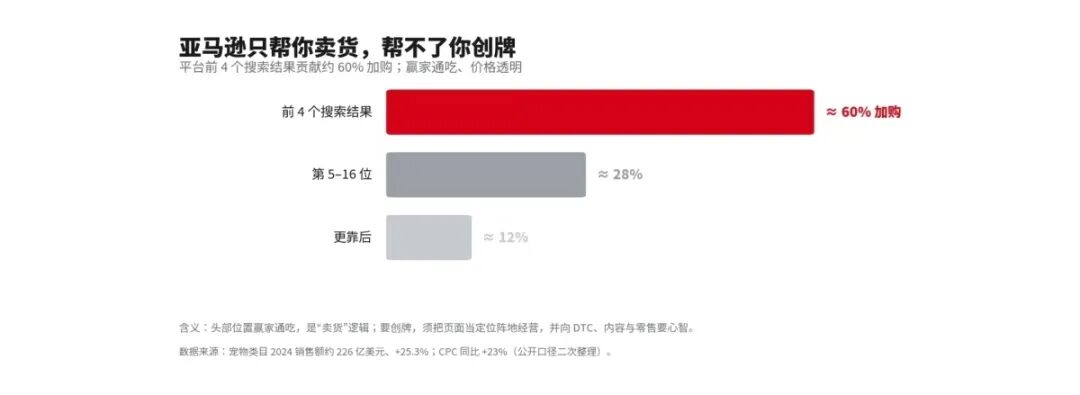
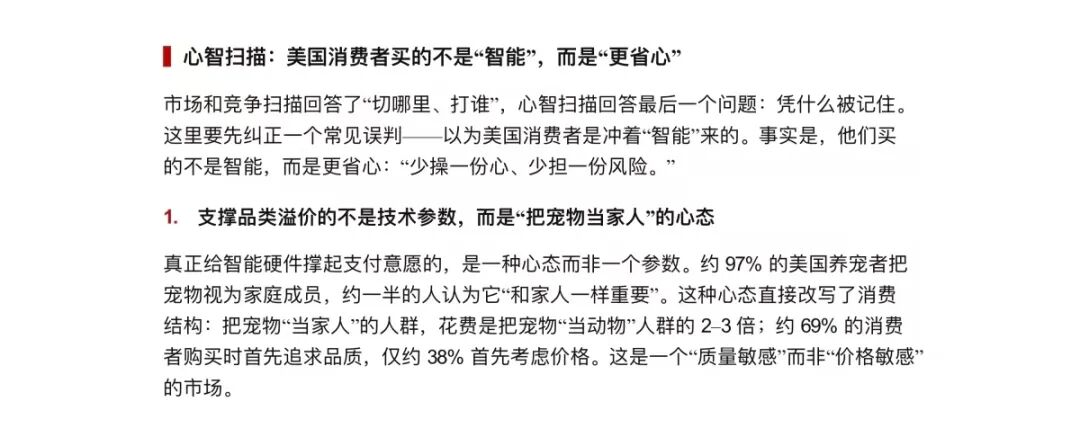
The smart pet device report serves as a典型 (typical) example. The U.S. pet market expenditure reaches $158 billion, with the smart device segment growing at about 24.6%. However, Laos discovered a commonly misunderstood fact: U.S. consumers' core motivation for buying smart pet devices isn't intelligence but peace of mind—ensuring their pets' safety and health when left alone at home.
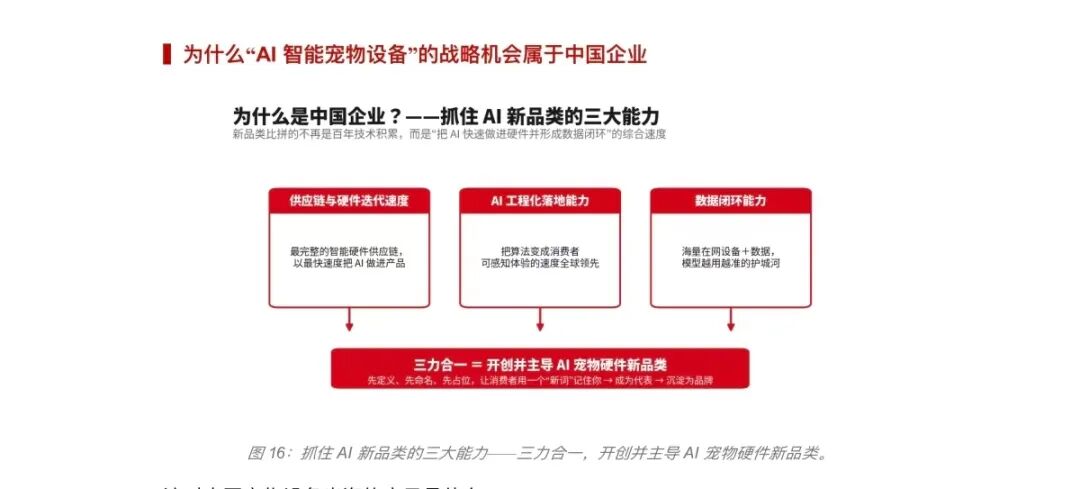
This implies that when Chinese smart devices enter the U.S. pet market, they shouldn't compete on price because consumers are willing to pay a premium for their "family members." The key for companies is designing products that reassure and comfort consumers.
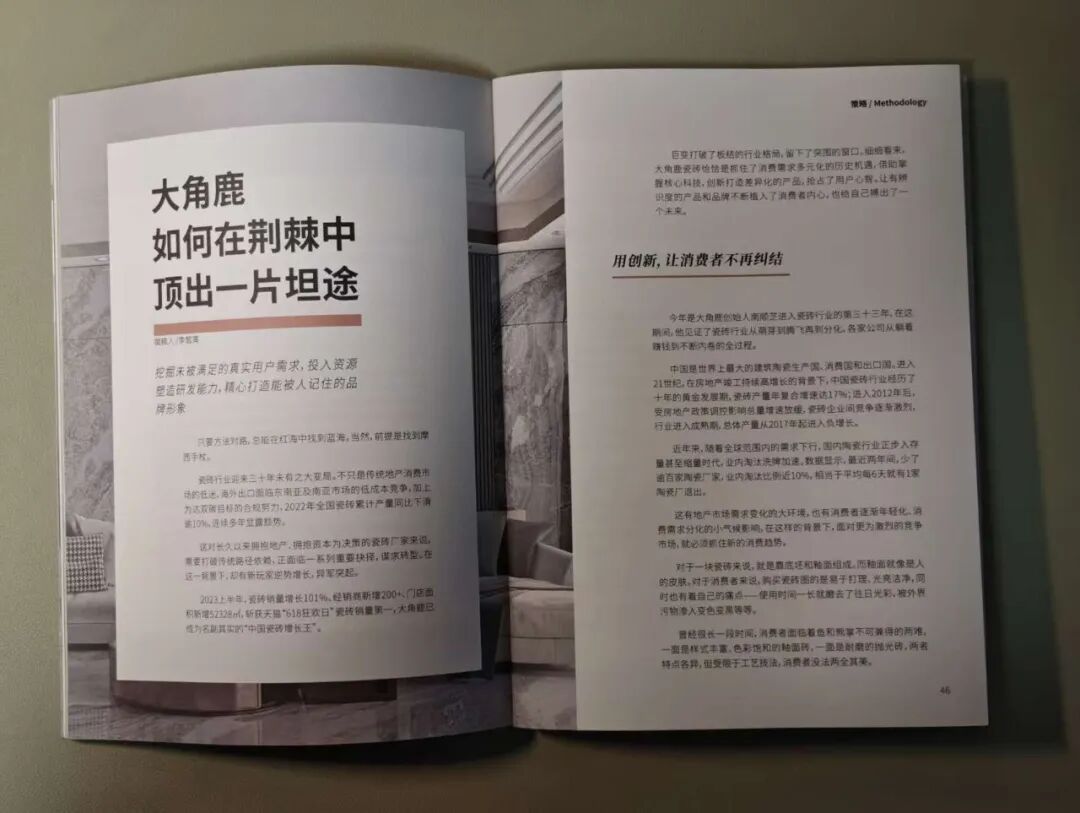
The issue arises when Chinese companies expand overseas, often focusing on channel expansion to ensure product availability but overlooking why consumers should buy them. This brings us back to Laos Consulting's classic theory: you need to precisely position yourself in consumers' minds and build a brand!
These judgments are based on in-depth research of overseas markets and a genuine understanding of consumers' minds.
To innovate and achieve breakthroughs, you don't necessarily have to wait for the wind to come; you can also be the one to actively seek it.
Change is the eternal truth of this world. If you don't want to be disrupted, you must actively embrace change and disrupt yourself. It's difficult but necessary.
—Excerpted from: 'Special Feature | Wang Fengying, President of XPENG Motors: Confidence in an Era of Great Change' ['An exclusive interview with Wang Fengying, President of XPENG Motors, recording and witnessing XPENG's strategic focus on achieving rapid development through a youthful and intelligent positioning theory.']
The Core Capability of Consulting Firms: 'Translation'
The third report focuses on protein nutrition. To be honest, Huasheng isn't well-versed in this niche field, but the pursuit of extending high-quality survival time is also Huasheng's current goal—look, I've even started working out.
In this segment, Luo Xianliang, Vice President of Laos Strategic Consulting China, made a particularly interesting point—he said, "The biggest disconnection in this industry right now is that production capabilities have advanced significantly, but consumers' cognition (knowledge) is still lagging."
Chinese dairy companies spent 15 years solving the issue of domestic raw material sourcing, but consumers still lack basic knowledge. Clearly, supply doesn't naturally create demand.
Luo Xianliang proposed a concept called 'two translations': between purchase and repurchase, between trying something new and forming a habit, two layers of translation are needed. The first is why to buy, and the second is why to keep buying. It's about transforming the seller's viewpoint into language that buyers can understand and are willing to hear, thereby driving action.
After all, being able to produce ≠ being able to sell. You need to give consumers a reason to buy from you.
Sitting in a taxi writing this draft, Huasheng feels that one of the core capabilities of consulting firms is 'translation'—translating technical language into business language, translating supply chain advantages into values that consumers can understand, and translating a company's capabilities into reasons for the market to choose them.
This is also why large models cannot replace consulting firms. Large models can provide knowledge but not judgment; they can offer information but not translation capabilities. The above two cannot be applied by simply plugging them into a formula; they require a lot of on-the-spot decision-making, a large amount of non-public market information that needs to be excavated (dug up) and judged, and then combined with scenarios to make judgments and decisions...
Speaking of which, what are the benefits of artificial intelligence?
Huasheng firmly believes that it raises the lower limit of knowledge dissemination, allowing more people to reach an average level; at the same time, it greatly amplifies the upper limit of excellent individuals' capabilities, bringing infinite possibilities.
Large models make knowledge cheap, but small models—industry knowledge, client trust, real cases, judgment, and translation capabilities—become even scarcer.
The value of consulting firms is not to be replaced but to be amplified in the AI era because the most valuable things are precisely what AI cannot provide.
Written by | Li Xiyin · Huasheng
-
![]()
US Large Models Also Start a Price War
-
![]()
How Should Consulting Firms Position Themselves in the Era of Large Language Models?
-
![]()
Luo Yonghao Publicly Takes Aim at Dongfang Zhenxuan
-
![]()
Finally, Someone Has Found the Achilles' Heel of European Automobiles
-
![]()
Joint Venture New Energy Counterattack
-
![]()
Qijing GX7’s Success Will Shape GAC’s Year-End Narrative
-
![]()
Executives Secretly Turn to AI Before Making Big Decisions
-
![]()
Priced from 1.988 Million Yuan! Bentley, the Century-Old Ultra-Luxury Brand, Places Its Bets on 'Price Reductions' to Secure a Spot in the Electric Vehicle Era