New Regulations Spark Controversy: Schools Seeking to Disable AI Features Would Have to Take Google Search Offline Simultaneously
 11/06 2026
 343
The recent rollout of new regulations has ignited widespread debate across the education technology landscape.
The controversy centers on a little-known technical entanglement: in order to disable AI features, schools would be required to also take Google Search offline.
This coupling of services has caught many educators and administrators off guard.
The issue first came to light as school districts across the country began configuring Chromebooks and Google Workspace for Education accounts for the new academic year.
Many institutions hoped to restrict or disable AI functionalities within their digital learning environments.
What they discovered, however, was that the AI features were not designed as a standalone toggle.
Instead, the AI capabilities are deeply interwoven with core Google services, meaning that turning them off would inadvertently disable essential tools students and teachers rely on daily.
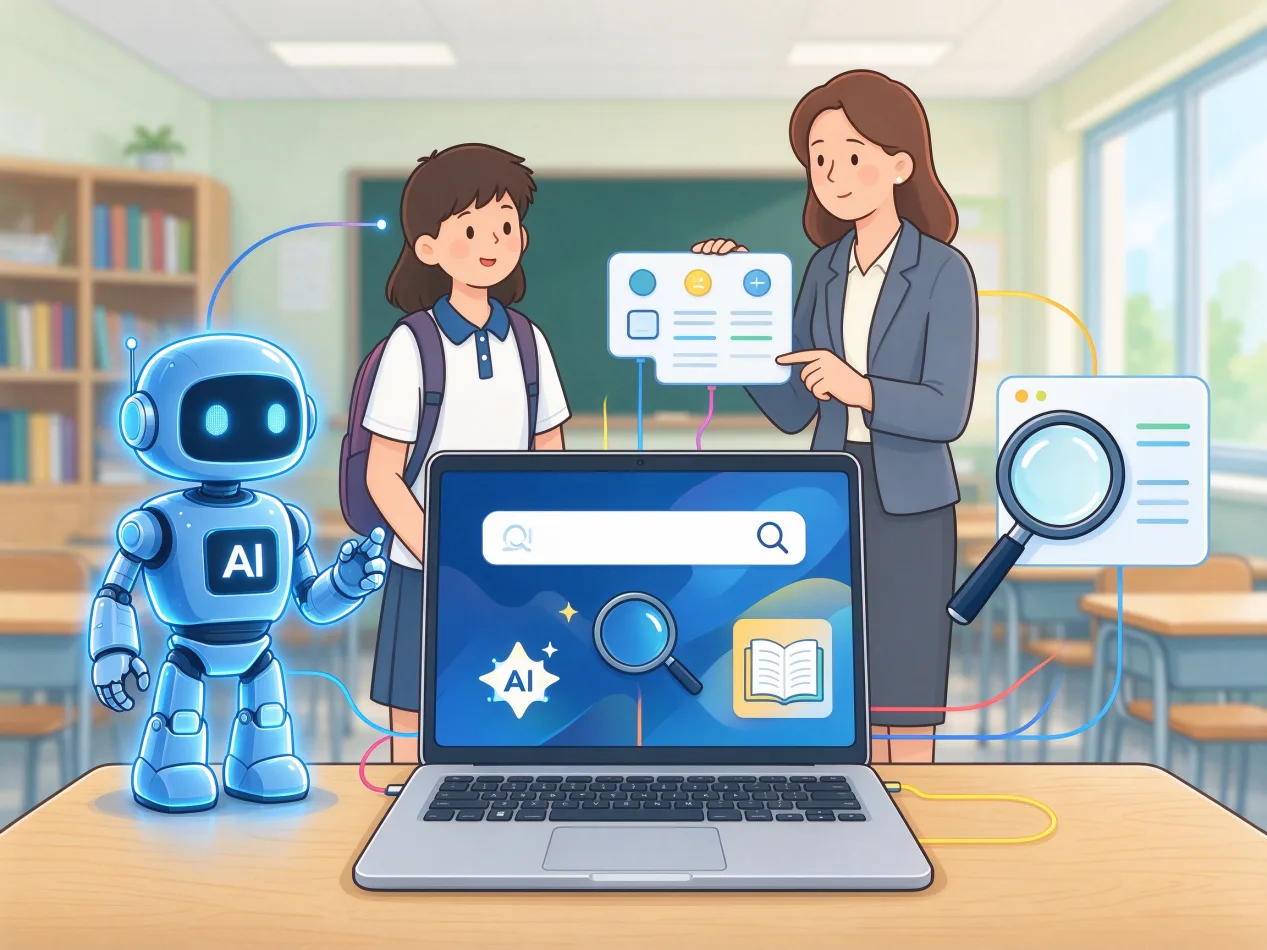
Administrators have voiced frustration over the lack of clarity in Google's documentation regarding this dependency.
For many schools, the stakes are considerable.
Districts that serve large populations of students — particularly those in K-12 systems — depend heavily on Google's suite of tools for everything from classroom management to assignments and communication. The AI features in question, including Gemini and other generative capabilities, have been marketed as productivity enhancers.
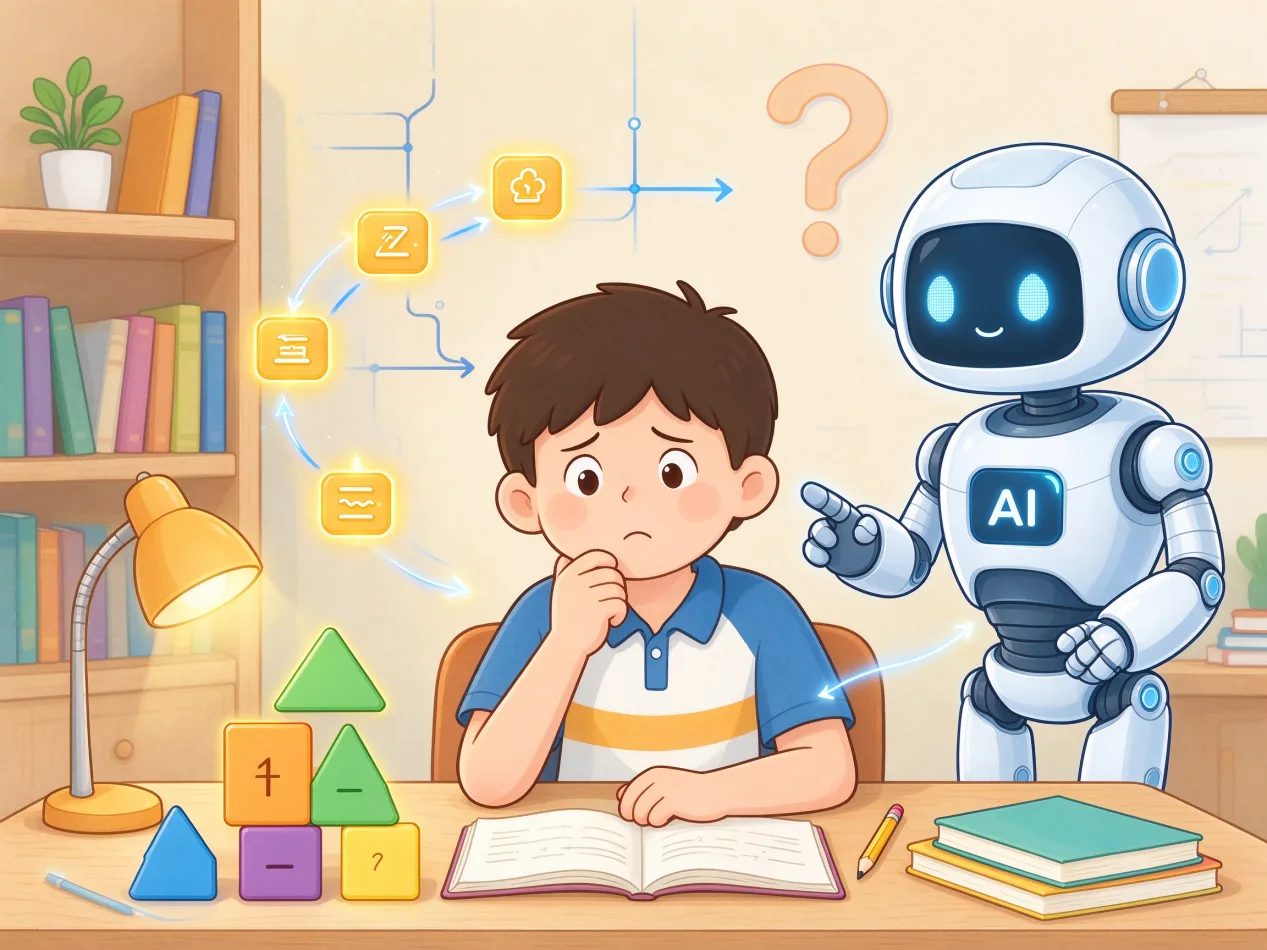
But for schools navigating strict content policies and child safety requirements, the inability to selectively disable AI without collateral damage represents a significant problem.
According to reports, the restriction extends to a number of interconnected services.
The most notable casualty is Google Classroom, which integrates with Gemini and other AI-powered tools.
Disabling the AI layer would effectively break core functionality within these platforms.
Google has acknowledged the technical dependency but has not yet offered a standalone solution for schools that wish to opt out of AI features.
The company maintains that its AI tools are designed with appropriate safeguards for educational settings.
Critics argue that the current architecture leaves schools with an impossible choice: either accept AI features they may not want, or lose access to essential digital infrastructure.
This dilemma is particularly acute for younger students, where screen time and digital literacy concerns are already a sensitive topic.
Parents and advocacy groups have also weighed in, questioning whether the default integration of AI into everyday school tools is appropriate without explicit opt-in consent.
Some have called for greater transparency from Google regarding what data the AI features collect and how it is used.
The regulatory backdrop adds another layer of complexity.
Several states and local jurisdictions have proposed or enacted legislation aimed at restricting AI use in schools until safety and privacy standards are established.
These regulations often require schools to have the ability to turn off AI features — a requirement that, given the current technical architecture, could force districts to abandon Google services entirely.
Google has pointed to its existing controls, noting that administrators can manage AI settings through the Google Admin console.
However, those controls do not fully decouple the AI from search and other foundational services.
The company has not indicated whether it plans to re-architect its systems to allow for more granular control.

The situation reflects a broader tension in the technology industry: as AI becomes embedded in more products, the ability to disable it without disrupting other functions becomes increasingly difficult.
For schools, the practical implications are immediate.
District technology teams are now scrambling to assess their options, whether that means accepting the AI features, switching platforms, or finding workarounds.
The debate is unlikely to be resolved quickly.
Industry observers note that Google is not alone in facing this challenge; other major technology providers are grappling with similar issues as they integrate AI across their product lines.
Microsoft, for instance, has faced questions about how its Copilot AI tools interact with other services in educational settings.
OpenAI's ChatGPT, available since late 2022, has already prompted school districts nationwide to reconsider their policies on AI use in the classroom.
The core question remains: how can schools balance the benefits of AI-powered tools with the need to maintain control over their digital environments?
Until that question is answered, schools seeking to disable AI features may find themselves facing an uncomfortable trade-off between innovation and autonomy.
For now, the controversy shows no signs of abating.
Schools that wish to turn off AI features may have to accept that doing so means losing access to some of the most fundamental tools of modern education.
Based on reporting from CNN.
The debate over AI in education is far from over, and the technical decisions made today will shape how students learn for years to come.
Image credit: 123RF
Editor's note: This article reflects ongoing developments in education technology policy and does not constitute an endorsement of any particular approach.
-
Making $10 Billion in Three Years! Deconstructing the AI Investment Logic of Anthropic's Most Impressive VC Backer
-
![]()
New Regulations Spark Controversy: Schools Seeking to Disable AI Features Would Have to Take Google Search Offline Simultaneously
-
Can AI Save Television? Only If Manufacturers Dare to Abandon Path Dependence
-
![]()
Works Even Without Power! Musk's New Starlink Product, Battery from China
-
![]()
Yipu Optoelectronics and Neusoft Japan Sign MoU to Jointly Advance Pre-Integrated Vehicle HUD Solutions
-
![]()
Fujian Forecam Optics Posts 84.13 Million Yuan Loss in First Three Quarters as Transformation Stalls in the "Transitional Gap"
-
![]()
Are AI Imaging Features About to Become Paid? Rising Cloud Token Costs for Phone Makers Make On-Device Computing Power the Right Path
-
![]()
Why Is MONA Accelerating Its Split from XPeng—Planning Dedicated Stores for 2027 and Leaving the Door Open to Independence