Hongguo Short Dramas Takes on Doubao—Even Jack Ma Can't Sit Still?
 11/06 2026
 367
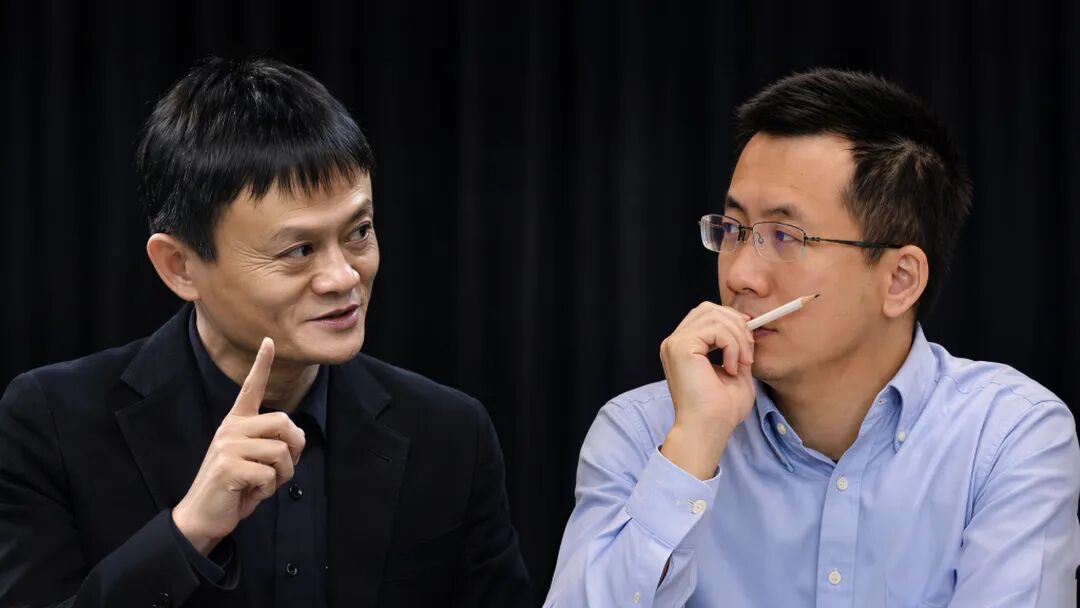
Hengdian fed 150,000 extras to ByteDance's AI, and the story stayed on the trending list for most of the day.
Doubao was quick to respond. PR head Liu Xing clarified the same day: the data assets belong to Hengdian or the authorized parties, and any use of personal likeness and voice requires the individual's authorization—they will never be used to train large models.
But the trending topic spread faster than the clarification.
Rumors can fly when they strike a real nerve in the short drama industry: should materials go to the cloud?
Currently, mainstream AI short drama tools—including ByteDance's own Jimeng—all rely on uploading and cloud computing. Yet one company has spotted this gap.
Alibaba. It recently began internal testing of a video generation agent called Looogen, Chinese name Luoji Zhipian.
Its biggest difference from peers comes down to one sentence: creative sessions, generated materials, and finished videos can all stay local.

Image source: Looogen
01 What short drama bosses fear most is materials going to the cloud
Over the past two years, everyone in this track has been crowding onto the cloud. Jimeng's short drama studio is web-based, Kuaishou's Kling LIKLI is web-based, and Alibaba's Wanjing Yike, launched in May, is also web-based, with its agent mode still in grayscale testing.
Looogen goes the opposite way: a desktop agent that can be installed on both Windows and macOS and runs on Intel and Apple chips; it can run locally or be privately deployed, and can connect to your own model channels.
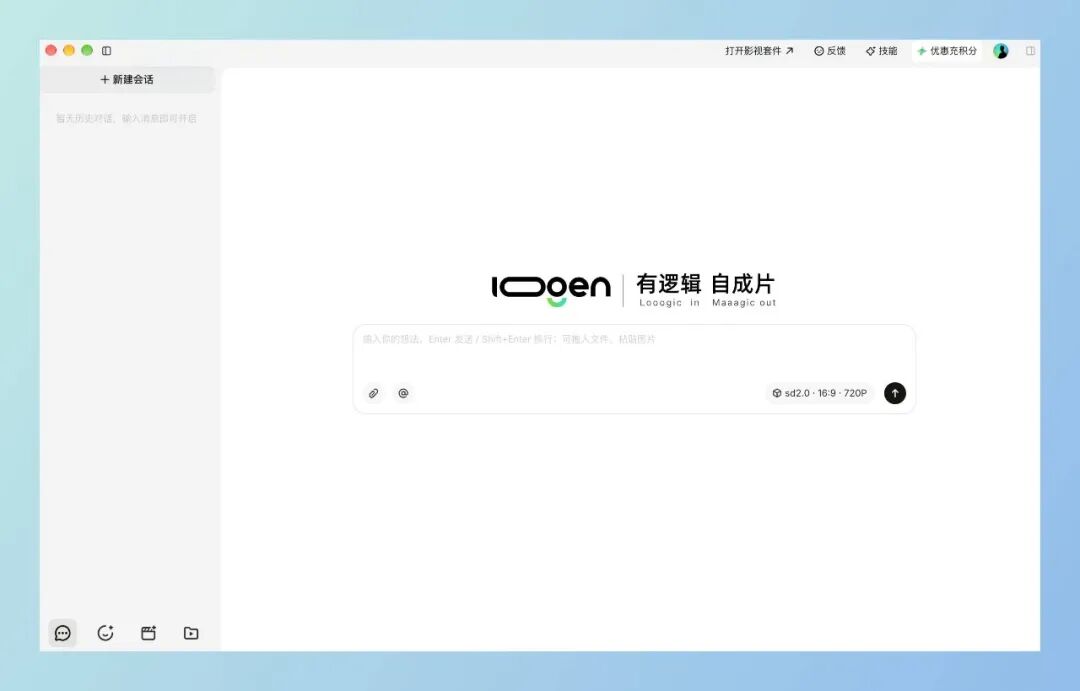
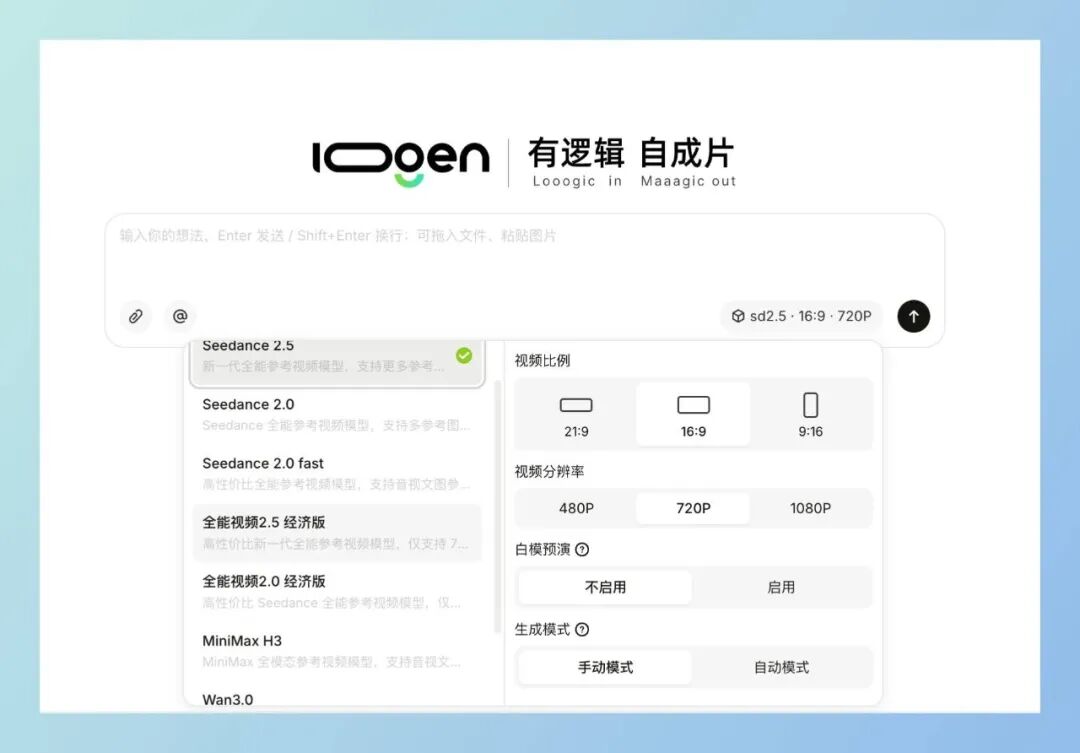
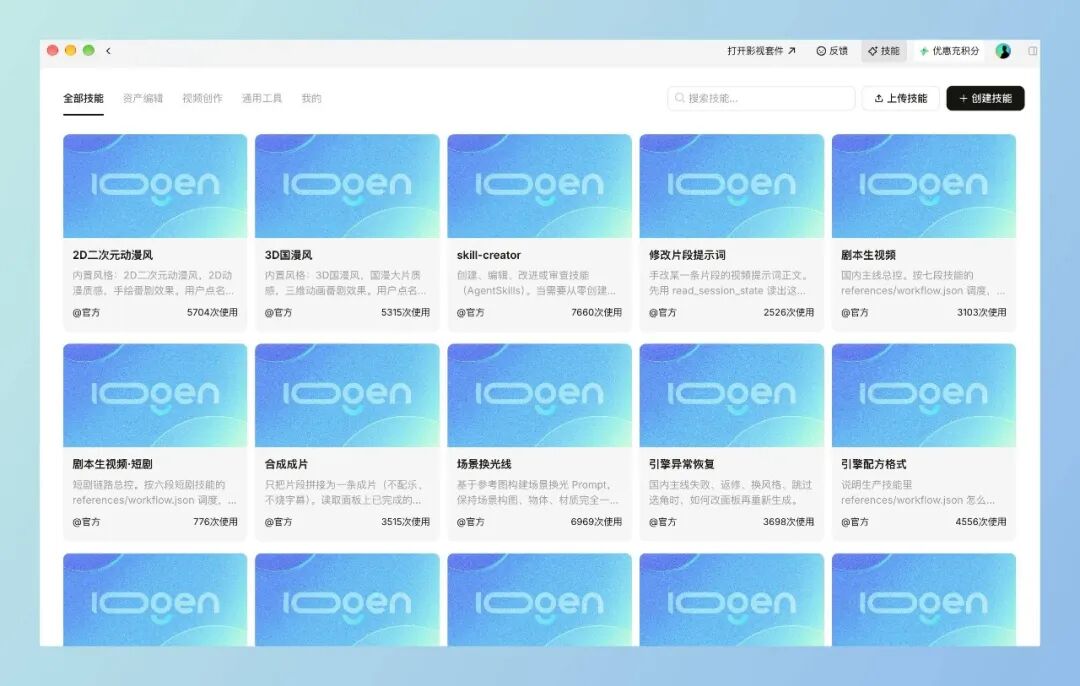
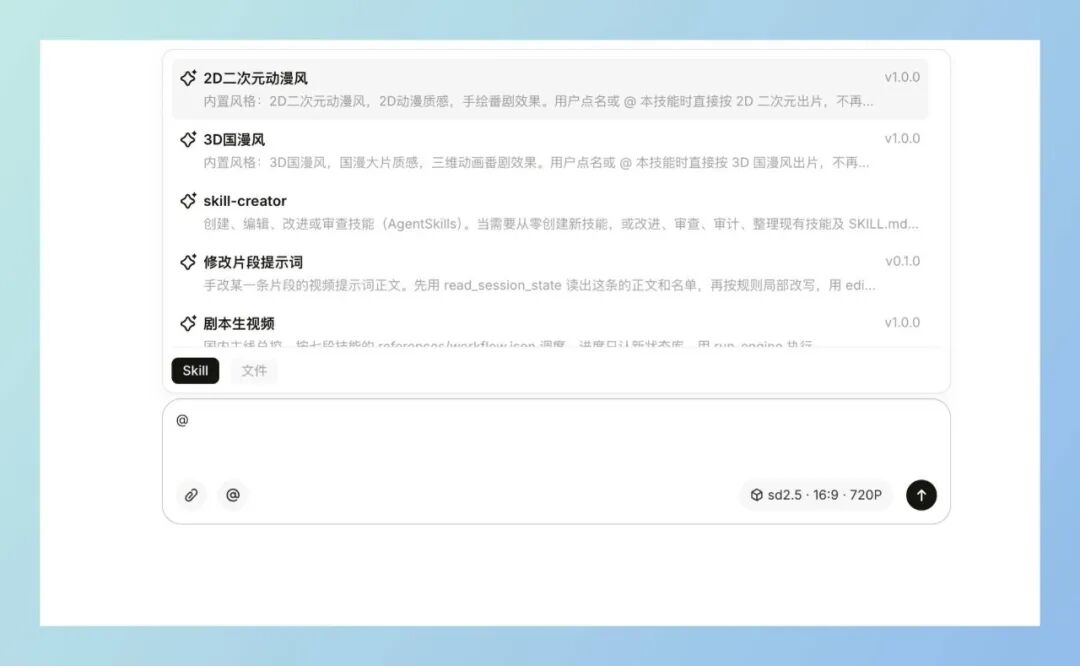
Two forms. Film and TV agent chat: drop in one sentence, and episode breakdown, storyboards, materials, voiceover and music, and the finished video all run automatically; the film and TV suite workbench lays out eleven modules side by side, from video breakdown to post-production, all in one workflow.
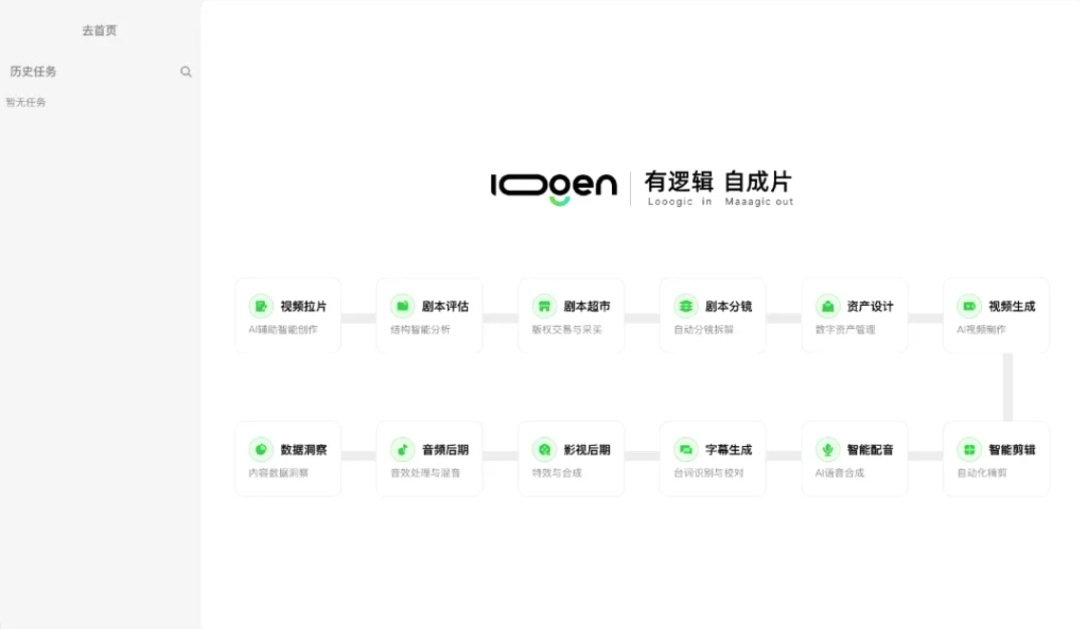
Image source: Looogen
What truly solves the old problem is the asset library. Anyone who has made AI short dramas knows: the deadliest issue isn't failing to generate—it's inconsistency. The protagonist's face looks fine in episode one, then suddenly becomes a different person by episode thirty.
Looogen's approach is not fancy: package and store frequently used elements—people, costumes and props, and scenes—then pull them out directly when needed. The actor library is divided into seven age brackets: 142 adults, 37 teenagers, and 19 middle-aged and elderly, with each character having a fixed portrait profile. The scene library is packaged by dynasty, basically covering Tang, Song, Yuan, Ming, and Qing, plus hundreds of fantasy themes. All can be self-built, or packaged into material packs for repeated use across a series.
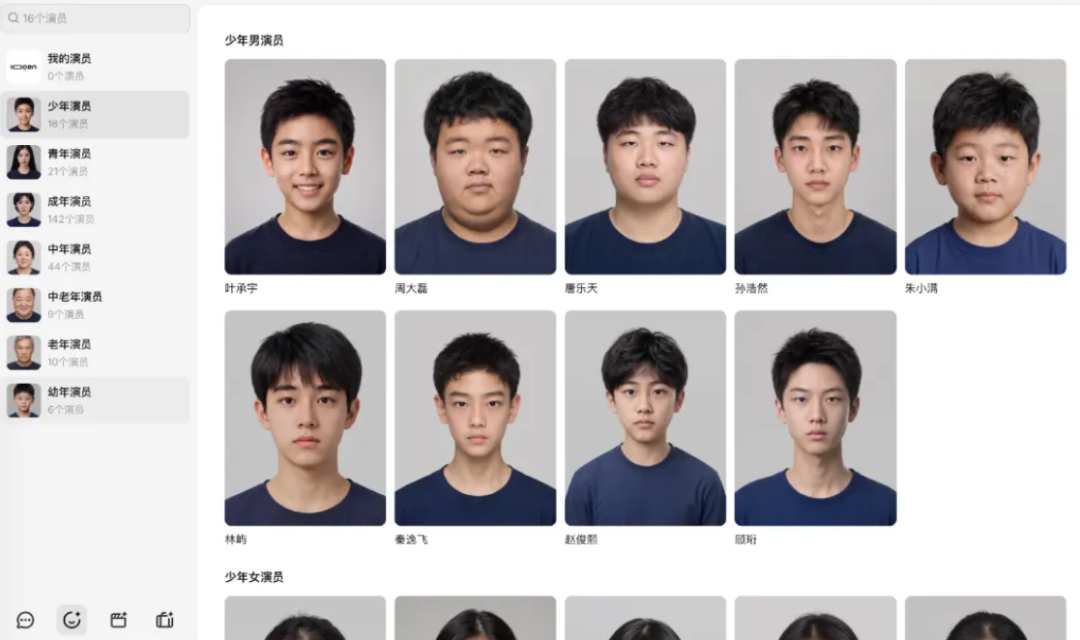
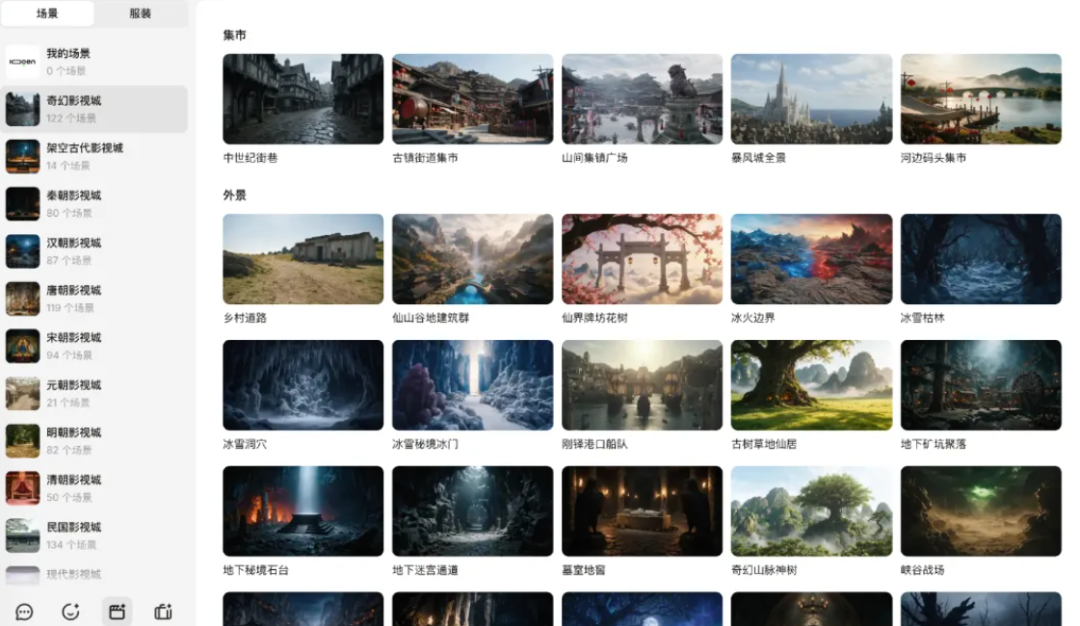
Image source: Looogen
Video breakdown does three things: break a finished video into a storyboard script, restore the video into a text script, and conveniently analyze script structure. In the past, studying hits relied on people pausing, screenshotting, and manually noting rhythm over and over; an afternoon wasn't enough to get through three episodes. Now hand it to AI and get results in batches. Those who make a living off information gaps will have a harder time.
Video generation has five built-in models, including seedance2.5, MiniMax H3, and Wan3.0. You can choose white-model previews, aspect ratios, and resolutions yourself, and local models can also be connected.
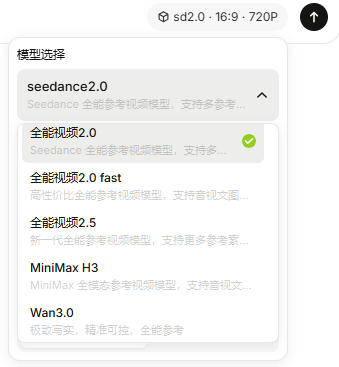
Image source: Looogen
There's another awkward phenomenon in the short drama industry: film and TV companies pay hundreds to thousands of yuan for the digital likeness rights of actors and extras, then feed them to AI. Some actors have said that sets are full of AI backdrops, real people show their faces and recite a couple of lines, and extras are basically unnecessary.
The most valuable thing in a short drama has never been the finished video; finished videos eventually leak out. What's valuable is the script, makeup shots, digital actors, costumes and props before shooting starts. Once these things go to the cloud, they turn from the crew's private assets into data that the platform can search and call upon, and whether others can access them is no longer up to you.
Jimeng is a ready example. Prompts, every uploaded image, and generation tasks all have to go through ByteDance's cloud servers for computing. There are privacy promises, but they rely on trust.
Alibaba understands this psychology all too well. While selling computing power, it also launched the short drama and comic drama industry alliance at the September Cloud栖 Conference. The more people in the alliance, the more Alibaba understands: customers' trust in the cloud has a ceiling. So before ByteDance localizes Jimeng, it took a step first: private deployment and external connection to proprietary models may look like technical options, but are actually a concession to customers—your stuff stays with you, you don't have to fully trust me.
On September 1, the Measures for the Management of the Development of Micro Short Dramas took effect. Category I and II works must be filed and publicly announced, reviewed, and licensed, and every AI-generated episode must be labeled. The label is the surface; underneath lies full-process accountability: if something really goes wrong, the broadcaster must clarify who generated this frame, which model was used, and who holds the authorization. Platforms are also doing pre-filtering for regulators; Hongguo and Douyin both check likeness rights and copyright before finished videos.
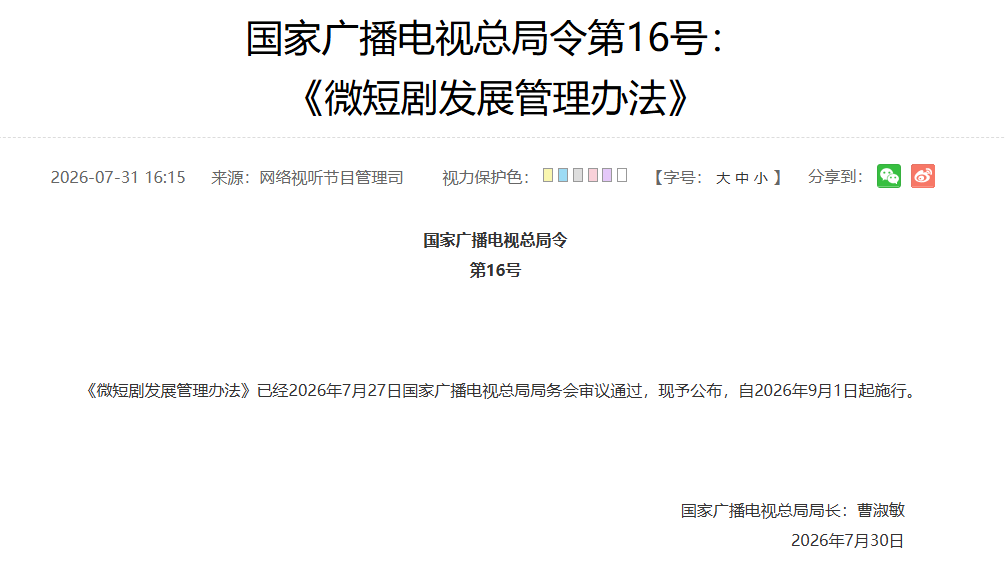
Image source: National Radio and Television Administration
The engineering files of cloud tools are in the platform's hands; local ones are in the creator's hands. When scrutiny really comes, which is more advantageous goes without saying.
Costs can also be estimated. Wan3.0 on Alibaba Cloud costs 1.2 yuan per second for 1080P, 0.6 yuan for 720P, and 0.3 yuan for 480P. For an 80-episode vertical-screen drama, at 90 seconds of effective footage per episode and generating three times to keep one, that's 324 yuan per episode—80 episodes would cost 26,000 yuan just for generation. This is still the smooth calculation; one rework and everything before is wasted.
Alibaba's calculation lies here: subscriptions, enterprise deployment, and services can all bring in money, and projects and materials stay long-term in the same toolset, making people reluctant to switch. Its ceiling depends on exactly how many customers dare not go to the cloud.
02 Hongguo 430 million, Doubao 419 million
New QuestMobile data dropped a bombshell on this track.
In September 2026, ByteDance's top three apps: Douyin 1.029 billion, Hongguo Short Dramas 430 million, Doubao 419 million. By deduplicated count, Hongguo became ByteDance's second-largest app after Douyin, pushing Doubao to third. In July, Hongguo's daily active users were 168 million, exceeding the combined total of Tencent Video, iQIYI, Youku, and Mango TV.
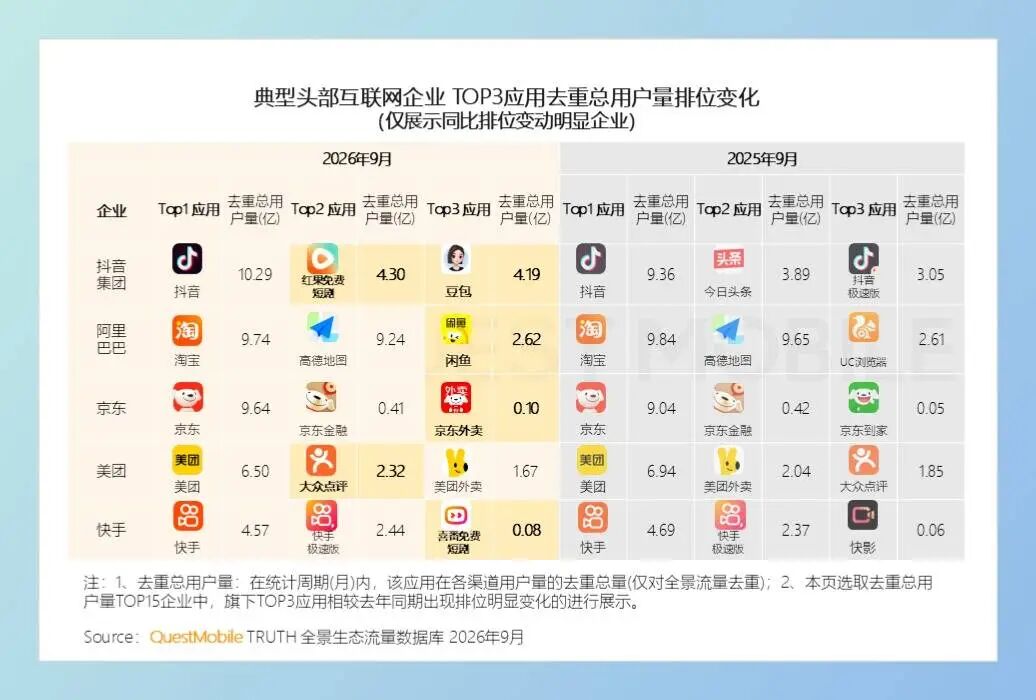
Image source: Everyone Is a Product Manager
Alibaba has Youku and Taobao short dramas, but they are not enough at this scale. If it can't win on the demand side, it pushes on the supply side and directly challenges Jimeng. Binding content creators is easier than fighting for users.
But Wanjing Yike is already online, and its functions overlap considerably with Looogen. Are the two lines complementary or cannibalizing each other? Qwen and Qwen Office are precedents: both tackle office scenarios at the same time, yet their data isn't interoperable. Internal racing: whoever wins gets the resources.
So what does Looogen sell? A set of software, a set of workflows, and a bunch of accumulated actors and scenes are all correct, but none is enough. What it sells is the sense of asset security: the things I spent three months building are stored in my own hands.
Tencent is also doubling down. WeChat upgraded its short drama mini-program into Green Bubble Short Dramas, focusing on free drama watching and accepting live-action, AI, and comic dramas. ByteDance's Hongguo and Tencent's Green Bubble, one red and one green, easy to remember. It doesn't make a standalone app but hangs within the WeChat ecosystem, accessible through Channels, search, and mini-programs, with 156 million monthly active users in September. Tencent also has a card others don't: the social relationship chain, with Green Bubble launching "Friends Watching." But many people secretly binge-watch domineering CEO and comeback dramas; being seen by colleagues and bosses would be a bit awkward.
03 Big tech lines up to be AI directors
As short dramas heat up, upstream toolmakers get busy first. Big tech has basically all entered, and with more than one product.
ByteDance is the most complete. On October 26, Jimeng launched its short drama studio, with the DreamScript script model and DreamShot storyboard model, capable of long-form analysis, character management, storyboards, video, and post-production. Xiaoyunque's short drama agent from March was merged into Jimeng, concentrating resources in one place.
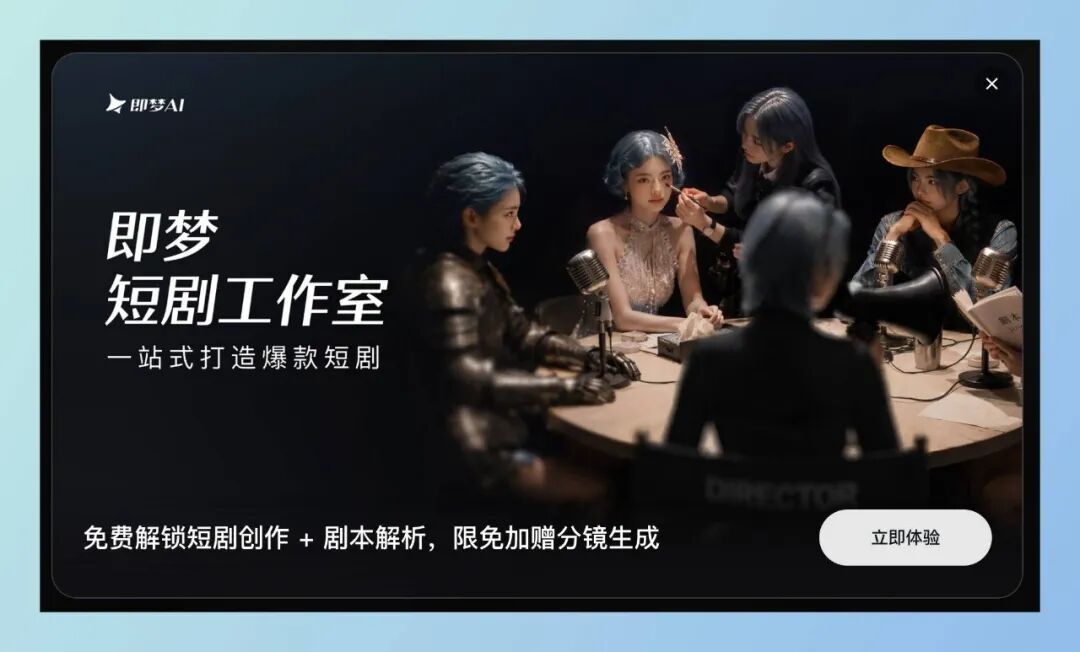
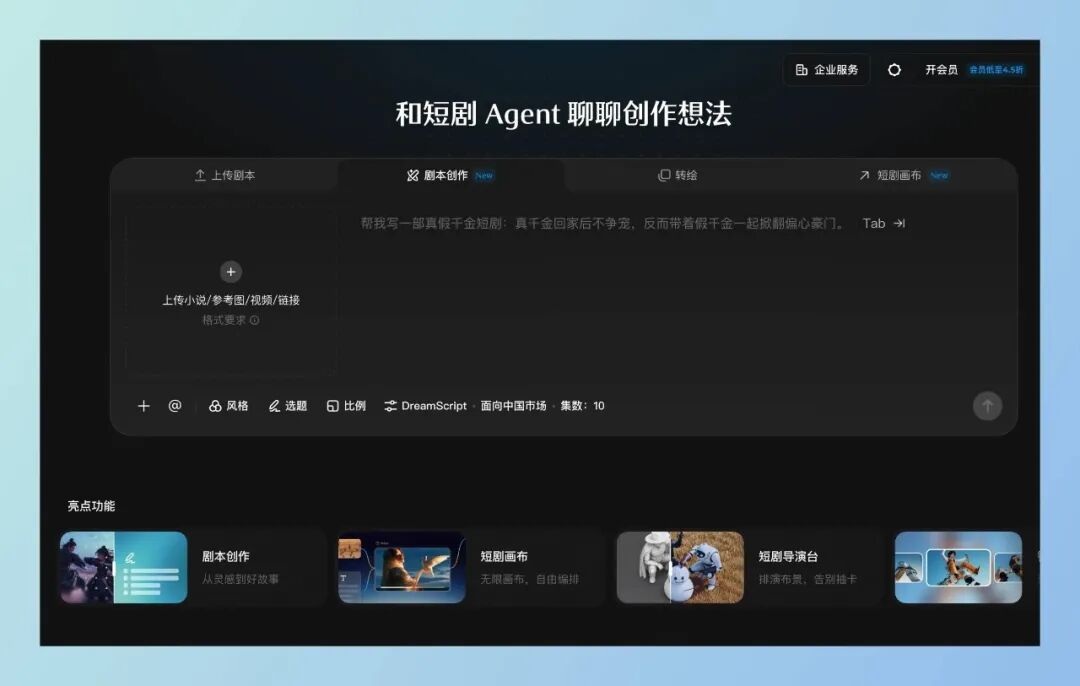
Tencent's main force is China Literature's DramaBuddy. On October 16, it was upgraded into the OPC one-stop platform, opening licensed novel IP and covering production, distribution, and commercial cooperation; on October 29, it was integrated into WorkBuddy, with ten skills directly callable.
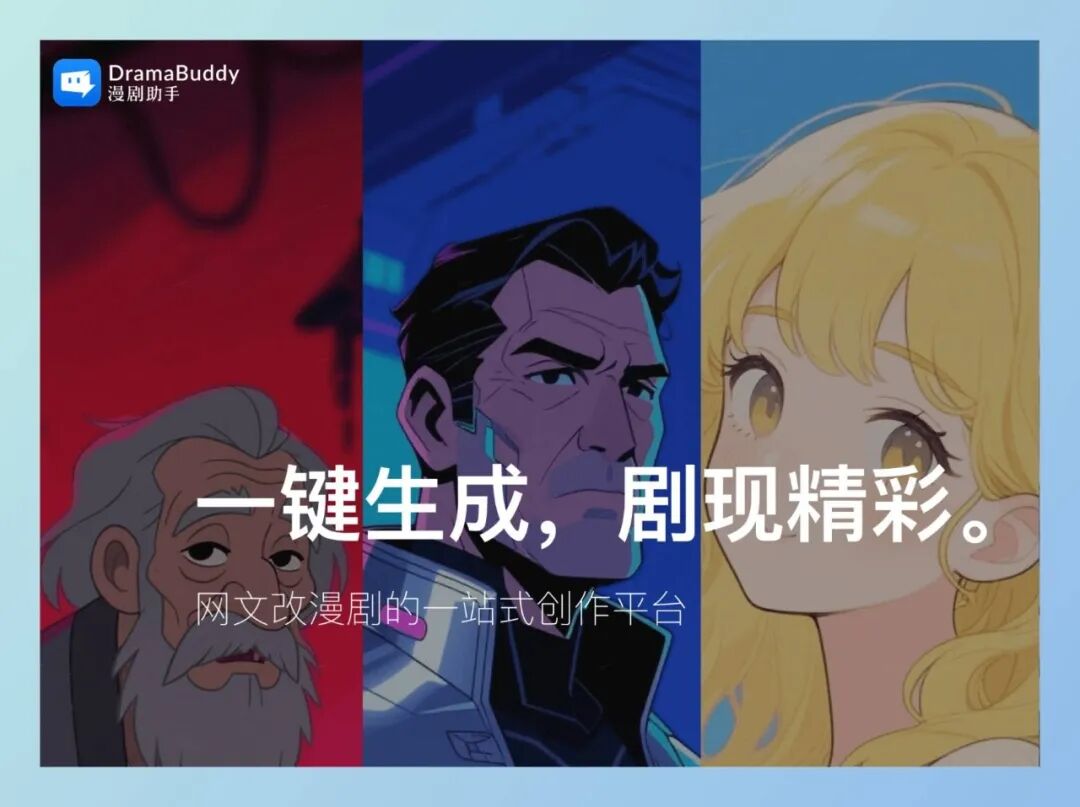
Image source: Everyone Is a Product Manager
Alibaba takes a dual-line approach. Wanjing Yike in May, with storyboards, infinite canvas, agent, and skills, backed by Tongyi Wanxiang; plus a localized Looogen. Kuaishou rolls out Kling and LIKLI.
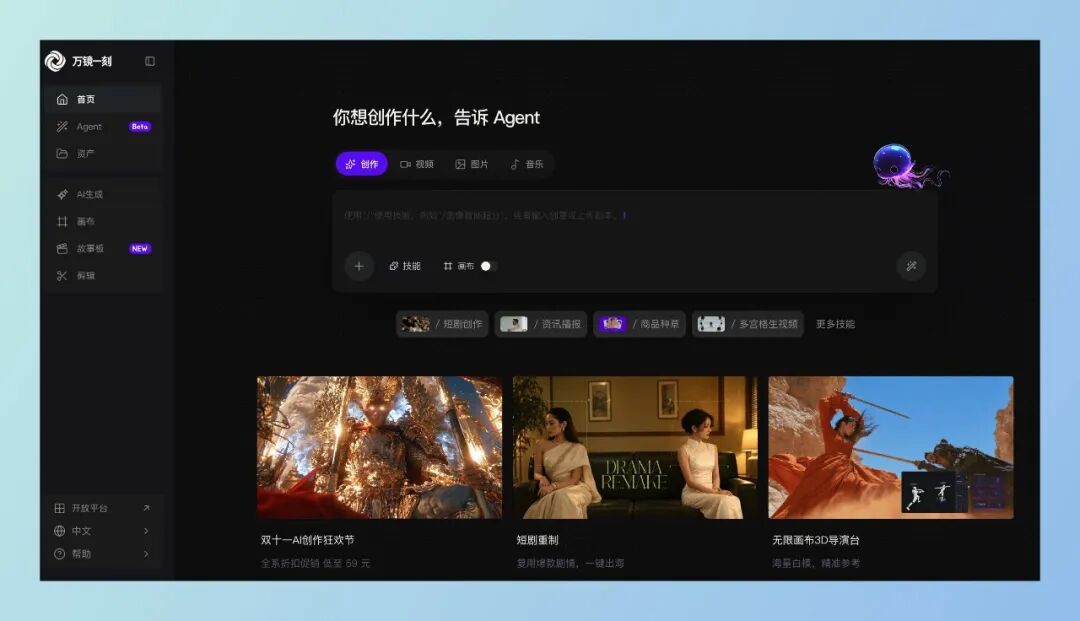
Image source: Everyone Is a Product Manager
The approaches are increasingly similar: one for individual creators with a low threshold; one for studios and enterprises emphasizing stable delivery. What's truly valuable is the cost of rework. A beautiful ten-second clip isn't hard; what's hard is keeping faces unchanged and scenes consistent across dozens of episodes. Looogen's Skill Square and digital actor library are aimed exactly at this.
04 What does this battle ultimately come down to
Alibaba's cards in short dramas go beyond one tool. In September, Alibaba Cloud teamed up with Shuqi, Youku, and Taobao Short Dramas to form an industry alliance: Shuqi opens over 50,000 IPs, Alibaba Cloud provides models and computing power, and Youku and Taobao handle distribution and monetization. The chain is connected, but the overlap between Wanjing Yike and Looogen remains unresolved.
But don't celebrate too early. DataEye's "2026 First Half AI Drama and Comic Drama Report" shows that in the first half of the year, Douyin's native platform added 221,900 AI dramas and comic dramas, with only 1,055 surpassing 100 million views, accounting for 0.48%.
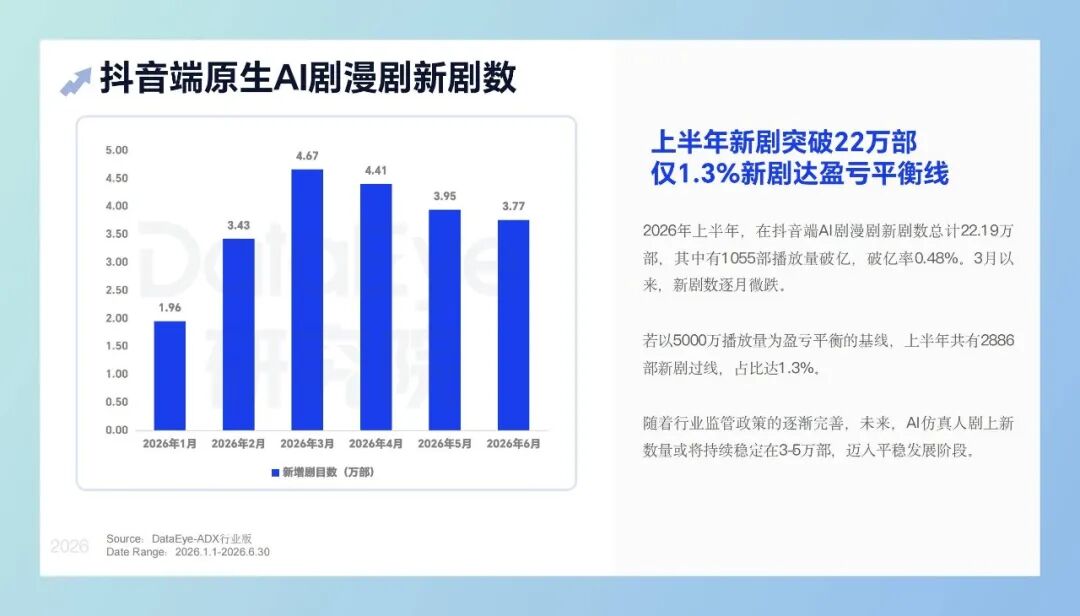
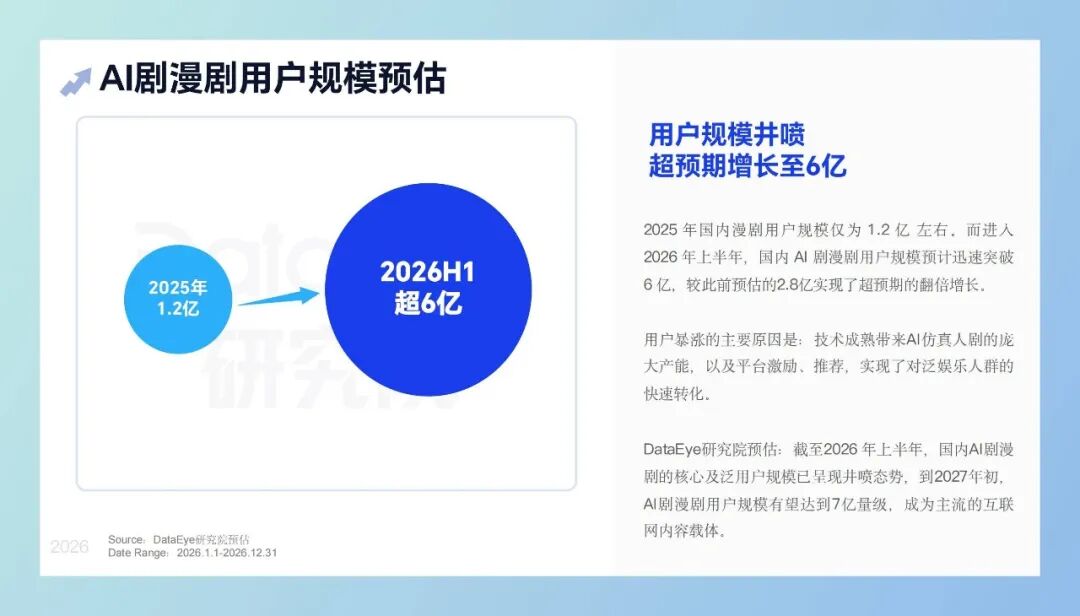
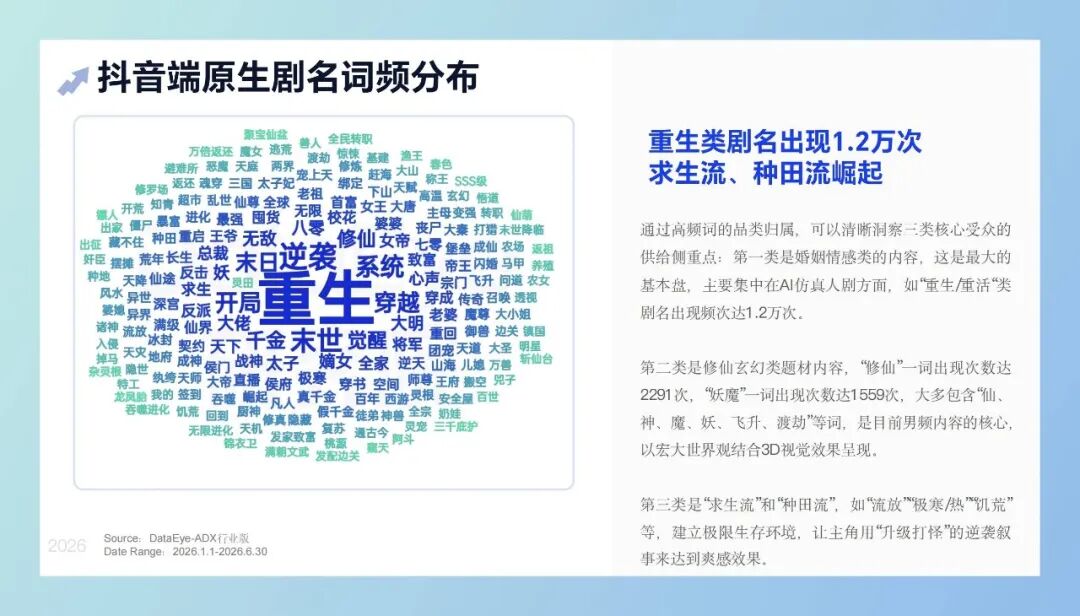
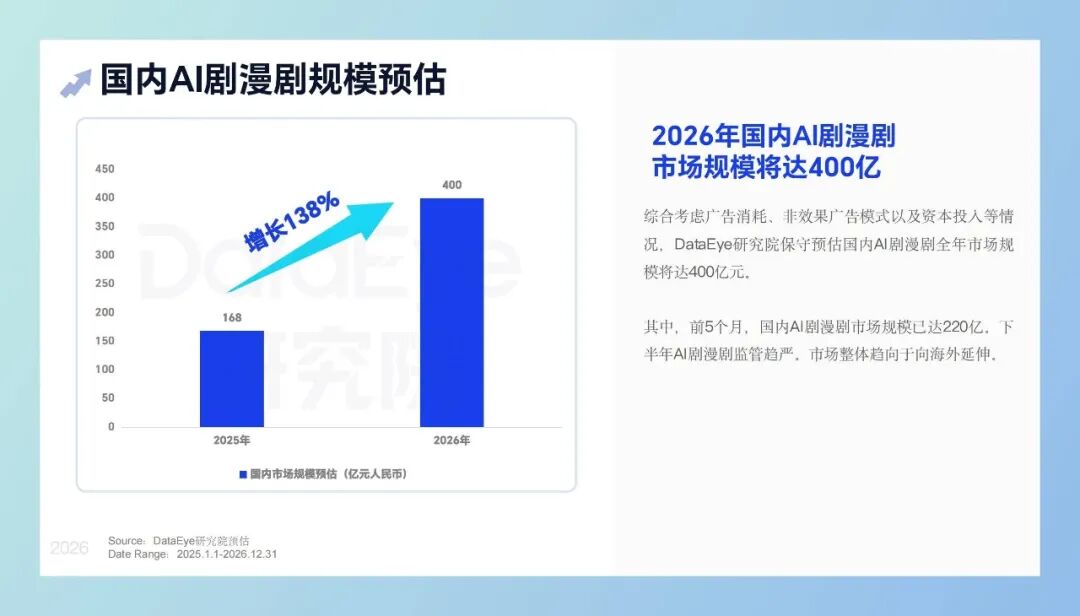
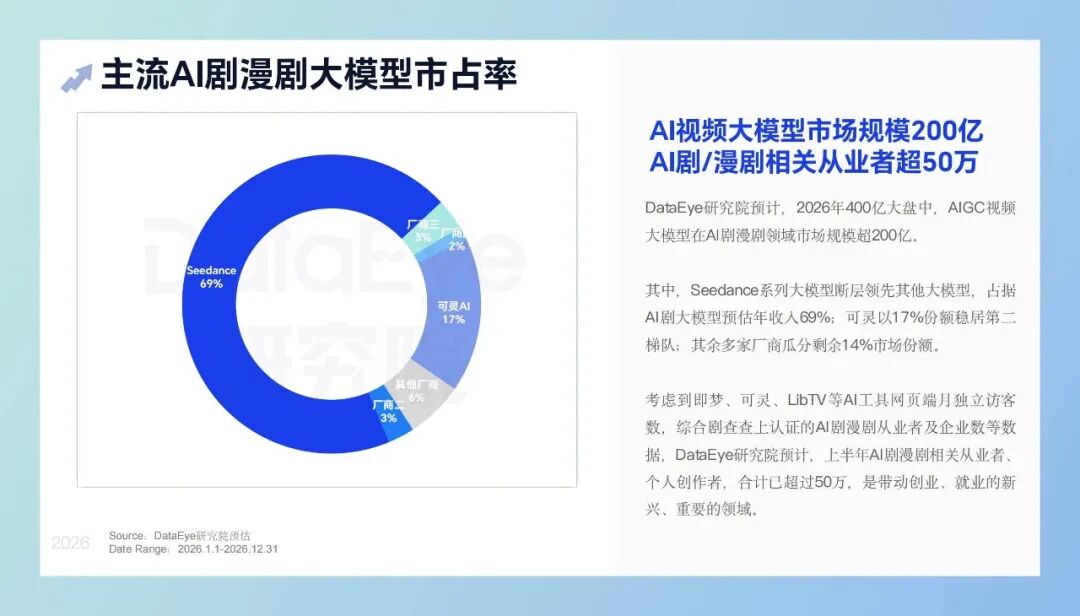
Data from DataEye's "2026 H1 AI Drama and Comic Drama Data Report"
When the barrier is low, works multiply. In the past, the hard part was assembling a team and controlling costs; now, making something isn't hard—getting people to watch it is. With the same tropes of domineering CEOs rising and time-travel rebirths, why should viewers click on yours? AI can solve production, but it can't solve virality. Script, IP, aesthetics, and distribution still determine how far a drama can go.
Hongguo and Green Bubble use free content to grab time, while ByteDance, Alibaba, and Kuaishou keep making tools cheaper and cheaper. For creators, competition is fiercer; for the big platforms, this is a new business.
Looogen is just one small step in this battle. Hongguo has overtaken Doubao, and Tencent's short dramas have reached hundreds of millions of monthly active users—this industry has long ceased to be a niche business. In the film era, photographers guarded a darkroom; now, film and TV companies guard a hard drive. What they guard has changed, but the dedication hasn't.
Discussion topic: Traffic platforms, IP reserves, or AI tools that can ensure data security—which do you think short dramas will compete on next? Let's talk in the comments.
Disclaimer: This article is intended solely as a financial commentary on major tech companies and does not constitute investment advice of any kind. All corporate data and regulatory developments referenced are drawn from publicly available information and are provided for reference only; for specifics, please refer to official announcements. Images are sourced from the internet; if there are any copyright concerns, please contact us for removal.
-
![]()
Is Toyota Cutting Ties with the Rest of the World for China?
-
![]()
"China's Buffett" Goes All-In on AI and Crashes Hard! Turns Into a "0.6 Yuan Fund" in Just 4 Months
-
![]()
The Pain Points of Lingguang as a Personal Agent: Xiaohongshu and Rokid Join Forces to Fill the Gaps
-
![]()
Yu Chengdong "Takes Advice": the "Crown Prince" Returns as the New AITO M8 Rolls Back into Huawei Stores
-
![]()
Hongguo Short Dramas Takes on Doubao—Even Jack Ma Can't Sit Still?
-
![]()
Breaking! AITO Secures Major Orders for Smart Policing and Official Vehicles
-
In the AI Era, the Real Competition Is Not Just AI Itself
-
![]()
Toyota's Half-Year Report: New Cars and Robotics as New Business Lines underpin "Stabilization" and "Survival" Transformation