Audi A2 e-tron’s Hasty Production Launch: Are Luxury Brands Compelled to Build Cars as a “Quick Fix”?
 09/15 2026
 549
549
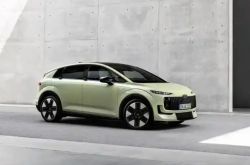
There was a time when the essence of luxury car manufacturing lay in its “slowness.” Meticulous craftsmanship and a lengthy development cycle were the very reasons consumers were willing to pay a premium for luxury brands. However, the official production launch of the Audi A2 e-tron has directly challenged this long-held perception.
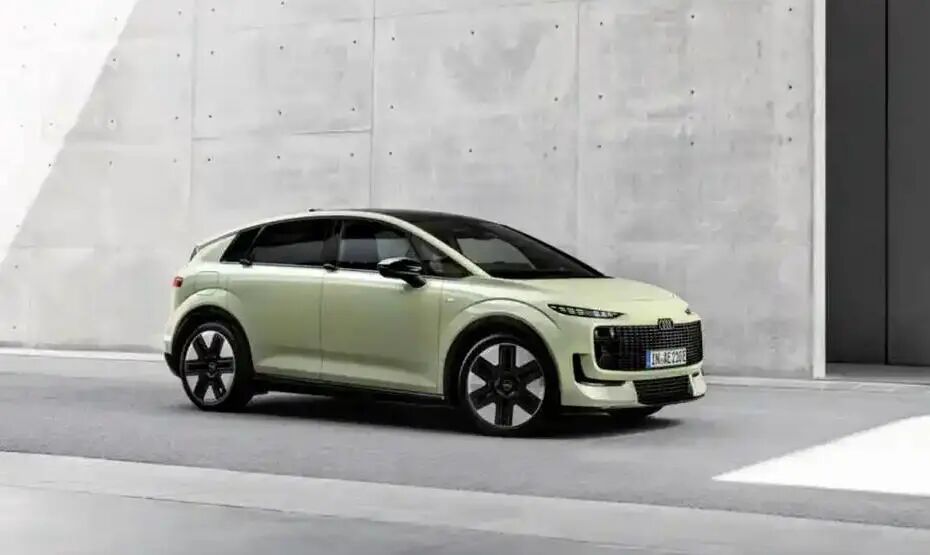
The key figures are straightforward: the R&D cycle for the A2 e-tron has been shortened by 21 months compared to similar past projects, representing a nearly 30% reduction. When a luxury brand renowned for its “meticulous, slow manufacturing” actively pushes its R&D pace to the limit, is this a sign of an efficiency revolution in the manufacturing system or merely a passive sprint under the pressure of electrification?
Audi’s Acceleration: Leveraging Existing Resources, Not a Revolution
Many analyses have focused on the extent to which Audi has reused tooling and robots, missing the crucial point. This acceleration is neither a technological breakthrough stemming from a new pure electric platform nor a fundamental restructuring of R&D paradigms. Essentially, it represents more of a subtraction within the traditional car-building framework.
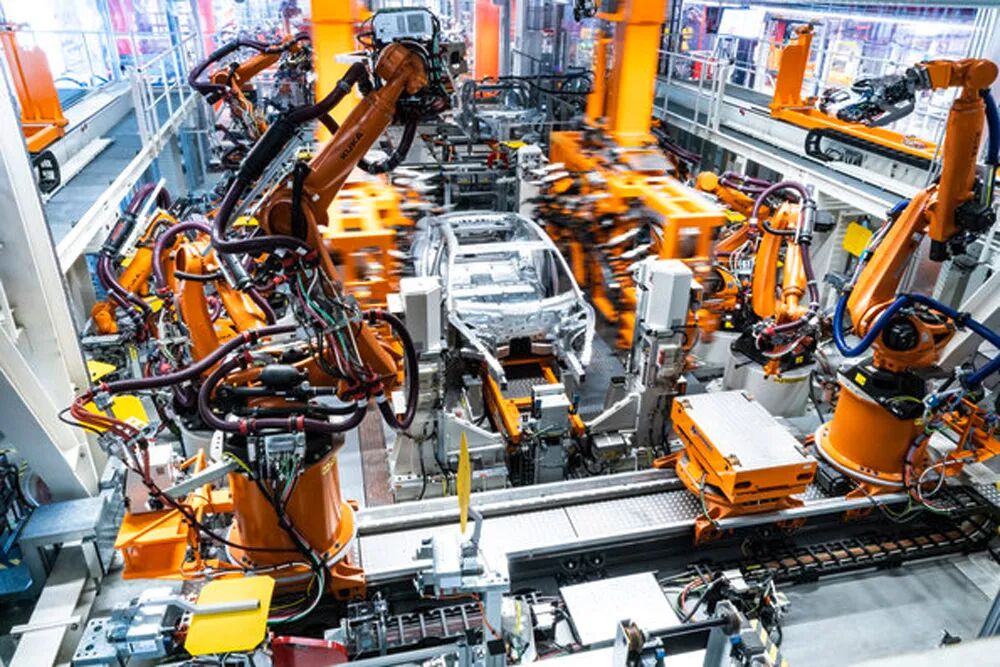
This approach is not novel. Audi has long set goals for enhancing production flexibility, but these were primarily applied to mid-cycle updates of fuel-powered vehicles and never fully implemented in new pure electric models. Frankly, traditional luxury automakers’ systems have always had redundant capacity, but brand positioning and procedural inertia previously prevented anyone from actively compressing timelines.
By streamlining configuration sequences, reducing the number of parts, directly reusing the existing production lines and tooling of the A3, and optimizing supply chain scheduling, Audi is simply extracting time from redundant processes, idle capacity, and complex selections inherited from the fuel-powered era.
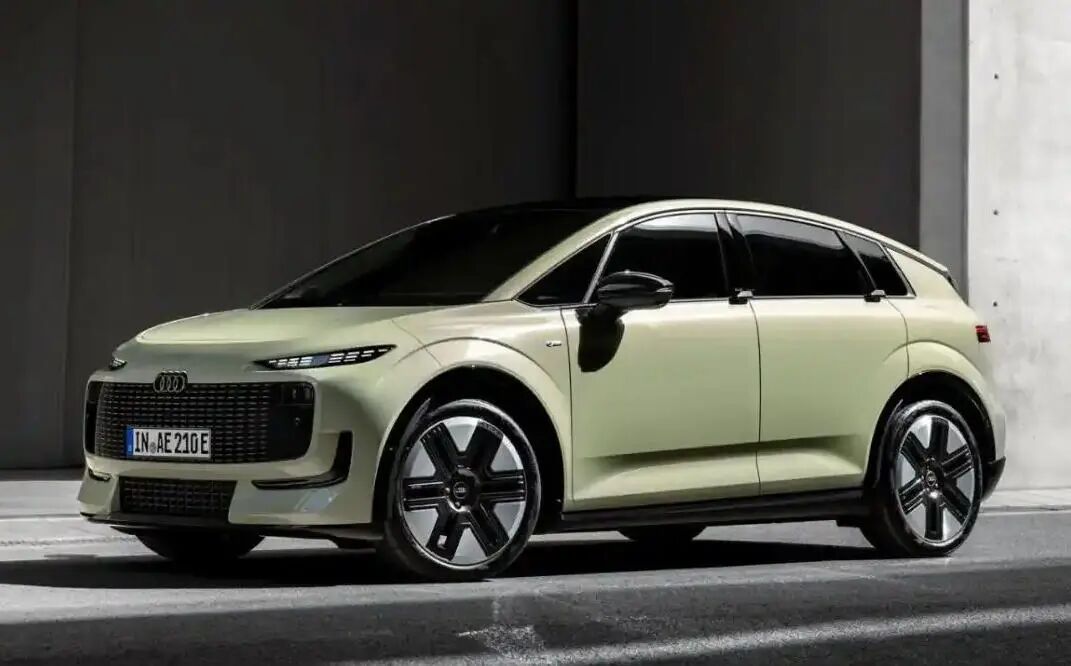
The signaling effect of this move far outweighs the impact of a single model. This marks the first time a BBA (BMW, Benz, Audi) member has publicly set accelerated R&D as a core project goal, even explicitly benchmarking against Chinese speed internally. This effectively acknowledges that, in the electric vehicle race, their iteration pace can no longer keep up with the market.
The Fundamental Gap in Acceleration Lies in R&D Logic
Comparing Audi’s acceleration with the speed of Chinese new forces, the gap is not merely a matter of months. McKinsey industry research data reveals that leading Chinese new forces take an average of about 24 months from concept validation to mass production, with some brands compressing this to 18 months—nearly twice as fast as traditional luxury brands.
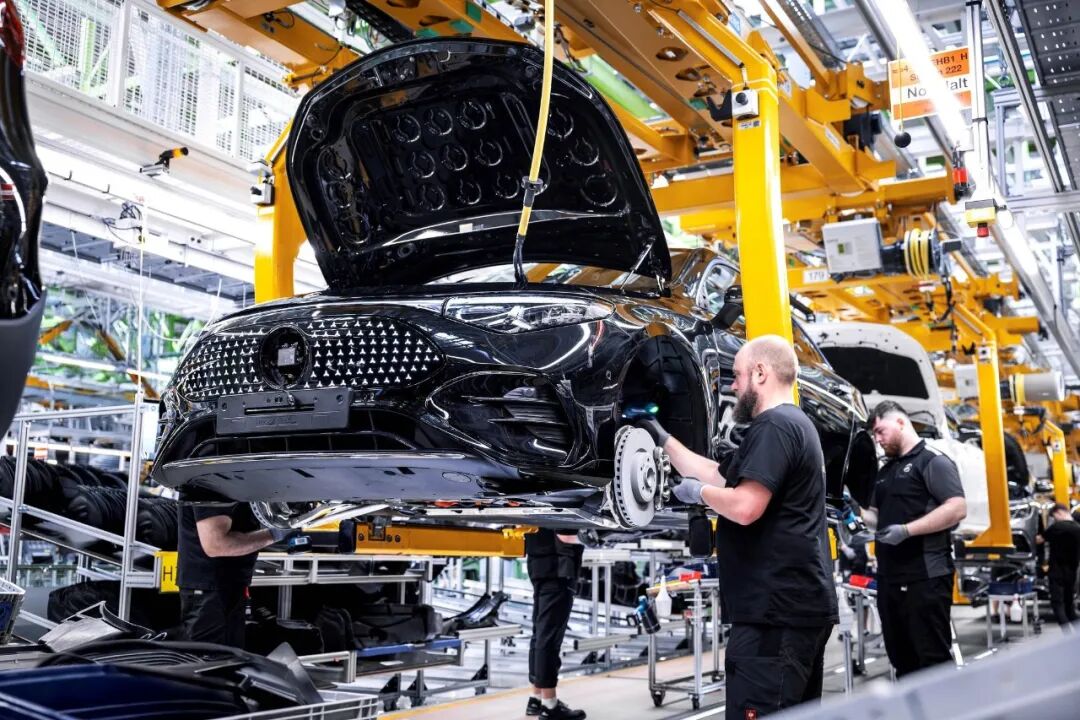
It is crucial to note that this “speed” is ingrained in their DNA. Platform modularization enables high reuse of basic R&D, integrated die-casting significantly reduces parts and validation links, and digital simulation largely replaces real-vehicle testing. Essentially, this represents a consumer electronics-style iteration paradigm, fundamentally operating on a different logic from traditional car manufacturing.
The gap is even more pronounced at the product iteration level. New forces typically take only two to three months from project initiation to full rollout for major updates to intelligent driving or cabin functions. In traditional automakers’ procedural systems, cross-departmental requirement reviews and compliance verifications alone can take more than six months.
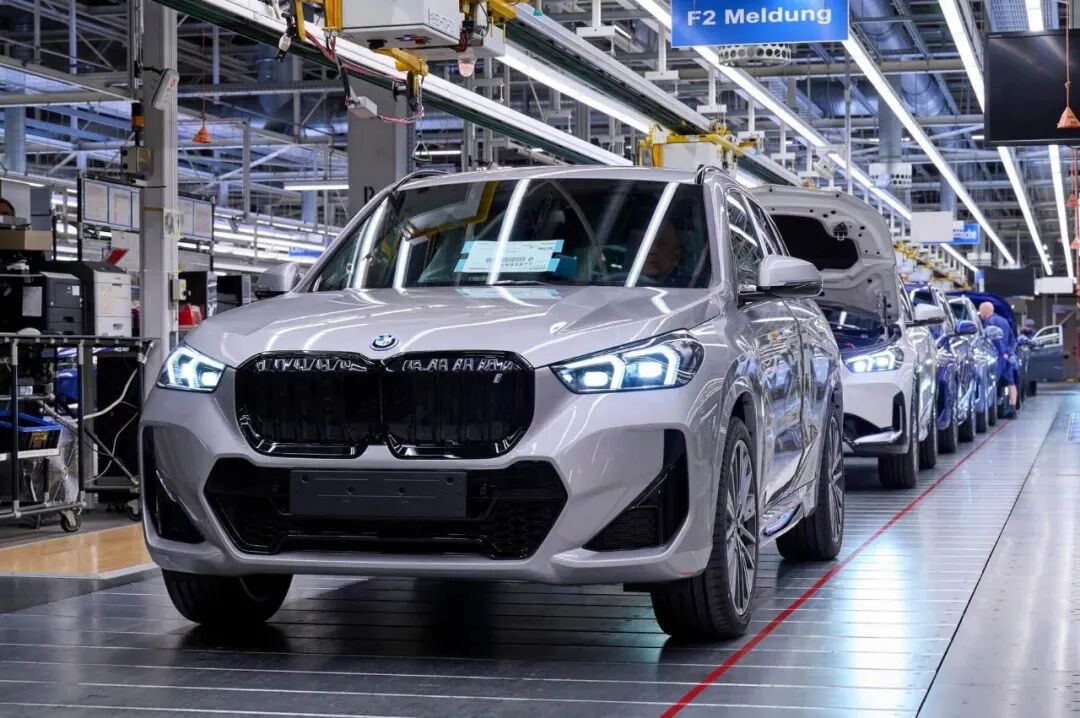
In contrast, Audi’s speed is a chasing speed—patching up a century-old fuel-powered R&D system while trying to maintain traditional validation standards, a complex supply chain hierarchy, and mature but rigid manufacturing processes, all while scraping out time from the cracks. The gap has never been about cycle length but rather the R&D logic difference between the industrial and information ages.
There is also an easily overlooked implicit gap: new forces iterate throughout the product’s entire lifecycle, with hardware finalized once and software continuously upgraded via OTA. Selling the car is just the beginning of iteration. Traditional automakers’ acceleration, however, still stops at hardware mass production, with subsequent product evolution capabilities always lagging. This is perceived by consumers as new forces’ cars feeling “constantly new,” while traditional luxury electric vehicles “peak at delivery,” showing a significant gap in product vitality.
Three-Fold Anxiety Drives Luxury Brands to Speed Up
Why are luxury brands suddenly obsessed with speed? It has never been a proactive change but a corner they’ve been backed into.
The first layer is survival anxiety stemming from market loss. In 2025, BBA collectively struggled in China, with Mercedes down 19%, BMW down 12.5%, and Audi down 4.9%, losing about 260,000 units combined for the year. Gaogong Intelligent Vehicle Research Institute predicts that by 2026, Chinese domestic brands will account for over 50% of China’s luxury car market for the first time. The 300,000-yuan compact pure electric market targeted by the A2 e-tron has already been carved up by Chinese new forces. If new models were launched on traditional 5-to-7-year cycles, the window would close long before products arrived. Accelerating production is more like trading time for survival space.
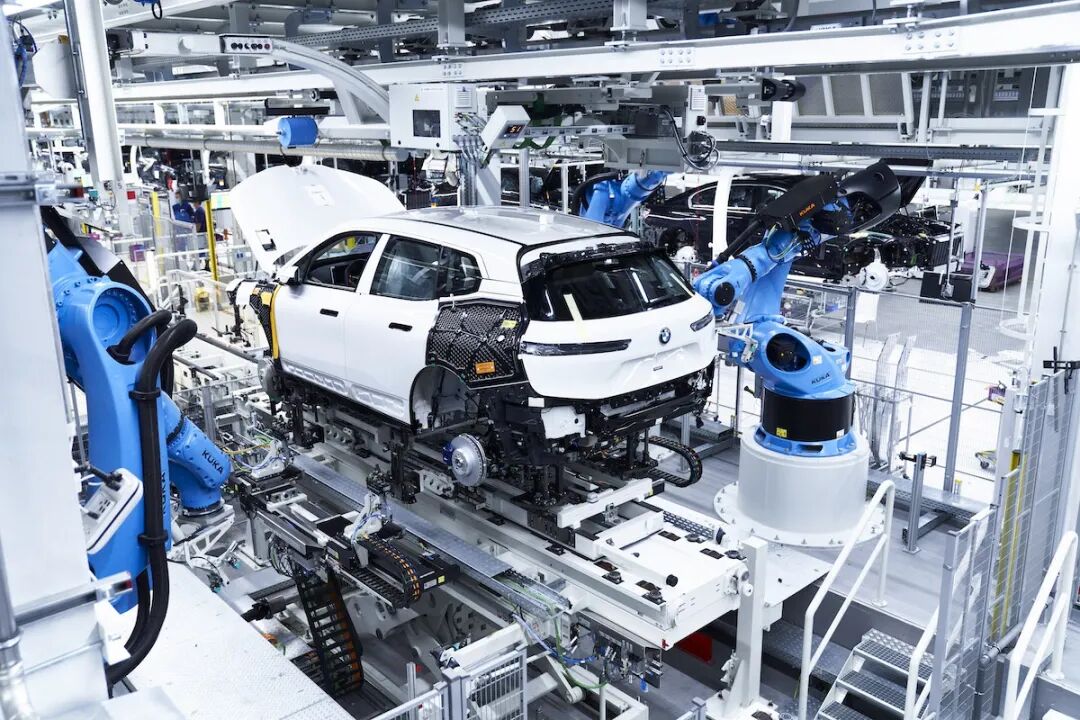
The second layer is anxiety over balancing profitability and investment. In 2024, Audi’s operating profit fell nearly 40% year-on-year, while Mercedes and BMW saw pre-tax profit drops exceeding 30%. Electrification requires bottomless investment, but high-end electric vehicles generally fail to turn a profit, while the fuel-powered base continues to bleed. The industry widely believes fuel-powered vehicles remain traditional automakers’ profit anchor, and premature, rapid contraction of the fuel business would directly weaken financial stability and long-term investment capacity. This is the deeper reason behind Audi’s choice to “reuse production lines and streamline parts.”
The third layer is identity anxiety over brand definition, which is the most fundamental. In the fuel era, luxury was defined by engine smoothness, chassis tuning quality, and interior material craftsmanship—all requiring time to cultivate and serving as natural moats for century-old brands. However, in the electric era, power performance is easily leveled by electric motors, while intelligence, cabin experience, and autonomous driving capabilities have become new core competencies—precisely the weaknesses of traditional luxury brands.
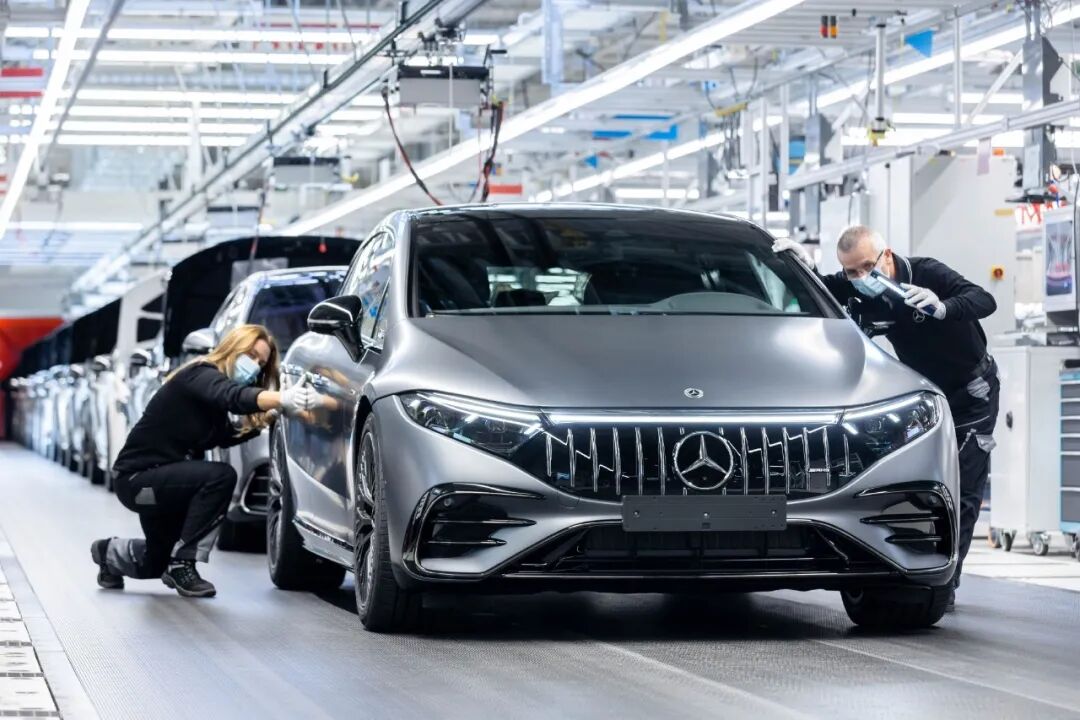
When the criteria for “luxury” are redefined, the value of a century’s accumulation begins to depreciate rapidly. Unable to let go of the “meticulous, slow manufacturing” stance yet forced to compete with new forces on speed, configurations, and computing power, this identity split represents anxiety deeper than sales declines. Interestingly, ultra-luxury brands like Lamborghini and Bentley have collectively pressed the “slow-down” button on pure electric transitions—they rely more on brand emotional value and do not need to race on speed. However, mainstream luxury brands like BBA have no retreat and must push forward, even if it means sacrificing part of their “meticulous” label.
Strictly speaking, the Audi A2 e-tron is not a “quick-fix” car built by cutting corners. Its vehicle safety and reliability verification processes remain intact, with acceleration coming primarily from process optimization and reuse of existing resources, not by compressing testing cycles. However, the truly concerning issue for the industry is that when all brands begin to worship “speed above all,” the underlying logic of the automotive industry is quietly shifting from “quality first, speed second” to “speed first, quality just adequate.”
Currently, overly rapid iteration has already brought issues like shortened product lifecycles, accelerated used-car depreciation, and unstable user experiences. With traditional luxury brands collectively joining the acceleration race, will this further escalate “involutionary iteration” in the industry? The launch of the Audi A2 e-tron actually marks traditional luxury brands abandoning their “unmovable” arrogance and officially diving into the global electric vehicle speed race.
-
![]()
Xiaomi Xuanjie O3 Debuts, Qualcomm Reveals Next-Gen Snapdragon Platform, Paving the Way for the Agentic AI Era
-
![]()
Will New Energy Vehicle Prices Climb Following the Introduction of the Battery Tax?
-
Over 4.27 Million Vehicles Recalled: The Price of Hidden Door Handles' Technological Allure
-
![]()
Audi A2 e-tron’s Hasty Production Launch: Are Luxury Brands Compelled to Build Cars as a “Quick Fix”?
-
![]()
8% Surge on the Eve of Trading Halt! FAW Acquires Stake in GAC: Is the Dynamics of South and North Toyota Set to Transform?
-
Can Apple’s Foldable Phone Outpace Huawei to Claim Second Place Worldwide in Just Over Two Months?
-
![]()
Why Does Zhipu Still Need Financing?
-
![]()
FAW’s Integration with GAC Unveiled: Will China’s Southern and Northern Toyota Joint Ventures Further Consolidate, and Will Dongfeng Press On with Integration Efforts?