US and Europe Act in Unison, Chinese Automakers Confront Dual Barriers in Global Expansion
 09/18 2026
 528
528
This scenario transcends typical trade friction; it represents a 'comprehensive suppression' aimed squarely at China's automotive sector.
In the autumn of 2026, a formidable wave of tariff barriers, technical evaluations, and geopolitical tensions is engulfing the global automotive landscape.
Across the Atlantic, the US is scrutinizing automakers' supply chain collaborations and technology licensing under the pretext of 'national security.' Meanwhile, Europe has sidestepped direct tariffs on finished vehicles, opting instead for an exorbitant 80% tariff rate on Chinese automotive components, which constitute 80% of a vehicle's total value.
It is evident that the US and Europe are determined to deny Chinese automakers any transitional period to 'secure quick gains before long-term strategies are discussed.' Their objective is to dismantle China's competitive edge in the global electric vehicle race. Thus, this is not a conventional trade dispute but a 'comprehensive suppression' of China's automotive industry.
The US-Europe Encirclement Tightens
Many once believed that if the US market proved inaccessible, they could simply pivot to the vast European, Southeast Asian, and Middle Eastern markets.
However, Ford's recent encounter with such barriers has shattered this illusion.
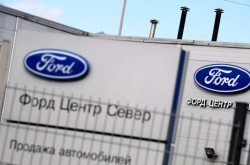
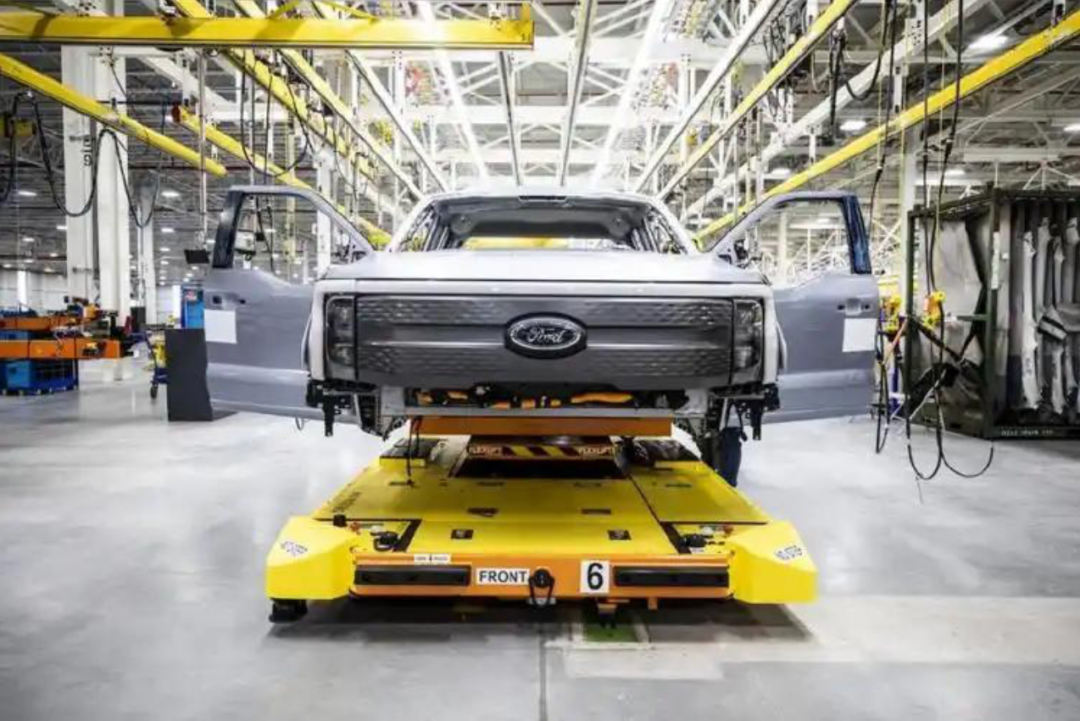
A letter from the US Secretary of Transportation arrived on Ford CEO Jim Farley's desk, bluntly demanding that Ford immediately sever business ties with Chinese companies such as CATL, Geely, and BYD. The letter specifically targeted Ford's battery plant in Marshall, Michigan—a wholly-owned and independently operated facility utilizing CATL's technology licensing model.
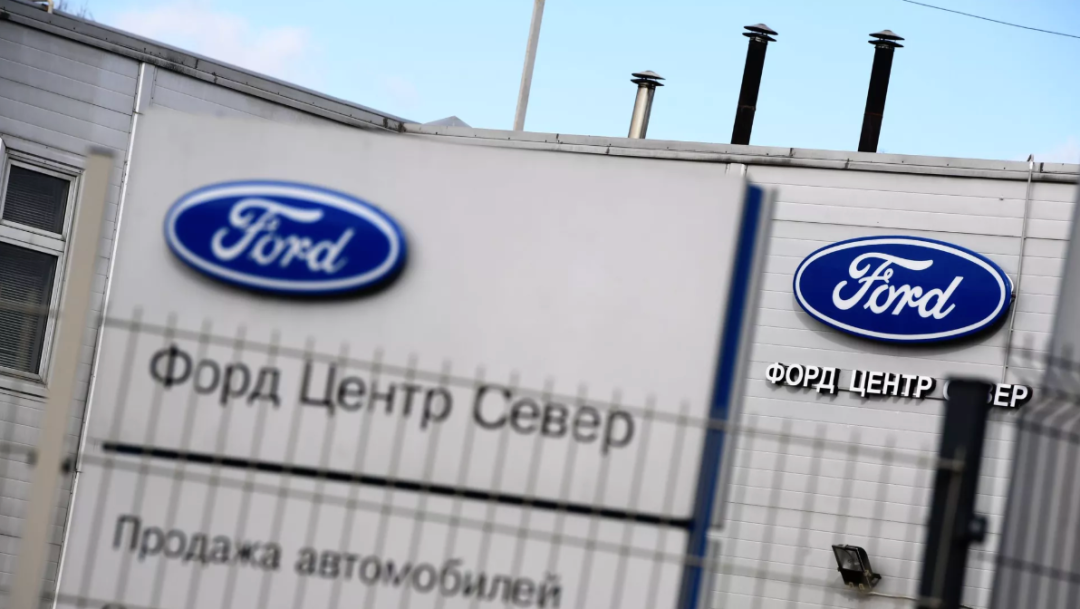
From the lawmakers' perspective, even if the plant is located in the US, staffed entirely by Ford-hired employees, and produces batteries exclusively for the US market, the mere fact that the technology originates from China poses a 'security risk.'
More intriguingly, Ford's decision to postpone relocating Lincoln Nautilus production from the US to 2030 was also cited as evidence of being 'influenced by China's supply chain.'
Ford's response was unequivocal: the Michigan battery plant is wholly owned and operated by Ford, with all employees hired by Ford. The investment aims to produce batteries domestically in the US, not import Chinese-made batteries.
But their pleas fell on deaf ears.
Consequently, the US Alliance for Automotive Innovation—comprising General Motors, Ford, Hyundai, Toyota, Volkswagen, Honda, and Stellantis—has directly pressured Congress to enact legislation banning all Chinese-made vehicles, software, and hardware from entering the US market.

What does this signify?
It signifies that the restriction has escalated from 'blocking Chinese-made vehicles' to 'preventing any products with Chinese core technologies or supply chain origins from gaining a foothold in the US.' Even if you are a US-based automaker, with factories, employees, and tax revenues remaining domestic, you will still face scrutiny if you have deep ties with Chinese companies in critical components or core technologies.
This 'traceability-based' regulation is far more stringent than simple tariffs on finished vehicles, directly targeting the supply chain division of labor meticulously established by the global automotive industry over the past decade.
If US blockades are shrouded in 'national security,' Europe has now openly flaunted 'industrial protection' on its banner.

Italy's automotive industry association has formally proposed to the EU to impose an 80% tariff on Chinese finished vehicles and components exceeding 8% of annual quotas.
Most alarmingly, the proposal explicitly demands full control over Chinese-made components, arguing that since parts account for about 80% of a vehicle's value, targeting only finished vehicles with tariffs would fail to truly protect Europe's automotive industry. Automakers could simply circumvent finished vehicle tariffs by shipping core components to Europe for final assembly.
This is no mere threat.
The EU's electric vehicle tariffs on China, implemented since 2024, start at a base rate of 10%, with differentiated additional tariffs for different automakers, resulting in actual total rates between 18% and 45%. Originally set with a five-year validity period, Germany's government is now preparing 'far-reaching economic security measures' to lobby the EU for further tariff expansion, even planning new special tariffs on hybrid vehicles.
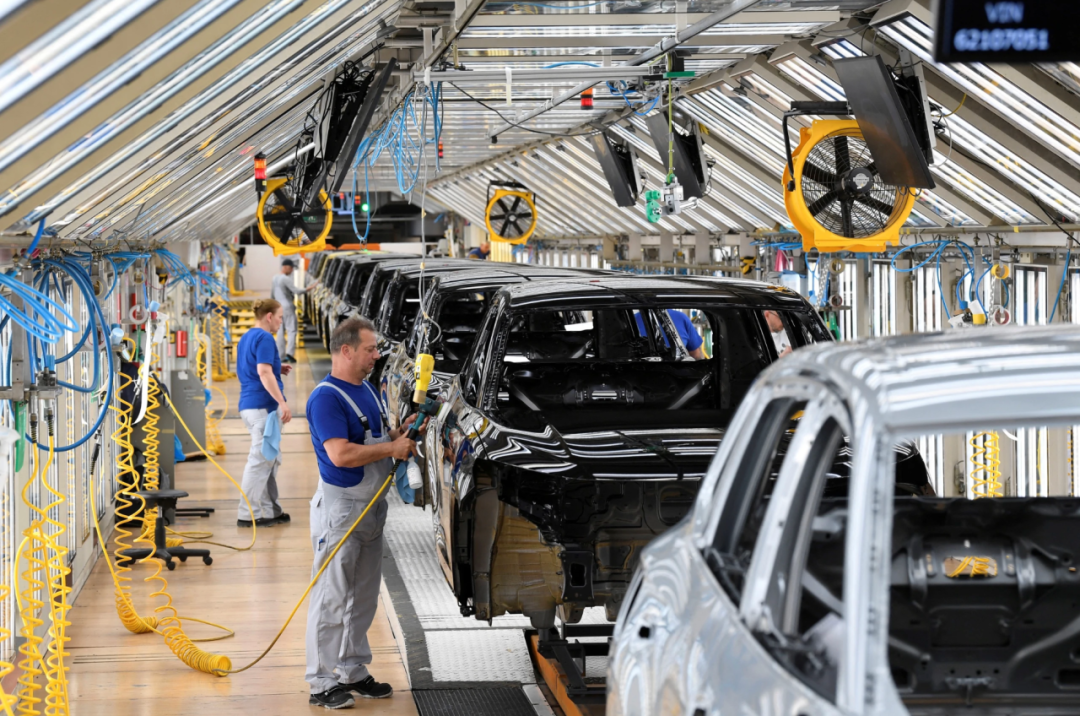
According to Dataforce, Chinese plug-in hybrid models have witnessed surging sales in Europe in recent years. In July, hybrid models from brands like Chery's Jaecoo accounted for a record one-third of new car registrations. Against a backdrop of stagnant household incomes and rising oil prices due to Middle East conflicts, Chinese automakers are winning consumer favor with more cost-effective hybrid models.
Behind These US-European 'Tactics' Lies the Automotive Industry's Deepest Anxiety
Over the past three decades, the supply chain systems established by the US and Europe during the internal combustion engine era are rapidly losing their competitive edge amid electrification. China's power batteries, chassis components, and intelligent driving hardware have infiltrated the manufacturing systems of most global automakers through cost and technological advantages.
What the US and Europe now aim to do is use tariffs as a barrier to halt the ongoing supply chain substitution trend, even if it means raising domestic automakers' manufacturing costs and forcing consumers to pay higher prices—all in a bid to regain control over industrial survival.
Inside and Outside the Wall
While many perceive the simultaneous tightening of US-European gates as a 'dead end for Chinese automakers' global expansion,' a broader perspective reveals that today's Chinese automotive industry is no longer the novice that relied solely on exporting low-cost finished vehicles years ago.
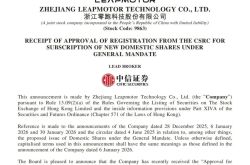
Leapmotor's joint venture model with Stellantis has transcended the traditional path of 'exporting Chinese-made finished vehicles.'
The partnership is not mere contract manufacturing or brand licensing. Instead, the joint venture serves as the global operating entity, with Leapmotor contributing its three-electric technologies (battery, motor, electronics), intelligent driving systems, and vehicle R&D capabilities, while Stellantis provides its global distribution networks, local compliance expertise, and manufacturing resources.
This model completely bypasses the tariff trap of 'exporting Chinese-made finished vehicles,' instead binding technology exports, local production, and global distribution into a new competitive force. This is why the model has disrupted the global automotive industry since its inception—it redefines the rules for Chinese automakers' global expansion.
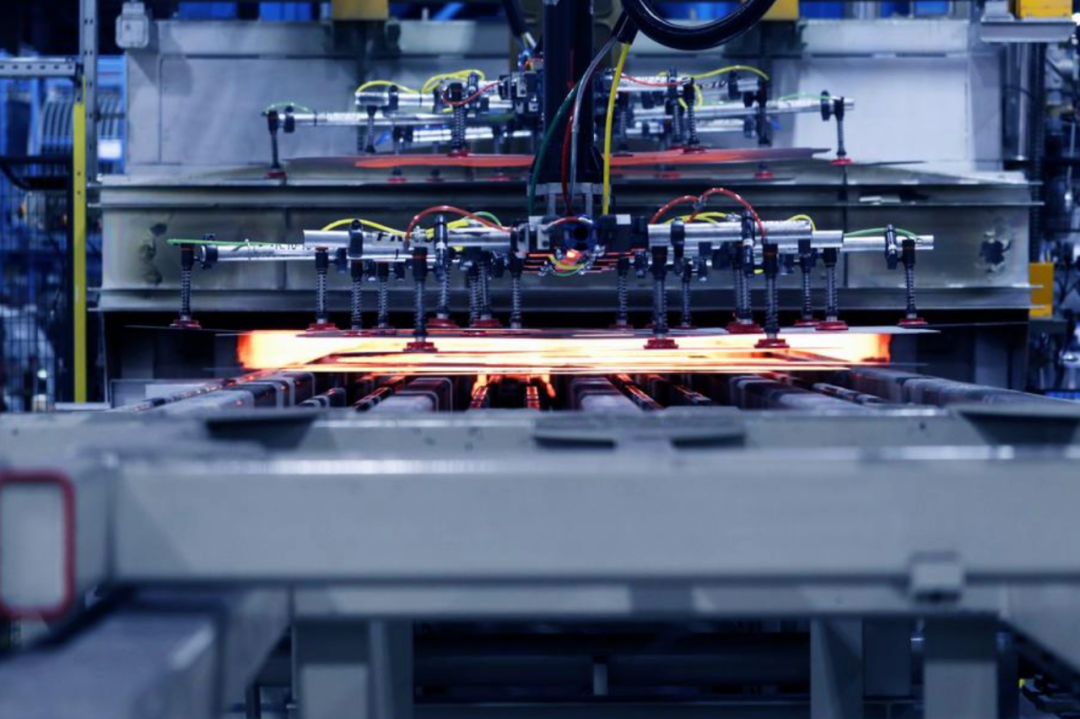
Examining supply chain adjustments by leading Chinese automakers, Li Auto's push to 'reduce reliance on CATL' is not about completely severing ties with top battery firms but proactively diversifying suppliers amid global supply chain volatility.
By supporting second- and third-tier battery suppliers and collaborating on R&D with overseas local battery firms, Li Auto is mitigating single-supplier risks while laying the groundwork for future overseas local production and compliance with regional regulations.
Even Honda's previous 'twin-model strategy' failure takes on new significance today. As global automotive competition shifts from 'brand premium' to 'electrification and intelligence system capabilities,' the old joint venture model—relying on two model lineups and two distribution channels to dominate China—can no longer keep pace with evolving consumer demands.
The current US-European blockades essentially seek to use policy force to drag technological competition—which should unfold fairly in the market—back onto the old track of industrial protection.
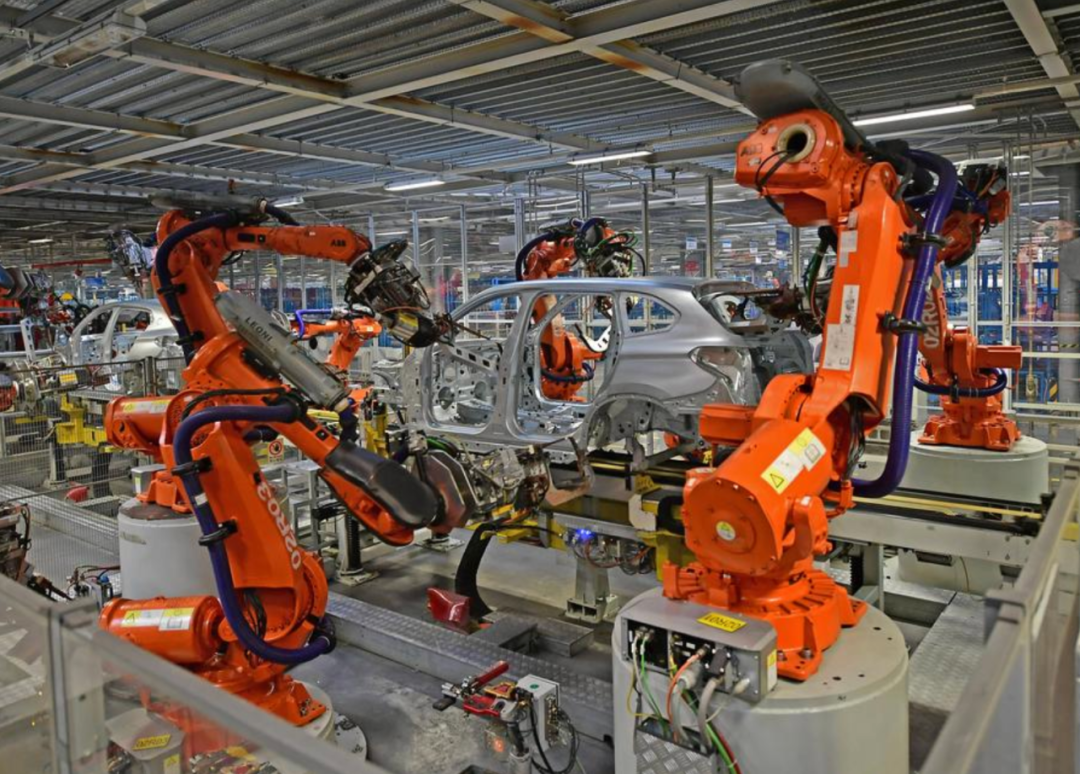
Viewed through this lens, US-European actions are not isolated incidents.
Once they jointly establish unified regulatory rules targeting China's automotive industry, markets like Japan, South Korea, and Australia are likely to follow suit. Chinese automakers would then face not just two markets' blockades but collective closures across developed economies.
Yet in less than a decade, China's automotive industry has completed a historic shift from 'trading market access for technology' to 'exporting technology.'
The US-European blockades reflect the instinctive response of traditional automotive powers to a rising force. This mirrors the 1980s US trade restrictions on Japan's automotive industry and earlier European tariff walls against US industrial products.
But history has repeatedly demonstrated that walls built with tariffs and policies may slow progress but never reverse industrial evolution.
The US demand for automakers to cut Chinese technology ties will only raise domestic EV manufacturing costs, slowing its electrification transition. Europe's attempt to block Chinese components with 80% tariffs will ultimately be borne by European automakers and consumers, who will gradually lose cost advantages in global electrification competition.
For Chinese automakers, several 'multi-pronged' global expansion paths are worth considering: first, scaling Leapmotor-style joint venture models globally, using technology to access markets and local production to bypass tariffs; second, rapidly building flexible supply chains independent of single core suppliers, as Li Auto is doing, by cultivating local suppliers in different regions worldwide to secure supply chain control.
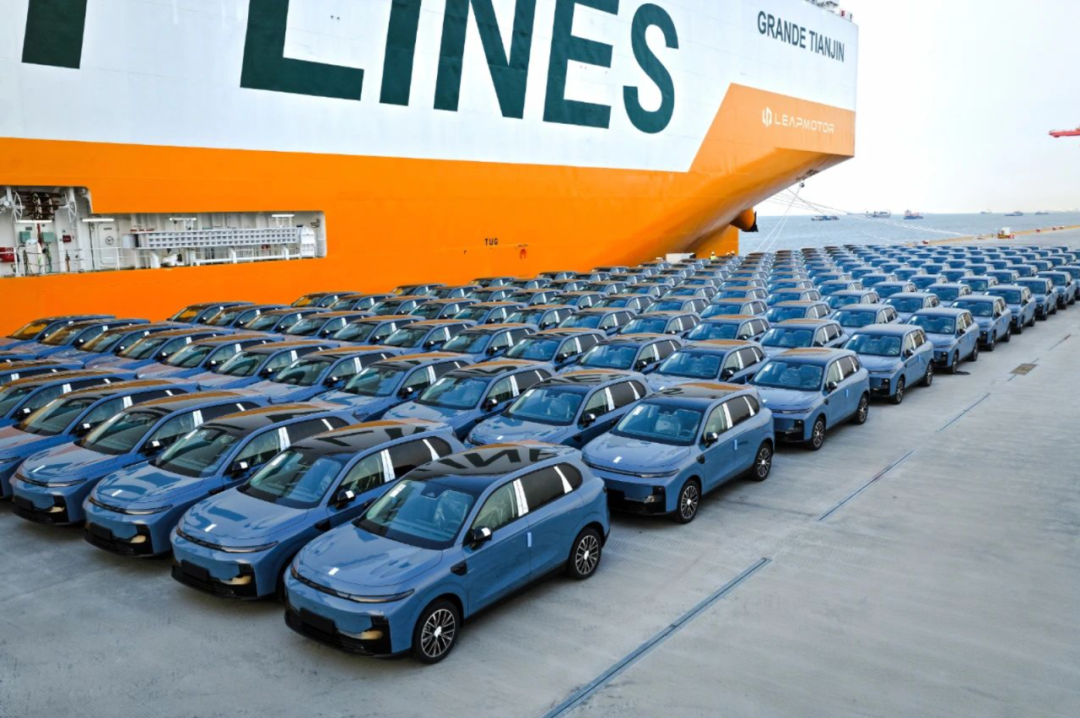
More critically, they must establish a solid footprint in markets beyond the US and Europe, using product strength and service capabilities to deepen local roots.
Over the past 40 years, China's home appliance and smartphone industries have faced similar blockades and doubts but ultimately secured global market positions through superior product capabilities. Today, China's automotive industry holds better technological cards, a more complete supply chain system, and product capabilities that better understand global user needs. The seemingly insurmountable walls erected by the US and European automotive industries will eventually crumble under the relentless advance of progress, becoming mere background scenery.
Note: Images sourced from the internet. Contact for removal if infringement occurs. -END-
-
![]()
GAC Acquires Stake in FAW Toyota: The Merger of North and South Toyota Unveils the Complex Landscape of China’s Auto Market
-
![]()
[Electrical Equipment] 45 BRT Pure Electric Mining Trucks Supplied to Chaonaoliang Coal Mine
-
![]()
FAW Acquires Stake in Leapmotor
-
![]()
From Booming Stocks to Trading Halt: Why is the Market So Optimistic About FAW's Investment in GAC?
-
![]()
US and Europe Act in Unison, Chinese Automakers Confront Dual Barriers in Global Expansion
-
![]()
Will the 'Size Arms Race' in the Auto Industry Reach Its End?
-
![]()
AITO Takes the Helm: Smart Selection Car Model Faces Pivotal Challenge
-
![]()
Seres Regains Autonomy: AITO's Front-End Operations Shift Back to Automaker, Huawei Returns to Supplier Role