From Booming Stocks to Trading Halt: Why is the Market So Optimistic About FAW's Investment in GAC?
 09/18 2026
 465
465
The exploration of central-local government reforms in the automotive sector is an ongoing endeavor.
As the peak sales season in September approaches, automakers have intensified their efforts amidst uncertainty over whether sales will rebound. The flurry of intense press conferences behind the scenes cannot conceal the sense of crisis pervading the entire industry.
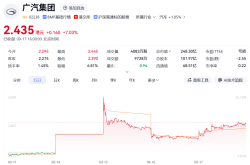
This week has been particularly eventful. A rumor on the evening of September 13 once again thrust the integration of state-owned automakers into the spotlight, sparking market enthusiasm on Monday. GAC Group, one of the key players, saw its Hong Kong-listed shares surge by 8.64% during the morning trading session before trading was halted. Its A-shares were also suspended from trading at the market open.
GAC Group cited undisclosed material information as the reason for the trading halt, with shares remaining suspended for the entire day on September 14. An announcement was anticipated after the market closed.
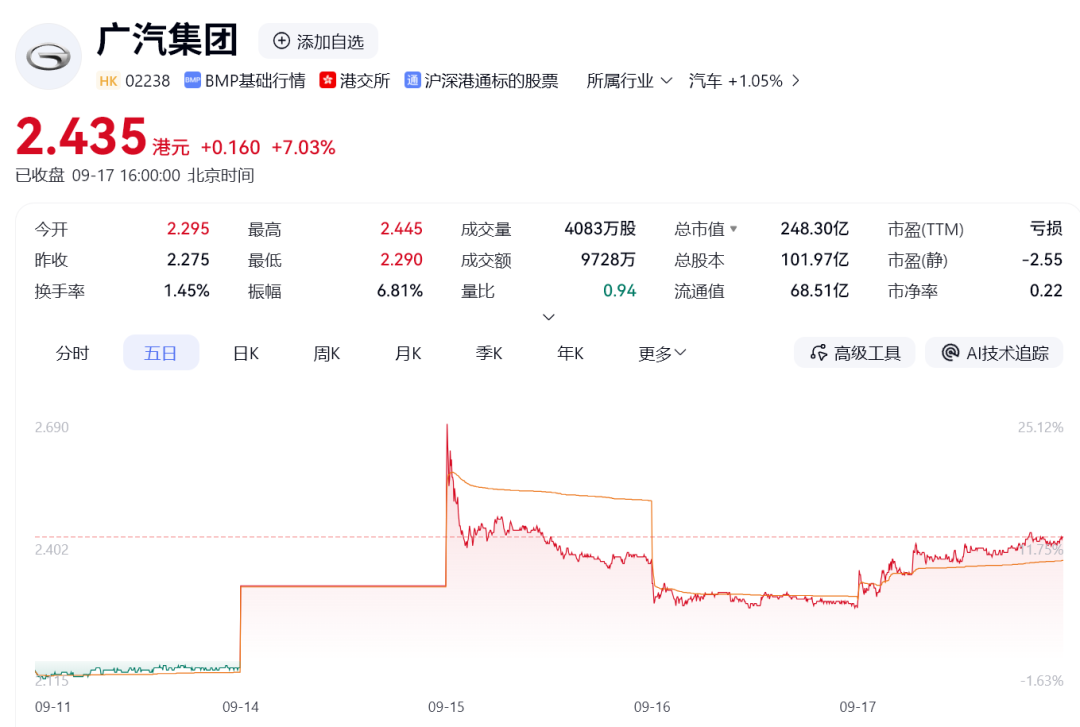
Later that evening, the announcement was made, confirming the long-rumored cooperation between GAC and FAW. FAW became the second-largest shareholder of GAC, and in return, GAC acquired some of FAW's stakes in their joint ventures.
While the announcement was understated, it ignited widespread discussion across the industry. After the events involving Changan Automobile and Dongfeng Motor, many believed that reforms among central state-owned enterprises (SOEs) would take a pause, allowing each to maintain stability until industry consolidation was complete. However, this equity change has brought reforms involving central SOEs and local SOEs in the automotive sector to the forefront once again.
FAW and GAC have emerged as frontrunners in these reforms, with far-reaching implications.
Why FAW and GAC?
According to GAC's announcement, the rationale lies in the equity of joint-venture automakers. The only joint venture both FAW and GAC hold is with Toyota. Given the previous merger of FAW Mazda and Changan Mazda, many speculate that this cooperation involves "North-South Toyota" (China FAW Toyota and GAC Toyota).
This direction is indeed plausible, and real-world developments confirm that Toyota will be a focal point of FAW's investment in GAC. On the evening of the announcement, sources revealed that Wen Dali, Executive Vice President of GAC Toyota, and Wang Jun, Deputy General Manager, were recalled to GAC Group's headquarters and would no longer serve in their roles at GAC Toyota.
Regarding "North-South Toyota" (China FAW Toyota and GAC Toyota), although they have long been competitors, their positions have shifted with market changes.
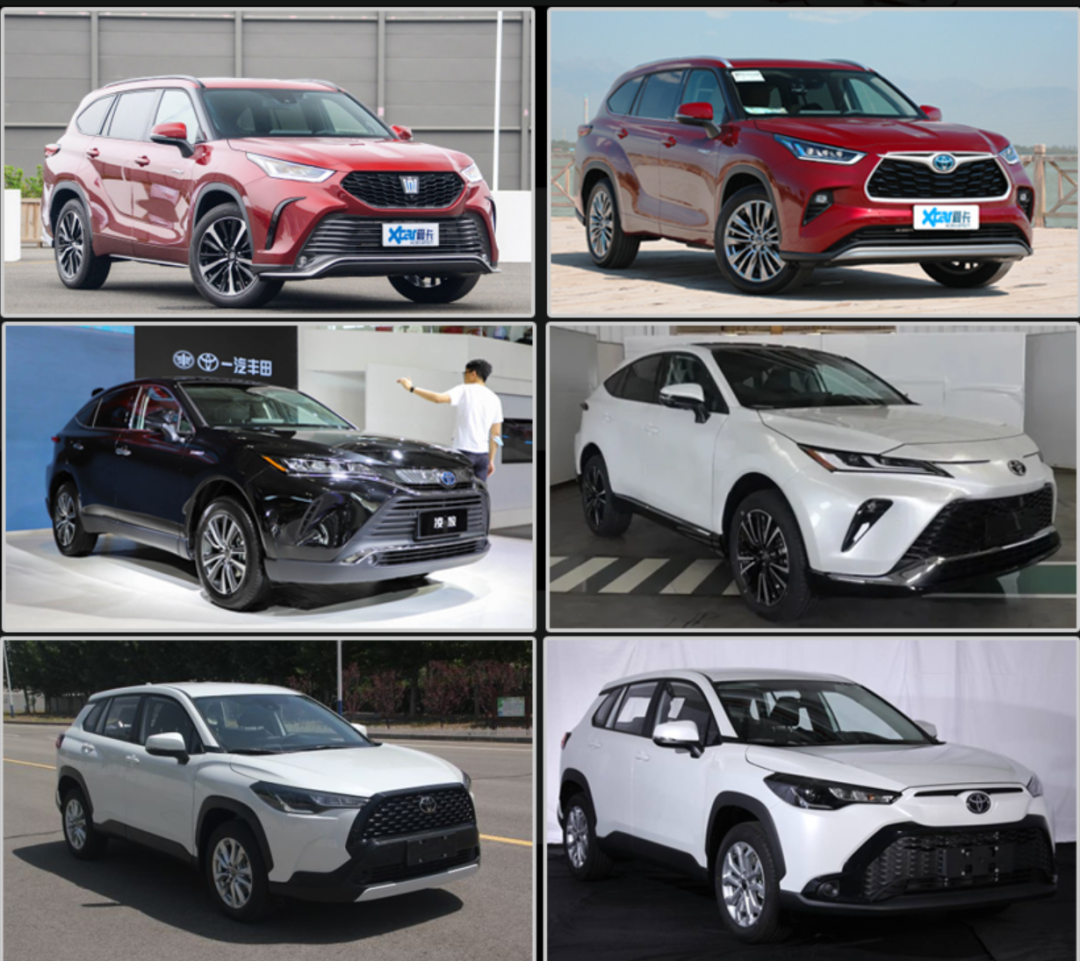
In 2023, GAC Toyota led FAW Toyota by approximately 100,000 units in sales. However, the situation quickly changed. As joint-venture automakers declined in the domestic market, Japanese brands were hit hard, with Toyota being one of the most affected.
Amid declining sales for both "North-South Toyota" (China FAW Toyota and GAC Toyota), FAW Toyota maintained its sales volume through price wars in 2024, regaining the lead by a margin of about 30,000 units. It held this advantage into 2025, even slightly expanding it.
Also in 2025, Toyota ended four consecutive years of decline in the Chinese market, achieving counter-trend growth.
However, fortunes shifted again in 2026. FAW Toyota faced difficulties, with cumulative sales of 233,700 units in the first half, a 27.4% year-on-year decline. In contrast, GAC Toyota saw a 3.29% increase, reaching 356,000 units. This shift in sales dynamics altered their competitive positions once more.
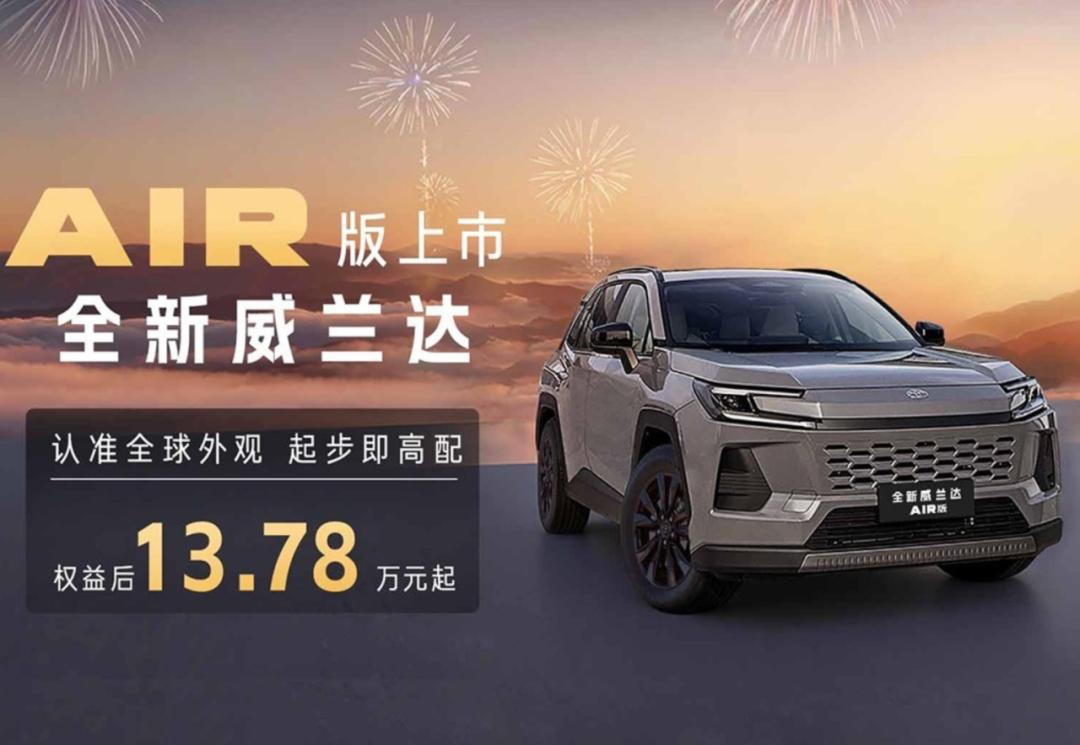
More importantly, these sales changes occurred in the new energy vehicle (NEV) segment. According to half-year reports, FAW Toyota sold only 11,500 pure electric vehicles (EVs) in six months, performing worse than even the lowest-ranking new energy startups. In contrast, GAC Toyota's Platinum Wisdom (bZ) series remained popular, accounting for over 15% of sales. The bZ3X model sold approximately 46,000 units in six months, with monthly sales nearing 10,000 units.
Despite improving sales, GAC Group delivered its weakest half-year financial report, falling into a dilemma of increasing sales but declining revenue.
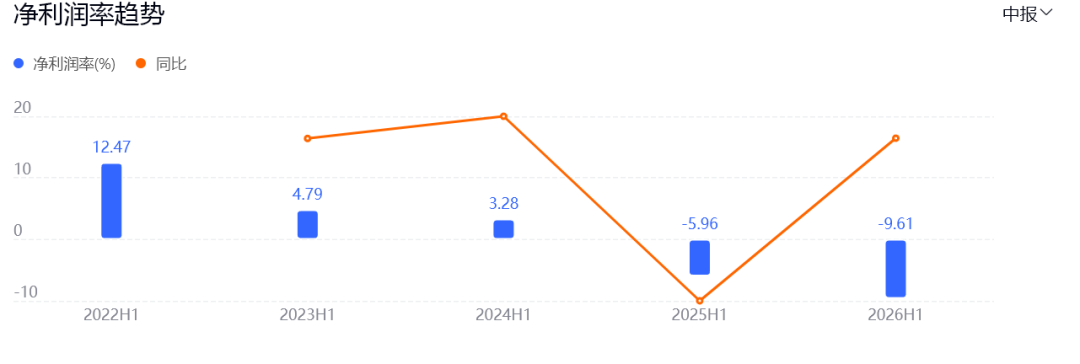
GAC Group's half-year report showed a 9.13% increase in revenue, but net profit attributable to shareholders continued to widen, reaching a loss of 4.467 billion yuan. Return on equity plummeted to -4.34%, and gross profit remained negative, indicating ongoing losses.
In contrast, although FAW Toyota's NEV sales were weak, it remained highly profitable. In 2025, its profit reached 7.35 billion yuan, with a per-unit profit of 9,100 yuan. In comparison, GAC Toyota's profit was only 5.1 billion yuan, with per-unit profit sliding to 4,000 yuan, further highlighting the challenge of profitability in the NEV sector.
The decline in GAC Toyota's per-unit profit stems from the high R&D costs of NEVs. Given current sales volumes, it is difficult to recover these costs quickly. Only by achieving R&D cooperation in NEV models can "North-South Toyota" (China FAW Toyota and GAC Toyota) more rapidly amortize R&D expenses while reducing manufacturing costs through larger-scale procurement.
From this perspective, it becomes clear why FAW and GAC chose to cooperate. Although FAW also partners with Volkswagen, SAIC is unlikely to collaborate with FAW. Meanwhile, GAC has Honda, but given Dongfeng's weak NEV performance, relying on Dongfeng Honda for breakthroughs seems unnecessary, as "North-South Honda" (Dongfeng Honda and GAC Honda) have already seen sales decline to a point where even a merger would yield limited benefits.
As for how "North-South Toyota" (China FAW Toyota and GAC Toyota) will ultimately collaborate—whether merging into a single entity like Mazda did previously or adopting other approaches—remains uncertain. However, their cooperation could revitalize Toyota's sales in China.
The depth of cooperation between FAW and GAC leaves much room for speculation.
What Do FAW and GAC Need?
Beyond the joint-venture Toyota partnership mentioned in the announcement, other factors likely drive FAW and GAC's cooperation. As the National Development and Reform Commission (NDRC) stated at a press conference, "Support key enterprises in effectively integrating R&D, production, and other resources to avoid homogeneous competition in product design and technological development."
From this perspective, some believe FAW's move into GAC is opportunistic, targeting GAC's NEV technology as its R&D enters the mass-production stage.
This viewpoint holds merit. As China's oldest automaker, FAW, under the leadership of Qiu Xiandong, has shifted from relying solely on the entire group to create blockbuster models to adopting a practical approach of exchanging "equity" for technology.
In November 2025, FAW completed a strategic investment in Zhuoyu Technology, spending 3.6 billion yuan to become its largest shareholder. This move brought a leading domestic intelligent driving company under its umbrella, addressing FAW's weakness in NEV advanced driver-assistance systems (ADAS).
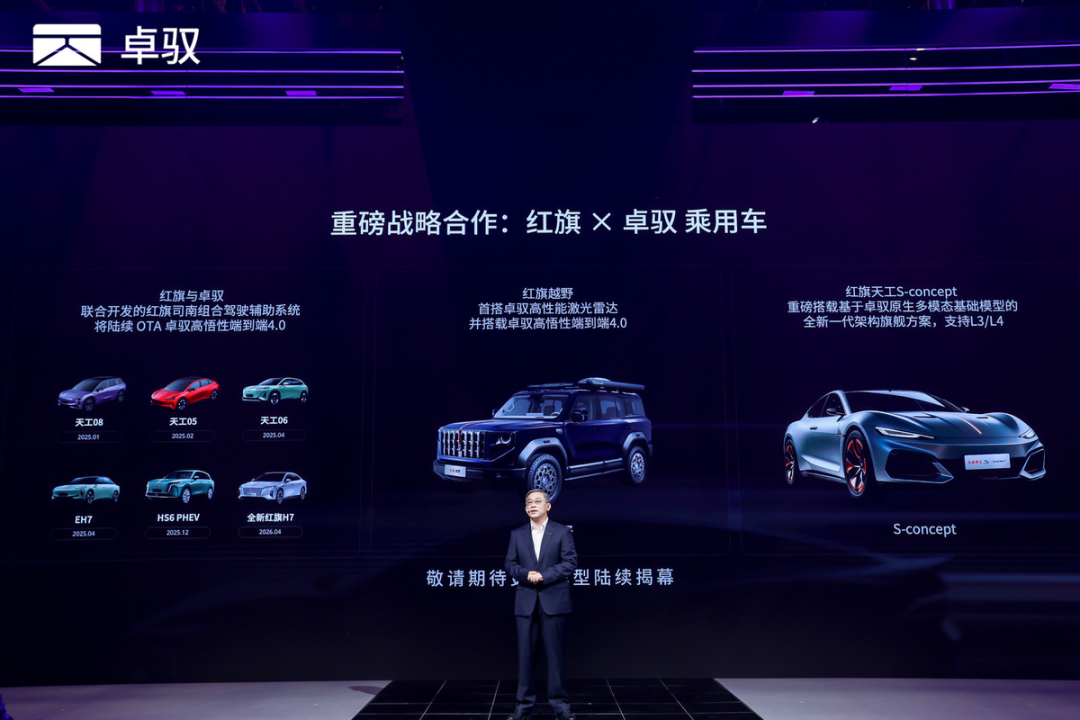
Following FAW's investment, Zhuoyu developed rapidly. The jointly developed "Sinan" intelligent driving system was quickly integrated into Hongqi models. More importantly, after FAW's stake acquisition, Zhuoyu achieved breakthroughs in commercial heavy-truck ADAS, completing the debut of a NOA product for commercial heavy trucks developed with FAW Jiefang at the Hannover Motor Show in Germany.
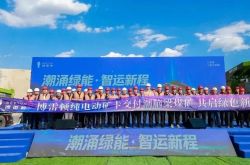
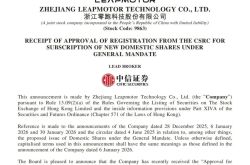
Besides Zhuoyu Technology, FAW invested in Leapmotor in December 2025. By then, Leapmotor had become China's top-selling new energy startup. FAW acquired a 5% stake for 3.7 billion yuan, though the rationale was unclear until recently, when the purpose of this 5% stake became apparent.
In August this year, FAW and Leapmotor signed a deepened strategic cooperation agreement, expanding collaboration to ten areas: capital, NEV manufacturing, intelligent driving, powertrains, batteries, intelligent chassis, body equipment, lightweight components, embodied intelligent robots, and finance. By then, Leapmotor had achieved monthly sales of 100,000 units through full-stack self-research.
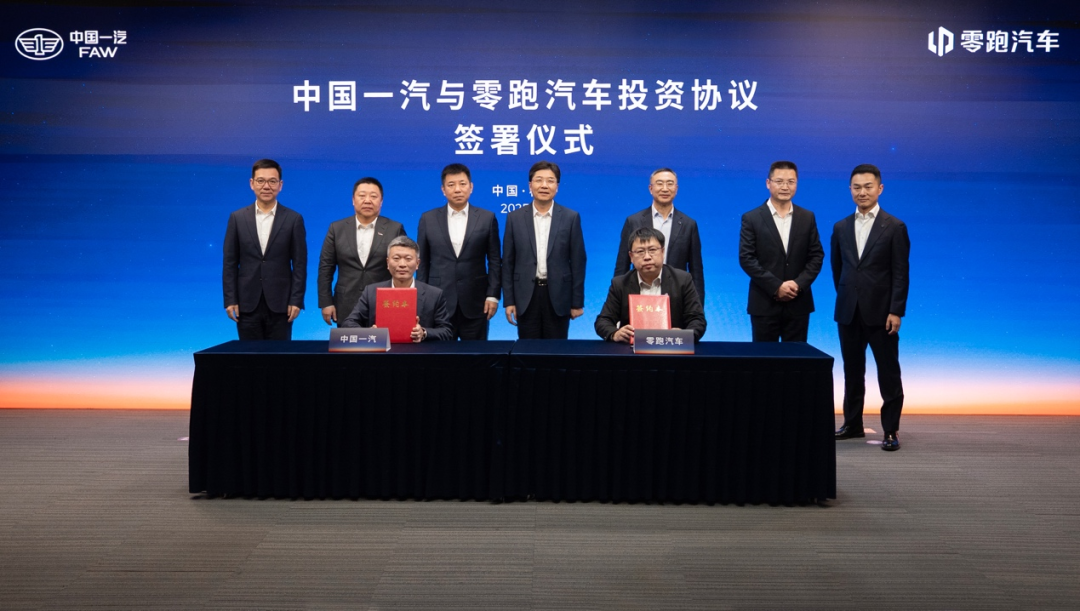
On September 17, Leapmotor participated as a strategic investor in FAW's Xindongli A-round financing and signed a battery technology cooperation agreement with China Automotive New Energy. Their NEV collaboration is becoming increasingly concrete, continuously enriching FAW's NEV technology portfolio.
Through its investment in GAC, FAW stands to gain significant NEV technology. In recent years, GAC Group has increased R&D investment, establishing technical barriers in three core NEV technologies (battery, motor, and control). Notably, its Quark Electric Drive 2.0 was included in China's export restriction technology list.
In the hybrid segment, GAC possesses extensive technology, including plug-in hybrid, extended-range, and mild-hybrid systems, with technical maturity validated through mass production by independent brands (self-owned brands) like Aion, Hyper, and Trumpchi.
Of course, technology sharing could also help GAC improve its financial situation. It is estimated that FAW's investment will bring approximately 20 billion yuan in capital, helping GAC navigate the challenging transition from technology development to mass production. Sharing technology with FAW for mass-produced models could even generate positive returns.
However, equity investment alone—a short-term, benefit-driven collaboration—is insufficient to sustain prolonged capital market attention, especially given the impact of GAC's stock fluctuations on BAIC's share price.
Whether their cooperation will deepen to include joint product manufacturing and sales channels remains uncertain, particularly regarding Toyota joint ventures. Given the existing similarities in their models, equity consolidation will likely lead to integration in production and sales, requiring negotiations on capacity allocation and sales networks.
For self-owned brands, challenges will be fewer, and advantages more pronounced. Sales channel integration could expand market reach for both sides.
Beyond these unverified aspects, the most direct outcome of FAW and GAC's cooperation is the formation of a new automotive group complex, potentially becoming China's largest by sales volume, similar to Hyundai-Kia and Stellantis.
For a major enterprise like FAW, such prestige matters, enabling it to truly become China's foremost automotive group.
This capital-driven alliance between FAW and GAC will undoubtedly mark the beginning of a new round of consolidation in China's automotive industry.
Note: Some images sourced from the internet. If infringement occurs, please contact us for removal.
-END-
-
![]()
GAC Acquires Stake in FAW Toyota: The Merger of North and South Toyota Unveils the Complex Landscape of China’s Auto Market
-
![]()
[Electrical Equipment] 45 BRT Pure Electric Mining Trucks Supplied to Chaonaoliang Coal Mine
-
![]()
FAW Acquires Stake in Leapmotor
-
![]()
From Booming Stocks to Trading Halt: Why is the Market So Optimistic About FAW's Investment in GAC?
-
![]()
US and Europe Act in Unison, Chinese Automakers Confront Dual Barriers in Global Expansion
-
![]()
Will the 'Size Arms Race' in the Auto Industry Reach Its End?
-
![]()
AITO Takes the Helm: Smart Selection Car Model Faces Pivotal Challenge
-
![]()
Seres Regains Autonomy: AITO's Front-End Operations Shift Back to Automaker, Huawei Returns to Supplier Role