Selling Cars Isn't Profitable: What Will XPENG Rely On to Reverse Its Losses in the Future?
 09/18 2026
 512
512
Lead | Introduction
While the spotlight is firmly fixed on the profit fluctuations of NIO, XPENG, and Li Auto, XPENG's strategic approach warrants a closer examination. In the second quarter of 2026, all three companies remained unprofitable. Unlike NIO and Li Auto, which primarily focus on the automotive sector, XPENG harbors grander ambitions, continuing to invest heavily in R&D for intelligent driving, humanoid robots, and other cutting-edge technologies. While it can boost revenue through technology licensing and secure financing via its robotics business, the pressure from operating losses remains significant. With car sales failing to generate profits, can XPENG identify new profit growth points through technology exports and AI-driven narratives?
Published by | This article is produced by: Heyan Yueche Studio
Written by | Article written by: Cai Yan
Edited by | Edited by: He Zi
Full text: 2,079 characters
Reading time: 4 minutes
As the automotive market undergoes transformation, new energy players NIO, XPENG, and Li Auto are each seeking ways to break through and achieve sustainable growth.
In the second quarter of 2026, NIO approached profitability. Despite still reporting a GAAP loss, excluding one-time items like stock-based compensation, its core car sales and services were actually profitable, resulting in a small Non-GAAP profit—making it the only adjusted profitable company among the trio. Li Auto, once the first new energy automaker to achieve stable profitability, entered a product transition cycle in 2026. Older models saw price cuts to clear inventory, significantly compressing per-unit profits. Although it returned to losses, its Q2 sales recovered quarter-on-quarter, turning operating cash flow positive. In August, new L8/L9 models gradually ramped up, driving a sales rebound and product mix improvement.
Unlike NIO and Li Auto, XPENG has grander ambitions, urgently seeking ways to break the automotive industry's cycle of 'rising sales, rising losses.' While it has boosted overall gross margins through tech sales—with Volkswagen paying approximately 1.3-1.4 billion RMB per quarter in tech services—XPENG's R&D investment remains massive, keeping its vehicle business under pressure. With car sales failing to generate profits, can XPENG find a new way to break through and achieve profitability?
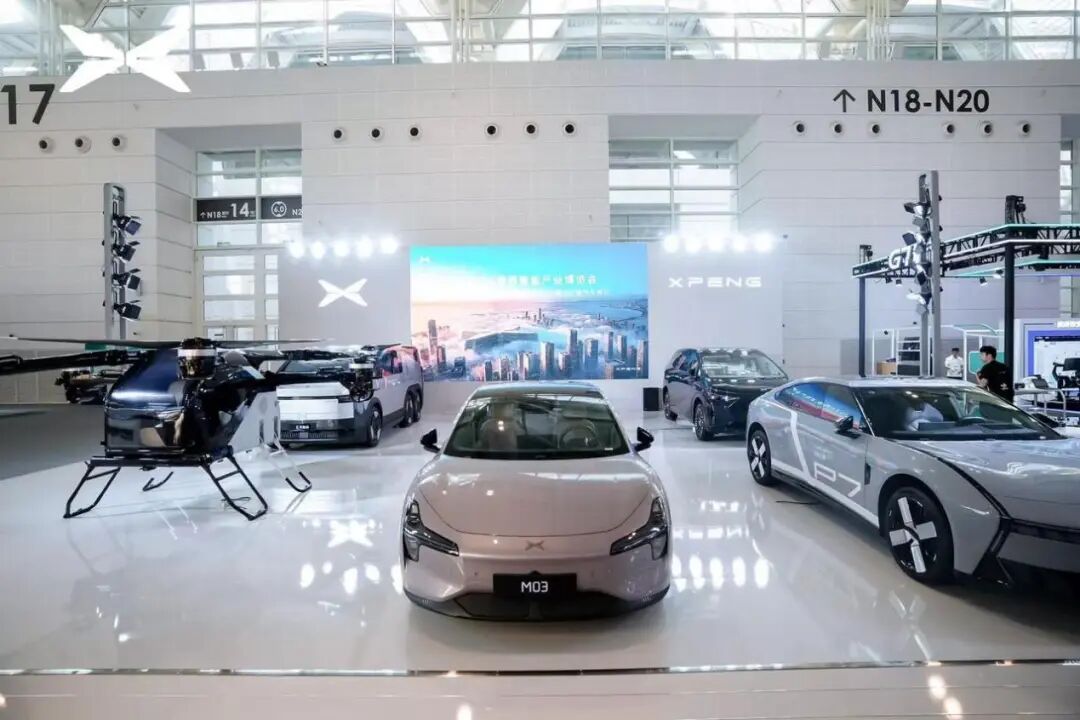
△ XPENG's car sales fail to generate profits
Are sales the cure?
In August 2026, XPENG delivered 39,107 new vehicles, up 4% year-on-year and approximately 2.8% month-on-month. Two years ago, nearly 40,000 monthly deliveries would have been cause for celebration, but in 2026's fiercely competitive landscape, this figure requires re-evaluation. Among August's new energy sales rankings, Leapmotor led with 103,129 units, followed by HiPhi at 42,101, Fangchengbao at 41,568, and XPENG at 39,107. Notably, the gap between XPENG and Leapmotor widened to over 60,000 units. Li Auto delivered 37,679 units (+32.1% year-on-year), just 1,428 fewer than XPENG. By model, the new tech flagship XPENG GX delivered 7,338 units, growing month-on-month for three consecutive months; the MONA series surpassed 310,000 cumulative deliveries, with MONA M03 dominating the 100,000-200,000 RMB pure electric sedan segment for 23 straight months. This sales structure forms an 'inverted pyramid'—entry models drive volume, while premium models like GX and G9L remain in market validation.
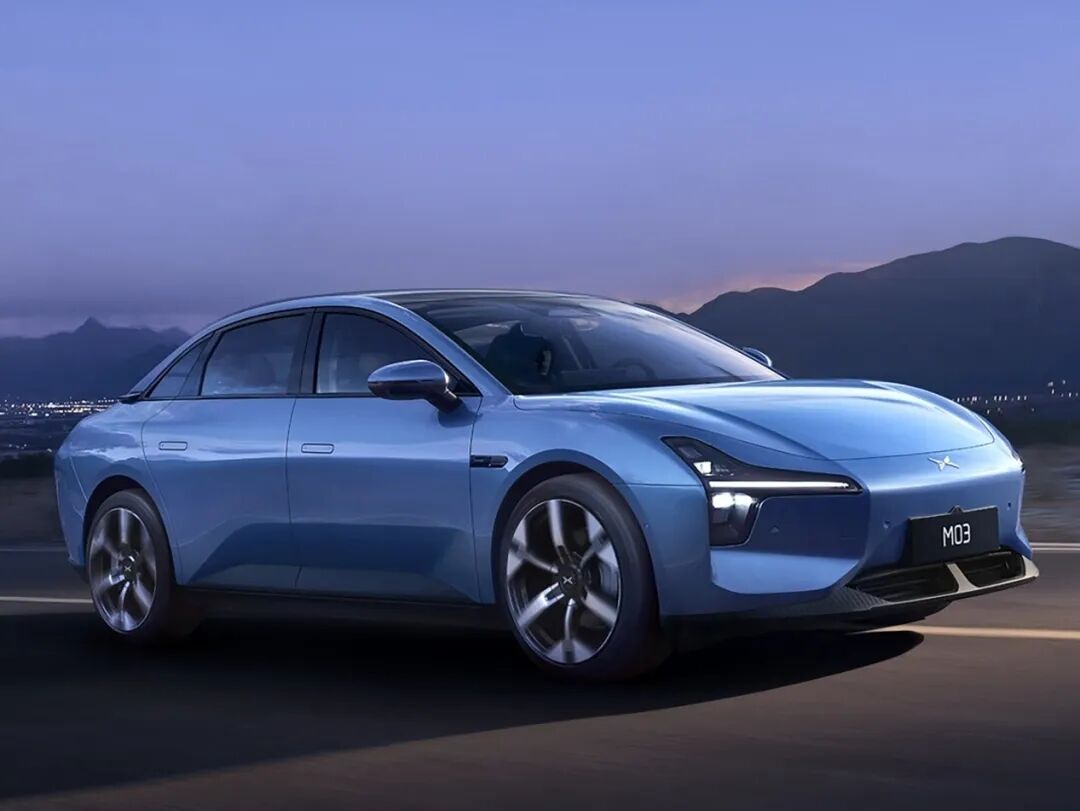
△ MONA M03 performs well in sales
The real anxiety lies not in sales volume itself but in the structural contradictions revealed by financial reports. In the second quarter of 2026, XPENG's total revenue reached 19.74 billion RMB (+8% year-on-year, +51.5% quarter-on-quarter), with a net loss of 1.34 billion RMB—nearly 1.8 times worse than the 480 million RMB loss a year earlier. Deliveries hit 103,295 units, almost flat year-on-year (+0.1%). Most notably, automotive gross margin fell to 12.1% (from 14.3% year-on-year), while services and other revenue surged 93.9% year-on-year to 2.7 billion RMB, with a staggering 75.1% gross margin, contributing nearly half of the company's gross profit. In other words, XPENG's Q2 consolidated gross margin of 20.7% came not from car sales but from tech R&D services. XPENG CEO He Xiaopeng revealed that this revenue primarily came from tech R&D services provided to Volkswagen, with income recognized after reaching project milestones in Q2.
Meanwhile, NIO's revenue hit 32.14 billion RMB (+69.1% year-on-year), with a net loss of 528 million RMB—the closest to profitability among the three. Its Non-GAAP adjusted net profit was 26.1 million RMB. Li Auto's Q2 revenue fell 15.1% year-on-year to 25.7 billion RMB, with a net loss of 1.7 billion RMB, though it delivered 98,330 units. Its vehicle gross margin of 9.4% was lower than XPENG's, but its revenue exceeded XPENG's by nearly 6 billion RMB. XPENG ranked last in revenue among the three, with the largest year-on-year expansion in net losses.
On the expense side, XPENG's Q2 R&D spending reached 2.91 billion RMB (+32.1% year-on-year), while selling, general, and administrative expenses hit 2.5 billion RMB (+15.2% year-on-year), totaling 5.41 billion RMB—exceeding its 4.08 billion RMB gross profit. Though service revenue surged 93.9% year-on-year to 2.7 billion RMB, it failed to cover the combined 5.41 billion RMB in R&D and sales expenses. This fundamentally shows that XPENG's current profit improvement still heavily relies on non-recurring tech income rather than profit contributions from its core automotive business.
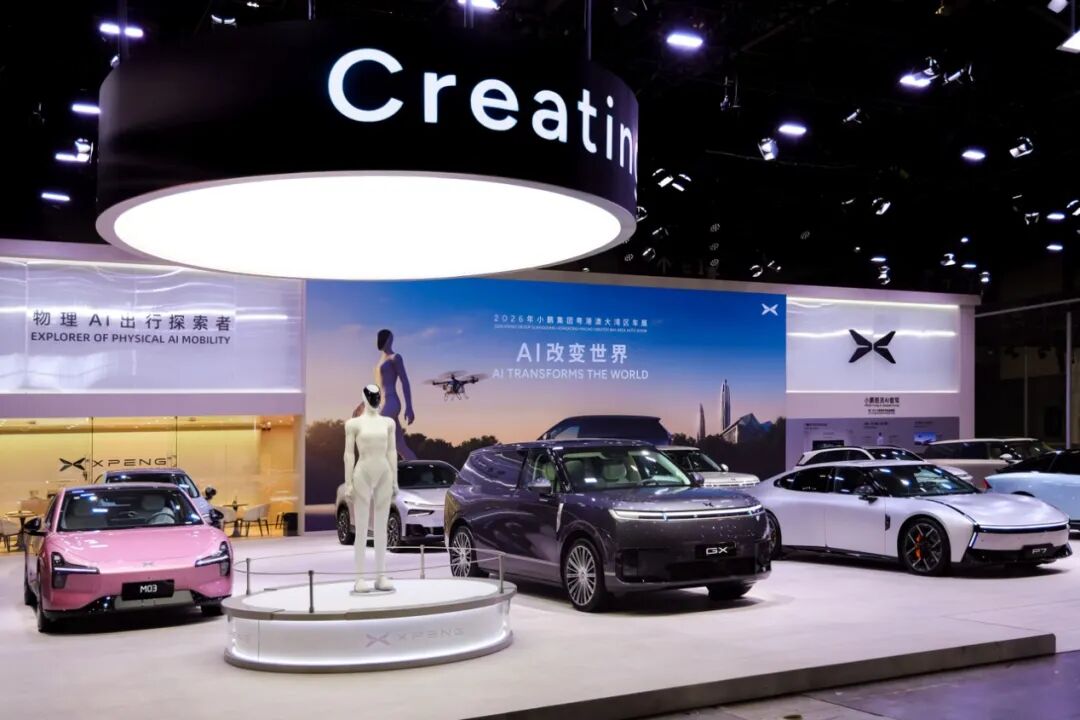
△ XPENG's current profit improvement still relies on tech income
With car sales failing to generate profits, what will drive future turnaround?
2026 is a major product transition year for XPENG, which launched four new models in January. On September 17, the G9L officially launched at a starting price of 231,800 RMB, accelerating its push into the premium market. XPENG's product strategy features parallel pure-electric and extended-range EV lines, with the most aggressive update cadence among new energy players. However, frequent updates come at a cost—old model clearance, new model marketing, supply chain restructuring, and production ramp-up all squeeze profits, driving automotive gross margin down to 12.1%. He Xiaopeng revealed that Q3 new orders grew 50% month-on-month, but the 115,000-121,000 unit delivery guidance fell short of market estimates of 147,000 units, indicating that transition turbulence persists.
Amid vehicle business pressure, tech exports are emerging as a second growth driver. Volkswagen pays approximately 1.3-1.4 billion RMB per quarter in tech services, totaling approximately 10.4 billion RMB from Q3 2024 to Q2 2026, with the first jointly developed model, Zhi 08, launching in March 2026. However, this income depends on project milestones, with sustainability and scalability uncertainties. If growth slows, the gross margin support could weaken.
The robotics business forms a third narrative layer—raising over $900 million in August at a post-money valuation exceeding $6.3 billion, with IRON slated for mass production by the end of 2026. This creates an independent valuation anchor for XPENG. Meanwhile, its second-generation VLA model boosts end-to-end response speed by 300%, Robotaxi has secured Guangzhou remote testing qualification, and overseas sales surpassed 20,000 units in Q2, accounting for 25% of revenue. While these three pillars—tech services, robotics, and automotive—offer valuation diversification, they cannot fully replace the core automotive business's profit-generating capacity.
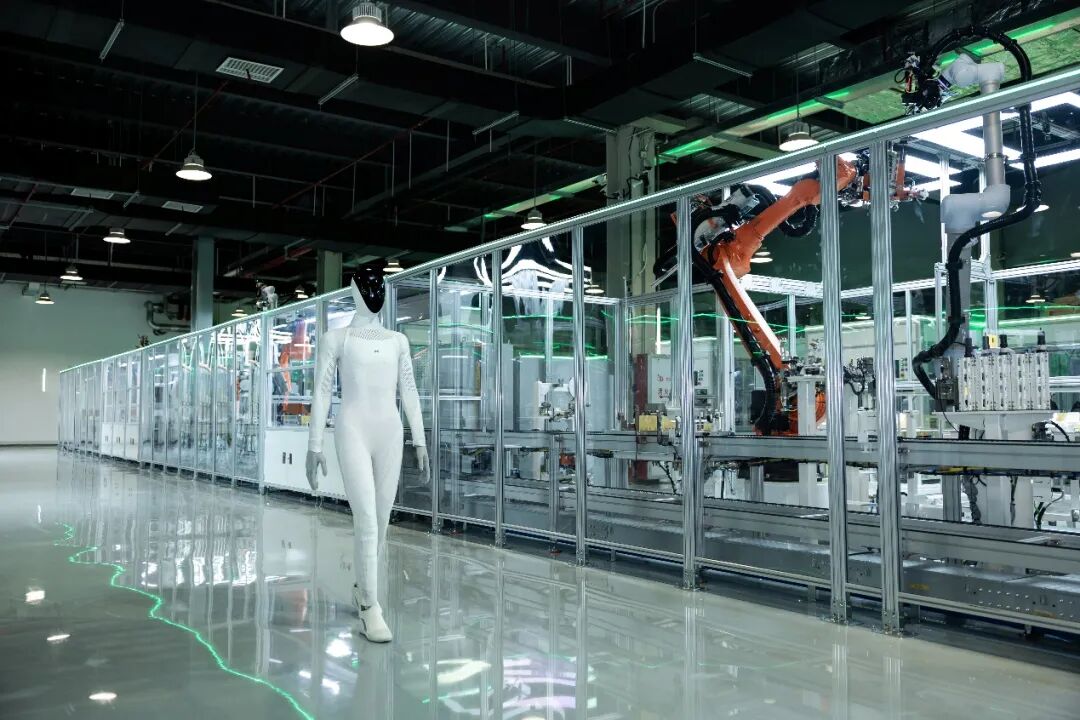
△ Humanoid robotics business becomes XPENG's new valuation anchor
Commentary
Currently, XPENG is pursuing profit growth through three avenues. Its automotive business remains foundational, but short-term profitability is unlikely to improve significantly, with transition pains persisting. Tech services and robotics financing have altered valuation narratives but cannot fully replace the automotive business's profit-generating capacity. The real test lies in whether automotive gross margins can rebound after the transition cycle ends—a critical challenge for XPENG.
(This article is original to Heyan Yueche and may not be reproduced without authorization.)
-
![]()
Revenue Drops, Net Profit Plunges by 56%: Is Supcon Technology Navigating Through Growing Pains in Its Transformation?
-
![]()
Huawei Takes a Step Back, AITO Steps into the Spotlight
-
![]()
A Photo Retouching Company with 37 Employees Fetches $2 Billion in Acquisition
-
![]()
The Automotive Industry Steps into the 'Era of Collaboration': Will BAIC and Li Auto Join Forces?
-
![]()
Selling Cars Isn't Profitable: What Will XPENG Rely On to Reverse Its Losses in the Future?
-
![]()
Doubao Phone: A Vision Yet to Be Realized
-
![]()
Doubao Phone: A Vision Yet to Be Realized
-
![]()
Apple Enters Foldable Phone Arena: A New Dawn or the Twilight of Smartphones?