Huawei Takes a Step Back, AITO Steps into the Spotlight
 09/18 2026
 515
515

Text/Wan Yanbo
Edited/Zhu Xiaodi
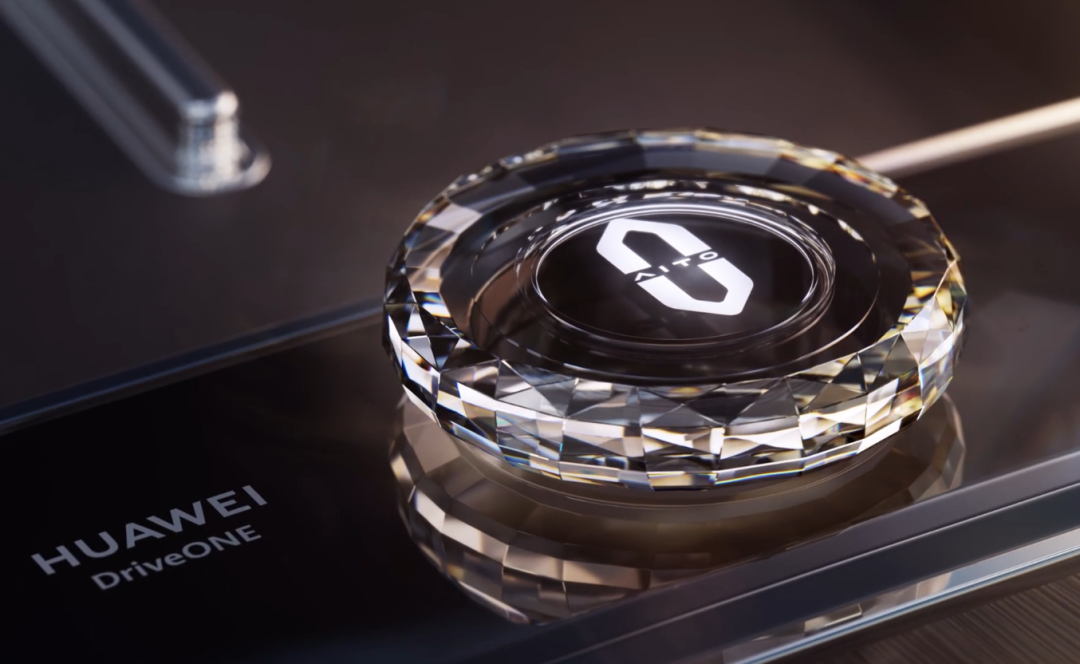
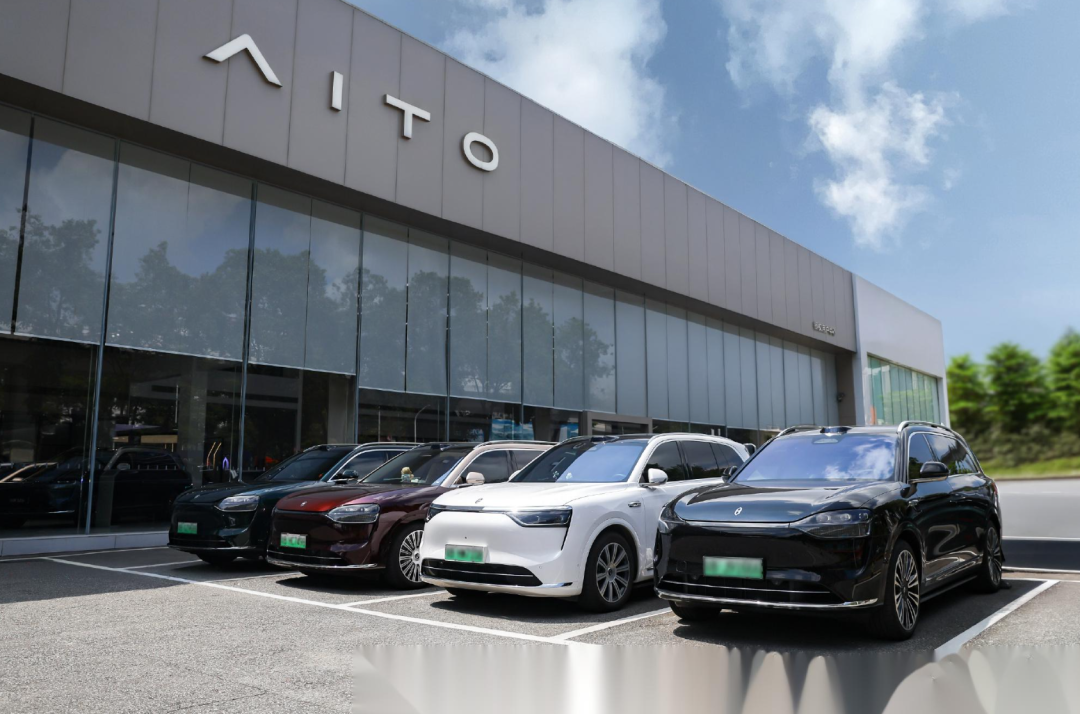
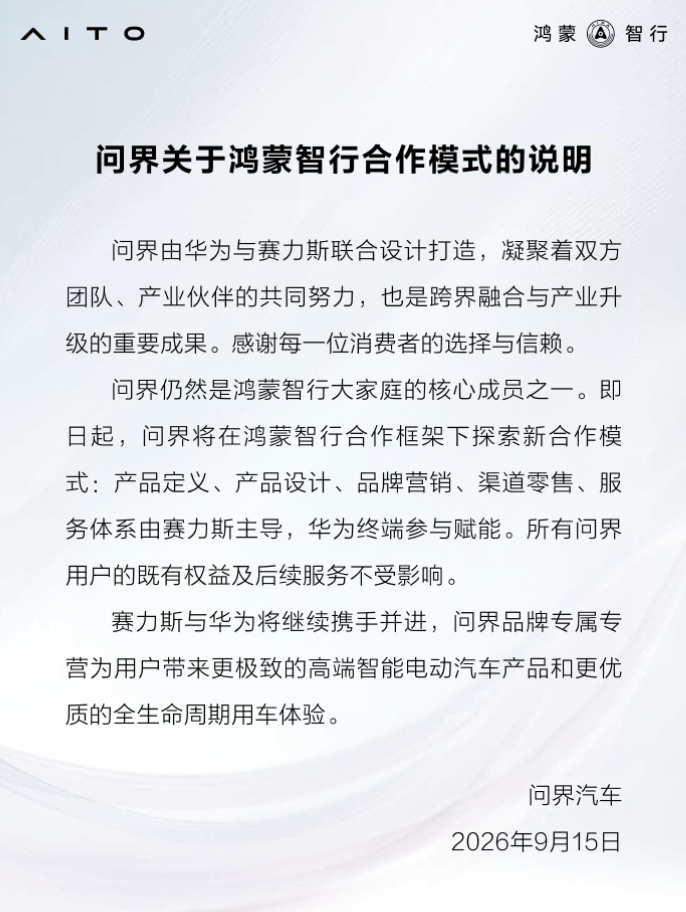
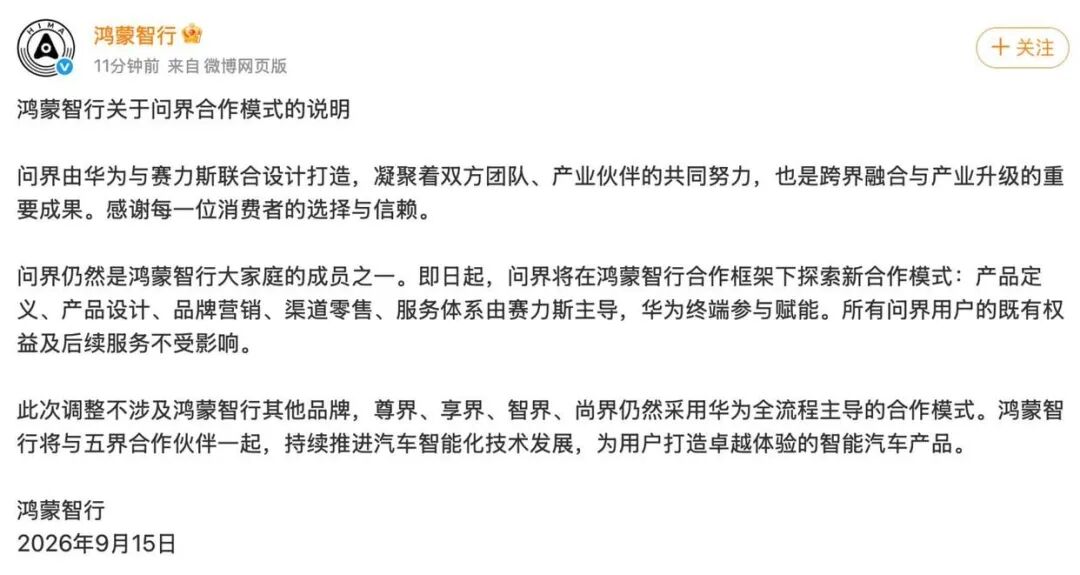
Few strategic shifts in the automotive industry’s collaborative landscape have stirred such fervent consumer sentiment as this one. On September 15, Harmony Intelligent Mobility and AITO jointly announced that Seres would now take full charge of AITO’s five core areas—product definition, design, brand marketing, channel retail, and service systems—while Huawei’s consumer business transitions to a role of “support and empowerment.” When news broke, some potential car buyers who had just placed orders flooded forums with the same question: “Am I buying a Huawei car or a Seres car?”
This question, in fact, lies at the heart of the adjustment’s purpose.
After spending several days reviewing the background of this collaboration and speaking with industry insiders, I’ve concluded—bluntly put—that those rushing to cancel their orders are likely making a hasty decision.

Did Huawei Really ‘Retreat’?
Let’s start with the official statements. Seres clarified on its investor interaction platform that this upgrade in the cooperation model will not affect OTA updates for AITO products. Huawei’s advanced intelligent technologies, such as Huawei ADS and Harmony OS Cockpit, will continue to be integrated into AITO vehicles, with ongoing iterations and upgrades. AITO’s statement also emphasized that the brand remains a key member of the Harmony Intelligent Mobility ecosystem.
However, consumer concerns are not unfounded. Over the past few years, AITO has been closely tied to Huawei—from product design to event appearances, from store displays to sales pitches. Huawei’s involvement went far beyond that of a typical supplier, deeply ingraining the perception among many consumers that “AITO = a car made by Huawei.” So, when the “lead role” shifted from Huawei to Seres, the psychological impact is understandable.
Yet, when viewed through a broader lens, this adjustment completes a “three-step process” that began two years ago. In July 2024, Seres acquired 919 AITO series trademarks and 44 design patents from Huawei for 2.5 billion yuan, securing the brand’s “name.” A month later, Seres invested 11.5 billion yuan to purchase a 10% stake in Huawei’s Aito Intelligent Mobility, becoming a strategic shareholder by September 2025 and locking in “technology supply.” With the name and technology secured, the third step was to regain operational control.
Thus, labeling this adjustment as “sudden” is inaccurate. It’s more akin to a meticulously planned transition, only revealed to the public at the final moment.
Why Did Huawei ‘Let Go’?
There’s a crucial context here. Huawei’s Harmony Intelligent Mobility now manages five brands—AITO, Luxeed, Enjoyment, Z-Class, and Shang—across five automakers: Seres, Chery, BAIC, JAC, and SAIC. Huawei’s consumer business faces limited human and management resources. Juggling product definition, channel operations, and brand marketing for five brands simultaneously makes resource allocation a pressing issue.
Sources close to Huawei revealed that after the adjustment, Harmony Intelligent Mobility will concentrate its resources to accelerate the brand-building of Luxeed, Enjoyment, Z-Class, and Shang. The refreshed Luxeed R7 began accepting reservations in September, while new models like the Enjoyment V9 and Luxeed RX are in the pipeline. From Huawei’s perspective, AITO has already proven itself, achieving cumulative deliveries exceeding one million units and boasting a mature user base and relatively stable market position. Handing operational control back to Seres allows Huawei to refocus on its core strength—technical empowerment—maximizing resource efficiency.
In essence, Huawei aims to be the “coach,” not the “player” indefinitely. This aligns with its long-stated philosophy of “not building cars, but helping automakers build better cars.”
Can Seres Handle It?
This is the question on everyone’s mind—and the one most deserving of serious discussion.
Frankly, Seres’ performance in the first half of 2026 was lackluster. Revenue for the period was 57.49 billion yuan, down 7.87% year-on-year, with a net loss attributable to shareholders of 1.717 billion yuan. In August, Seres sold 20,652 vehicles, a year-on-year decline of nearly 50%. Taking over full operations of AITO at such a time is undoubtedly challenging.
However, from another perspective, this underscores the necessity of the adjustment.
Based on various online sources, under the old “Smart Selection” model, Seres paid roughly 10% of each AITO’s selling price to Huawei—8% for channel marketing services and 2% for technology licensing. In 2025, Seres’ estimated payments to Huawei totaled around 38.8 billion yuan. With this structure, the more vehicles sold, the more money flowed out. Some securities firms estimate that after regaining control, Seres could save around 3.5 billion yuan annually by eliminating the 8% channel service fee.
In other words, Seres isn’t “grabbing for power”—this model had reached a point where adjustment was inevitable. Seres needs to retain profits and respond to market competition more flexibly.
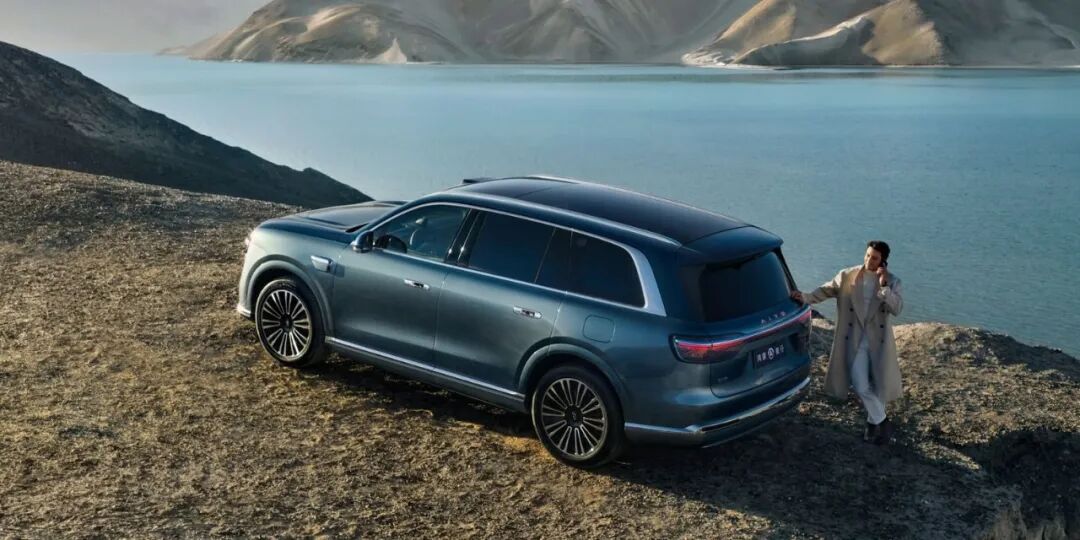
Moreover, an often-overlooked fact is that Seres already has its own teams within AITO’s sales and after-sales systems. By the end of 2025, AITO had 380 operational user centers covering 218 cities. These outlets can handle orders from Huawei Experience Stores as well as generate their own leads, possessing complete sales, delivery, and after-sales capabilities. The so-called “exclusive franchise” model isn’t starting from scratch but is a channel focus built on existing foundations.
What Should Consumers Really Care About?
Returning to the original question: “Am I buying a Huawei car or a Seres car?”
This question misses the mark. You’re buying a car—a mobility tool. The Huawei ADS system on this car continues to iterate; just this July, ADS 5.0 was rolled out, bringing 34 new features and 23 experience optimizations across intelligent driving, cockpit, and vehicle control. The Harmony OS Cockpit remains in use, and the range-extender system is still Seres’ proprietary technology. Despite the shift in operational control, the technical supply relationship between Huawei and Seres remains unchanged.
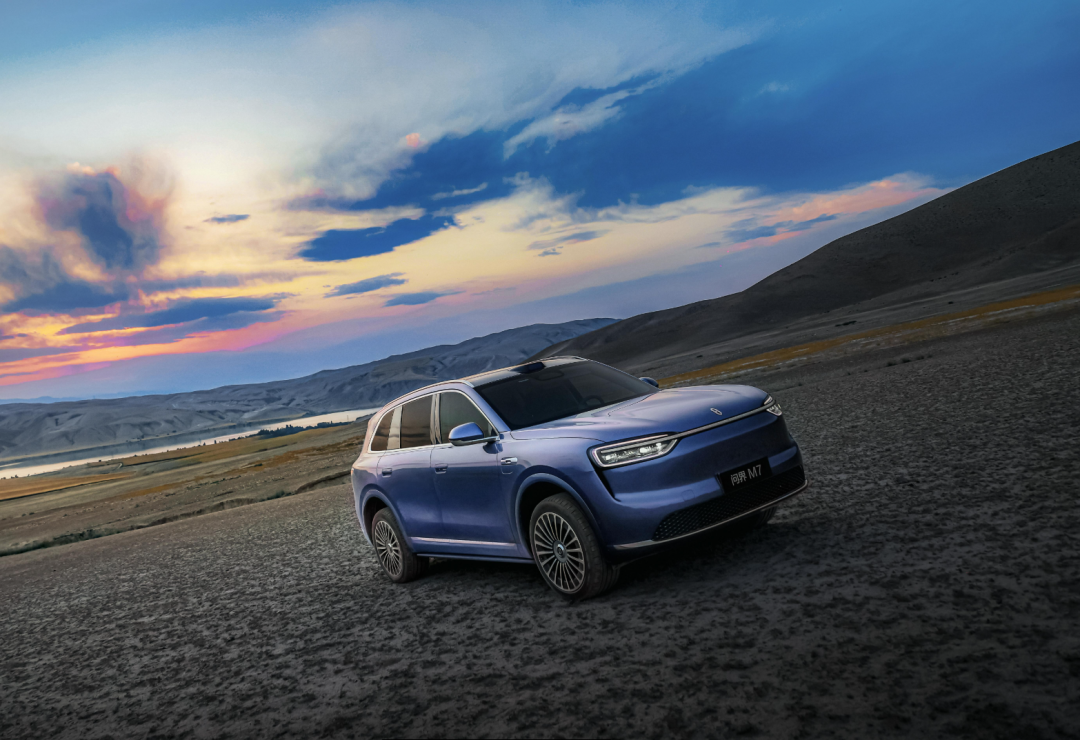
Li Yanwei, an expert member of the China Automobile Dealers Association Expert Committee, puts it bluntly: After the cooperation model adjustment, there will be no changes to OTA updates or other technical aspects of AITO cars. “Seres purchases Huawei’s intelligent driving system for use in AITO vehicles, likely with contractual guarantees.”
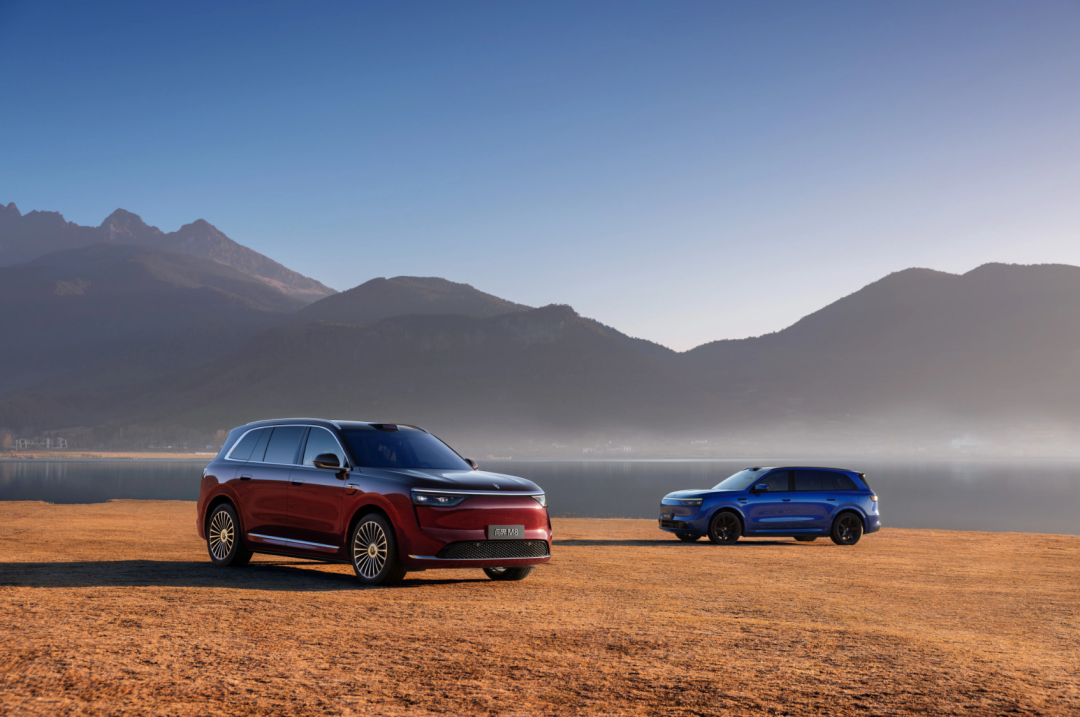
As for concerns over resale value, consider this data: The AITO M9 consistently leads in Jeran Road’s Net Promoter Score rankings for new energy vehicles. The all-new M9 delivered over 30,000 units in its first 12 weeks, topping the sales charts for models priced above 500,000 yuan for three consecutive months from June to August this year, with an average transaction price exceeding 600,000 yuan. A model that dominates the 500,000+ yuan market segment derives its used-car value from product strength itself, not from who handles marketing.
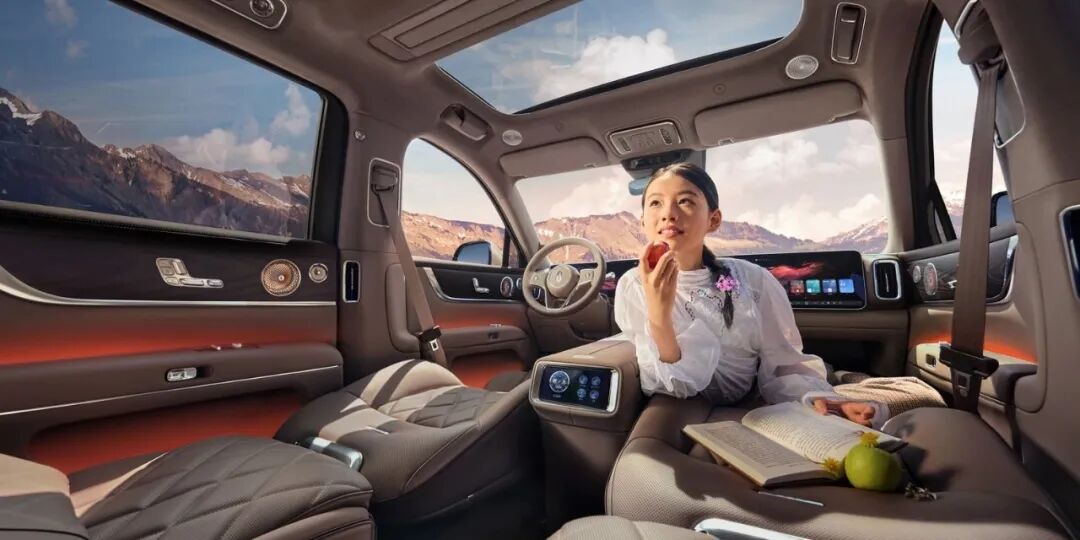
To be honest, what will truly affect AITO’s resale value isn’t Huawei stepping back but whether Seres can continue to deliver strong products and services. Judging by current signals—restarting “AITO Grand Hotel” free services, implementing exclusive franchises to enhance user experience—Seres is at least taking a serious approach.
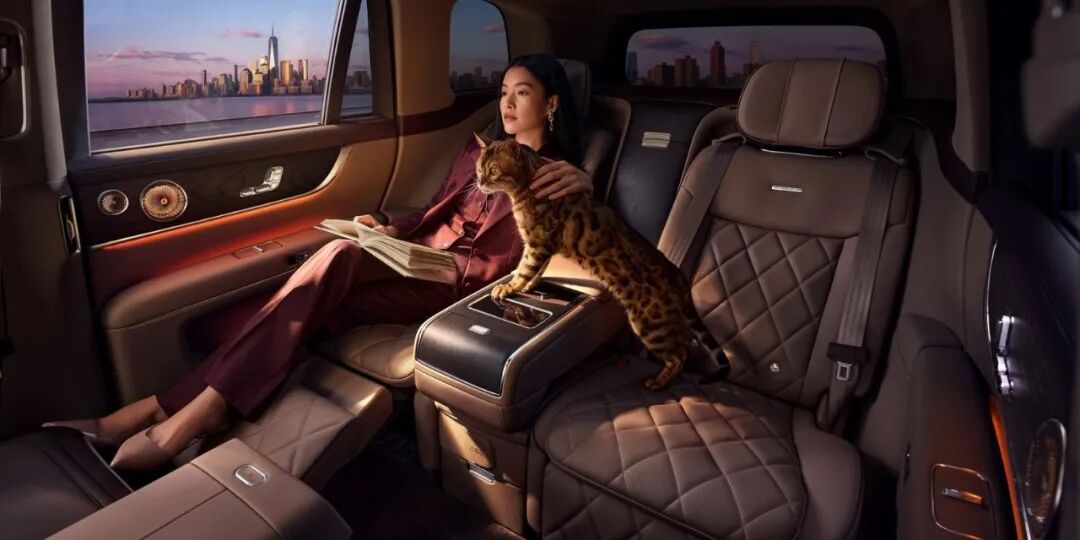
The Deeper Significance
Looking beyond AITO itself, this adjustment marks a new phase for China’s smart electric vehicle industry.
Over the past five years, tech companies’ deep involvement in vehicle operations served as a transitional arrangement to “help them get on their feet.” Huawei and Seres achieved one million units in 46 months, validating the feasibility of cross-border integration models. But once brand equity is established and business models proven, returning operational control to automakers while letting tech companies focus on technology supply represents a natural division of labor in the industry.
Interestingly, Huawei is also advancing “Jing” series collaborations—with GAC’s Qijing and Dongfeng’s Yijing—where automakers retain brand and channel control from the start, while Huawei provides intelligent technology solutions. Running both paths in parallel shows Huawei is exploring different levels of cooperation. AITO’s adjustment isn’t a “demotion” but finding a more suitable position in Huawei’s cooperation spectrum for the current stage.
For consumers, the simplest and most effective judgment criterion is one thing: Is the car good? Is the intelligent driving useful? Is the after-sales service good? If AITO continues to keep pace in product iteration, improves service experience, and fully leverages Huawei’s technological dividends in intelligence, this adjustment will be a win-win. If not, the market will provide its answer.
The brand AITO has grown from a cross-border experiment that was not initially favored into a high-end brand with cumulative deliveries exceeding one million units. Now, it has truly come of age—no longer relying on others for support, but standing on its own at the forefront. The necessary technologies remain, and the partners are still there; only their roles have changed.
This is not necessarily a bad thing. Sometimes, being let go is the deepest form of trust.
-
![]()
From Purchasing Cells to Defining Cell Specifications: The Shifting Power Dynamics in the New Energy Industry Chain
-
![]()
If ByteDance Goes Public, Could It Become China’s Largest Company by Market Capitalization?
-
![]()
Revenue Drops, Net Profit Plunges by 56%: Is Supcon Technology Navigating Through Growing Pains in Its Transformation?
-
![]()
Huawei Takes a Step Back, AITO Steps into the Spotlight
-
![]()
A Photo Retouching Company with 37 Employees Fetches $2 Billion in Acquisition
-
![]()
The Automotive Industry Steps into the 'Era of Collaboration': Will BAIC and Li Auto Join Forces?
-
![]()
Selling Cars Isn't Profitable: What Will XPENG Rely On to Reverse Its Losses in the Future?
-
![]()
Doubao Phone: A Vision Yet to Be Realized