Chery’s Overseas Brands Set to Make a Comeback in the Domestic Market
 09/22 2026
 470
470
Leveraging Overseas Success to Boost Domestic Performance
Author: Wang Lei
Editor: Qin Zhangyong
Chery is poised to tap into its “hidden potential.”
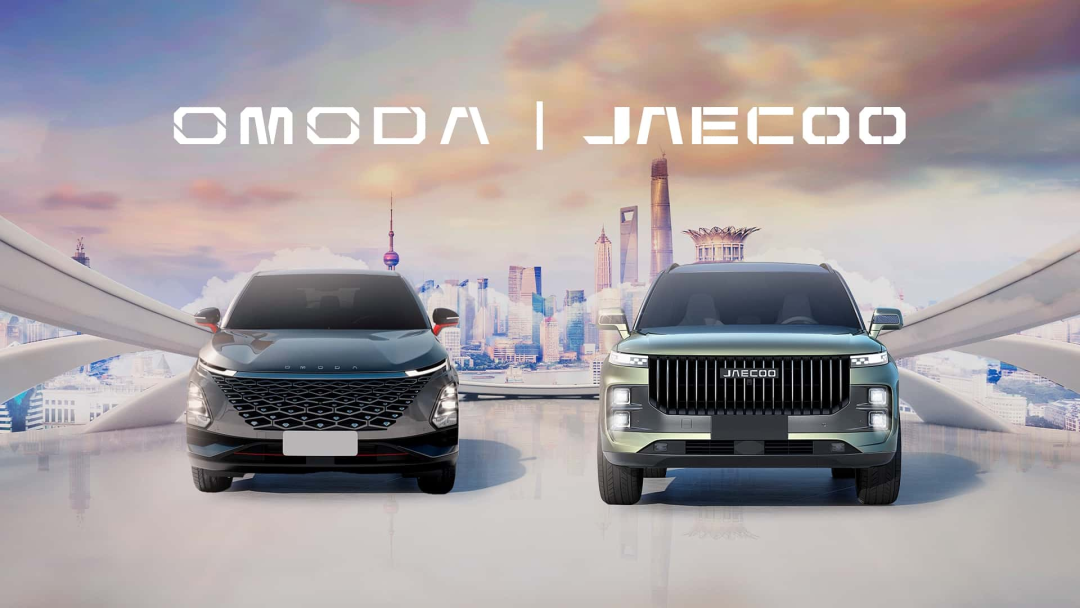
This latent strength originates from its international ventures. Media reports indicate that Chery is gearing up to bring its overseas-centric sub-brands, OMODA and JAECOO, to the domestic market.
The objective is straightforward: to amplify domestic sales.
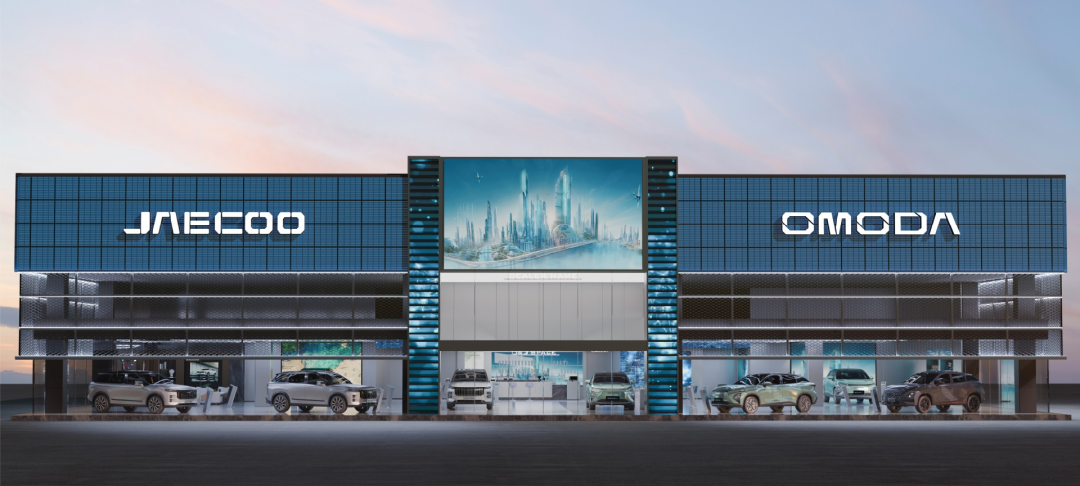
Reviewing the results from the first eight months of 2026, Chery Group’s cumulative global sales hit 1.9145 million units—a notable figure, with overseas exports contributing a staggering 1.3433 million units, accounting for over 70% of total sales.
In simpler terms, domestic sales constitute less than 30%, with only 571,200 units sold domestically during the same period, underscoring a significant disparity between domestic and overseas sales structures.
This is precisely why Chery intends to introduce its high-performing overseas brands to the domestic market.
According to Lei Feng Network, the marketing team for this initiative is currently being formed, with the new brands set to be positioned in the premium segment. Reports suggest that Chery has reached out to several professionals with experience at luxury brands like BBA.
01 Definite Overseas Successes
The names Omoda and Jaecoo may be unfamiliar to most in China.
That’s understandable, as Chery does not market these two brands domestically.
Omoda, introduced by Chery in 2021, is a new product line with a global vehicle strategic positioning, targeting young and fashion-conscious consumers for their first car purchase.
Jaecoo, launched even later in 2022, also focuses on overseas markets but with a rugged off-road emphasis, targeting the premium market.
The two brands have distinct positioning without overlap, sharing Chery’s technological foundation. By 2024, to further bolster its European expansion, Chery integrated OMODA and JAECOO into the O&J International Business Division, operating independently as the fifth brand alongside Chery, Exeed, Jetour, and iCAR within the company.

Since these brands are primarily geared towards overseas markets, most in China are only familiar with Chery's four major brands and have limited awareness of this fifth brand.
However, within Chery’s ecosystem, for every 10 Chery vehicles sold, if 7 are from overseas markets, at least 4 are from these two brands. When a Chinese automotive brand topped the monthly sales charts in the UK for the first time, it was thanks to these two brands.
Data from the UK’s Society of Motor Manufacturers and Traders (SMMT) for August reveals that Chery ranked first among new vehicle brands in the UK, with 8,618 units sold, surpassing established giants like Volkswagen, Ford, and BMW.
Among the top 10 best-selling models in the UK in August, Chinese models secured four spots, with three from Omoda and Jaecoo. In less than two years since entering the UK market, the O&J brand has amassed over 100,000 units in sales.
These figures illustrate that Omoda and Jaecoo are definite “successes” overseas. Not just in the UK, but across Europe, in the first five months of 2026, Chery’s cumulative registrations in Europe approached 123,000 units, surging by 316% year-on-year. Among them, O&J sold 82,682 units across 10 European countries, directly contributing over 70% of Chery’s total European sales.
In other words, without the explosive growth of these brands, Chery might not have secured a top-tier position in the European market. Expanding globally, according to data released by O&J in April this year, its cumulative global sales have surpassed 1 million units, just three years after the brand's launch.
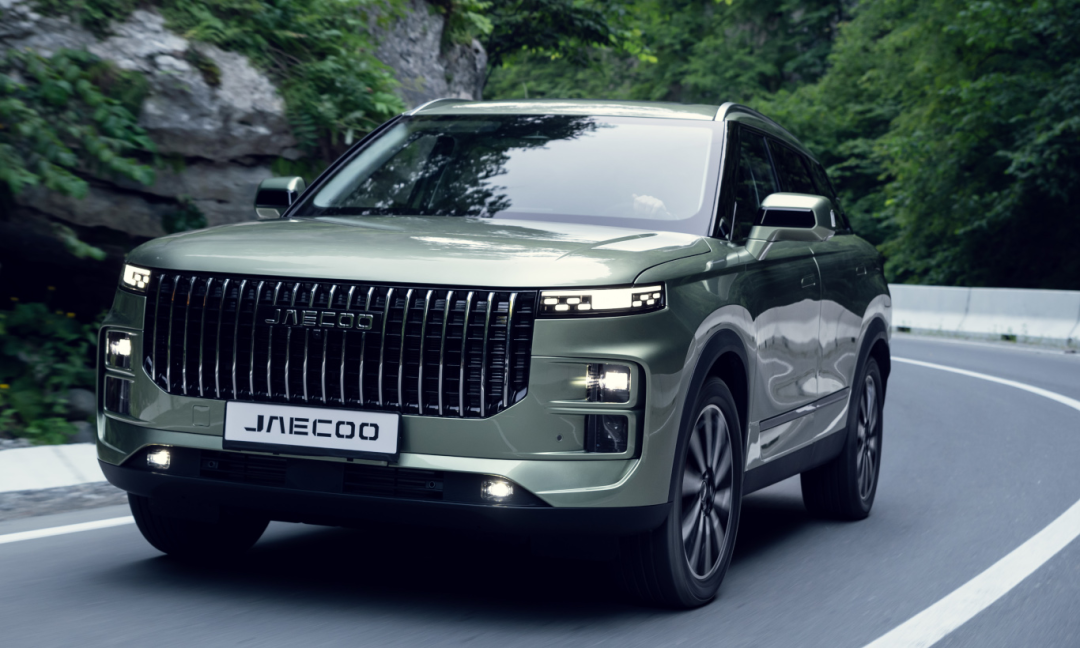
This is why Chery has opted to introduce these two brands specifically into the domestic market. In fact, Chery has launched numerous brands overseas besides Omoda and Jaecoo, including Exeed/Exlantix, TIGGO, Tenet, Ebro, CAOA Chery, Xcite, and more.
However, the O&J brand stands out. From the outset, Chery did not intend to follow the traditional path of “modifying domestic models for overseas sales” but instead established a new development model for “native global vehicles.” This means that even when sold domestically, there will be no “rebadged” vehicles.
Of course, the most critical factor is sales. The O&J brand has successfully validated its product and brand logic in overseas markets, with a solid foundation in reputation and sales. With existing successful models, directly introducing a mature overseas brand into China is undoubtedly a more cost-effective choice than nurturing a new premium brand from scratch.
Moreover, O&J returns to China with the halo of overseas success, making for a compelling narrative.
02 Leveraging Overseas Success to Boost Domestic Performance
Chery’s consideration of such a move is not surprising.
From an overall sales perspective, Chery’s performance is far from lackluster. In the first half of this year, the group sold a cumulative total of 1.3575 million vehicles. By August, cumulative sales had reached 1.91 million units, up 10.8% year-on-year, with cumulative new energy vehicle sales at 725,214 units, up 46.2% year-on-year.
However, a closer look at the sales composition reveals that of the 1.358 million new vehicles sold by Chery in the first half of the year, 70% were sold overseas.
In August this year, Chery Group sold 280,000 vehicles, up 15.4% year-on-year. Of these, exports reached 196,000 units, up 52.1% year-on-year, while domestic sales amounted to only 84,000 units.
By the end of August, Chery’s cumulative overseas sales had exceeded 7.18 million units, not only ranking first among Chinese brand passenger vehicle exports for 23 consecutive years but also becoming the first Chinese automaker to surpass 7 million cumulative exports. Every 16 seconds, a “Chery-made” vehicle heads overseas.
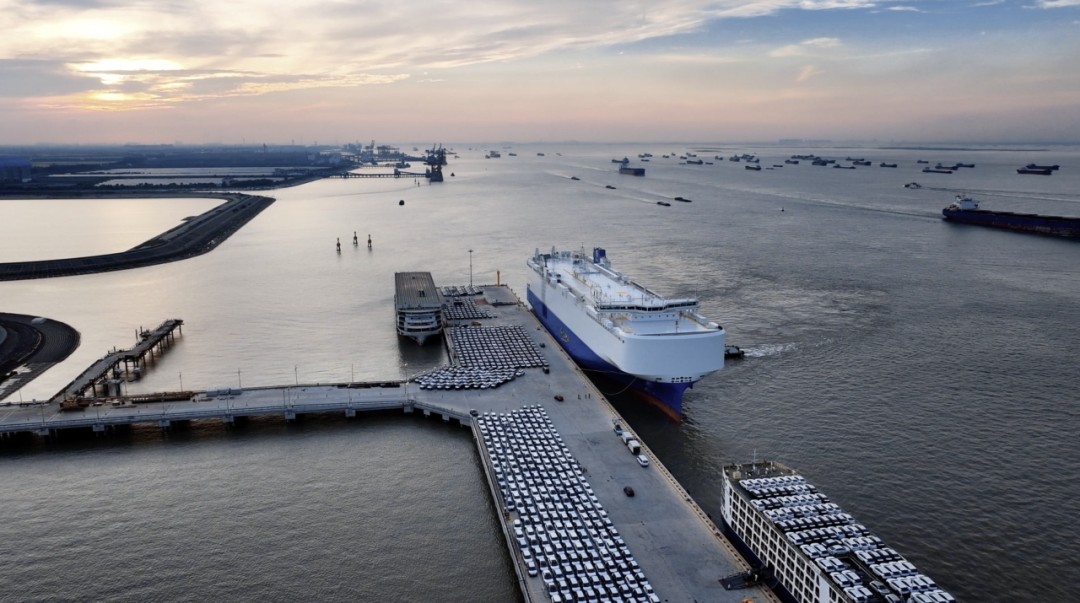
While overseas achievements are impressive, the contrast between Chery’s domestic and overseas sales structures is striking. Compared to Chery’s strong performance overseas, the domestic market has shown a more subdued trend.
In the first half of this year, only 410,000 units were sold domestically, a decrease of about 300,000 units compared to the previous year. During the same period last year, Chery’s domestic sales were nearly 710,000 units.
Among these, the main Chery brand sold 918,400 units, up 25.2% year-on-year; Exeed sold 33,200 units, down 44.9% year-on-year; Jetour sold 258,700 units, down 13.6% year-on-year; iCAR sold 45,400 units, up 2.0% year-on-year.
Excluding the main brand, the combined sales of the other brands were about 92,000 units less than the same period last year. The proportion of the main Chery brand in the total sales of the five brands increased from about 62% in the first half of last year to about 72% in the first half of this year. Exeed and another brand's combined sales exceeded 100,000 units in the first half of last year but dropped to about 52,500 units in the same period this year.
From a revenue perspective, the difference is even more pronounced. By sales location, in the first half of the year, Chery’s revenue from the Chinese market was 44.312 billion yuan, compared to 76.055 billion yuan in the same period last year, a decrease of 31.743 billion yuan in just one year.
A year ago, the Chinese market contributed about 53.7% of Chery’s revenue. In the first half of this year, this proportion dropped to 30.9%, while overseas revenue increased from 65.547 billion yuan to 98.968 billion yuan, up 51% year-on-year, accounting for 69.1% of the company’s total revenue.
It is evident that whether in terms of sales or revenue, while not necessarily under pressure, Chery is struggling to keep pace with the rapid growth overseas. Moreover, the performance divergence has also led to changes in the influence of Chery’s various business divisions.
Not long ago, it was confirmed that Chery’s Exeed brand would be transferred to the Chery International Business Group for operation, a clear signal that when domestic business is under pressure, the group will naturally consider leveraging successful overseas assets to support the domestic market.
Furthermore, Yin Tongyue had previously stated at the 20 millionth vehicle roll-out ceremony that after reaching 20 million units, Chery would no longer engage in internal competition but would instead focus on brand elevation and pursuing higher value. This time, introducing the overseas premium-positioned OMODA and JAECOO back to China may also be an attempt by Chery to practice brand elevation.
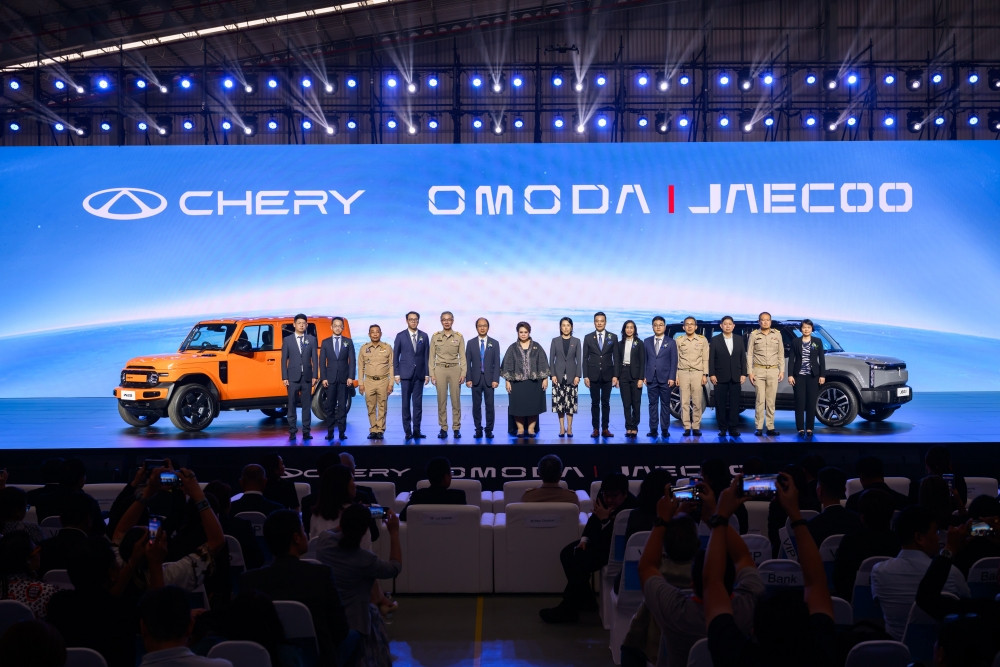
However, whether overseas sales can translate into domestic competitiveness remains to be seen. There are differences in pricing systems, consumer preferences, and competitive environments across markets, and the brand recognition accumulated overseas cannot be directly replicated domestically.
It is worth mentioning, however, that more than a year ago, Chery had registered a new energy brand in China, “Yueji,” positioned above Exeed, and planned to place it under the management of the O&J International Business Division. However, the planning for the Yueji brand was postponed multiple times, and there has been no substantial progress reported externally.
If the O&J brand is successfully introduced into China this time, could Yueji become the carrier for its Chinese business?
-
![]()
【Intelligentization】Li Auto to Supply Mach Chips, Silicon Carbide, and Range Extenders Externally
-
![]()
Announcement Related to AITO from Huawei's Yinwang
-
![]()
Selling Cars Proves Unprofitable: 'NIO, Xpeng, Li Auto, Leapmotor' Step into Supplier Role, Challenging Bosch and Huawei!
-
![]()
Chery’s Overseas Brands Set to Make a Comeback in the Domestic Market
-
AI Computing Power Surges, Colliding with the Most Vulnerable Metal Supply Chain
-
![]()
All Models to Feature Self-Developed Batteries: Will Others Follow Li Auto's Lead?
-
5G Private Networks and Physical AI: A Mutually Reinforcing Development Process
-
![]()
Why Do AI Glasses No Longer Need Cameras?