Selling Cars Proves Unprofitable: 'NIO, Xpeng, Li Auto, Leapmotor' Step into Supplier Role, Challenging Bosch and Huawei!
 09/22 2026
 570
570
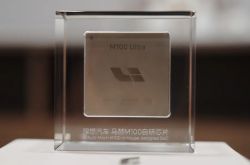
On September 21, Beijing time, Li Auto officially addressed recent industry rumors about its external supply of self-developed technology products. Li Auto announced plans to offer smaller, more adaptable chips, such as Mach chips and silicon carbide modules, to other manufacturers. However, it clarified that it would not supply its self-developed battery PACKs externally due to their highly customized nature.
So far, Leapmotor, Xpeng, NIO, and Li Auto, the top four new energy vehicle (NEV) startups, have all officially begun supplying self-developed parts and technical services to external clients.
There are two primary reasons why these new forces are venturing into external product and technology supply:
1. Profitability from car sales alone is challenging (financial reports for the first half of 2026 reveal that among these four companies, only Leapmotor achieved a modest net profit of 210 million yuan. In contrast, Li Auto incurred a loss of 3.98 billion yuan, Xpeng a loss of 3.12 billion yuan, and NIO a loss of 860 million yuan). The parts market represents a vast potential revenue stream.
2. The substantial R&D investments made by these new forces over the years have started to bear fruit. External supply also serves as a means to dilute R&D costs, which have traditionally been spread across sales volumes within the industry.
There's also the potential for forming technology alliances, a practice seen in the era of fuel vehicles, particularly for engine technology. Automakers have historically formed such alliances to share resources and primarily to dilute future R&D costs.
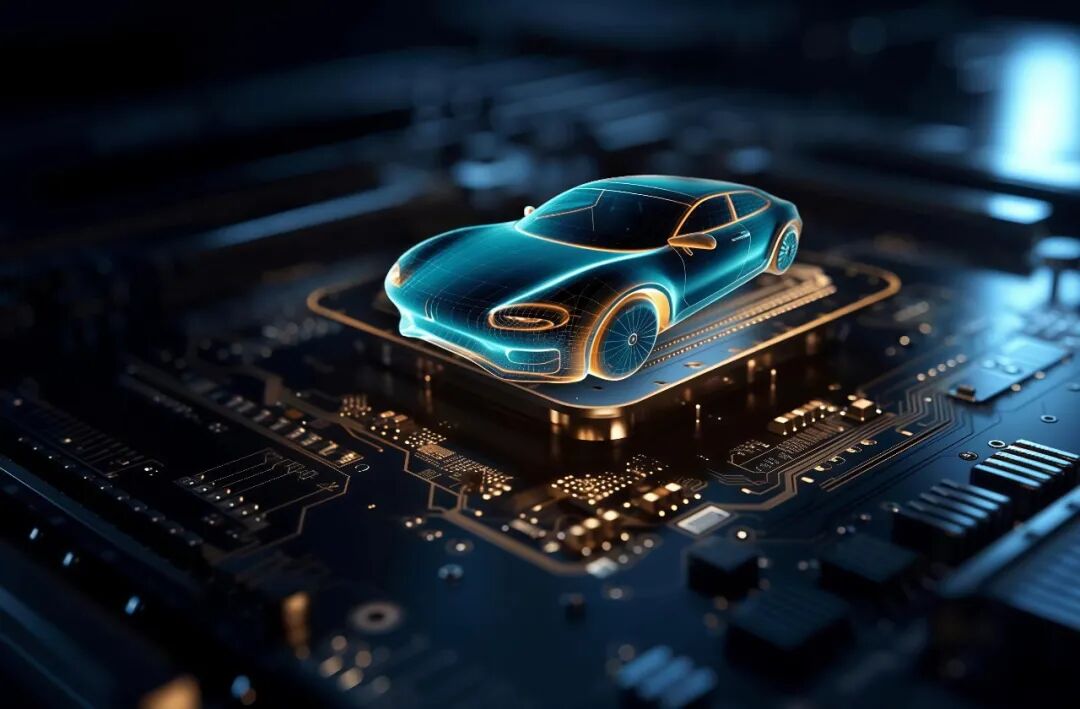
In the current era of electrification and intelligent transformation in the automotive industry, these new forces have been presented with an opportunity. They have invested earlier and more decisively in electrification and intelligence, gaining earlier recognition from consumers. They now lead traditional automakers in these areas. With the declining sales of traditional fuel vehicles and the ensuing survival crisis, there's a growing basis for traditional automakers to purchase electrification and intelligent parts and technical services from these new forces.
In fact, Tesla has long expressed its desire to supply FSD and Hardware chips externally, but so far, no automaker has adopted them.
Bosch and Huawei, established suppliers, likely never anticipated that these new forces would collectively emerge as competitors.
Among the new forces, Xpeng was the earliest to become a supplier and has achieved notable success.
As early as July 2023, Xpeng and Volkswagen announced a strategic cooperation. Volkswagen invested $700 million to acquire a 4.99% stake in Xpeng. Based on Xpeng's G9 platform, intelligent driving/cabin technologies, etc., Volkswagen will launch two B-class pure electric SUVs under its brand.
In February 2024, Xpeng and Volkswagen signed a platform and software development agreement and initiated a joint procurement plan. Joint procurement also helps Xpeng reduce high procurement costs previously incurred due to corruption.
In April 2024, Xpeng and Volkswagen signed an EEA electronic and electrical architecture framework agreement to jointly develop the CEA China Electronic Architecture for Volkswagen's CMP platform models.
In August 2025, the cooperation between Xpeng and Volkswagen was further expanded. The CEA architecture was not only applied to pure electric vehicles but also extended to Volkswagen's fuel and plug-in hybrid models in China. The cooperation scope was significantly broadened. Xpeng's technologies and products were integrated into Volkswagen's traditional product models to facilitate their electrification and intelligent upgrades, thereby enhancing market competitiveness.
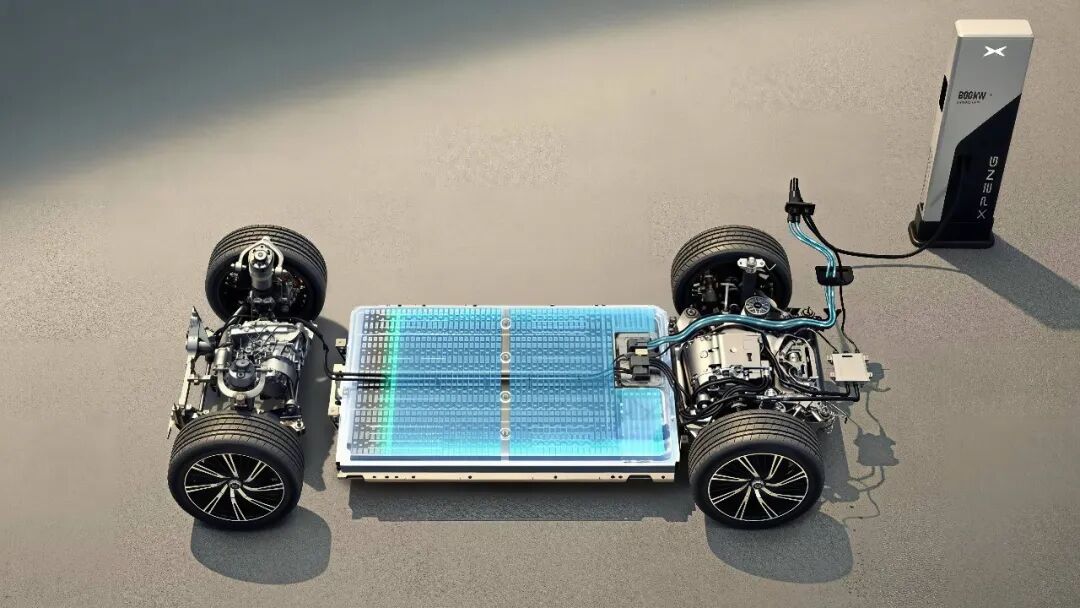
The cooperation with Volkswagen has provided Xpeng with substantial cash flow. Since the first quarter of 2024, Xpeng has recognized revenue from its cooperation with Volkswagen, which has consistently increased and is listed as 'service and other income' in Xpeng's financial reports. Most of this revenue comes from the cooperation with Volkswagen. By the first half of 2026, this revenue reached 4.73 billion yuan, with a gross profit margin as high as 71.4%. In contrast, Xpeng's automotive business had a gross profit margin of only 12.1%, and the group's comprehensive gross profit margin reached 20.6%, highlighting the significant contribution of the Volkswagen cooperation!
The cooperation between Xpeng and Volkswagen commenced in July 2023, while Xpeng's sales were at their lowest in October 2022, with only 5,101 vehicles delivered. In the first half of 2023, monthly sales ranged between 7,000 and 10,000 vehicles. Sluggish sales and mounting losses compelled Xpeng to seek external technical service revenue to sustain R&D investment. Volkswagen reached a cooperation agreement with Xpeng under these circumstances.
Today, Li Auto officially responded to supplying parts and technical services externally, becoming the last of the top four NEV startups to officially enter the supplier market.
In fact, Li Auto faced a similar dilemma as Xpeng this year.
At the beginning of 2025, Li Auto set a target of 700,000 vehicles but only delivered 406,000 vehicles for the entire year, a year-on-year decline of 18.8%. The one-time loss of 1.17 billion yuan from the MEGA recall resulted in an operating loss of 521 million yuan for Li Auto for the whole year.
By the first half of 2026, Li Auto's financial report was dismal. Delivery volume was only 193,000 vehicles, a year-on-year decline of 5.1%. The net profit attributable to the parent company incurred a loss of 3.994 billion yuan. The gross profit margin of the automotive business declined significantly, from over 20% during its peak period to only 6.1% in 26Q1 and 9.4% in 26Q2 after rebounding.
According to media reports, Li Auto launched plans to supply multiple core technologies externally in 2026. Some businesses established separate entities to facilitate external supply and also planned to introduce external funds. Today, Li Auto officially confirmed the external supply of Mach chips and silicon carbide modules.
However, Li Auto immediately showcased its core Mach chips, targeting current embodied intelligence companies to create differentiated competition. Nevertheless, it may be too late.
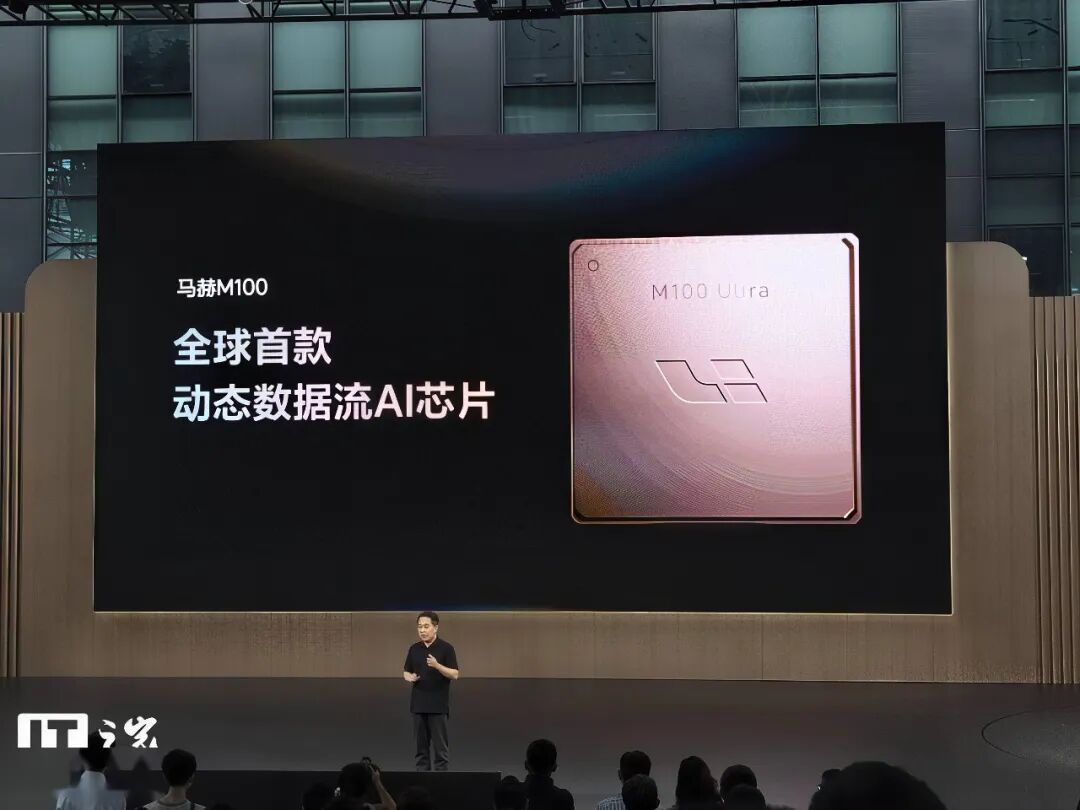
Li Auto's approach is more akin to NIO's. NIO spun off its chip business as early as June 2025 and established Anhui Shenji Technology Co., Ltd. It secured 2.257 billion yuan in financing in February 2026, with a post-investment valuation nearing 10 billion yuan. Li Bin stated during the financial report conference call that Shenji's external revenue would reach several hundred million yuan this year, and its high-level intelligent driving chips have started to engage with external customers such as automakers, Robotaxi, and unmanned logistics vehicles.
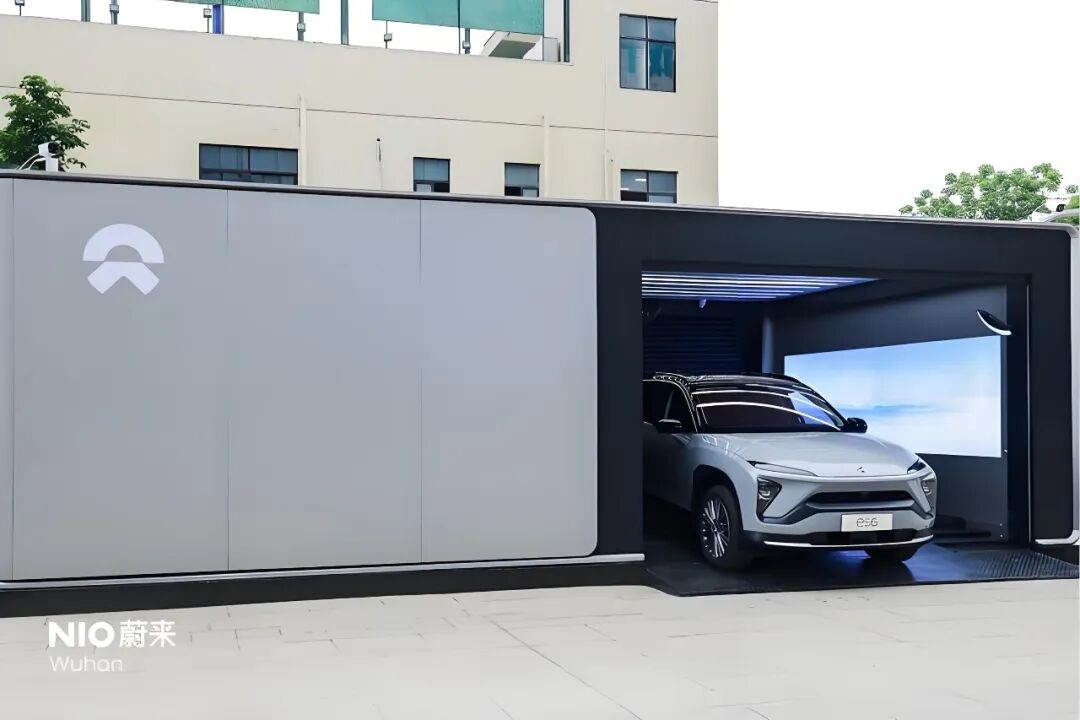
In addition to chips, NIO also leveraged its core competitiveness - battery swapping. In August 2026, NIO Energy completed the asset transfer of the first batch of 36 cooperative battery swapping stations with Wuhan Optics Valley Transportation Group. All of NIO's existing battery swapping station assets in Wuhan are now fully owned by state-owned assets, but NIO Energy remains responsible for daily operations, maintenance, and network scheduling. Half a month later, NIO Energy delivered the first batch of 23 cooperative battery swapping stations to Guangzhou Science City Group.
Leapmotor has always been perceived as being on the periphery of the small circle formed by NIO, Xpeng, and Li Auto in public opinion. However, Leapmotor has forged its own path with unique development characteristics.
In addition to surpassing NIO, Xpeng, and Li Auto in monthly car sales and becoming the first NEV startup single brand in China with monthly sales exceeding 100,000 vehicles, Leapmotor also stands out in external technology supply.
Leapmotor was the first to develop intelligent driving chips independently, releasing the self-developed chip 'Lingxin 01' in October 2020. However, it was also the first to abandon chip development. Zhu Jiangming believed there was an oversupply of intelligent driving chips, but the more likely reason was the excessive R&D investment in high-level intelligent driving. Leapmotor's vehicle positioning is relatively low, and self-developed intelligent driving chips do not offer significant cost advantages. Given Leapmotor's monthly sales volume, it may still need to develop intelligent driving chips independently in the future. After all, Li Bin stated that cost reduction from self-developed chips for a single vehicle can exceed 10,000 yuan. This is relative to NIO's higher-priced models, which naturally use more expensive chips, and self-development can further reduce costs.
Currently, Leapmotor primarily supplies technology to its two major shareholders. Externally, it has established 'Leapmotor International' with Stellantis to specifically supply self-developed vehicle architectures and three-electric technologies, etc. Internally, it supplies the LEAP architecture to FAW. Stellantis announced a strategic investment of 1.5 billion euros in Leapmotor in October 2023 and established a joint venture company, Leapmotor International, with Leapmotor. Stellantis holds a 19.99% stake in Leapmotor and a 51% stake in Leapmotor International. In December 2025, FAW invested approximately 3.744 billion yuan to acquire a 5% stake in Leapmotor.
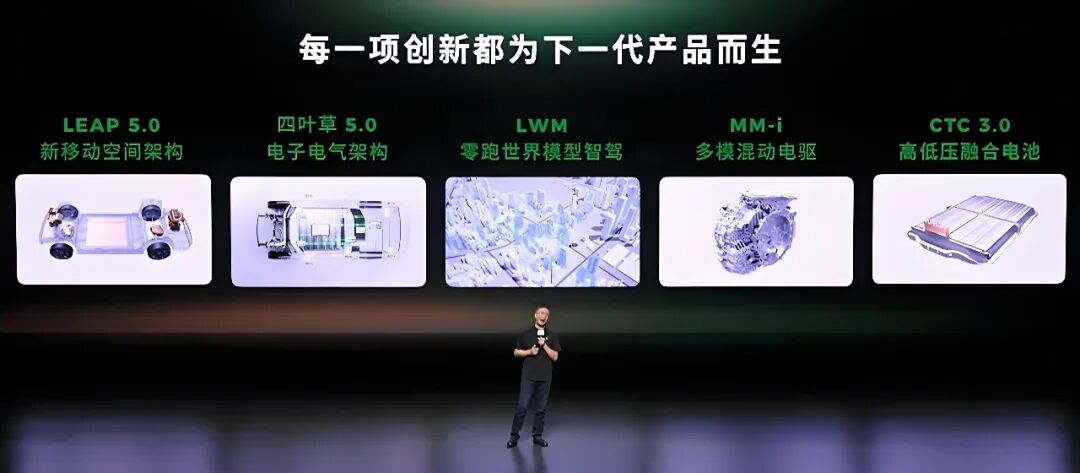
As competition in the entire vehicle market intensifies, the new forces are also collectively vying for the suppliers' business.
Established automakers have already entered this market. BYD has been exporting vehicle and parts technologies earlier, including Denza in cooperation with Mercedes-Benz and pure electric models in cooperation with Toyota.
Back then, when Bosch demanded high development fees from Xpeng, did it ever envision that one day Xpeng would become a supplier to Volkswagen, an important customer of Bosch?
When Huawei collaborated with automakers to launch various brands and compete with the new forces, it probably didn't anticipate that one day the new forces would also compete for the suppliers' business.
-
![]()
【Intelligentization】Li Auto to Supply Mach Chips, Silicon Carbide, and Range Extenders Externally
-
![]()
Announcement Related to AITO from Huawei's Yinwang
-
![]()
Selling Cars Proves Unprofitable: 'NIO, Xpeng, Li Auto, Leapmotor' Step into Supplier Role, Challenging Bosch and Huawei!
-
![]()
Chery’s Overseas Brands Set to Make a Comeback in the Domestic Market
-
AI Computing Power Surges, Colliding with the Most Vulnerable Metal Supply Chain
-
![]()
All Models to Feature Self-Developed Batteries: Will Others Follow Li Auto's Lead?
-
5G Private Networks and Physical AI: A Mutually Reinforcing Development Process
-
![]()
Why Do AI Glasses No Longer Need Cameras?