Explosive News! Xu Jiayin’s Evergrande Auto Launches a 'New Business Venture' Amid 186 Million Yuan H1 Profit
 09/28 2026
 463
463
After nine years, Evergrande Auto officially bids farewell to the 'Electric Vehicle (EV) Era'.
Having burned through 47.4 billion yuan and suffered massive losses, Evergrande Auto has officially exited vehicle manufacturing. Burdened with 32.7 billion yuan in debt, the company reported a 186 million yuan profit for the first half of the year—entirely unrelated to its main EV-making business.
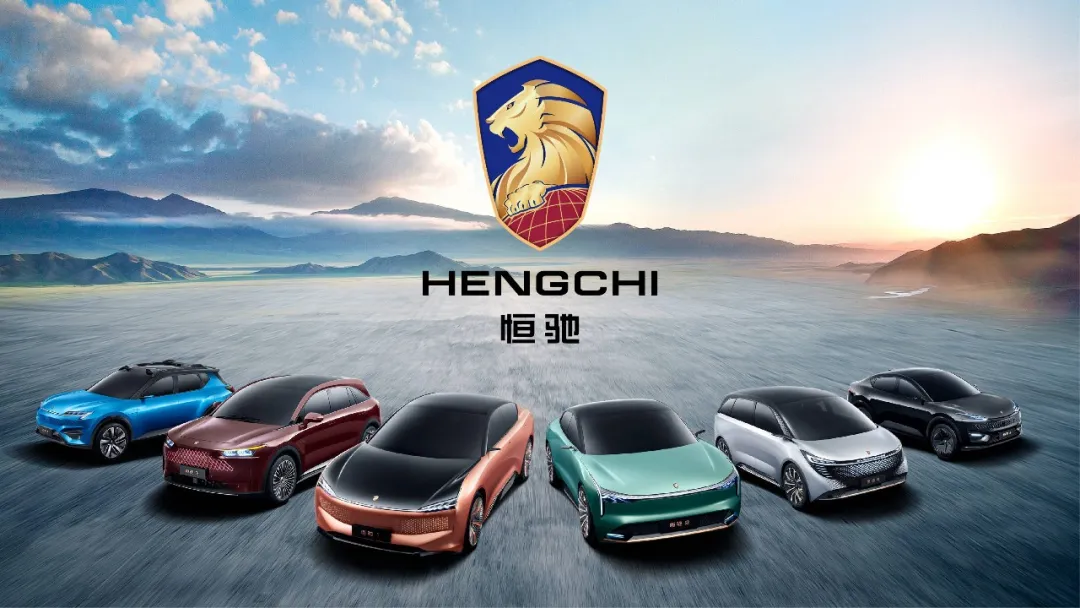 Image Source: AutoHome
On September 17, Evergrande Auto simultaneously released four financial reports, officially terminating all vehicle manufacturing operations and permanently exiting the complete vehicle sector. The eight-year saga of Evergrande’s EV ambitions has finally come to an end.
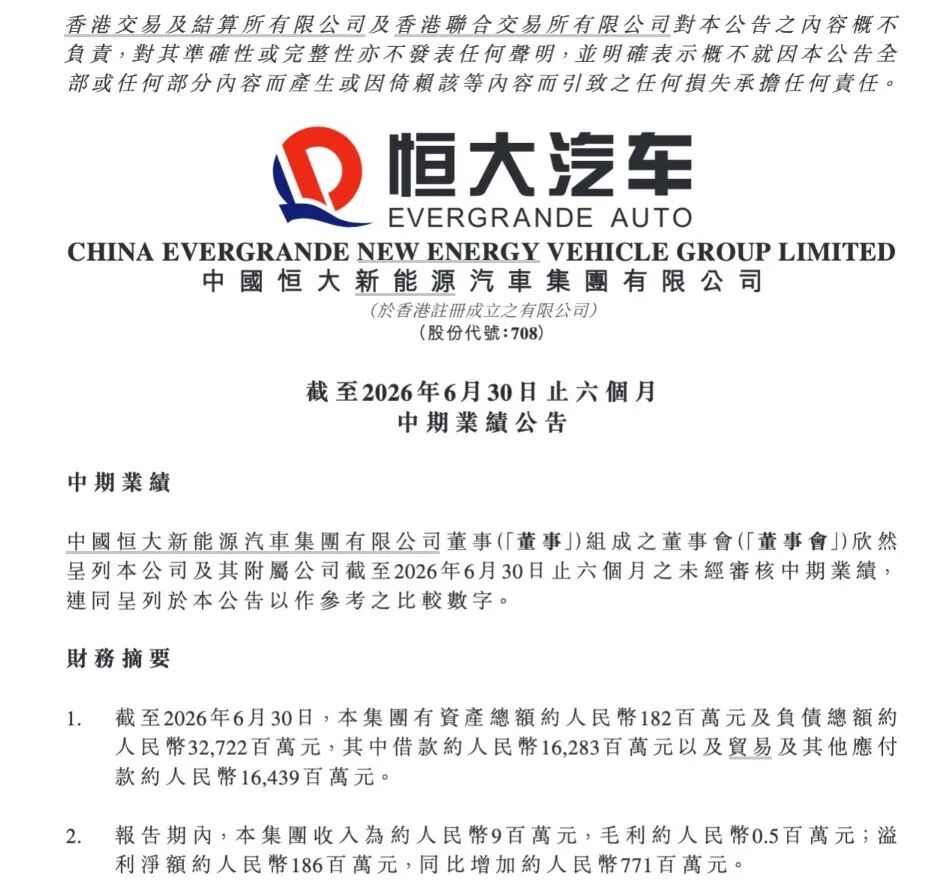 Image Source: Evergrande Auto Financial Reports
The once-ubiquitous Hengchi model lineup, the planned production capacity of 100,000 units, and the peak market capitalization of 700 billion HKD—which briefly surpassed BYD to become China's highest-valued new energy automaker—have all become relics of the past. Now fully transformed into an asset-light model, Evergrande Auto relies on its remaining battery technology for lithium battery cross-border trade and overseas tech services to survive through new business ventures. More surreally, despite being mired in debt, it achieved apparent profitability in the first half of 2026, staging the industry's most absurd turnaround.
01. 32.7 Billion Yuan Debt Crisis Ends EV Ambitions
The latest financial data reveals Evergrande Auto's dire situation. As of June 2026, the company's total assets stood at just 182 million yuan, against total liabilities of 32.722 billion yuan, representing substantial insolvency. This includes 16.283 billion yuan in external borrowings and 16.439 billion yuan in trade and other payables, with persistent dual-pressure debt.
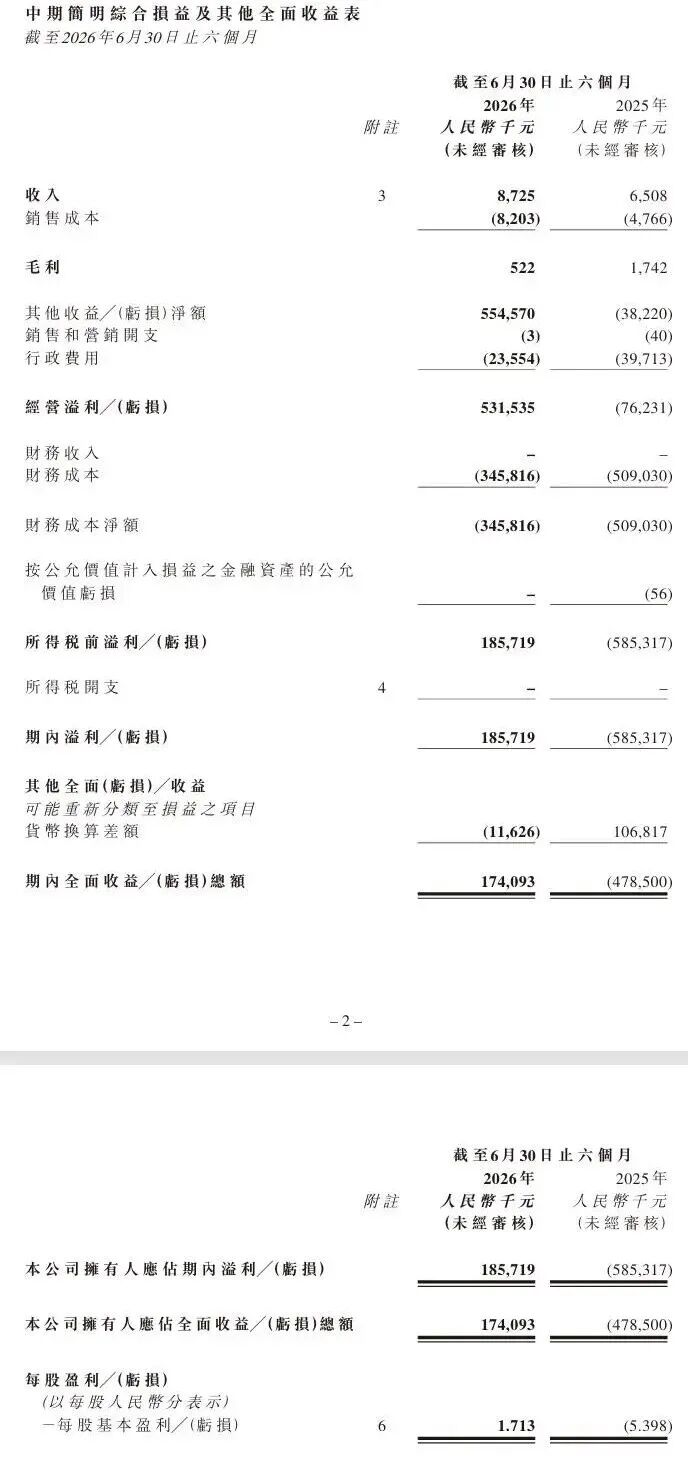 Image Source: Evergrande Auto Financial Reports
Physical vehicle manufacturing has fully halted, with core production bases in Tianjin, Shanghai, and Guangzhou all shut down. Production lines remain idle for extended periods, and EV-related subsidiaries are being liquidated, with nearly all vehicle production hardware assets divested.
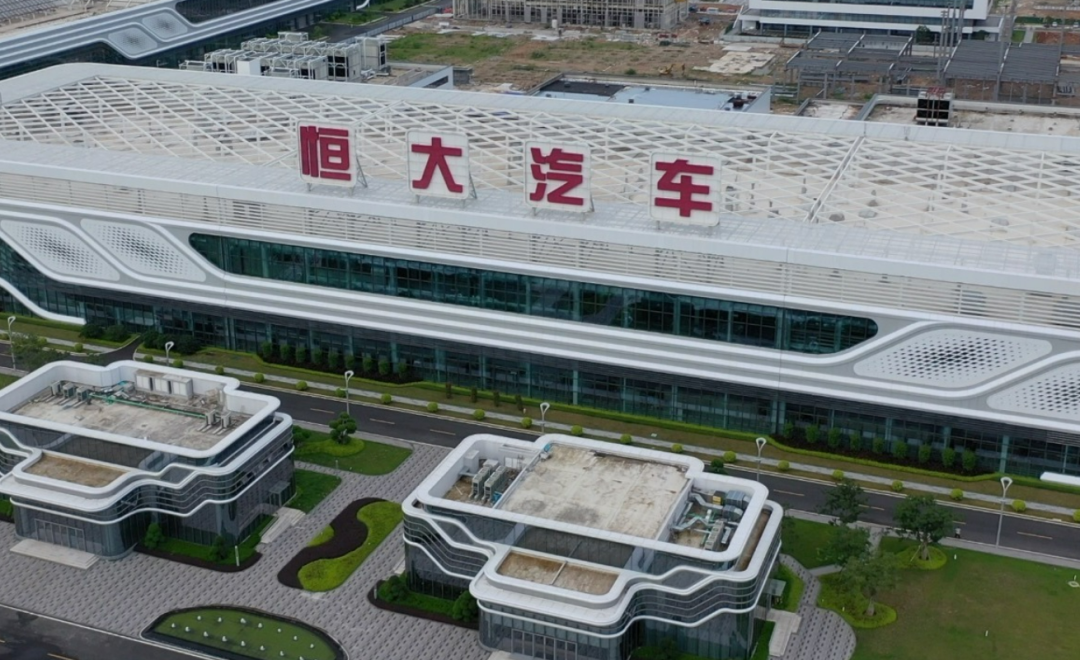 Image Source: Weibo
The most innocent victims are the 1,500 Hengchi vehicle owners. Factory shutdowns, dealership closures, and the complete collapse of after-sales systems have left vehicle maintenance, system updates, battery warranties, and other official commitments unfulfilled, turning 100,000+ yuan purchases into unsupported orphaned models.
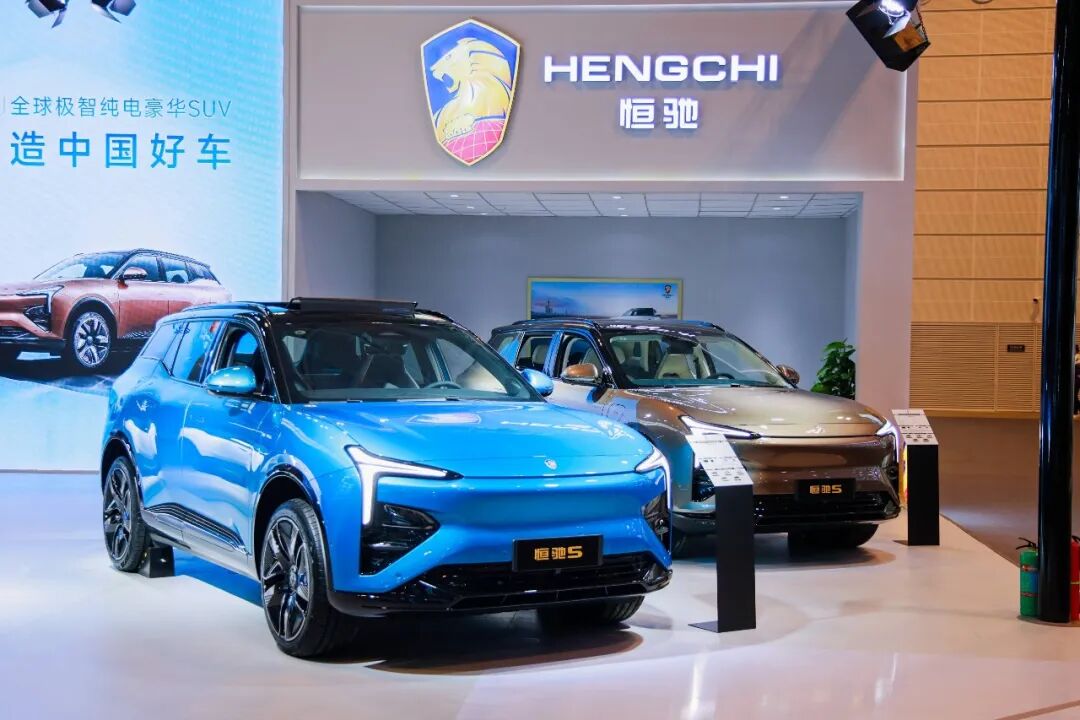 Image Source: Weibo
02. 186 Million Yuan 'Profit' Is Just an Accounting Illusion
Many misinterpret Evergrande Auto's profit figures as evidence of a turnaround, but the 186 million yuan net profit is purely a book value with no connection to core business operations.
Actual operating data tells the real story: revenue for the first half of 2026 was just 8.725 million yuan, with a gross profit of 522,000 yuan. Compared to the 585 million yuan losses in the first half of 2025, the apparent improvement comes from foreign exchange gains on loans and non-operating debt restructuring benefits—paper profits from accounting adjustments, not real earnings from product sales or services.
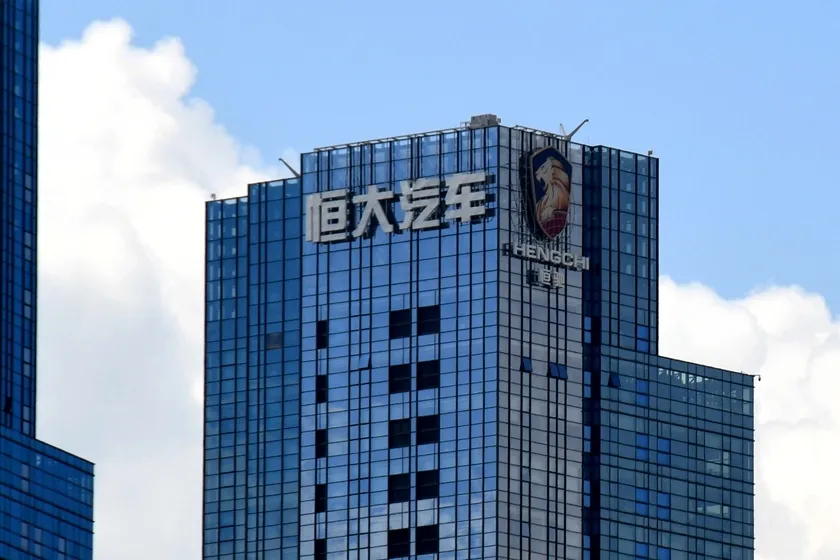
Image Source: Caixin
Currently, Evergrande Auto's only operating revenue comes from lithium battery trade—now its sole cash-generating channel, completely severing reliance on vehicle manufacturing for income.
03. Full Pivot to Asset-Light: Battery Trade + Overseas Tech Services
After eight years of costly trial-and-error, Evergrande Auto fully abandons capital-intensive vehicle manufacturing to adopt an asset-light operational model, monetizing existing technical resources through two core new businesses:
1. Lithium Battery Cross-Border Trade (Primary Revenue Pillar): Leveraging early new energy supply chain resources, the company procures cylindrical and prismatic lithium-ion cells domestically for export to European and Southeast Asian markets. Targeting e-two-wheelers, power tools, small appliances, and energy storage sectors, this lightweight operation focuses on small-batch, fast-turnover models with plans to reach 60 million yuan in first-year sales.
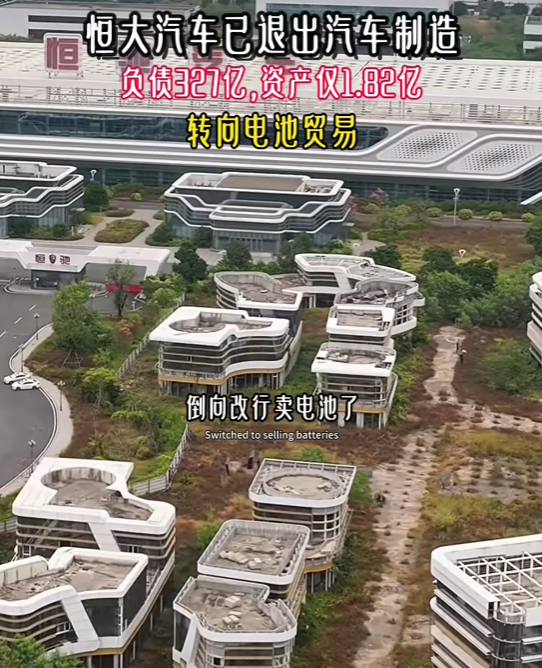
Image Source: WeChat Channels
2. Overseas Technical Services (Asset Monetization): Utilizing technology reserves from its costly acquisition of Swedish NEVS, the company provides vehicle and battery-related technical services to European automakers. By deepening relationships with existing clients and expanding new resources, it converts idle technology patents into stable cash flow.
Simultaneously, the company implements extreme cost-cutting measures—staff reductions and non-essential expense compression—to control operating costs while maintaining basic operations and listed status.
04. Nine-Year 100 Billion Yuan Farce: 47.4 Billion Invested for Just 1,000 Vehicles
Reviewing Evergrande's EV journey reveals China's most catastrophic cross-border capital failure. In 2019, Evergrande made a high-profile entry into new energy, spending $930 million to acquire National Electric Vehicle Sweden (NEVS) for manufacturing qualifications, then rapidly building out core three-electric technologies to address supply chain gaps.
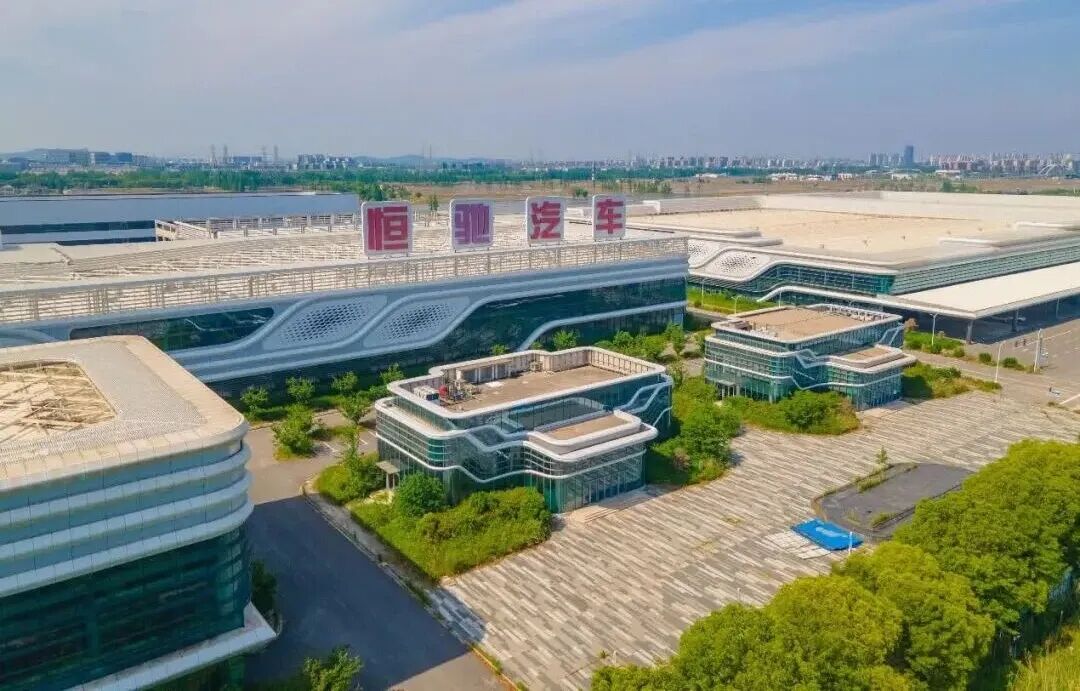
At its peak, Hengchi unveiled six models simultaneously and showcased nine at the Shanghai Auto Show, with market cap soaring to 700 billion HKD—briefly surpassing BYD as China's most valuable automaker. To realize its EV dreams, Evergrande invested 47.4 billion yuan in total: 24.9 billion in R&D and acquisitions, 22.5 billion in factory construction, planning 14 models with 100,000-unit annual capacity.
This extreme investment yielded extreme failure: only the Hengchi 5 model reached mass production among the 14 planned. Equipped with CATL batteries and a 602km CLTC range, its hardware matched mainstream models, but market performance collapsed—just 324 deliveries in 2022 and under 1,500 total by the end of 2025.
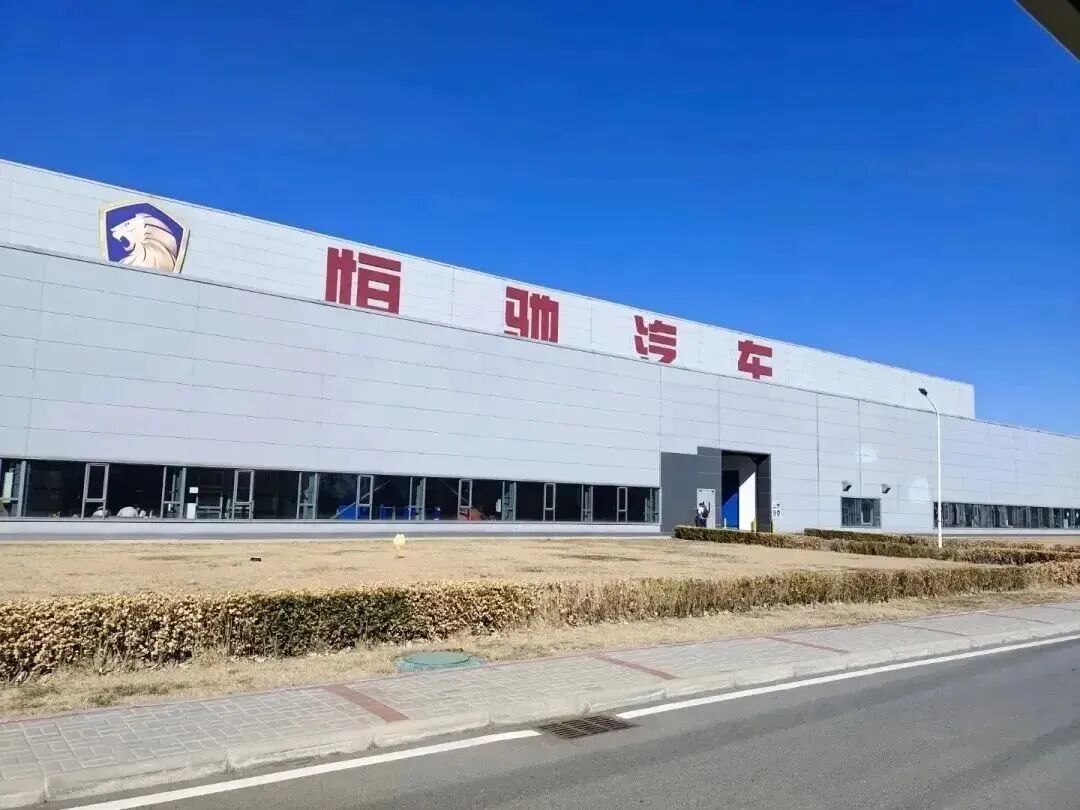
Rough calculations show over 30 million yuan per vehicle in comprehensive costs—exceeding most supercar manufacturing expenses, with the project spiraling completely out of control. The core collapse trigger was the parent company debt explosion: after Evergrande Group's 2021 crisis, vehicle manufacturing funding completely dried up. By the end of 2023, cumulative losses reached 110.8 billion yuan with a 208% asset-liability ratio, representing complete insolvency. Production fully halted, investments terminated, and subsidiaries liquidated from 2024 onward, ending all EV ambitions.
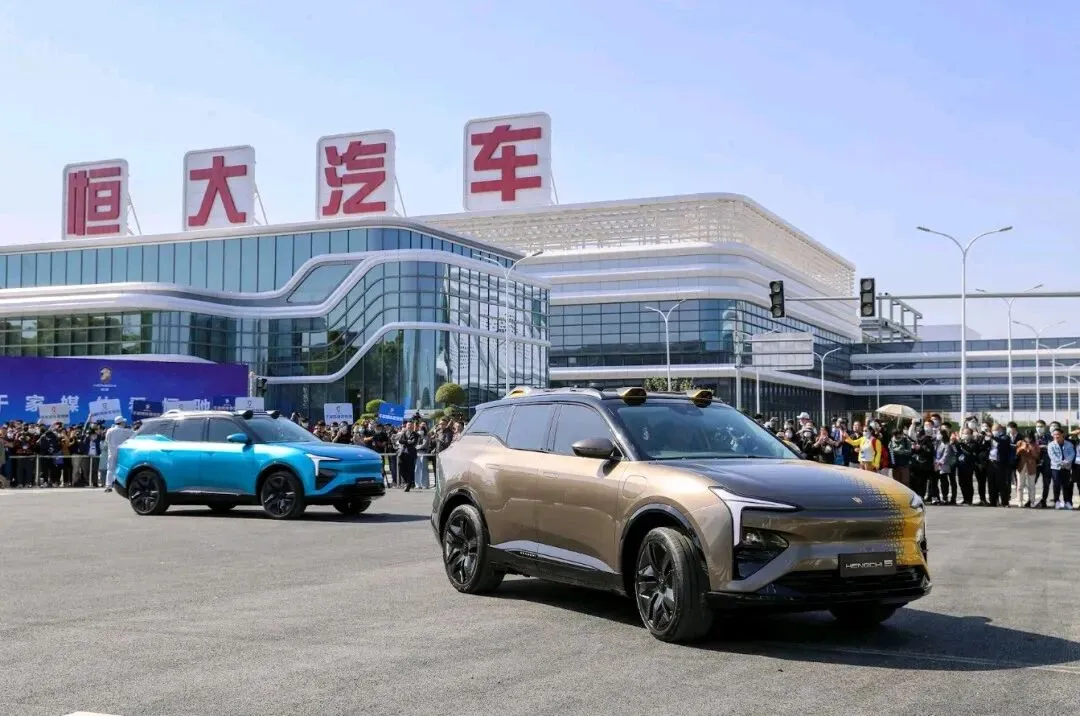 Image Source: Weibo
This coincided with new energy industry consolidation: with 2026 industry penetration exceeding 60%, shifting from growth expansion to cutthroat competition, failed new forces like WM Motor, Aiways, and HiPhi exited. Evergrande Auto became the biggest spender and heaviest loser among them.
05. Fateful Showdown: Xu Jiayin and Jia Yueting Both Abandon EV Ambitions
Ironically, Jia Yueting—who famously clashed with Xu Jiayin over EV manufacturing—also fully exited vehicle production in 2026. In May, Jia shuttered Faraday Future's (FF) US factory, terminating 12 years of vehicle manufacturing to pivot entirely to physical AI robots, severing all EV aspirations.
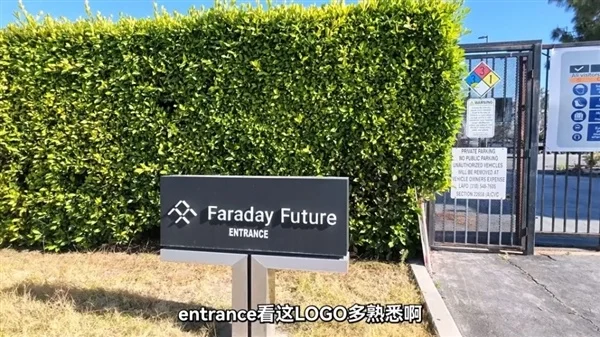
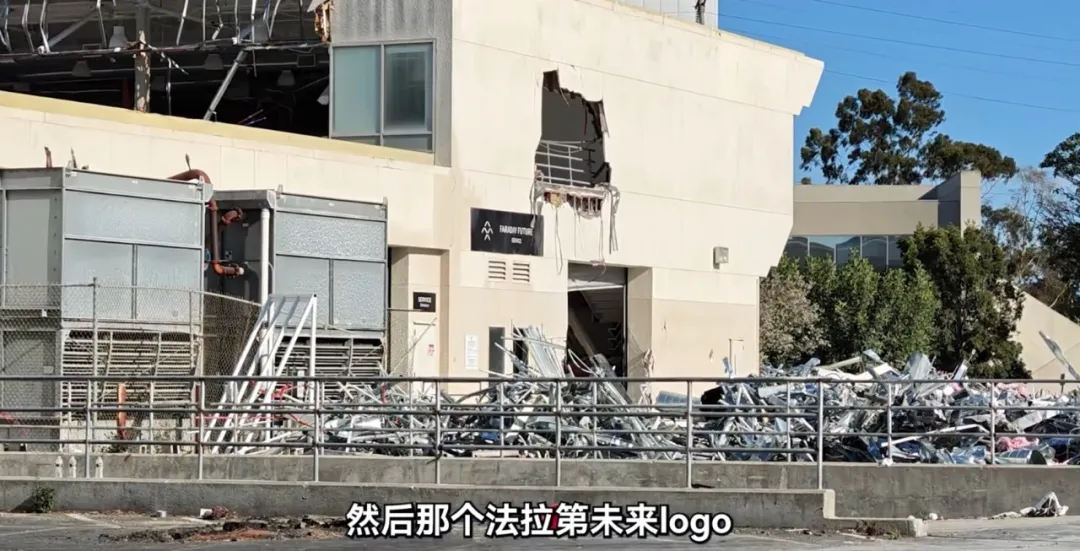 Image Source: Bilibili
These two once-rival EV players ultimately followed identical paths to exit the sector, behind them a history of blockbuster capital battles. In November 2017, Evergrande partnered with Jia's FF, committing $2 billion over three years for 45% of the joint venture to introduce advanced overseas EV technology to China, with $800 million paid upfront in 2018.
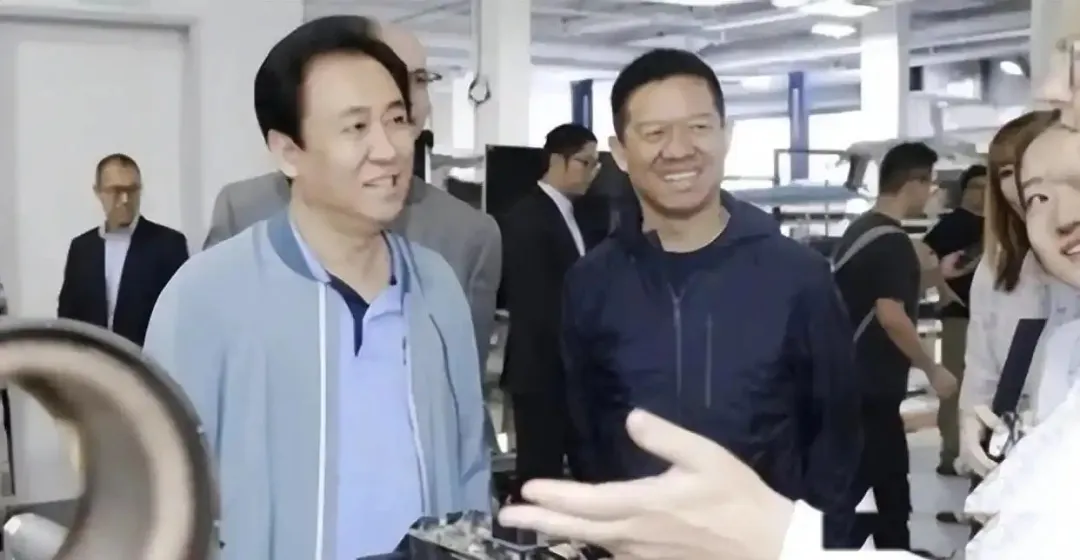
Xu Jiayin and Jia Yueting at an event. Image Source: Weibo
The partnership collapsed just four months later. After rapidly depleting the $800 million, Jia demanded an additional $700 million from Evergrande, which refused without meeting payment conditions. In October 2018, Jia initiated arbitration to terminate the agreement, strip Evergrande of shareholder rights, and force its exit.
Months of transnational legal battles ensued, with multiple arbitration rounds and lawsuits. Jia's core demands were fully rejected, while he was ordered to pay 8.3 million HKD in legal fees. The three key conflicts were: 1) Control dispute—Jia refused Evergrande management involvement 2) Technology dispute—preventing technology transfer to China 3) Funding dispute—insisting investments be limited to US projects.
The parties ultimately reconciled with Evergrande exiting FF, creating a classic lose-lose scenario: FF failed to mass-produce after 12 years, while Evergrande's 10-billion-yuan EV ambitions collapsed along with its empire. In August 2026, Xu Jiayin received a life sentence in the first-instance trial, capping both tycoons' failed EV gambles.
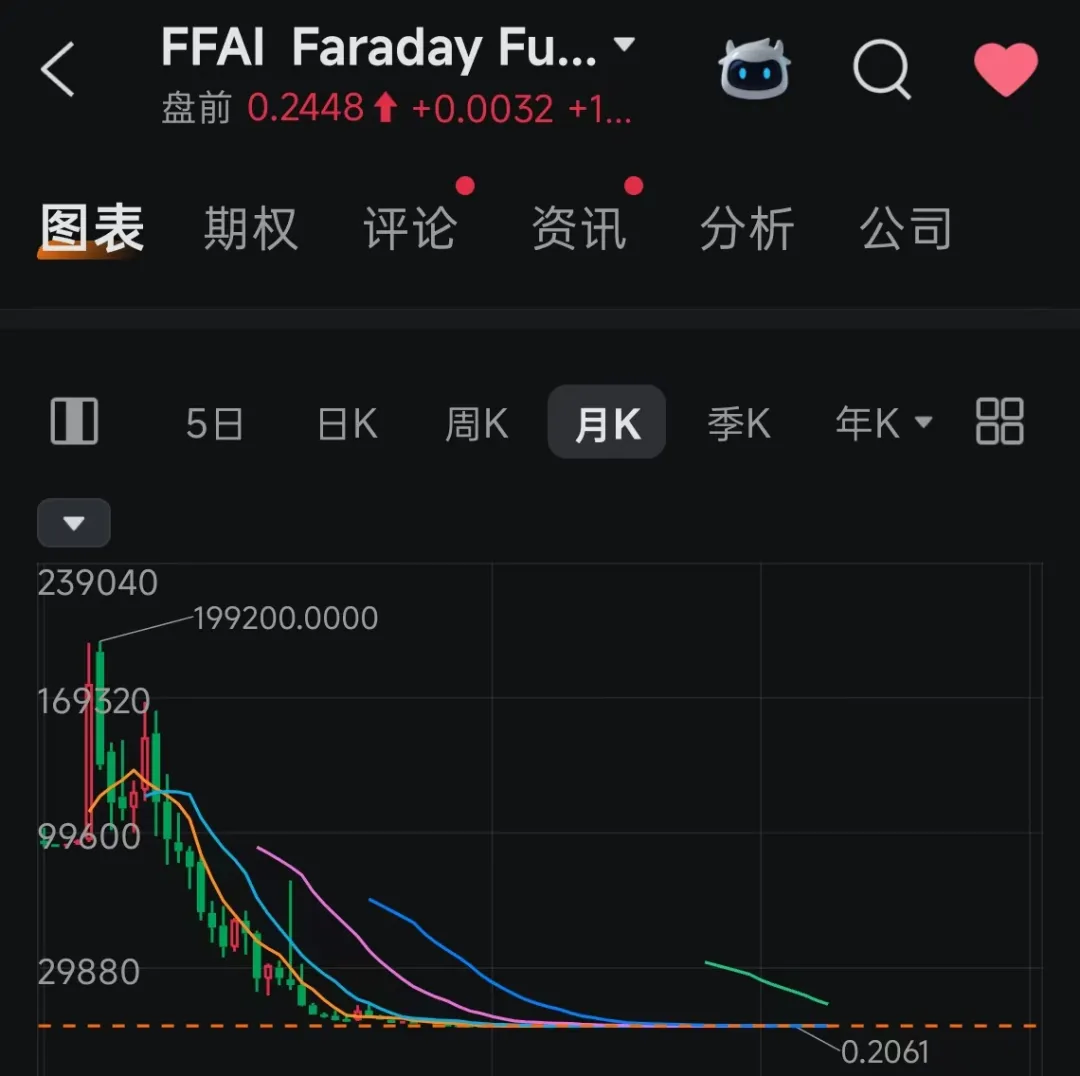
Jia Yueting's FF stock price nears zero. Image Source: Futu APP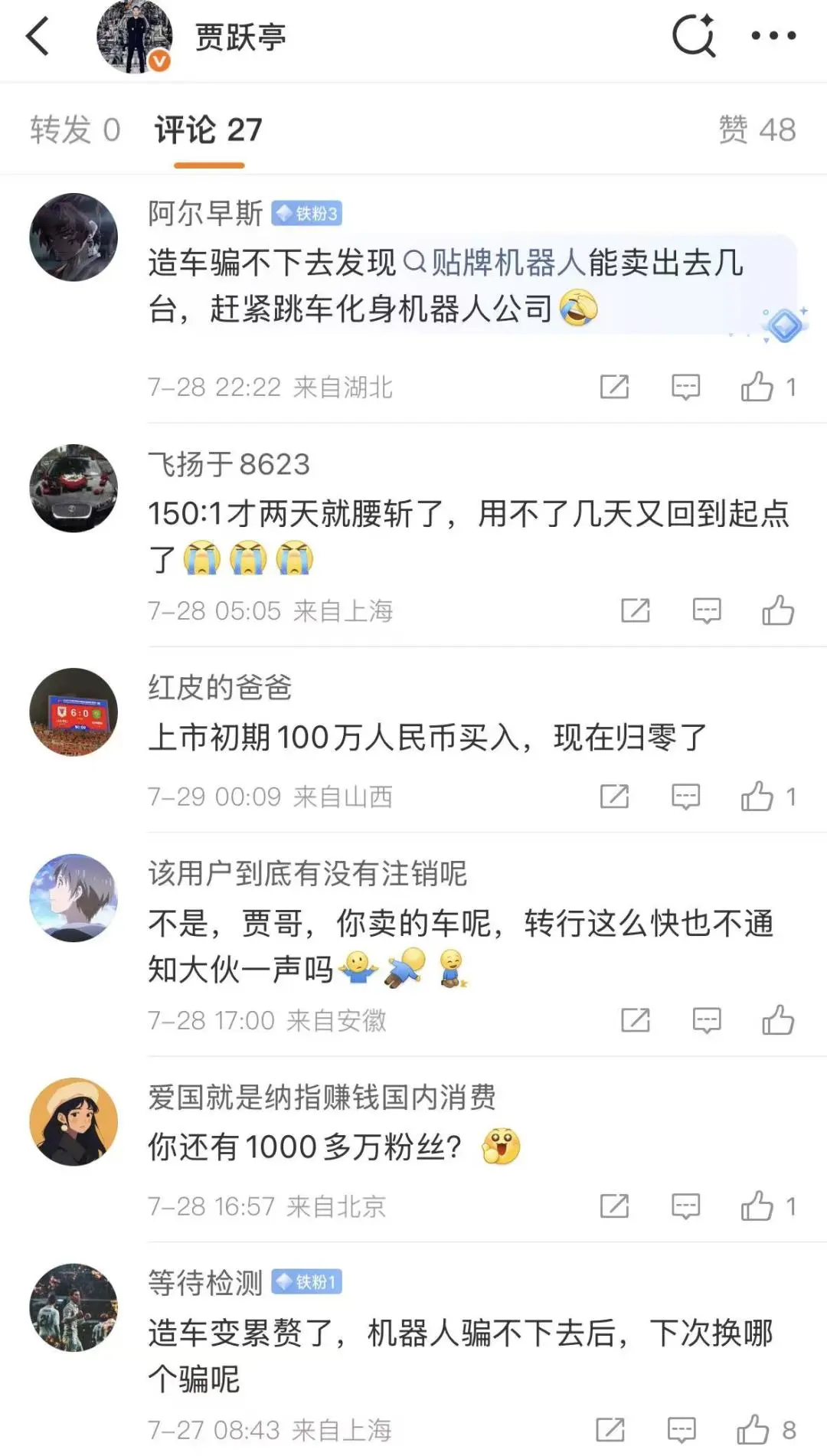 Image Source: Douyin
06. Transformation Only Delays Crisis, Future Remains Perilous
Apparent profitability and business transformation don't signify Evergrande Auto's crisis resolution—its survival now depends on two major uncertainties. First, the company continues negotiating with potential investors for financing to maintain operations and listed status, though no deals have closed. Second, it's negotiating debt restructuring with the parent company's liquidation team. While facing no immediate repayment pressure or liquidation now, risks persist.
Evergrande Auto admits its continued operation depends entirely on three conditions: securing financing, successful debt restructuring, and sustainable cash generation from new businesses. Failure in any area risks asset devaluation and operational termination.
Epilogue
After eight years of turmoil, 700 billion yuan in market cap evaporated, 47.4 billion yuan in investments wasted, and 32.7 billion yuan in debt remaining, Evergrande Auto has written the industry's most profound lesson on cross-border EV manufacturing. Capital stacking, PPT hype, and asset-heavy expansion cannot replace core product strength and market competitiveness.
From Xu Jiayin to Jia Yueting, these capital players' abandonment of EV ambitions confirms the new energy industry's fundamental logic: vehicle manufacturing is no capital game. Only deep technological development, product refinement, and market alignment ensure survival. Now surviving on battery trade, Evergrande Auto's spectacular billion-yuan EV farce ultimately leaves only chaos.
What's your view on Evergrande Auto's strategic pivot? What industry warnings does this lose-lose battle offer? Welcome to share your thoughts in the comments.
Disclaimer: This commentary represents financial analysis only and does not constitute investment advice. All corporate data and regulatory events cited come from public information for reference only, subject to official confirmation. Images sourced from networks—please contact for copyright issues.
-
![]()
Contrast! Xiaomi Pengcheng SUV's Order Volume Drops in Second Week: Are Netizens Right to Say It's Below Expectations?
-
![]()
0 yuan phone purchase, ends in 2026
-
![]()
Explosive News! Xu Jiayin’s Evergrande Auto Launches a 'New Business Venture' Amid 186 Million Yuan H1 Profit
-
![]()
Quantum AI Track Begins to Explode: Tsinghua-Affiliated Sober Heterogeneous Secures Nearly 100 Million Yuan Across Two Financing Rounds in Three Months
-
![]()
QClaw Is Ultimately Acquired by WorkBuddy
-
![]()
China Launches Space Computing Initiative: A 'Data Center' in the Sky Comprising Over 1,000 Satellites
-
![]()
Why Is Starship Planning to Orbit Earth Six Times on Its 14th Flight?
-
![]()
Detailed Explanation of Zhuoyu ZYT World: While the Industry is Still Reviewing Recordings, Zhuoyu has Already Thrown AI into the 'GTA World' for Driving Practice