Has Geely Quietly Surpassed BYD Once Again?
 09/29 2026
 341
341
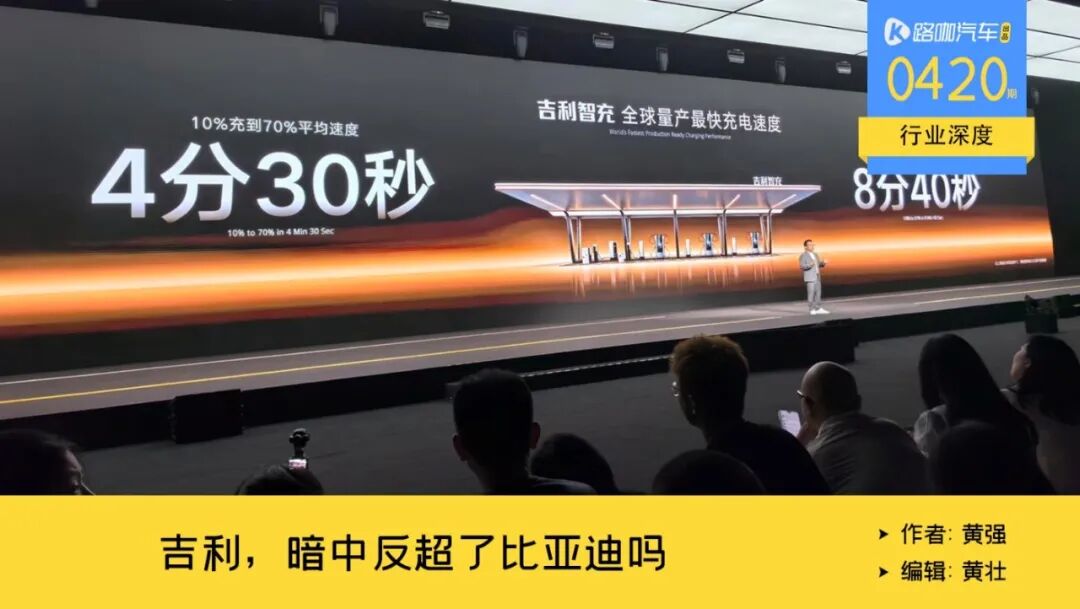
With the unveiling of its latest charging technology, Geely has, for the second time this year, found itself in direct competition with BYD.
The first instance took place on March 18th at Geely Automobile's 2025 annual results meeting, where the company declared its ambition to 'strive for the top domestic sales volume in China by 2026.' This title had long been held by BYD, which has earned the straightforward moniker 'Di Wang' (King Di) within the industry.
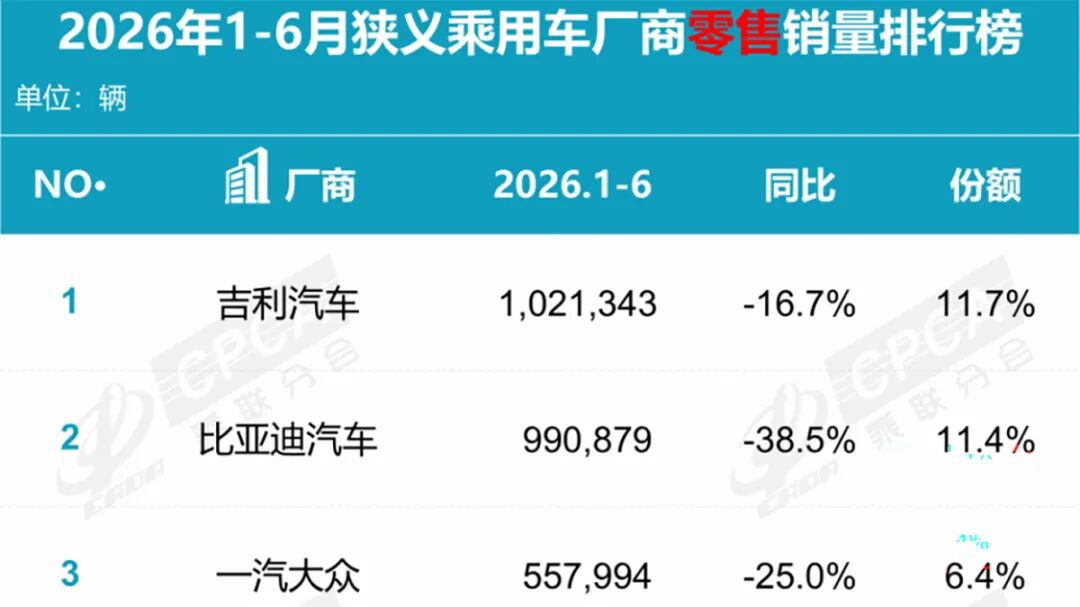
In terms of numbers, Geely is indeed making strides towards this goal. According to data from the China Passenger Car Association, in the first half of 2026, Geely topped the domestic retail sales charts with 1.021 million units, followed closely by BYD with 990,800 units, and FAW-Volkswagen in third place with 557,900 units. However, this data can also be interpreted differently: the first half of 2026 was a crucial period for BYD to transition to its second-generation Blade Battery and megawatt flash-charging technology, necessitating a ramp-up in production capacity and the phased introduction of new vehicle models.
The title of the 2026 domestic market sales champion remains highly uncertain.
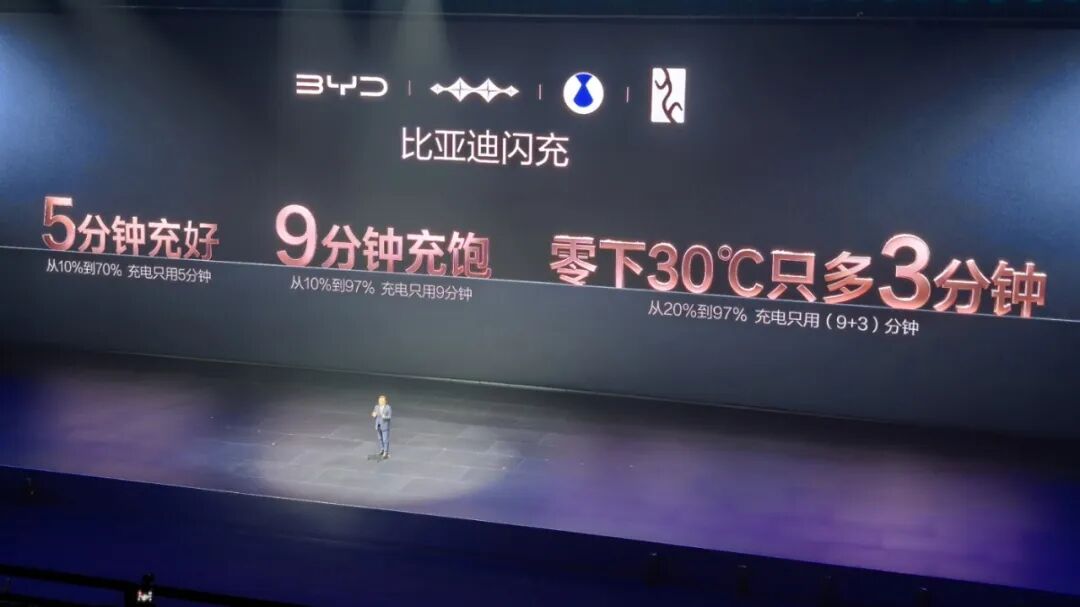
Now, the second round of competition is heating up. BYD's supporting technology this year is the second-generation Blade Battery paired with megawatt flash charging, boasting key metrics such as a charging speed of just 5 minutes from 10% to 70% and 9 minutes from 10% to 97%. In -20°C environments, the charging speed from 20% to 97% is less than 12 minutes.
Geely's latest strategy is to outperform BYD in relevant parameter indicators. Currently, there are four hotly debated topics within the industry, but the core question remains: Why is Geely doing this, and what exactly is Geely aiming to achieve?
The Battle of Parameters is Ultimately a Battle of Logic
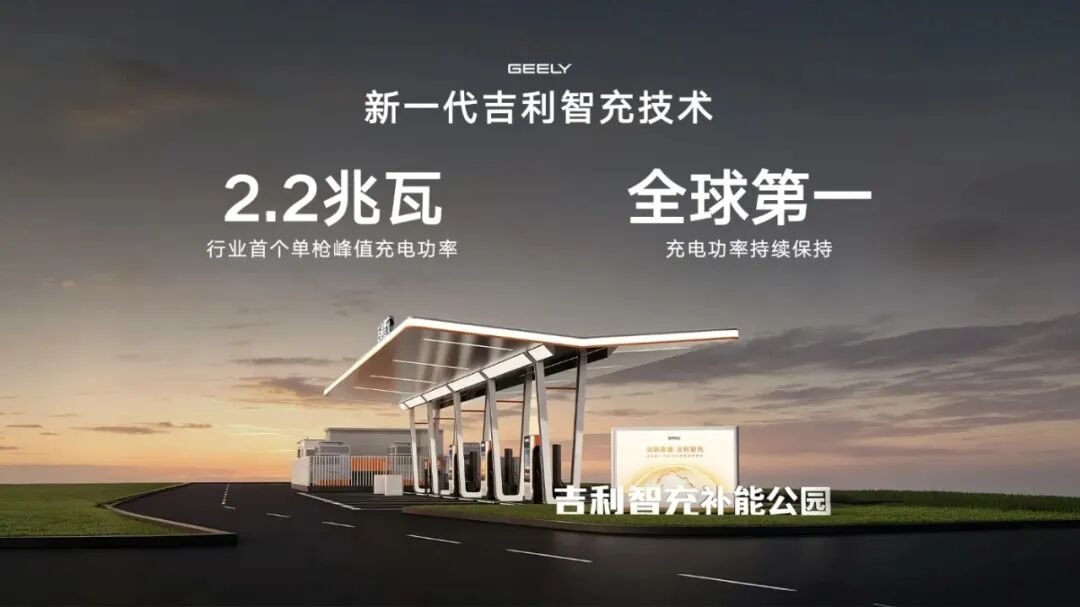
Since the official release of Geely's AI Smart Charging on September 23rd, the most popular discussions have not centered on Geely's unveiling of new technology but have instead clearly divided into several topics:
1. With 2.2 megawatts of power, has electric vehicle charging speed caught up to refueling speed?
2. Does fast charging damage the battery?
3. Geely plans to roll out its energy network county by county starting in 2027.
It is evident that with the implementation of technologies such as BYD's megawatt flash charging and Li Auto's 5C charging, the general public has already formed a basic understanding. People know that electric vehicle charging speeds are increasing and ranges are extending, but the perceptual difference in who is faster than whom is not significant.
The prevailing perception is that Geely is slightly faster than BYD, but both represent cutting-edge technologies, leaving other automakers far behind.
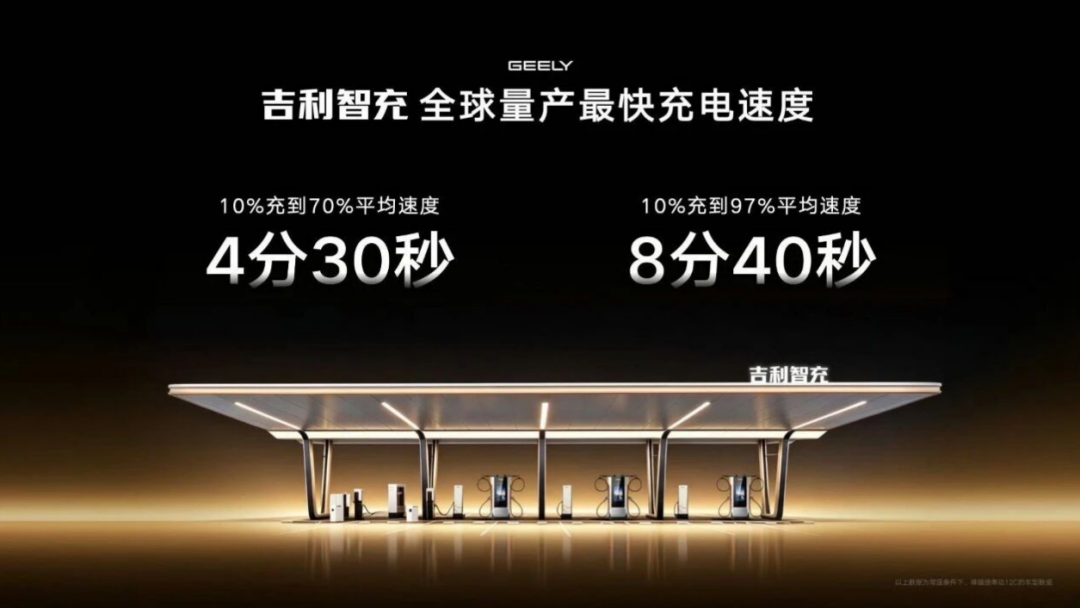
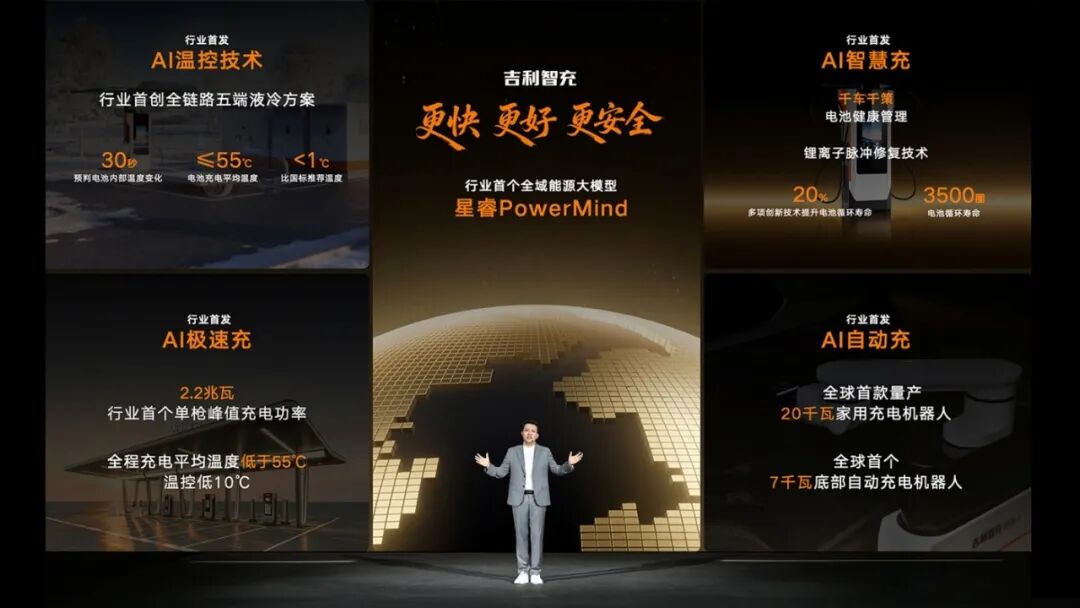
The AI Smart Charging technology released by Geely boasts several key metrics:
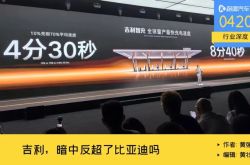
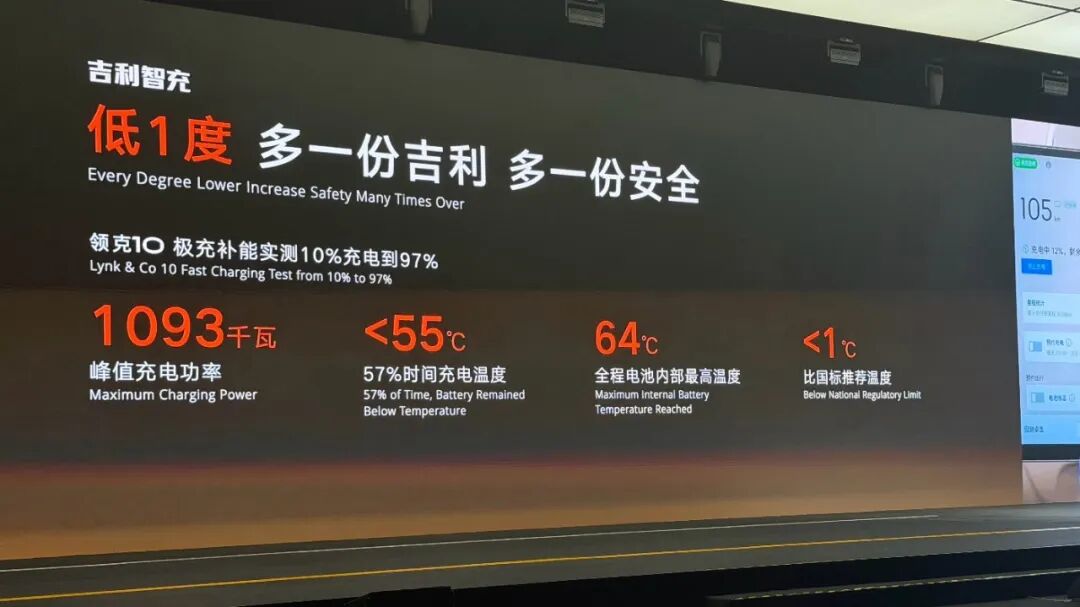
The fifth-generation AI Smart Charging station has a single-gun peak power of 2250kW, a peak voltage of 1500V, and a peak current of 1500A. Paired with the latest 900V+ Shennong Golden Brick Battery, the average measured charging time from 10% to 70% at normal temperatures is 4 minutes and 30 seconds, while the average time from 10% to 97% is 8 minutes and 40 seconds.
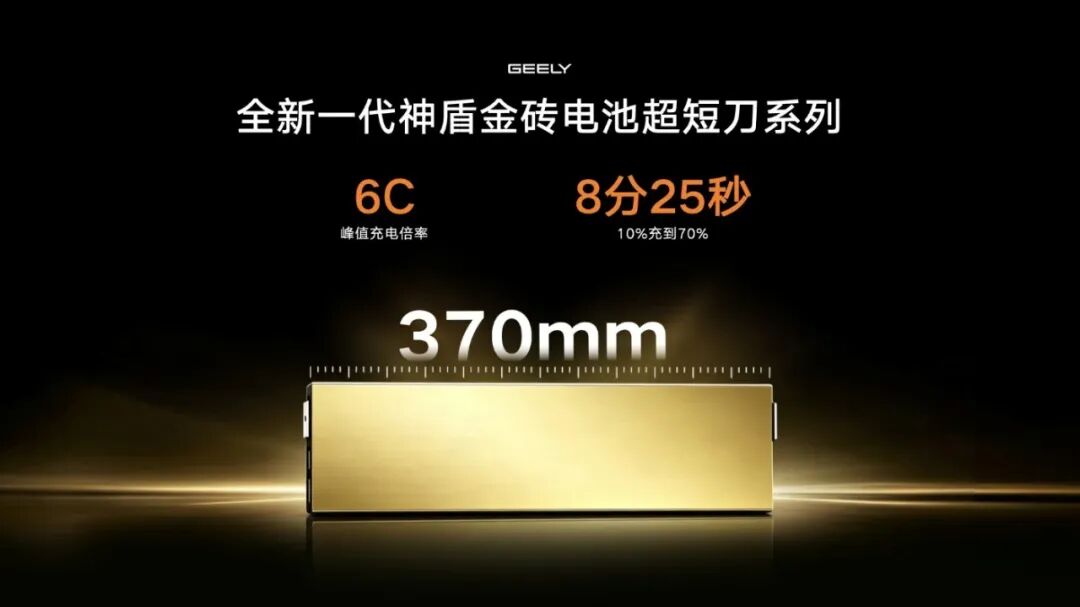
The above data corresponds to the latest technology models and high-end brand models, such as the Lynk & Co 10 and models under the Zeekr brand. When this new technology is applied to more cost-effective, family-oriented models like the Geely Galaxy E5, paired with the new-generation Shennong Golden Brick Ultra-Short Blade Battery, the average measured charging time from 10% to 70% at normal temperatures is ultimately 8 minutes and 25 seconds.
BYD's data shows that its second-generation flash-charging pile has a single-gun rated power of 1500kW. Paired with the second-generation Blade Battery, the charging time from 10% to 70% at normal temperatures is 5 minutes, and the time from 10% to 97% is 9 minutes.
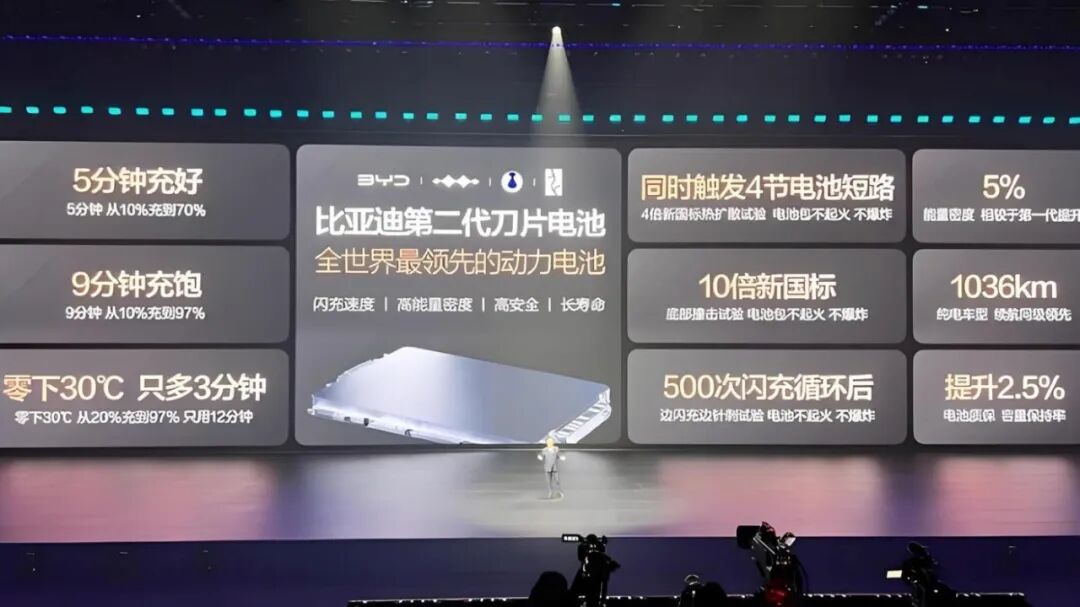
In other words, according to the currently released official test data, BYD's single-gun rated power is 750kW less than Geely's, while Geely's charging time is 20 seconds faster than BYD's.
However, a 20-second difference will not truly impact consumer decisions. Factors such as overall cost-effectiveness, vehicle design, configuration rationality, interior space, and user reputation still play significant roles. In other words, the new technology currently serves as an added bonus.
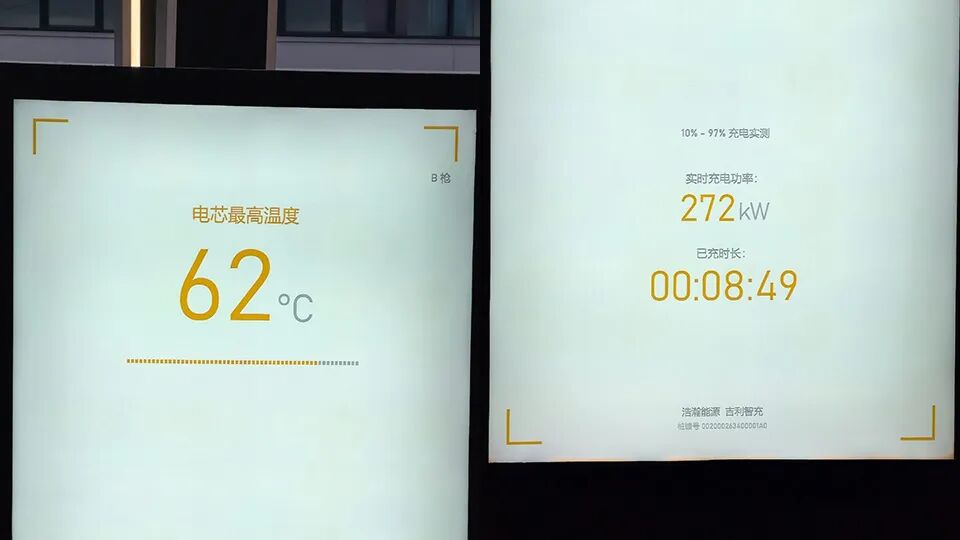
In simple terms, Geely's and BYD's latest fast-charging technologies represent two different approaches. BYD leverages its technological advantages in electrochemical systems and manufacturing capabilities to enable stable costs and fast-charging resilience in its vehicles. Geely, on the other hand, is rapidly enhancing physical and electrochemical capabilities while integrating AI into the entire energy replenishment chain.
The most intuitive aspect is the introduction of the 'Xingrui PowerMind Energy Brain,' a comprehensive energy model that ensures fast charging speeds while maintaining a maximum temperature below 65°C—the national standard requirement—ultimately increasing battery cycle life by over 20%.
Therefore, the various numerical surpasses can yield different results depending on the perspective.
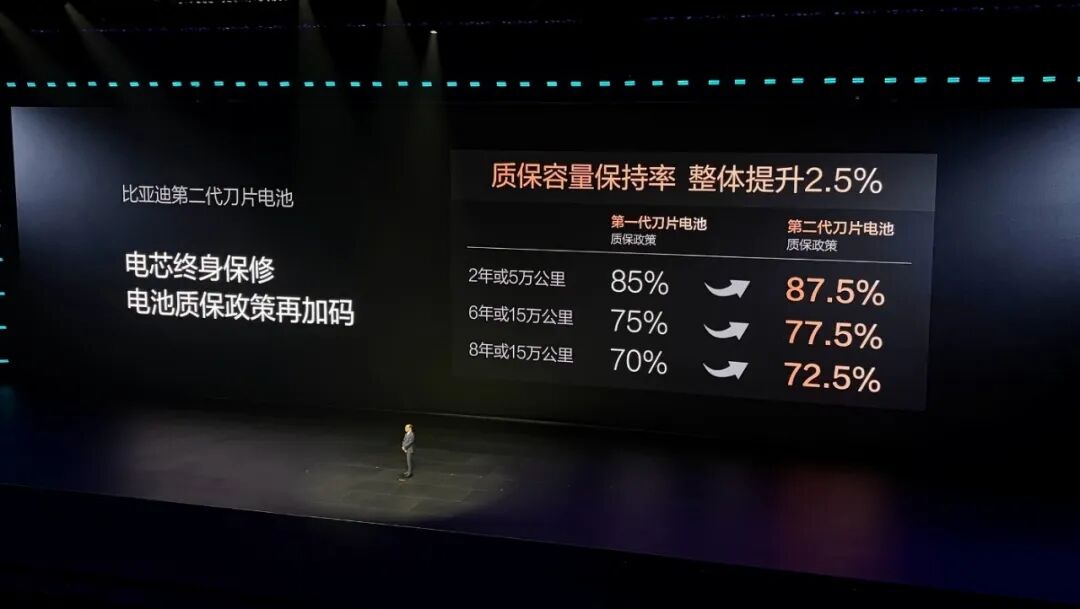
The general conclusion is that Geely's mid-to-high-end models have an advantage in energy replenishment speed, while BYD shows minimal difference between its entry-level and high-end models. Temperature control and battery life require time for validation, with no short-term conclusions. In terms of commercial behavior related to battery life, the two companies also differ: Geely has extended its battery warranty from 8 years/150,000 km to 8 years/200,000 km, while BYD offers a lifetime warranty for its three electric systems and a lifetime warranty for battery cells. Ultimately, the answers vary depending on different usage scenarios and habits.
However, the core change is that both companies can attract their respective target audiences. Geely can appeal to those who prioritize fast charging, and currently, no more than five automakers are mass-applying these new technologies in the automotive market.
Future Layout is the Core Competitive Edge
In fact, automakers represented by Geely are currently driving the competition in the new energy vehicle sector, particularly in the pure electric vehicle domain, to the next level of intensity.
First and foremost, safety over long-term use is a critical factor. Geely's current data shows that in 2025, it shipped 1.03 million self-developed and self-produced battery packs, with 1.1 million units shipped in the first eight months of 2026. Most importantly, it has achieved zero battery safety incidents.
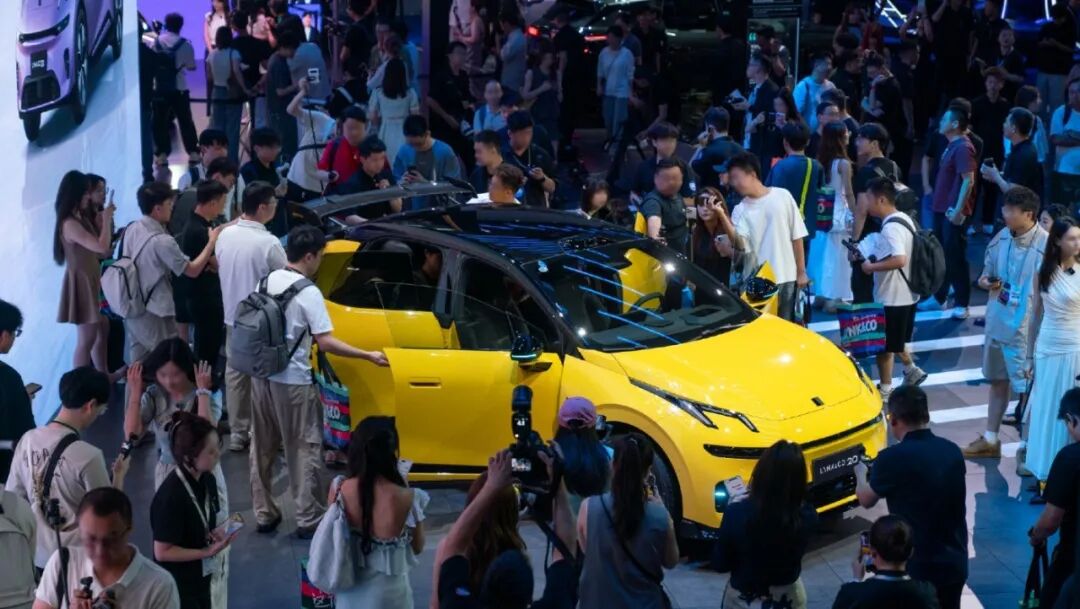
Second, the competition hinges on who can deliver sufficient technological benefits to the largest market segment: the 100,000-200,000 yuan range. With the release of AI Smart Charging technology, coupled with the iteration of the Geely Galaxy E5, the upcoming Lynk & Co 20, the recently launched Galaxy TT, and the soon-to-be-released Galaxy Warship 700, Geely has rapidly deployed four highly anticipated new models in this market segment. In other words, Geely currently holds a lead of at least six months over competitors, except for BYD.
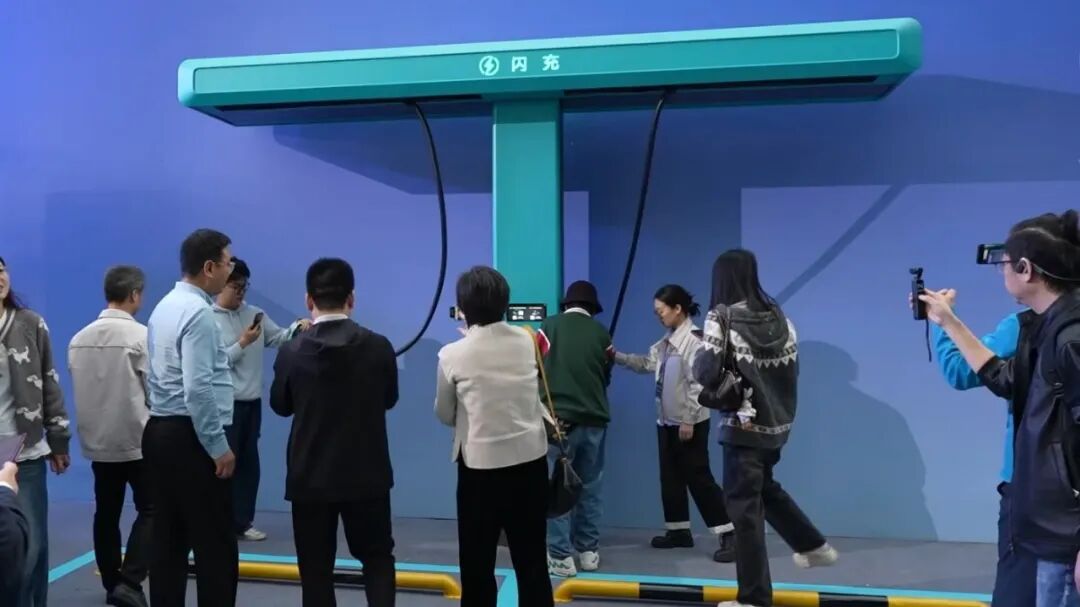
Third, the above two factors relate to the most crucial implicit market: the global market. While there is a clear generational gap between China and the global market—with China's technology being superior, newer, and faster—its applicability and reach in the global market are subject to legal, regulatory, and policy constraints that prevent unrestricted implementation as in China. In other words, based on subsequent standards in various countries and regions, requirements for battery temperature during high-rate charging may be even stricter than in China. That is, battery temperatures must not exceed 65°C, making AI temperature control a critical competitive edge. While charging speeds may be relatively slower, they can still be fast enough for local markets while matching temperature requirements.
Of course, this is not expected to pose significant pressure on BYD, which can also adapt its charging strategies to meet different needs. However, Geely can achieve this at a lower cost and with greater returns.
Nevertheless, after reviewing the above points, there is still a noticeable gap: Geely has a clear forward-looking strategy.
The 2250kW single-gun peak power is significantly excessive for current needs.
In the market, the majority of new energy vehicles operate on 400V platforms, where 360kW charging piles are more than sufficient. Geely's provision of 2250kW is intended to meet future demands over the next 3-5 years or even longer. In the existing charging infrastructure, the single-gun peak power of Smart Charging stations is determined by voltage and capacity. Currently, the maximum single-gun demand ranges between 1400-1500kW, which is why Geely designed a 2.2-megawatt capacity.
Given the ongoing trend of increasing voltage and capacity, future new energy vehicle platforms will operate at much higher voltages. Geely is deploying next-generation technology, necessitating larger charging piles that can meet future demands without requiring reconstruction.
In other words, Geely anticipates that the iterative logic of intelligent new energy vehicles will closely resemble that of smartphones. Without forward-looking preparations, delayed reconstruction could result in missed market opportunities and affect sales, as well as cause issues within the company's entire R&D system.
In Conclusion
After examining Geely's new technology, numerous other questions can also be answered.
For instance, the question of whether extended-range and plug-in hybrid vehicles have further opportunities for growth has a negative answer. The charging speed of pure electric vehicles is expected to surpass that of fuel vehicles within a few years. As long as infrastructure development keeps pace, concerns about range anxiety will diminish. Even the possibility of major automakers sharing charging networks in the future is a topic already being discussed in the industry.
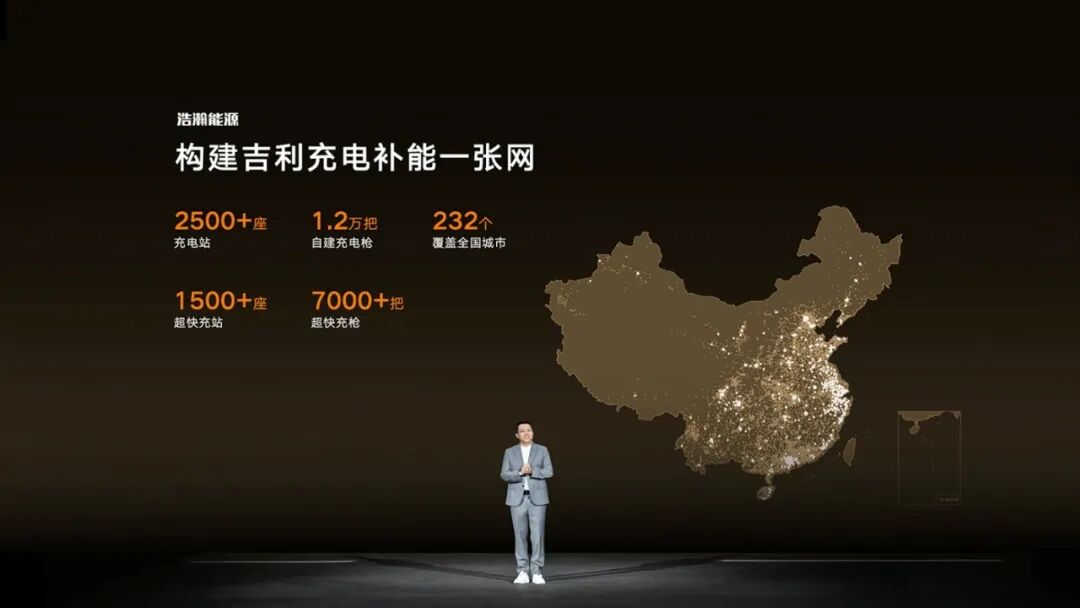
According to Geely's current plans, by the end of 2027, it aims to establish over 22,000 charging stations and over 100,000 charging guns, including over 15,000 Geely Smart Charging stations and over 50,000 Smart Charging guns, achieving 'county-level coverage' nationwide. In the future, it plans to expand to over 150,000 charging stations and over 600,000 charging guns. With an average of 20 vehicles served per gun, this would enable daily service for over 12 million vehicles, including 100,000 Smart Charging stations.
The answer to another question is that recently, more and more automakers have begun promoting and implementing self-developed and self-produced battery cells, including but not limited to NIO, Li Auto, Xiaomi Pengcheng, XPENG, and Leapmotor. Coupled with Geely's current performance, this demonstrates that China's power battery supply chain system has indeed matured. As the previously dominant single-player model is disrupted, the next phase will feature intense competition among multiple players.
As for another question—which among Dongfeng, Changan, Chery, Great Wall, SAIC, GAC, and others can catch up with Geely and BYD the fastest—failure to do so will mark the beginning of a new round of industry reshuffling.
-
![]()
What Cars Can You Buy with a 100,000 Yuan Budget? The Options Far Surpass Your Expectations
-
![]()
AI Fuels Wealth Creation, Shakes Up the Rich List
-
![]()
The Unveiling of 'Mega Project - Dawning 8000': How Cutting-Edge Computing Power Transforms Scientific Research
-
![]()
Why Are European and American Automakers Venturing into Diverse Sectors?
-
![]()
Has Geely Quietly Surpassed BYD Once Again?
-
![]()
The automotive chips that have seen the most significant price hikes are automotive-grade memory chips, with the cost per vehicle increasing by up to 6,000 yuan
-
![]()
Flash Charging Era Approaches: Geely and NIO Forge Strategic Alliance
-
![]()
Harmony Intelligent Mobility Alliance’s Suspected 2027 New Product Launch: AITO Excluded, Shangjie and Luxeed Set to Dominate the 300,000-500,000 Yuan Market Segment | Mingjingpro