Flash Charging Era Approaches: Geely and NIO Forge Strategic Alliance
 09/29 2026
 404
404
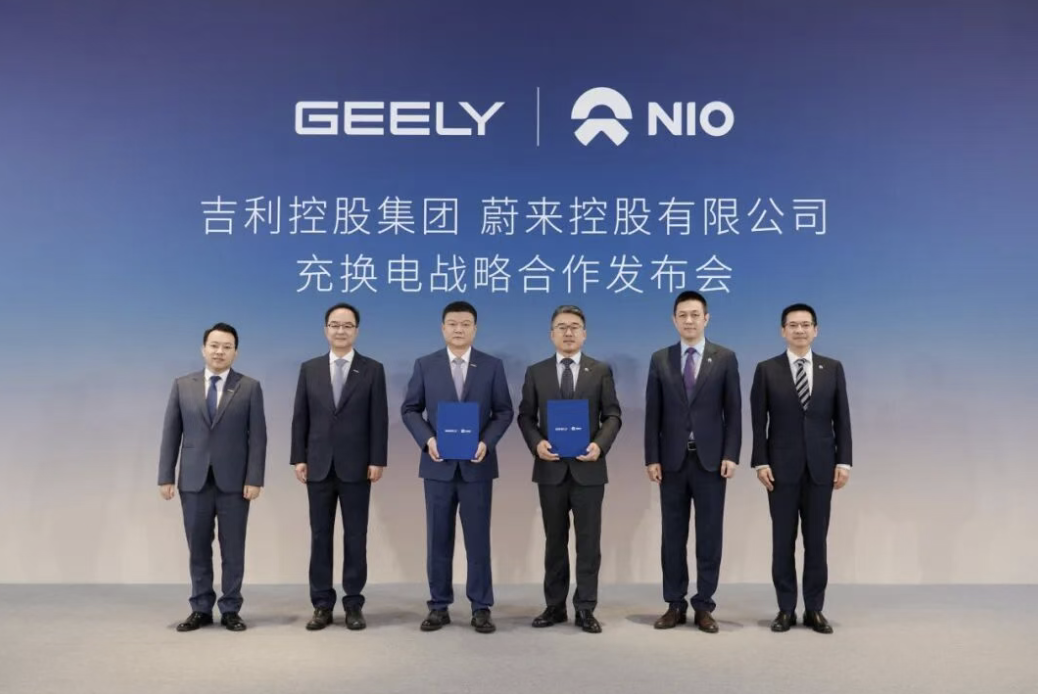
As flash charging technology gains momentum, battery swap operators are moving towards network integration.
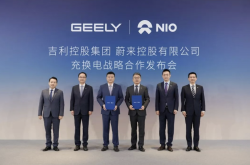
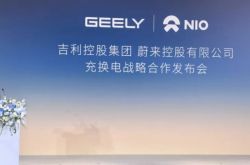
On September 28, NIO and Geely Holding Group formalized a comprehensive strategic partnership in battery swap and charging infrastructure. The agreement entails deep cross-shareholding between their respective business entities: Geely will contribute 100% equity in YiYi Interconnect (Chongqing) Technology Co., Ltd. along with RMB 640 million cash to NIO Power Investment (Hubei) Co., Ltd. in exchange for a 30% stake, while NIO will acquire a 10% stake in Haohan Energy.
This collaboration builds on a 2023 framework agreement, culminating after nearly three years of negotiations.
01 Cross-Shareholding Structure: Specialized Operations
According to NIO's Hong Kong Stock Exchange announcement, the partnership centers on "mutual equity investment."
Battery Swap Network Integration
Geely will transfer full ownership of YiYi Interconnect Technology (Chongqing) Co., Ltd. and RMB 640 million cash to subscribe for new shares in NIO Power Investment (Hubei) Co., Ltd. Post-transaction, Geely will hold 30% of NIO Power, with NIO China retaining 63.6% control. The post-investment valuation stands at approximately RMB 16 billion. YiYi Interconnect's commercial vehicle battery swap operations will fully integrate into NIO Power's ecosystem.
The agreement includes performance metrics with dynamic adjustment clauses: Geely may invest an additional RMB 640 million to raise its stake to 34% if business synergies meet expectations, or face downward adjustment to no less than 20% if performance lags.
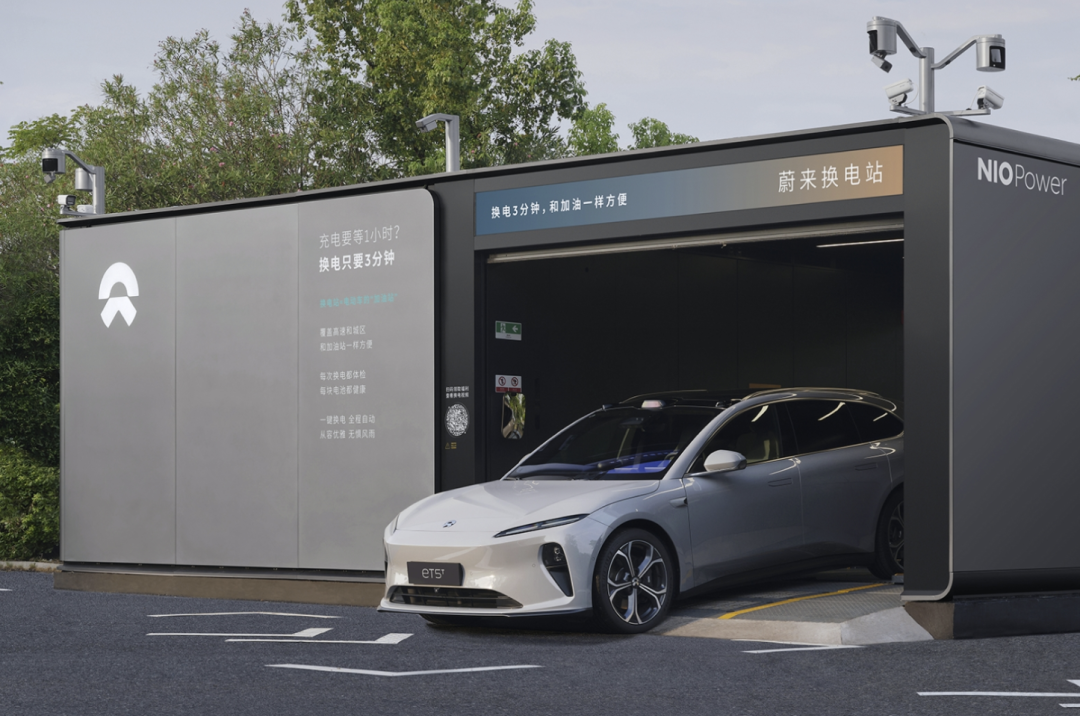
Charging Network Collaboration
NIO will acquire a 10% stake in Haohan Energy, Geely's subsidiary managing charging infrastructure for Zeekr, Lynk & Co., Galaxy, and Lotus brands. As of announcement, Haohan operates 2,500 charging stations with over 12,000 guns across 232 Chinese cities. Post-investment, both parties will fully interconnect their charging resources.
Operational Specialization
NIO Chairman William Li clarified that post-transaction, NIO will maintain two distinct battery swap networks: a C-end consumer network led by NIO Power (connecting Geely's future C-end models under unified technical standards), and a B-end commercial network built on YiYi Interconnect's foundation for Cao Cao Mobility and future Robotaxi services.
NIO will accelerate C-end station construction while strategically deploying B-end infrastructure based on partner needs. This dual-network approach leverages NIO's 125 million+ private car battery swap experiences and YiYi Interconnect's expertise in high-frequency commercial operations.
02 Synergistic Benefits Amid Challenges
The partnership addresses mutual strategic needs but faces significant hurdles.
Geely's Infrastructure Advantage
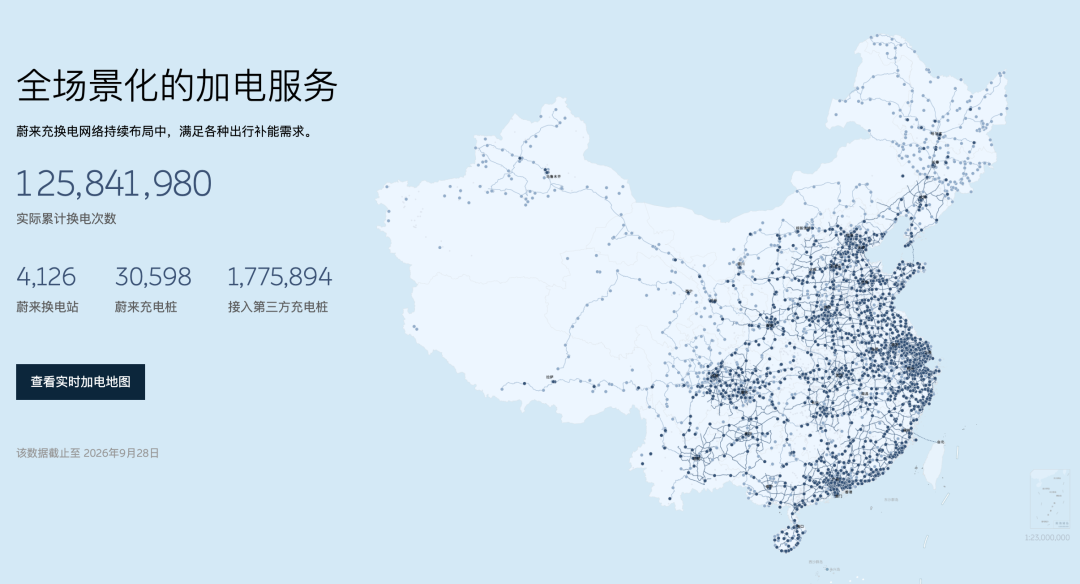
Building a battery swap network from scratch demands prohibitive time and capital. NIO's existing 4,126-station network covering major cities and highways provides Geely immediate infrastructure for its swap-enabled models.
Geely CEO An Conghui announced plans to accelerate battery swap model development, leveraging Cao Cao Mobility's fleet for operational expansion.
NIO's Capital and B-End Access
The RMB 640 million cash injection bolsters NIO Power's finances, while YiYi Interconnect's assets generate immediate revenue. NIO President Qin Lihong projected 15-20% revenue growth per B-end station with 40% cost reductions through integration. For capital-intensive swap operations, scale is crucial to profitability.
Key Challenges
1. Technical Standardization: NIO and Geely must reconcile differences in swap technologies, battery specifications, and interface protocols. Engineering integration of Geely's models into NIO's stations requires solutions for spatial constraints, compartment designs, and locking mechanisms.
2. Operational Complexity: Managing two separate networks demands simultaneous support for distinct R&D, supply chain, and personnel systems. B-end operations require high station turnover efficiency, while C-end users prioritize service quality - a resource allocation challenge.
3. Commercial Viability: Swap station profitability hinges on high utilization rates and low battery costs. While multi-brand access boosts utilization, it complicates battery asset management across health monitoring, second-life utilization, and ownership models.
4. Alignment Uncertainties: Geely's willingness to fully standardize future models with NIO's specifications under the new equity structure remains to be seen.
03 From Niche to Ecosystem: Evolution of Battery Swap
As industry pioneers, both companies have long invested in battery swap infrastructure.
NIO launched its NIO Power intelligent energy system in 2017 with a 3-minute live swap demonstration. The company has since invested billions annually, accumulating over RMB 20 billion in total. As of announcement, NIO operates 9,433 charging/swap stations (4,126 swap, 5,307 charging) with 30,000+ charging poles, delivering 220 million+ services.
In November 2023, NIO opened its swap network to industry partners, signing agreements with Changan, Geely, JAC, and Chery to transform from exclusive to public infrastructure.
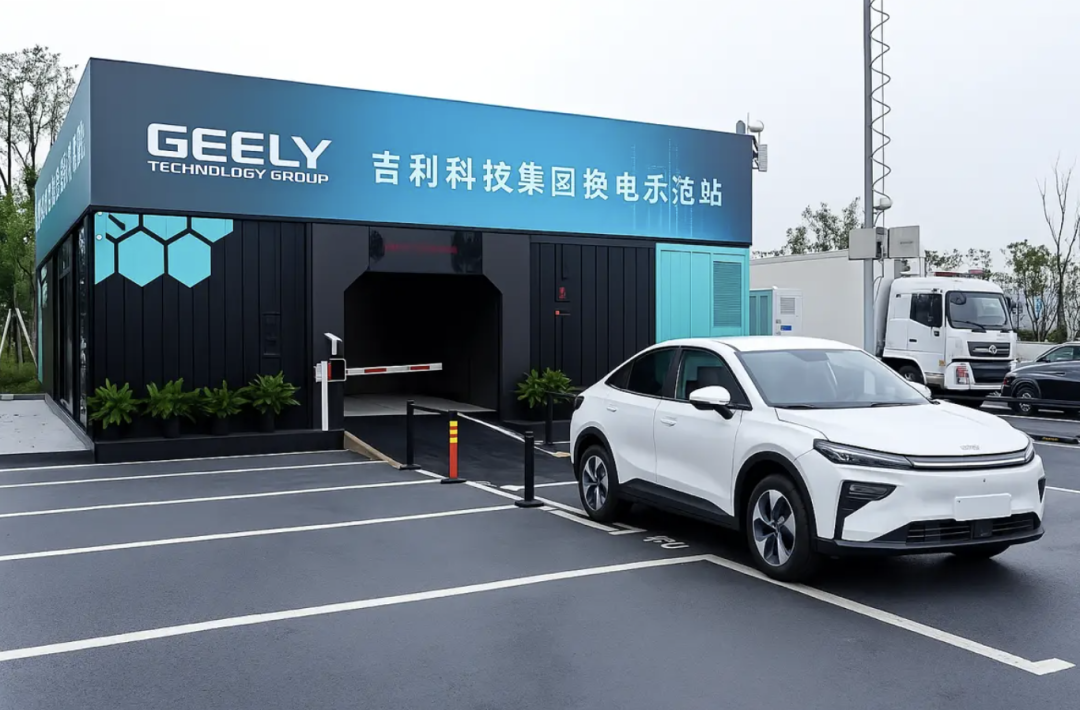
Geely took a B-end-first approach through YiYi Interconnect (est. 2017), focusing on commercial vehicle swaps. By April 2025, it operated 470+ stations across 40+ cities (Chongqing, Hangzhou, Guangzhou), targeting 2,000 stations by 2027. This commercial expertise complements NIO's C-end strengths.
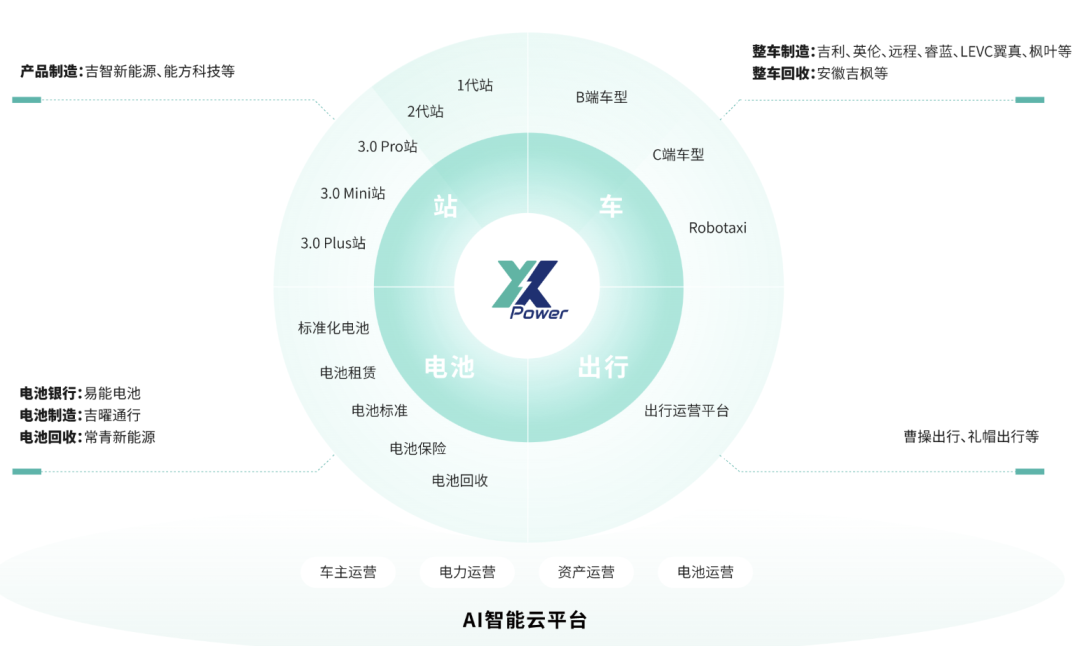 YiYi Interconnect's battery swap ecosystem
The 2023 strategic framework initially covered battery standards, swap technologies, network construction, and model development. However, substantive progress waited until September 2026, when NIO CFO Steven Chu revealed ongoing project negotiations, culminating in this capital-linked agreement.
Industry Imperative
The battery swap model promised "faster than refueling" but struggled with profitability. High costs for batteries, land, power upgrades, and maintenance require continuous investment, while network scale demands multi-brand utilization. Relying solely on NIO's sales volume proved insufficient.
This challenge intensifies with flash charging advancements.
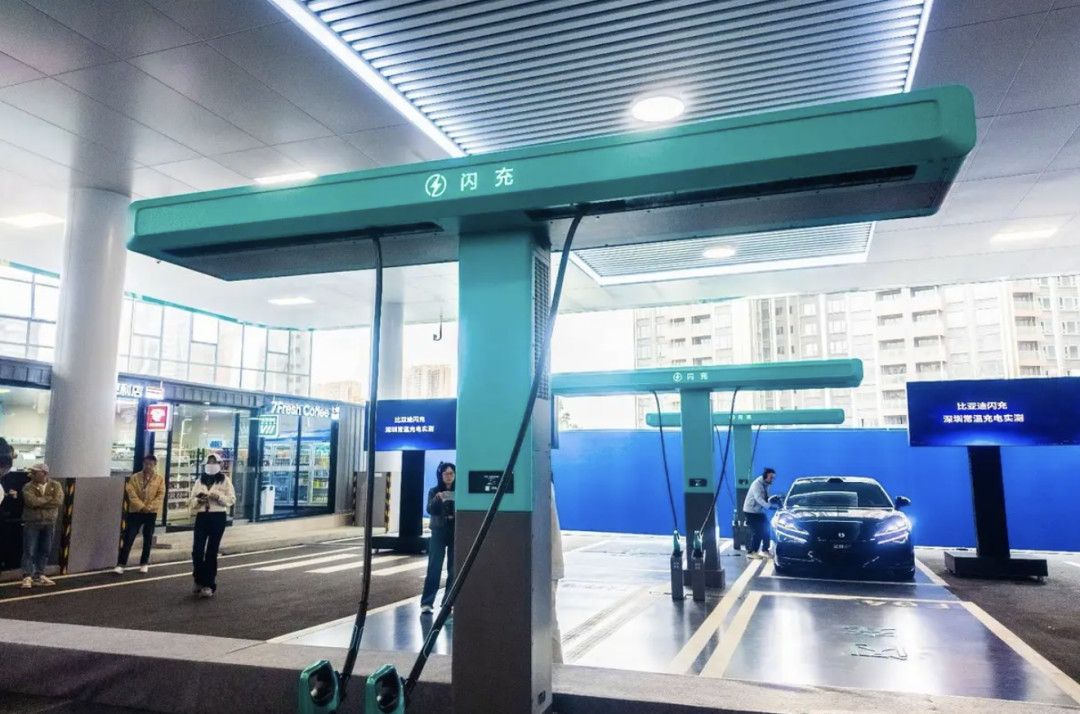
2026 marked "flash charging's breakthrough year," with automakers and battery firms achieving "minute-level" recharge speeds. BYD expanded its flash network to 11,586 stations across 341 cities (2,000 highway stations pre-National Day), targeting 90,000 stations in two years. Its 1,500kW guns enable 10-70% charge in 5 minutes.
Battery suppliers keep pace: CATL's third-gen Shenxing ultra-fast battery charges 10-80% in 3m44s; Sunwoda's 15C system offers "unlimited flash charges" for non-commercial vehicles.
As charging approaches the 5-minute psychological threshold, battery swap's "faster than refueling" advantage diminishes. Flash networks exert direct pressure on swap operators, making cooperation inevitable.
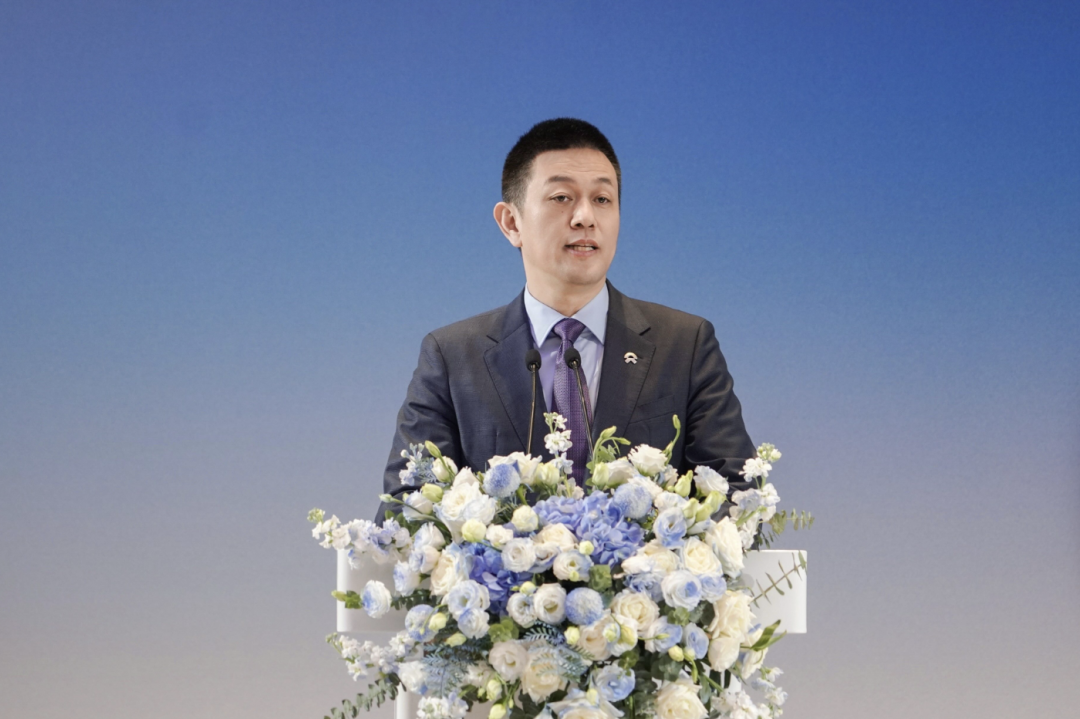 NIO Chairman William Li
NIO plans 10,000 swap stations by 2030, with annual network power demand exceeding 10 billion kWh. Li emphasizes battery stations' energy infrastructure value, suggesting potential revenue models through grid peak shaving and energy storage.
Realizing this vision depends on whether the NIO-Geely "marriage" can harmonize technology, operations, and capital cycles.
-END-
-
![]()
The automotive chips that have seen the most significant price hikes are automotive-grade memory chips, with the cost per vehicle increasing by up to 6,000 yuan
-
![]()
Flash Charging Era Approaches: Geely and NIO Forge Strategic Alliance
-
![]()
Harmony Intelligent Mobility Alliance’s Suspected 2027 New Product Launch: AITO Excluded, Shangjie and Luxeed Set to Dominate the 300,000-500,000 Yuan Market Segment | Mingjingpro
-
![]()
Save up to 12,000 RMB in Car Purchase Subsidies: Here's What You Need to Know
-
![]()
NIO and Geely Forge a 'Strategic Alliance'
-
![]()
Shenlong Technology Achieves in Just Over a Month What a 40-Year Joint Venture Couldn't
-
![]()
New Energy Vehicles Face a 'Scale Dilemma': Wan Gang and Zhu Huarong Offer Solutions!
-
![]()
What are the Eight Redundancies for L3 Autonomous Driving in the Qijing GX7?