Final Verdict: Unveiling the Scale of China’s Domestic Off-Road Vehicle Market
 10/12 2026
 330
330
On October 10, Geely’s Galaxy Warship 700 made its official debut, marking a significant milestone as the first boxy off-road model under the Galaxy brand.
As a new-energy off-road vehicle, the Galaxy Warship 700 boasts an integrated chassis frame, a robust body structure with six horizontal, seven vertical, and eight-ring high-strength components, emergency floating and escape capabilities, and a comprehensive all-terrain system. Priced between RMB 169,800 and RMB 359,800, it caters to a broad spectrum of consumers, with a budget-friendly option under RMB 200,000 and a premium choice around RMB 350,000. This wide price range has made it one of the most buzzed-about new models in recent times. 
Off-road vehicles have emerged as a new hotspot in the automotive market, with several new models being launched domestically in recent times.
On August 25, the Beijing Auto Taitan 700 was introduced, with prices ranging from RMB 279,800 to RMB 379,800, and a revised starting price of RMB 249,800. The Taitan 700 features a body-on-frame design and is positioned as a mid-to-large luxury off-road SUV.
On September 22, GAC Trumpchi Yue 7 made its grand entrance in the Dunhuang Desert. The Yue 7 is equipped with an embedded chassis frame, three differential locks, a 1.5T plug-in hybrid four-wheel drive, a maximum ground clearance of 310mm, a wading depth of 780mm, and nine AI-powered automatic all-terrain modes. It is comparable in size to the Leopard 8 and represents a fresh contender in the domestic mid-to-large new-energy off-road vehicle segment. The latest iteration of the Tank 300 is also slated for imminent launch. 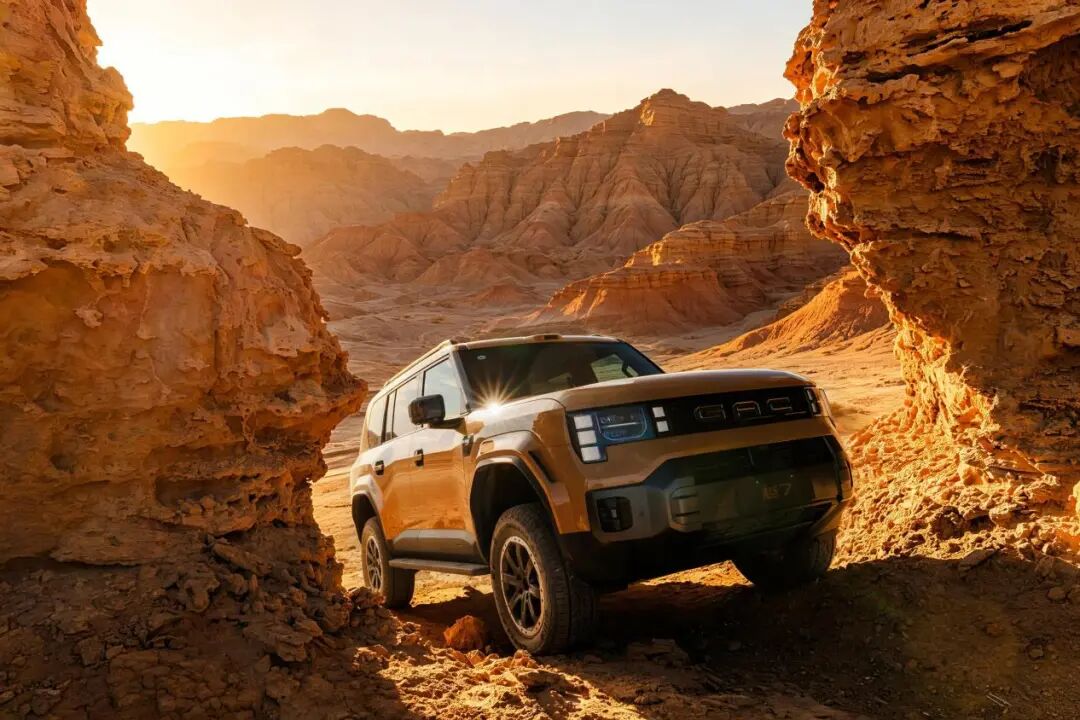
Traditional off-road vehicles encompass models such as the BJ40, Prado, Wrangler, Mengshi, Land Rover Defender, and Fangcheng Bao.
Why are domestic automakers venturing into the off-road model arena? Analysts attribute this trend primarily to the rapid expansion of this niche market.
Data reveals that annual sales of off-road vehicles soared to 894,000 units in 2025, up from a mere 423,000 units in 2020, representing a doubling in just five years. Among these, domestic brands accounted for 626,000 units (70%), while joint ventures and imports made up the remaining 268,000 units (30%).
The True Off-Road Market Remains Relatively Small
In recent years, off-road vehicles have transitioned from a niche market to a segment nearing 900,000 units. However, genuine off-road vehicles with a chassis frame and body-on-frame design constitute a market size of only around 300,000 units annually. Meanwhile, crossover boxy models with a unibody design, emphasizing appearance and light off-road capabilities (such as the Fangcheng Bao Titan 7 and JETOUR Traveler), command two-thirds of the market share. 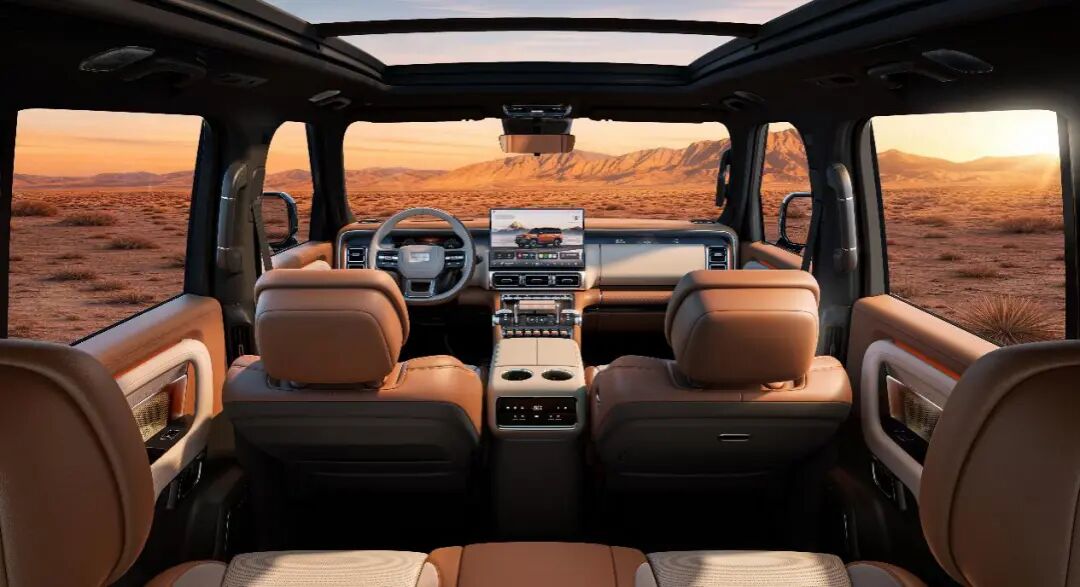
When all boxy SUVs are considered, the market size expands significantly. In 2025, overall boxy SUV sales surpassed 1.02 million units, with an anticipated 1.5 to 1.6 million units in 2026. Crossover models are the primary growth drivers, while the heavy-duty professional off-road segment remains steady at around 300,000 units annually.
With domestic automakers introducing new-energy off-road models, this niche market has shifted from being foreign-brand-dominated to domestic-brand-dominated. Simultaneously, new-energy off-road vehicles have emerged as the main growth catalyst. 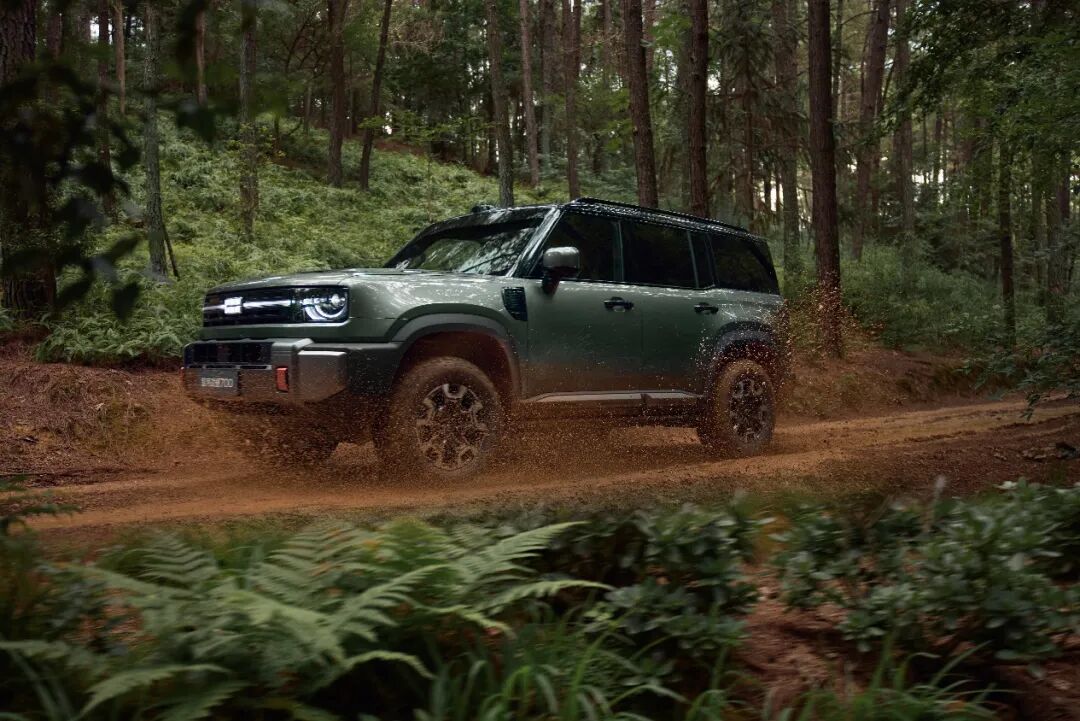
Analysts predict that the honeymoon period for the off-road vehicle segment is drawing to a close, with a surge of new models flooding the market and competition intensifying from a blue ocean to a red ocean. Future growth in this segment will predominantly stem from crossover users. The heavy-duty off-road market has a very limited upside potential and is unlikely to witness further explosive growth. Automakers should exercise caution and avoid blindly launching heavy-duty off-road models when planning new products. (End)
-
![]()
J.P. Morgan's 2027 Forecast for China's Auto Industry: Three Hurdles, Competing for Share in a Shrinking Market
-
![]()
Nominal vs. Effective Computing Power: Key Considerations for Autonomous Driving
-
![]()
Final Verdict: Unveiling the Scale of China’s Domestic Off-Road Vehicle Market
-
![]()
Geely Launches Global Dealer Recruitment Drive for Battery Sales!
-
AI Assistant: Beyond Mere 'Chatting'
-
![]()
68% of Notebook Production Costs Tied to CPU, Memory, and SSD! Manufacturers Grapple with Tough Choices
-
![]()
Young People’s Disillusionment with Mercedes-Benz and BMW: The Decline of the Premium Brand Pricing Model
-
![]()
Zunjie V800 Brake Pedal Bracket Base Upgrade Plan to Be Finalized by Month-End, With Upgrades Commencing in November