The Enigma of Zeekr's Sales: How 96% of Annual Target Was Achieved in 9 Months
 10/13 2026
 547
547
"Lower the targets, enrich the products"
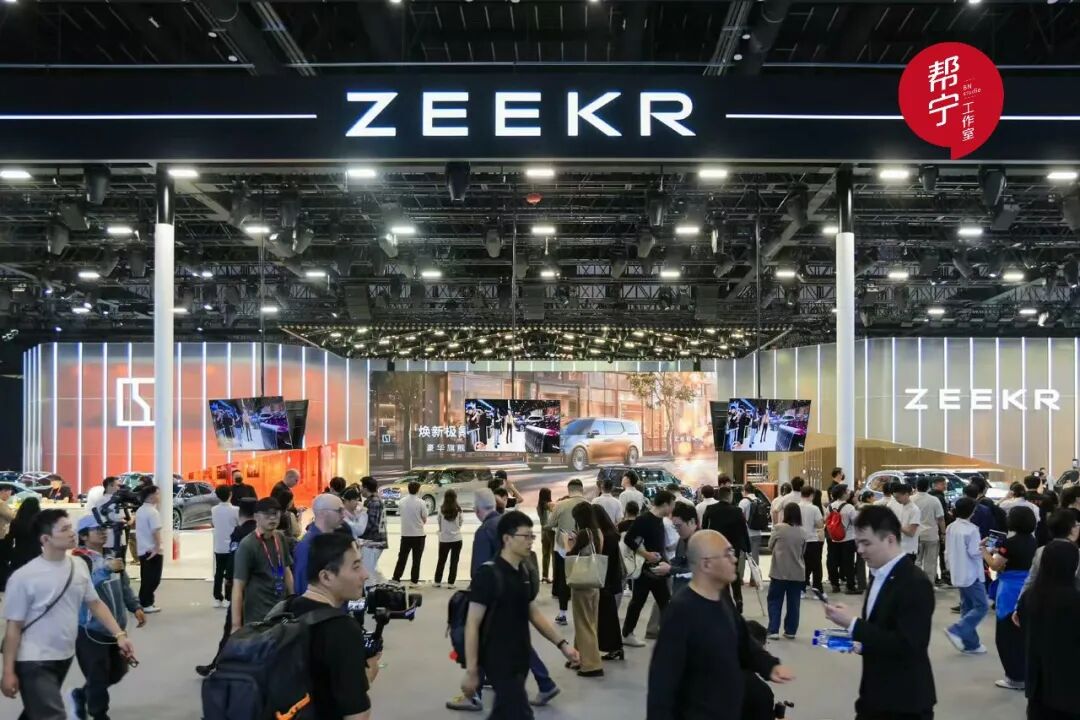
On the first weekend after the National Day holiday, foot traffic at a shopping mall in Shunyi, Beijing, was lighter than usual. By 9 p.m., some stores had begun closing early, even though their official closing time had not yet arrived. However, the Zeekr Center there remained brightly lit.
Inside the showroom, several families were scattered around the Zeekr 7X, 007GT, and 9X models. Some sat in the rear seats, measuring legroom; others chased after sales consultants, inquiring about details of the upcoming November facelift for new models.
Sales consultant Zhang Xing (pseudonym) remarked that such customer traffic at this hour would have been unimaginable a year ago.
Zhang joined Zeekr when this store opened in the summer of 2024. He vividly recalls that in the first few months, nearly nine out of ten visitors would first ask, "What brand is Zeekr?" Some even misread the storefront sign, pronouncing "Zeekr" as "Jiyan" (which sounds similar to a Chinese term meaning "agitated").
At the beginning of his tenure, Zhang's daily routine started with brand education: a subsidiary of Geely, founded in 2021, headquartered in Hangzhou... Two years later, he no longer needs to repeat this introduction. Most customers now walk in and immediately discuss specifications, pricing, and test drives.
This shift is also reflected in the numbers. Zeekr's official data shows that 37,200 new vehicles were delivered in September this year, up 103.85% year-on-year. From January to September, deliveries reached 288,400 units, a 100.84% increase—effectively doubling—and achieving 96.1% of the full-year target of 300,000 units within nine months.
This performance stands out in the industry. Data from the China Passenger Car Association shows that nationwide passenger vehicle retail sales declined by about 22% year-on-year in the first nine months of this year, with September alone seeing a 24% drop.
According to previous incomplete statistics by Bangning Studio, most mainstream automakers achieved around 50% of their annual targets in the first three quarters, with the better performers reaching just over 60%. Brands like Changan, Great Wall, Xiaomi, and XPeng barely crossed the 50% mark.
In 2025, Zeekr set an annual sales target of 320,000 units but only delivered 224,100 by year-end, achieving just over 70%. This year, Zeekr lowered its full-year target to 300,000 units, yet exceeded 96% completion in the first three quarters, likely reaching the full target by mid-October, two and a half months ahead of schedule.
▍01 Volume and Price Both Surge
Looking back at recent years, Zeekr presents at least three sales enigmas—three significant spikes in volume.
Public data shows the brand delivered 6,007 units in 2021, surged to 71,900 in 2022, soared to 118,700 in 2023, and jumped to 222,100 in 2024.
However, sales in 2025 were relatively flat at 224,100 units, roughly in line with 2024, with a slight increase of just over 2,000 units.
This year, Zeekr's performance has once again been astonishingly enigmatic—288,400 units delivered in the first nine months, transforming the past five years' gradual growth curve into a steep upward trajectory.
During this period, Zeekr's offline network expanded significantly.
According to Zhang, all Zeekr stores in Beijing are directly operated, now exceeding 25—more than double the count when he joined in 2024—with 10 additional outlets. There are currently seven after-sales centers, with another set to open in Shunyi's Nanfaxin area after the Lunar New Year.
His Shunyi store serves three Beijing suburbs—Shunyi, Miyun, and Huairou—averaging over 50 monthly sales, considered strong for a suburban outlet, while larger urban stores sell over 100 units per month. "Last year at this time, the entire brand sold fewer than 20,000 units monthly; this September, it rose to 37,200," Zhang noted.
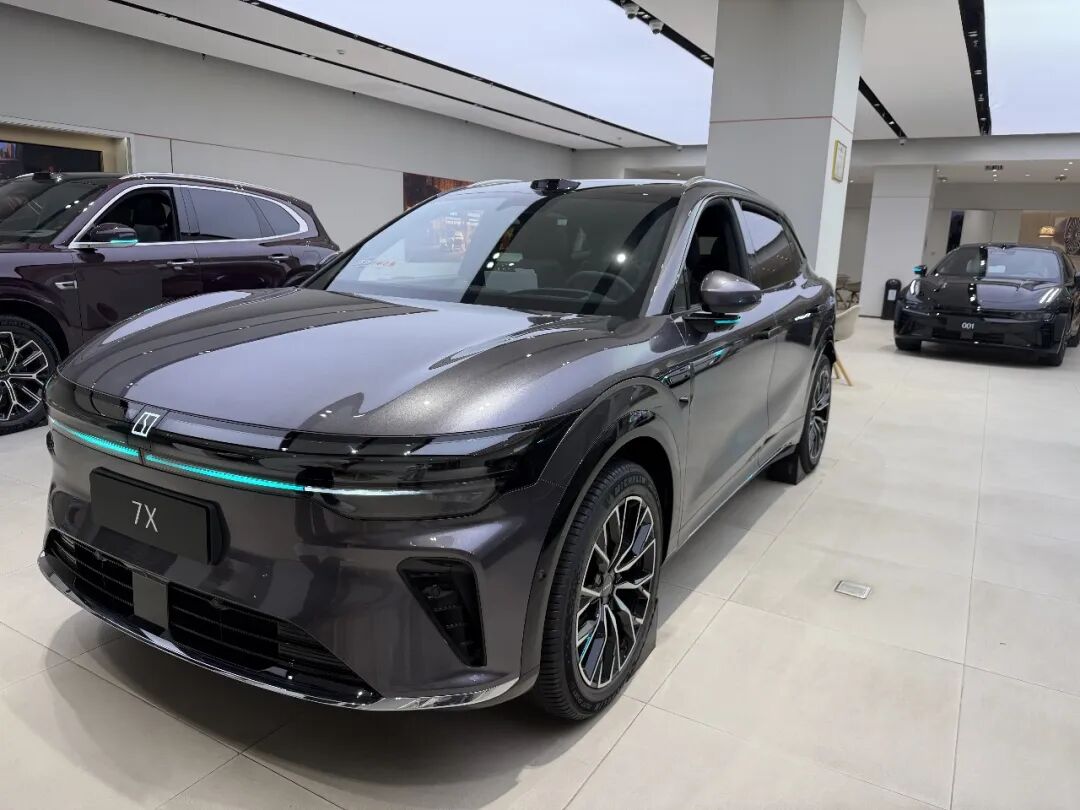
As sales climb, so does the price range—a dual achievement that seems contradictory to competitors, yet Zeekr has managed both.
Geely Automobile's 2026 interim report shows Zeekr sold 178,000 units in the first half, contributing 31.7% of the group's revenue despite accounting for just 12.5% of its sales volume, with an average transaction price around 350,000 yuan.
By August this year, the average transaction price reached 370,000 yuan, meaning Zeekr has crossed the threshold of traditional luxury brands, encroaching on BBA (Mercedes-Benz, BMW, Audi) territory.
From a product matrix perspective, the Zeekr 7X is the clear volume leader, priced between 229,800 and 269,800 yuan. It has sold over 10,000 units globally for three consecutive months (July-September) and surpassed 200,000 global deliveries within a little over a year of launch. At Zhang's store, the 7X accounts for nearly 30% of monthly sales.
The 007GT shooting brake has also sold over 10,000 units monthly for several consecutive months, appealing to younger buyers.
Further up the range, the Zeekr 9X has delivered over 70,000 units in its first year, with 7,225 units sold in September alone and an average transaction price exceeding 530,000 yuan.
The Zeekr 009 maintains its position as the top-selling pure electric MPV priced above 400,000 yuan.
This presents another Zeekr enigma: How can high-priced models still achieve strong sales?
"Zeekr has mastered core technologies, with a mature vehicle platform, 900-volt ultra-fast charging, and advanced driver-assistance systems. Models like the 9X fill market gaps. The luxury market used to belong to BBA, but Zeekr offers high cost-performance and technological sophistication, with no direct competitors in that price segment," Zhang Xiang, a visiting professor at Huanghe Science and Technology College, told Bangning Studio.
He believes Zeekr's rapid growth stems from its guaranteed quality, strong reputation, proactive resolution of quality issues, and simultaneous focus on technology and market demand.
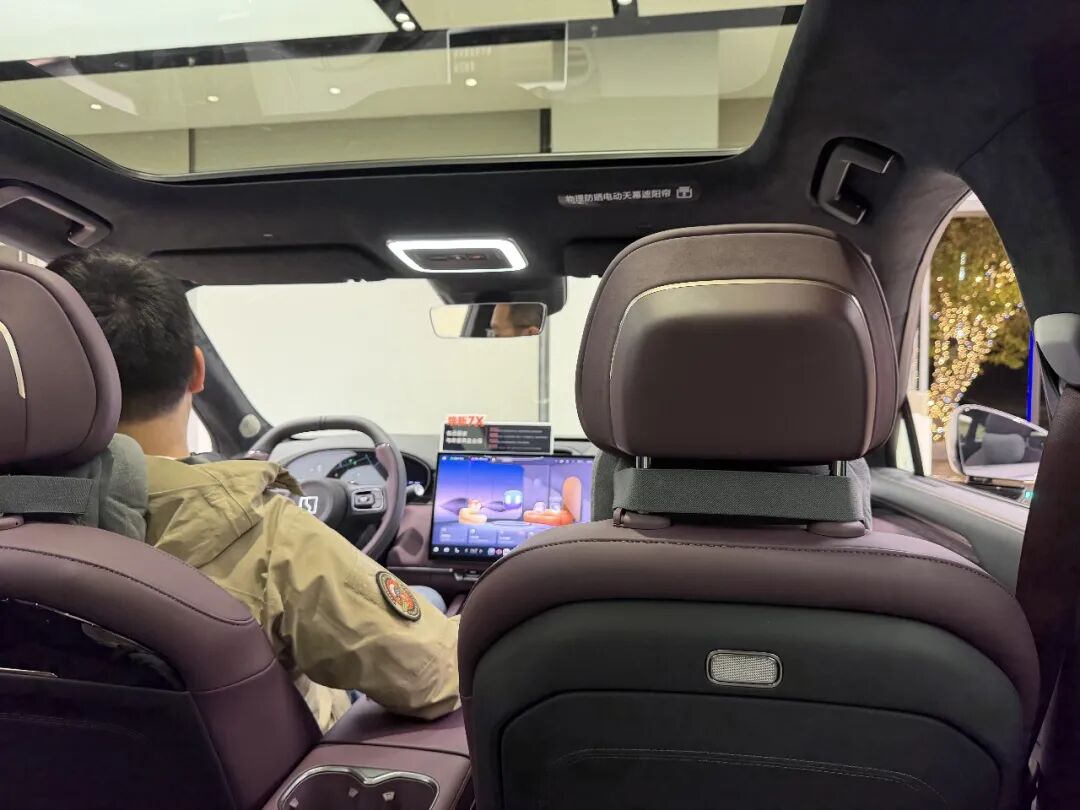
More nuanced changes have occurred in sales pitches.
Those familiar with Zeekr recall its "past debts." In August 2023, the Zeekr 001 saw price cuts of 30,000–37,000 yuan, reducing its starting price from 300,000 to 269,000 yuan. A facelift followed within six months (August 2024), offering more features at a lower price—a move that sparked owner protests and overshadowed the new model's launch.
Now, when Zhang receives customers, he proactively clarifies upcoming model updates a quarter in advance. For example, he informed clients from August that the 7X would receive a facelift in November, detailing current vs. updated specifications.
"Zeekr is now more conscientious about model upgrades and protecting existing owners' rights. It's addressing the issues that once tarnished its reputation," an industry insider noted.
▍02 Blooming Beyond Borders
One key to Zeekr's enigma this year—achieving 96% of its annual target in nine months—lies in a powerful new growth driver: overseas markets.
"2026 is Zeekr's breakthrough year for exports, with a 550% increase in export volume, contributing most to its sales and revenue growth. While the domestic market shrinks, exports are driving its overall expansion," Zhang Xiang said. With domestic retail sales declining for months, exports have become automakers' shared strategy to offset domestic weakness, and Zeekr's timing aligns perfectly with this industry shift.
Zeekr's overseas expansion has been bold. On August 14, Geely Automobile Group announced that the Zeekr brand had reached 10,000 deliveries in the Australasia market as of August 11, up over 1,400% year-on-year. In the Middle East, a batch of Zeekr 9X models shipped from Fuzhou Port's Jiangyin Terminal to the UAE on September 22, with over 700 orders in the UAE alone and a local starting price around 700,000 yuan.
In Europe, the 9X is priced at nearly 100,000 euros (around 780,000 yuan) in Germany, with the full vehicle costing nearly 1 million yuan, dubbed by local media as the "most expensive Chinese car overseas."
The Zeekr 009 has entered Malaysia, Thailand, and other markets, serving as official vehicles for government officials in multiple countries.
Its latest move unfolded in Paris. On October 12, the 2026 Paris Motor Show opened, and Zeekr exhibited there for the first time, placing its flagship 9X center stage and showcasing its entire flagship lineup while announcing two new models. By presenting its best products on Europe's most watched stage, Zeekr openly prioritizes overseas markets.
Currently, Zeekr operates in over 60 countries and regions, with nearly 800 global stores, making it one of the few Chinese luxury brands to achieve deliveries across five continents. Media reports, based on Zeekr's official disclosures, suggest overseas deliveries reached about 15,000 units in September, accounting for roughly 40% of monthly sales.
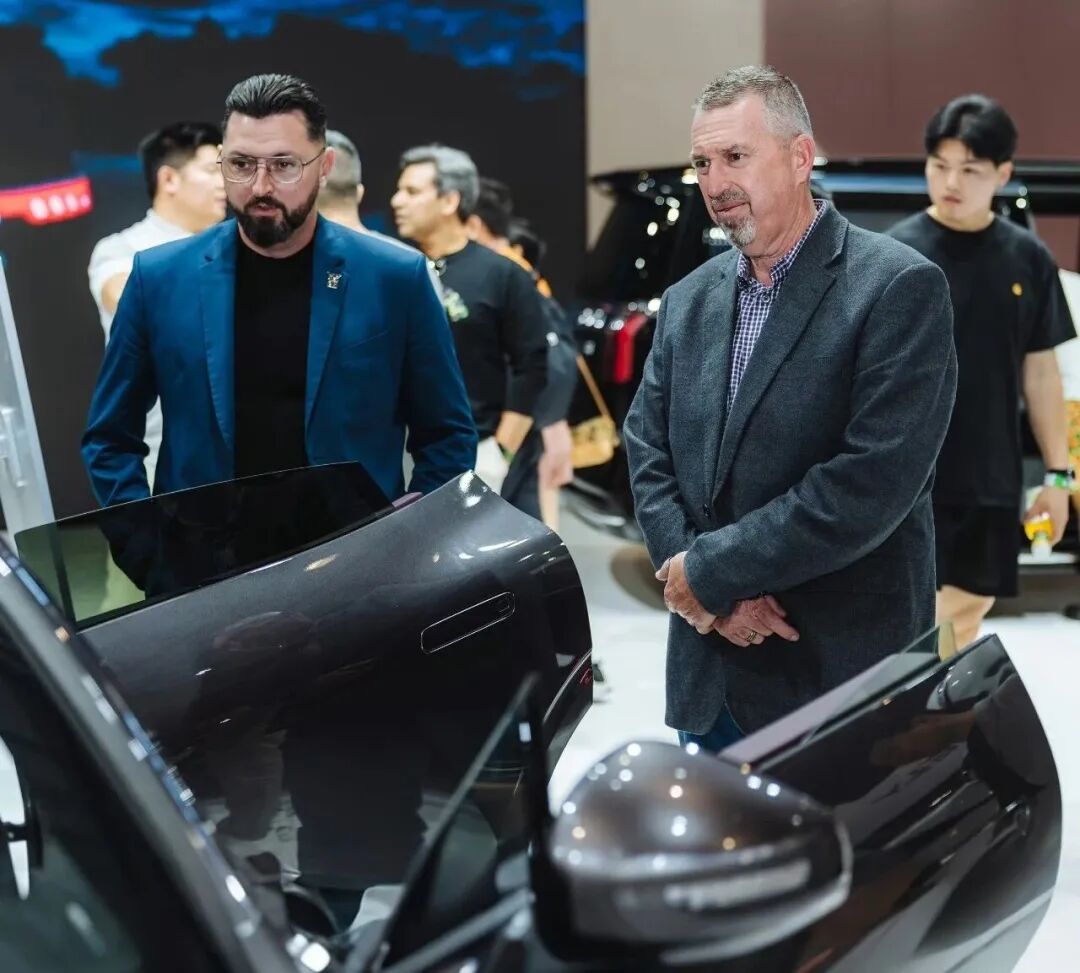
This presents another Zeekr enigma: strong overseas sales at premium prices.
Geely Automobile's 2026 interim report data reveals that Zeekr's export gross margin exceeds domestic levels by about 10 percentage points. During the interim results conference call, Geely Automobile executives stated they would raise the full-year export target from 640,000 to 920,000 units, testing the million-unit scale, with Zeekr serving as the premium image bearer.
Overseas markets also absorb older models. Zhang mentioned that the Zeekr 7X will launch its 2027 facelift in November, and unsold current models will be shipped abroad rather than discounted domestically. Models like the 001, set for a Q1 2025 facelift, will follow suit.
This means overseas markets underpin the domestic pricing system—older models have an outlet, eliminating the need for domestic fire-sale clearance and giving Zeekr flexibility in volume and pricing strategies.
This approach is built on Geely's nearly three decades of global resource accumulation.
"Its success stems from multiple factors, not luck," Zhang Xiang said. Zeekr has consistently aligned with industry rhythms. Early on, it secured sufficient funding during the financing boom, avoiding the capital crunches faced by many new entrants. Its product planning ensures distinct model characteristics, avoiding homogenization. Combined with Geely's acquisitions (Volvo), partnerships (smart with Mercedes-Benz), and stakes in Lotus and Proton, Zeekr enjoys a stronger international backing than peers from day one.
However, overseas expansion carries question marks. Analysts caution that Zeekr's 40% overseas sales share in September reflects end-of-quarter shipping surges, and the full-year cumulative share may not be as high. The 9X is just entering Europe, where tariff fluctuations and regulatory compliance pose real challenges.
Thus, while Zeekr's overseas bloom has been rapid, its ability to take root depends on performance in the coming quarters.
▍03 Assessing Authenticity
Is the 96% completion rate truly impressive? Industry opinions differ.
From terminal performance, Zeekr's premium models currently hold firm on pricing. During store visits, sales consultants noted the 9X, after a year on the market, still has no cash discounts, maintaining its 530,000 yuan average price. Zhang said Zeekr's confidence in avoiding price wars stems largely from this model.
Channel-wise, Zeekr adopts a direct-sales-dominated model supplemented by partner operations, keeping orders and inventory relatively clean. Zhang said Zeekr's current vehicles typically have production dates within one month, with factories employing small-batch rolling production—manufacturing only after sales occur—to prevent large-scale inventory buildup.
In terms of residual value, the brand's rates are rebounding. A report by China Automobile Dealers Association's Jingzhen Gu platform shows the Zeekr 7X ranks first among Chinese brands for one-year residual value among best-selling new energy mid-size SUVs, at 72.5%. In February 2026, China Automotive Data Research's list placed the Zeekr 009's one-year residual value at 81.6%, among the highest for pure electric models.
However, some Zeekr models do offer terminal incentives. For example, the 7X has a 20,000 yuan cash discount across all trims, while the 001 offers 22,000 yuan off, plus 3,000 yuan worth of points for Beijing license plate holders. Price firmness appears limited to flagship models like the 9X; volume sellers show less pricing rigidity.
Moreover, Zeekr's profitability lacks complete transparency. After privatizing and merging into Geely's listing structure, Zeekr no longer discloses separate financial reports, leaving no public, authoritative information on whether the brand as a whole has turned profitable. Notably, Geely Automobile's 2026 interim report showed operating cash flow at 19.924 billion yuan in the first half, down 67.98% year-on-year, indicating persistent collection pressures.
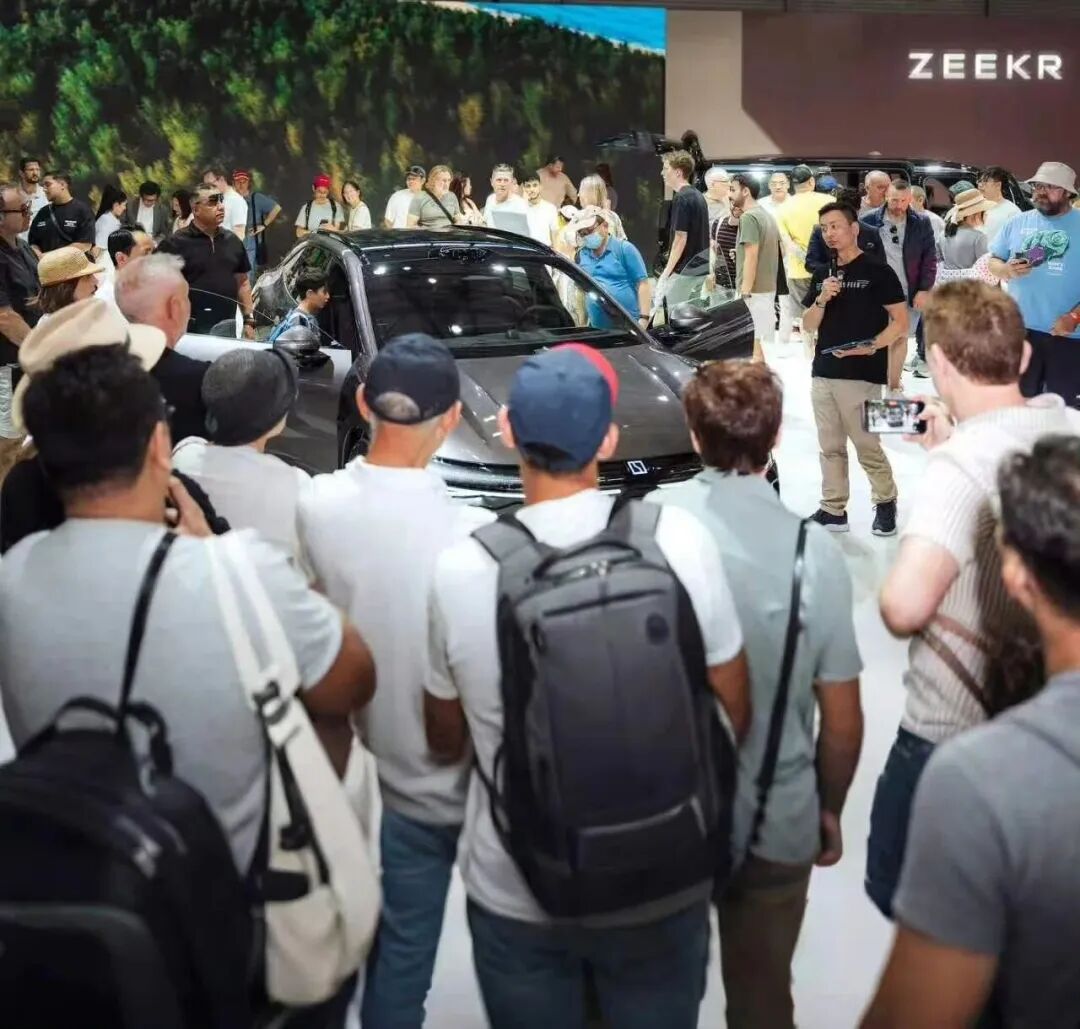
"Annual sales targets have long served as a psychological lever in the industry. Overly ambitious targets drain attention in the first half and erode channel and brand confidence in the second half, ultimately disappointing both dealers and users," said an industry analyst who wished to remain anonymous.
In his view, Zeekr's decision to lower this year's sales target to 300,000 units—20,000 fewer than last year—may seem like a retreat but actually frees up human and production resources from numerical chasing to focus on product fundamentals.
This pragmatic goal-setting and solid product execution are being validated by Zeekr.
Zhang Xiang also noted that setting high targets as marketing tools has been an industry norm for years, with annual failures common. What's rare is Zeekr's willingness to adjust targets downward and then fulfill them through products and exports.
For other Chinese brands, Zeekr's example suggests that instead of competing on targets at press conferences, they should thicken their technological foundations, stabilize channels, and replace domestic price wars with high-end overseas expansion.",
-
![]()
Math PhD Makes 141.7 Billion Through AI Stock Trading!
-
![]()
The Enigma of Zeekr's Sales: How 96% of Annual Target Was Achieved in 9 Months
-
![]()
Apple Reduces Orders! Luxshare Precision Faces a 50.3 Billion Yuan Inventory Challenge
-
![]()
From January to September, Chinese EV Brands Shine in Europe: One in Five Cars Sold, Some Brands See 20-Fold Increase | Mirror Pro
-
Transsion Holdings' Hong Kong IPO: What Makes the Business in Africa's Mobile Phone Market So Challenging?
-
![]()
Global Market Share of Pure Gasoline Vehicles Dips Below 50%: Is the Gasoline Car Era Nearing Its End?
-
![]()
The Whole Story of the 2026 'Rushed Vehicle' Controversy: From a Live Stream Joke to a Public Naming by People's Daily
-
![]()
V4 Flash Scores Impressively, But DeepSeek Hasn't Revealed All Its Cards Yet