Amidst the Frenzied Competition in New Energy Vehicles, 4S Dealerships Face Sudden 'Collapse'
 10/16 2026
 523
523
In 2025, domestic automakers launched over 200 new car models in a single wave. While it was anticipated that 2026 would offer a respite, competition only intensified. In April and September alone, the number of new car models launched in a single month soared to 156 and over 60, respectively. With over 200 new models flooding the market and new car announcements appearing almost daily, the scene was set for unprecedented upheaval. At the April Beijing Auto Show, the number of global premieres surged from 117 to 181, with nearly 10 new cars making their debut each day.
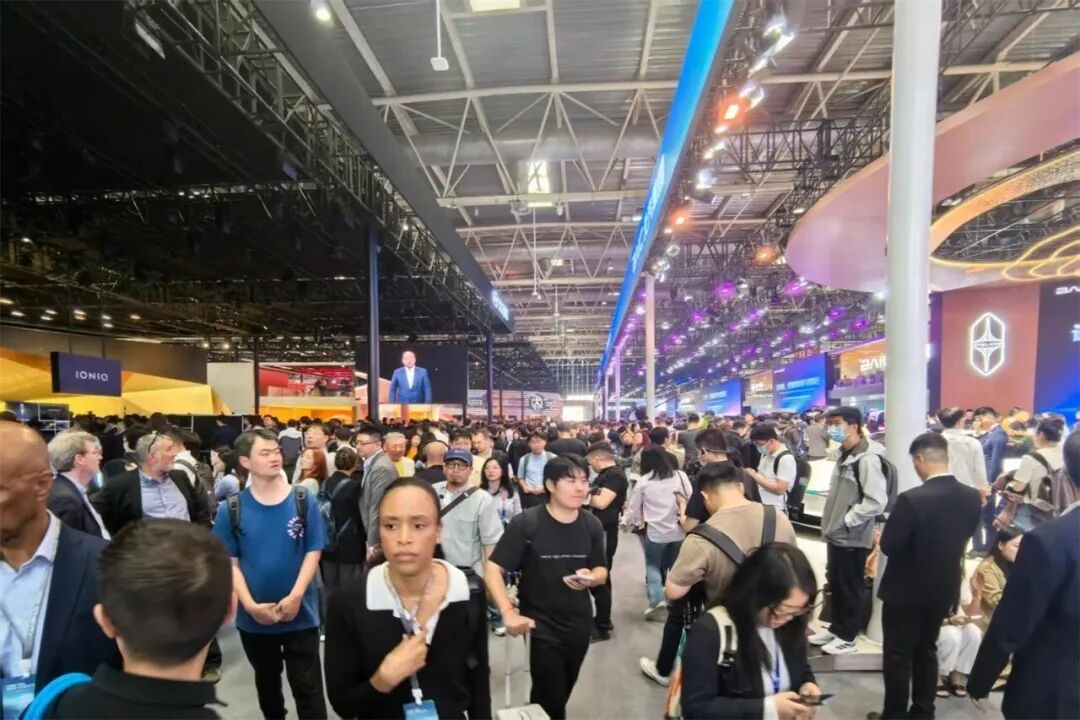
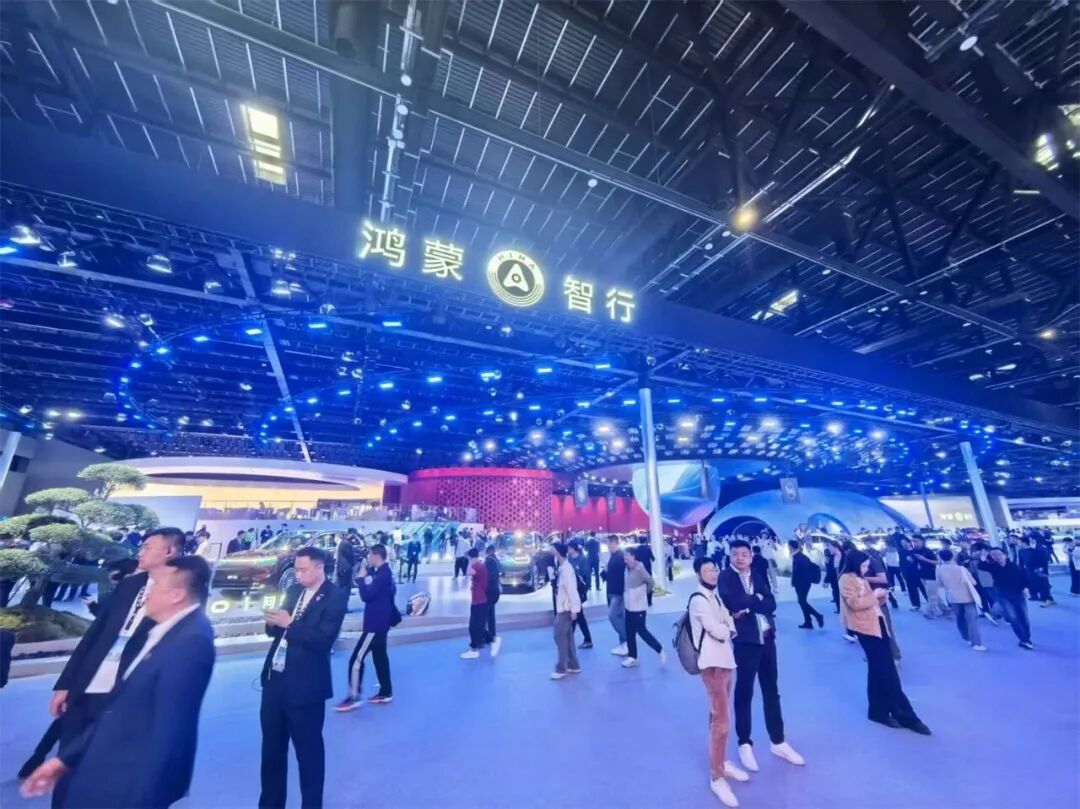 Image source: China Automotive News
The exhibition booths were dazzling, but the smiles on the faces of auto industry leaders were nowhere to be found.
NIO's Li Bin introduced a poignant concept—the 'new car death valley effect': with the rapid iteration of smart electric vehicles, it has become nearly impossible for a model to remain popular for a full year. The phrase "no flower stays red for a hundred days" has become the norm in the auto industry. Li Xiang of Li Auto bluntly stated that cars cannot follow the rapid iteration model of smartphones, as cars carry the safety of a family, and real-world testing and physical verification cannot be skipped. Great Wall's Wei Jianjun emphasized that cars are never fast-moving consumer goods. XPeng's He Xiaopeng directly hit the brakes on hardware iteration, advocating for fewer hardware changes and continuous software upgrades via OTA.
It is clear that these auto executives are exhausted from the endless competition.
Automakers are forced into competition, but ordinary car owners bear the brunt of the costs.
On April 22, 2026, after the launch event for the updated LeDao L90, Li Bin had to deal not with a surge in orders but a flood of complaints from existing owners. The new model featured over 70 software and hardware upgrades, including the Shenji chip and 192-line LiDAR, yet the price remained unchanged—a classic case of getting "more for the same price."
However, for owners who had only purchased their cars nine months earlier, this update was a devastating blow. The resale value of older models plummeted as soon as the new model hit the market. Data from CheZhiWang showed that complaints about the LeDao L90 soared from 15 in March to 911 in April, topping the complaint charts. NIO was not alone; BYD's Qin L and MG's MG4 faced similar issues, with owners protesting because their newly purchased cars quickly became outdated.
"The iterations are too fast, and some testing is insufficient. OTA upgrades introduce new features, but incomplete testing and rushed rollouts mean many previously reliable functions now have issues."
Some even bluntly stated: "Quickly launched cars without long-term performance testing could compromise consumer safety."
Facing these criticisms, Li Bin did not shy away. He felt deeply guilty about the decision to iterate but insisted it was necessary. He presented harsh data: after January, sales of the old L90 model dropped to just over 3,000 units per month. Without integrating the latest technology, they couldn't compete for orders. In the past, fuel vehicles were defined by generations based on engines and transmissions, with major updates every 5 to 7 years. Now, smart vehicles are defined by chips and radar, updating at a pace similar to smartphones.
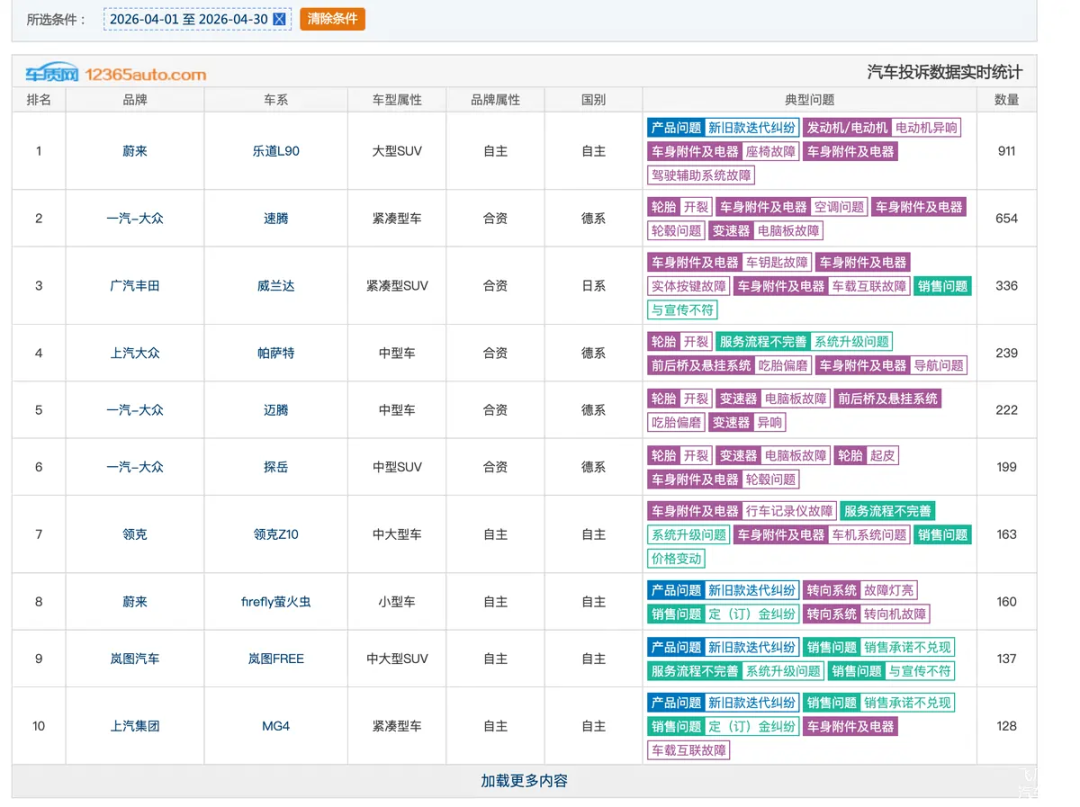
Image source: CheZhiWang
Owners are suffering significant losses. In 2025, the three-year resale value rate for pure electric vehicles was only 44.8%, and for plug-in hybrids, 44.1%. Fuel vehicles generally exceeded 50%, with some luxury models surpassing 60%. A $30,000 electric car would likely sell for just over $13,000 after three years. The comment section was filled with painful complaints:
"A $30,000 domestic electric car—forget three years, after less than a year, the secondhand price maxes out at $12,000, and secondhand dealers aren't even interested."
Another owner shared their experience: "I bought a BYD Tang for $22,000. Now, four years later, it's probably worth $3,000. Hahaha."
Auto loan policies are also changing. Early in the year, several brands promoted seven-year low-interest loans, but these were discontinued by April and May—a seven-year repayment period couldn't withstand the yearly depreciation of electric vehicles.
Engines vs. Chips: The Root of Competition Lies Beyond Automakers
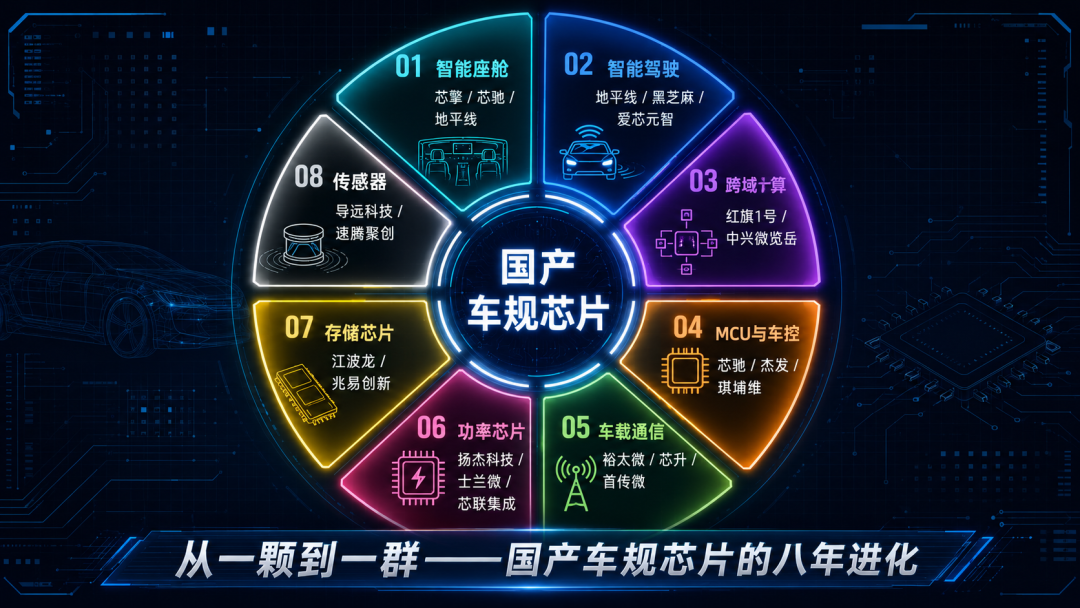
When buying a car today, people no longer ask about engine displacement; instead, they inquire about smart driving chips and LiDAR specifications. Chips have transformed from supporting components to the core determinant of a car's competitiveness. The contradiction lies here: the pace of chip iteration far exceeds what the automotive industry can handle. Under Moore's Law, chip performance doubles roughly every 18 months, yet developing a new engine takes 3 to 5 years.
Jin Yuzhi of Huawei pierced through the essence: intelligent hardware updates every 2-3 years, but a vehicle's lifespan is 10-15 years—a fundamental mismatch. This is the root cause of new cars becoming "outdated upon arrival." If you don't update, competitors' new models will render your cars unsellable; if you iterate frenziedly, existing owners face instant depreciation, and reputation collapses.

Jin Yuzhi, Senior Vice President of Huawei and CEO of Yinwang Company. Image source: Weibo
"From the moment Huawei empowered Seres, cars underwent earth-shaking changes."
Some also detected a familiar pattern: "This reminds me of the era of knockoff smartphones. Electric bikes have been hyped up by capitalists as fast-moving consumer goods."
This is what Li Bin called the death valley effect: in the past, a model could remain popular for at least a year; now, orders flood in three days before launch, but by three months later, popularity drops to zero, production lines sit idle, and billions invested in a single model go to waste. Almost no one wins.
Industry profits are razor-thin. In 2025, the profit margin of the domestic automotive industry fell to 4.1%, and in the first two months of 2026, it bottomed out at 2.9%. For every $100 in revenue, profits are less than $3—selling a car might not even earn enough to buy a few pounds of pork. As automakers burn cash, the supply chain suffers first—each electric vehicle redesign changes hardware, making old and new parts incompatible and turning old inventory into dead weight. In the first half of 2025, the average accounts payable turnover for 12 automakers was 170 days, with some exceeding 200 days. Small and medium-sized suppliers are forced to fund production upfront, strangling the entire supply chain.
Opinions on this competition are polarized among netizens. Some applaud: "Competition is good; it benefits the masses." Others watch coldly: "The more hype, the lower the sales." Some investors warn: "Anyone who buys new energy stocks will get burned."
The industry is also seeking solutions. Many executives advocate for standardizing core components like batteries and chips. Tesla's OTA model, which extends hardware lifespans through continuous software upgrades, is worth referencing. A more cutting-edge approach is hardware-software decoupling, allowing chips and algorithms to match natively. Money is still being burned—in 2025, NIO's R&D spending accounted for 12.12% of revenue, Li Auto invested $11.3 billion, and XPeng $9.49 billion—but the focus must shift from stacking features to creating long-term value.
At the 2026 Beijing Auto Show, 181 new models debuted, and nearly 900,000 people attended—a high point for the industry. But behind the excitement lies automakers' anxiety, owners' anger, and the supply chain's exhaustion. When new cars depreciate instantly upon purchase, and consumers shift from rushing to buy to fearing losses, the industry must pause and reflect.
When the Tide Recedes, New Energy 4S Dealerships Face Collective Pain
While automakers frenziedly launch new models and engage in technological wars, offline new energy dealerships are closing down. The owner of a BYD dealership in Nanning, Guangxi, allegedly disappeared, leaving dozens of owners unable to take delivery and employees unpaid for months. Shandong's Qiancheng Group abandoned over 20 BYD 4S dealerships, leaving thousands of owners unable to retrieve their prepayments. Multiple ZhiJi dealers in Kunming and Zhuhai closed overnight due to capital chain ruptures, leaving hundreds of owners who had paid in full without registration certificates or license plates.
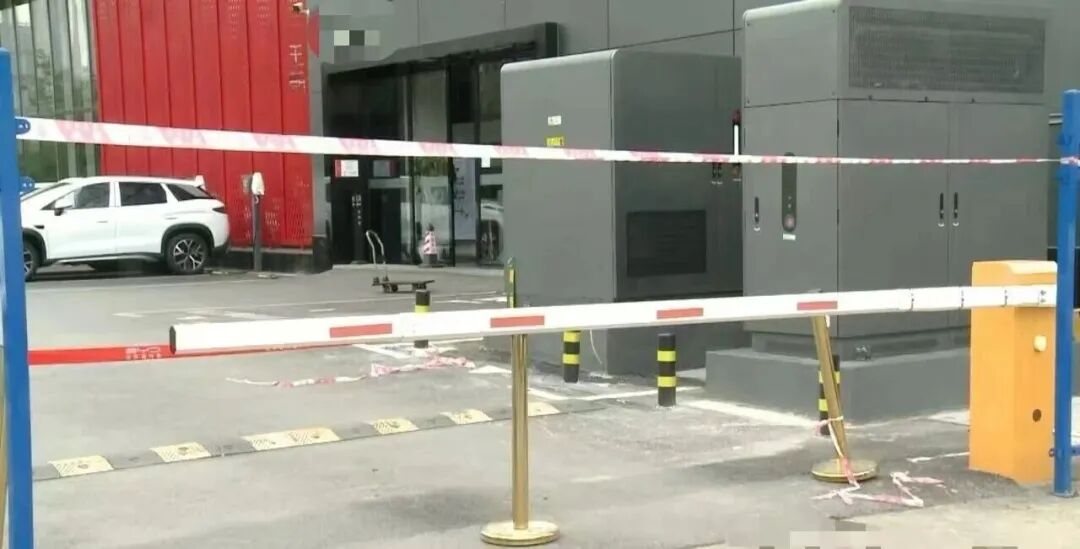
Suspected 'runaway' new energy vehicle 4S dealership. Image source: Weibo
Such incidents are no longer isolated. New energy dealerships typically collapse due to four scenarios: sudden closure from capital chain ruptures, inability to redeem collateralized registration certificates, disappearance of brand after-sales service networks, and channel redundancies from early rapid expansion. Witnessing these repeated blowups, netizens offer practical advice:
"If your current car is fine and doesn't need major repairs, keep driving it—stick with fuel vehicles if possible. And don't buy obscure brands."
Many wonder: With new energy vehicles selling in increasing numbers, why are dealers losing money? Consider a real-world example: a BYD Ocean Network dealership in a third-tier city sold 1,800 units in 2025, with a gross profit of $4,500 per vehicle, totaling $2.2 million in apparent profit. However, the core pillar was after-sales service, contributing $1.5 million in monthly revenue and $750,000 in gross profit. Many new stores lack a sufficient customer base, so after-sales income is nearly zero. In contrast, some ZhiJi dealerships sold only 17 units per month, losing over $40,000 per sale—the root cause was failing to reach the breakeven sales volume.
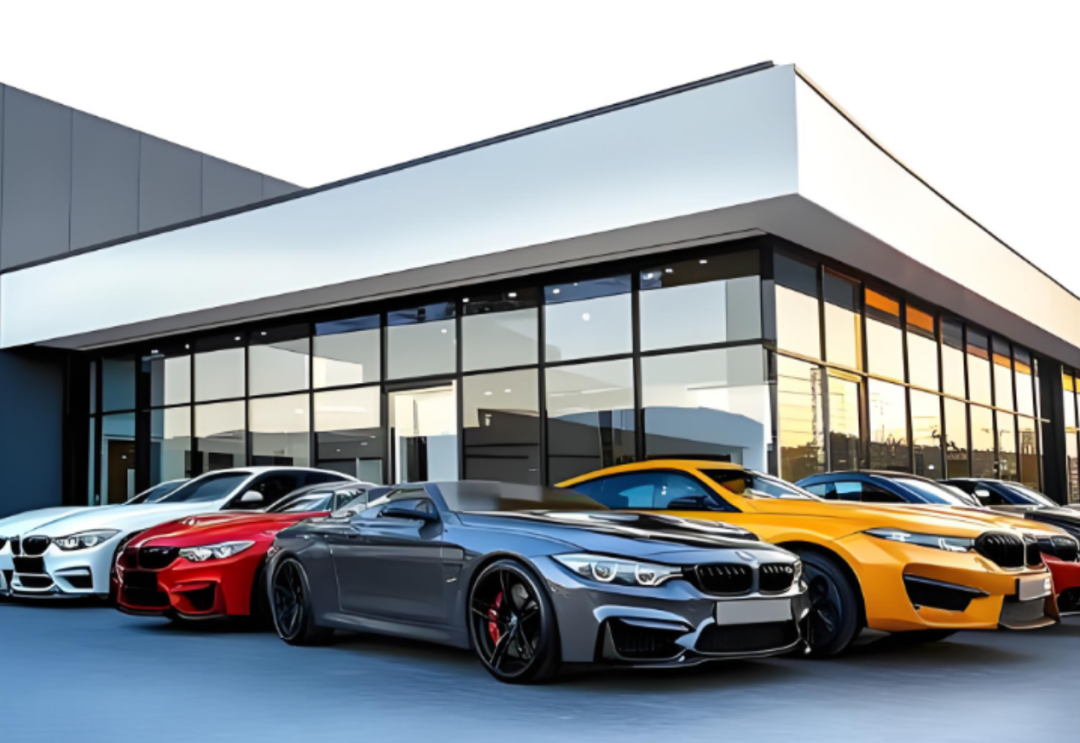
Image source: Weibo
Data from the China Automobile Dealers Association is stark: in 2025, 81.9% of dealers sold vehicles at a loss, 55.7% operated at a loss overall, and the industry's gross profit margin on bare vehicles plummeted to -21.5%—on average, dealers lost over one-fifth of the car's price per sale.
Why Are Dealers Losing Money?
The root cause lies in new energy brands' early strategy of prioritizing expansion over profitability. Automakers focused on capturing market share and recruiting dealers aggressively without properly assessing whether stores could turn a profit, and risk control lagged. Combined with rapid model iterations—a model could become obsolete within six months of launch—old inventory had to be sold at a loss. Automakers also kept pushing inventory, and price wars ensured that every sale resulted in a loss, draining cash flow and leading to sudden closures.
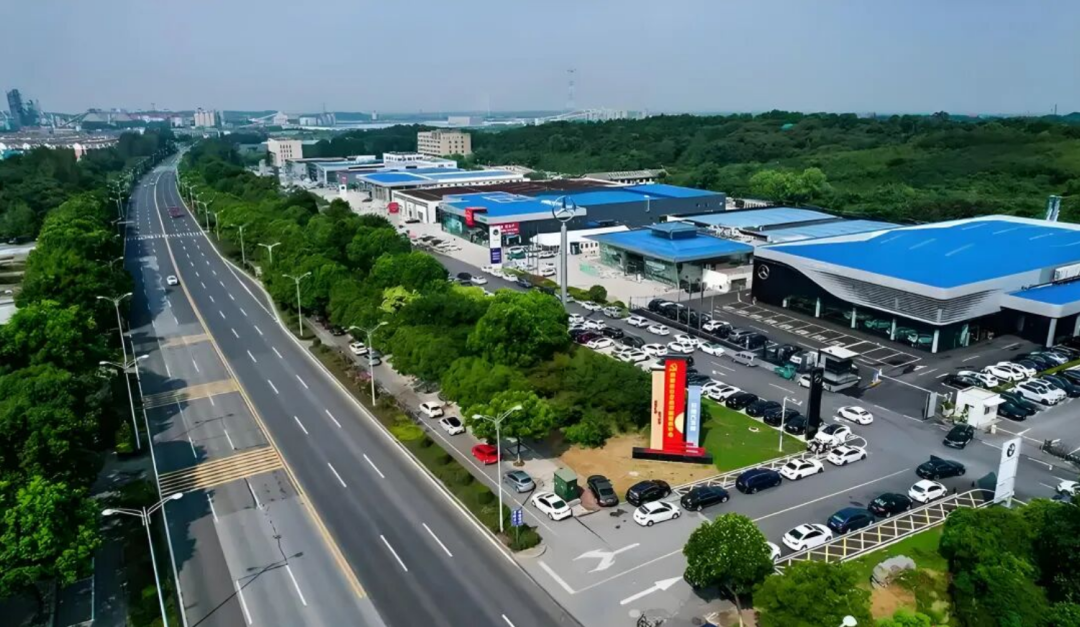
Image source: Weibo
While both fuel vehicle and new energy dealerships appear to be losing money, the underlying dynamics differ. In the fuel vehicle era, after-sales service was the foundation, with frequent maintenance needs creating a closed loop of "car sales-after-sales-finance/insurance." New energy vehicles, with their simpler structures, have 40% fewer maintenance needs than fuel vehicles. Over six years, maintenance costs drop from $1,200 to under $300, capping after-sales profits far below those of fuel vehicles and leaving dealers squeezed on both ends.
The channel model is also reshaping. The once-popular mall direct-sales model is cooling off—annual rent for a mall showroom exceeds $1 million, with annual operating costs of $5-6 million. With new energy vehicle prices falling from $18,400 to $16,900, high rents yield few orders, making it a money-losing proposition. XPeng's "Jupiter Plan" shifted from direct sales to franchising, Li Auto adopted a light-asset model of sales self-operated + service partnerships, and Tesla lowered authorization thresholds. Now, franchised dealerships account for half the market, agency models about one-third, and heavy-asset direct sales less than 20%.
The mass closure of new energy dealerships is an inevitable phase as the industry shifts from rapid expansion to refined operations. In this culling, survival depends not on speed but on financial prudence.
Inventory Overhang Accelerates Dealer Exits
In 2026, pressure on dealers intensifies. The industry's gross profit margin on bare vehicles is -21.5%, with luxury brands at -26.2%, and average losses of $20,000-$30,000 per bare vehicle. The market is also shrinking, with passenger vehicle retail sales dropping about 20.2% year-on-year in the first half. To defend market share, automakers frenziedly push inventory, with the dealer composite inventory coefficient hitting 1.58 in June—persistently above the 1.5 warning line. Some brands reached an alarming 10, meaning existing inventory would take 10 months to clear even without new shipments. Capital is locked up in inventory, forcing dealers to sell at a discount, creating a vicious cycle of losses and further price cuts. After-sales profit pools are drying up, with fewer routine maintenance needs, leaving dealers reliant on three-electric system repairs—new stores without an existing customer base cannot survive.
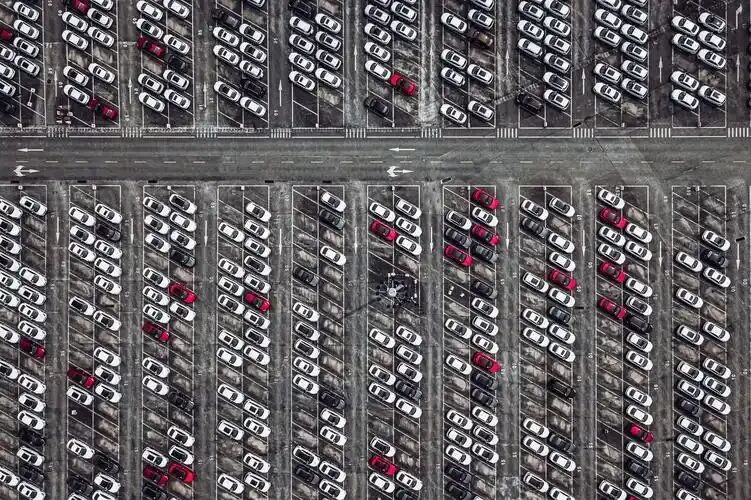
Image source: Weibo
However, such a market shakeout does not equate to a complete collapse; rather, the market is undergoing a significant polarization. Among the new energy franchised stores, top-performing Aito dealers have achieved annual earnings of up to $16 million. Guanghui, weighed down by debt, managed to sell its Aito dealerships at a multiple of the original investment—with store construction costs below $20 million, yet fetching over $80 million in sales. Behind this phenomenon, Huawei maintains stringent control over authorizations to prevent intra-city competition. Meanwhile, BYD is also actively streamlining its sales channels, closing 34 mall stores under the Tengshi brand, 63 under the BYD Ocean Network, and 84 under the Wangchao Network in the first three quarters of 2025.
In conclusion,
Interactive Topic: In the fierce and cut-throat competition among new energy vehicle companies, do you believe that auto manufacturers will be the first to voluntarily slow down their pace of technological iteration, or will offline 4S stores be the first to undergo this round of large-scale restructuring? Will a scenario akin to the "Evergrande crisis in the automotive sector" emerge? Feel free to share your thoughts in the comments section.
Disclaimer: This article serves solely as a financial commentary on major companies and does not constitute any form of investment advice. The corporate data and regulatory events mentioned herein are sourced from publicly available information and are provided for reference purposes only. The specifics should be subject to official announcements. The accompanying image is sourced from the internet. Should there be any copyright concerns, please contact us for removal.
-
Why is Meta’s Muse, an AI ‘Not the Smartest,’ Taking the World by Storm?
-
The Next Battleground Isn't Computing Power, It's Security: Jensen Huang's New AI Gamble
-
![]()
Sichuan Airlines Seeks to Offload 6 Aircraft in One Fell Swoop: What's Behind the Move?
-
![]()
New Wave of Major Industry Consolidation: VW Sets Sights on Toyota, Anhui Focuses on Chery and JAC
-
![]()
The Second Half of AI Short Dramas: A 40 Billion Yuan Feast with 98.7% in the Red
-
![]()
Breaking News! Three Departments Initiate Joint Probe into Zunjie, Unveiling 4 "Potential Scenarios" and 2 "Regulatory Measures"
-
![]()
Amidst the Frenzied Competition in New Energy Vehicles, 4S Dealerships Face Sudden 'Collapse'
-
![]()
We Shouldn't Invest in More 'Tian Keyu' Clones