Could Hard-to-Sell Sedans Finally Be Making a Comeback?
 10/19 2026
 374
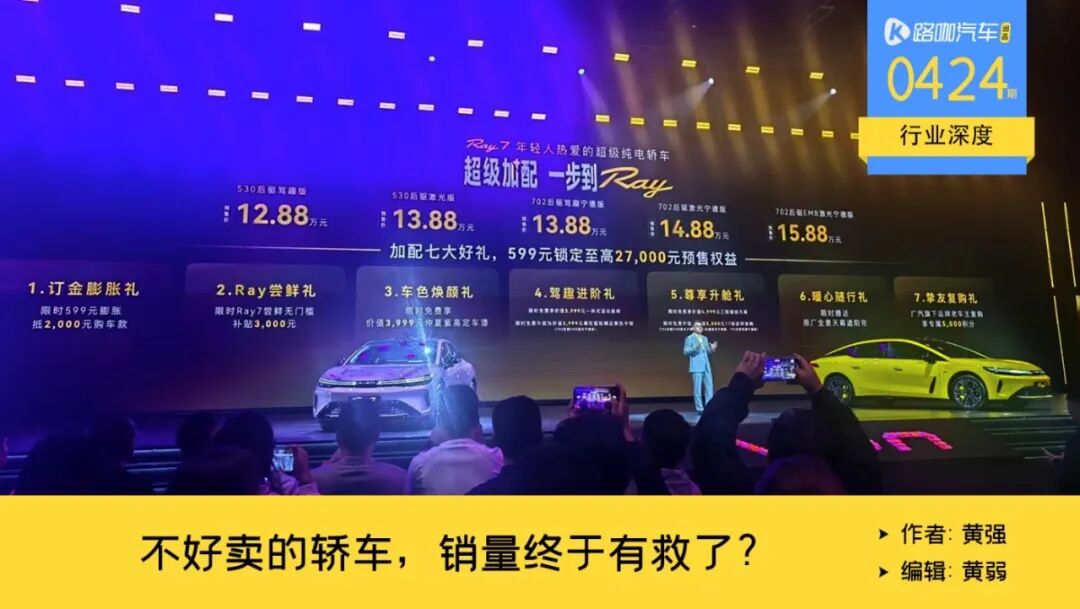
Following a setback for SUVs in Europe, sedans have emerged as the standout performers among Chinese vehicles.
At the Paris Motor Show, foreign media highlighted a well-known observation: Chinese brand SUVs bear a striking resemblance to one another. While there may be minor differences in appearance, their interiors are nearly indistinguishable. In terms of driving experience and usability, they are also remarkably similar. For automakers, however, this is not a significant concern. The immediate priority is to drive sales and profits, sustain operations until the next wave of new products is launched, and navigate the company through the competitive elimination phase.
Sedans have become the shining star of Chinese vehicles primarily because they have long been eclipsed by SUVs in the new energy era. Often considered difficult to sell, and models that automakers are hesitant to update, sedans are now showing signs of a resurgence.
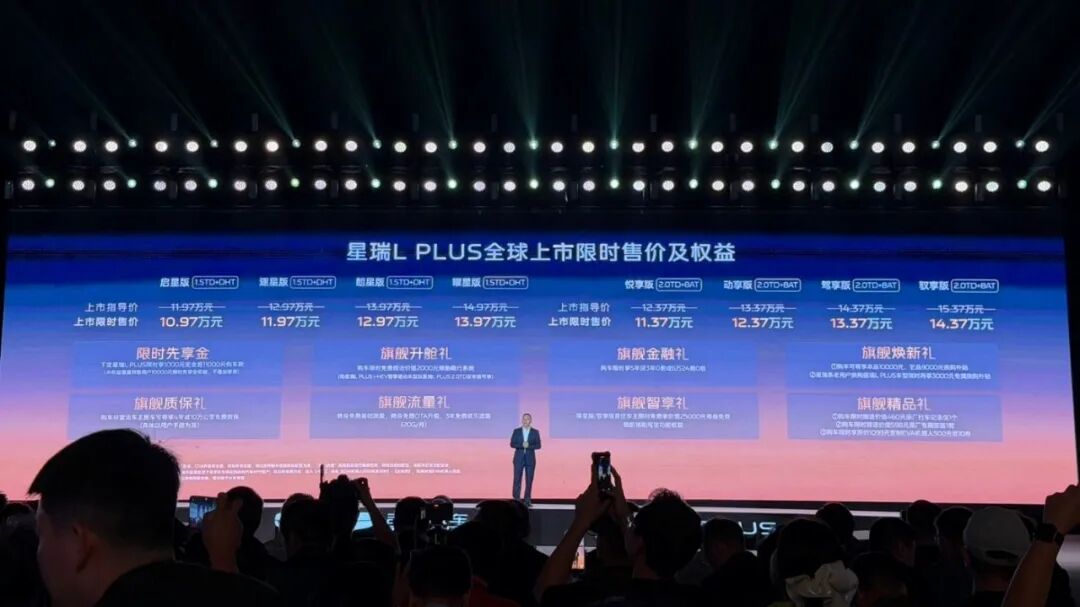
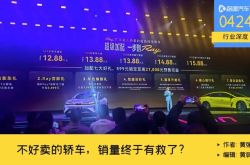
In just one week, as Musk showcased the Roadster's ability to take flight, Geely launched the Xingrui L PLUS, Aion began pre-sales of the Ray7, BYD released the Han, and BMW unveiled the i3. The features and highlights of these new sedan models are far more compelling than those of SUVs, which seem to merely mimic one another.
Could hard-to-sell sedans be poised for a comeback?
It is a well-known fact in recent years that new energy sedans have struggled in the Chinese automotive market.
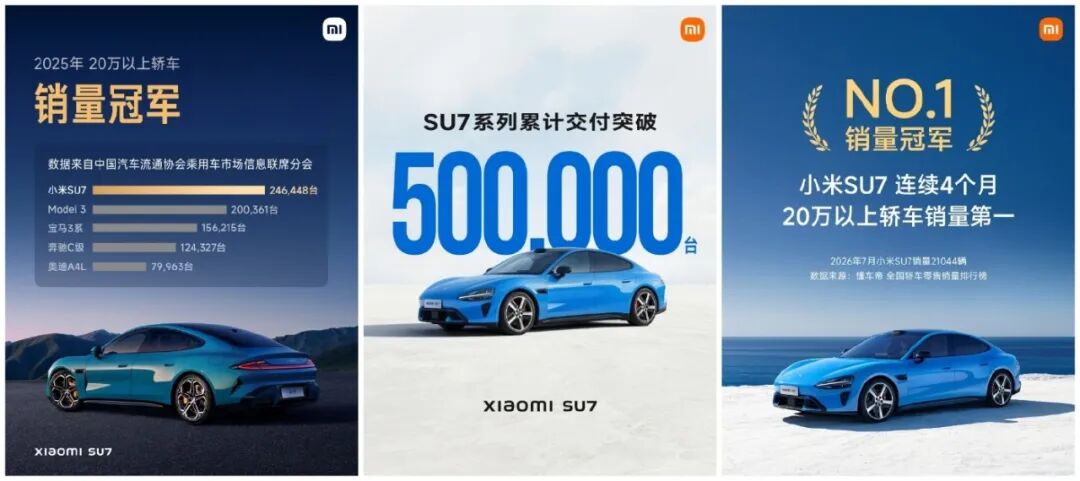
Upon closer examination, almost every mainstream automaker boasts a flagship best-selling SUV, while their sedan offerings often falter, with some brands not even introducing them. Among models priced above 200,000 yuan, the newly launched sedan products that achieve decent sales are limited to the Xiaomi SU7, with the Tesla Model 3 remaining a perennial favorite.
The same trend is evident in the market for models priced below 200,000 yuan. The BYD Qin PLUS, which once enjoyed monthly sales exceeding 40,000 units, now sells around 10,000 units. The Wuling Hongguang MINIEV, which peaked with monthly sales of over 50,000 units, now sells approximately 15,000 units. The once-popular XPeng P7+ now sells just over 2,000 units per month.
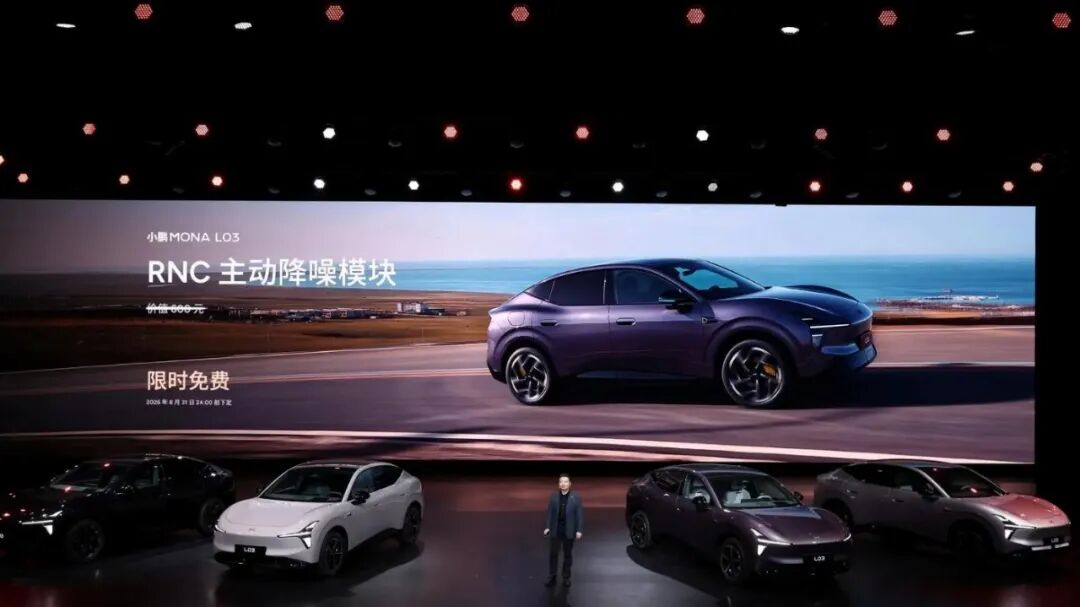
An intriguing new phenomenon is that within the same brand, the introduction of an SUV at a similar price point and positioning can potentially cannibalize sedan sales. For example, XPeng launched the MONA L03 SUV with a starting price of 123,800 yuan, slightly higher than the previous sales champion, the XPeng MONA M03, which starts at 119,800 yuan. Both models target the same young demographic. The L03 was launched in July, began mass deliveries in August, and accelerated deliveries in September.
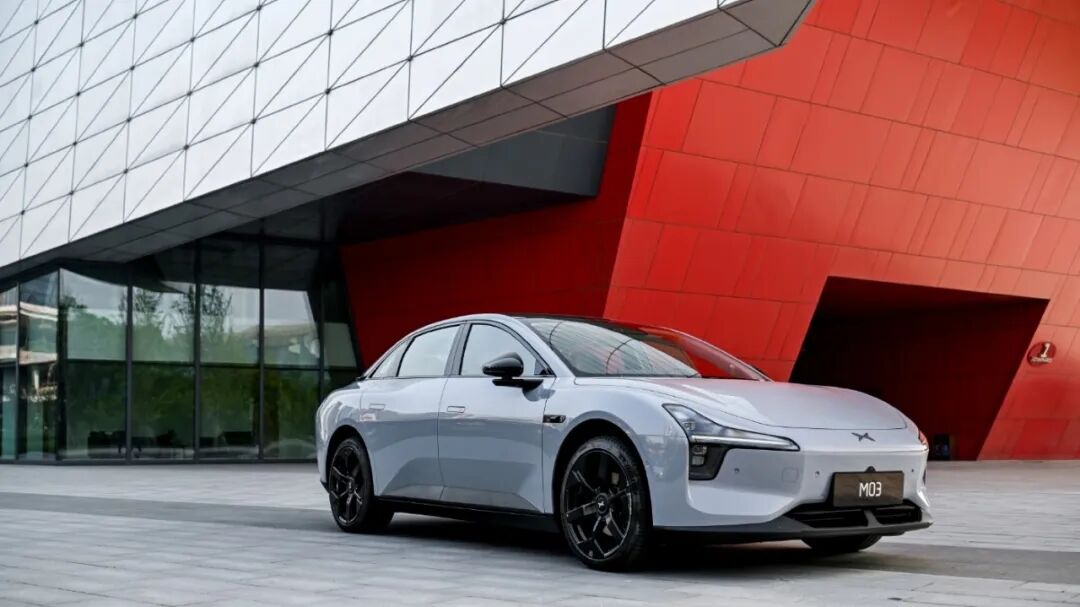
Over these three months, the sales data for the M03 and L03 evolved as follows:
In July, M03 sold 10,237 units / L03 sold 2,809 units;
In August, M03 sold 8,374 units / L03 sold 8,424 units;
In September, M03 sold 5,553 units / L03 sold 12,000 units;
While factors such as the M03 yielding production capacity to the L03 to accelerate deliveries may be at play, the current result clearly shows that SUVs are suppressing and siphoning sales from sedans. The reasons for this differ from those in the era of internal combustion engine vehicles.
After 2015, with the rise of Chinese autonomous brands launching numerous SUVs, the dominance of sedans began to wane. By around 2018, various statistical measures indicated that many SUVs were surpassing sedans in sales, whether measured monthly or by city or region. However, in the era of internal combustion engine vehicles, SUVs were able to surpass sedans due to factors such as their larger size, greater space, and better practicality for home use at the same price point.
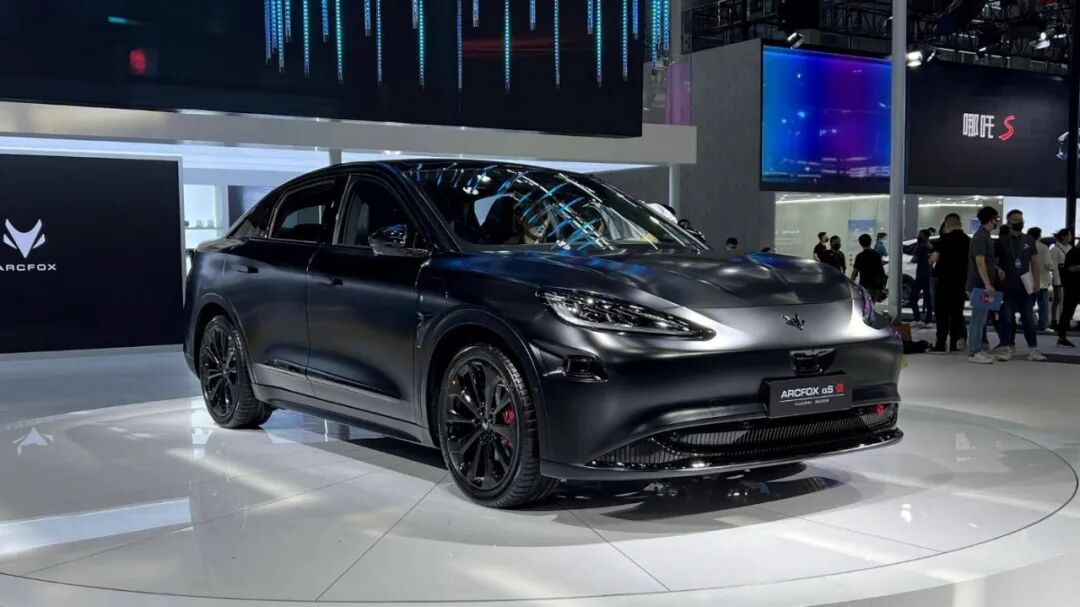
In the new energy era, additional factors come into play. For instance, the encroachment of power batteries on the chassis compresses the longitudinal space of sedans. Many automakers even increase the height of sedans to offset the space lost to batteries, making the height of sedans similar to that of urban SUVs. Before 2023, BAIC New Energy, Geely, Changan, and Aion all had a significant number of sedans with a height exceeding 1.5 meters.
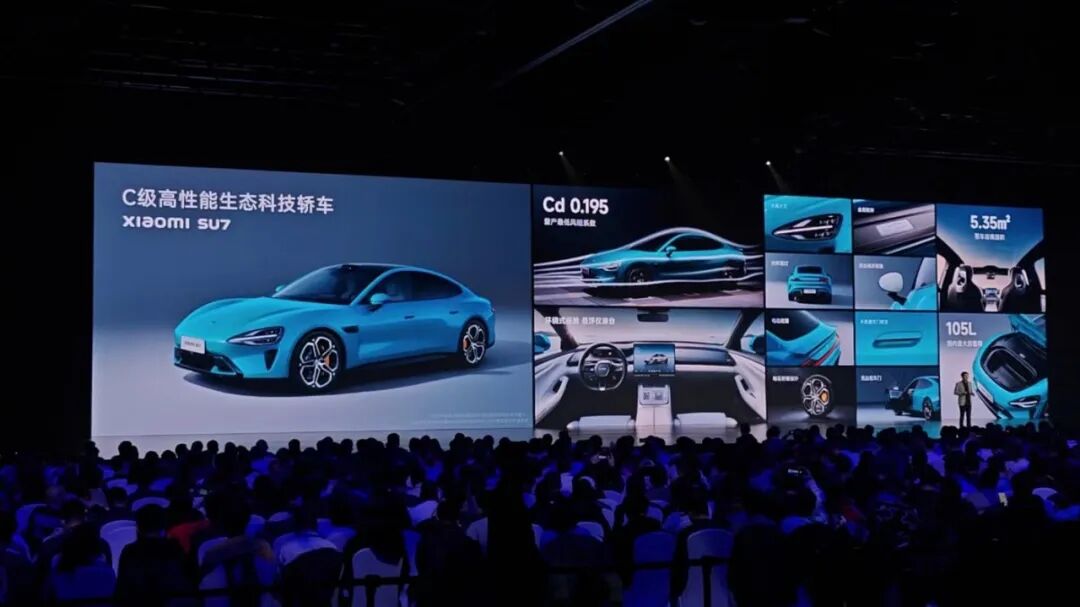
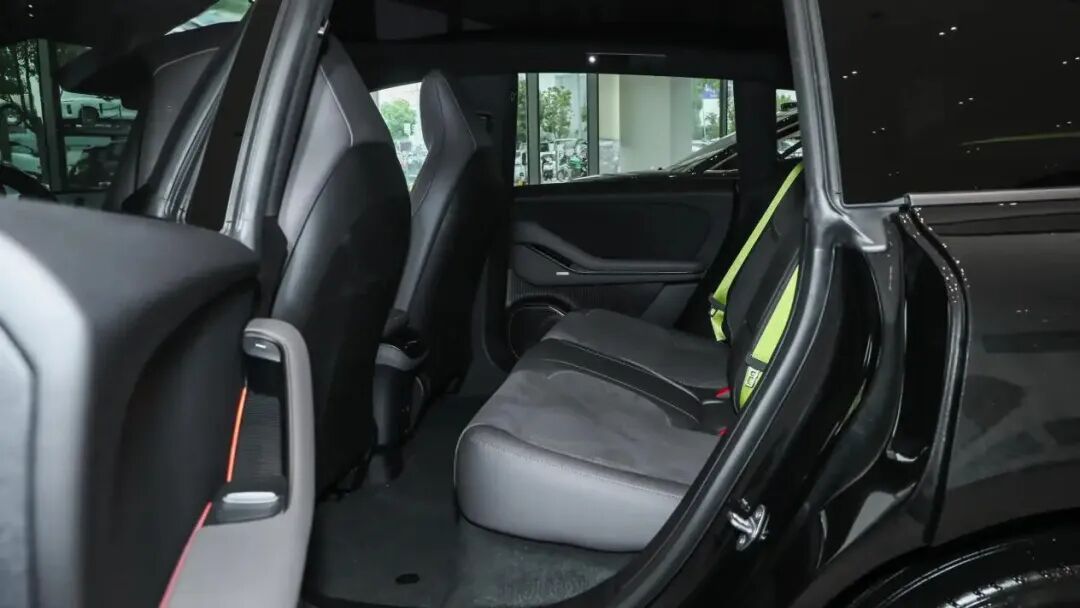
While the issue of batteries encroaching on space and affecting aesthetics has improved to some extent in recent years, many sedans still retain a strong SUV feel. From an automotive engineering perspective, this directly undermines the traditional advantages of sedans. A lower body height and center of gravity have traditionally provided sedans with advantages such as a better driving experience, seating posture, lower noise levels, and comfort. However, with the encroachment of battery packs, the interior space of more and more sedans is becoming similar to that of SUVs, directly amplifying the advantages of SUVs.
Another crucial factor is that sedans have lost their unique advantages and characteristics. Examining the new energy sedans on the market, one can easily find that the capabilities they offer can also be found in SUVs. When sedans do not have a clear technological and capability lead, it is easy for SUVs to cannibalize their sales. Consider why the Xiaomi SU7 can maintain high sales over the long term. Besides brand recognition, it truly leaves SUVs at a disadvantage in terms of visual appeal and driving experience.
However, based on the current new models, this situation appears to be changing.
Range/Chassis/Driving: Is a Reshuffle Coming?
The change is due to the beginning of technological advancements, which are creating significant gaps between sedans and SUVs.
By examining the new models mentioned at the beginning of the article individually, one can understand why the conclusion is that gaps are emerging and the advantages of sedans are returning.
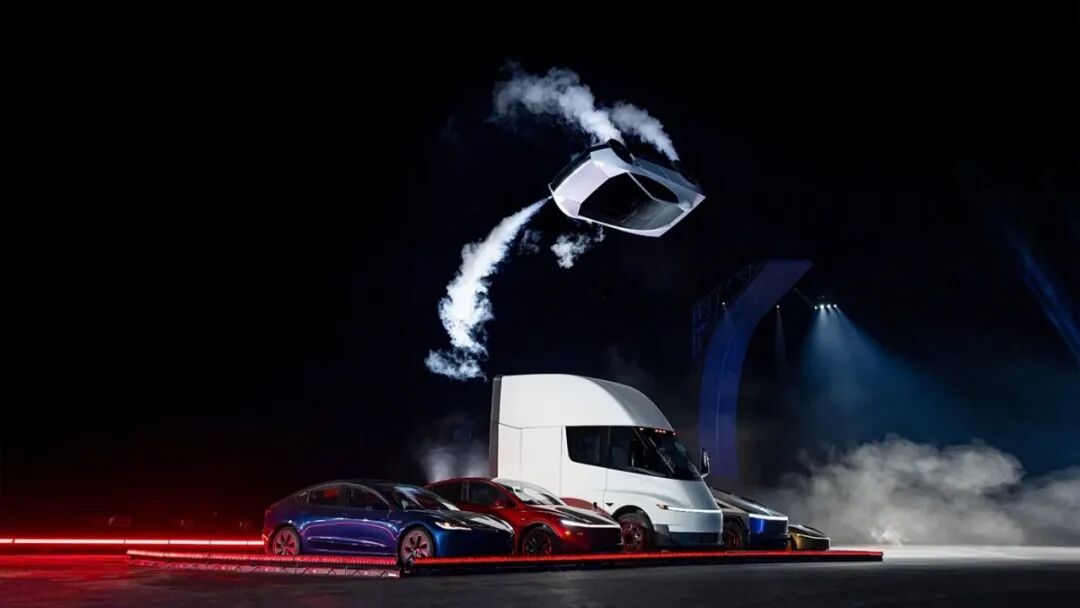
There is little need to elaborate further on Tesla's Roadster; at its unveiling, it demonstrated the ability to take off vertically and land smoothly. While this may seem like a flashy stunt, the actual production version will be even more impressive, and the difficulty of mass production is extremely high. This is why production will only begin in 2028, two years from now, and given Tesla's track record of delays, whether large-scale production can be achieved in 2028 remains uncertain.
Originally, the Roadster was unveiled in 2017, with production expected in 2020. The Cybertruck was unveiled in 2019, with production initially planned for 2021. The Model Y was also delayed by a year, and the Semi was postponed multiple times from 2019 to 2022.
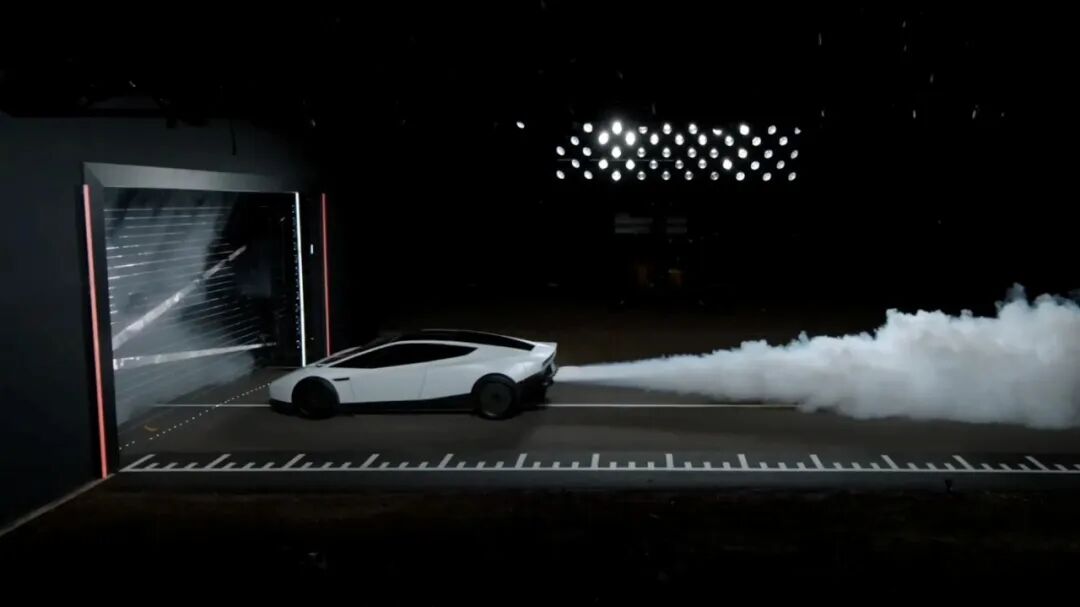
Musk is once again facing engineering challenges. Whether all the capabilities demonstrated at the unveiling can be consistently replicated in various scenarios and comply with relevant regulations is uncertain. This involves redoing almost all sensors to enable the vehicle to distinguish whether it is in the air or on the ground. The controller also needs to be redone to achieve millisecond-level response times compliant with automotive standards, along with fans, nozzles, and more.
Tesla has created a new species that could enable new energy vehicles to regain the premium pricing power similar to that of luxury internal combustion engine vehicles or supercars. If Tesla seems too distant for the average person, the BMW i3, Aion Ray7, and BYD Han are much closer.
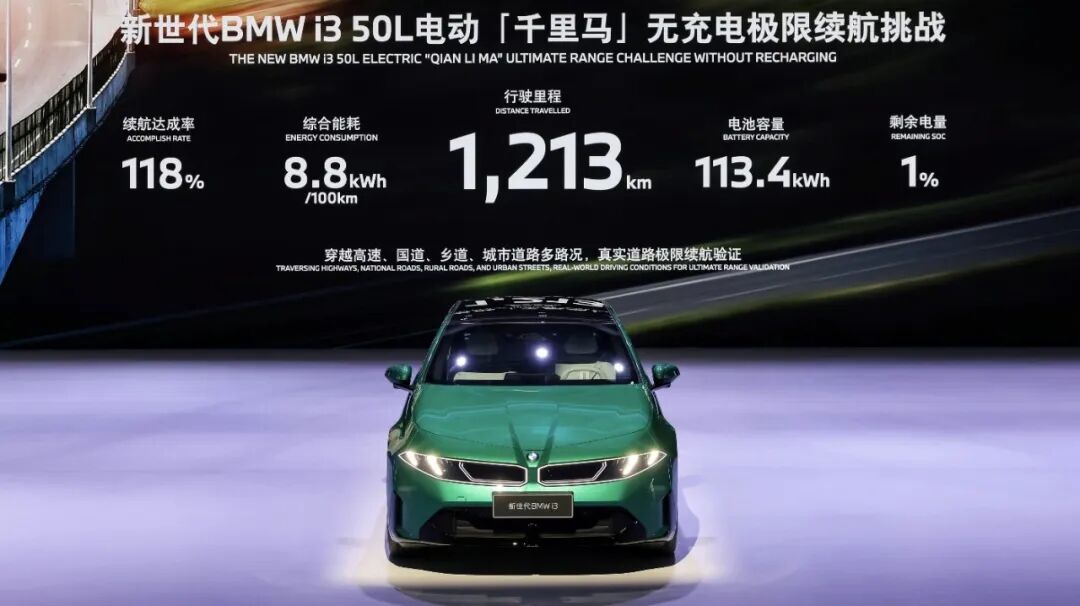
Continuing with a model-by-model analysis, the most eye-catching feature of the BMW i3 is undoubtedly its domestically produced sixth-generation power battery. Large cylindrical batteries have only been mass-produced by two automakers globally so far. The first is Tesla's 4680 large cylindrical battery, which is undoubtedly a good product, but its production difficulty is extremely high. To date, neither the Model 3 nor the Model Y has used it. With the new battery in the BMW i3, the energy density of the battery cells has increased by over 20%, while charging speed and range have increased by up to 30%. In real-world testing of the new i3, the results showed an 118% range achievement rate, a combined energy consumption of 8.8 kWh/100 km, a driving range of 1,213 km, and a battery capacity of 113.4 kWh.
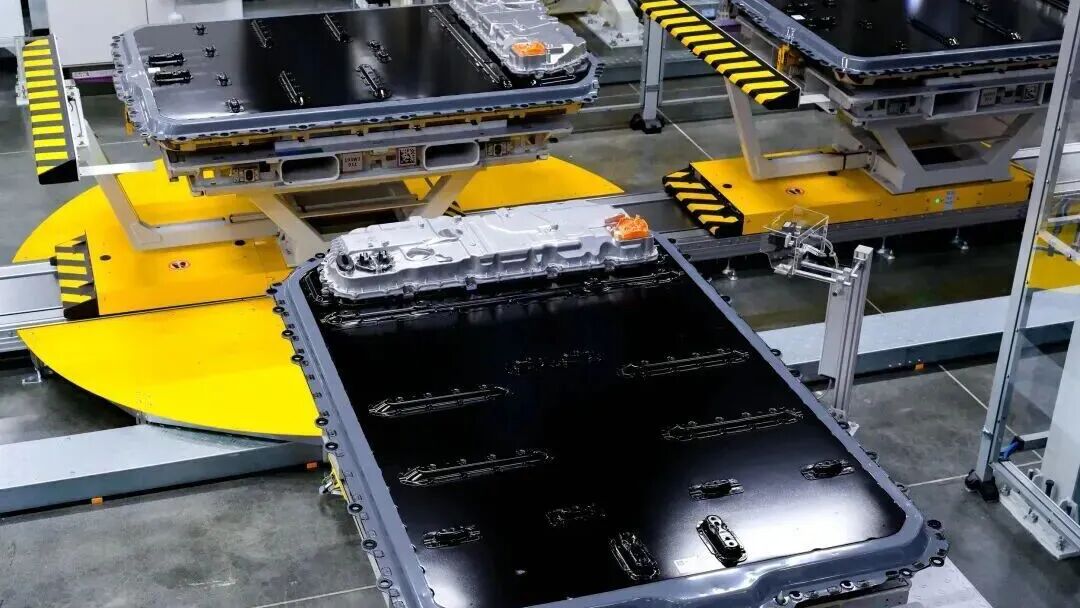
What does this level of performance represent? You could say that it is at least 30% more energy-efficient than similar models in the industry. The Geely Xingyuan cannot achieve such low energy consumption, yet the i3 achieved in real-world testing what others can only achieve in laboratory conditions. Of course, the large cylindrical battery is just the main reason. BMW has essentially disassembled and rebuilt the entire vehicle in its new generation of models, from the electronic and electrical architecture to the high-voltage architecture, and then to the battery and electric control. What it offers is not just whatever pre-research technologies its suppliers have, but rather, it works with partners to recreate many things from scratch.
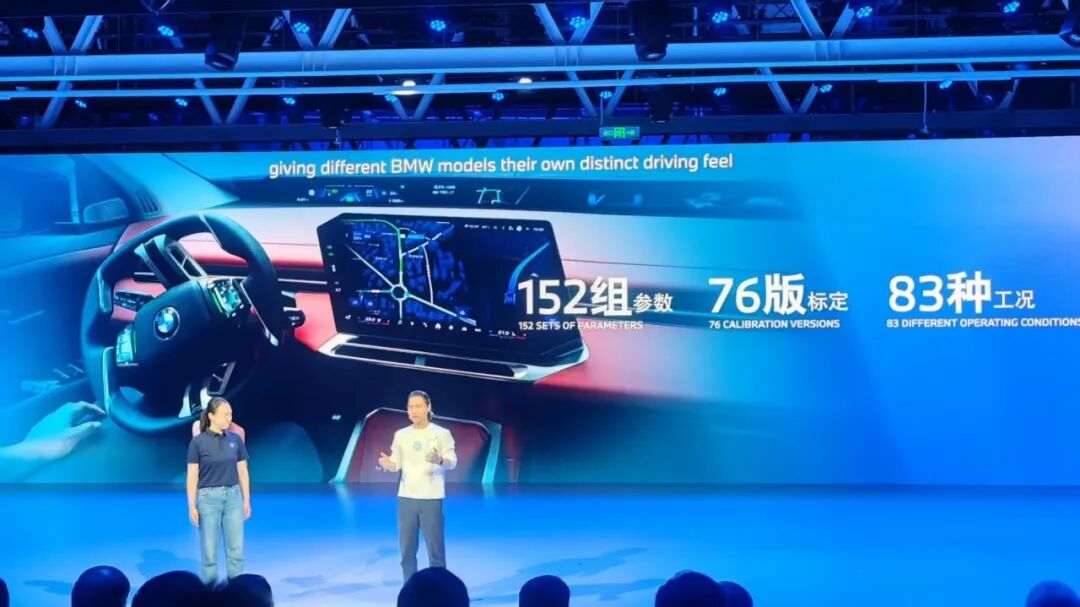
Besides the battery, there are two other differentiating factors. One is the intelligent driving assistance system developed in collaboration with Momenta, which is tailored to each vehicle rather than being directly reused from other models. It is adjusted according to the characteristics of different vehicles. For example, in a model like the i3, which emphasizes driving pleasure, lightly pressing the brake or turning the steering wheel does not directly equate to exiting assisted driving. Instead, BMW aims to make the intelligent driving assistance system have a BMW-style feel. Additionally, with the large cylindrical battery, the encroachment on the interior's longitudinal space is reduced, allowing for the return of the low seating position characteristic of sedans and lowering the vehicle's center of gravity, further enhancing the driving pleasure of sedans.
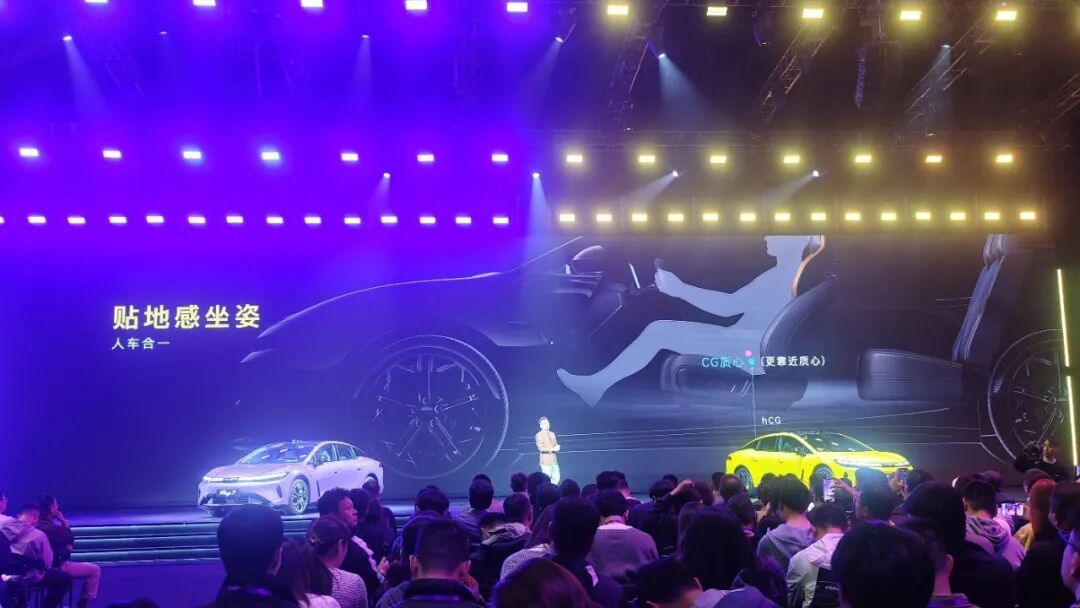
In the pre-sales of the Aion Ray7, the price range of 128,800 to 158,800 yuan did not particularly exceed expectations. However, the hidden surprise that has been kept under wraps since the Chengdu Auto Show, when finally revealed along with the price, creates a significant impact and differentiation. The core highlight is undoubtedly the sedan's handling technology. The HUAWEI DriveONE chip-level drive-control fusion architecture essentially reconstructs the vehicle's dynamic foundation. You could say that the 'man-machine integration' response speed, which was previously only achievable in high-performance models like Porsche and BMW, is now achievable within the 200,000 yuan price range.
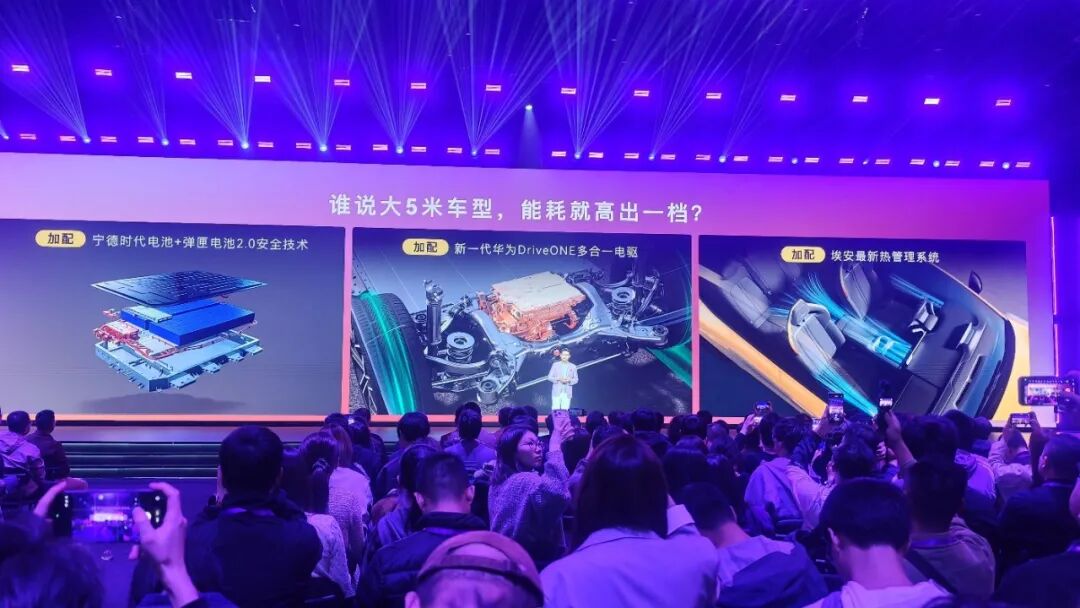
Similarly, the chassis features an aluminum-hybrid double-wishbone front suspension, FSD+HRS, and a newly defined rear-wheel-drive system that can even achieve four-wheel-drive capabilities to a certain extent. These performances are unattainable by SUVs and were also unattainable by functional-oriented sedans that previously developed along the same lines as SUVs. When combined with L4 distilled intelligent driving assistance and energy consumption below 10 kWh/100 km, it can be said that the soul of sedans has returned.
In Conclusion
Of course, there are many more models that can be analyzed, such as the BYD Han. With a range exceeding 1,000 kilometers paired with megawatt flash charging, it offers the size of an Audi A6L or BMW 5 Series but positions its price in the ecological niche of an Audi A4L/BMW 3 Series/Mercedes-Benz C-Class.
BYD has naturally achieved systemic capabilities through vertical integration in the sedan sector.
So, looking at the specifics, it is true that most sedans will still struggle to sell. However, there are increasing signs that they are gradually offering unique advantages and differentiation. This can be considered a piece of good news for the Chinese auto market in 2026.
-
![]()
Could Hard-to-Sell Sedans Finally Be Making a Comeback?
-
![]()
The 412th Batch of New Cars from MIIT: Mutual Inspiration Becomes the Norm
-
![]()
Don't Be Too Hasty to Dismiss Internal Combustion Engine Vehicles
-
![]()
104th in Ultrafast Nonlinear Optics: Mid-Infrared Dual-Comb Spectroscopy and Compressive Sensing Sampling
-
![]()
Delving into AI-Native Smartphones with the Release of STEPX Neo
-
![]()
Geely's 'Resilience': A Testament to Adaptive Strength
-
![]()
Major Breakthrough for Luxeed! Chery Takes a Daring Step
-
![]()
Collective Negative Growth in Metropolises: Beijing, Shanghai, Guangzhou — Who’s Behind the Slump in Car Sales?