How US Media Views Chinese Cars: Beloved by Americans, Yet Unattainable
 10/19 2026
 523
The United States stands as a titan in the automotive realm, with multinational giants like Ford and General Motors dominating the manufacturing landscape. In the burgeoning new energy vehicle (NEV) sector, Tesla, hailing from the US, has emerged as a global sensation. North America, market-wise, claims the title of the world's second-largest automotive market, steeped in a rich automotive heritage.
However, a noticeable trend has emerged in recent years. As American automakers have been slow to embrace the shift towards new energy vehicles, the sales of US-branded cars, epitomized by Ford and General Motors, have taken a nosedive in the domestic market. Not long ago, Chevrolet, a subsidiary of General Motors, announced its departure from the Chinese market. Fortunately, Tesla's stellar performance in the NEV arena has helped sustain the market share of American cars in China.
With the relentless rise of domestic new energy vehicles, Chinese automotive brands have not only vanquished foreign counterparts like Toyota, Volkswagen, Ford, and General Motors in the domestic market but have also witnessed a steady ascent in global sales. Particularly noteworthy is their explosive growth in Europe. At the recently concluded Paris Motor Show, Chinese automakers left an indelible mark. The US Wall Street Journal even devoted a special report to the stellar performance of Chinese automakers at the event, underscoring that Chinese automakers are crafting vehicles that would captivate Americans—vehicles, however, that are not destined for American shores.
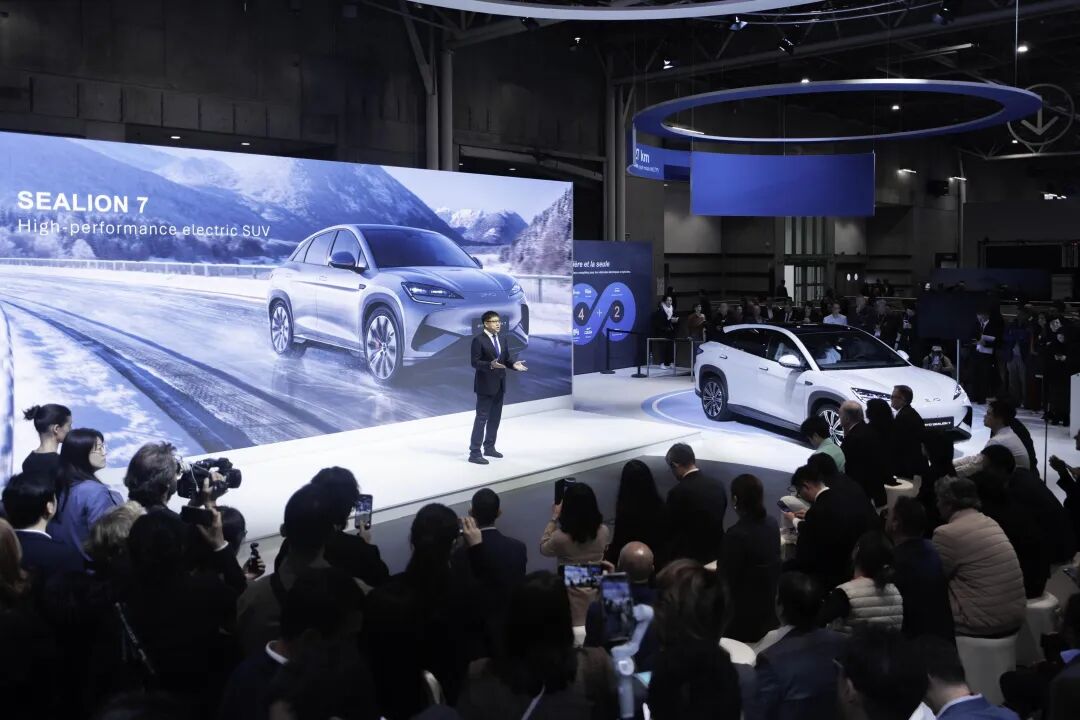
So, let's delve into the remarkable showcases by Chinese automakers at this year's Paris Motor Show.
First in the spotlight is BYD, which commanded a sprawling 1,000㎡ exhibition space in Hall 6. Alongside the Seal, Sealion 07, and Dolphin models, Denza and Fangchengbao made their French debuts. The lineup was diverse, encompassing sedans, pickups, and rugged SUVs. Notably, the all-electric SUV Atto 8 and the plug-in hybrid pickup Shark also made their French premieres.
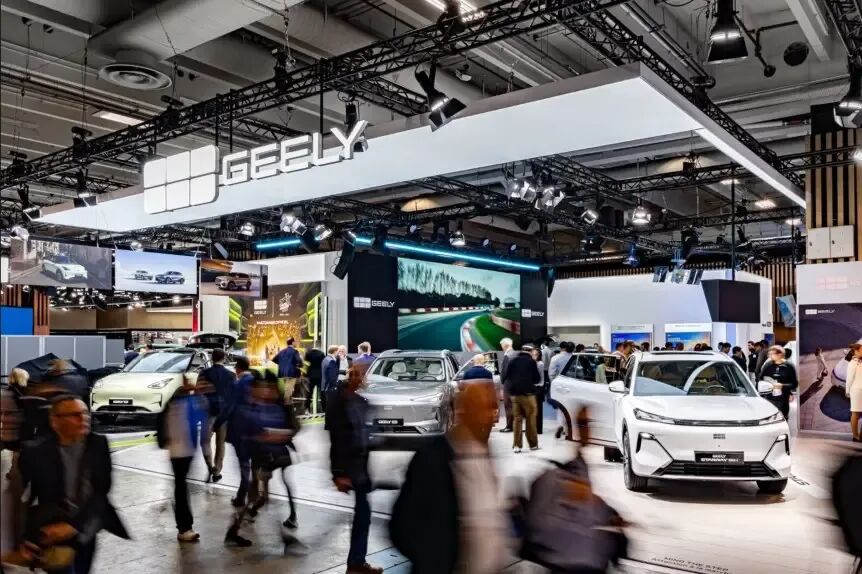
Geely Auto unveiled several new models at the show, including the European premiere of the Starry L PHEV. Models like the Xingyuan, Galaxy E5, and Starship 7 also graced the event. Chery Auto, besides showcasing the Tiggo 7 and Tiggo 8 PHEV models, Omoda 5 and Omoda 7, also premiered the Tiggo 4 PHEV in France, while the all-electric Chery Q made its European debut.
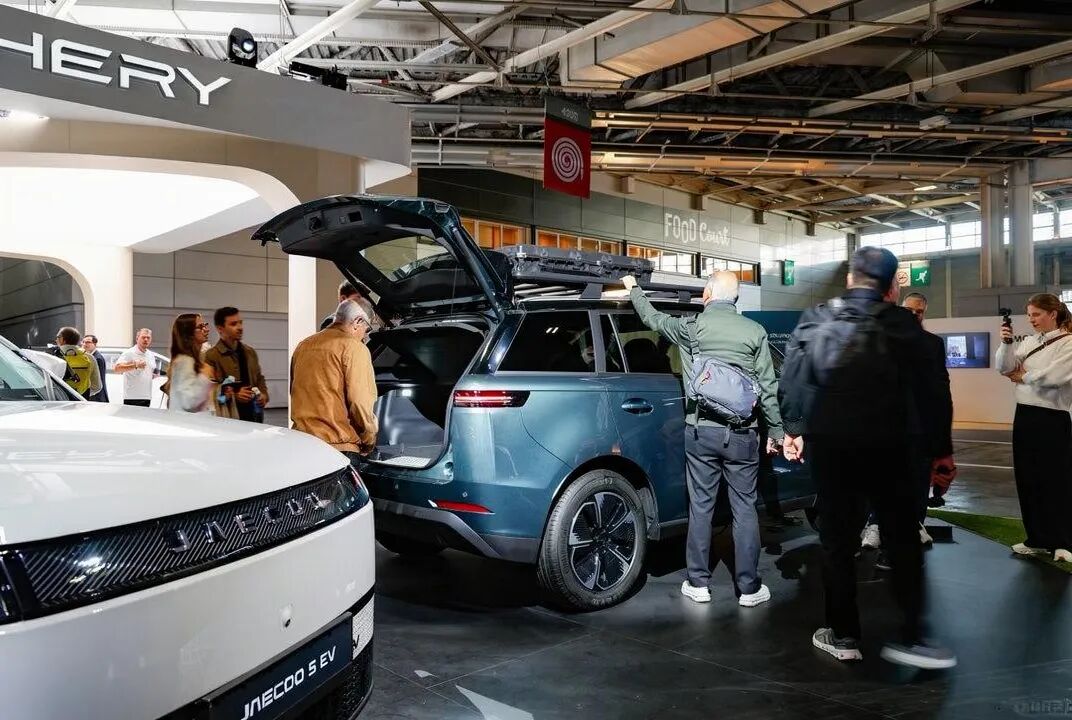
New energy vehicle startups such as Leapmotor, Aito, Li Auto, and XPeng also brought their flagship products to the Paris Motor Show. The Leapmotor D19 and A05 made their European debuts, while the Aito M5/7/9 models were also on display. Li Auto's best-selling all-electric model, the i6, made its European premiere, and XPeng unveiled the European pricing for its new model, the G9L, directly at the show.
The aforementioned models encompass large SUVs and pickups, which are highly favored by Americans. It is no overstatement to claim that, in terms of product prowess, these models have comprehensively outperformed their US-made counterparts in terms of intelligence, comfort, and handling. Regrettably, these models are not currently available for purchase in the US market. This is precisely why the Wall Street Journal remarked that Chinese automakers are crafting vehicles that would resonate with Americans, yet these vehicles remain out of reach for them.
From this, it is evident that although Chinese new energy vehicles have yet to make their debut in the US market, their entry is inevitable. Once they do, their product strengths will exert unprecedented pressure on American automakers and Japanese brands. Do you concur?
Copyright Notice: This article is original content from CheKuaiping. Reproduction requires explicit authorization. Any unauthorized reproduction or plagiarism, in any form, of the text or images will be subject to legal action. Some images in the article are sourced from the internet, with copyright belonging to the original authors. If your work has been used, please contact us for compensation or removal.
-
![]()
SAIC Volkswagen ID.ERA: The Art of Catching Up
-
![]()
Changan’s Leadership Overhaul: Zhu Huarong Relinquishes Chairman Role, Zhao Fei Ascends; Ye Pei Elevated to President | Mirror Pro
-
![]()
Elon Musk Actually Did It: This Car Can Soar
-
![]()
Auto Evaluators: The Impossibility of Being Both Players and Referees
-
Mobile Phone Screens: The Triumph of Domestic Collaboration and the Growing Pains of Reality
-
![]()
Commercial Aerospace Stocks Have Tesla to Thank for Today’s Surge! Give a Cheer if You See Why
-
![]()
How US Media Views Chinese Cars: Beloved by Americans, Yet Unattainable
-
![]()
Tesla’s “Flying Car” Stuns Automotive and Aerospace Experts