Third-Quarter Problem Summary: Multiple Tesla Model Y L Owners Report Rear Suspension Droop
 10/19 2026
 491
A model's reputation often mirrors the genuine experiences of its consumers. Recently, Qichemen.com examined automotive reputation data for September and compiled a list of models that have received concentrated feedback from owners. Earlier, we delved into the Mercedes-Benz GLC, Tesla Model Y, and Model 3. This time, our focus shifts to the Tesla Model Y L, which has also garnered a significant number of complaints from its owners.
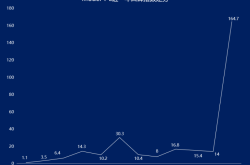
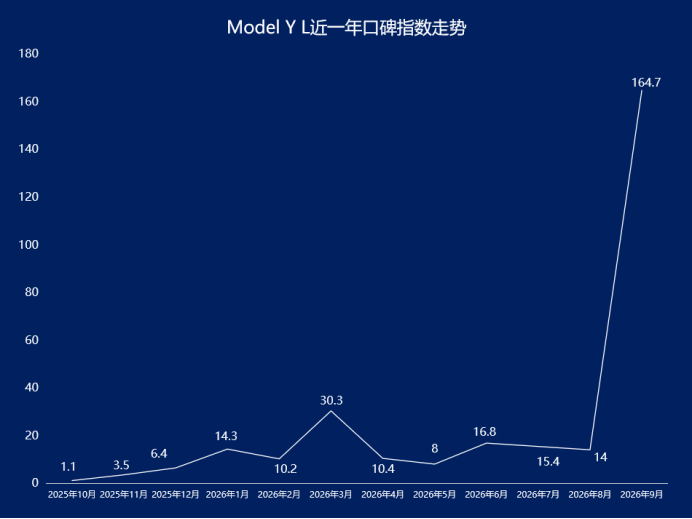
Data indicates that the Tesla Model Y L, which had maintained a relatively stable reputation throughout the year, saw notable fluctuations in September. The model's reputation index soared to 164.7, marking a staggering 1076.43% month-over-month increase, thus ranking it among the models with the most pronounced changes in owner feedback for that month.
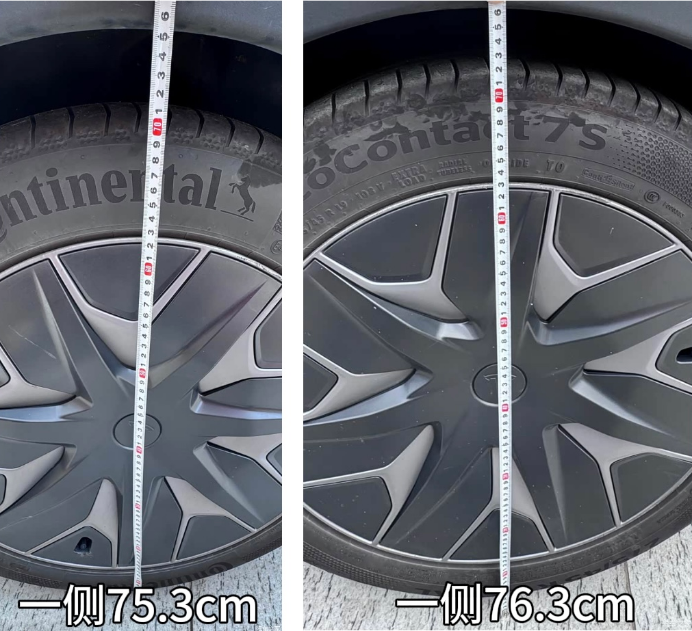
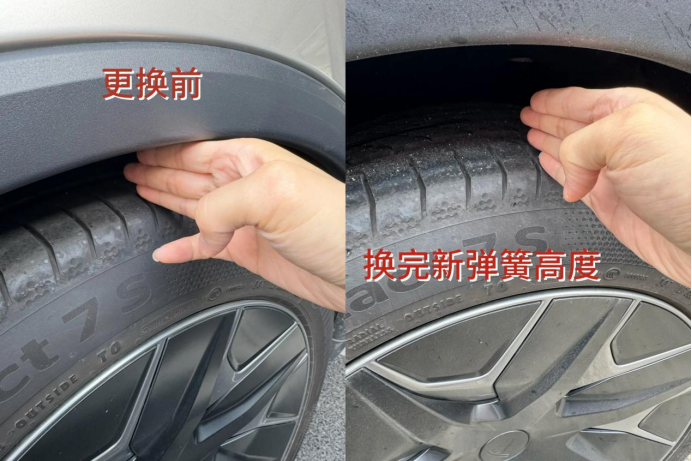
According to owner feedback, the issue of rear suspension droop has emerged as the primary cause of the sudden decline in the Model Y L's reputation. Several owners have reported noticeable drooping in the rear suspension of their Model Y L vehicles. Under normal circumstances, there should be a gap of more than four fingers between the rear wheel tire and the fender. However, after some use, the gap in certain vehicles decreased to less than two fingers, with some even experiencing inconsistent body heights on the left and right sides. Some owners measured and discovered that the heights from the wheel arches to the ground on the left and right sides of the vehicle were 75.3 cm and 76.3 cm, respectively, indicating a significant discrepancy in rear suspension height.
From the owners' standpoint, the impact of rear suspension droop extends beyond mere aesthetics; it also leads to subsequent vehicle usage issues. Some owners have noted that after the rear suspension height decreased, the rear wheel camber altered, resulting in abnormal wear on the inner side of the tires. One owner reported that after driving only 10,342 km, the rear tires exhibited significant "tire scuffing," with wear severe enough to expose the white threads. The premature wear of tires that could otherwise continue to be used has raised concerns among owners regarding the vehicle's future usability.
In addition to tire wear, some owners have also reported that when the vehicle is fully loaded and traverses potholes, it is prone to bottoming out, with inconsistent wear on both sides of the rear wheels. Some owners have stated that when driving over manhole covers, small potholes, and other road surfaces, the rear of the vehicle exhibits noticeable swaying and tail sliding, significantly detracting from the daily driving experience.
Regarding this issue, an automotive repair expert has stated that long-term drooping of the vehicle's rear suspension not only accelerates tire wear but may also heighten the risk of tire blowouts at high speeds. Furthermore, suspension droop may compromise braking stability, potentially leading to longer braking distances in emergencies and increasing driving safety hazards.
What concerns some owners even more is that the drooping issue may recur even after replacing relevant components. One owner reported noticing rear suspension droop after approximately 38,000 km of driving. After replacing the springs, the issue resurfaced after only about 10,000 km of driving.
It is noteworthy that the part number of the rear suspension springs replaced by owners has also changed. It is understood that the original spring part number was 2188477-00-A, while the new spring part number post-replacement is 2188477-00-B. However, Tesla has not publicly confirmed whether the "-B" version is the "optimized part" mentioned by official customer service, nor has it elucidated the specific technical modifications between the two versions.
As of now, there remains no definitive conclusion on the specific cause of the abnormal rear wheel height in the Model Y L. Some automotive after-sales personnel speculate that the suspension droop issue may stem from quality problems with components from a specific batch, but this assertion has not been corroborated by Tesla, and the manufacturer has not disclosed the reason.
Faced with the issue of rear suspension droop, owners contend that this is not an isolated malfunction in individual vehicles but a recurring problem within the same model. They hope that the manufacturer will acknowledge and investigate the cause. Owners demand that the manufacturer provide actual measurement data and fault explanations before and after repairs, rather than merely replacing the springs. Simultaneously, owners also hope that the manufacturer will replace the optimized springs free of charge, perform a proper four-wheel alignment, and offer solutions for tire wear caused by abnormal suspension.
In response, Tesla's official customer service stated at the end of September that the rear springs of some 6-seater Model Y vehicles produced between August and December 2025 may not meet performance expectations. Tesla will enhance vehicle body support and spring durability by initiating a service campaign to replace the springs with improved ones for affected vehicles free of charge.
However, it should be emphasized that this is not a recall but a complimentary repair within the warranty period. Some owners reported that the repair quote once exceeded 3,000 yuan, but since the vehicle was still within the warranty period, no fees were ultimately incurred. If the vehicle is outside the warranty period, the owner may need to shoulder the relevant repair costs.
Based on the current situation, Tesla has introduced a complimentary spring replacement service for certain vehicles, but whether this can entirely resolve the issue of rear suspension droop remains to be seen. For owners, replacing the springs is merely the first step; issues such as abnormal tire wear and compromised driving stability caused by rear suspension droop also necessitate attention. Ultimately, the manufacturer must pinpoint the root cause of the fault and address it at the source to prevent similar situations from recurring.
(Image sourced from the internet. Removal upon infringement.)
-
![]()
September SUV Sales Analysis: Two Toyota Fuel-Powered Models Make It to the Top 10
-
![]()
Can Car Companies Achieve Their Annual Sales Targets in Under 80 Days?
-
![]()
Is the 2027 Qiyuan Q05 with Enhanced Range a Good Purchase?
-
![]()
Liu Pei, XPENG’s Ex-VP of Sales, Makes a Comeback at Dongfeng Peugeot Citroen
-
![]()
Third-Quarter Problem Summary: Multiple Tesla Model Y L Owners Report Rear Suspension Droop
-
![]()
Four Departments Jointly Convene Meeting, Urging Over 30 Car Companies to 'Enroll in Remedial Courses'
-
![]()
Is Anthropic Really Worth $2 Trillion?
-
![]()
SAIC Volkswagen ID.ERA: The Art of Catching Up