What Is Porsche's Strategy Behind Layoffs and a Re-emphasis on Fuel-Powered Vehicles?
 10/19 2026
 465
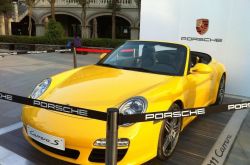
If asked about the prevailing transformation strategy among automakers in recent years, most would agree that the shift toward new energy and intelligent technologies has become the dominant trend in the market. However, Porsche, a renowned luxury automotive brand, has recently taken a surprising turn by announcing layoffs while also planning to re-emphasize fuel-powered vehicles. What is the rationale behind these decisions?
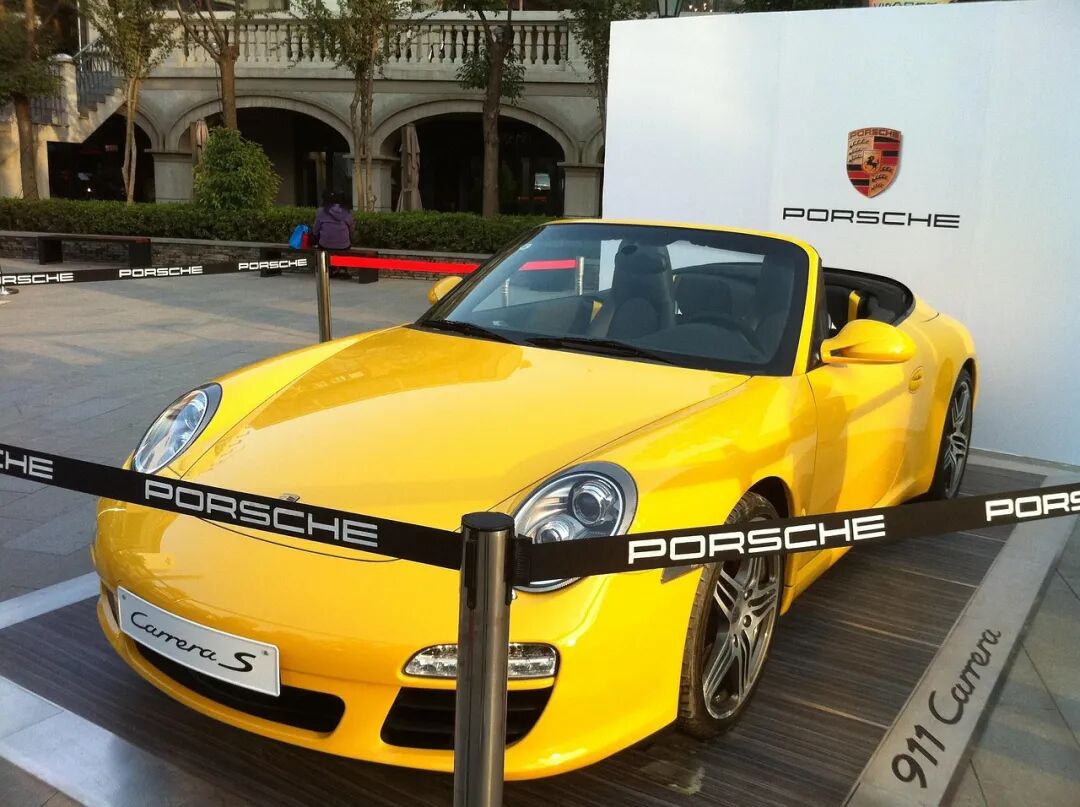
I. Porsche's Dual Strategy: Layoffs and a Re-emphasis on Fuel-Powered Vehicles
According to a report by Jiemian News, Porsche AG unveiled its mid-term "Sportwagenschmiede '35" strategy during its Capital Markets Day at the Weissach Development Center. The plan includes reducing the workforce by up to 30% to streamline organizational size, increasing the launch of mid-to-large-sized sports cars, and explicitly re-emphasizing fuel-powered vehicles to enhance profitability.
With a leaner, faster, and more flexible organizational structure, coupled with more efficient processes, Porsche aims to significantly lower its breakeven point, enabling profitability at new car sales volumes below 200,000 units.
Dr. Michael Leiters, Chairman of the Executive Board of Porsche AG, stated, "This strategy will lay the foundation for significantly enhancing Porsche's efficiency, productivity, and profitability in three phases. Our current focus is on reducing costs and strengthening the company's financial resilience. We have already achieved several important milestones."
For instance, Porsche has reached an agreement with employee representatives on a "Future Package." In addition to responsibly cutting 9,000 positions, the company has committed to securing core workforce jobs until 2035. Regarding its core business, Porsche has implemented several key measures, including selling its stakes in Rimac and Bugatti Rimac, signing an agreement to divest its consulting subsidiary MHP, and planning to shut down Cellforce Group, as well as Porsche's electric bicycle business and the R&D and production operations of Cetitec.
At the brand level, Porsche is further reinforcing its identity as a sports car brand, spanning both the sports premium and sports luxury segments. The company will continue to deepen this positioning by offering attractive entry-level brand options while strategically expanding into more exclusive, higher-margin market segments.
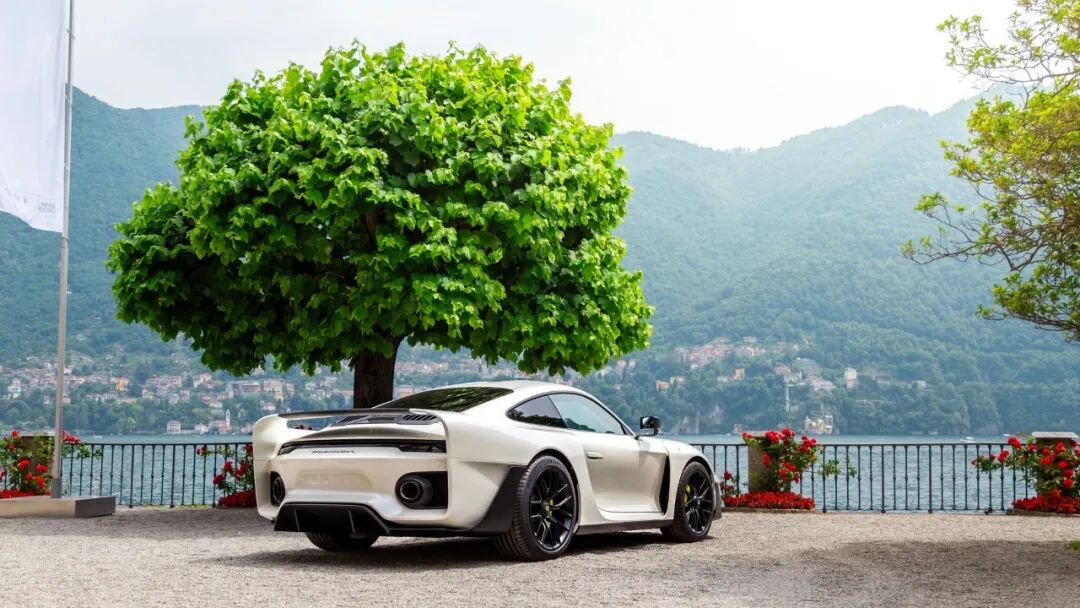
II. What Is Porsche's Ultimate Goal with These Strategic Moves?
Porsche's recent announcements of layoffs and a re-emphasis on fuel-powered vehicles have sparked heated discussions within the industry. Many are puzzled: Wasn't the plan to go fully electric? Why the reversal?
Firstly, declining sales lie at the heart of Porsche's issues. The primary reason behind Porsche's series of strategic moves is the persistent decline in sales, particularly in the Chinese market, where the slowdown has been especially pronounced. As fuel-powered models gradually lose competitiveness, electric vehicles (EVs) have failed to deliver the expected profit contributions. For a long time, China has been Porsche's most critical global market. Leveraging its brand prestige, fuel-powered sports cars and high-end SUVs have maintained high premium pricing, underpinning the group's overall profitability.
However, as market trends shift, the old growth logic no longer holds. Traditional fuel-powered models are losing appeal amid changing consumer preferences, with many high-end buyers no longer willing to pay solely for the mechanical allure of sports cars. Porsche's bet on EVs, initially seen as a high-hope venture to replicate the profitability of its fuel-powered era, has encountered numerous issues post-launch. EVs have shown significant shortcomings in intelligent experiences, with product iteration speeds failing to keep pace with market demands. Instead of opening up new profit highlands, EVs have required continuous heavy investment in R&D and testing.
On one hand, declining sales of traditional fuel-powered vehicles have led to revenue contraction. On the other, the electric vehicle sector continues to burn cash without delivering promised profits. Under this dual pressure, Porsche's profitability challenges have grown increasingly severe. In response, the company must make tough choices. Layoffs essentially aim to reduce organizational redundancies, cut inefficient costs, and minimize capital consumption. Re-emphasizing fuel-powered vehicles is not a simple retreat but an effort to re-exploit its most defensible assets.
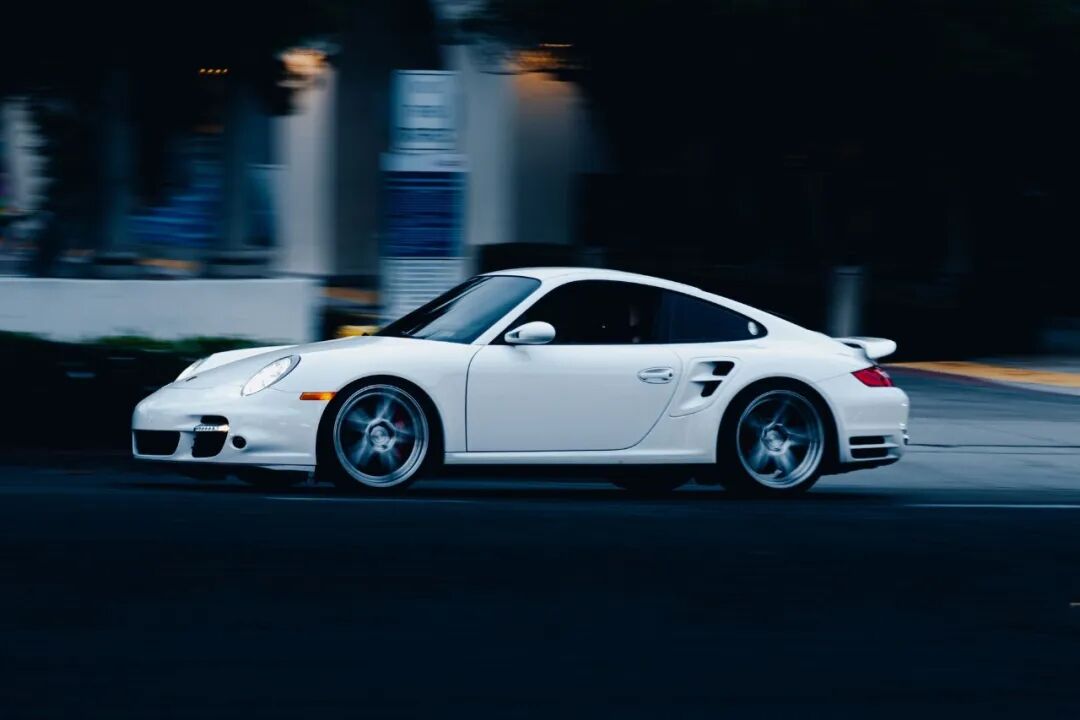
Secondly, domestic new energy vehicles have redefined the concept of luxury. Traditionally, high-end automotive standards were based on chassis tuning, engine performance, and brand heritage—a narrative long dominated by European and American luxury brands. Today, things are different. In the era of intelligent vehicles, the authority to define luxury is shifting. Domestic high-end new energy vehicles can offer users stronger computing power, smoother infotainment systems, more comprehensive autonomous driving capabilities, and supporting service ecosystems at lower prices. Users are now evaluating million-dollar luxury cars with entirely new benchmarks, rendering the traditional advantages of luxury brands less relevant in the new evaluation system.
This puts Porsche in an awkward position. If it engages in price competition to defend market share, short-term sales gains might occur, but long-term brand premium erosion would be inevitable. High-end luxury brands, akin to luxury goods, fear constant price reductions most. Once pricing systems collapse, recovery becomes nearly impossible. Conversely, if Porsche maintains its pricing strategy, many potential buyers will flock to domestic high-end new energy brands, steadily eroding its market share.
In other words, Porsche lacks supply chain advantages in the electric vehicle sector. It cannot iterate software and hardware as rapidly as domestic automakers or suppress intelligent technology costs to competitive levels. This explains why, despite being an early adopter of new energy transformation among luxury automakers, Porsche's transition has yielded lackluster results. Competing head-on in others' home turf has left it increasingly passive. Thus, Porsche's choice essentially involves avoiding unfavorable battlegrounds, abandoning the pursuit of sales volume in the mass high-end EV market, and forgoing a scale-based victory strategy.

III. Porsche's New Logic: Betting on High-End Segments
Porsche's core competitive advantage has never been the volume of mass-produced SUVs sold but rather its brand symbolism within the elite sports car circle. The scarcity derived from mechanical craftsmanship, sports car culture, and limited-edition customization is difficult for domestic new energy automakers to replicate shortly. The electrification wave primarily impacts mainstream high-end markets, whereas the top-tier collectible and bespoke supercar markets operate under entirely different consumption logics. Buyers in these segments prioritize mechanical texture, limited-edition attributes, collectible value, and the unique driving experience offered by fuel engines—factors they remain willing to pay a premium for.
Thus, Porsche's current strategy involves streamlining its product lineup, eliminating low-margin, high-volume derivative models, and abandoning the pursuit of larger sales volumes. It redirects R&D resources away from the fiercely competitive mass EV sector toward flagship fuel-powered sports cars and high-end custom models. The focus has shifted from selling more units to maximizing profit per vehicle. Meanwhile, continuing with fuel-powered vehicles reinforces the brand's foundation. Iconic models like the 911 serve as Porsche's brand totems; as long as these symbols endure, the brand narrative remains intact.
Porsche's electrification layout will not halt entirely but will no longer resemble the aggressive gambles of previous years. EV products will increasingly target high-end niche markets rather than competing with domestic new energy brands for mass high-end users. In essence, Porsche is abandoning scale prioritization for profit prioritization, relying on a few high-value-added models to sustain overall profitability.

IV. Will Porsche's Strategic Retreat Work?
Porsche's current approach represents a form of "strategic contraction." When market competition becomes overly intense and its advantages diminish, voluntarily surrendering some market share to concentrate resources on core businesses is a rational choice.
History offers several precedents. Nokia, once dominated by Apple and Samsung in the smartphone market, exited the mobile phone business to focus on telecommunications equipment and remains viable today. Similarly, IBM, squeezed by Dell and HP in the PC market, sold its PC division to concentrate on enterprise services and cloud computing, achieving a successful transformation.
Porsche is now pursuing a similar path. Recognizing its inability to compete with domestic automakers in China's mass market, it is redirecting its efforts toward high-end models in global markets. After all, Porsche is a global brand; while China is important, it is not the entirety of its market.
However, questions remain about whether this strategy will succeed. On one hand, the global luxury car market is shrinking, particularly for fuel-powered vehicles, which face increasing pressure from emissions regulations. On the other, if Porsche's EV business continues to underperform, where will its future growth come from? These uncertainties persist.
Porsche's recent moves—simultaneous layoffs and a re-emphasis on fuel-powered vehicles—represent a classic example of seeking balance amid industry upheaval. Unlike some new entrants taking reckless gambles or traditional automakers vacillating during transformation, Porsche has chosen a path aligned with its DNA. This pragmatic strategic defense holds significant reference value today, but its ultimate success remains to be seen.
END
Daily Wisdom: Three Principles for Life: Anticipate Danger, Know When to Retreat, and Adapt to Change. Stay vigilant in times of peace, know when to step back amid ambition, and embrace flexibility amid change. Only then can life achieve stability, progress, and smooth sailing.
-
![]()
The Entire Internet Ridicules Tesla’s Flying Car—Don’t Be Short-Sighted
-
![]()
How to De-escalate China-EU Trade Tensions and Enhance Sharing of Hybrid Technology Benefits?
-
![]()
Cook Lauds China’s Unique Manufacturing Prowess: Apple’s Reliance Now Unavoidable
-
![]()
The UK Refuses to Impose Tariffs on Chinese Cars
-
![]()
iPhones Worth $100 Million Plunge into the Sea, as Apple’s Market Cap Soars Past $5 Trillion
-
![]()
【Intelligentization】Li Auto’s Chip Subsidiary Secures RMB 1.625 Billion in First-Round Financing
-
![]()
Weekly Stock Review | Chinese Automakers Shine at Paris Auto Show, Auto Stocks Rally from Low Points
-
![]()
What Is Porsche's Strategy Behind Layoffs and a Re-emphasis on Fuel-Powered Vehicles?