Weekly Stock Review | Chinese Automakers Shine at Paris Auto Show, Auto Stocks Rally from Low Points
 10/19 2026
 354
Weekly Auto Stock Review: Tracking Diverse Market Movements
Shanghai and Shenzhen stock markets rebound with reduced trading volume.
As of yesterday's midday close, the Shanghai Composite Index saw a 0.95% increase, while the Shenzhen Component Index and the ChiNext Index rose by 1.19% and 0.96%, respectively. The STAR 50 Index also climbed by 1.64%.
In terms of individual stock performance, 4,890 stocks advanced, 624 declined, 78 reached their daily limit up, and none hit the daily limit down. Additionally, 393 stocks rose between 5% and the daily limit, signaling a notable rebound in profitability. Morning trading volume amounted to 971 billion yuan, with net inflows of principal funds reaching 16.196 billion yuan. Semiconductors, pharmaceutical chemistry, and auto parts were sectors favored by investors.
This indicates that A-shares are undergoing a rebound with reduced trading volume.
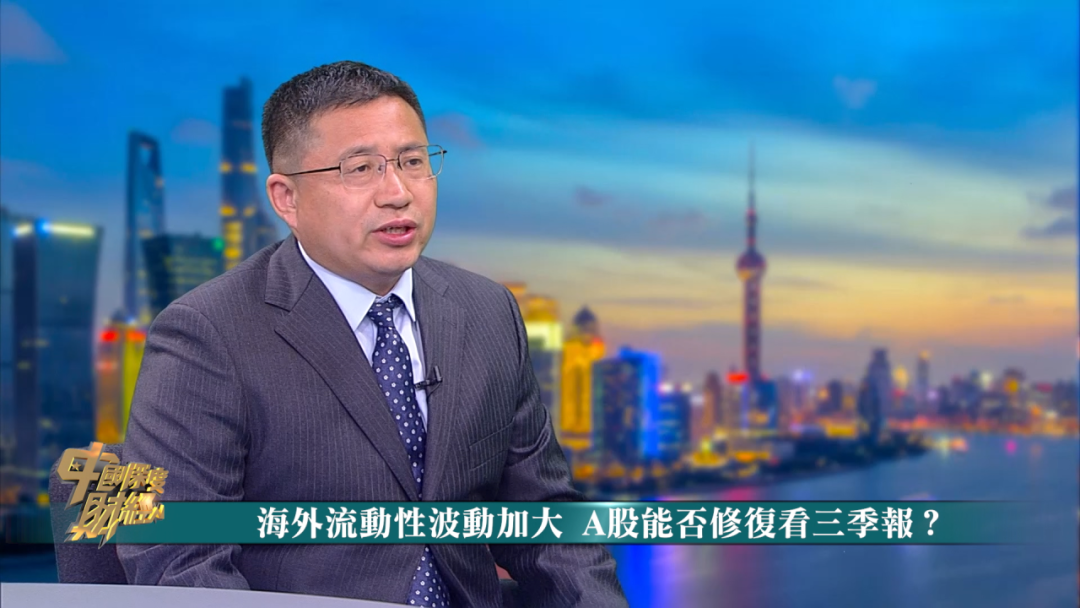
Analysts suggest that achieving a total A-share trading volume of 2 trillion yuan is a significant milestone. "Trading volume is dynamic, and maintaining a range of 1.5-2 trillion yuan could become the new norm," they note.
Amid the stock market recovery, auto stocks have demonstrated a robust upward trend.
Recently, auto stocks have surged, particularly in the Hong Kong stock market, with Geely Automobile, Leapmotor, and Seres all experiencing gains exceeding 5%. Among the top 10 gainers, nine were from the new energy sector, which dominated the rankings.
On October 12, A-share auto stocks witnessed a late-session surge. Seres, in particular, rebounded from a decline to hit the daily limit, closing at 51.24 yuan per share, with a market capitalization of 89.259 billion yuan. Over 370,000 shares were locked at the daily limit. Seres' Hong Kong-listed stock also surged more than 11%.
One investor remarked, "Even an iron tree can bloom!" The direct catalyst for this stock price surge was AITO's plan to officially enter the European market by 2027, which was seen as a major driver for Seres' limit-up performance that day.
According to reports, the EU Whole Vehicle Type Approval (WVTA) certification process is now fully underway. At the 2026 Paris Auto Show, AITO will showcase its SUV lineup, including the AITO 6, AITO 7, AITO 8, and AITO 9.
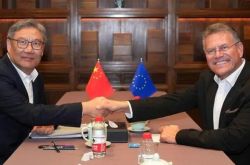
It's crucial to note that Europe is a pivotal battleground for high-end new energy vehicles, and WVTA certification is a prerequisite for entering the EU market. The combination of easing Sino-European trade relations, robust domestic sales data, institutional support for overseas expansion, and favorable industry policies has created a synergistic effect.
In addition to Seres, Reuters statistics indicate that approximately 20 Chinese auto brands will participate in the Paris Auto Show, doubling the number from 2024. The lineup includes traditional automakers like BYD, Chery, and Geely, as well as new energy players like Leapmotor, XPeng, and NIO, along with Changan's sub-brands Deepal, Qiyuan, and Avatr, covering multiple mainstream market segments.
Serge Gachot, head of the Paris Auto Show, commented before the event, "In just two years, Chinese automakers have elevated their game. Today, they're not just bringing competitive electric vehicles but a more comprehensive and diversified product lineup."
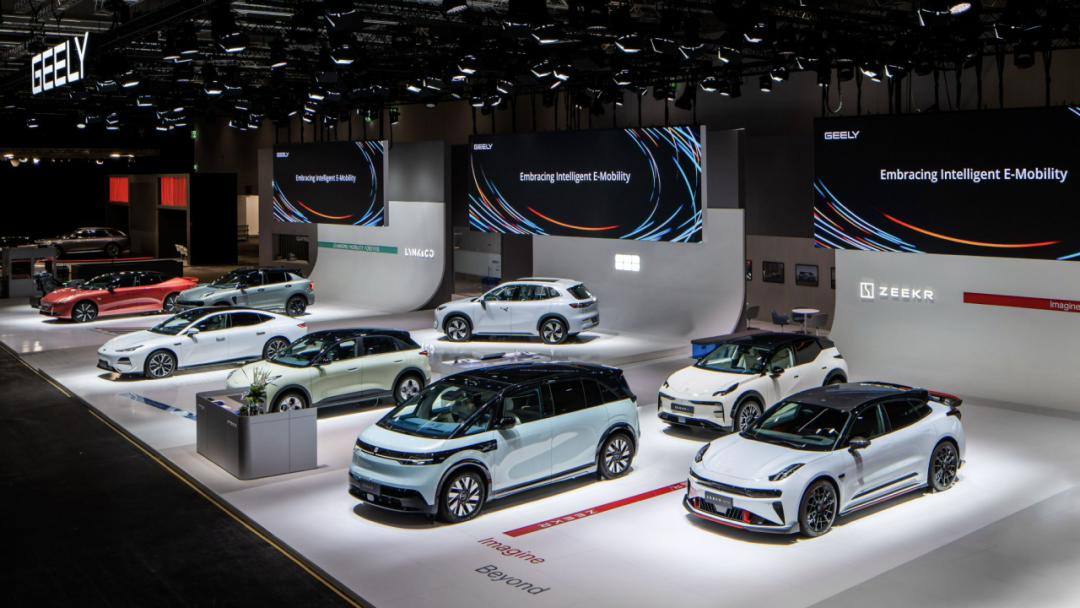
The recent rally of auto stocks from low levels also reflects the capital market's renewed focus on the strength of new energy vehicles' overseas expansion.
At the Paris Auto Show, BYD Executive Vice President Li Ke announced plans for significant hiring in Europe, aiming to have over 40,000 local employees by 2030, with the possibility of establishing two more factories in France or Spain.
Leapmotor confirmed during the auto show that the B10 has commenced production at its Zaragoza plant in Spain. Leveraging Stellantis' manufacturing, sales, and service resources, the joint venture Leapmotor International, which is 51% owned by Stellantis and 49% by Leapmotor, enables Leapmotor to enter the European market more swiftly.
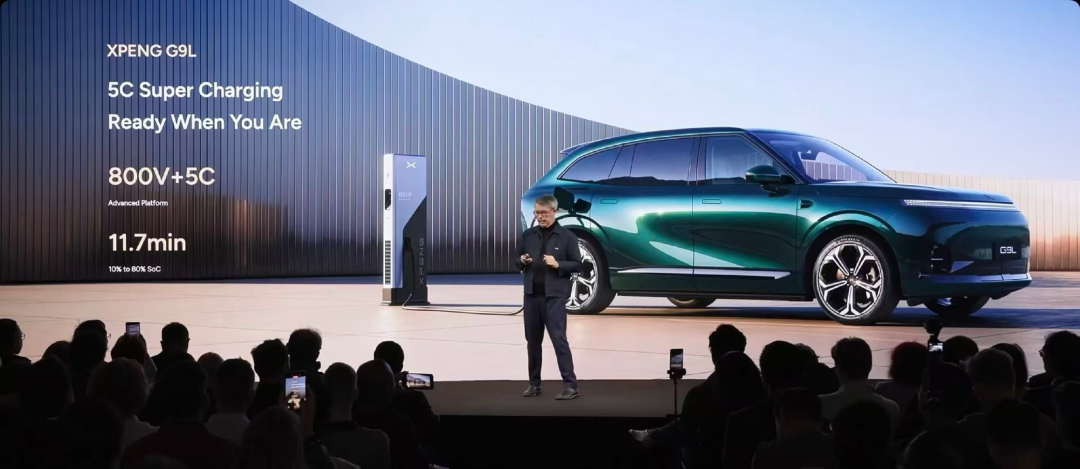
XPeng chose to collaborate with Magna for production, entering Europe through a mature contract manufacturing system to minimize initial investment. The two parties will commence local production in Graz, Austria, in the third quarter of 2025. Currently, the G6, G9, and P7+ are already in production, with the G9L set to become the fourth model produced in Europe.
From the Paris Auto Show to European factories, this is no longer an isolated event but a new phase in Chinese automakers' overseas expansion. Le Parisien described the concentrated presence of Chinese automakers as an "impressive offensive."
Market data reveals that Chinese automakers have achieved phased breakthroughs in Europe. In the second quarter of 2026, Chinese brands accounted for 10.7% of the European auto market, up from 5.7% year-on-year.
A breakdown of auto companies' financial reports indicates a gradual shift in industry profit sources. Domestic price wars have pushed passenger vehicle net profit margins to extremes. Eleven companies reported a combined revenue of 954.607 billion yuan, accounting for nearly half of the sector's total, but their net profit was only 11.289 billion yuan, with a net profit margin as low as 1.2%.
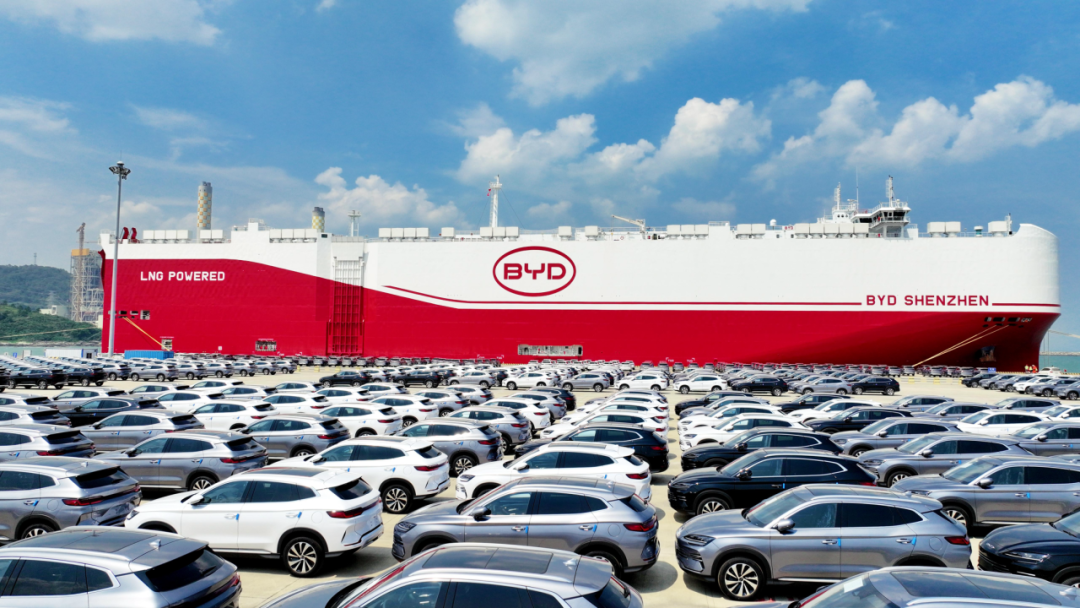
Today, overseas markets are becoming the primary profit pillar for leading automakers. In the first half of 2026, BYD's overseas revenue accounted for over half of its total for the first time, with nearly 70% of Chery's revenue coming from overseas markets. Geely's overseas gross margin was about 10 percentage points higher than its domestic margin. Automakers accelerating their overseas expansion, such as BYD, Geely, and Chery, have all performed well in the stock market.
Francois Roudier, Secretary-General of the International Organization of Motor Vehicle Manufacturers, stated that automakers skipping the Paris Auto Show "made a mistake," emphasizing the importance of participation with the phrase "no auto show, no sales."
French President Emmanuel Macron had to reiterate "accelerating Europe's reindustrialization" at the opening ceremony, listing electrification, European priority, and technological sovereignty as the three key focuses of France's auto industry. He proposed that European public resources should more strongly support local production.
Macron's anxiety stems from disruptions to the production chain. Zidan Sheritt, Senior Director of European Corporate Ratings at Fitch Ratings, believes that Chinese manufacturers' advantages are built on synergies between batteries, energy, and domestic supplier networks. Replicating such an efficient ecosystem in Europe will be one of the biggest challenges.
However, a fierce offensive does not guarantee a stable path into the European market. La Croix commented in its auto show coverage that the future of Chinese automobiles in Europe will hinge on their ability to navigate growing European protectionism without increasing costs.
The cost advantages previously derived from China's supply chain may not be fully replicable in Europe. Competition for Chinese automobiles in Europe is shifting from a single product level to manufacturing and supply chain levels. On the road to overseas expansion, product cycles and brand momentum are also influencing core variables in individual stock pricing.
After all, securing a prominent position at the auto show is just the first step for Chinese automakers' overseas expansion.
Note: Some images are sourced from the internet. If there is any infringement, please contact us for removal.
-END-
-
![]()
The Entire Internet Ridicules Tesla’s Flying Car—Don’t Be Short-Sighted
-
![]()
How to De-escalate China-EU Trade Tensions and Enhance Sharing of Hybrid Technology Benefits?
-
![]()
Cook Lauds China’s Unique Manufacturing Prowess: Apple’s Reliance Now Unavoidable
-
![]()
The UK Refuses to Impose Tariffs on Chinese Cars
-
![]()
iPhones Worth $100 Million Plunge into the Sea, as Apple’s Market Cap Soars Past $5 Trillion
-
![]()
【Intelligentization】Li Auto’s Chip Subsidiary Secures RMB 1.625 Billion in First-Round Financing
-
![]()
Weekly Stock Review | Chinese Automakers Shine at Paris Auto Show, Auto Stocks Rally from Low Points
-
![]()
What Is Porsche's Strategy Behind Layoffs and a Re-emphasis on Fuel-Powered Vehicles?