Why Not Opt for Price Reductions When Car Sales Are Sluggish?
 10/20 2026
 475
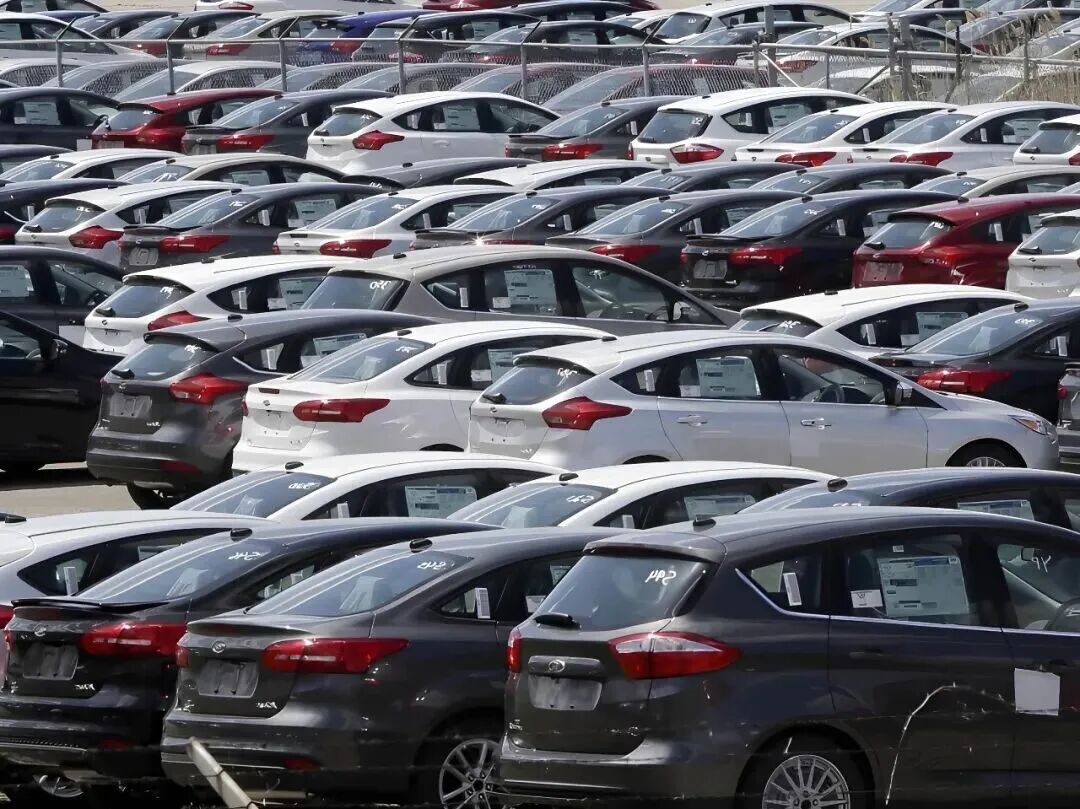
Lead
Introduction
At this juncture, resorting to price cuts to spur sales is akin to drinking poison to quench one's thirst.
It's a common adage in the automotive industry that there are no unsellable cars, only unsellable prices. Yet, the current market presents a conundrum—even amidst sluggish sales, price reductions seem to be off the table.
On October 18, Cui Dongshu, Secretary-General of the China Passenger Car Association, revealed in an article that the average price of passenger cars in September climbed to 171,000 yuan, marking a 5,800 yuan increase from the same period last year.
Among these, the average price of new energy vehicles surged to 164,000 yuan, up by 9,000 yuan; luxury cars averaged 338,000 yuan, an 8,000 yuan rise; joint-venture brands held steady at around 170,000 yuan; and domestic brands averaged 127,000 yuan, an 8,000 yuan increase compared to the previous year.
Despite nationwide retail sales of passenger cars reaching 1.618 million units in September, marking a 28.0% year-on-year decline and the steepest drop in the auto market this year, average vehicle prices continued to climb.
On one hand, sales are languishing; on the other, average prices are soaring. Is this a boon or a bane?
A downturn in sales is undoubtedly detrimental. Historically, poor sales would typically trigger a flurry of price cuts and promotions, leading to a short-term surge in orders and averting a dismal market performance.
However, car companies now seem to prefer maintaining firm pricing and riding out market fluctuations, rather than engaging in futile price wars just to save face. This shift may explain the rise in average prices in the auto market.
Car companies have endured the toll of price wars for far too long!
The hard-won growth of China's auto market should not be squandered on endless internal competition and price wars.
01 Sacrificing Price for Volume Fails: The More Prices Drop, the More Consumers Wait
Cutting prices is the most straightforward approach to boosting sales, especially in China's fiercely competitive auto market, where reducing prices during sluggish sales has become almost instinctive.
But now, the strategy of sacrificing price for volume is losing its effectiveness. It's not that price cuts don't work, but rather that car companies perceive the current side effects as too severe: the more prices drop, the more consumers wait; dealers incur losses on every sale; and the used car market collapses...
Over the past two years, multiple rounds of significant price cuts, coupled with frequent updates and upgrades of new energy vehicles, have conditioned consumers to adopt a "wait-and-see" approach.
In early 2026, BMW slashed prices on over 30 models simultaneously, with many models seeing reductions exceeding 10%; Mercedes-Benz C/GLC followed suit with price cuts, and Volvo's plug-in hybrid models dropped from a guide price of 410,000 yuan to a starting price of 199,900 yuan post-incentives.
When consumers witnessed BBA continuously cutting prices, they opted to wait and see with their wallets. Sales staff reported that while store traffic increased by 30%, the number of actual buyers dwindled.
The outcome was clear: sacrificing price for volume proved ineffective and instead triggered a rapid collapse of the luxury car pricing system. This was not an isolated incident; joint-venture new energy vehicles also suffered greatly from price-cutting competition.
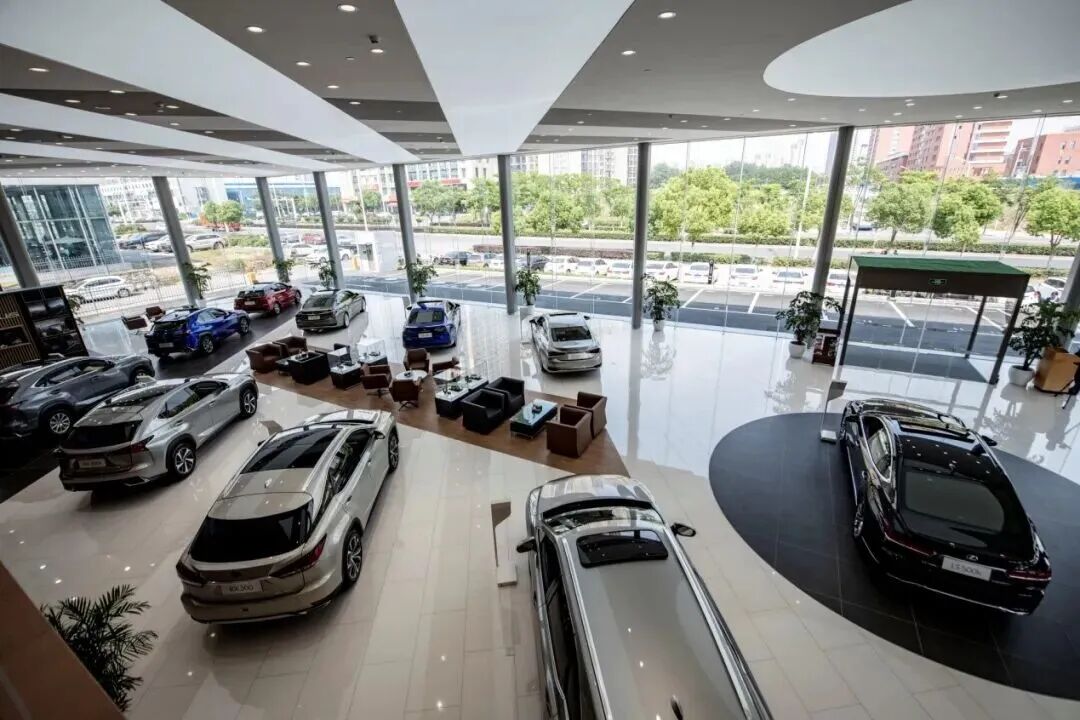
At the end of 2025, the bZ3's guide price plummeted from 169,800 yuan to 109,800 yuan, a straight 60,000 yuan reduction. After the new car's price was halved, the used bZ3 market swiftly collapsed, with near-new cars depreciating severely.
In fact, similar scenarios have unfolded among new automotive forces and domestic brands.
For consumers, as long as product quality is assured, more price cuts bring more delight. However, for the industry, focusing solely on selling volume through price cuts while neglecting the profits necessary for a company's normal operation is detrimental.
The industry's overall vehicle profit margin has dwindled to 3.2%, far below the approximately 6% level of ordinary manufacturing. Under such circumstances, price cuts and promotions are no longer a "cure" but rather a self-destructive measure.
Even more awkwardly, car companies find it challenging to halt price cuts even if they recognize the costs. As long as competitors persist in cutting prices, they risk losing orders and market share.
And when everyone is slashing prices, the so-called price advantage becomes increasingly fleeting. Consequently, most consumers gradually catch on and choose to wait, observe, and delay purchases, giving rise to the "wait-and-see" buyers.
02 Promotions Haven't Disappeared; They've Just Evolved
In February 2026, the State Administration for Market Regulation issued the "Guidelines on Compliance with Pricing Behavior in the Automotive Industry," further regulating the pricing behavior of automotive manufacturers and sales companies and drawing a red line against practices such as selling below cost to eliminate competitors.
It's crucial to note that this does not imply cars cannot be discounted; rather, the industry is beginning to pay more heed to the boundaries of price cuts and the impact of price competition on the entire supply chain.
Under the combined influence of regulatory and market forces, the atmosphere in China's auto market has shifted; however, the operational pressures on businesses have not abated.
As China's auto market enters a phase of stock competition (inventory competition), every consumer's purchasing decision becomes especially valuable. Consequently, car companies are reluctant to be the first to "cease fire," as losing customers to competitors through promotions could mean not just losing monthly sales but also future market share.
For this reason, price wars are unlikely to truly vanish but have shifted from overt naked car price cuts to more intricate purchasing incentives: zero-interest loans, trade-in subsidies, free insurance, maintenance packages, option vouchers, local consumer vouchers...
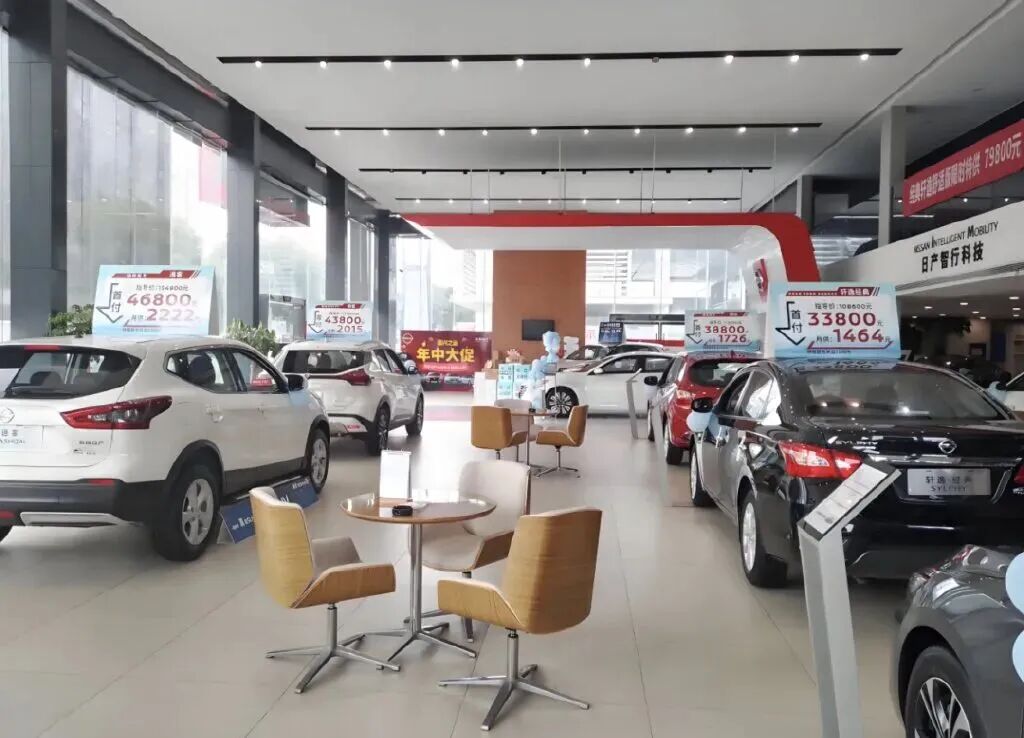
"This year's discounts and subsidies aren't as generous as last year's, since car companies' profits are thin, and further cuts would mean our 4S store would have to shoulder the losses. If you opt for a loan, we can still discuss additional discounts."
Many salespeople claim that prices "can't drop any further" but also offer to make up for it in other ways, providing more value at the same price.
This sales pitch is not novel, and car companies are willing to employ "value competition" to demonstrate their stance.
However, for consumers, the calculation no longer revolves solely around the guide price but also factors in financing costs, trade-in conditions, and various additional benefits, making the process cumbersome and complex.
Of course, this alternative form of promotion does not imply the costs disappear. For instance, zero-interest loans necessitate covering the corresponding capital costs, trade-in subsidies need to be financed by someone, and free insurance and after-sales services also entail actual expenditures.
Nevertheless, this form is less detrimental than direct price cuts and is less likely to provoke backlash from existing owners or be labeled as "fleecing" customers.
So, let's revisit the original question: if cars are hard to sell, why not cut prices to boost sales?
The answer is now evident.
03 Price Cuts Can Secure Orders but Not Win the Market
No car company can truly triumph by relying solely on price cuts.
The rise in average passenger car prices in September may be a signal worth heeding. It does not necessarily signify the end of the price war but at least indicates that competition in the auto market is undergoing new transformations—when price becomes increasingly difficult to use as a differentiator, companies begin to seek new competitive levers.
In the past, during the rapid growth phase of the new energy vehicle market, car companies could swiftly expand their user base by simply lowering prices. However, as products become more diverse and consumers have more choices,
With the same budget, consumers can either opt for a higher-configured model or choose a product with superior technology, brand, and service. Simply lowering prices is no longer sufficient to establish a long-term competitive barrier.
Clearly, China's auto industry is transitioning from price competition to comprehensive capability competition. Those who can translate technological advantages into real-world driving experiences will create clear product differentiation; those who can establish stable service and user systems beyond sales will have a better chance of gaining sustained consumer recognition.
Therefore, car companies' decision to maintain firm pricing does not imply competition will become more moderate.
On the contrary, when price is no longer the easiest weapon to wield, competition among products, technology, branding, and operational efficiency will only intensify.
The auto market ultimately requires competition, but it cannot forever remain mired in a race to see who can sell cheaper.
Only by making consumers willing to pay for product value and brand value can companies achieve lasting competitiveness.
Editor-in-Chief: Yang Jing Editor: He Zengrong

THE END
-
![]()
The Data Centers of AI Giants Are Hitting a Wall Harder Than Chips
-
How Far Is AI from Independently Contributing a Nobel Prize-Level Achievement?
-
![]()
SU8 and SU9 Are on Their Way! Xiaomi Unveils a Fleet of New Vehicles
-
![]()
Settlement of Smart Horizon's 'Household Registration': First Independent Automaker Status Approved for Hongmeng Zhixing, Paving the Way for Listing
-
![]()
Why Not Opt for Price Reductions When Car Sales Are Sluggish?
-
![]()
Chang'an Automobile: Ushering in a New Era of 'Young Leaders'
-
![]()
What?! The Bumper is No Longer the First Line of Defense!
-
![]()
Who Can Achieve Big Results with AI During Double 11?"],"keywords":["Double 11, AI, Doubao, Qianwen, shopping recommendations"],"content":["During Double 11, Douyin and Alibaba attract users to use AI