The Auto Market Price War: A Call for an Immediate Halt
 10/28 2026
 464
On the surface, China's domestic automotive industry has appeared to be flourishing in recent years. Internet giants, smartphone makers, real estate developers, and even alcohol producers have ventured into the automotive sector, spawning a plethora of 'new automotive forces.' Yet, the reality is far less rosy. Let's delve into some data to uncover the truth.
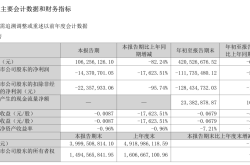
From January to September this year, the cumulative production volume of China's automotive industry reached 23.37 million vehicles, marking a year-on-year decrease of 4%. Total revenue climbed to 8,043.5 billion yuan, showing a 2.6% year-on-year increase. However, the industry's cumulative total profit plummeted by 23% year-on-year, with a staggering 68% drop in automotive profits for September alone. Yes, you read that right—a 68% decrease.
Across the entire supply chain, the gross profit per vehicle stood at 11,000 yuan, a 21% year-on-year decline.
If these figures don't paint a clear picture, let's draw a comparison with another industry. Still, from January to September this year, the total profit of industrial enterprises above a designated size nationwide surged by 15.5% year-on-year, maintaining double-digit growth. In stark contrast, the automotive industry witnessed a 23% decrease during the same period. The disparity is glaring, isn't it?

So, the question arises: why, despite a slight year-on-year revenue increase, has the automotive industry's profit decline not only been far below industry averages but exceeded 20%? Where does the root of the problem lie? You've likely guessed it—the price war.
The price war in China's domestic auto market can actually be traced back to early 2023. That year, Tesla fired the first shot, initiating a price war in the domestic auto market with direct official price cuts of 48,000 yuan for the Tesla Model 3 and Model Y. Tesla's move was like a depth charge, completely detonating the price war in the domestic auto market.
With Tesla leading the charge, BYD, the domestic automaker sales champion, was quick to follow suit. It promptly launched the BYD Qin PLUS DM-i champion edition, priced at just 99,800 yuan, even touting the slogan 'same price for fuel and electric.' Thus, the price war in the domestic auto market was in full swing, affecting both traditional automakers and new automotive forces alike.
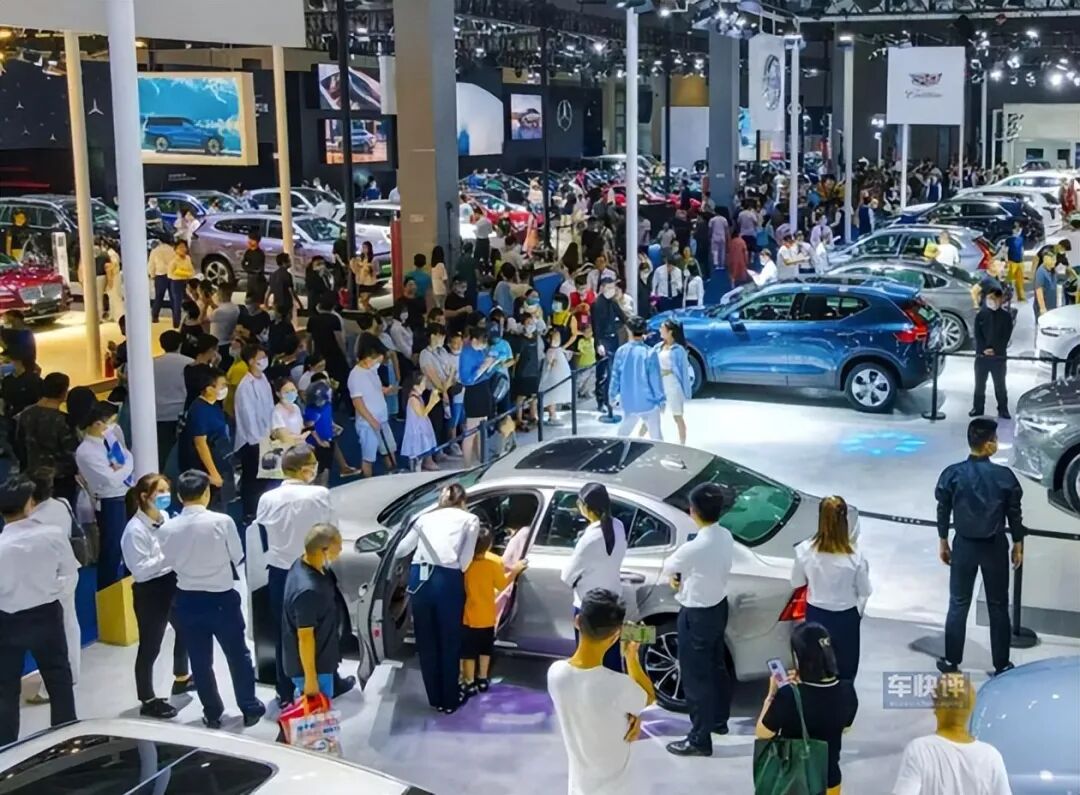
By 2025, the price war in the domestic auto market had escalated to a fierce stage, prompting relevant departments to issue the 'Guidelines on Compliance with Pricing Practices in the Automotive Industry (Draft for Comments).' However, this measure seemed to have little impact on automakers already embroiled in a fierce battle, as executives understood that withdrawing first during intense competition could mean ceding market share to rivals. Without sales volume, they risked being marginalized or even eliminated by the market.
Despite price hikes by many new energy vehicle (NEV) manufacturers in 2026 due to soaring raw material costs, the 'price war' in the domestic auto market clearly had not abated completely. Data revealed that despite cost increases, the average price reduction for NEVs participating in the price war was close to 40,000 yuan, a nearly 14% decrease. Meanwhile, fuel vehicles saw even steeper reductions, exceeding 14%.
Take the Volkswagen Sagitar and Toyota Corolla as examples. These previously priced above 100,000 yuan popular joint-venture fuel models have now plummeted below 80,000 yuan. Even higher-tier models like the Honda Accord and Volkswagen Passat, popular joint-venture B-segment sedans, have seen prices fall to the 130,000-140,000 yuan range.
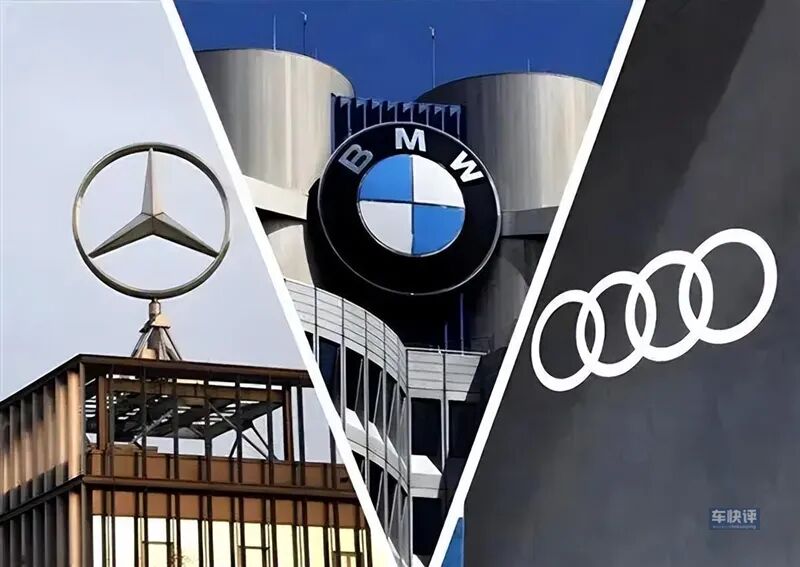
To counter the impact of high-end new automotive forces like Seres, Li Auto, and NIO, joint-venture luxury fuel vehicles represented by BBA have seen many models' domestic prices drop to historic lows this year. Entry-level versions of these mid-size luxury fuel sedans, such as the '34C' models, have seen prices fall below 200,000 yuan.
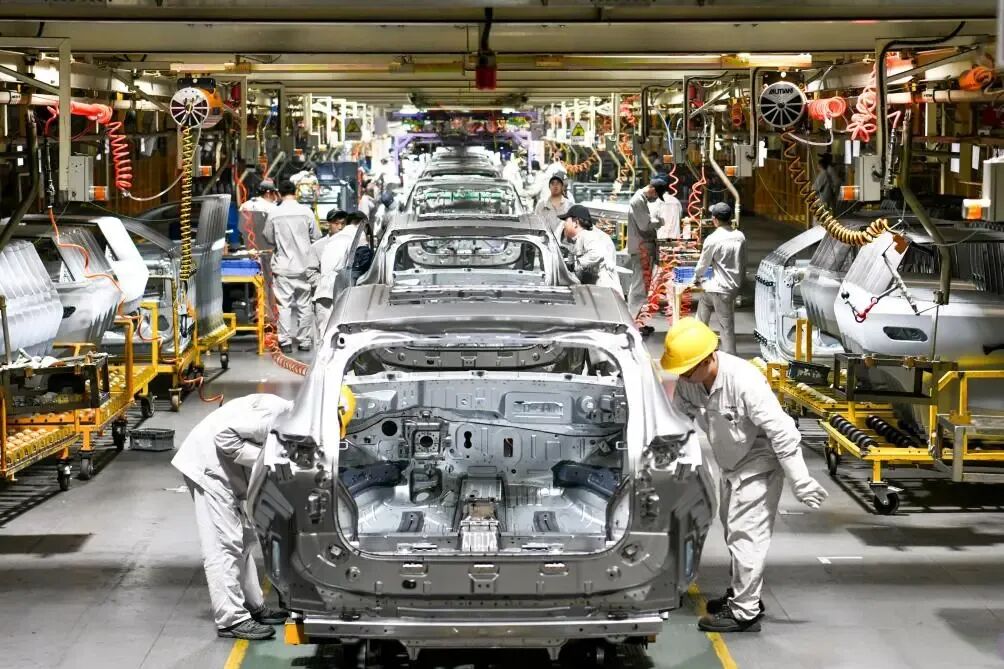
To seize more market share, automakers are not only engaging in price wars but also shortening vehicle development cycles and slashing research and development costs. This has led to the production of 'quickly-made cars' through cost-cutting measures, becoming a major trend in the domestic auto market in 2026. Fundamentally, the price war is the cause, and quickly-made cars are the effect, with an inevitable causal relationship between the two.
Of course, the negative impact of the auto market price war extends beyond quickly-made cars. In the long run, it is detrimental to automotive parts suppliers, car dealers, and consumers nationwide.
Therefore, in summary, it is truly urgent to halt the price war in the auto market as soon as possible and steer the automotive industry towards a path of healthy and sustainable development.
Copyright Notice: This article is original to CheKuaiping. Reproduction requires permission. Unauthorized reproduction and any form of plagiarism or misappropriation of text or images will result in legal action. Some article images are sourced from the internet, with copyright belonging to the original authors. If your work is used, please contact us for royalties or removal.
-
![]()
Anthropic Also Eyes Cloud Provider Partnerships
-
![]()
Can the ZON 09, Priced from 169,900 Yuan, Strike a Balance Among Model 3, Xiaomi SU7, and Itself?
-
![]()
What's Ailing XPENG?
-
![]()
From Recommendation to Mandatory: The Countdown Begins for C-V2X's 'Birth Certificate'
-
![]()
The Auto Market Price War: A Call for an Immediate Halt
-
![]()
A Century-First: Audi Unveils Dual-Brand Strategy, with Chinese Tech Pioneering Its Future
-
![]()
Chery Sets Sights on North American Market
-
![]()
A Staggering 4 Billion 'Deficit' Looms Large: Haima Automobile Faces Severe Challenges in Q3