Bizarre! After AITO's "In-Car Toilet" Patent, Deepal's "In-Car Foot Bath" Patent Exposed
 11/02 2026
 525
When you're stuck in traffic and nature calls, there's a toilet hidden under the seat. On a long drive when your feet go numb, a foot-soak tub pulls out from under the front seat. Refrigerators, coffee machines, even shoe boxes in cars are no longer novel—but automakers have now moved the "bathroom" and the "foot bath room" directly into the cockpit.
October 30 news: According to public information from the China National Intellectual Property Administration, Deepal's invention patent titled "In-Car Foot Bath Device and Vehicle" (patent number CN122873858A) has been officially published. As soon as the news broke, the car enthusiast community exploded.
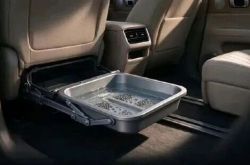
The design is quite clever. Simply put, it's a "foot basin + telescopic assembly" system: when not in use, the foot basin folds up and is entirely hidden in a reserved installation cavity in the vehicle body, occupying no cockpit aisle space and causing no conflict with the interior structure; when needed, the telescopic assembly pushes out and unfolds the foot basin. The basin bottom also features massage protrusions, so during parking, camping, or long-distance rest stops, passengers can soak their feet and enjoy foot care while sitting in the car.
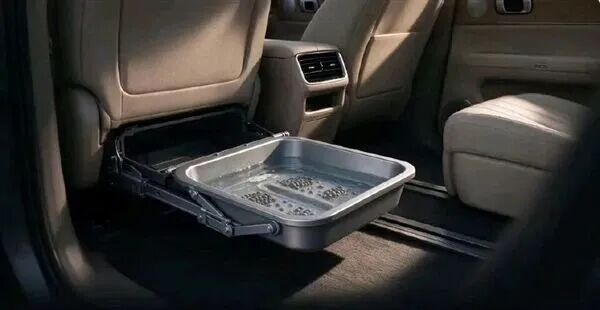 Image source: AI image, Weibo
Patent information shows a filing date of July 31, 2026, and a publication date of October 9, 2026.
Deepal stated its original intent in the abstract: during long rides, people's feet remain in a fixed posture for extended periods and are prone to soreness and fatigue. This device is designed to meet in-car foot care needs without occupying cockpit space.

 Image source: Weibo
Moreover, Deepal also has a related in-car spray patent filed during the same period. Clearly, the brand is betting on in-car wellness and simple bathing, with its sights set on the self-driving camping crowd—selling the car as a true "mobile home."
Foot Basin or Toilet? The New Battleground of Cockpit Involution
After the news spread, the comments section immediately polarized.
Camping enthusiasts got excited first: pull over during a long drive, recline on a zero-gravity seat and soak your feet—the car instantly turns into a mobile SPA room. "Isn't this the retirement life I've always wanted?" Some netizens were already imagining it, and some even mapped out the product line for Deepal—suggesting adding an in-car aromatherapy diffuser for a sense of ritual after soaking feet. Others immediately poured cold water: "One hard brake and the foot bath water spills all over the carpet. Delightful." Water storage, leakage during bumps, moisture and mold prevention, cleaning and maintenance—these practical issues are all there, and both safety and practicality have to be questioned.


Image source: Weibo
Some media called Deepal customer service as a user, and the response was: at present, relevant information about the patent has not been verified, and everything is subject to official follow-up notices. So it must be made clear: patent publication ≠ confirmed mass production and installation on vehicles. This is only a technical solution disclosure and does not mean it will definitely be installed. The official side has not revealed a single word about when it will be installed or on which model.
And this design easily reminds people of the previously viral Seres AITO in-car toilet patent.
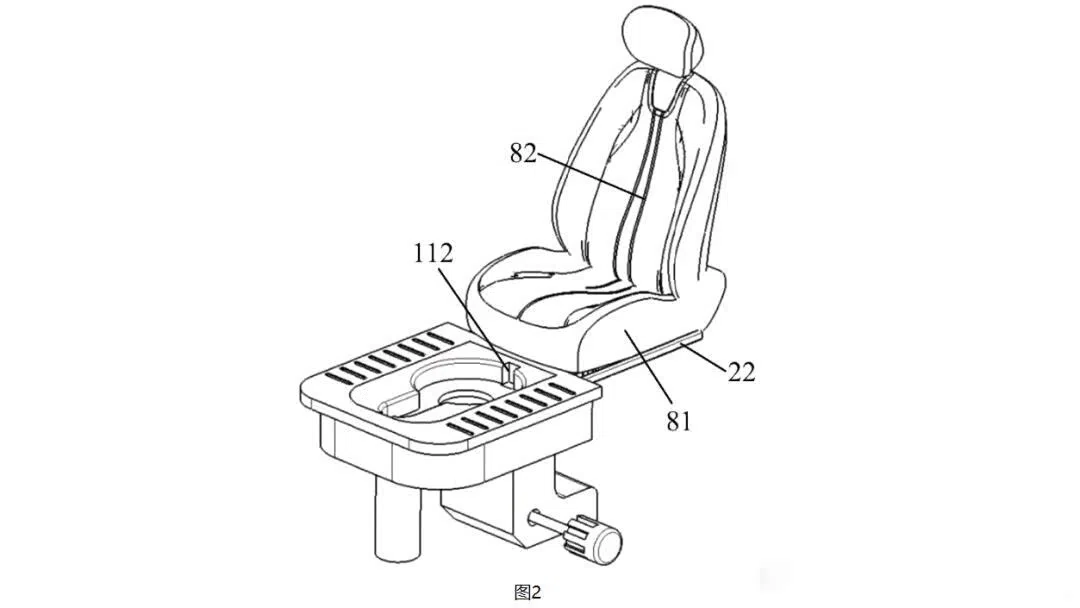 Image source: China National Patent Office
It also targets the pain point of nature calls on long trips and in traffic jams, and also hides sanitary facilities under the seat. The Seres system uses drawer-style slide rails, which can be pulled out manually or summoned by voice. The patent includes an exhaust fan to vent odors, as well as heating elements to dry waste and evaporate liquids, with excrement collected in a detachable water tank for manual cleaning. Compared with Polestones Automobile's simple solution of adding a plastic toilet seat in the armrest storage compartment, Seres' version is much more complete.
One handles "nature calls," the other handles "tired feet." The two imaginative patents were exposed one after another, making many people sense something: today's cockpit is no longer an era of competing over large screens and sofas. After refrigerators, color TVs, and big sofas have been fully competed over, automakers are starting to dig into more personal and lifestyle-oriented scenarios. In-car sanitary facilities and in-car wellness may well be the next differentiated track.
Automakers' "Bizarre Patents" Get More Imaginative One After Another
In fact, it's not just Deepal and Seres. Looking through automakers' patent lists, the wildly imaginative solutions are enough to make you laugh for a while.
On the domestic side:
Chery has published a separated ejection cockpit patent—in a collision, the cockpit can decouple and separate from the chassis, ejecting the occupant out, bringing fighter jet escape thinking into civilian vehicles. Netizens joked that "what the steering wheel takes away is not just your life";
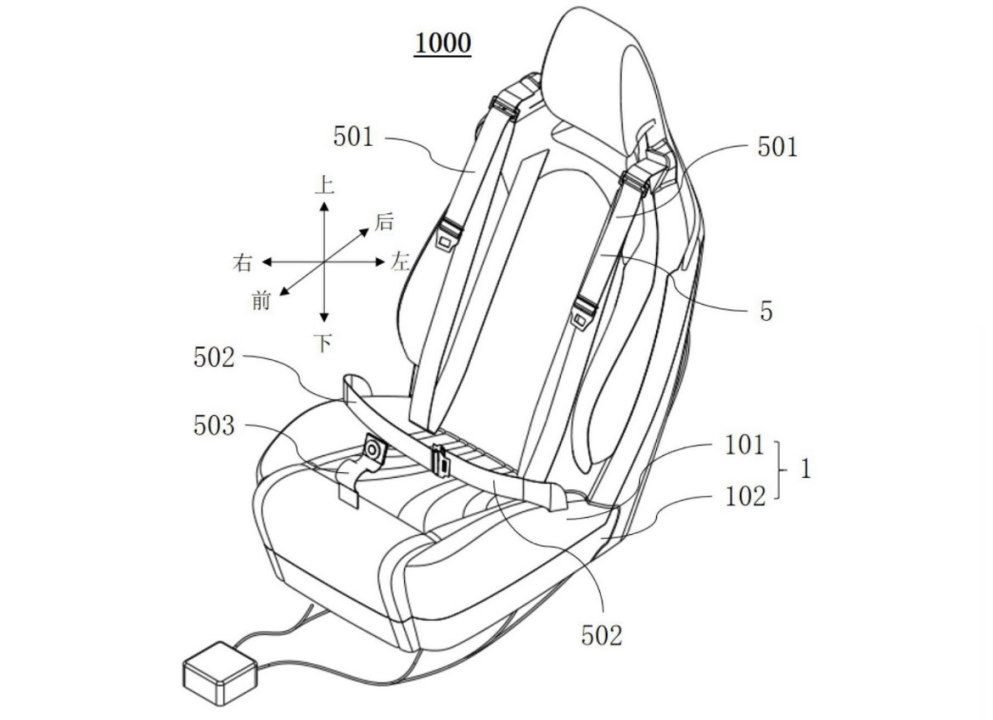 Image source: China National Patent Office
NIO has worked on a magnetic battery swap patent, breaking away from traditional mechanical locking and using a dual structure of permanent magnet attraction + mechanical locking for automatic alignment, simplifying battery swap station structure and reducing failure rates;
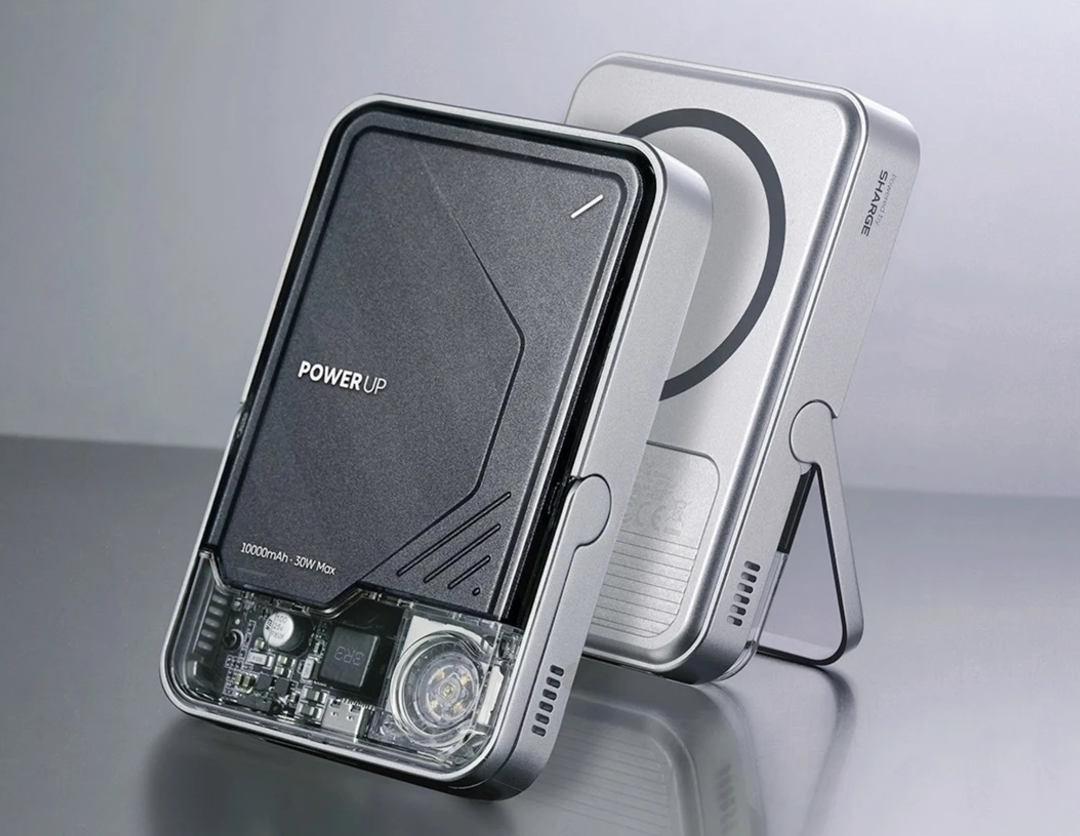 Image source: Weibo
BYD has a transparent hood patent, using chassis cameras to project road images onto the central control screen or HUD, giving off-road players a "god view," which has now been implemented in Yangwang models;
 Image source: Weibo
Geely and Zeekr have worked on an in-car fishing system, with radar detecting fish schools and automatic reminders when fish bite;
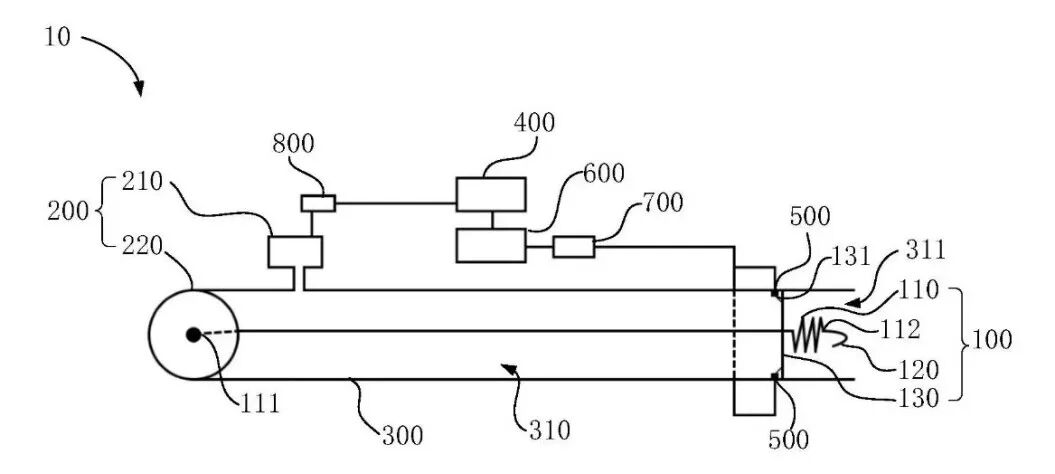 Image source: China National Patent Office
IM Motors' in-car plant care system uses air-conditioning condensate to automatically water plants, growing a mini botanical garden in the car;
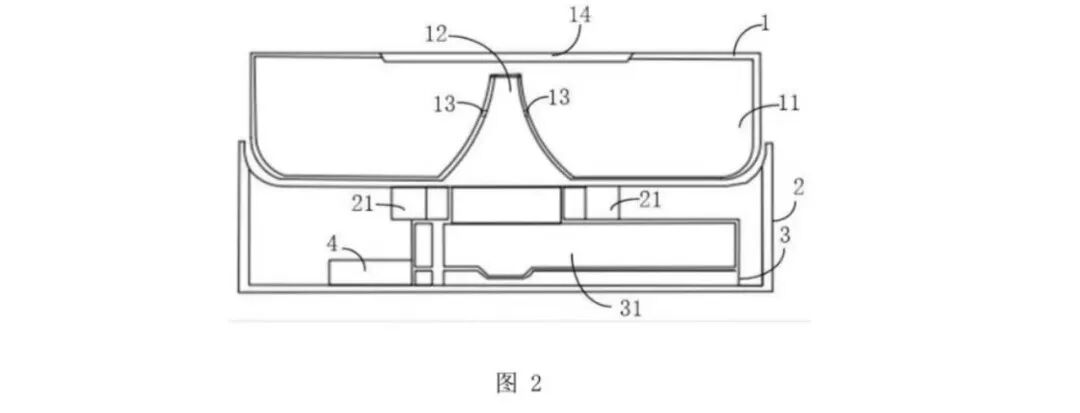 Image source: China National Patent Office
Overseas automakers are even more creative.
Audi, together with Holoride, has worked on a linked VR seat patent, where the seat tilts and vibrates in sync with the images, combined with vehicle sensor data to eliminate dizziness, turning traffic jams directly into a 5D cinema;
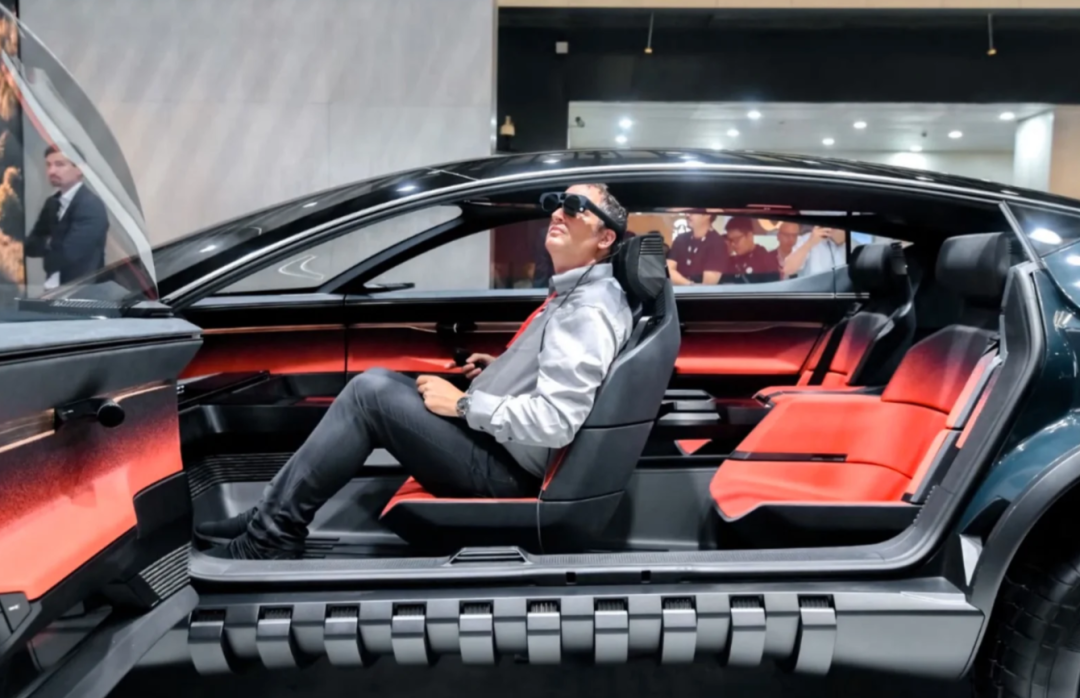
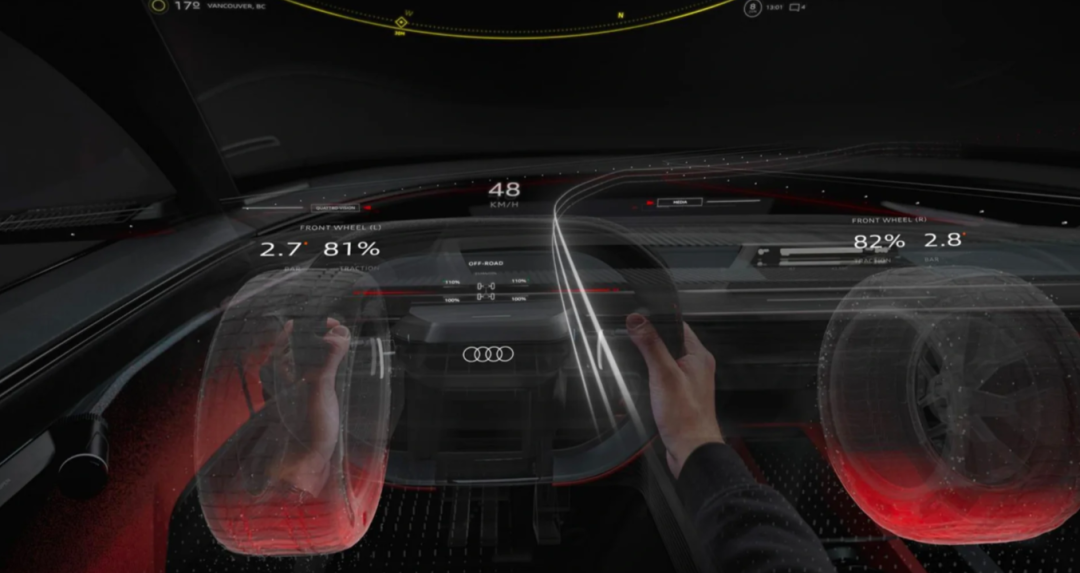 Image source: Weibo
Toyota has applied for a "passenger toilet desire estimation system," using seat sensors and heart rate monitoring to analyze body signals and automatically plan the nearest restroom route. There is even a "toilet desire value" progress bar on the central control screen;
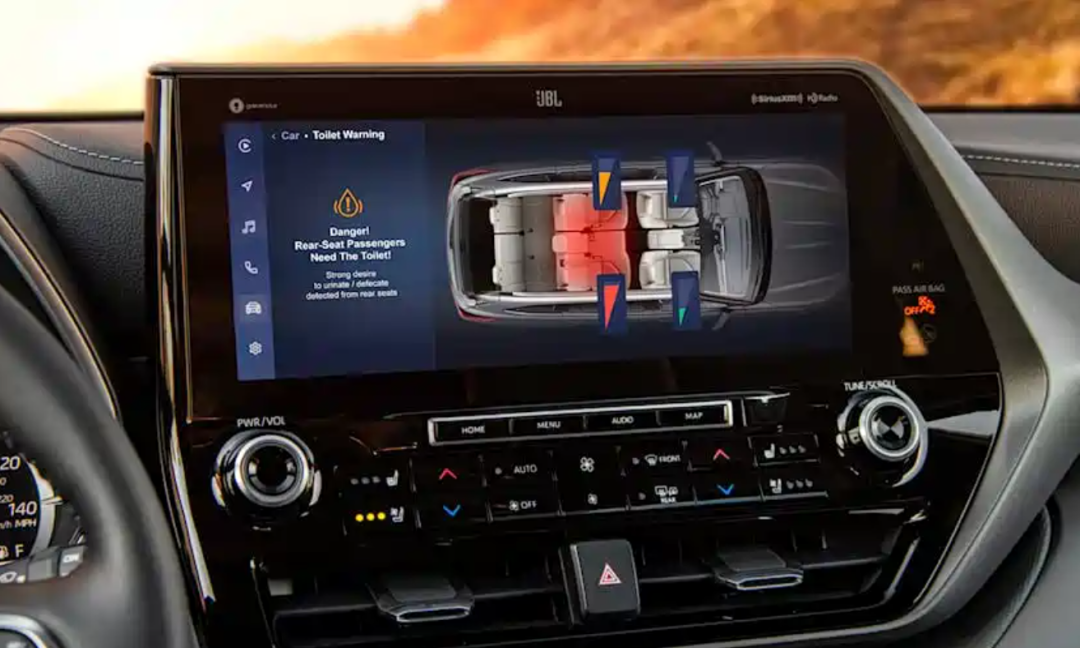
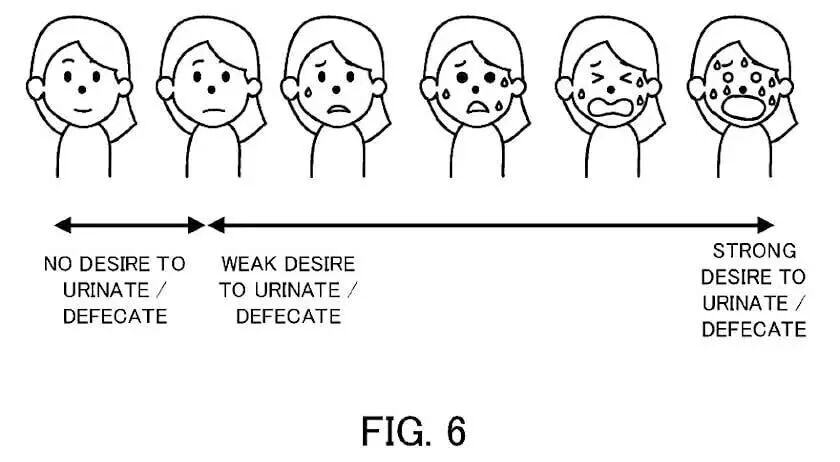 Image source: Weibo
GM has designed a folding pet crate integrated into the rear seat, leaving a dedicated space for people who travel with pets. When not in use, it folds away and looks no different from a normal seat.
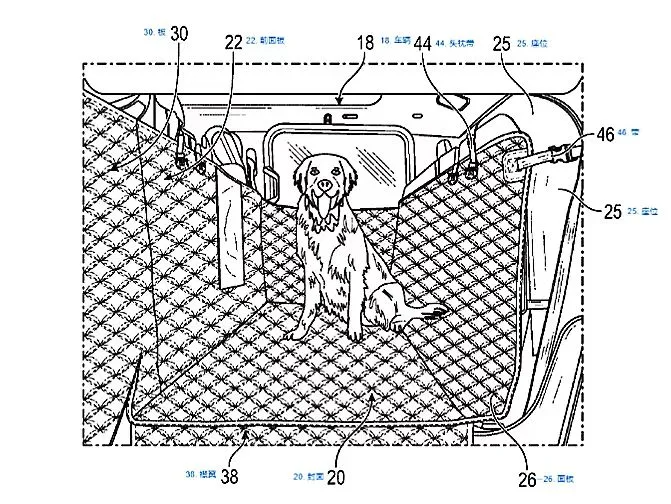
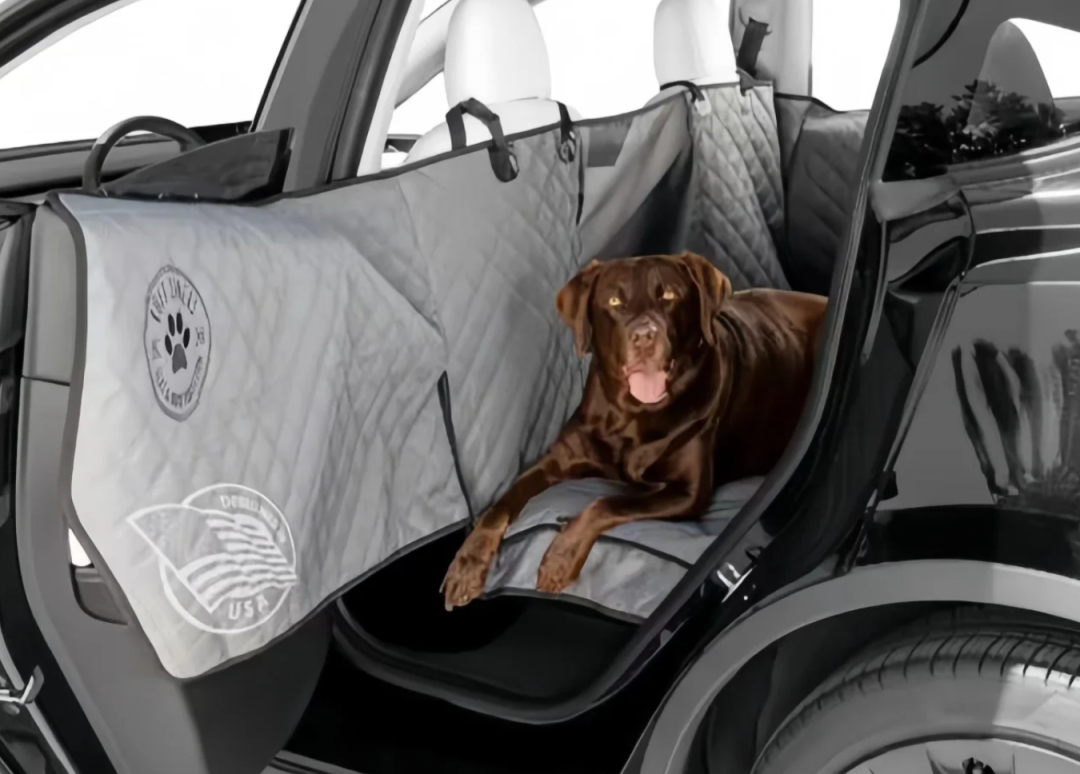 Image source: Weibo
Looking even further out:
Meizu's in-car mosquito repellent patent uses visual and acoustic recognition to distinguish blood-sucking female mosquitoes and then precisely repel them, jokingly called by netizens "using an anti-aircraft gun to shoot mosquitoes";
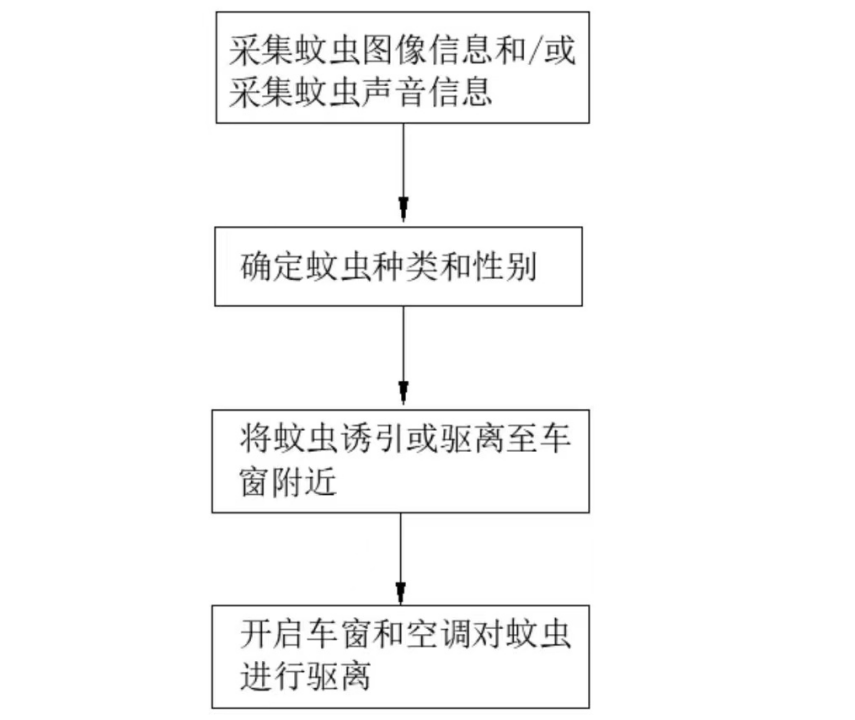 Image source: China National Patent Office
Geely/Huawei have also applied for a folding steering wheel patent for advanced autonomous driving. When not in use, the steering wheel retracts entirely into the dashboard, and the cabin directly becomes a mobile living room.
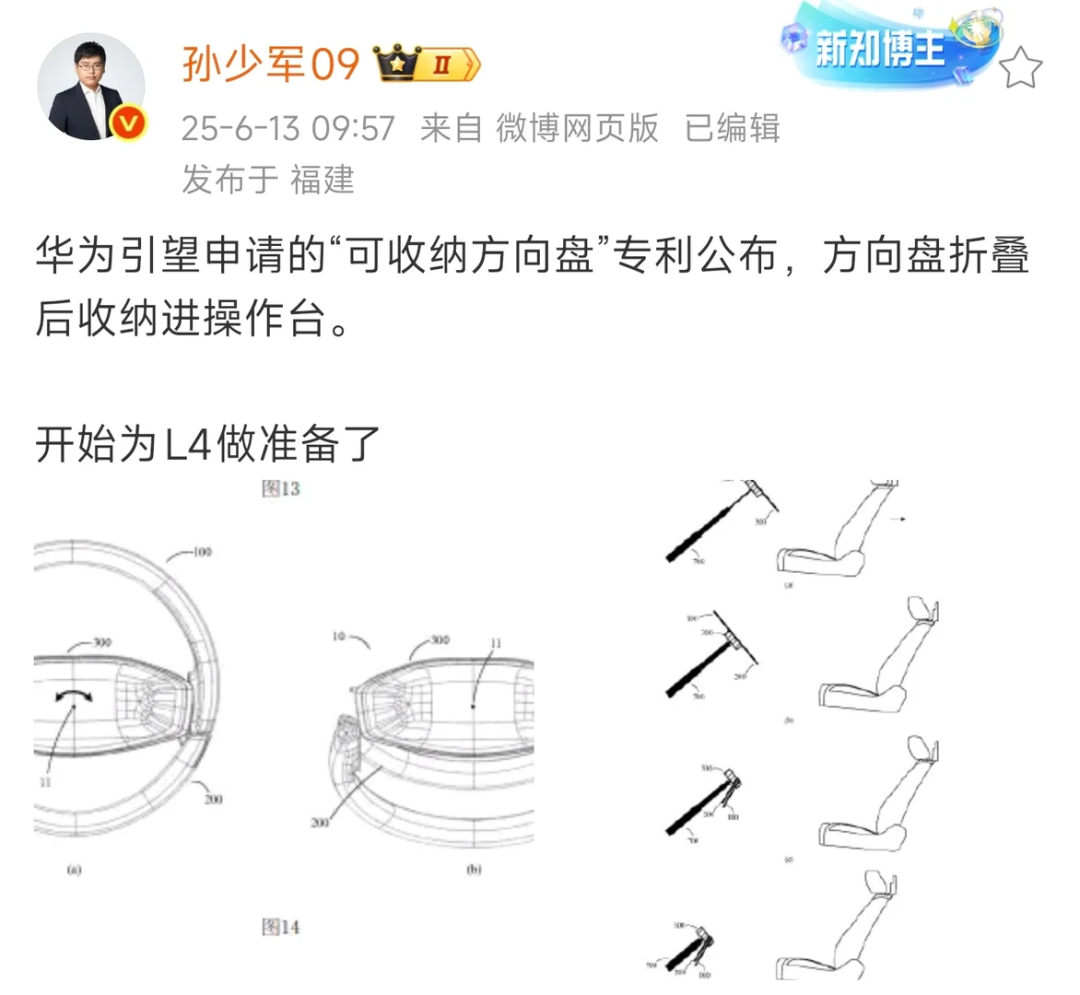
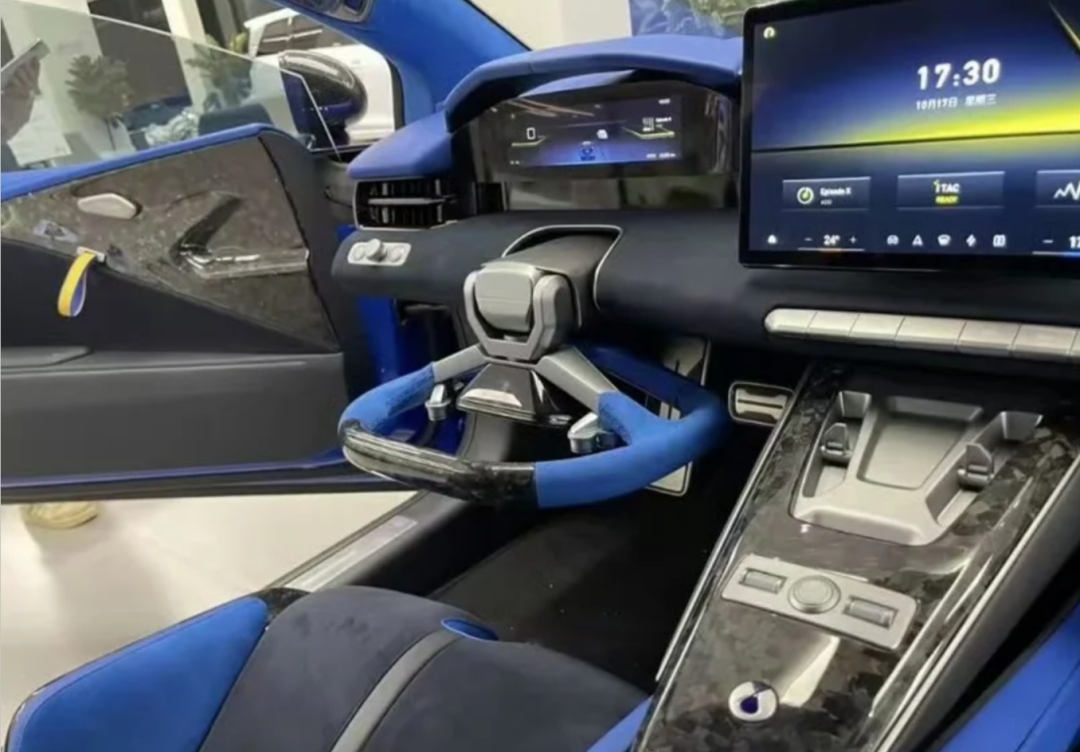 Image source: Weibo
Huawei has demonstrated a brainwave mind-control patent that collects brain signals to identify driving intentions;
NIO has applied overseas for a thermal runaway self-destruction patent. When the battery cannot be saved, the vehicle automatically drives to an open area to avoid catching fire among crowds;
Ford even wrote "vehicle recovery" into a patent. If overdue and not returned, it first turns off the air conditioning and radio, then lets the car drive itself back to the factory.
After reading this long list, I just want to say one thing: automakers' engineers truly have unlimited imaginations.
Why Are Automakers Keen on Applying for "Imaginative Patents"?
After seeing so many, people always ask: will these strange things actually be installed in cars in the end?
Most likely not. The vast majority remain only at the technology reserve stage, quietly lying in patent databases.
But automakers still enjoy it, and behind this there are actually three calculations.
The first is defensive layout. Patent wars are an invisible battlefield in business warfare. Even if there is no mass production in the short term, registering the technical route first builds an intellectual property moat and blocks possible paths, avoiding being choked by competitors in the future.
The second is showing off technological muscle. Mosquito recognition, brain-computer interaction, precise sensing—they look like fun, but at the bottom they all rely on algorithms, perception, and computing power. Being able to handle extremely complex scenarios naturally means a crushing advantage in ordinary driving, and this also serves as a business card to the market and capital.
The third is competing for the right to define future lifestyles. Cars are changing from transportation tools into mobile intelligent spaces. Camping, rest, and wellness—everyone is betting on where the "next scenario that moves consumers" is, and occupying the concept first never hurts.
Conclusion
Whether it is an in-car foot bath or an in-car toilet, both are still at the drawing and proposal stage.
The involution of automobiles has rolled all the way from range and smart driving to the daily necessities inside the cockpit. After refrigerators and coffee machines gradually become popular, configurations like foot-soak tubs and toilets that seem out of place being written into patent lists no longer seem so hard to understand.
Of course, patent implementation always has to cross hurdles such as practicality, cost, safety, and cleaning and maintenance. Today's eye-catching ideas may forever remain a piece of paper in the patent library; but who dares to guarantee that a few years from now, soaking feet on a road trip and calmly solving nature calls in traffic will not really become standard features on new cars?
Interactive topic: In-car foot soak tubs and in-car toilets—do you stand with practical black technology or pure gimmick? If you were buying a car, would you pay for such cockpit wellness configurations?
Disclaimer: This article is solely a commentary on major corporations' finances and does not constitute any investment advice. The corporate data and regulatory events mentioned herein are all sourced from public information and are for reference only; please refer to official releases for specifics. Images are sourced from the internet; if there is any copyright issue, please contact us for removal.
-
AI Enters the Deep Water Zone: The Logical Shift from Parameter Competition to Industry Integration
-
![]()
Inside Tesla's Cybercab "Unboxed" Approach: A New Manufacturing Logic for L4 Robotaxis, Working Backward from Production to Design
-
![]()
The Era of Rising Memory Prices: The "Sea of Phones" Strategy Recedes
-
![]()
Over 50,000! Xiaomi Auto's October Report Is Here — but the Annual Target Is Now Out of Reach
-
![]()
Xiaomi Pengcheng Seats Criticized for "Cheap Feel" as Bloggers Analyze Multiple Small Issues
-
![]()
Bizarre! After AITO's "In-Car Toilet" Patent, Deepal's "In-Car Foot Bath" Patent Exposed
-
![]()
Li Kaifu Scores Another Big Win? 01.AI Secures Hundreds of Millions in Investment from Two Levels of State-Owned Capital as Pre-IPO Strategy Accelerates
-
![]()
Fengshou Capital's Li Feng: The Hotter AI Gets, the More We Must Separate the Technology Cycle from the Capital Cycle