Xiaomi Pengcheng Seats Criticized for "Cheap Feel" as Bloggers Analyze Multiple Small Issues
 11/02 2026
 479
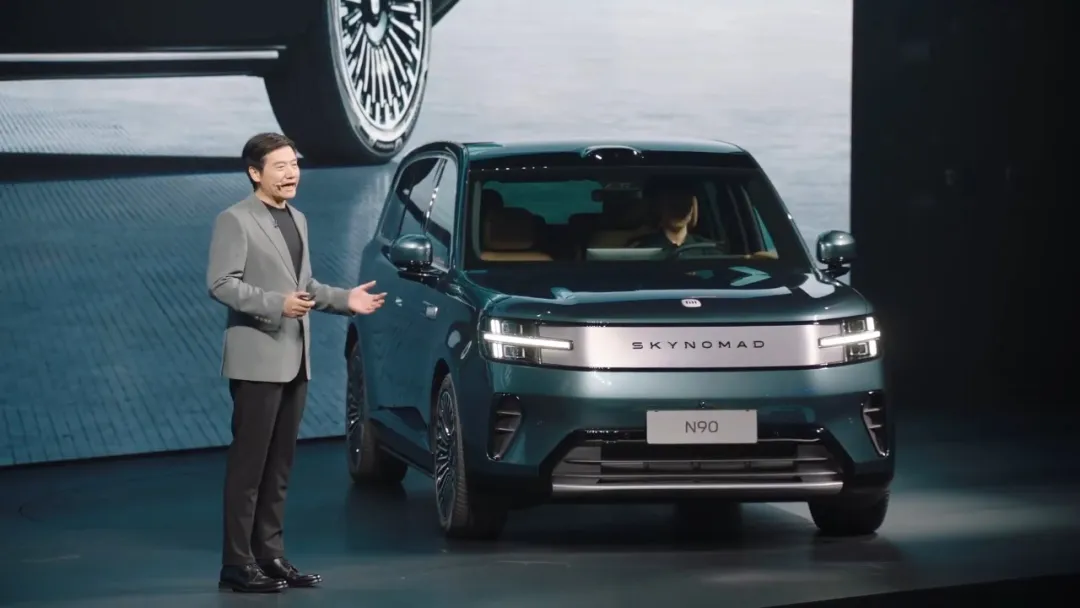 Image source: Weibo
The Pengcheng N90 Max, starting at 269,900 yuan, has been in the spotlight ever since its launch. As the flagship model of Xiaomi Pengcheng's 9-series SUVs, its most talked-about selling point is the free front-row rotating seats, built around the in-car "living room" concept.
However, recently many automotive bloggers have reported various complaints after taking delivery and conducting real-world tests. The mutually exclusive seat configurations and the removal of a wireless charging pad give off a strong "cheap feel," and these issues have been repeatedly discussed.
01 Rotating seats and zero-gravity seats: can you only choose one?
The controversy first erupted over the seats.
According to official policy, the Pengcheng N90's front-row rotating seats can be selected for free, and they are the core of the living room mode. But a blogger's real-world test uncovered a very real pitfall: as long as you choose this free rotating seat package, the front passenger seat directly loses its front cushion tilt, and the power lumbar support also disappears.
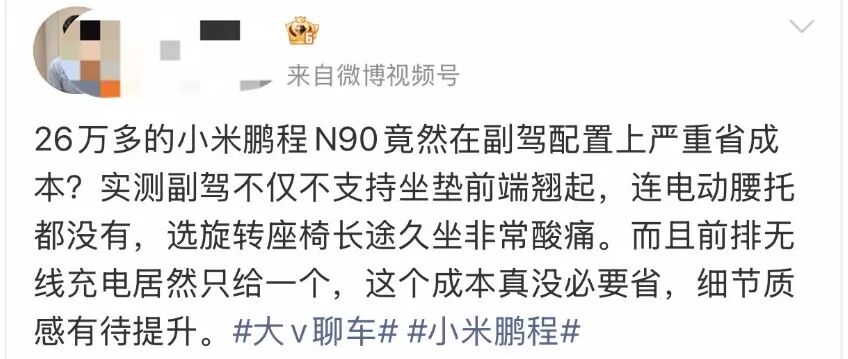 Image source: Weibo
Anyone who frequently drives long distances knows that lumbar support and cushion tilt are no gimmicks; over long periods of sitting, the difference in lower back fatigue with or without these two features is significant.
If you want to get the comfort features back, the solution is simple: pay 3,000 yuan more to upgrade to front-row zero-gravity seats. But there is a hard threshold here—rotating seats and front-row zero-gravity seats cannot be had at the same time; you can only choose one.
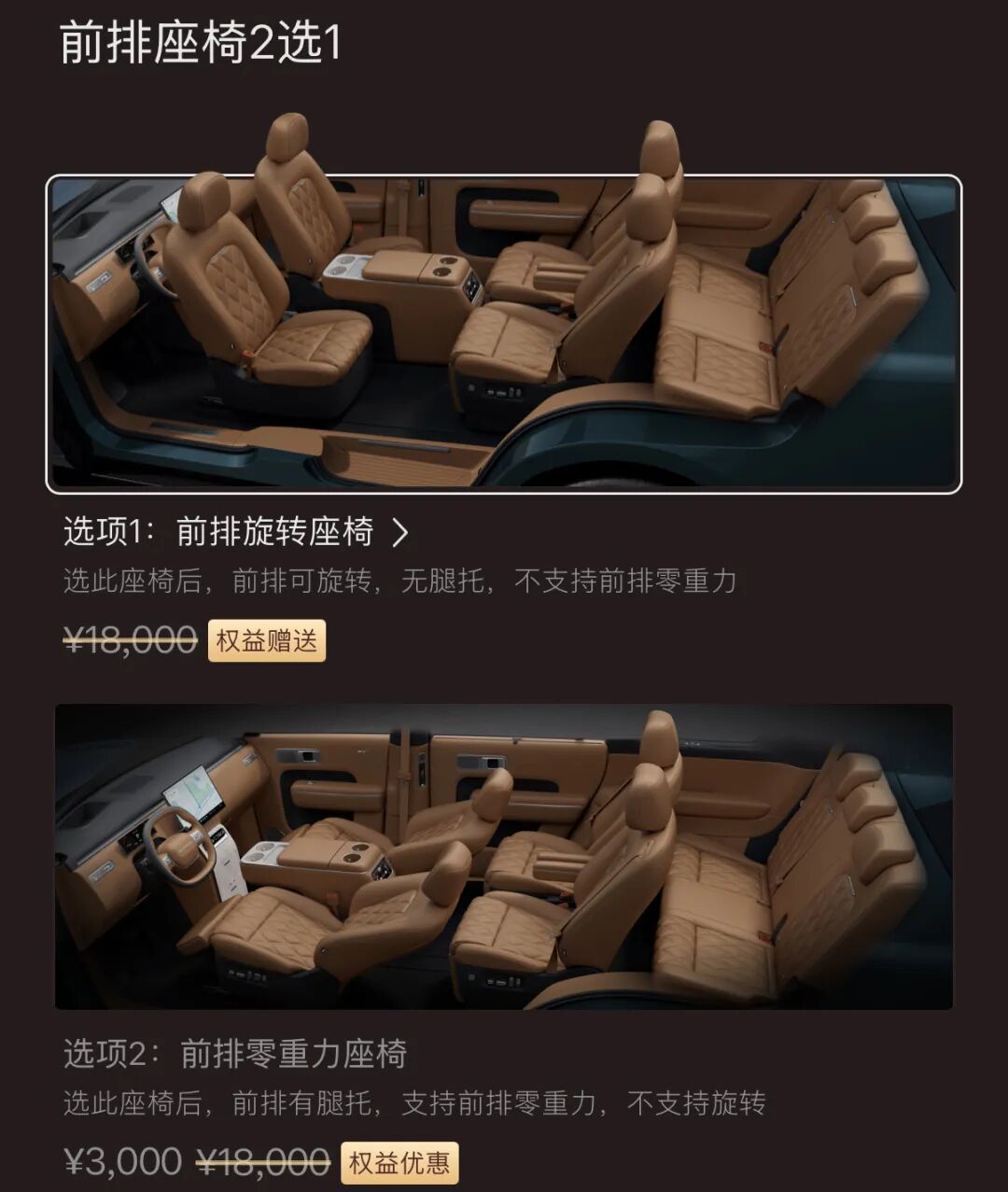
Image source: Xiaomi Auto APP
On one side is the 180-degree rotating living room that is free to use and full of atmosphere; on the other is the zero-gravity seat that costs extra and focuses on long-distance comfort. Most prospective owners drawn by the living room will directly choose the free rotating seats, and this comfort shortcoming is thus directly exposed to a large number of users.
Some may ask, don't other cars offer both rotating and zero-gravity seats together?
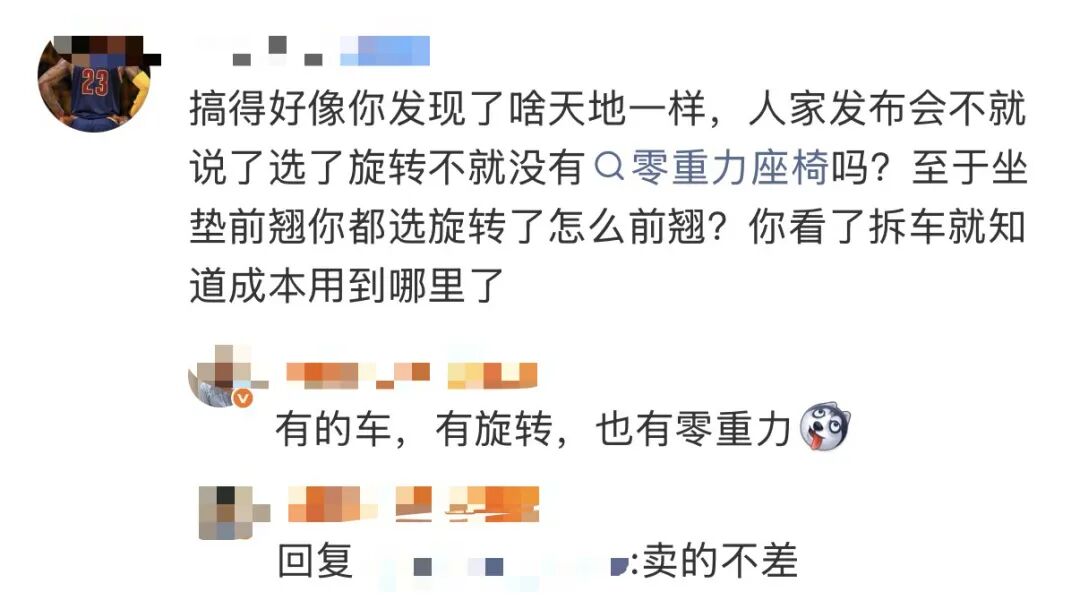
Image source: Weibo
After checking around, the Zeekr 009, Luxeed V9, and Leapmotor D99 can indeed do it, but those functions are all placed in the second row. The front row's situation is completely different: it is crowded with the instrument panel, steering mechanism, and firewall, and must also withstand stringent crash safety requirements, so space and mechanical structure constraints are much greater than in the second row. Perhaps precisely for this reason, Xiaomi Pengcheng had to split the two popular features.
In the same real-world test, the blogger also complained about another small matter: the Pengcheng N90 front row has only one wireless charging pad.
Looking at the hardware alone, an extra wireless charging pad costs only one or two hundred yuan in materials. On a flagship SUV priced close to 300,000 yuan, many people think there is no need to skimp on this.
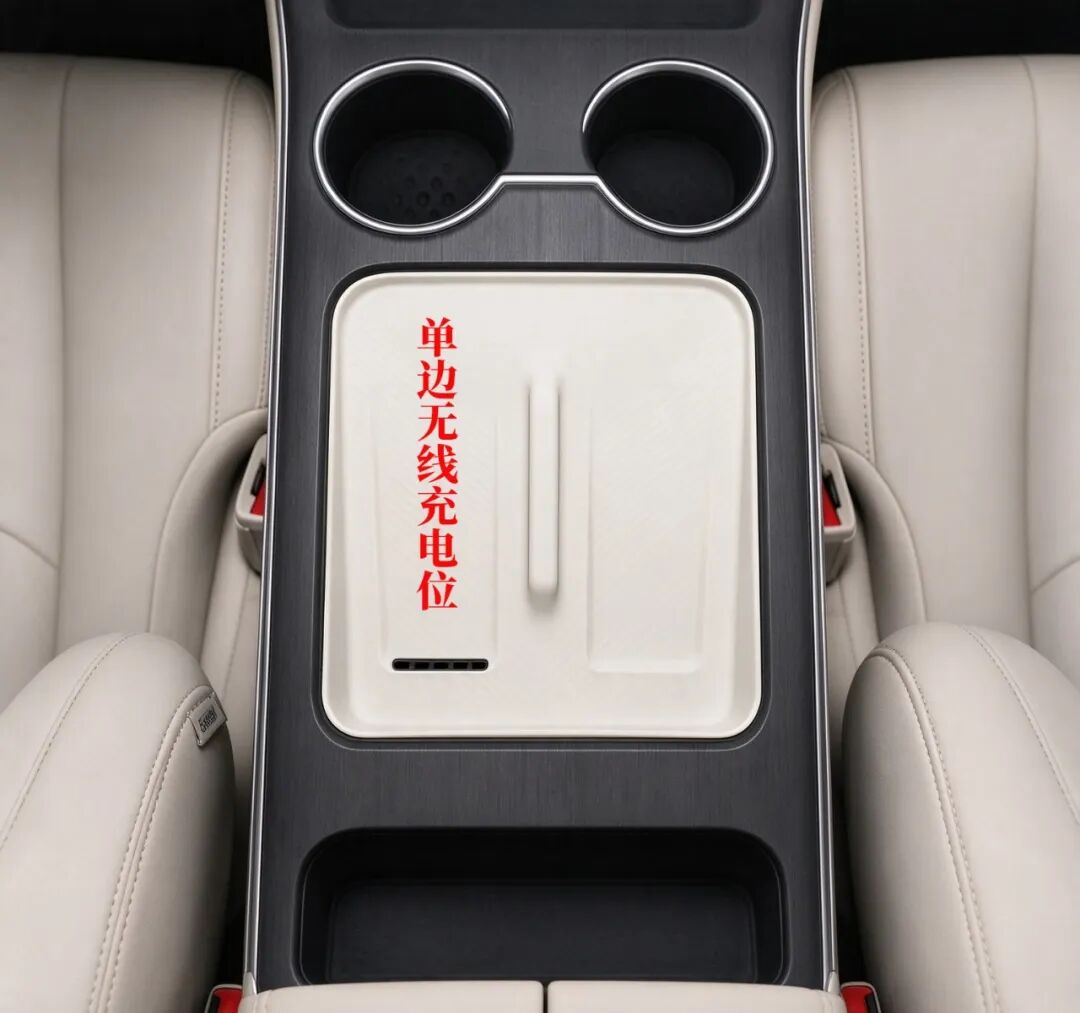
Image source: Weibo
But automakers never calculate costs on a per-vehicle basis. At mass-production scale, the numbers multiply. A simple calculation: if this model sells 20,000 units a month, spending 100 yuan more per vehicle means an extra 2 million yuan a month, and over time that adds up to a considerable sum. Every addition or removal of a feature is essentially the product team repeatedly weighing user needs against cost ceilings.
Interestingly, the "cheap feel" controversy is completely different in tone from previous evaluations in the teardown community.
Blogger Lao Zhang self-funded a live teardown of the Pengcheng N90 and updated it for several episodes, laying bare the chassis, body structure, interior base materials, and wiring harness protection for everyone to see. Even Lei Jun watched the videos, liked and reposted them, and said the explanations were easy to understand.
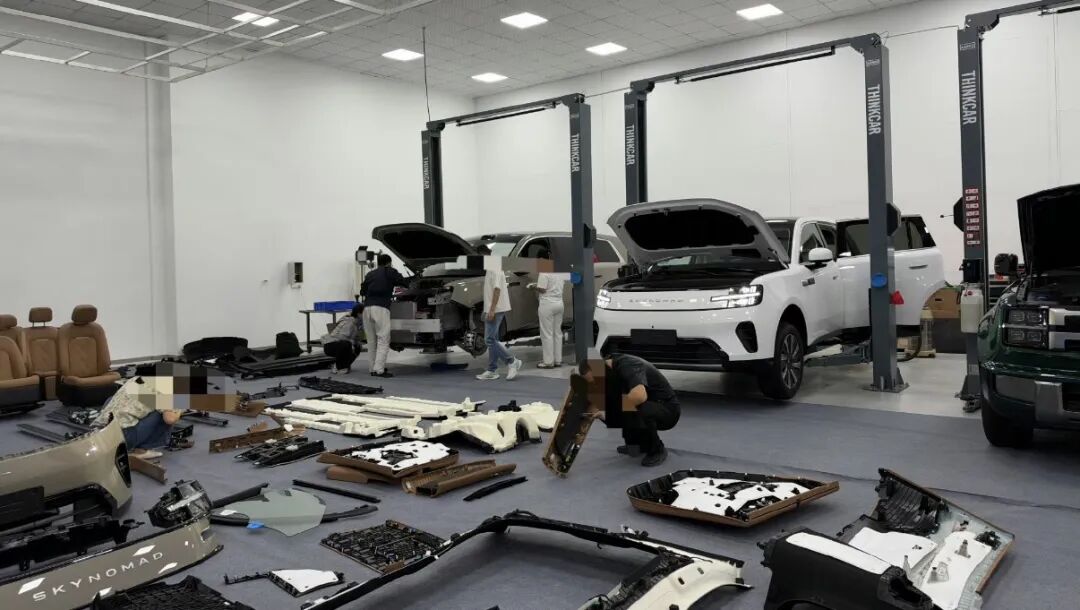
Image source: Weibo
From the teardown perspective, the Pengcheng N90's steel, crash structures, sound insulation, and wiring harness protection are all quite solid, and in many places it reaches the level of high-end cars, with no obvious corner-cutting in places you cannot see.
On one side are the configuration trade-offs you can directly feel when sitting in it; on the other are the solid engineering materials hidden beneath the shell. The same car receives polarized evaluations, and the root cause is that people are using different yardsticks.
02 Supply chain pricing theory vs. teardown real-world tests: completely different evaluation yardsticks
Earlier, a statement by former Meizu executive Li Nan directly pushed discussion of the Pengcheng N90 to a fever pitch.
He raised a highly controversial viewpoint: the Pengcheng N90 is essentially a 200,000-yuan-class product sold at close to 300,000 yuan, which counts as Xiaomi's "trap." In his view, this supply chain solution, if used by other brands, would mostly be applied to 200,000-yuan-class volume models, and the cost floor could even reach the 190,000-yuan range. He also said that a large amount of online content praising the Pengcheng's premium feel is a bit like desperately emphasizing whatever one lacks. Of course, he also acknowledged that the car is large enough, has flexible space usage, takes a cost-effective supply chain route, and has a relatively accessible entry threshold.
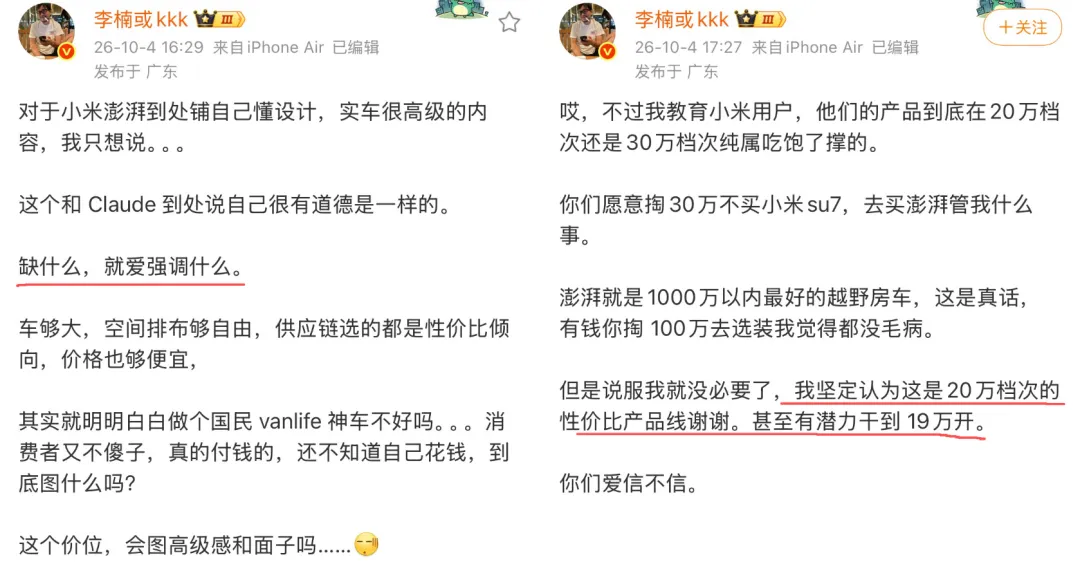 Image source: Weibo
As soon as these words came out, the automotive circle erupted in debate.
Some netizens felt he was right, comparing the Pengcheng to the "Redmi" of Xiaomi cars, positioned below the SU7 and YU7, so a lower tier of materials and configuration is only natural.
Many netizens strongly agreed, with sharp comments: "Li Nan is still someone who dares to tell the truth. That Pengcheng car looks like a Zeekr 900 from afar, but up close it has the texture of a Wuling Hongguang, giving off a cheap vibe." Some netizens even said bluntly, "The materials are not as good as a Wuling Hongguang; it's industrial garbage even worse than a Wuling," and "Most of the suppliers Xiaomi uses are second-rate."
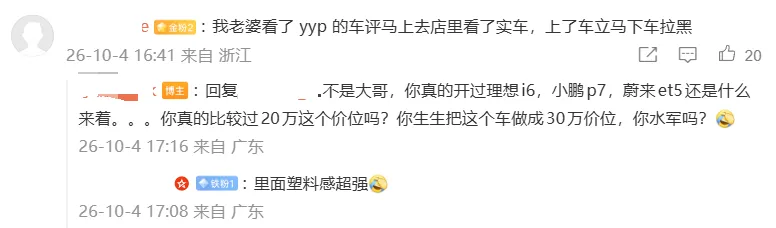


 Image source: Weibo
Another group of netizens said bluntly that this is just clout-chasing, and directly brought up Lao Zhang's teardown videos to argue back: the body structure and material specifications are right there, and you cannot crudely price the whole vehicle based solely on component procurement costs.
To put it plainly, Li Nan is judging from the perspective of individual component costs; the teardown blogger is looking at whole-vehicle integration, safety structures, and craftsmanship protection. With different rulers, the conclusions naturally differ wildly.
Of course, Li Nan did not completely deny the product. He objectively acknowledged that the Pengcheng N90 is large enough, has flexible interior space, and its supply chain focuses on cost-effectiveness, so the entry threshold is indeed accessible; it is just that the pricing is too outrageous.
03 A batch of minor issues emerges, mostly trade-offs between cost and experience
In addition to the big debates over seats and pricing, many bloggers who took delivery also compiled a bunch of small problems encountered in daily use. They are not fatal flaws, but they genuinely affect the experience.
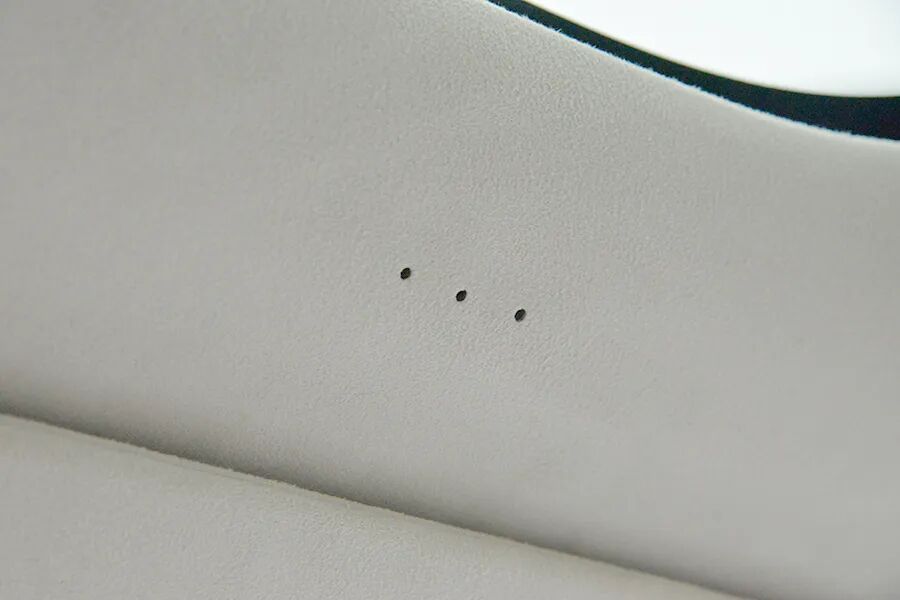
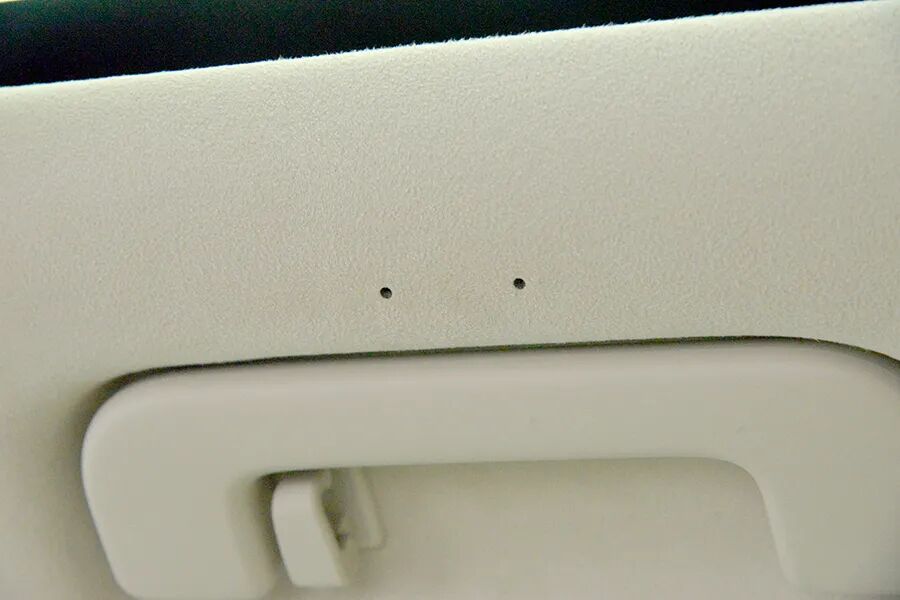
Headliner microphone openings
Many models hide these or add decorative covers for the sake of appearance. On the Pengcheng N90, the headliner microphone openings are simply drilled holes, a few bare holes that look rather sloppy.

Center console resonance and high-speed rattling
When the range extender starts, the center console tends to resonate and vibrate; at high speeds, there is also an occasional "tick-tick-tick" rattling. The blogger drove the car to the Xiaomi Pengcheng Shunyi service center for inspection, and the technician searched for a long time without finding the problem, only for the rattling to reappear on the way back. It is a headache-inducing intermittent fault.
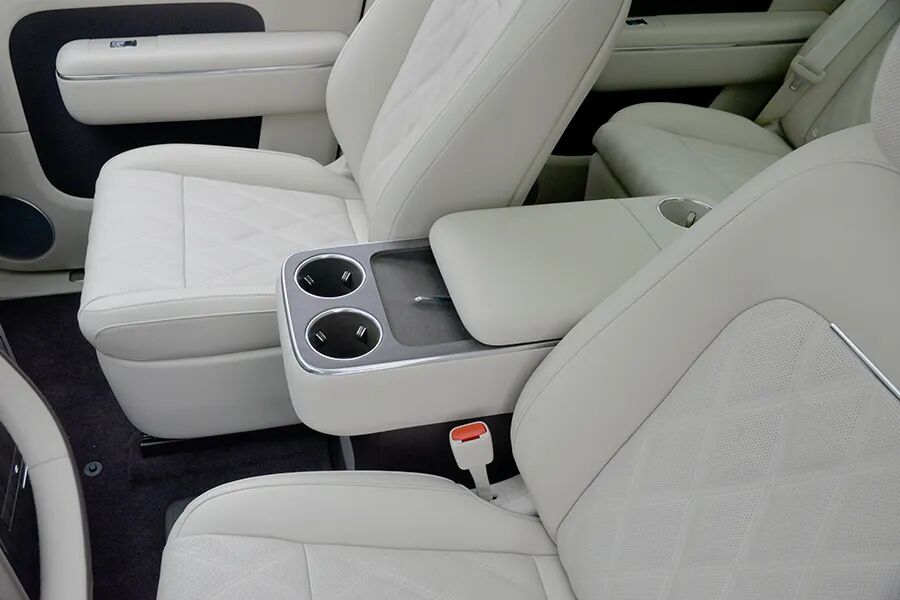
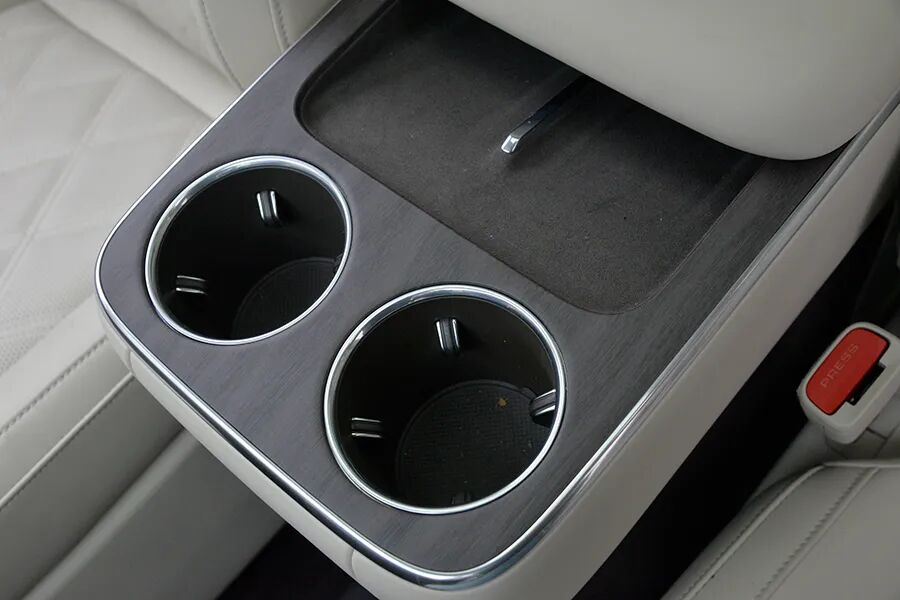
Image source: Weibo
Car refrigerator automatically locks at low battery
When the battery drops below 20%, the system directly forces the refrigerator to lock and the user cannot open it. Many owners complain that this design oversteps its role. Even if the range extender is running to generate power, the refrigerator shuts down as soon as the battery hits the threshold, greatly diminishing the experience during long-distance camping trips.

Image source: Weibo
Third-row seatbelt design limitations
The third-row seats support a large range of forward and backward sliding, but the seatbelt anchor points are placed on the D-pillar. Only when the seat is slid all the way back can you conveniently reach the seatbelt; after moving the seat forward to expand the trunk, buckling the seatbelt becomes very laborious.
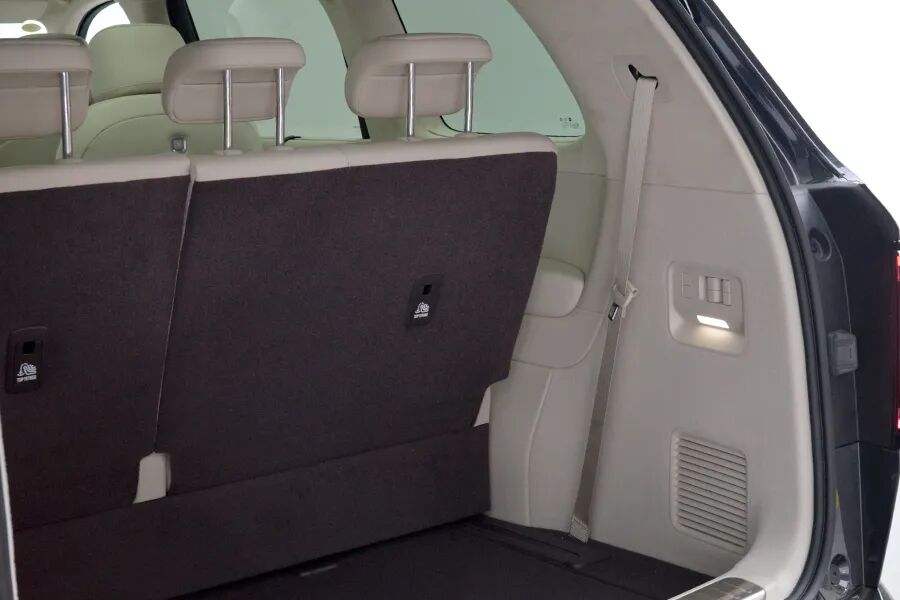
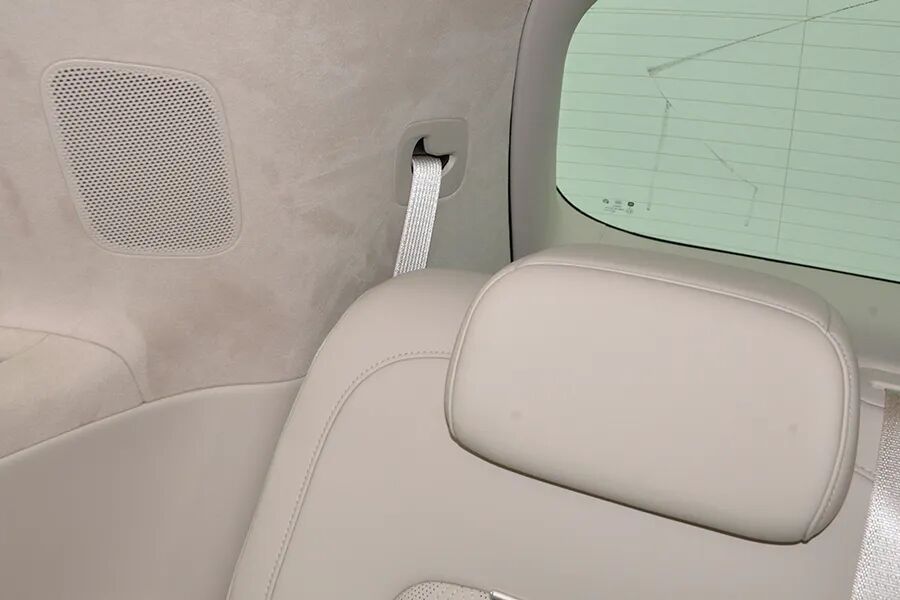
Image source: Weibo
There are mature solutions in the industry, fixing the seatbelt to the shoulder of the seatback, but the cost is a price increase. The seatbelt load is transferred to the seat, and the seat frame and floor connection structure must be reinforced, which is another cost—another multiple-choice question between experience and cost.
Hidden hazards of floor-embedded slide rails
The slide rails are sunk into the floor to achieve a flat floor and freely transformable space, but the open slots are exposed year-round. Anyone with children at home will know from experience that snack crumbs and small parts easily fall into the rail gaps. If a hard object gets stuck in there and you slide the seat without noticing, it can very likely scratch or deform the rails.
Adding covers to the slide rails? Then every time you adjust the seat you have to lift them open, making the space playing method directly more troublesome. At present, the more reliable solution is to wait for accessory merchants to release dedicated floor mats with openings reserved for the slide rails, balancing dust prevention and ease of adjustment.
The bloggers' consensus is actually quite unified: these are all minor problems that can be optimized, not devastating defects. Compared with its highlights in space, chassis, and body materials, they are merely flaws that do not obscure the merits, and there is room for improvement later, whether through OTA logic optimization or adjusting component craftsmanship.
There is no perfect car in the world. When automakers define products, they can only prioritize meeting the core needs of most people. If you want a free living room, you have to accept that the front passenger seat loses lumbar support and cushion adjustment; if you want comfortable zero-gravity seats, you have to pay more and give up the rotating function. If you value chassis safety materials, you have to tolerate some interior details and functional logic that are not thoughtful enough.
Friends who are ready to place an order must think it through based on their own vehicle usage scenarios. If you often take your family on long trips and the front passenger seat is occupied for long periods, the comfort of zero-gravity seats is more important; if you like camping and traveling with friends and enjoy experimenting with in-car scenarios, rotating seats offer more fun.
The debate about the Pengcheng N90 will not stop anytime soon. Some people are used to pricing cars based on supply chain costs, some focus on the chassis and safety materials, and more ordinary people only trust their real feelings when driving and sitting in the car.
A new energy vehicle is a major purchase that will stay with you for several years. Blogger reviews and opinions from industry leaders can only serve as references. Whether a car is truly good ultimately still has to be tested by the long-term real feedback of thousands of car owners.
Feel free to discuss: If you were choosing the Pengcheng N90, would you prioritize the free rotating seats, or pay extra for zero-gravity seats? When judging whether a car is good or bad, do you value supply chain costs more, or vehicle integration and the actual driving and riding experience?
Disclaimer: This article is provided solely as a financial commentary by a major manufacturer and should not be construed as investment advice. All corporate data and regulatory events referenced herein are drawn from publicly available information and are intended for reference purposes only; for specific details, please refer to official announcements. Images are sourced from the internet. If you believe there is a copyright issue, please contact us for removal.
-
AI Enters the Deep Water Zone: The Logical Shift from Parameter Competition to Industry Integration
-
![]()
Inside Tesla's Cybercab "Unboxed" Approach: A New Manufacturing Logic for L4 Robotaxis, Working Backward from Production to Design
-
![]()
The Era of Rising Memory Prices: The "Sea of Phones" Strategy Recedes
-
![]()
Over 50,000! Xiaomi Auto's October Report Is Here — but the Annual Target Is Now Out of Reach
-
![]()
Xiaomi Pengcheng Seats Criticized for "Cheap Feel" as Bloggers Analyze Multiple Small Issues
-
![]()
Bizarre! After AITO's "In-Car Toilet" Patent, Deepal's "In-Car Foot Bath" Patent Exposed
-
![]()
Li Kaifu Scores Another Big Win? 01.AI Secures Hundreds of Millions in Investment from Two Levels of State-Owned Capital as Pre-IPO Strategy Accelerates
-
![]()
Fengshou Capital's Li Feng: The Hotter AI Gets, the More We Must Separate the Technology Cycle from the Capital Cycle