U.S. Moves to "Permanently Ban" Chinese Cars — and It Reeks of Fear
 11/06 2026
 375
Fear is written all over their faces.
Scared, aren't you?
The U.S. auto industry has fear written all over its face.
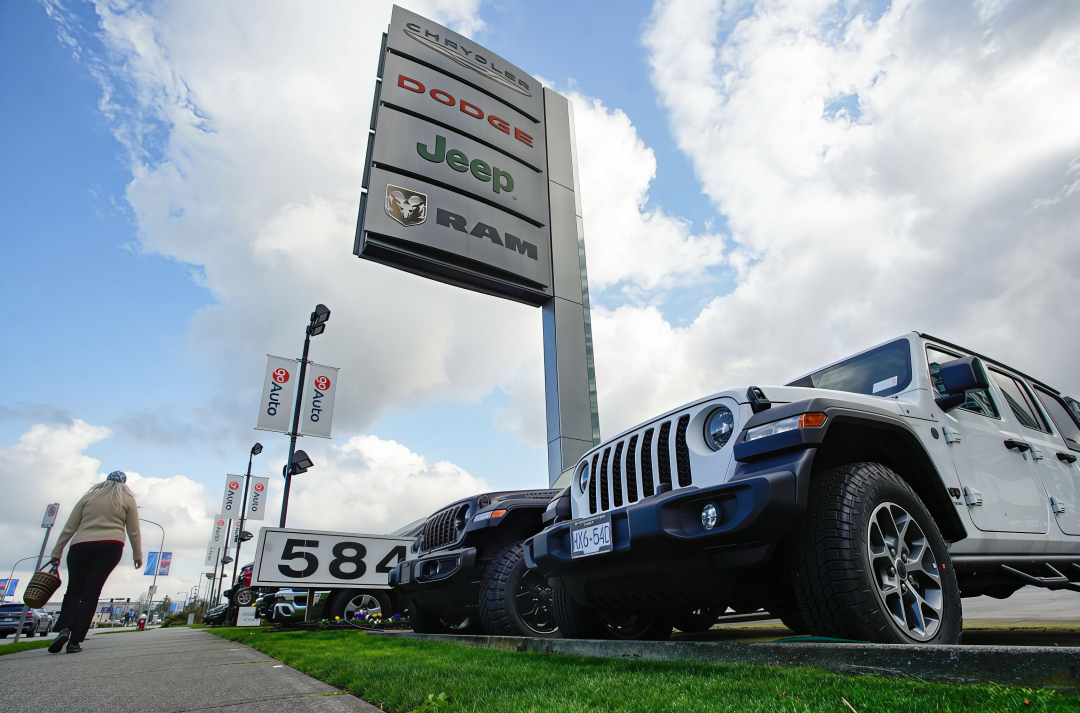
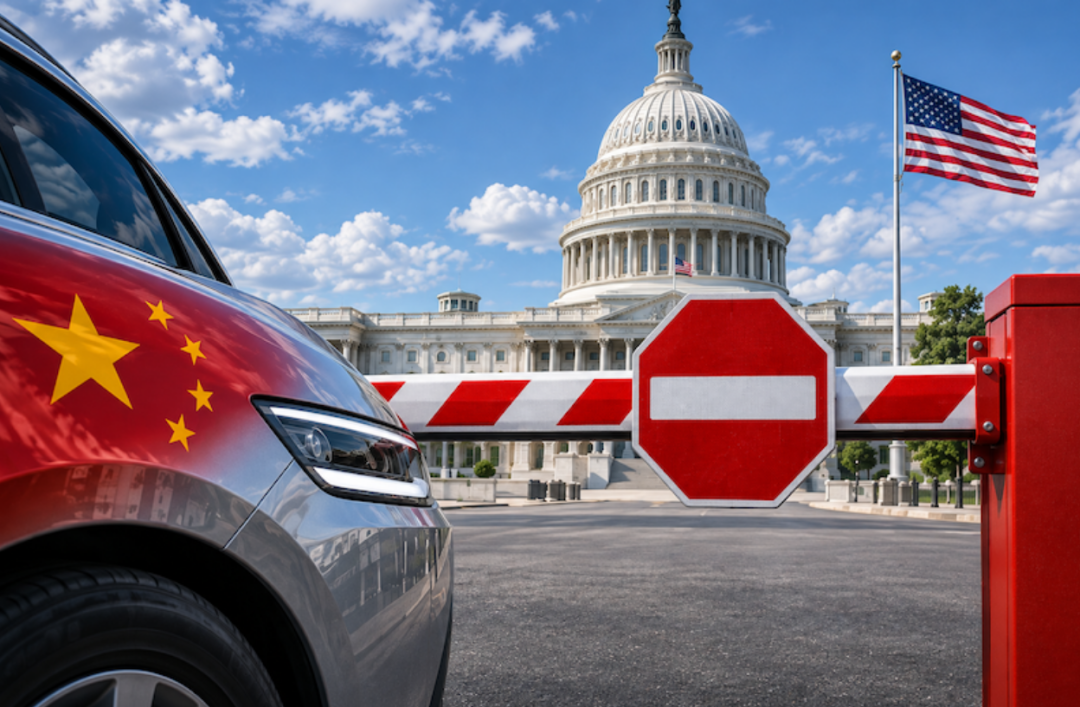
Recently, the Alliance for Automotive Innovation — which represents major automakers such as Ford, GM, and Stellantis — voiced concern that upcoming political changes could derail their plans. It urged Congress to pass a bipartisan bill during next week's brief session that would impose permanent restrictions on Chinese vehicle imports.
This is yet another attempt to build a protective wall — and the foundation has already been laid.
In July of this year, the bill cleared the Senate Commerce Committee. The Connected Vehicle Security Act of 2026 would restrict the import, manufacture, and sale of connected vehicles, software, and hardware linked to foreign entities such as China, with vehicle and software restrictions taking effect in 2027 and hardware restrictions in 2030.
Behind that foundation lie deeper anxiety and helplessness. There is only one reason: Chinese automakers have far outpaced the once-invincible Detroit giants in EV R&D speed, cost control, and technological innovation.
Their former selves have already become a distant memory.
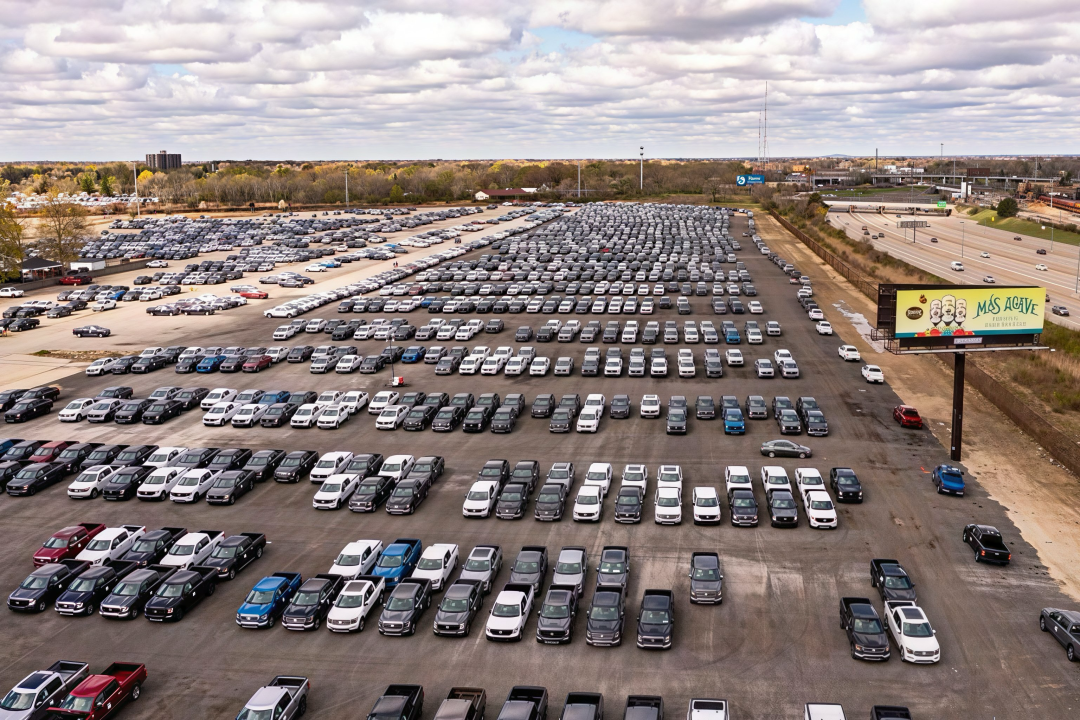
This is especially true after watching Chinese cars surpass 1 million units in imports in Europe in the first eight months of this year — exceeding the total for all of 2025. Watching Europe be conquered, U.S. automakers feel even more acute anxiety.
So, following the connected-vehicle bill, they are once again agitating for a permanent ban on Chinese cars. The stated justification: they "must protect the domestic auto market and prevent a massive influx of Chinese imported vehicles."
This demand is not only about restricting imports of vehicles made in China, but also about seeking to ban Chinese auto brands from selling and producing vehicles in the United States, as well as from using related connected software and hardware.
Alliance CEO John Bozzella said Chinese vehicles may collect sensitive information through onboard cameras, sensors, and connected systems, posing risks to U.S. national security. He argued that Chinese automakers have long enjoyed government subsidies, putting traditional automakers that have invested heavily at an unfair disadvantage.
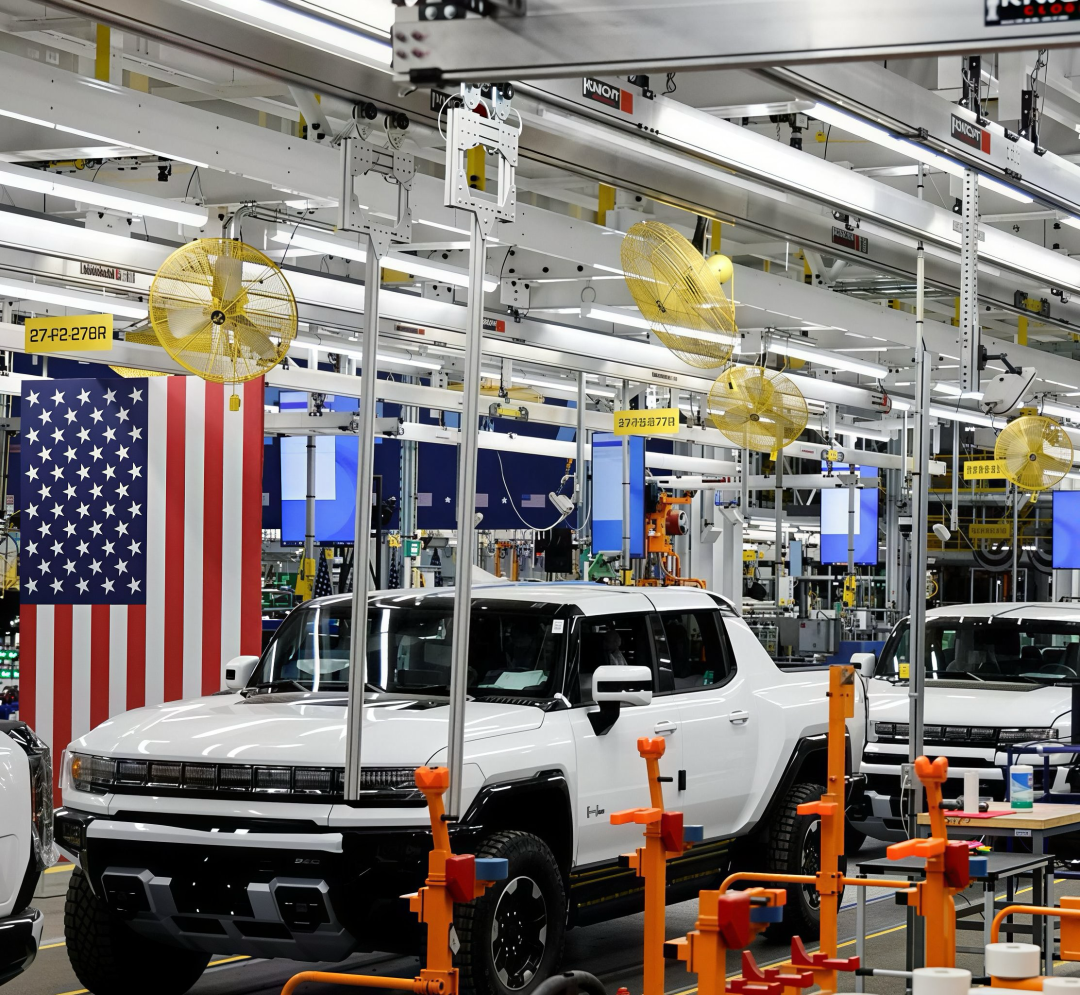
"Through parts sharing and reuse, they have greatly reduced R&D costs and cycles, which makes their EV manufacturing costs much lower than those of U.S. competitors." Ford CEO Jim Farley knows very well where the advantages of Chinese automakers lie.
Previously, Farley also poached an EV executive, Doug Field, from Tesla. This technical executive, who had experienced the EV journey from zero to one, said something on his first day after reviewing Ford's internal parts release system and IT systems that still makes Ford shudder.
"You are 25 years behind the industry." With this old foundation, there is no way to beat BYD.
Farley knows this well. In 2024, after personally test-driving several domestic Chinese EVs in China, he immediately had his team select the five best Chinese EVs, pack them up, and fly them to Ford's Dearborn headquarters in the United States.
They were taken apart inside and out. The conclusion shocked him as well, because Ford discovered that the gap with Chinese EVs was not in any single technology, but a generational gap in the entire logic of carmaking. That is very difficult to close in a short period of time.
An AlixPartners report did the math.
The development cycle for entirely new models among Chinese new energy vehicle makers is generally only 18 to 20 months — exactly half that of traditional automakers. In other words, by the time these traditional automakers complete one project approval cycle, a Chinese automaker may have already completed an iteration of a model.
Moreover, the cost advantage is even more direct. UBS later disassembled a BYD Seal and concluded that about 75% of its parts were produced in-house by BYD, with production costs 15% lower than Tesla's Model 3 and about 25% lower than those of European and American automakers.
"25 years behind" refers to this underlying set of tools and process systems. Farley himself admitted in an interview that "BYD's self-produced batteries cost 30% less than those Ford purchases from CATL."
How can such a time and cost gap be closed? Perhaps, before they can rouse themselves to catch up and before they have changed their processes, they will already have been replaced. This is something U.S. automakers dare not imagine.
Previously, Reuters reported that at a U.S. auto industry conference held in Detroit, the competitive advantages of China's auto industry became the focus of discussion. At the meeting, participating executives were asked to rank the core advantages that help Chinese cars gain global market share, and R&D speed, cost, and technology topped the list. One participant joked, "Isn't there an option for 'all of the above'?"
On September 29, Farley said publicly that for European automakers, it is already "too late" to stop Chinese cars from seizing the European market. He also publicly warned that fully opening the market to Chinese automakers would be a "devastating" blow.
Analysts' predictions also dealt U.S. automakers a heavy blow. A Cox Automotive analyst said it is only a matter of time before Chinese automakers enter the U.S. market; they are extremely patient and have long completed preliminary arrangements. More and more automakers have publicly stated that they will enter the U.S. market at the "right time."
In addition, The Washington Post reported that over the past five years, the market share of Chinese-brand cars in Mexico surged from less than 1% to 15%, and they occupy about 90% of the local electric vehicle market. Chinese automakers have been evaluating factory plans in Mexico and Canada.
This is watching directly at someone else's doorstep, and U.S. automakers were startled: "How can others sleep soundly beside one's bed?"
So, on November 2, at 1050 K Street in Washington, D.C., at the headquarters of the Alliance for Automotive Innovation, a letter "permanently rejecting" Chinese cars from entering the U.S. market was finalized.
Bozzella wrote in the letter that the challenge U.S. automakers face today "is not competing with Chinese companies, but competing with China as a whole — with its state-owned enterprise industrial policies, heavily subsidized cars, and unfair trade."
This move by the U.S. auto industry bears four big words: "extreme anxiety." It attempts to use naked protectionist means to exclude competitors from the U.S. and even the North American market. Detroit News said the Alliance for Automotive Innovation's lobbying has won support from bipartisan lawmakers in several key auto-producing states.
It looks like the classic old playbook of "protecting domestic industry." But those most directly affected are American people buying cars, ultimately forcing Americans to spend more money on products that cannot balance performance, features, and price.
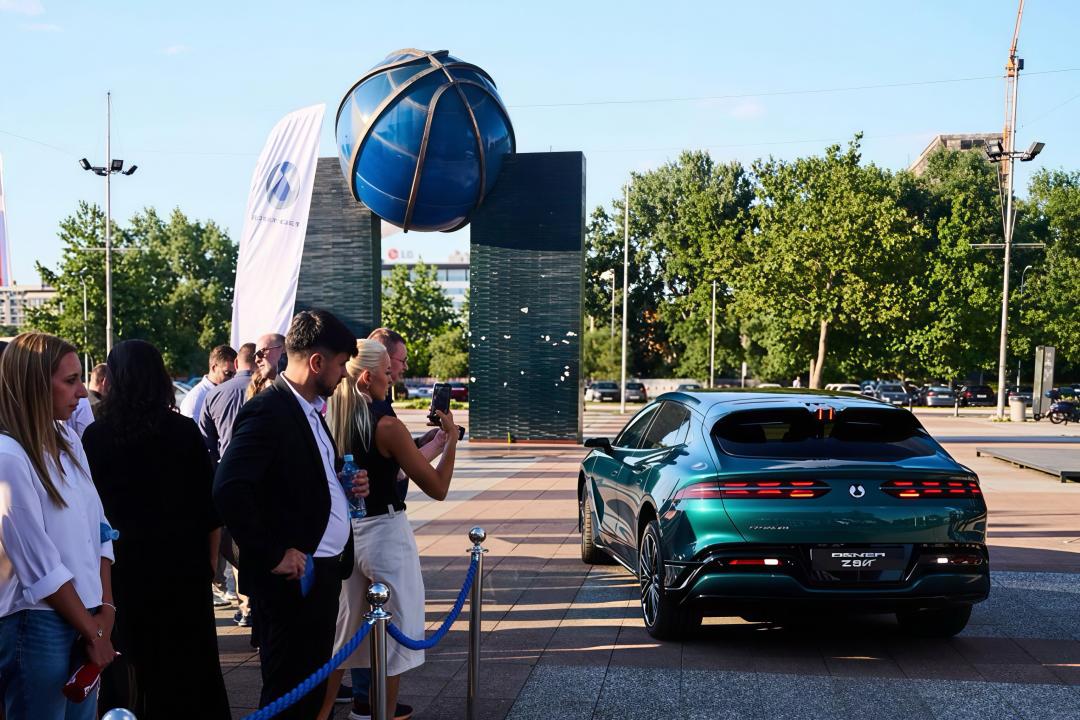
Currently, the average price of a new car in the U.S. market is about $50,000, with costs having risen substantially. Correspondingly, "51% of U.S. consumers say they are willing to consider buying cars made in China."
Time magazine pointed out long ago that America's high tariff barriers have not only failed to revitalize the auto industry, but have instead pushed up domestic carmaking costs, putting production, sales, and employment under comprehensive pressure. "Protectionism may prevent another country's cars from entering the U.S. market, but the U.S. auto industry will also become an isolated island as a result."
Now, as the U.S. auto industry's market share declines in China, Europe, and Latin America, that isolated island is taking shape.
However, the isolated island still cannot detach itself from the Chinese auto supply chain. Between 2014 and 2025, the United States imported $118 billion worth of auto parts and accessories from China. Even today, developing electrification remains inseparable from batteries and software systems from China.
"Ban Chinese cars from entering the United States? They are already here." In fact, everyone understands.
Note: Some images are from the internet. If there is any infringement, please contact us for deletion.
-END-
-
![]()
Full WiFi Bars but Videos Won't Load? Here's What's Really Going On
-
![]()
Yang Yuanqing's Bold 30% PC Market Share Pledge: Ambitious but Far from Easy
-
![]()
U.S. Moves to "Permanently Ban" Chinese Cars — and It Reeks of Fear
-
![]()
When MONA Accounts for Half of XPeng's Sales, Is It Trying to Break Away and Go It Alone?
-
![]()
Hong Kong Stocks Bull Run: Hang Seng Tech Soars 5.55%
-
![]()
Xiao Zhan and Sun Yingsha's "First Stock of Massage Devices" Under Scrutiny: Actual Controller Ousted
-
![]()
Why Can Longgang's Cross-Border E-Commerce Keep Its Lead Steady Despite Industry-Wide Headwinds?
-
10 Years On: Chip Performance Has Grown 40-Fold and Memory 8-Fold—So Why Do Phones Still Lag?