Who in France Is Buying Chinese Cars?
 11/13 2026
 340
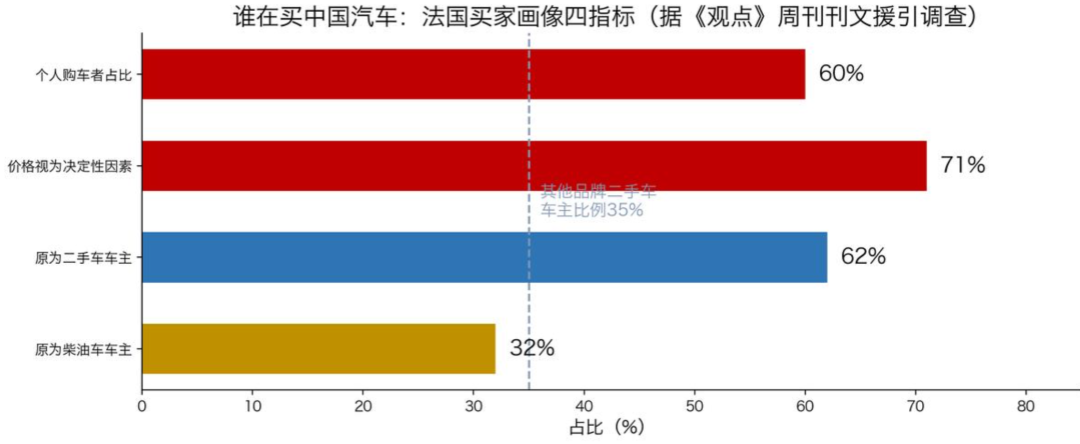
A survey of French owners of Chinese cars has produced a consumer profile that may surprise many: 70% of those who bought Chinese cars cited price as the deciding factor, 60% are individual buyers rather than corporate fleets, and more than 30% previously drove diesel cars.
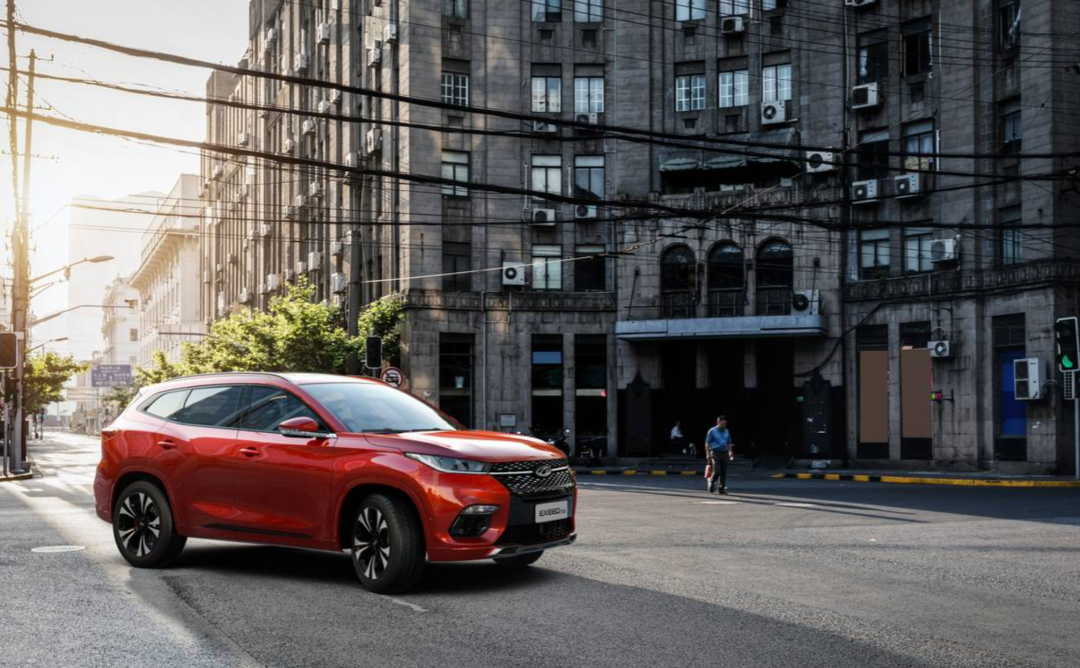
As tariff barriers grow ever higher, why are ordinary French people still buying Chinese cars?
1. An Arithmetic Problem
Among French customers of Chinese brands, private buyers account for 60%—noticeably higher than the average for the French auto market.
Car rental companies are the second-largest group of buyers after individuals. They do not choose cars based on sentiment, but solely on reliability, ease of maintenance, and whether the cars can promote their own brand.
Rental companies hold bulk orders, and their choices will flow through rental fleets into the used-car market, then influence the judgment of the next round of private buyers. The weight of this channel is greater than its order volume.
Where Do the Users Come From?
32% of Chinese car buyers previously owned diesel cars—a proportion significantly higher than that of other brands; 62% bought used cars, while among customers of other brands only 35% bought used cars.
In terms of decision factors, 71% of respondents listed price as the decisive factor.
As for brand loyalty, 48% of French consumers still give priority to domestic brands when buying cars, even if they have to pay more. Chinese cars are not taking away die-hard fans of French brands, but rather consumers with limited budgets who put pragmatism first.
All right, the customer profile is clear: the French people who buy Chinese cars are the most cost-conscious group in the market.
2. The Wave of Diesel Car Retirement
Why did this group of pragmatists appear in such concentrated numbers at this particular point in time? The answer starts with diesel cars.
38% of passenger cars on EU roads run on diesel, making Europe one of the regions most severely affected by rising diesel prices globally. Drivers pay an average of 30 euros more per refueling.
Among diesel fleets, 30% of diesel cars are more than 15 years old and have reached the age when they must be replaced. France alone accounts for nearly one-fifth of Europe's diesel cars.
Calculations by the European Federation for Transport and Environment show the appeal of alternatives: every electric vehicle that replaces a diesel car saves 1,000 liters of oil.
For a French working-class family driving 30,000 kilometers a year, this is an equation that does not require an economics degree to figure out.
People replacing their cars also share one common situation: their old cars are simply too old.
The average age of cars in use in France is 7 years and 4 months. Repair costs rise year after year, and emissions tests become harder to pass year after year. These people cannot wait for the promises of concept cars; what they want is a car they can drive home today and afford to repair tomorrow.
Chinese brands are 15% cheaper than European brands of the same class, precisely hitting this gap in demand.
15% means little to luxury car buyers, but in a budget for a family car priced at around 20,000 euros, it means 3,000 euros—or two years of insurance and fuel costs.
3. Real Sales
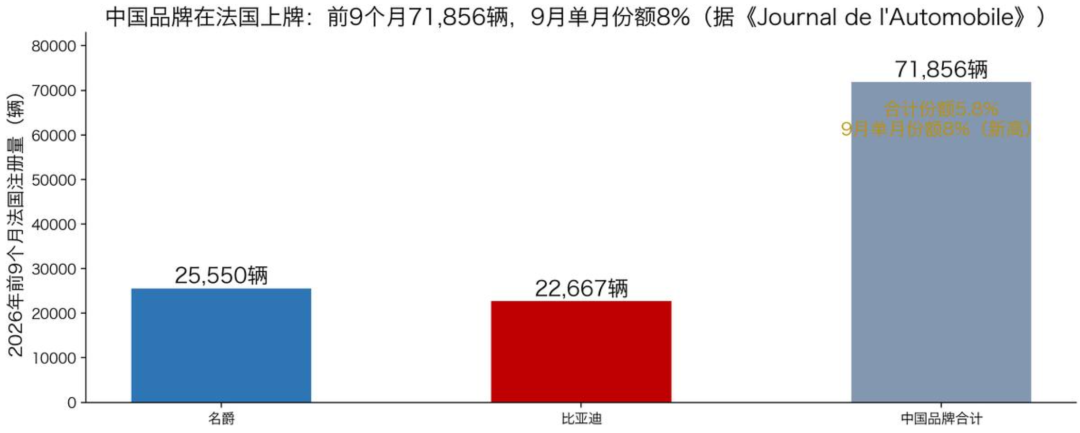
In the first nine months of this year, Chinese brands registered 71,856 vehicles in France, gaining a 5.8% market share. In September alone, the share rose to 8%, a new high.
This penetration rate is not high among major European markets, but its structure deserves a closer look.
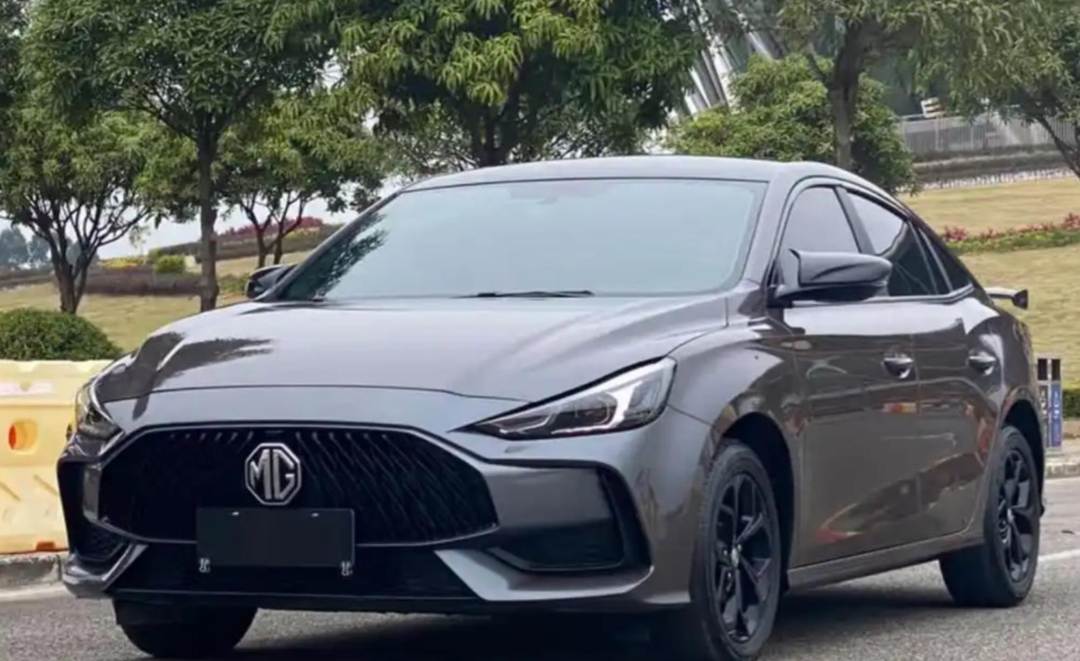
The top seller is MG, with 25,550 registrations.
Its uniqueness lies in its channels and historical accumulation: more than 180 sales outlets cover the whole country, and private customers account for 68.9%, making it the Chinese brand most grounded in the French private market.
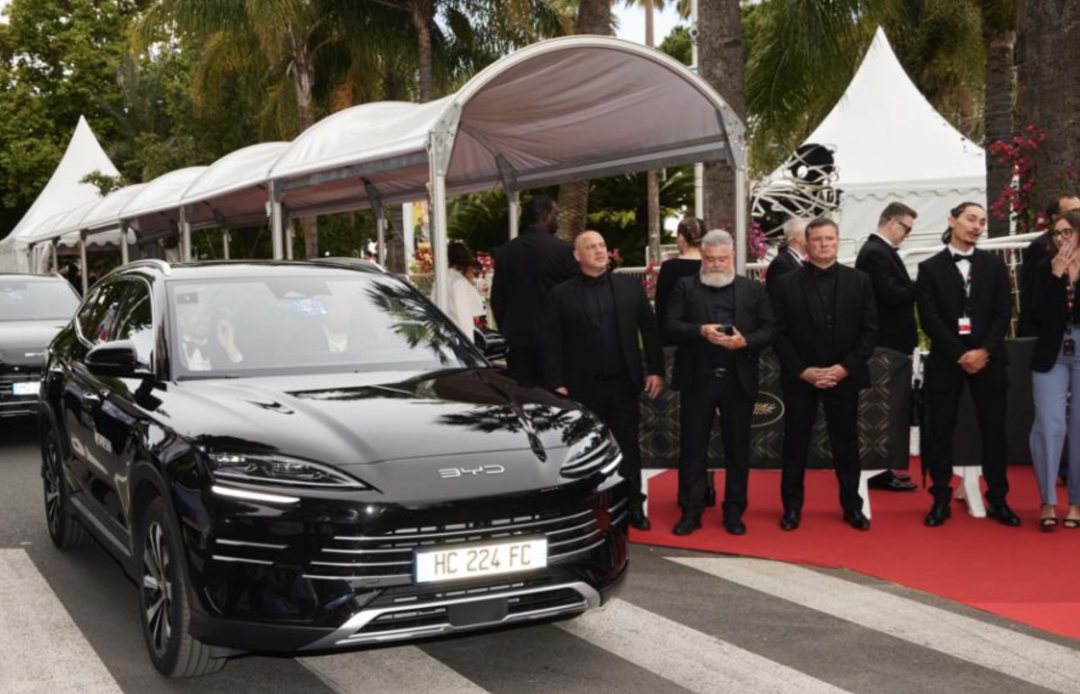
Second is BYD, with 22,667 vehicles—a figure that has already exceeded its full-year French sales in 2025.
However, BYD's buyer composition is very different from MG's: individual customers account for only 48.4%, 20% of orders come from showroom channels, and plug-in hybrids account for 64.9% of its sales.
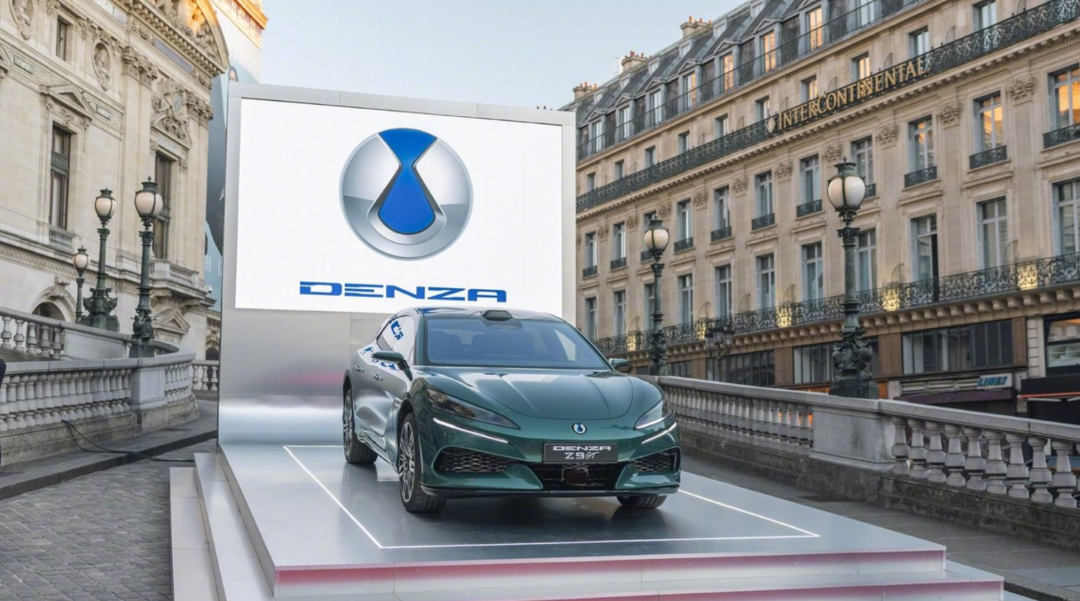
In other words, BYD's approach in France is to lead with plug-in hybrids and use dealer networks and rental companies to build volume.
New entrants are taking a lighter approach: Leapmotor opened 147 sales points in one go; Chery built 56 outlets with its dual brands (Omoda, Jaecoo), and 98.1% of the vehicles registered by the latter are plug-in hybrids.
Why is everyone betting on plug-in hybrids?
According to the tariff schedule, pure electric vehicles imported from China are subject to a 27% tariff, while plug-in hybrids face only 10%.
Behind the product structure, Brussels is making half the choice for consumers.
For cars coming out of the same factory, there is a 17-percentage-point tax burden difference between pure electric and plug-in hybrid. Automakers vote with product planning, consumers follow with their wallets, and no one needs to understand trade clauses. The mix of models on the shelf is the most honest translation of policy.
4. How Long Can the 15% Price Advantage Last?
Price advantage is the number one reason Chinese cars enter France, but the timetable for this advantage is tightening.
Under current policy, in April 2027 the export tax rebate for Chinese-made electric vehicles will drop from 13% to 9%. The cost difference of several percentage points will ultimately be reflected in retail prices.
Whether the 15% price gap can be maintained depends on how much automakers are willing to absorb and how much they pass on. This is not a hypothetical question, but a real item already scheduled in the financial models of every Chinese automaker in France.
In the survey mentioned above, rental companies are willing to purchase Chinese cars in bulk on the premise that maintenance is convenient; for ordinary consumers, finding a technician nearby who can repair Chinese cars determines whether they dare to place an order.
MG has the most outlets, so its private customer share is the highest. This correlation is no coincidence.
48% of respondents still prefer French brands and are willing to pay more, indicating that the customer base of Chinese brands is still shallow. Once the price advantage narrows, consumers will return to French brands faster than imagined.
5. Filling a Gap, Not Conquering
Xingkongjun believes that calling the situation of Chinese cars in France "conquering Europe" is a misreading. "Filling a gap" is more accurate.
In the French market, the wave of diesel car retirement brings rigid demand for replacement purchases; an average old-car age of 7 years and 4 months cannot wait for slow decisions; the 15% price gap catches budget-sensitive consumers; and Chinese cars fill precisely these three gaps.
How long the gap-filling business can last does not depend on how weak competitors are, but on the following three hard indicators.
First, the share of individual buyers. Within the overall 5.8% share, the higher the proportion of private customers, the more solid the foundation. BYD's 48.4% individual share shows it is still relying on channels and fleets to drive volume, while MG's 68.9% private share is healthier.
Second, after-sales density. The number of outlets determines whether pragmatic French working-class people dare to place orders. Rental companies have already made maintenance convenience a procurement threshold.
Third, progress in localized production capacity. The Seged factory will begin mass production in the fourth quarter of 2026, and second factories in France and Spain are still under evaluation. The pace of car manufacturing in Europe determines whether the 27% versus 10% tariff scissors gap still matters. Once locally made European cars roll off the production line, the tariff schedule's constraints on Chinese brands will loosen by half. By then, what will be compared is factory efficiency and the depth of supply chain localization, not the tax rate on customs declarations.
In addition, before April 2027, Chinese brands still have a window of less than 18 months to deepen channels, build after-sales service, and lay a solid foundation for localized production capacity. After the window closes, the path of filling gaps purely through price will narrow, and the threshold for standing on systems will rise.
Those still at the table on that day will have truly entered the French market.
-END-
Disclaimer: This article is an analytical study based on the public company nature of listed companies and information publicly disclosed by listed companies in accordance with their legal obligations (including but not limited to interim announcements, periodic reports, and official interactive platforms) as the core basis; Poetry and the Starry Sky strives to ensure that the content and views contained in the article are fair, but does not guarantee their accuracy, completeness, or timeliness; the information or opinions expressed in this article do not constitute any investment advice, and Poetry and the Starry Sky assumes no responsibility for any actions taken due to the use of this article.
Copyright statement: The content of this article is original to Poetry and the Starry Sky and may not be reproduced without authorization.
-
![]()
Can Honda Thrive Without Leaning on China?
-
![]()
After Orders Exceed 10,000, It Suffers a Fierce Paid Poster Attack: Whose Turf Did the Second-Generation Blue Mountain Step On? | Mingjing Pro
-
![]()
Land Rover Loses First Round: Dutch Court Rules BYD Raid Was a "Fishing Expedition," Ti7 Copying Allegations Still Unresolved | Mingjing Pro
-
![]()
In October, AITO Sold 21,115 Units: Between the M6 and M9, Who Is Driving the Brand's Sales?
-
![]()
Changan Automobile's Domestic Terminal Sales Hit 104,000 in October: Qiyuan Begins to Drive Volume, Deepal at 20,000, Avatr at 2,858
-
![]()
Who in France Is Buying Chinese Cars?
-
Africa's Phone King Transsion, Pushed to a Transformation Crossroads by Memory Price Hikes
-
Apple Emerges as the Biggest Winner of Double 11, Crushing All Domestic Phone Brands, with Xiaomi Taking Second Place