After Orders Exceed 10,000, It Suffers a Fierce Paid Poster Attack: Whose Turf Did the Second-Generation Blue Mountain Step On? | Mingjing Pro
 11/13 2026
 360
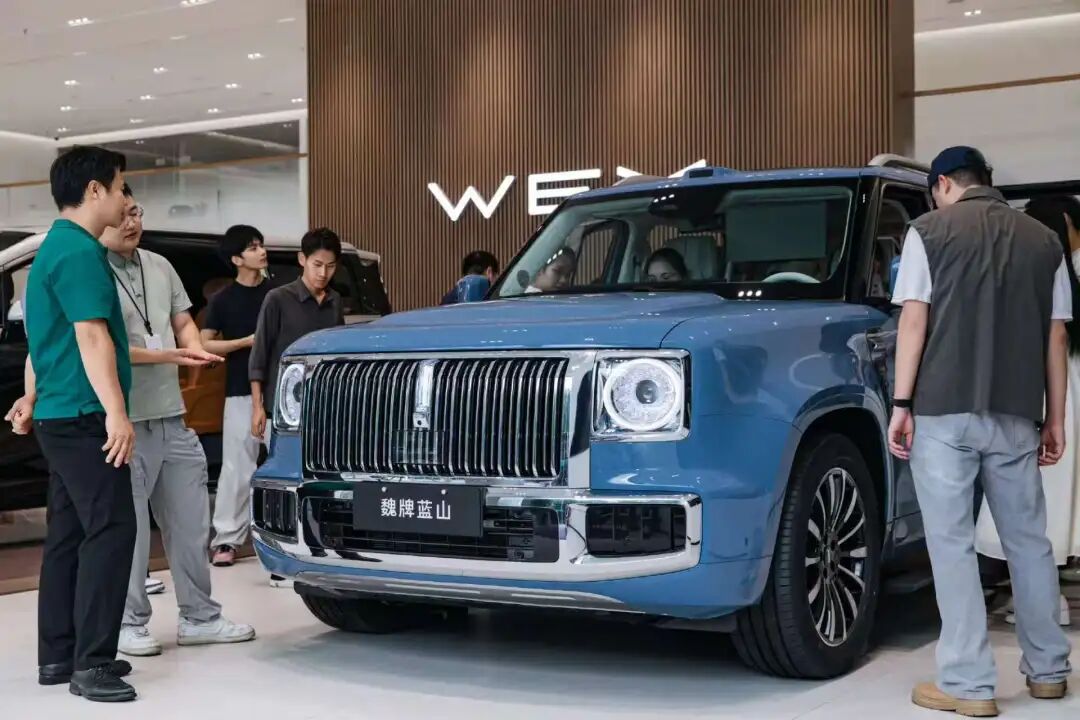
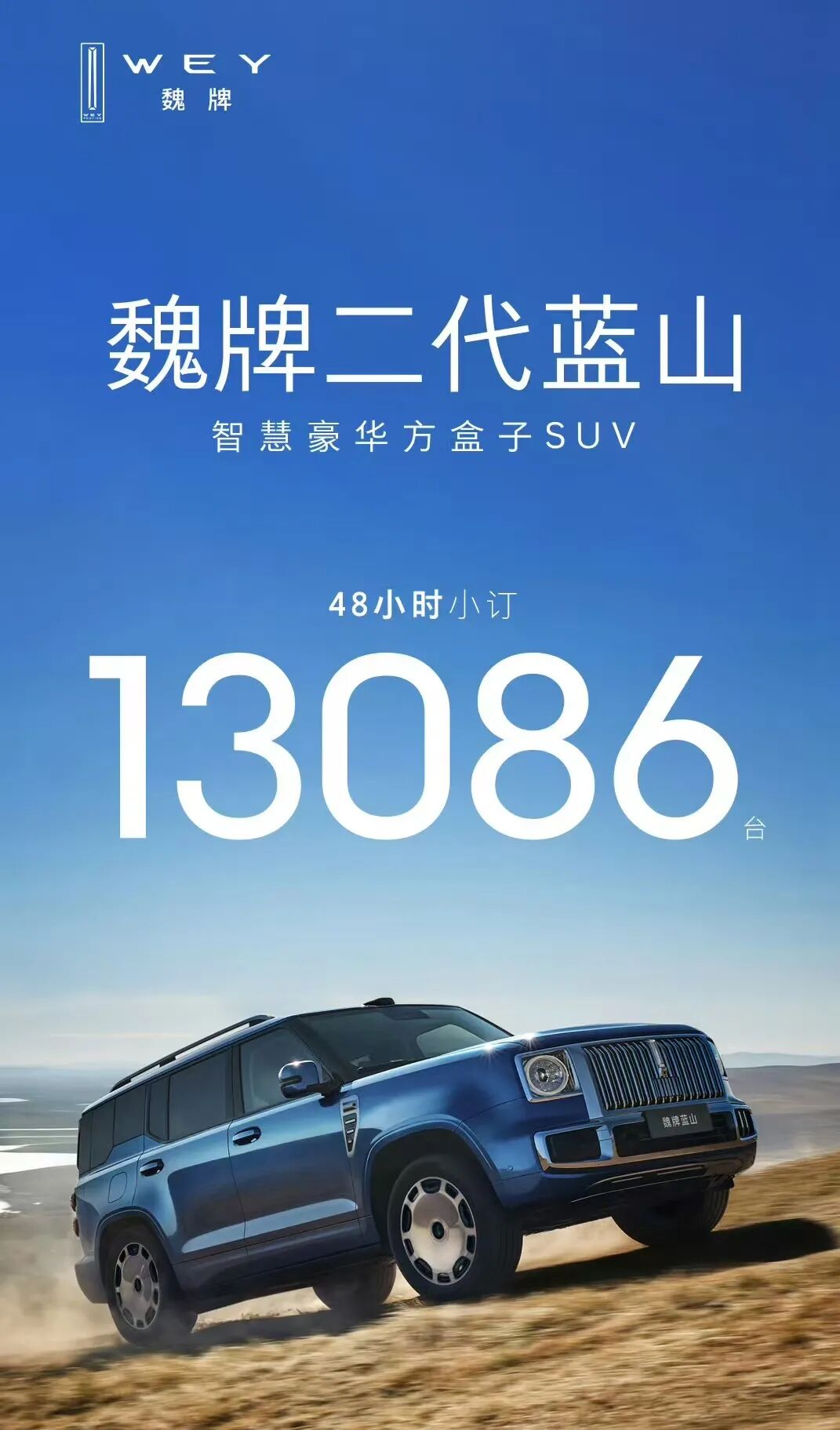
The second-generation Blue Mountain garnered 13,086 small deposit orders in just 48 hours, getting its pre-sale off to a strong start. Yet even as market enthusiasm surged, the new vehicle was also suspected of falling victim to a paid poster attack.
"Sigh, I can't tell whether it's because a tall tree catches the wind or because a popular car attracts gossip. The second-generation Blue Mountain has indeed drawn widespread attention, with high showroom traffic and extensive online discussion. But I don't even know how to put this. Everyone, take a look." On November 11, Tan Jian, executive deputy general manager of Wey, posted on Weibo that the second-generation Blue Mountain had recently been very popular but was suspected of being targeted by an organized paid poster attack. It is rare for Wey executives to make such public statements.
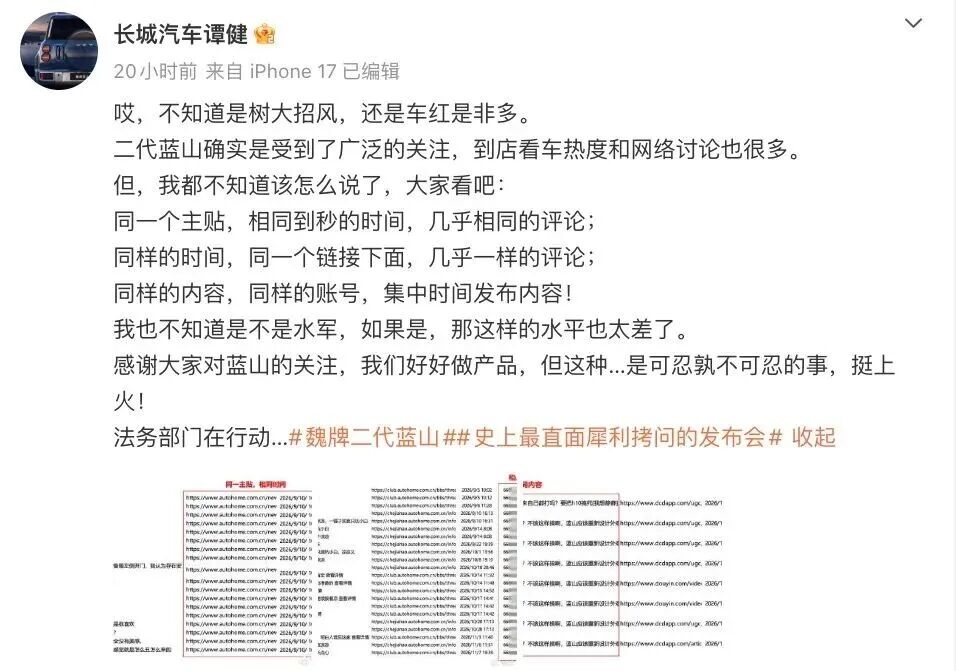
Multiple comment screenshots posted by Tan Jian show that the accounts involved displayed highly organized operational patterns: under the same main post, multiple different accounts posted nearly identical negative comments at the same moment, precise to the second; the same account continuously posted different negative content; and the same account repeatedly posted the same negative content.
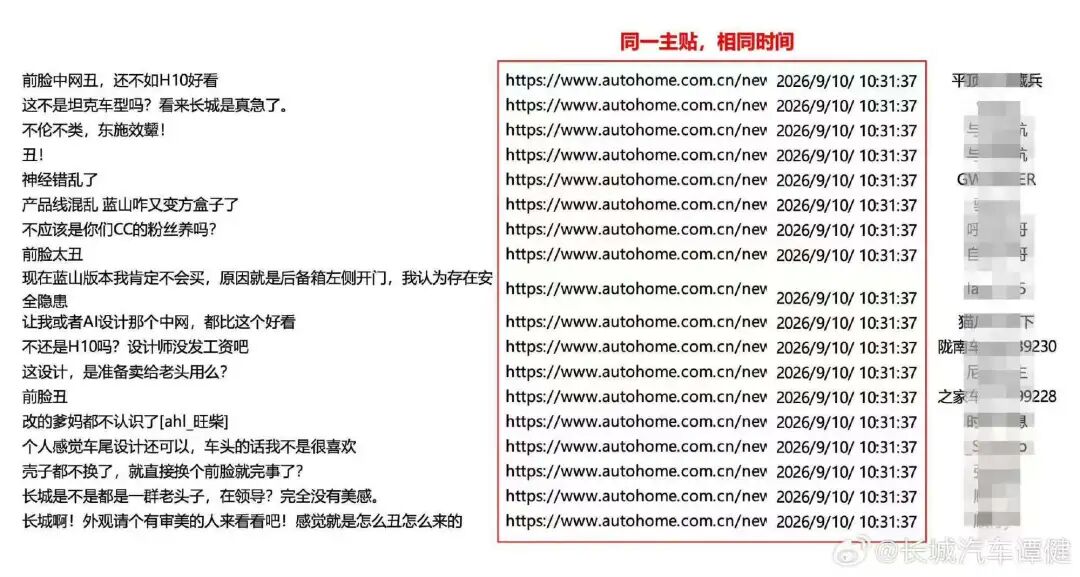
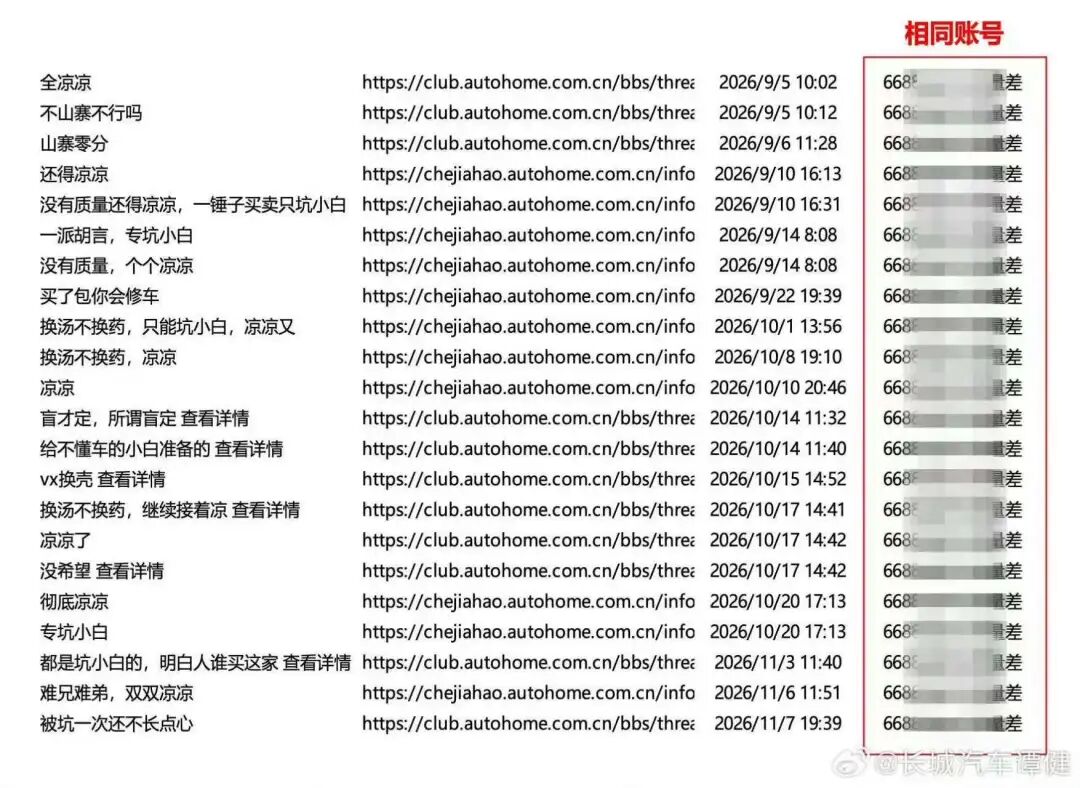
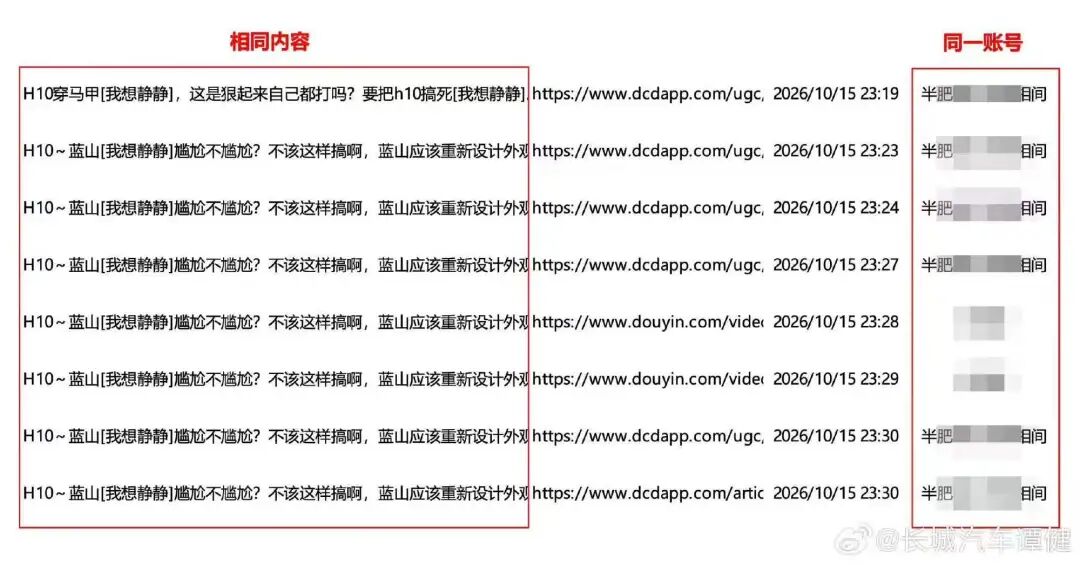
"I don't know whether they are paid posters either. If they are, then this level is really too poor." Tan Jian said bluntly that this matter was "unbearable" and emphasized that Great Wall Motor's legal department had already taken action.
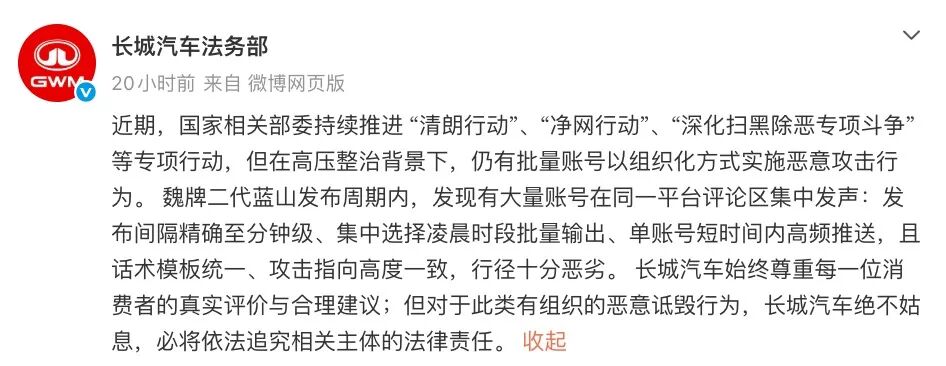
Subsequently, the official Weibo account of Great Wall Motor's legal department reposted Tan Jian's Weibo post and issued a formal statement. The statement pointed out that during the launch cycle of the Wey second-generation Blue Mountain, it had monitored a large number of accounts concentrating their voices in the comment sections of the same platform, displaying three typical characteristics: posting intervals precise to the minute, concentrated batch output of content during the early morning hours, and high-frequency pushing by a single account within a short period—all using unified wording templates, with attacks highly consistent in direction.
Great Wall Motor's legal department made clear that the company respects consumers' genuine evaluations and reasonable suggestions, but will "never tolerate" organized malicious defamation and will pursue the legal liability of relevant parties in accordance with the law.
This successive warning against paid posters by Wey executives and Great Wall's legal department came only two days after the second-generation Blue Mountain opened pre-sale. On November 9, the Wey second-generation Blue Mountain opened for pre-sale. The new vehicle offers five-seat and six-seat seating layouts, with four configurations in total, and a pre-sale price of 289,800–329,800 yuan. It is planned for official launch within the year.
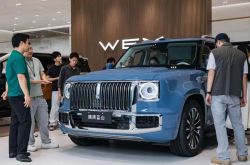
As a new model built on Great Wall's Guiyuan S platform, the second-generation Blue Mountain is positioned as a "smart luxury boxy SUV." Its product direction has clearly shifted from the urban family SUV positioning of the first-generation Blue Mountain, focusing instead on all-scenario capability that balances urban travel and outdoor scenarios. Compared with the first-generation model, the second-generation Blue Mountain's exterior has changed dramatically. The exterior adopts a boxy body shape, paired with a vertical waterfall grille, circular headlights, and an externally mounted spare tire. The length, width, and height of the five-seat version are 5,140/2,050/1,960 mm respectively, while the six-seat version's body length increases to 5,300 mm, with width and height remaining the same. The wheelbase of both versions is 3,010 mm.
In terms of intelligent configuration, the second-generation Blue Mountain is equipped with the Qualcomm Snapdragon 8797 cockpit chip and the NVIDIA Thor-U assisted driving chip, with 28 high-performance sensors throughout the vehicle. On the software side, it features the Coffee AIOS 4 cockpit system and the Coffee Pilot 4 V5 all-terrain assisted driving system.
In terms of power, the second-generation Blue Mountain is equipped with a 2.0T Super Hi4 plug-in hybrid system and dual-motor four-wheel drive, with a system comprehensive maximum power of 510 kW and maximum torque of 940 N·m. With a full charge, 0-100 km/h acceleration takes only 4.8 seconds. Among them, the Peak Edition model has a CLTC pure electric range of up to 350 km and a comprehensive range of up to 1,471 km; it is equipped with an 800V high-voltage platform and 6C ultra-fast charging, allowing the battery to charge from 30% to 80% in only 9 minutes. In terms of chassis, the second-generation Blue Mountain is equipped with high-end features such as closed dual-chamber air suspension, rear axle differential lock, and rear-wheel steering.
The 300,000-yuan new energy SUV market has long been a red ocean. Brands such as Li Auto, AITO, and BYD firmly occupy the mainstream share of urban family SUVs. In the boxy SUV segment, products such as the Tank 400, M-Hero M817, and Zongheng G700 are mostly oriented toward hardcore off-roading and often require trade-offs in comfort, intelligence, or range.
The second-generation Blue Mountain precisely occupies the blank market between the two. It retains the recognizability of a boxy shape and basic outdoor capability, while not taking a purely hardcore off-road route. With features such as a unibody chassis, dual-chamber air suspension, and rear-wheel steering, it opens up a new category of luxury comfort + all-terrain capability.
The result of more than 13,000 small deposit orders in 48 hours confirms the market's recognition of this new category positioning. The paid poster attack during the pre-sale period also reflects from the side the impact the second-generation Blue Mountain may have on the existing 300,000-yuan SUV market landscape. For automakers, the pre-sale stage is one of the core windows for establishing product reputation. Organized negative public opinion may interfere with some consumers' judgment and further disrupt the new car's communication rhythm. Wey indeed needs to promptly formulate response measures.
So, who exactly is anxious? This question awaits an announcement after investigation by the relevant authorities.
-
![]()
Can Honda Thrive Without Leaning on China?
-
![]()
After Orders Exceed 10,000, It Suffers a Fierce Paid Poster Attack: Whose Turf Did the Second-Generation Blue Mountain Step On? | Mingjing Pro
-
![]()
Land Rover Loses First Round: Dutch Court Rules BYD Raid Was a "Fishing Expedition," Ti7 Copying Allegations Still Unresolved | Mingjing Pro
-
![]()
In October, AITO Sold 21,115 Units: Between the M6 and M9, Who Is Driving the Brand's Sales?
-
![]()
Changan Automobile's Domestic Terminal Sales Hit 104,000 in October: Qiyuan Begins to Drive Volume, Deepal at 20,000, Avatr at 2,858
-
![]()
Who in France Is Buying Chinese Cars?
-
Africa's Phone King Transsion, Pushed to a Transformation Crossroads by Memory Price Hikes
-
Apple Emerges as the Biggest Winner of Double 11, Crushing All Domestic Phone Brands, with Xiaomi Taking Second Place