OpenAI Unleashes a Blockbuster in the Dead of Night! ChatGPT Images 2.0 Hands-On Review: Robust Chinese Support, Astounding Detail, Designers on High Alert
 04/22 2026
 525
525
Designers and illustrators now face a genuine threat.
Designers who often burn the midnight oil to craft images now find themselves in a precarious position. Without much warning, OpenAI unveiled the ChatGPT Images 2.0 model (hereafter referred to as Images 2.0) in the early hours of April 22, 2026, Beijing time.
Compared to ChatGPT's original image generation model, Images 2.0 boasts significant enhancements in image precision, language support, resolution support, and interaction methods. Notably, the newly launched Images 2.0 even demonstrates cognitive capabilities.
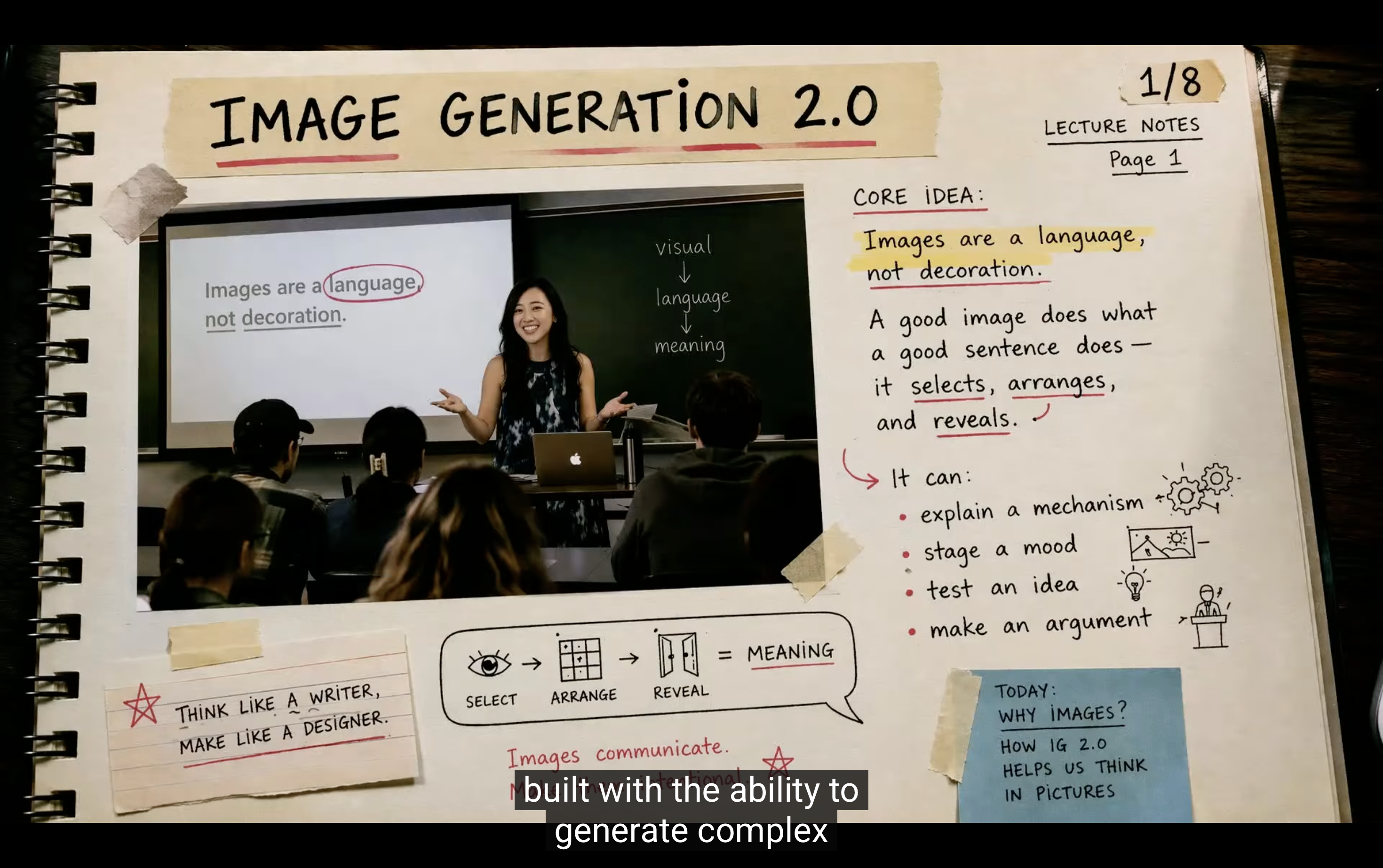
Image Source: OpenAI
Simply put, Images 2.0 (now integrated into ChatGPT and available via API) consists of two distinct models (branches):
1. The Instant Model can tackle most everyday tasks, such as creating logos, multilingual posters, and even article illustrations.
2. The Thinking Model (which requires manual activation) can search for relevant information online, reason about the content before generating images, and ensure visual consistency across a series of outputs.
Next, let's explore some practical examples.
The following photo is a group shot taken by the Lei Technology AWE26 reporting team before departure. We directly input this image into ChatGPT and specified our requirements:
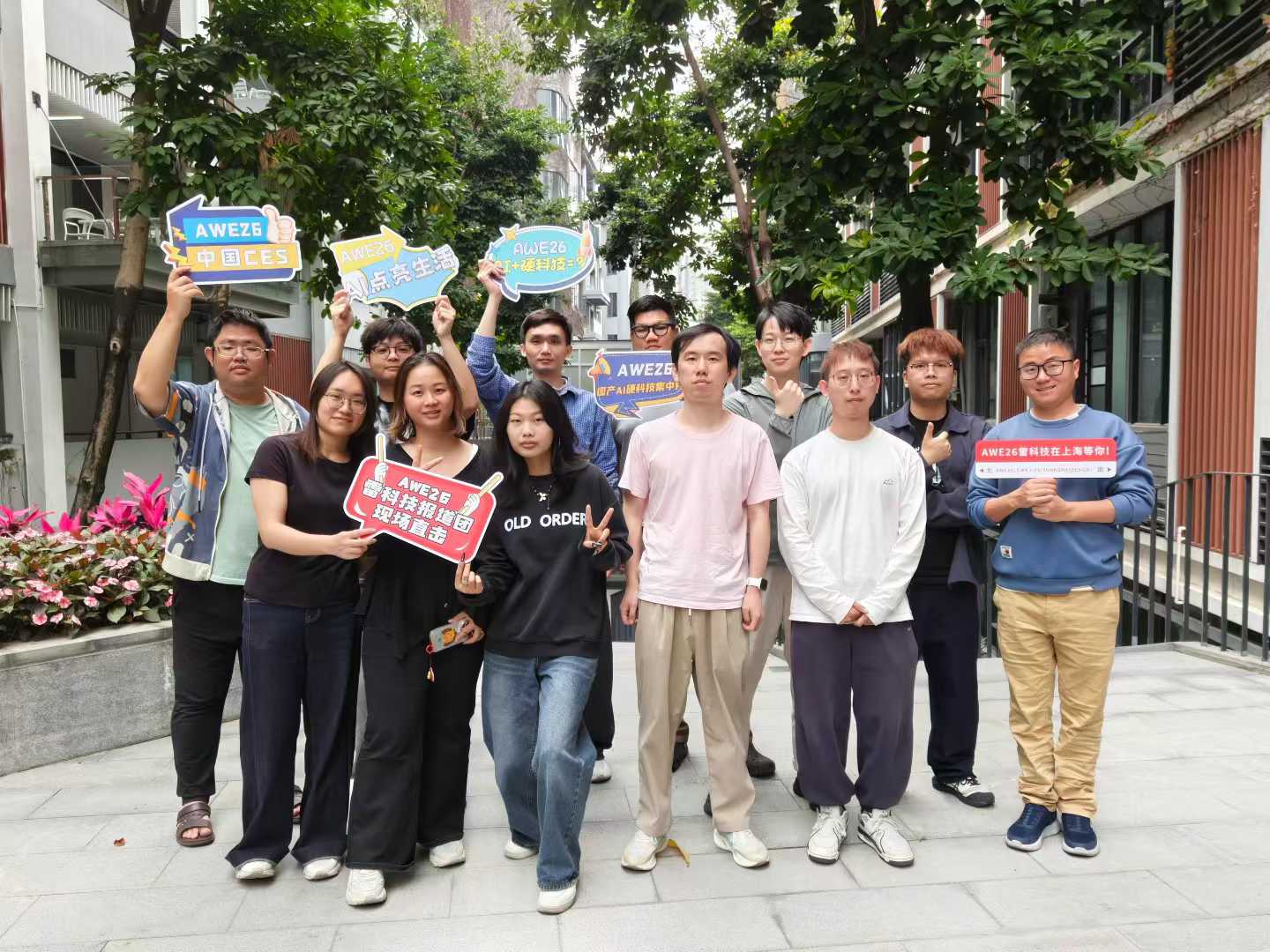
Image Source: Lei Technology
Create a cover for the Lei Technology science and technology magazine featuring the people in this picture.
In under a minute, ChatGPT had generated the cover. It's evident that the new Images 2.0 not only avoids redrawing the base image (a common pitfall with most AI image generators) but also accurately renders even the Chinese text.
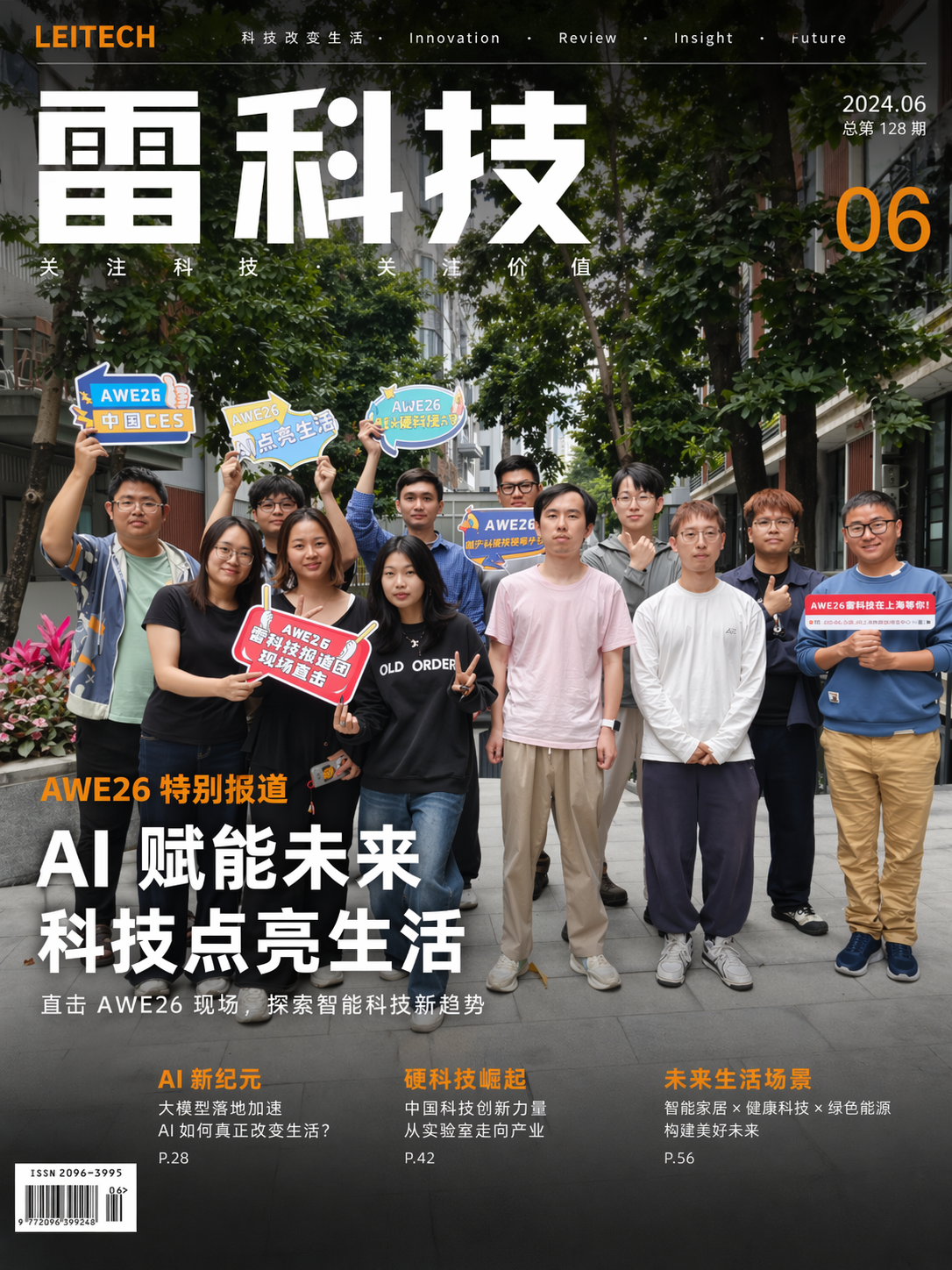
Image Source: Lei Technology
But that's not all. After providing vague instructions like "Change the date to March 2026" and "Vary the people's poses; they look too rigid," ChatGPT still successfully completed the task.
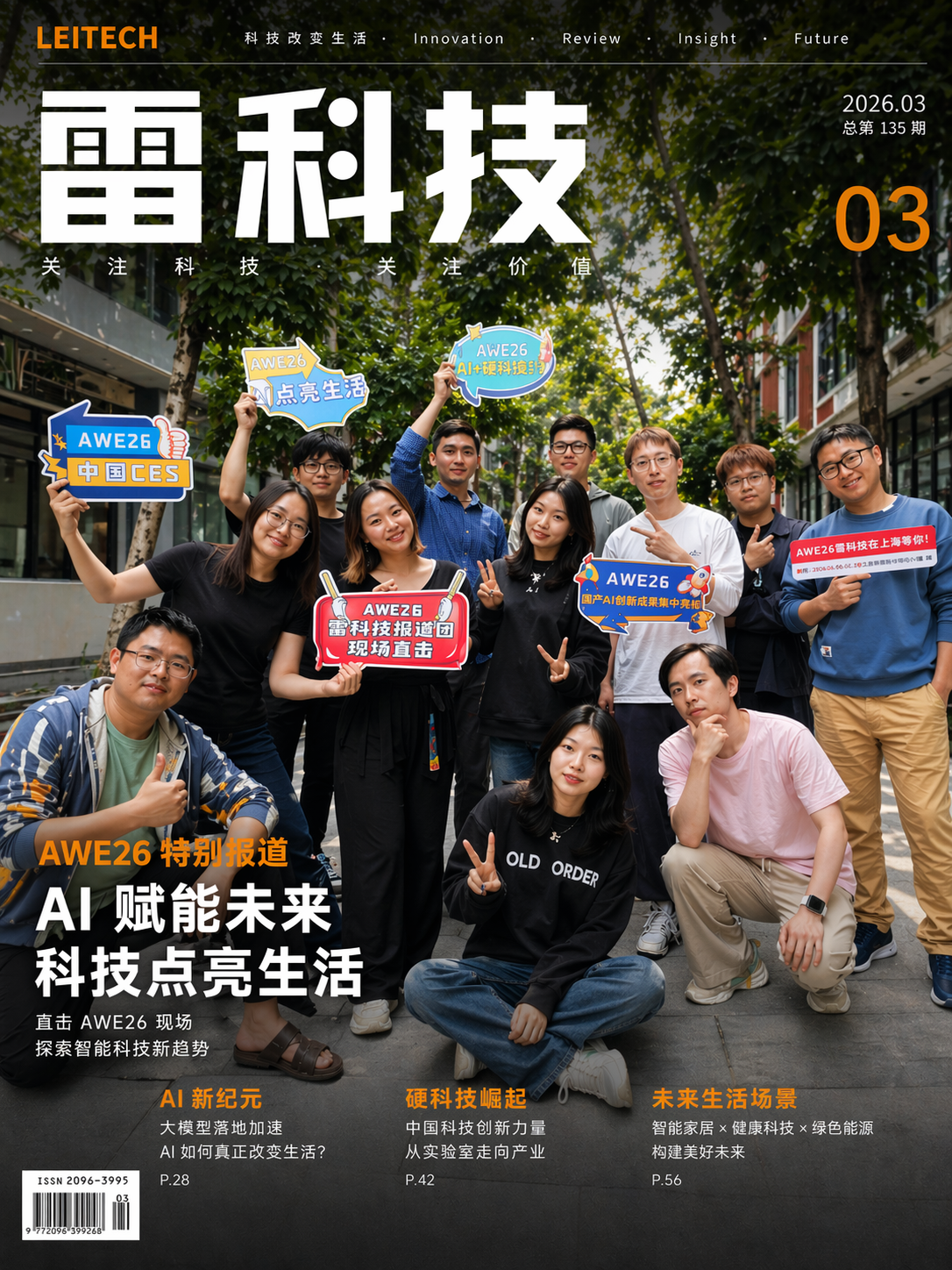
Image Source: Lei Technology
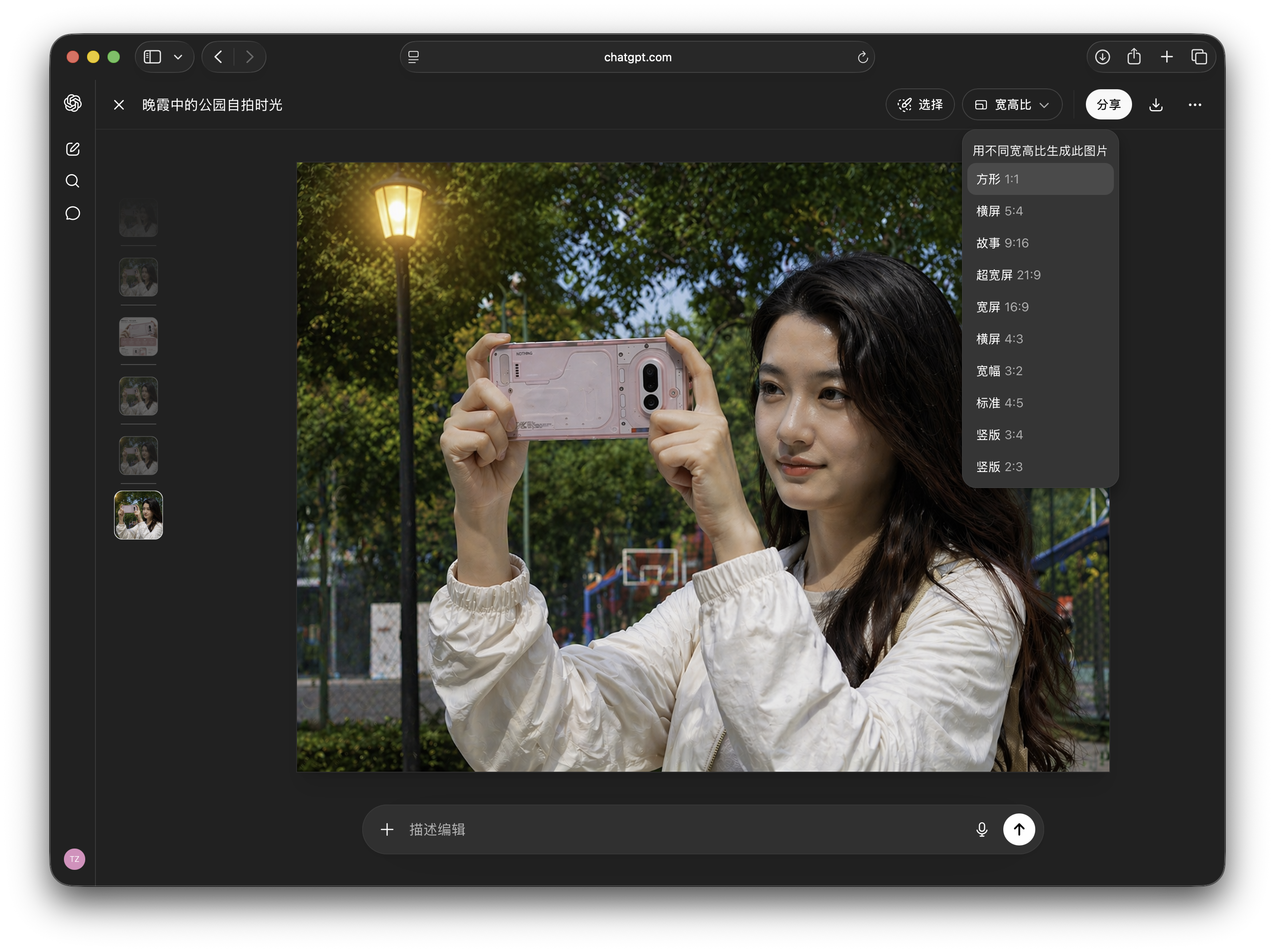
Similarly, by simply inputting an image of a phone's exterior into Images 2.0, ChatGPT can directly generate a scene depicting the phone in use.
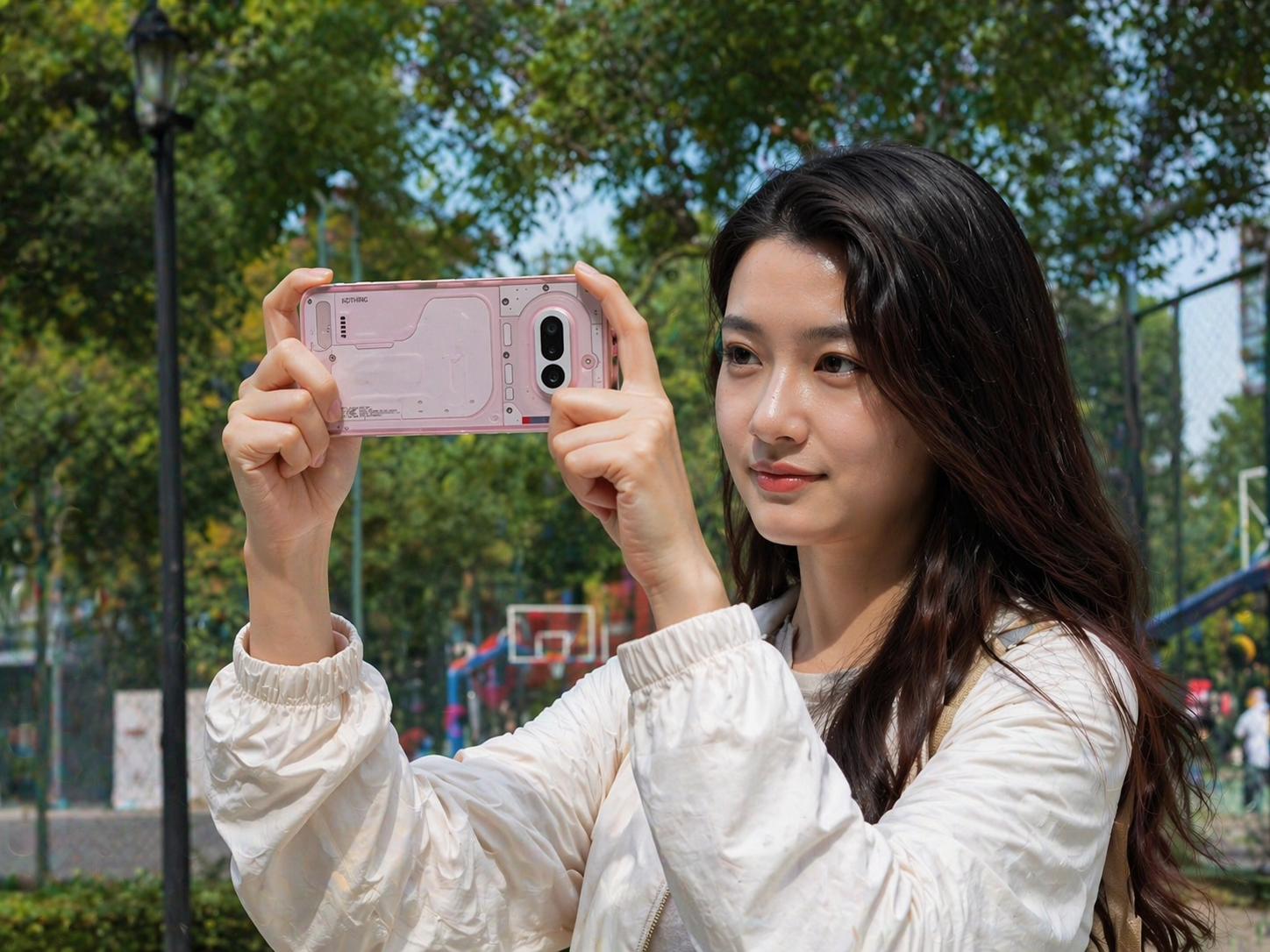
Image Source: Lei Technology
In the brand-new image viewing interface, ChatGPT has also introduced two innovative features—we can directly select areas of the image that require modification and request ChatGPT to make changes, or we can choose the desired image aspect ratio from the aspect ratio menu, making it even more convenient to create images for social media.
Beyond generating new images based on existing ones, Images 2.0 has also enhanced its ability to create images from text. Lei Technology simply provided the information "Dianchetong is about to depart to report on the 2026 Beijing Auto Show," and Images 2.0 was able to gather relevant information independently and accurately output a poster.
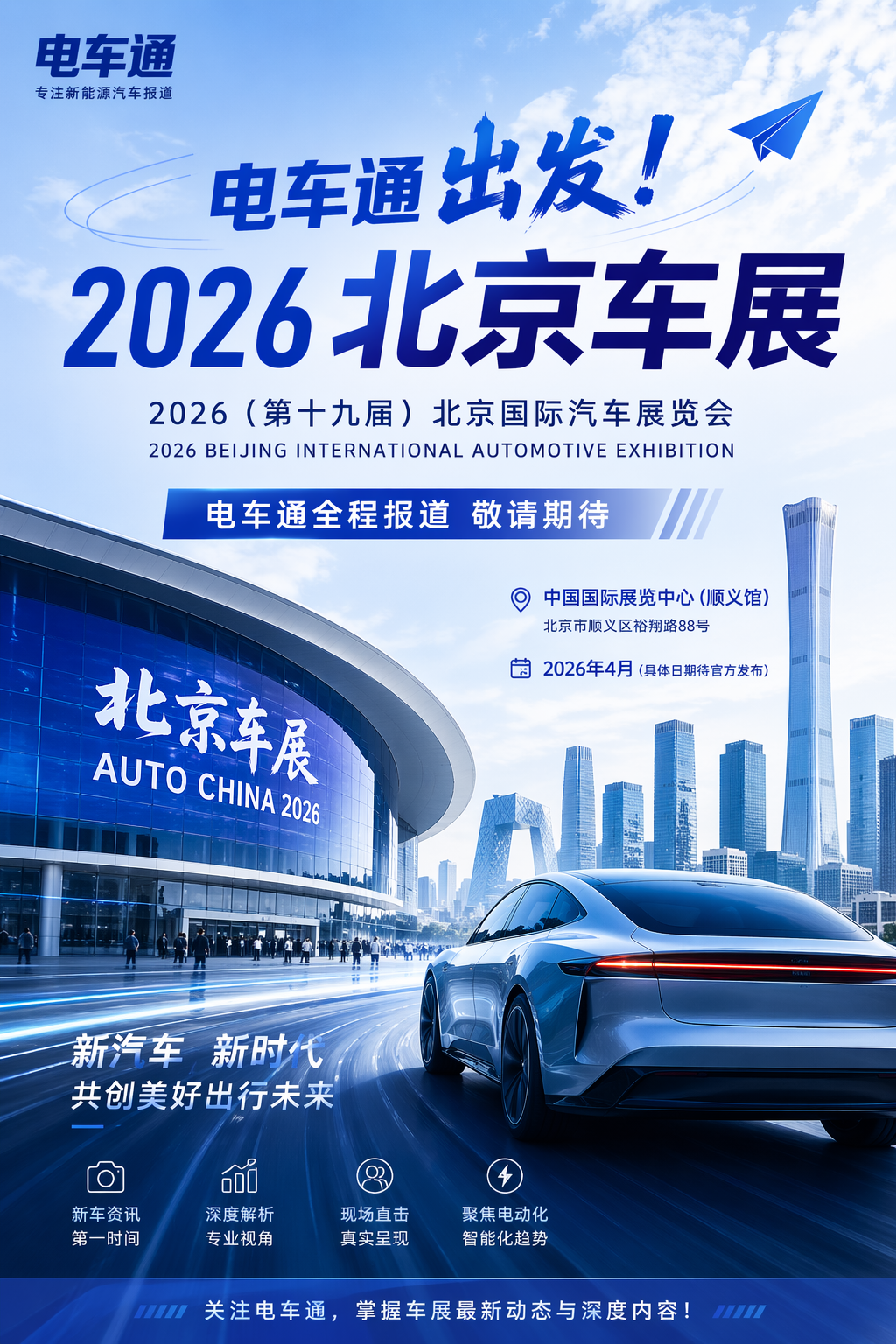
Image Source: Lei Technology
Unfortunately, despite Images 2.0 correctly handling QR code information during OpenAI's livestream, Lei Technology was unable to embed a recognizable QR code in an image after multiple attempts.
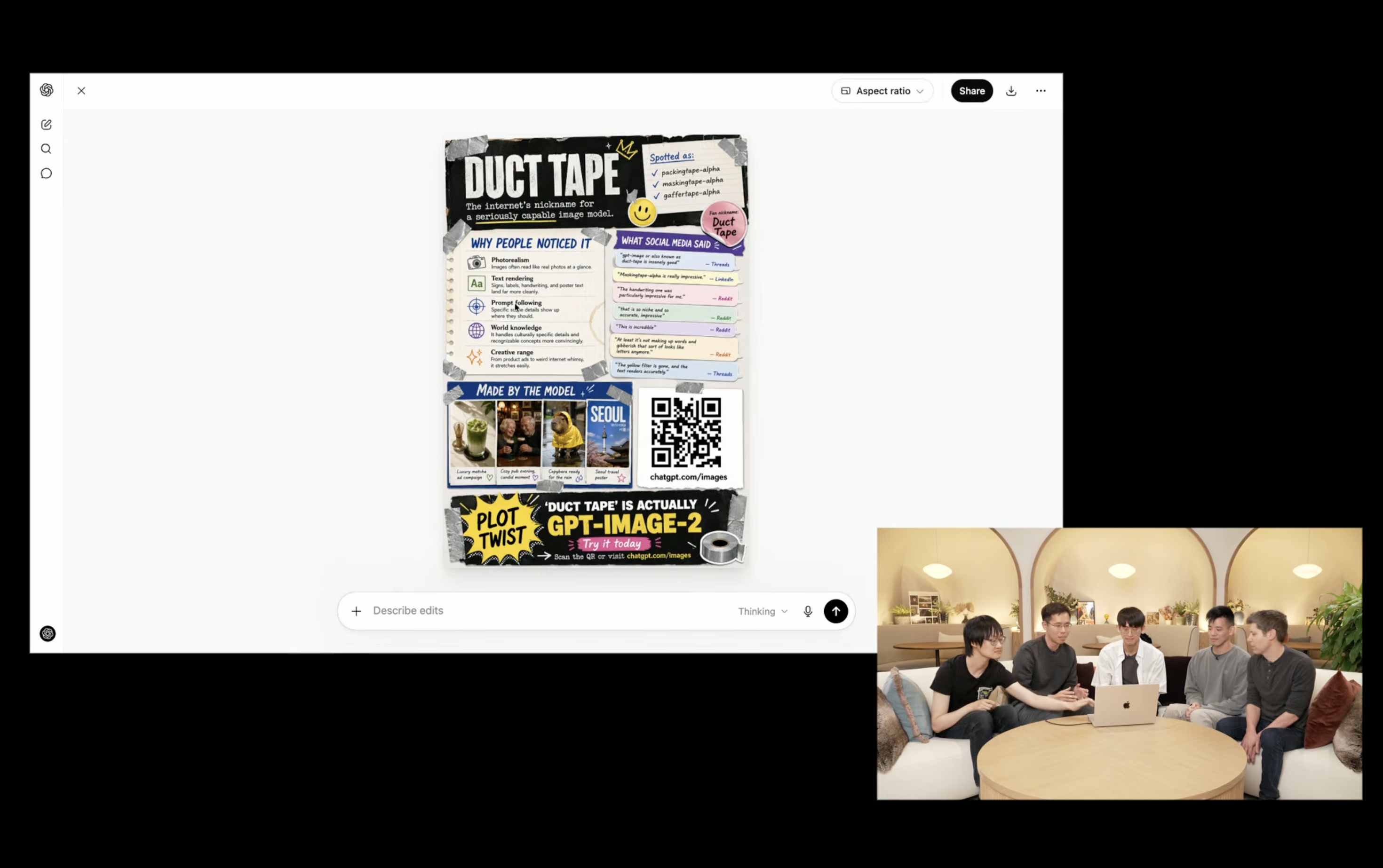
Image Source: Lei Technology
From the results, it's clear that Images 2.0's multilingual support is already exceptional. However, to further test its capabilities, Lei Technology decided to push Images 2.0 to its limits:
Generate a photo-style image: A piece of calligraphy is on display in a museum, inscribed with the following text: "The northern lands stretch, a thousand li of ice bound, ten thousand li of snow drifting. Beyond the Great Wall, only endless white remains; above and below the great river, the surging waters suddenly fall silent. Mountains dance like silver serpents, the plains gallop like waxed elephants, vying with the heavens for height. On a clear day, see the red and white adornments, especially enchanting. Such a landscape is so charming, it has bent the wills of countless heroes. Alas, Qin Shi Huang and Han Wu Di, slightly lacking in literary grace; Tang Tai Zong and Song Tai Zu, somewhat inferior in poetic flair. A heavenly proud figure of a generation, Genghis Khan, only knew how to shoot eagles with a bow. All have passed; to see the remarkable figures of today, look no further."
Despite the lengthy text, ChatGPT still produced the result within a minute. It's evident that Images 2.0's Chinese support is indeed commendable, with virtually no issues in font and character form. However, the "texture" of the calligraphy still lacks authenticity, appearing more like a "print" than a handwritten piece.
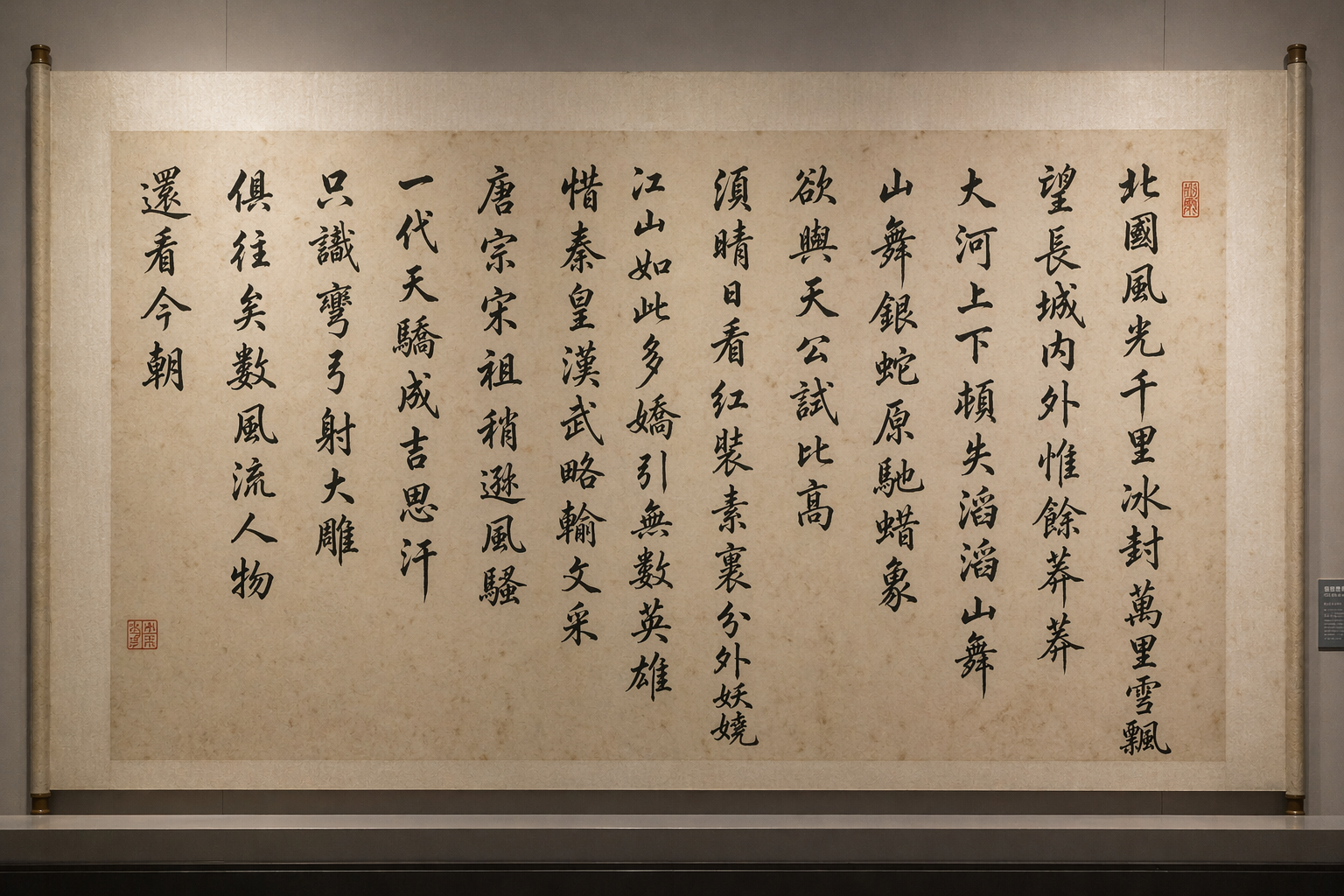
Image Source: Lei Technology
After discussing the Instant Model, let's delve into the capabilities of the Thinking Model. This time, Lei Technology directly presented Images 2.0 with a challenging task:
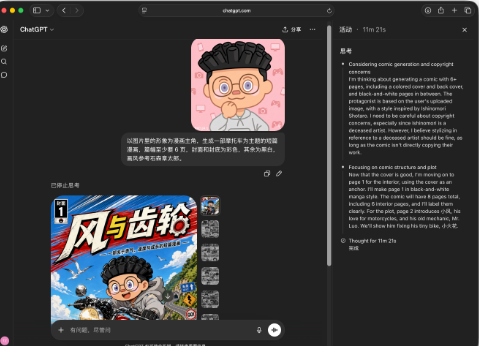
Using the character in the image above as the protagonist of a comic, generate a short motorcycle-themed comic with at least 8 pages, featuring a colored cover and back cover, and black-and-white pages in between, with a drawing style inspired by Shotaro Ishinomori.
After receiving the request, Images 2.0 underwent a noticeable thinking and reasoning process; by clicking on the reasoning details, we could even observe Images 2.0 composing dialogues. This was quite normal, considering no plot prompts were provided, leaving it entirely to Images 2.0 to create freely.
After 11 minutes, Images 2.0 successfully output a set of 8 images. Notably, Images 2.0 not only achieved consistency in style and details across the 8 images (except for the occasional presence or absence of helmets) but also maintained contextual coherence in the plot. Such long-sequence reasoning capabilities are challenging even for Nano Banana to achieve.
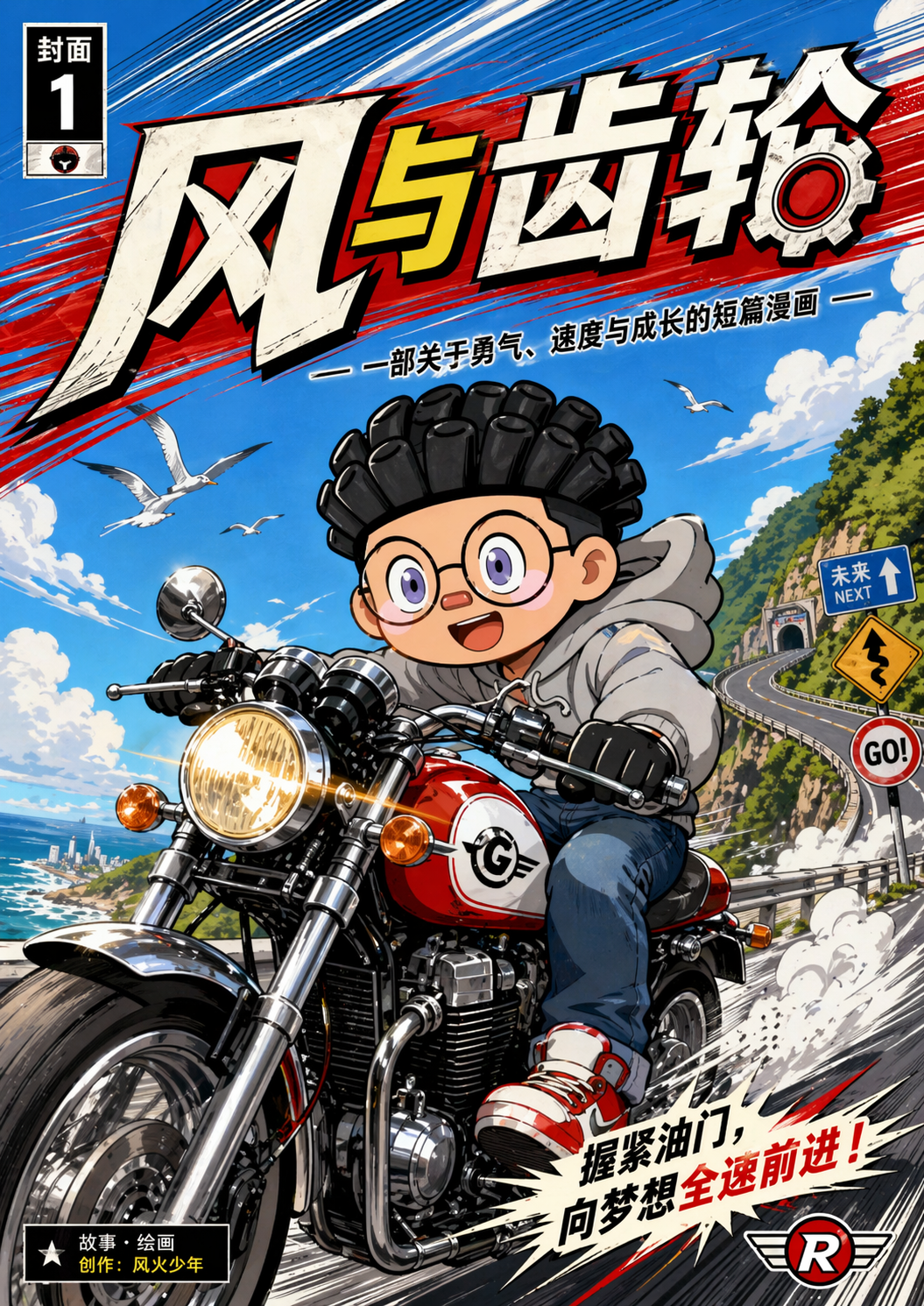
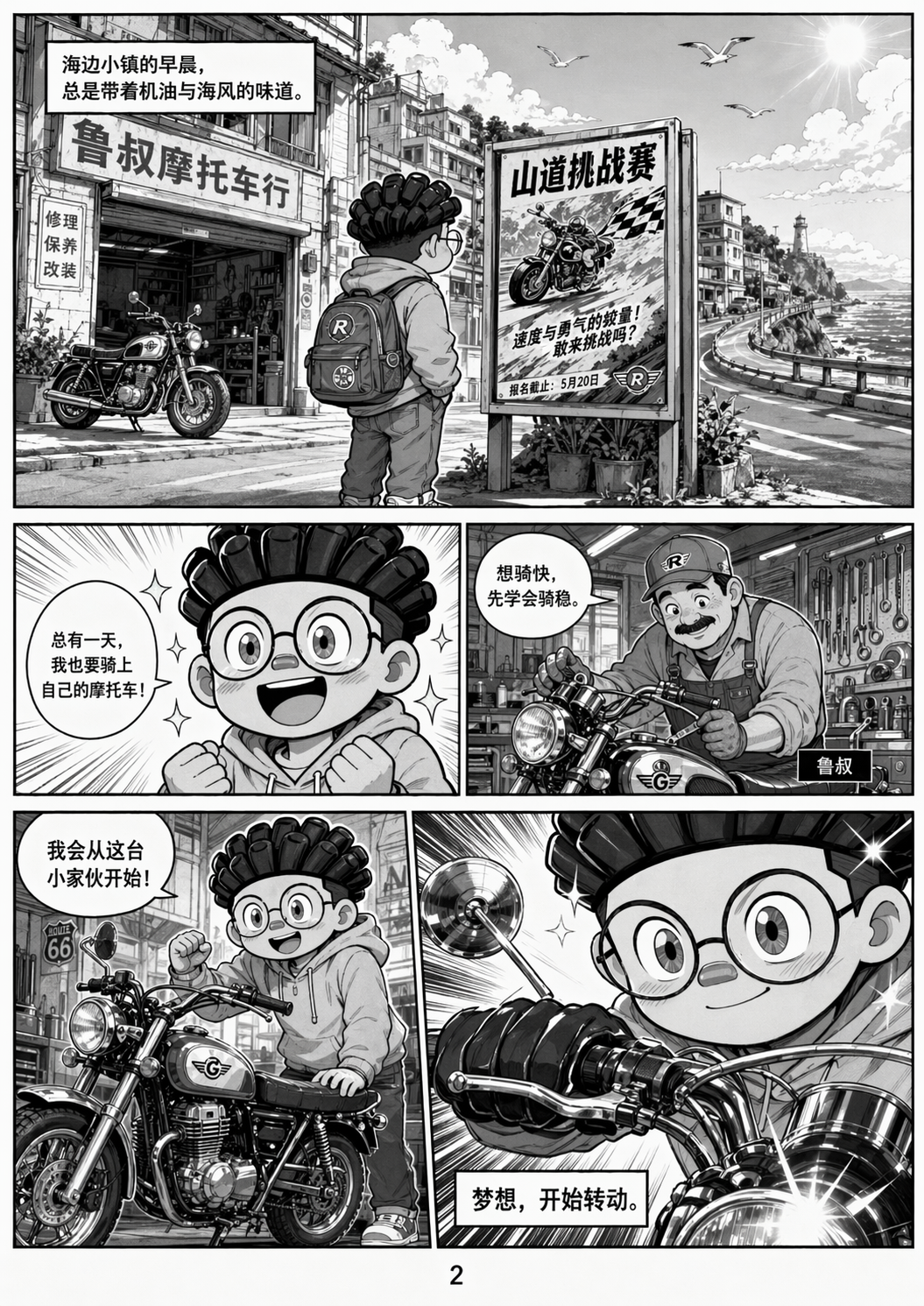
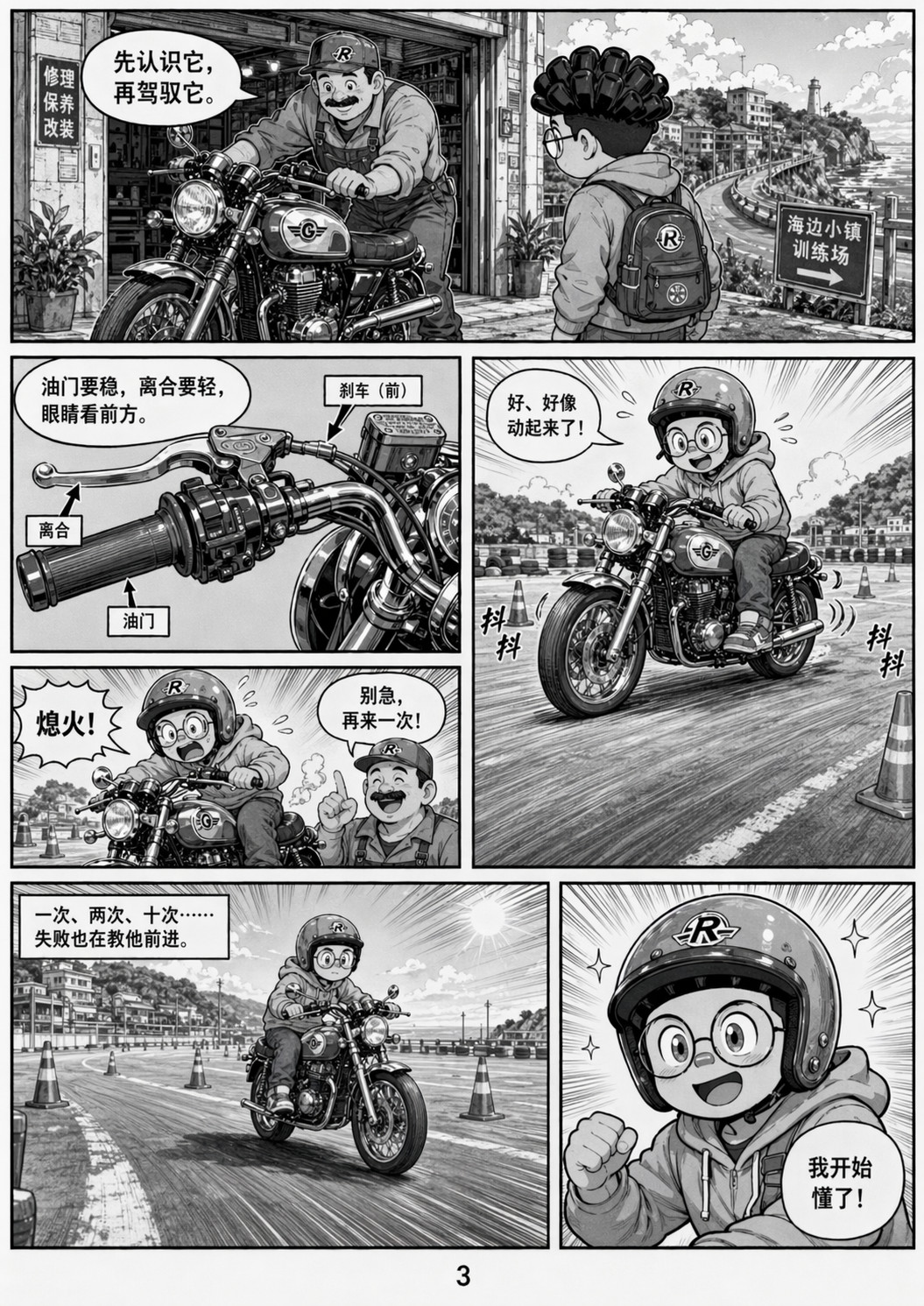
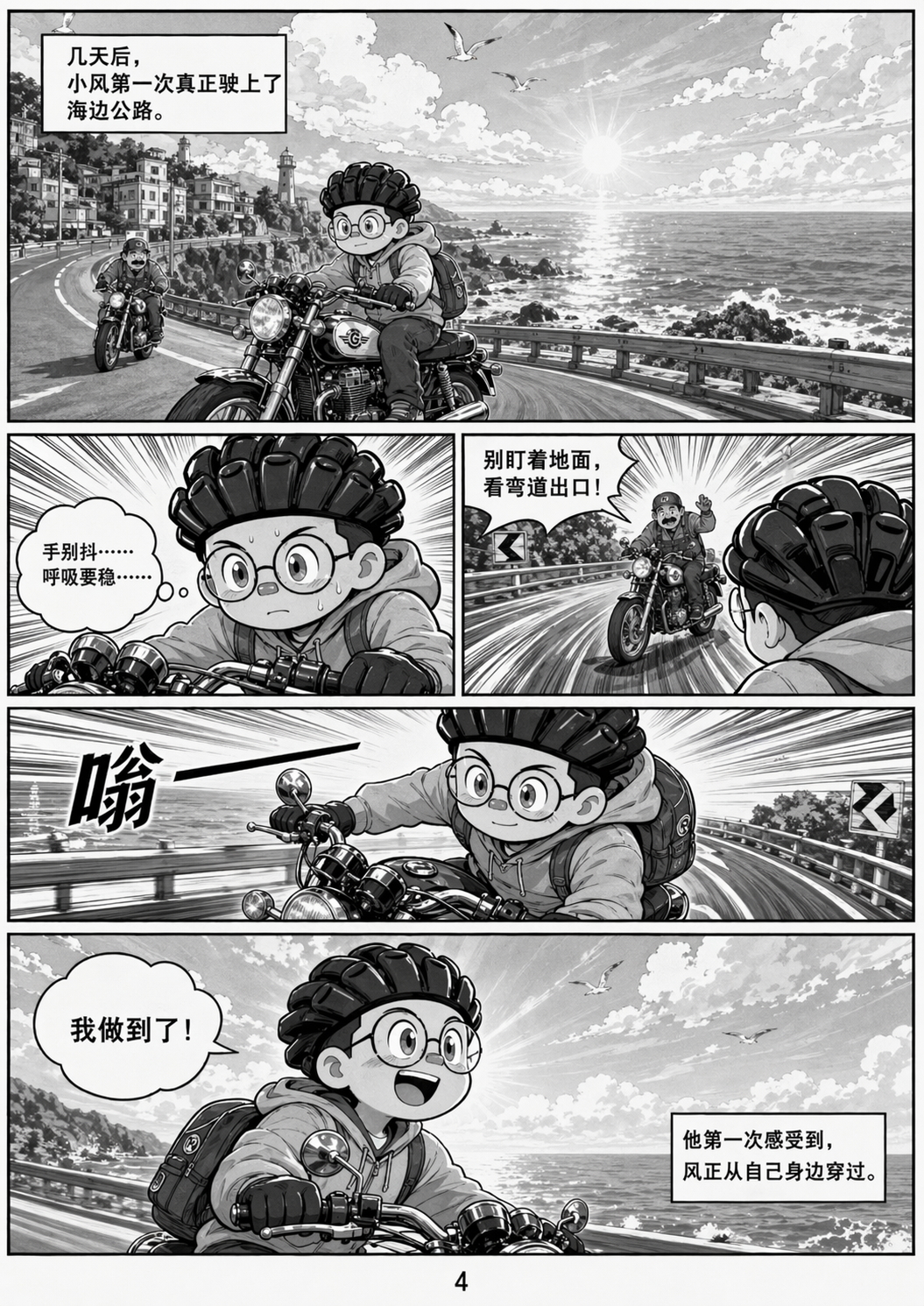
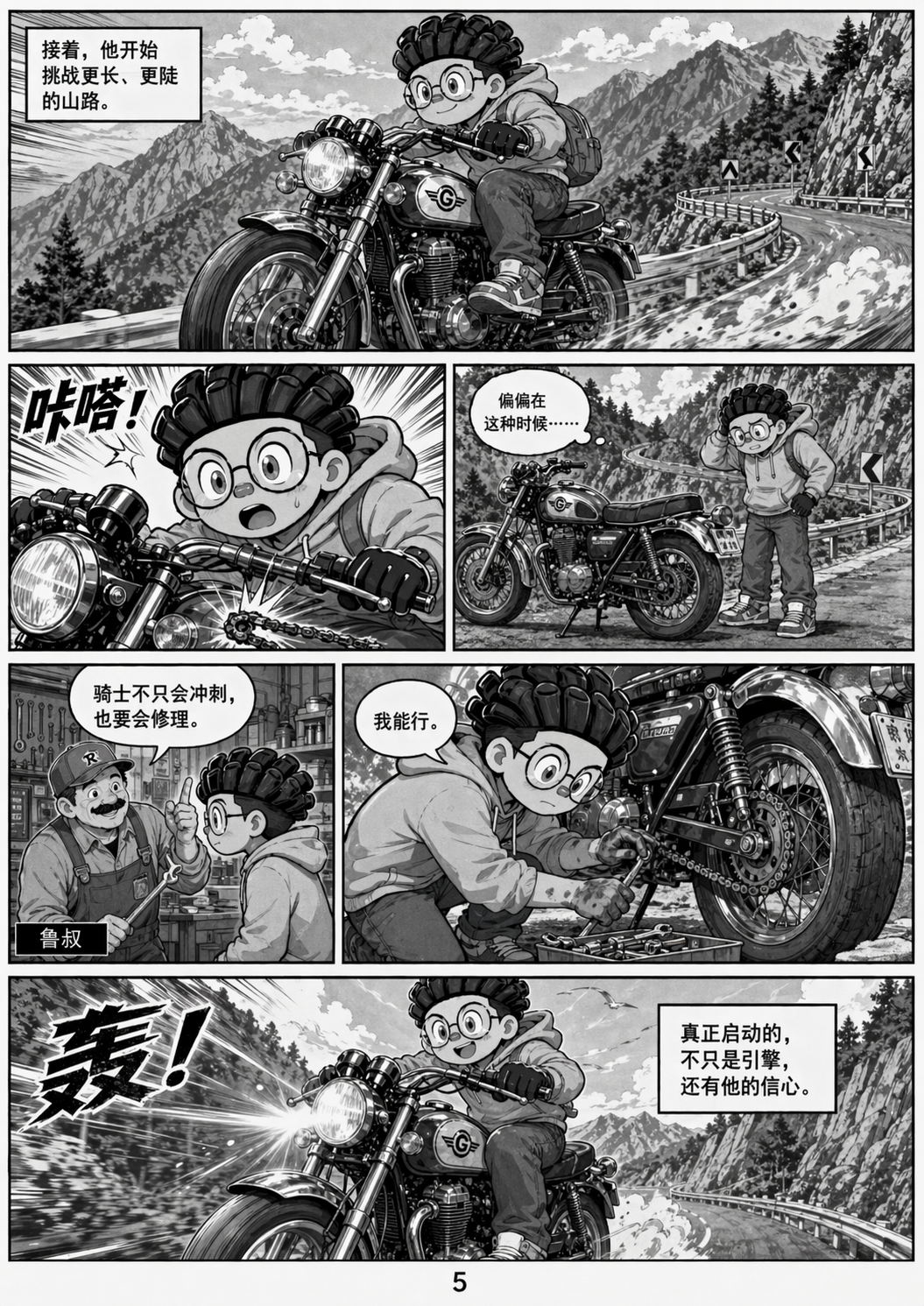
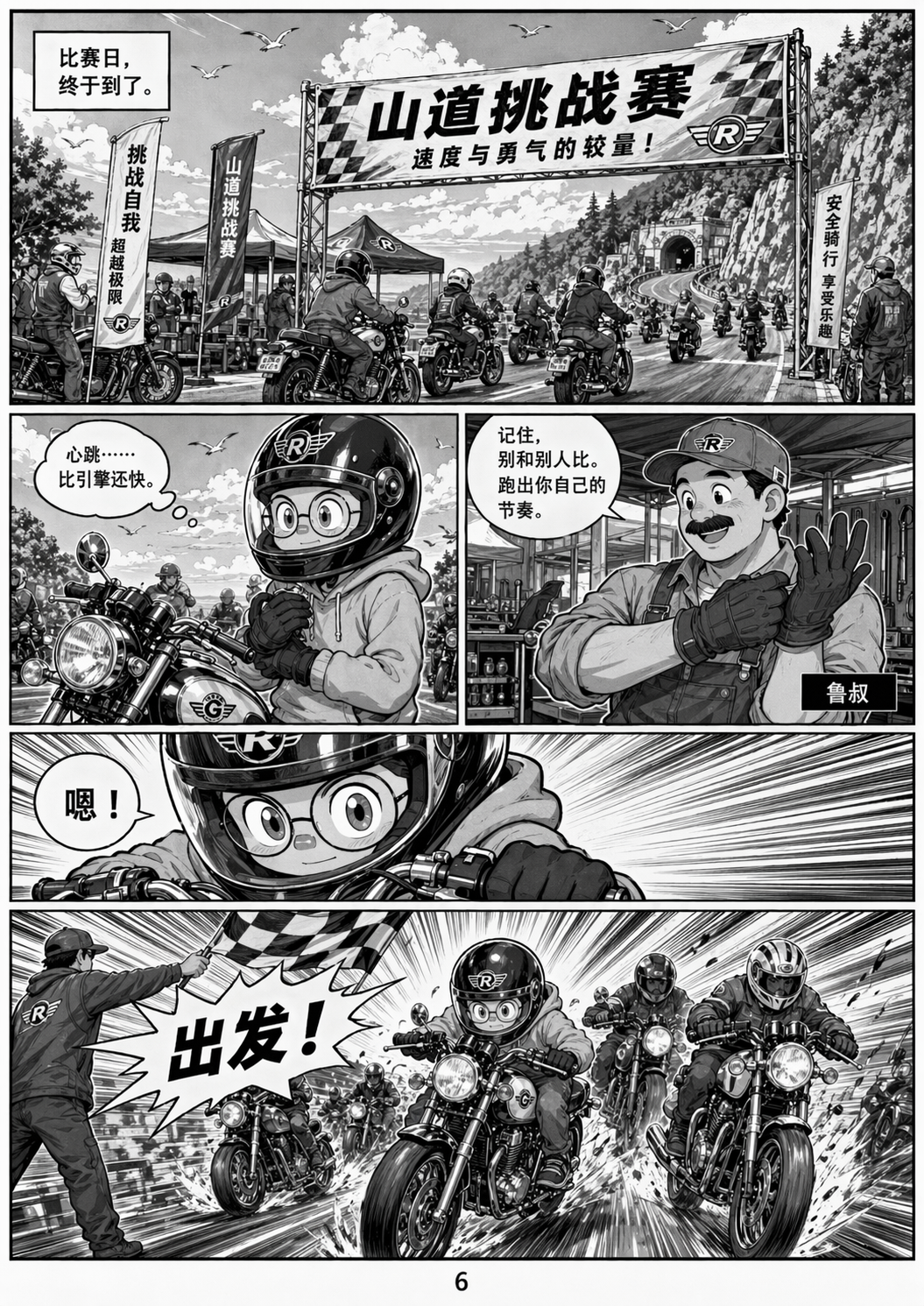
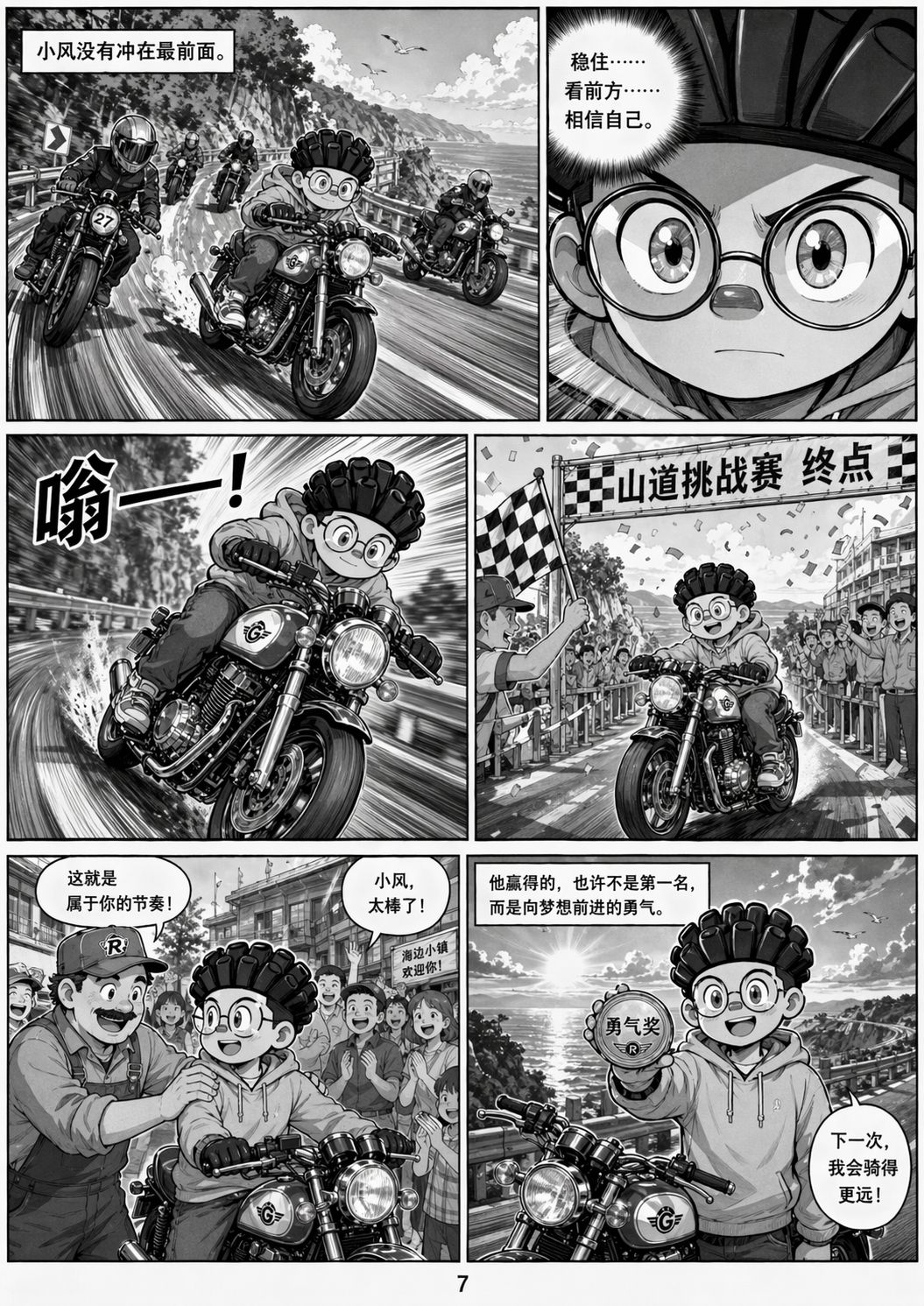
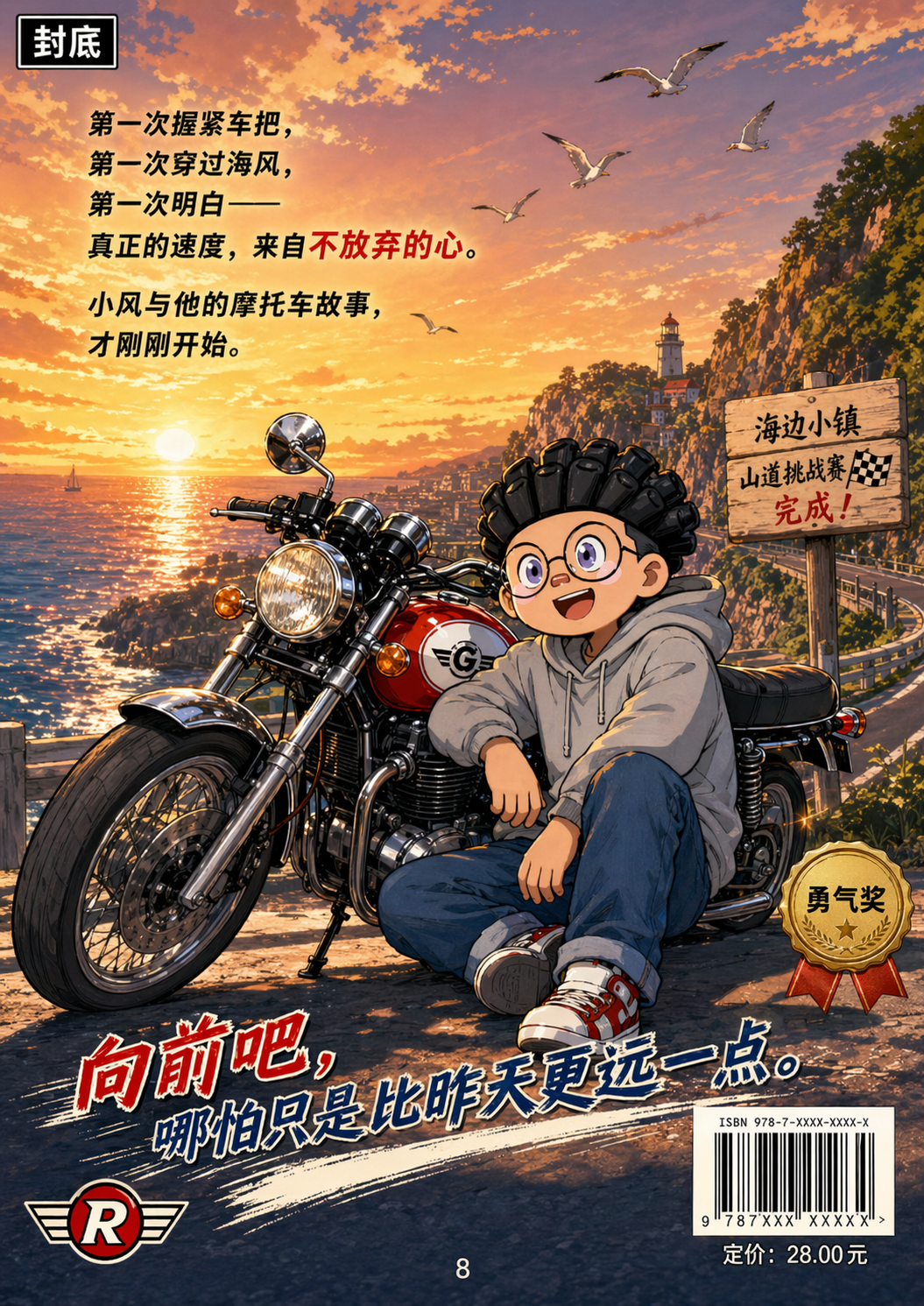
Because of this, Lei Technology believes that Images 2.0's performance can be described as outstanding.
Due to triggering the fair use limit mechanism for ChatGPT Plus users, Lei Technology's experience with Images 2.0 ends here for now. However, based on Lei Technology's experience, the capabilities of Images 2.0 are far from limited:
In addition to supporting Chinese (as well as multiple Asian languages like Hindi and Japanese) and continuous reasoning, during the livestream, OpenAI also mentioned Images 2.0's ability to write on a grain of rice with ultra-fine image generation and its capability to generate 360-degree panoramic photos.
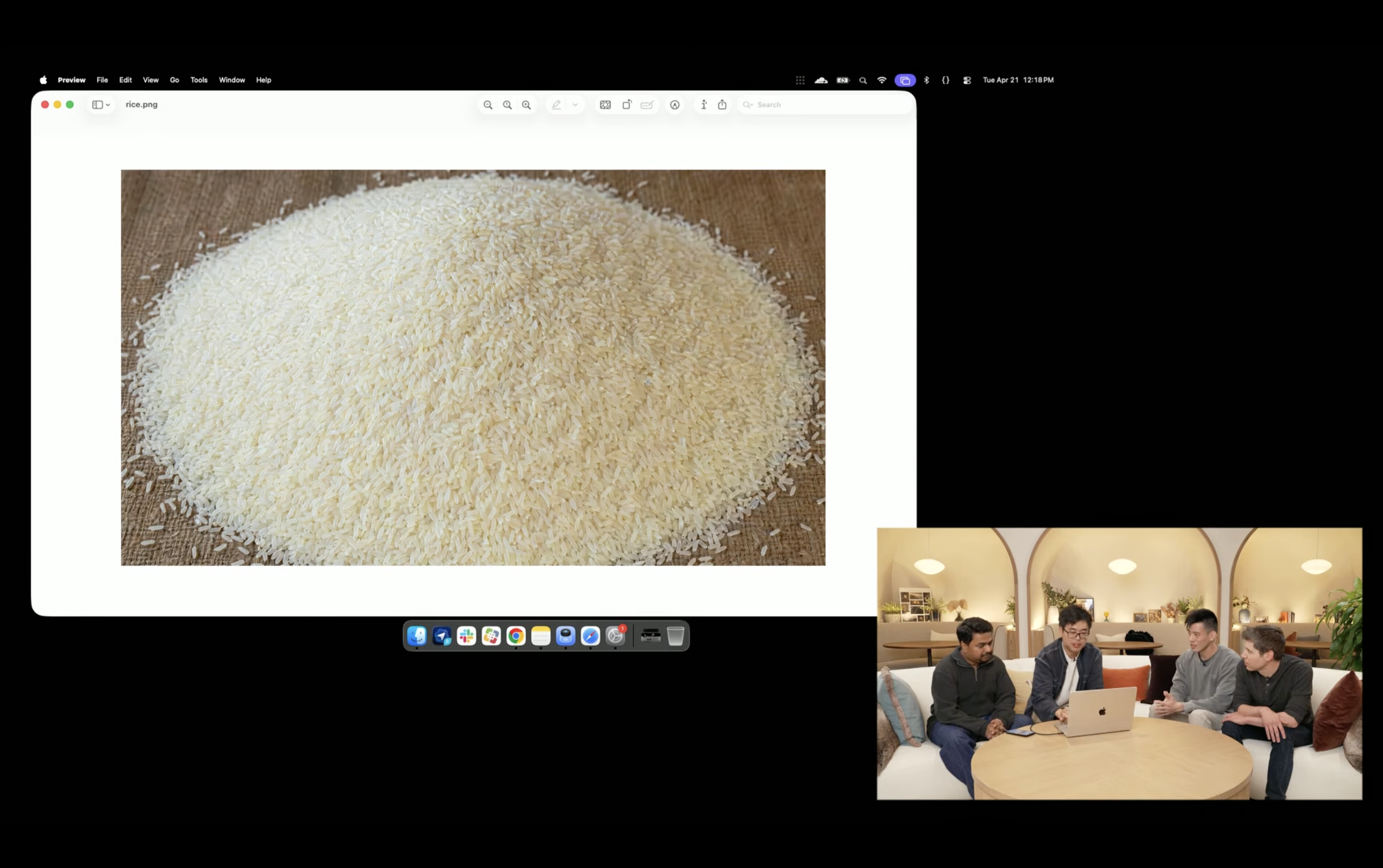
Image Source: OpenAI
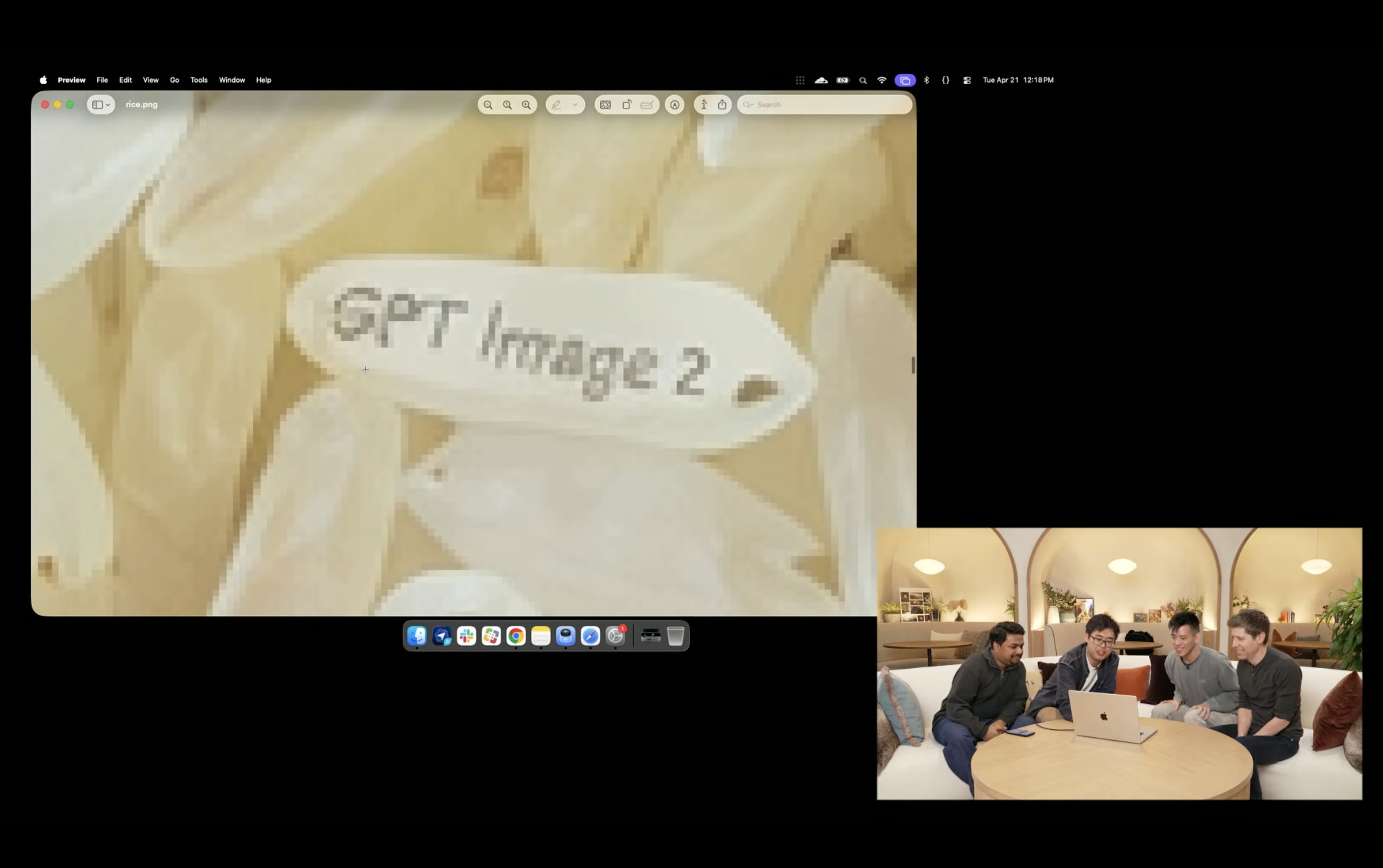
Image Source: OpenAI
Because of Images 2.0's exceptional image generation capabilities, Lei Technology believes that its debut marks the official end of the primitive era of AI-generated images, where success relied on vague prompts and "luck" in generating desired images.
If you've experimented with early text-to-image AI like Stable Diffusion, you might have an impression of the "primitive era" of text-to-image generation: you might create the desired image on your first try, or you might spend hours adjusting prompts and generating hundreds of GB of useless images, with an experience even worse than "gacha" mobile games—at least those games have a pity system.
At that time, if we wanted to ensure that our images "had a high probability of meeting requirements," we had to use ComfyUI; however, ComfyUI's complex node design, in a sense, also contradicted the goal of AI image generation to "be lazy."
But with the introduction of the "Thinking Model" in Images 2.0, AI has, for the first time, acquired the ability to parse long-text logic and reason with spatial and temporal consistency.
Taking the comic creation workflow mentioned earlier as an example, Images 2.0 can first understand the scene, conceive the plot, layout the text, and finally put pen to paper. This evolution from fundamental logic directly addresses the two major issues in AI painting: "text collapse" and "inconsistent art styles," significantly broadening AI's productive boundaries.
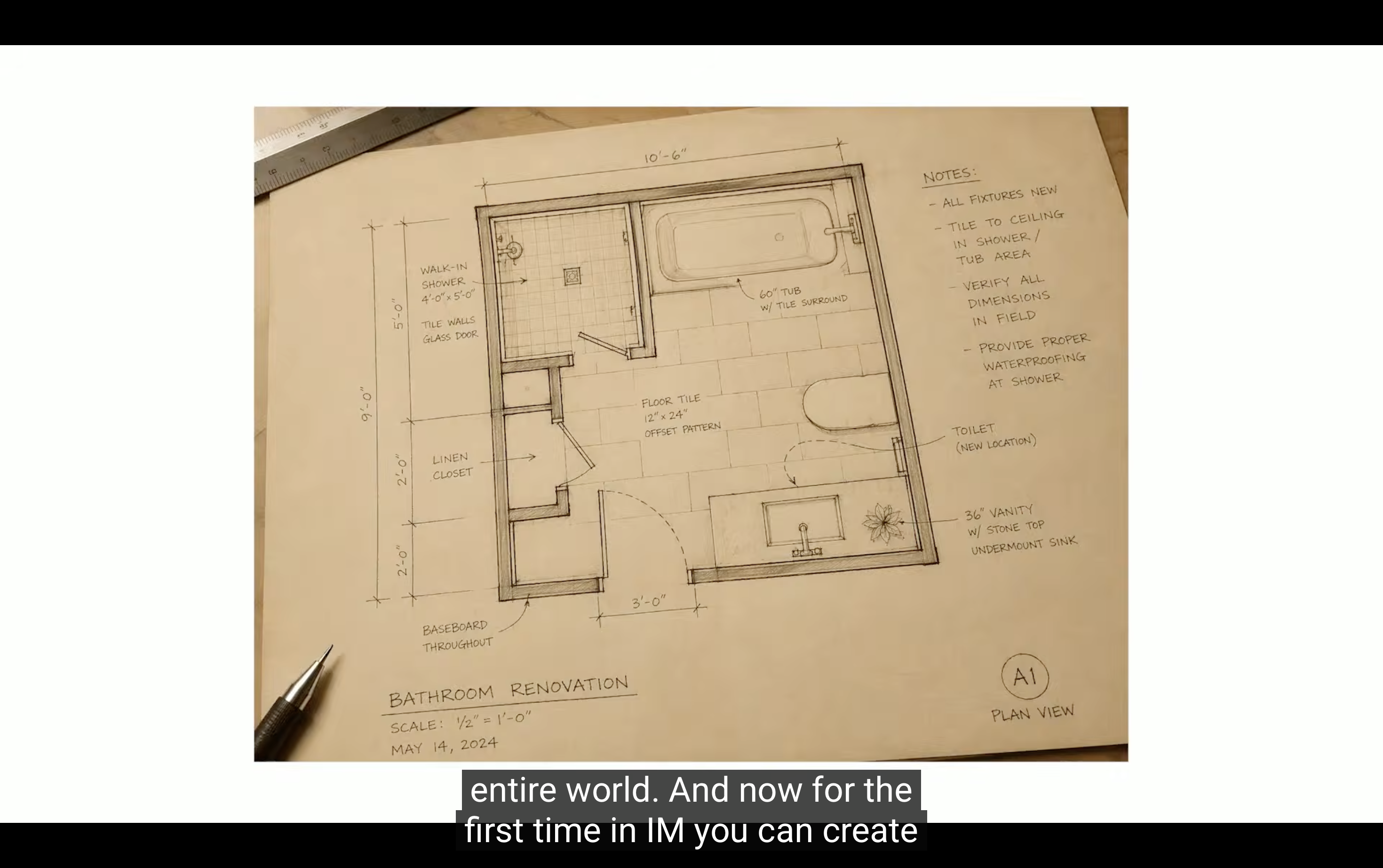
Image Source: OpenAI
It's certain that the emergence of Images 2.0 will have an extremely "devastating" impact on the painting and photography industries; from the perspective of AI development, OpenAI has once again proven that simply increasing resolution cannot fundamentally improve AI's work efficiency, and that reasoning capabilities are the core competitive area for AI images.
In the era of AI images, OpenAI has set a strong precedent. Now, it's up to Google and domestic AI giants to respond.
AIOpenAIChatGPT
Source: Lei Technology
Images in this article are from the 123RF licensed image library
-
![]()
Wang Huiwen, Former Meituan Executive, Achieves 20-Fold ROI, Supports 24 AI Startups
-
![]()
Another AI Computing Power Unicorn Launches IPO! Founded by a Changjiang Scholar
-
![]()
OFILM Holdings Secures Zhongke Daojing, Marking a Significant Leap in the Optical Communication Industry!
-
What Will Be the Next Key Battleground for Large Models After AI Coding?
-
![]()
Leapmotor's Sales Soar, Yet Hidden Concerns Loom
-
![]()
China’s Action Camera Market Soars: 3.12 Million Units Sold in Six Months, DJI Secures 74% Dominance
-
![]()
Zhang Yiming: Strategic Retreat as a Path Forward
-
![]()
Exploring Charging for Some Features of QianWen App: Can It Follow the Path of Doubao?