April’s AI Showdown: DeepSeek Steals the Spotlight as AI Startups Race to Monetize
 04/27 2026
 568
568
The AI arena is abuzz with back-to-back launches, each setting the trend for weeks on end.
AI large models have now entered a phase where innovation cycles are measured in weeks, not months.
Recently, OpenAI and DeepSeek, the AI startups garnering the most global and Chinese attention, respectively, unveiled their latest flagship models: GPT-5.5 and DeepSeek V4.
In China, the past few months have witnessed fierce competition among tech behemoths and emerging players in the AI model space. Amidst the anticipation and subsequent letdowns over the much-hyped yet delayed release of DeepSeek V4, other major model providers have been racing against time, engaging in benchmarking battles and talent acquisition wars.
The long-awaited DeepSeek V4, as revealed by insider leaks, boasts deep optimizations for Huawei’s Ascend series chips (particularly the Ascend 950).
Image Source: DeepSeek
If DeepSeek’s entry is a “blockbuster debut” after a prolonged hiatus, then OpenAI is orchestrating a “comeback of the century.”
OpenAI has rolled out two major innovations: GPT-Image-2 and GPT-5.5. GPT-Image-2 has dethroned Google’s Nano Banana 2, claiming the crown in image generation. Meanwhile, GPT-5.5 has outperformed Anthropic’s newly launched Claude Opus 4.7 across various benchmarks, securing the top spot globally.
Also noteworthy is Anthropic’s recent valuation surge in the private secondary market, exceeding $1 trillion and surpassing OpenAI’s latest funding round valuation of $852 billion at the end of March.
With Anthropic’s aggressive capital market moves and revenue growth, coupled with Google’s ecosystem-level offensive, OpenAI, once the undisputed leader in global AI large models, has been compelled to make consecutive strategic moves.
Image Source: OpenAI
AI Startups Accelerate Monetization, DeepSeek Stays True to Technological Inclusivity
In the lead-up to DeepSeek V4’s debut, the domestic large model market has undergone seismic shifts.
Among the AI startups, Yuezhiyanmian (Kimi), Zhipu (GLM), and Xiyu (MiniMax) have either made significant strides in the user market or soared in the capital market.
Among the tech giants, Alibaba’s Qianwen has declared an all-out war against ByteDance’s Doubao, while Tencent’s Hunyuan is frantically catching up under the guidance of a technical expert.
Image Source: Tencent
AI technology has transitioned from conceptual hype to widespread adoption and promotion. For these new and established platform vendors, after their AI assistants cater to users’ emotional (chat) and assistive (work) needs, it’s only natural for them to embark on their respective monetization journeys.

Image Source: Alibaba
However, on the path of technological inclusivity for AI, there’s still a need for platform companies willing to champion it, persist in it, and even view it as a core principle. DeepSeek and its V4 version have not disappointed the broad user base’s expectations: full support for ultra-long contexts of up to one million words and deep integration with domestic computing power chips.
Regarding the Token costs that users care most about, despite the significant enhancements in performance and capabilities of the new V4 model, DeepSeek maintains a relatively low, if not the lowest, pricing level in the industry for completing the same tasks.
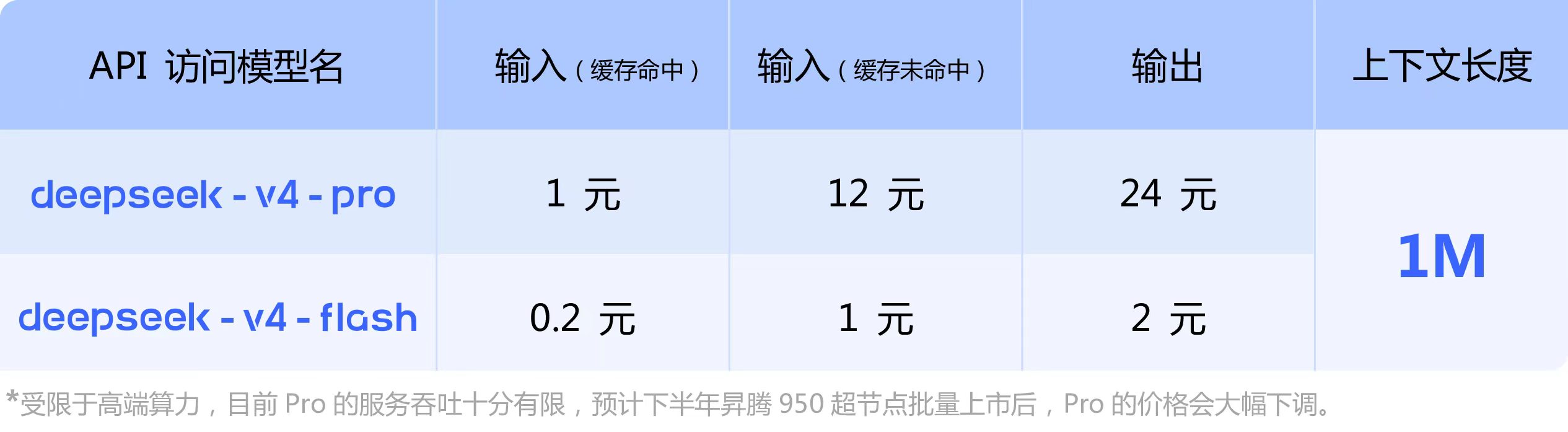
Image Source: DeepSeek
With the continuous advancement of domestic computing power chip technology and products, DeepSeek is confident in driving user costs far below the industry average, even as user instructions become more frequent and Token consumption increases.
Notably, DeepSeek, backed by High-Flyer Quant and traditionally “flush with cash,” has also been reported to be in talks for external financing, with Tencent and Alibaba as potential investors. The two are expected to invest a total of $1.8 billion, valuing the company at approximately $20 billion. Previous reports also mentioned Shunwei Capital, founded by Lei Jun, participating in financing discussions with DeepSeek.
As the AI platform war becomes increasingly capital-intensive and tech giants go all-in on AI, how will DeepSeek “remain steadfast amidst changes” and continuously keep pace with or even surpass global leaders? The debut of DeepSeek V4 marks both an end and a beginning. We just hope that the next major version update won’t leave DeepSeek users waiting for over 400 days again.
AI Creations Enter the Era of ‘Indistinguishable from Reality,’ Is Society Ready?
DeepSeek V4 still lacks multimodal capabilities, yet this is already a hotbed of competition among domestic and foreign companies.
In the video generation model space, Alibaba’s HappyHorse 1.0 has soared to the top of the April rankings, surpassing ByteDance’s Seedance 2.0 in benchmark tests.
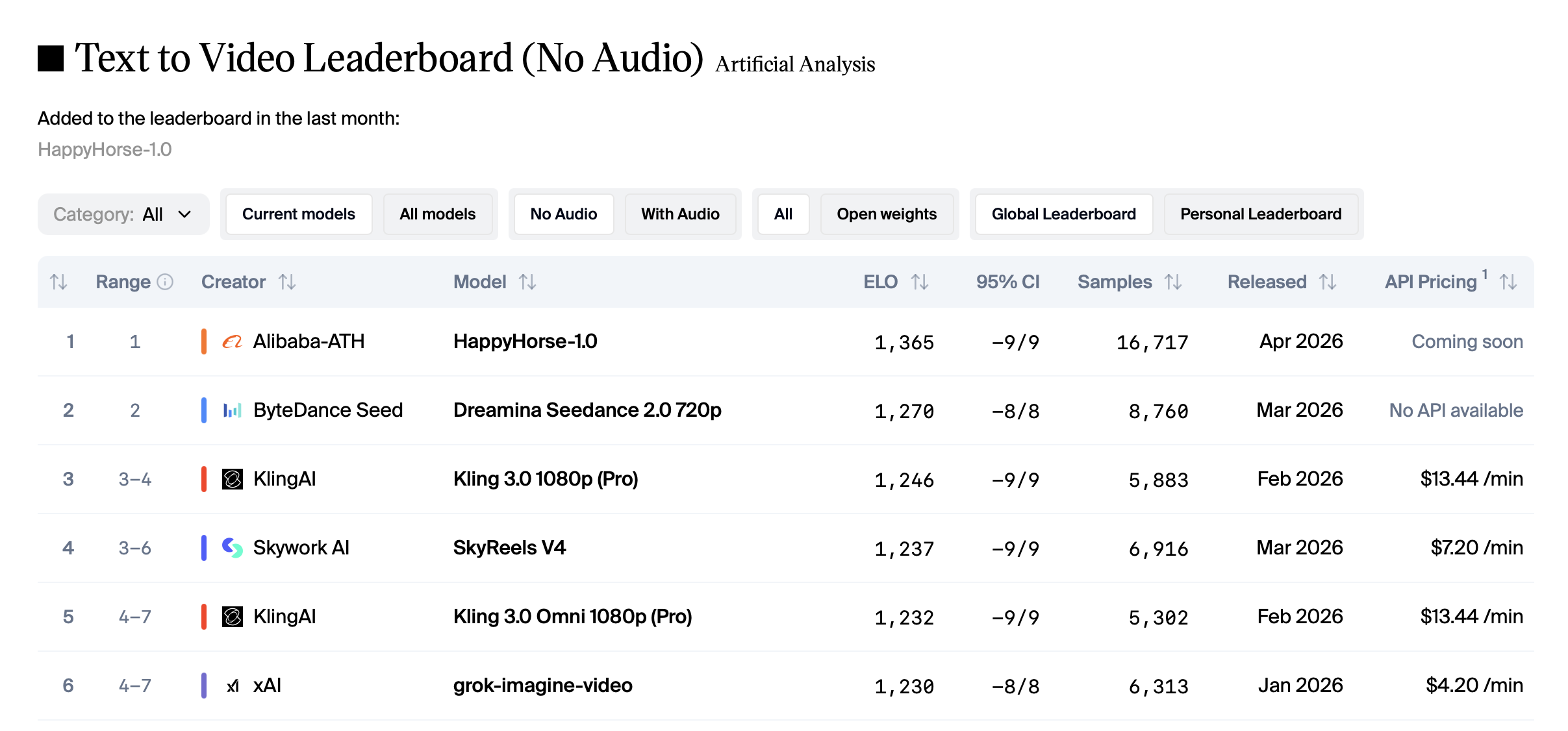
Image Source: Artificial Analysis
From Kuaishou to ByteDance, and now to Alibaba, the video generation model track has seen three “new kings” emerge in quick succession, all from domestic giants. Based on actual user feedback and market performance, ByteDance’s Seedance 2.0 still holds the current center stage.
More importantly, since Seedance 2.0’s launch, the domestic comic drama, short drama, and even long drama and film markets have witnessed the most intense wave of disruption in recent years.
Starting with comic dramas and short dramas, the AI production process is comprehensively penetrating and reshaping the film and television work market. Once the bow is drawn, there’s no turning back. The share of AI-generated works in the overall market of live-action works will also gradually become apparent.
In the image generation model space, the newly launched GPT-Image-2, with its ultra-realistic restoration and powerful design capabilities, has not only sparked a creative frenzy among users but also caused a stir in academic and media circles.

Prompt: A young woman taking a selfie with an iPhone 17 Pro Max against the backdrop of the Guangzhou Tower on a rainy night
(Image Source: Generated by GPT-Image-2)
With a simple prompt, a “real photo” like the one above can be generated. As AI image generation technology advances further, will the human eye still be able to distinguish between AI-generated and real-life scene photos in a year and a half or two years?
Earlier than real photos, various “indistinguishable from reality” screenshots, announcements, and transfer records have been “rumored.” This means that the marginal cost of creating false content is beginning to approach zero.
At the same time, with AI’s more skilled layout and design capabilities, jobs in document design and beautification, graphic design, and UI design will also face unprecedented pressure.
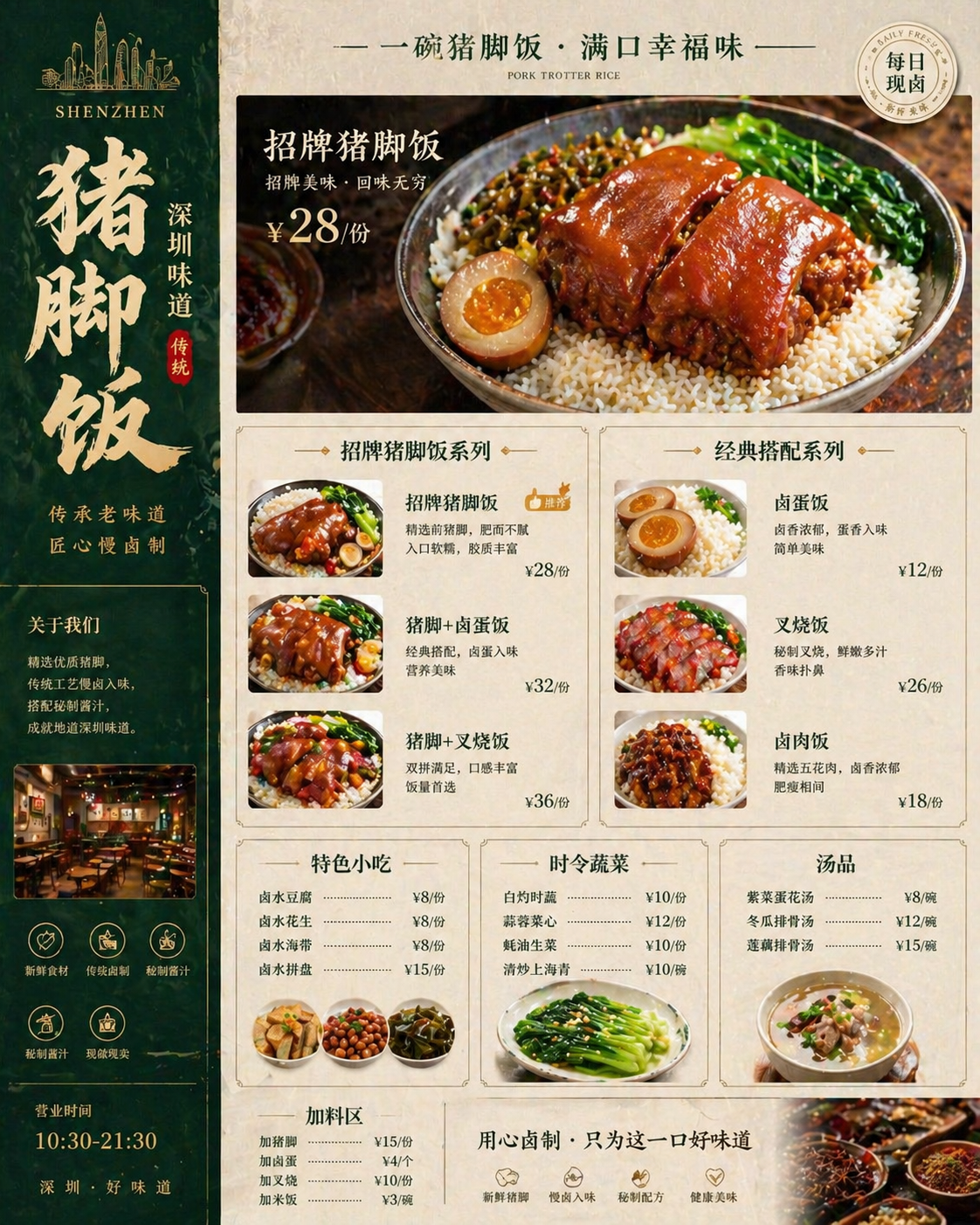
Prompt: Design a menu for a Shenzhen pork knuckle rice restaurant (Image Source: Generated by GPT-Image-2)
Any AI-generated work (including but not limited to images) needs to have an exclusive, irremovable category and proof marker. This not only requires continuous improvement of the platform system but also comprehensive follow-up from the regulatory level.
Three-Way Power Struggle: Who Will Laugh Last in the ‘Hundred-Model War’?
Whether in the domestic or global market, the first true climax of the “Hundred-Model War” has unfolded since this year’s Spring Festival.
Notably, besides tech giants and startups, there’s another unignorable force in the AI large model battlefield: device giants.
Recently, Xiaomi launched the MiMo V2.5 large model, with impressive benchmark performance, seemingly vindicating device giants. Whether Apple, entering the Ternus era, will gradually shift from integrating third-party large models to focusing on self-developed ones is also worth watching.
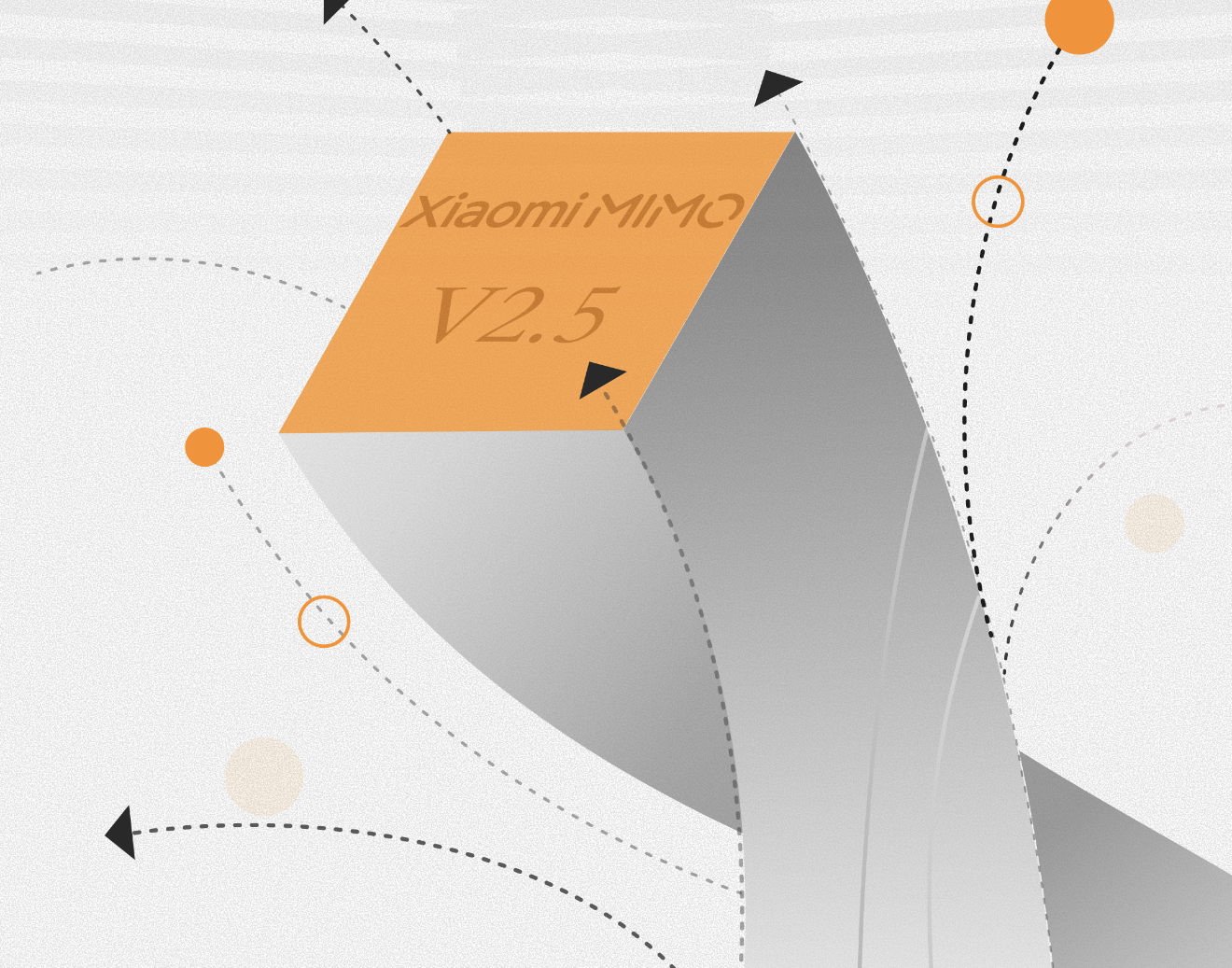
Image Source: Xiaomi
Looking back at the dizzying array of AI large model product launches since this year’s Spring Festival, both the domestic and global markets have presented a more “evenly matched” competitive landscape.
In the domestic market, at the tech giant level, ByteDance’s dominant position remains firm, but its “pioneer” advantage is being narrowed by Alibaba and even Tencent. Among the AI startups, the situation is no longer like DeepSeek’s sole dominance more than a year ago but instead presents a more complex competitive landscape of interests under full commercialization, including behind-the-scenes investors and even financial giants.
The same is true in the global market, and even more so. Due to not simultaneously targeting the B-end enterprise market, OpenAI nearly lost ground to Anthropic. OpenAI is backed by NVIDIA, Microsoft, Amazon, and SoftBank, while Anthropic has also enlisted Google, Amazon, and Microsoft.
In terms of product strength, the current landscape is a two-way race for the championship between OpenAI and Anthropic. Google’s Gemini, although temporarily at a disadvantage, boasts even stronger ecological capabilities, making even OpenAI envious. And as early as this year, Gemini will also become the system’s “recommended” large model service provider for over one billion Apple device users worldwide.
As for Musk’s Grok, although it has clearly fallen behind for now, its SpaceX company (including xAI business) may fully acquire the AI programming platform Cursor for $60 billion later this year. Temporary setbacks don’t matter; just spend big money to buy back advanced products and teams.
From a national perspective, besides American companies, Chinese companies have become the only competitive force that can currently rival them: from AI applications to AI hardware, from AI talent to AI chips, the list goes on.
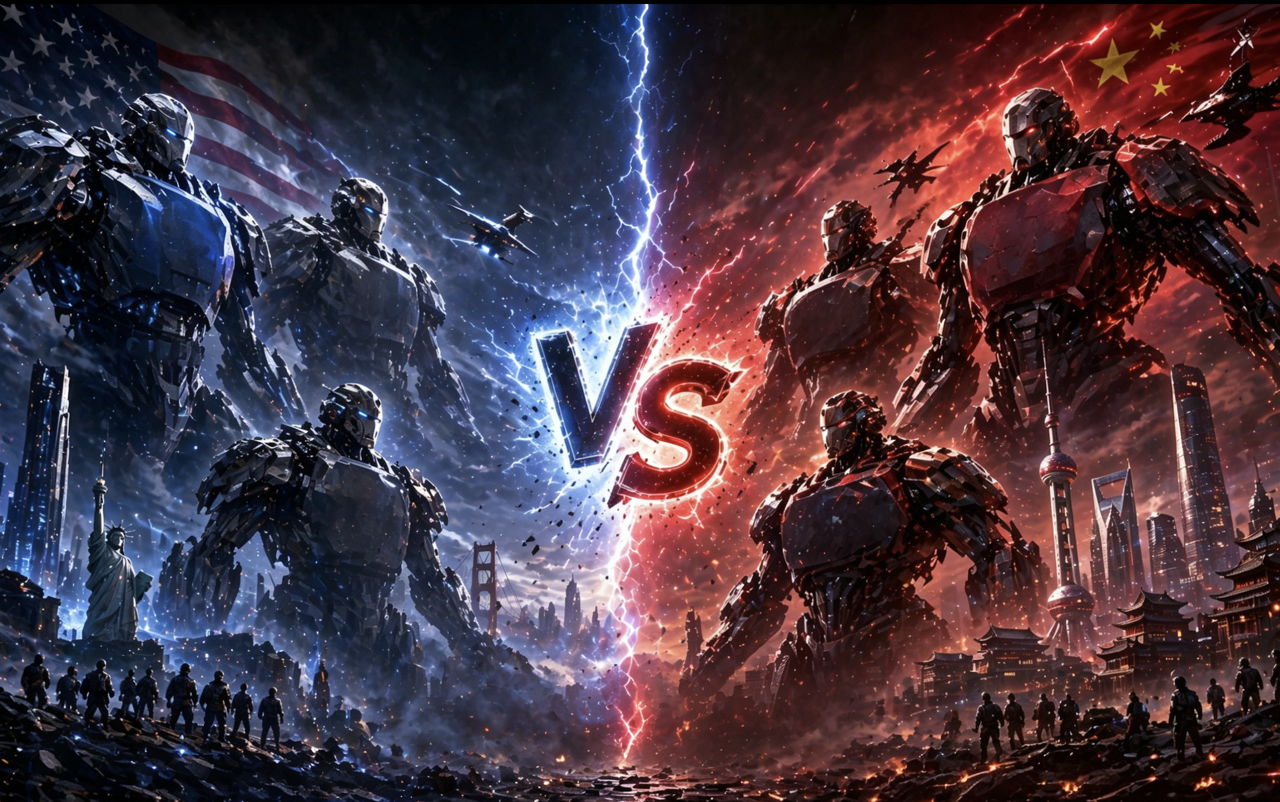
Image Source: Generated by GPT-Image-2
At the enterprise level, under a more intense AI market competition landscape, it is not an easy task for companies to stand out and even “lead by a wide margin,” even in niche tracks, such as the video generation track between ByteDance and Alibaba, the image generation track between OpenAI and Google, and the framework agent track between OpenClaw and Hermes. This is just a prelude to the full-scale intensification of the AI application competition.
AI Large Models, DeepSeek, ChatGPT, Anthropic
Source: Leikeji
All images in this article come from: 123RF Licensed Image Library
-
![]()
Tesla Restructures Its Balance Sheet
-
![]()
Accelerating the High-Speed Interconnection Upgrade of AI Computing Clusters! JONHON Releases ELSFP External Light Source Optical Connectors
-
![]()
Breaking the overseas blockade of volumetric holographic materials, this optical enterprise secures nearly 100 million yuan in financing!
-
![]()
Why Does Jensen Huang So Openly Praise China’s AI?
-
![]()
"Wudang" Unveiled: Arm China's Next-Gen AI VPU Redefines Video Encoding
-
![]()
From Energy Conservation and Carbon Reduction to AI Decision-Making: GECON East Intelligence and Chery Group Explore a New Green and Smart Paradigm for Automobile Manufacturing
-
![]()
WAIC 2026 Observation | AI Accelerates Towards the Core of Industries, Industrial AI Enters a Critical Phase
-
![]()
Volkswagen China Fires the First Shot in Foreign-Funded 'White Box Delivery'!