A Glimpse of International Presence at the Beijing Auto Show: Note-Taking, Networking, and the Anticipation Surrounding Lei Jun
 04/27 2026
 435
435
The influence of emerging automotive forces now extends far beyond the Chinese market.
Upon entering the Beijing Auto Show, a moment of adjustment is often necessary.
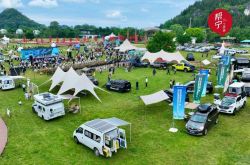
It's not just the sheer scale of this twin-hall, 380,000-square-meter event, or the demanding exhibit tour that requires nearly 30,000 steps a day, but also the influx of international visitors. Everywhere you turn, snippets of foreign conversations fill the air—English, Arabic, Japanese, Korean. A random headcount at several booths revealed that, on average, one out of every four visitors was from abroad.
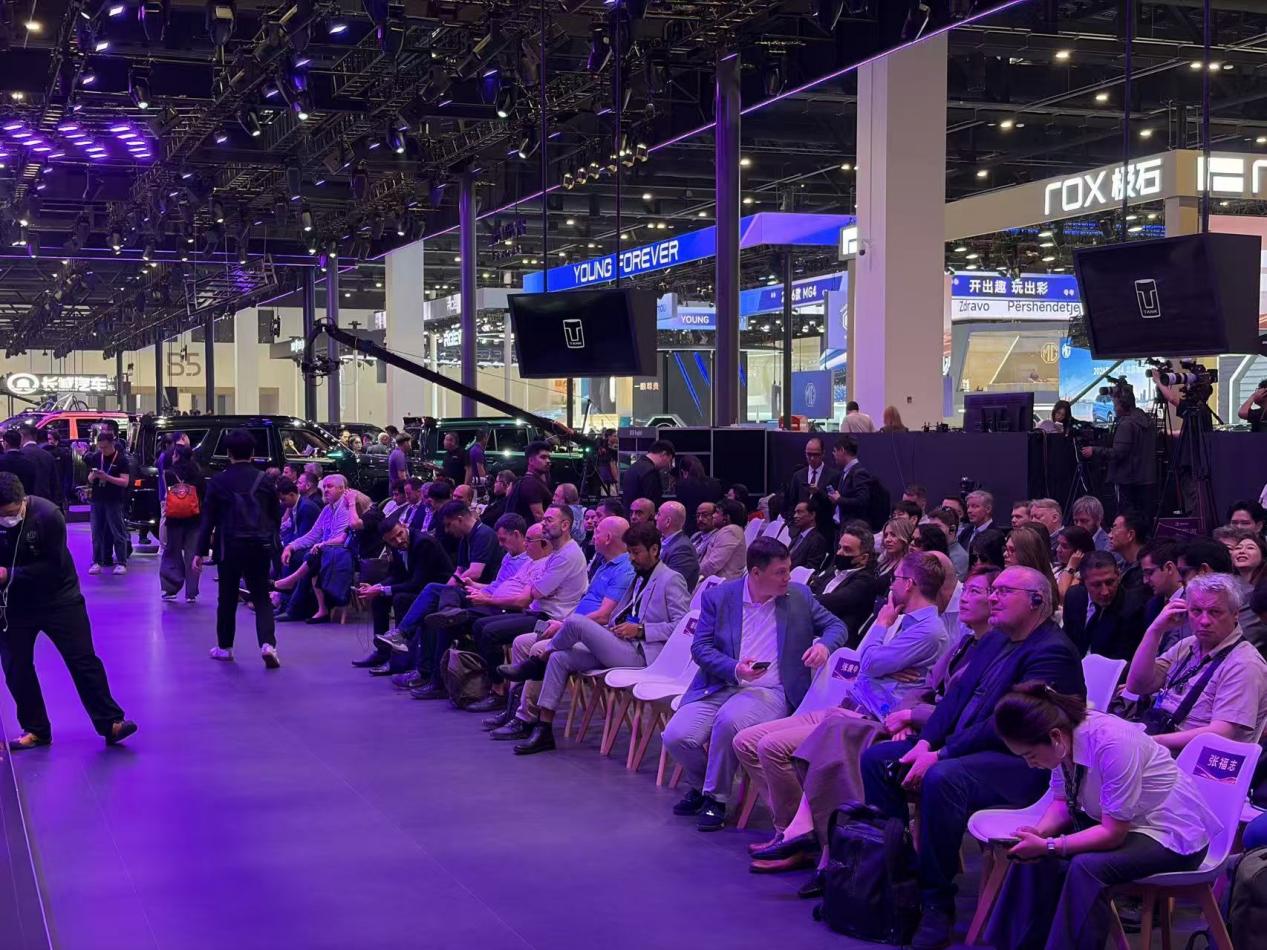
(Image source: Dianchetong Media)
Interestingly, the gathering spots for these international visitors followed a discernible pattern.
Based on the number of foreign attendees, the HiMo booth stood out by a wide margin, with NIO and XPeng closely competing for attention, while Leapmotor’s booth buzzed with dealers clutching business card holders, eager to network.
Chinese automotive newcomers are now challenging the global automotive industry on multiple fronts. The entities assessing this threat are no longer confined to domestic competitors.
And the areas where international visitors congregated the most are precisely those where they perceive the greatest potential disruption.
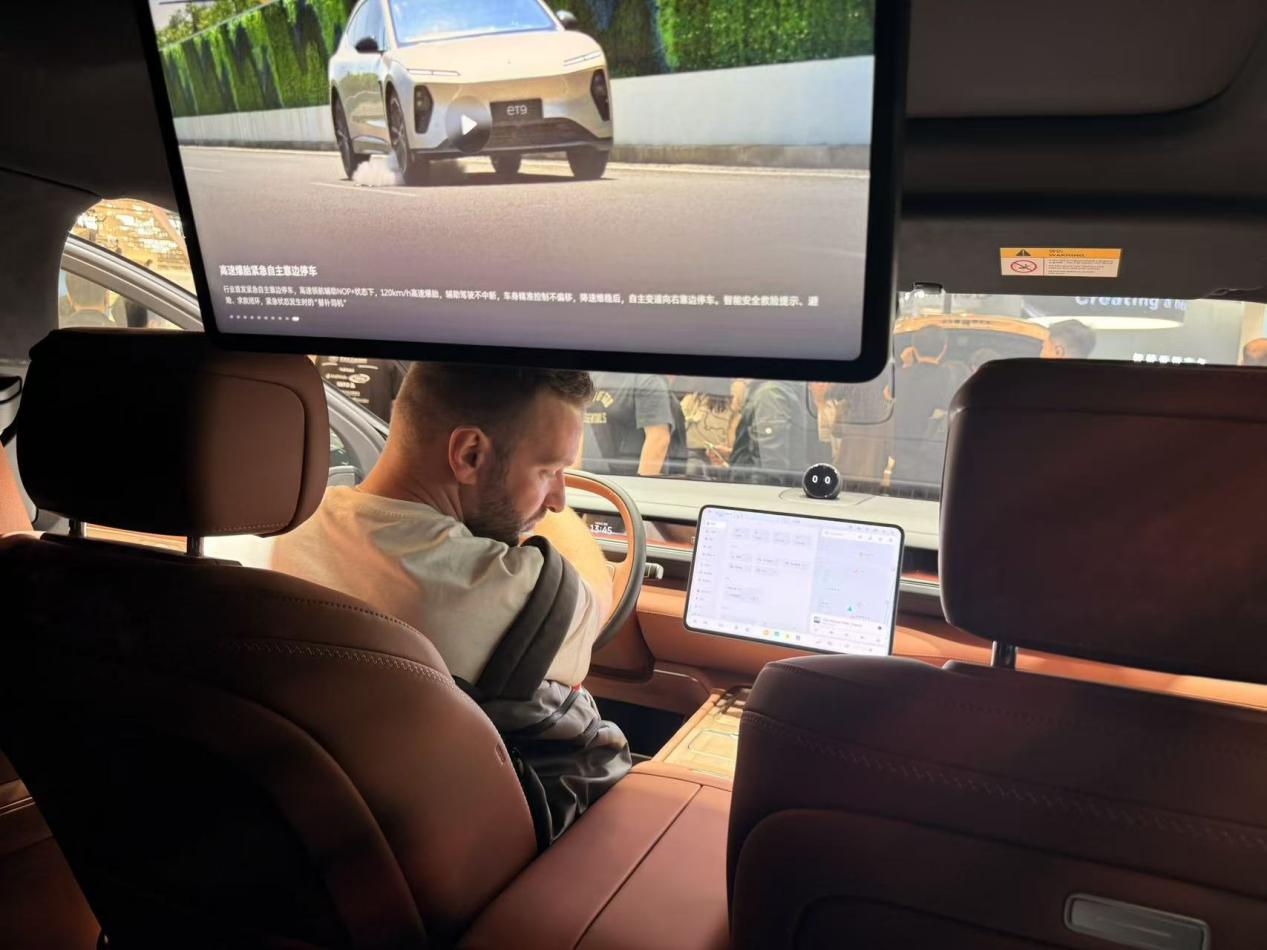
(Image source: Dianchetong Media)
Diverse Paths, Varying Levels of Excitement
Let's begin by assessing the overall excitement.
Judging by the on-site enthusiasm for each emerging automotive force, HiMo clearly had a stronger gravitational pull than its counterparts. While one might intuitively attribute this to Huawei's involvement, such an explanation would be superficial. A more accurate assessment is that HiMo is competing on a fundamentally different level than the others.
NIO, XPeng, Xiaomi, Li Auto, and Leapmotor are engaged in a race for product competitiveness, with the ultimate goal of influencing user purchase decisions. HiMo, on the other hand, is vying for control over operating systems and ecosystem standards.
These are competitions of vastly different magnitudes.
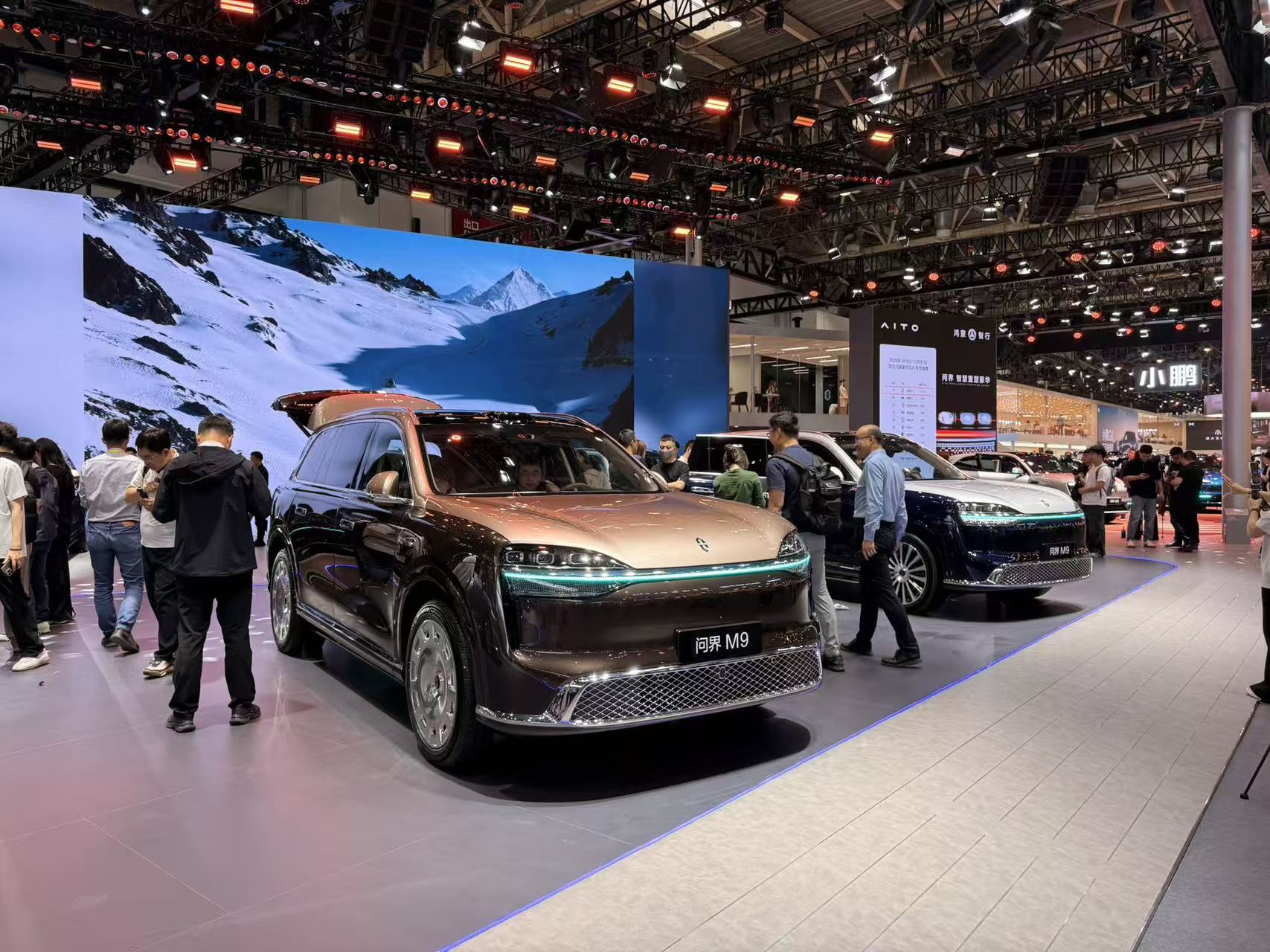
(Image source: Dianchetong Media)
It's now a widely accepted notion in the industry that cars are evolving into mobile smart terminals. However, the question of who will provide the operating system for these terminals remains unanswered.
Huawei is addressing this question by constructing an ecosystem around HarmonyOS, Huawei ADS, and HiCar, making it difficult for partner automakers to switch once they've adopted it.
This strategy bears a strong resemblance to the iOS vs. Android battle in the smartphone era, which resulted in Apple—the operator of iOS—capturing the lion's share of smartphone industry profits, despite having far lower hardware shipments than the Android camp. Huawei is essentially replicating this rule in the automotive space.
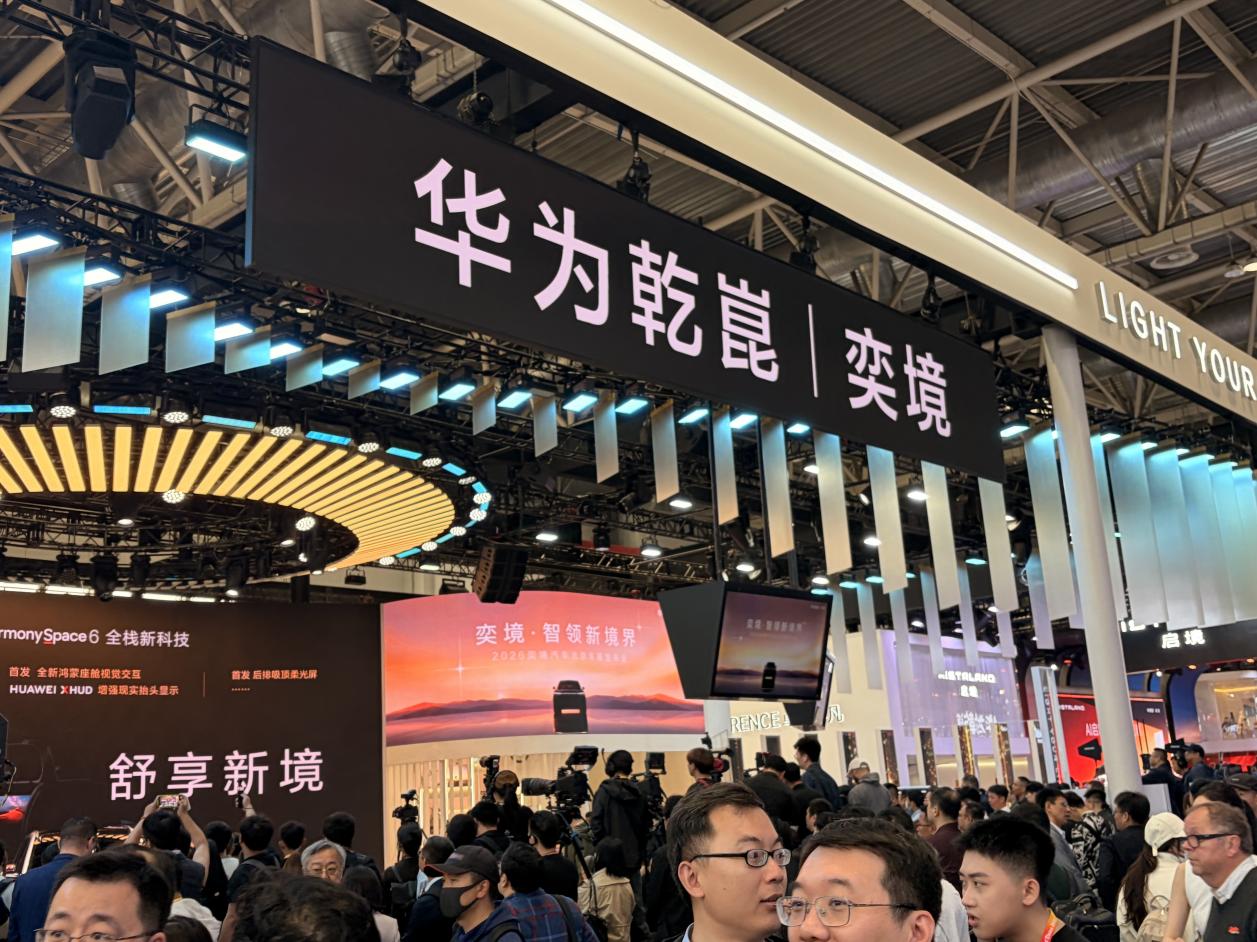
(Image source: Dianchetong Media)
That's why, at this Beijing Auto Show, HiMo's booth spanned a combined 4,400 square meters, showcasing over 20 display vehicles, a dedicated technology zone, real-time demonstrations of Huawei ADS 5.0, collective appearances by five brands across three segments, and HarmonyOS cockpit interactions with multiple devices.
HiMo stood out not because its cars are vastly superior, but because it's competing at a higher level. The international visitors at its booth sensed this difference in magnitude.
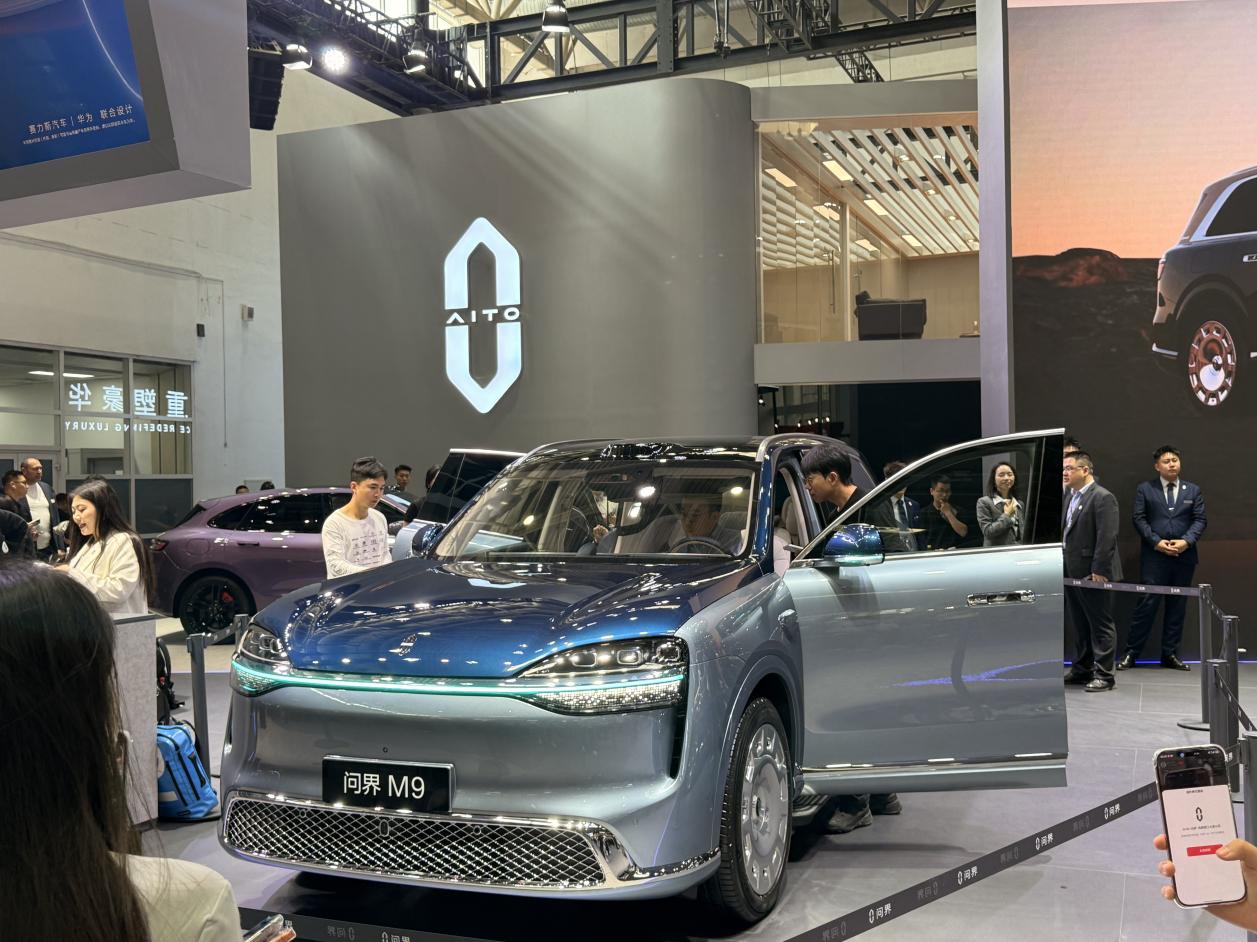
(Image source: Dianchetong Media)
Of course, the other companies aren't "losing"—they're simply engaged in different battles.
XPeng is leveraging its VLA architecture to advance intelligent driving into an era where it understands language and completes tasks. He Xiaopeng's on-site announcement of "Park Roam" and "Underground Garage Cruise" at the booth is direct evidence of this evolution.
Xiaomi is utilizing its "Person-Vehicle-Home" ecosystem to transform cars into all-weather lifestyle data entry points. Lei Jun stood at the booth for over two hours, surrounded by layers of eager crowds.
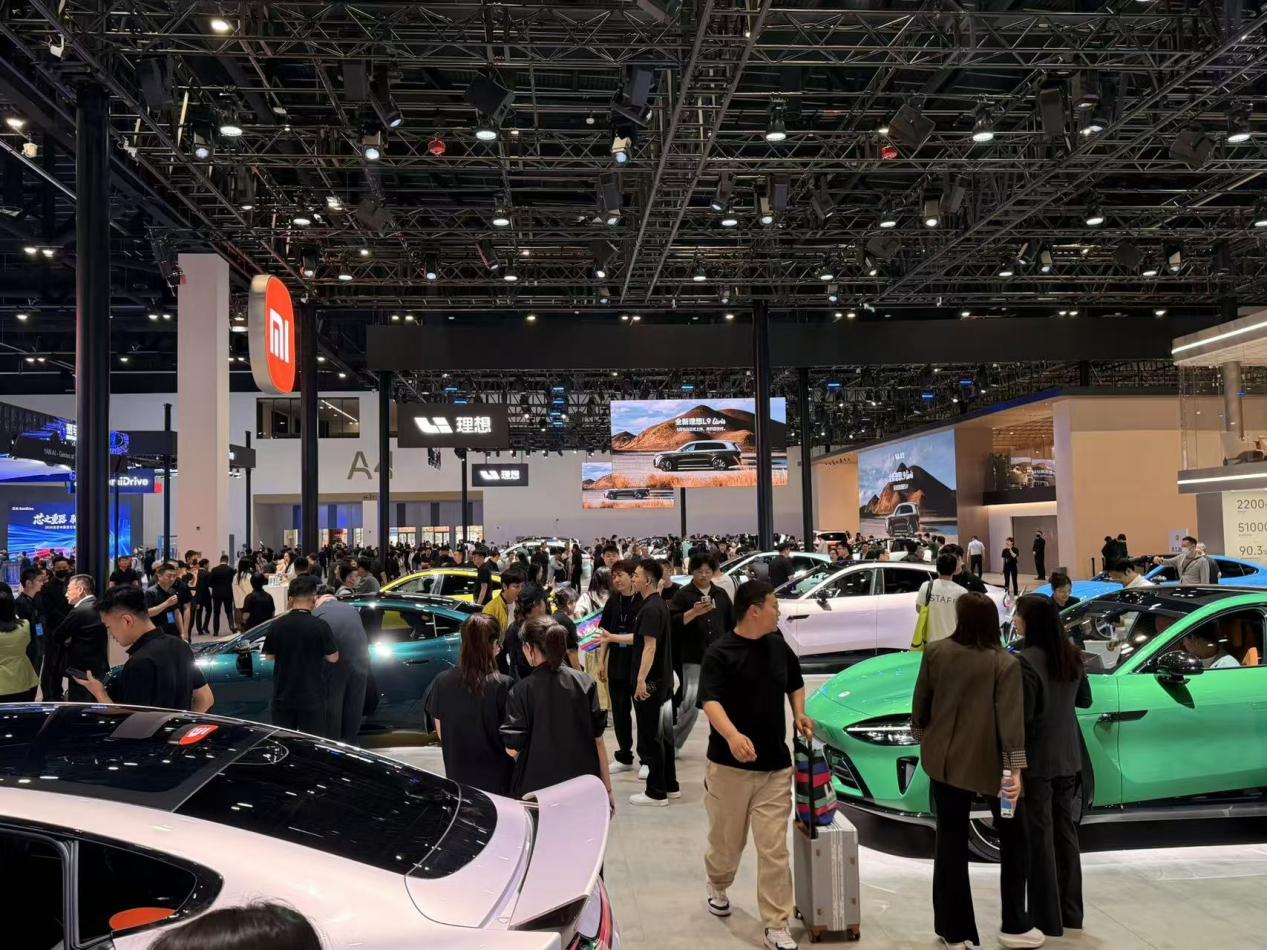
(Image source: Dianchetong Media)
Leapmotor is pursuing what may seem like the least glamorous but increasingly solid strategy. The Lafa 5 Ultra, priced at 118,800 RMB, undercuts the standard price floor for vehicles equipped with LiDAR. By 2025, Leapmotor International has achieved profitability, covering over 40 countries and regions through Stellantis’ distribution network. By combining cost management with global expansion, it's establishing first-mover advantages in a track that others aren't seriously exploring yet.
Li Auto's booth saw relatively steady excitement—not because its products are inferior, but because its chosen path lacks inherent strategic pressure. Extended-range capabilities, spacious interiors, and home-oriented intelligence cater to the needs of Chinese families buying cars. This path is stable, but at an auto show dense with technical narratives, stability can be misconstrued as "conservatism." Li Auto's true strength will likely shine during the general public days a few days later.
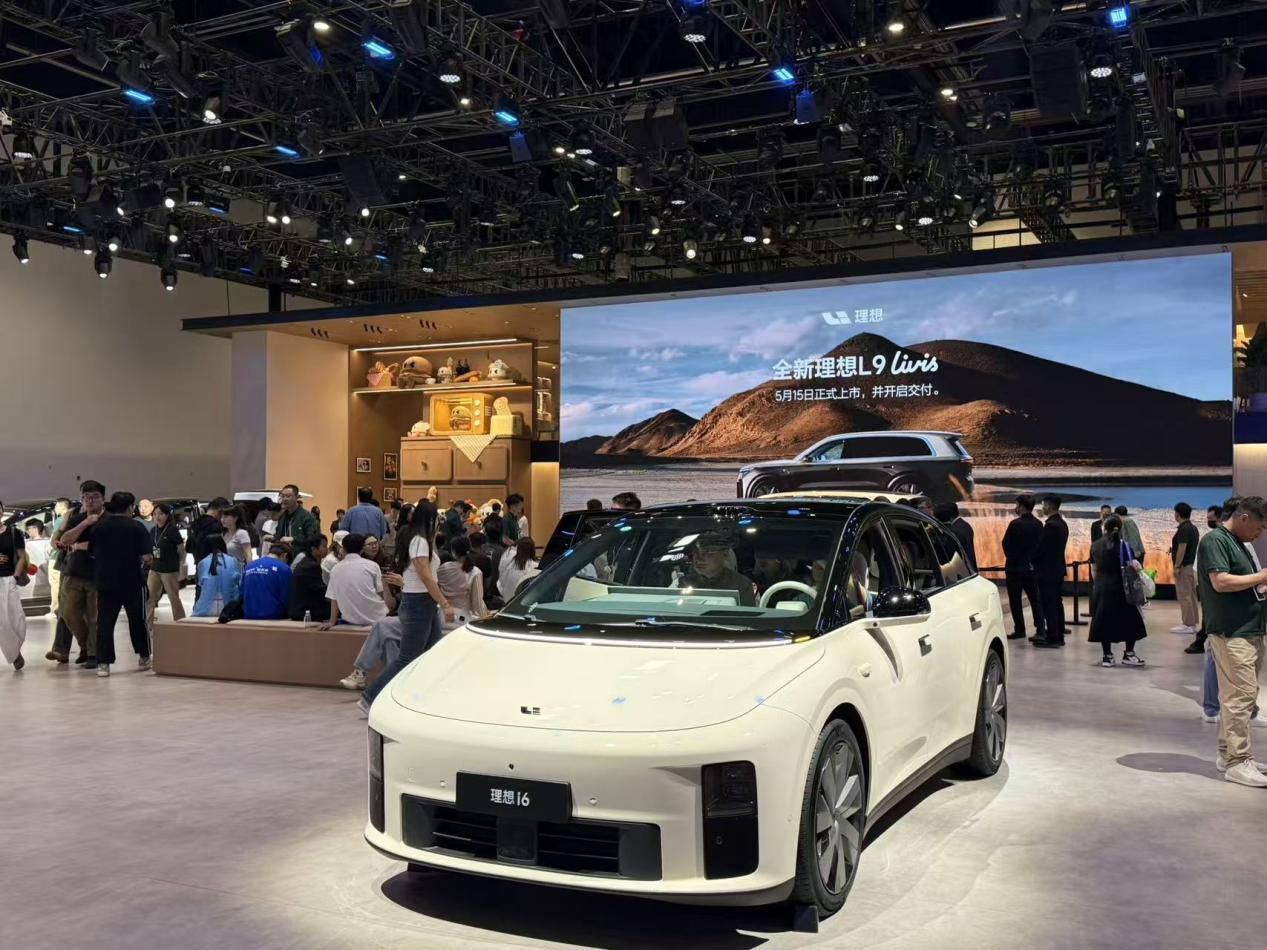
(Image source: Dianchetong Media)
The Greater the Perceived Threat, the More International Visitors Flock to a Brand's Booth
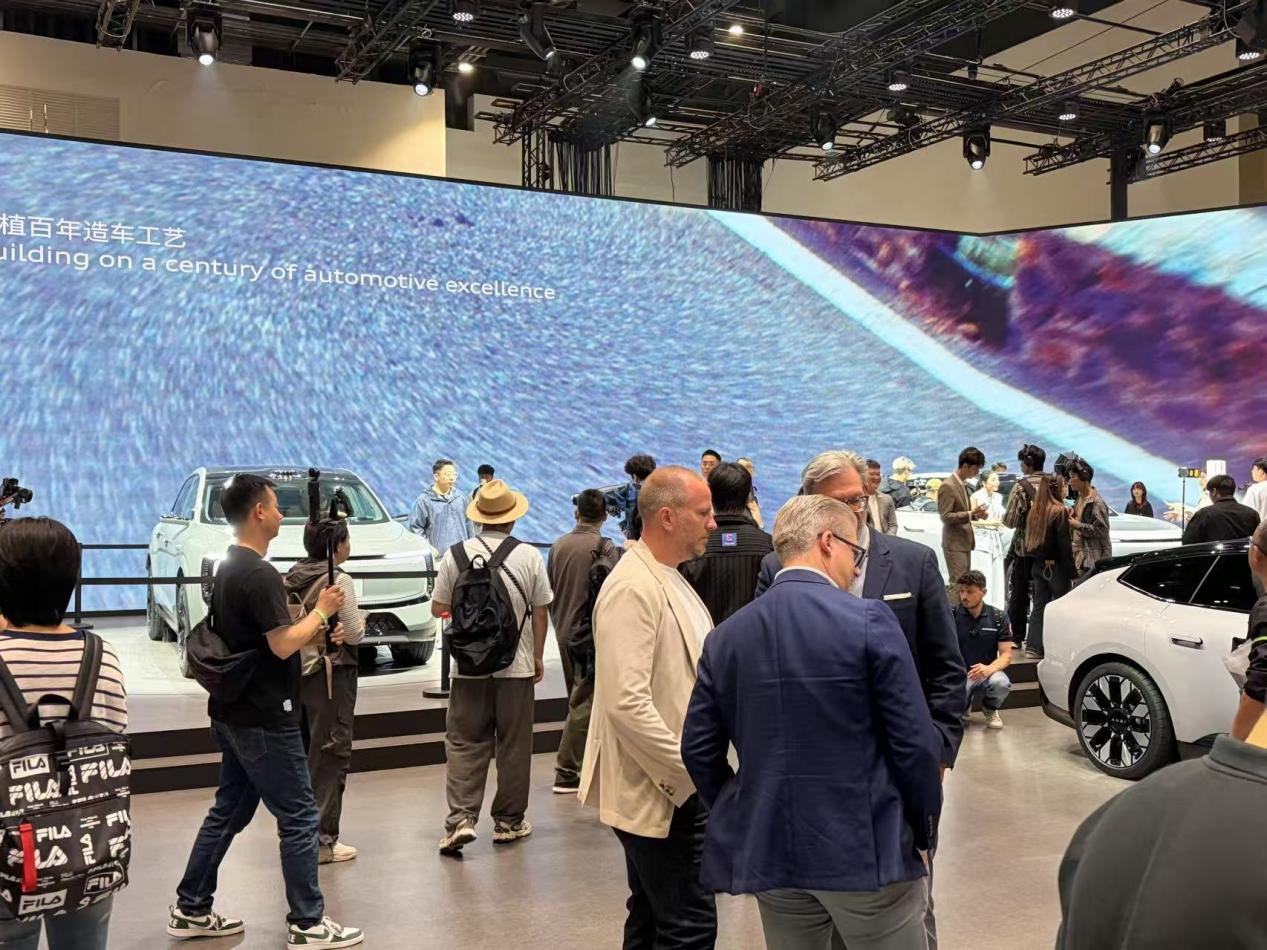
Interestingly, the booths with the highest excitement levels didn't always correlate with the largest international presence.
(Image source: Dianchetong Media)
These international visitors had diverse identities, sought different answers, and represented varying interests.
Some came to "copy homework." This group was the largest and the quietest. They didn't take photos or post on social media at booths—instead, they quietly opened tablets to take notes. What they wanted to understand was: How have the Chinese achieved this level of cost and technology simultaneously?
(Image source: Dianchetong Media)
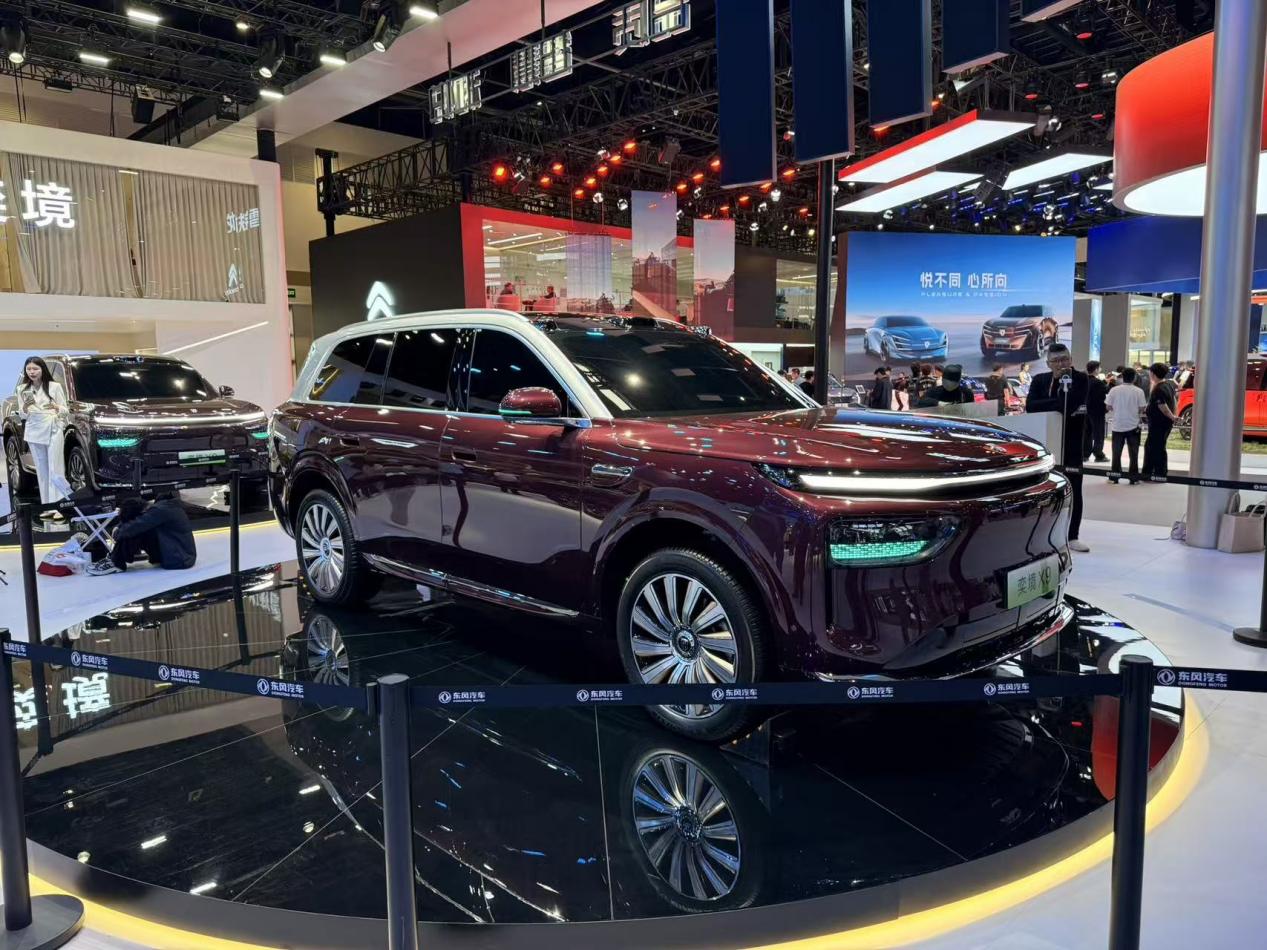
They didn't share Huawei's destiny but wondered if Huawei's path could truly be emulated. This group was present at nearly every emerging automotive force booth, with the highest density not at HiMo—since they knew HiMo's ecosystem couldn't be replicated shortly—but at booths like Leapmotor and XPeng, where more borrowable modules could be found.
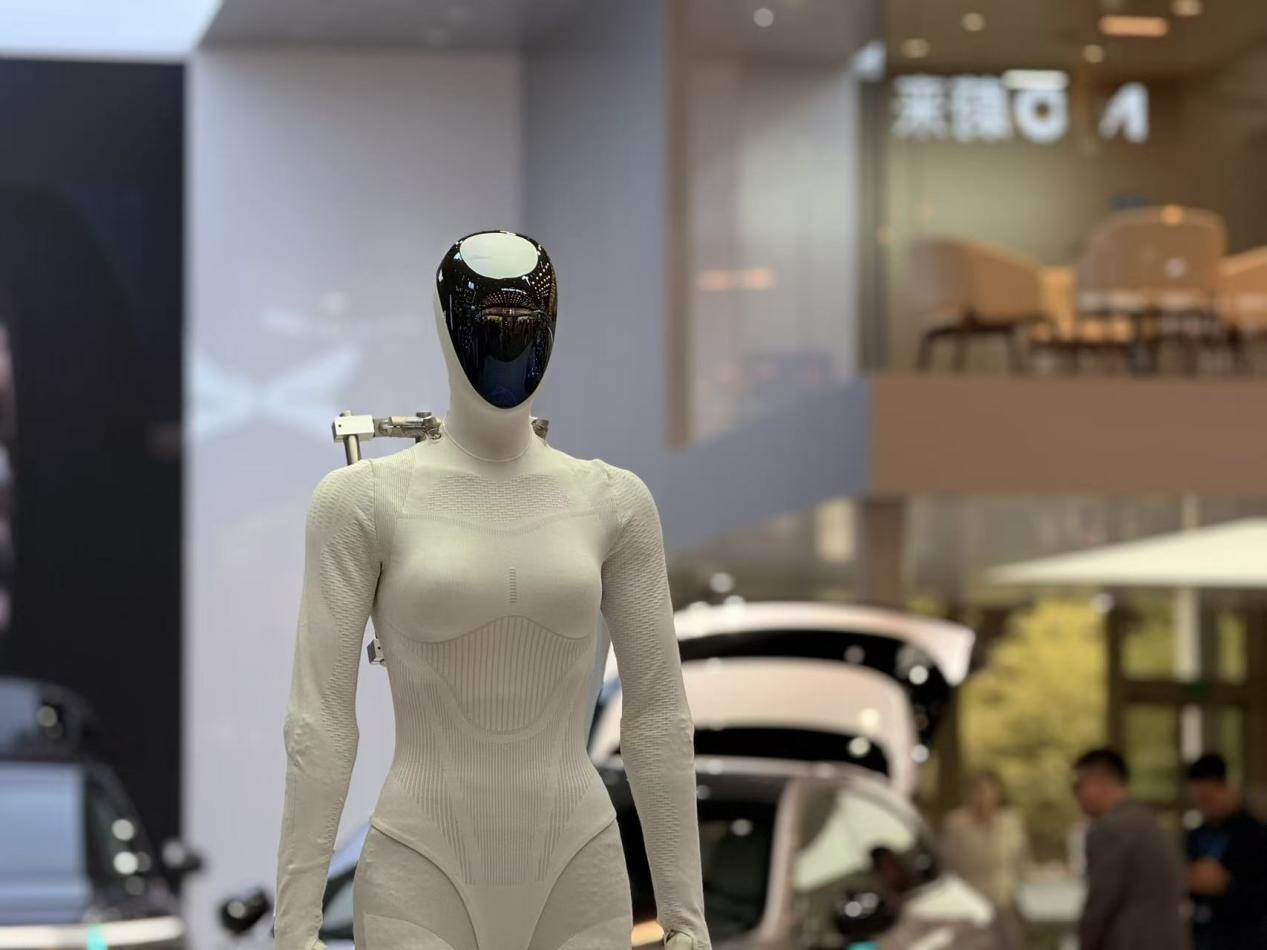
Some came to explore emerging frontiers. This group was the most perceptive. They didn't focus on individual vehicle specs but on trends like Robotaxi, flying cars, and robots—such as XPeng’s IRON robot, XPeng Aeroht flying car, and its second-generation VLA intelligent driving system. These innovations weren't unique to XPeng; other emerging forces were advancing them too.
(Image source: Dianchetong Media)
This group aimed to bring these insights back as formal internal discussion topics. They lingered longest at booths but expressed themselves most restrainedly, knowing their questions ultimately boiled down to whether their own countries were falling behind.
Some came to observe consumers. These weren't R&D engineers but product definition teams. Their mission was to answer: Will European and American users also desire the experiences Chinese users have grown accustomed to by 2026, such as real-time in-car AI assistant conversations, intelligent driving, and smart cockpits? The industry now accepts that Chinese consumers have become pioneers in global electric and smart vehicle experiences.
This group stood at Xiaomi’s booth and in HiMo’s cockpit experience zone, seeking to understand the user needs behind these experiences—assets that could influence future product definitions back home.
(Image source: Dianchetong Media)
Others came to do business, like the overseas dealers holding business card holders at Leapmotor’s booth. If the Lafa 5 Ultra’s pricing power—118,800 RMB in China with standard LiDAR—were replicated overseas, what would that mean for local market competition?
Finally, there were foreign tech media, mostly gathered at Xiaomi’s booth. The Vision GT concept supercar made its domestic debut, with the YU7 GT priced at an estimated 500,000–600,000 RMB, 1,003 horsepower, and a top speed of 300 km/h. With Lei Jun present, where is this company heading? For a phone company making cars, where are the boundaries? No definitive answers exist, but that uncertainty is precisely what sustains attention.
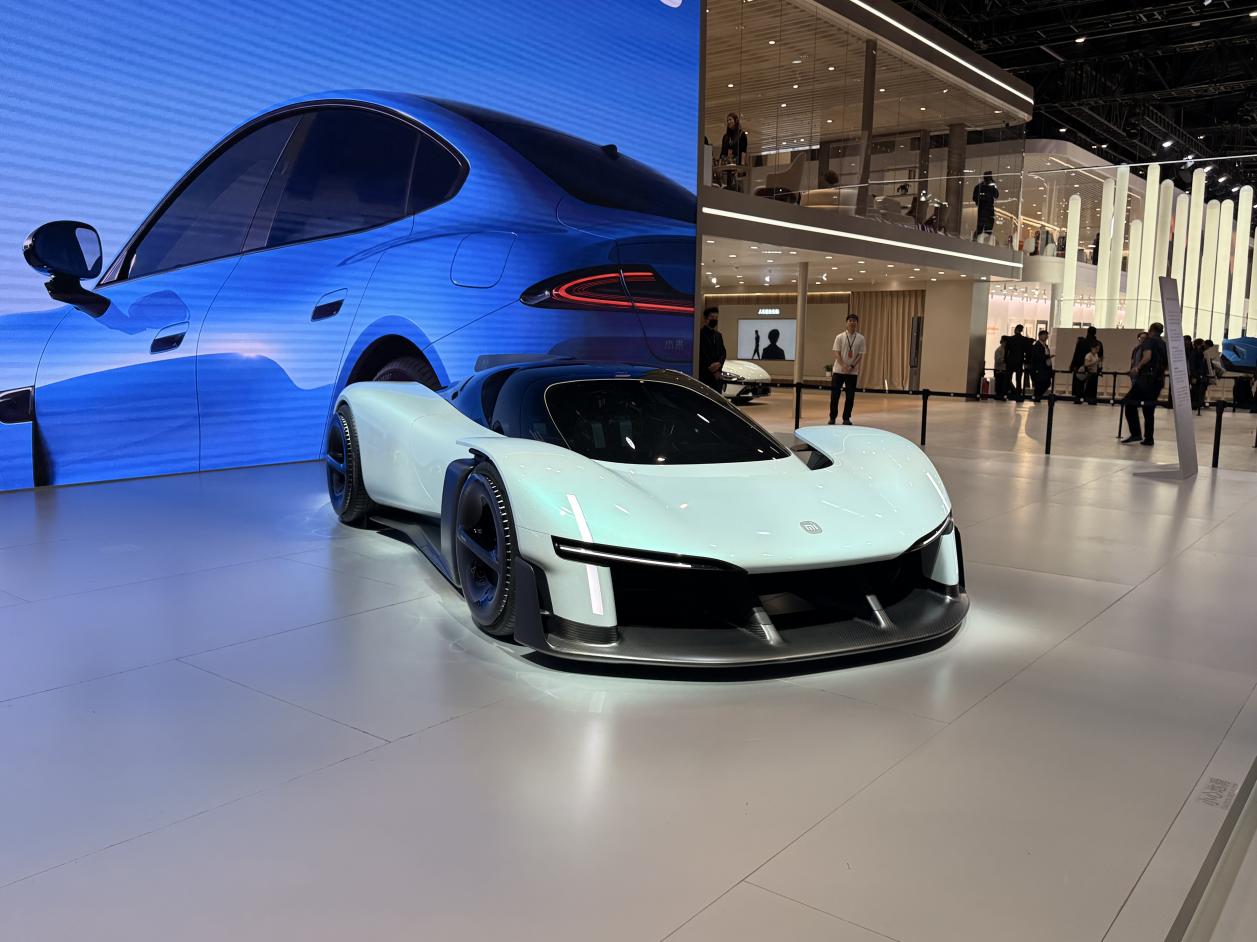
(Image source: Dianchetong Media)
Viewed collectively, a pattern emerges: the denser the international presence at a booth, the more directly that brand challenges the global automotive order. Excitement is the result; the sense of threat is the cause.
The Hierarchy of Emerging Forces Has Truly Changed—But Not in the Way You Might Think
Returning to the emerging forces themselves, the Beijing Auto Show makes clear that their rankings have shifted significantly.
In terms of sales, the Q1 2026 leaderboard is no longer "NIO, XPeng, Li Auto." Leapmotor tops the charts, HiMo grows against the trend, NIO surpasses XPeng, and Li Auto exceeds its quarterly guidance but faces margin pressure. The rankings have indeed changed—and thoroughly.
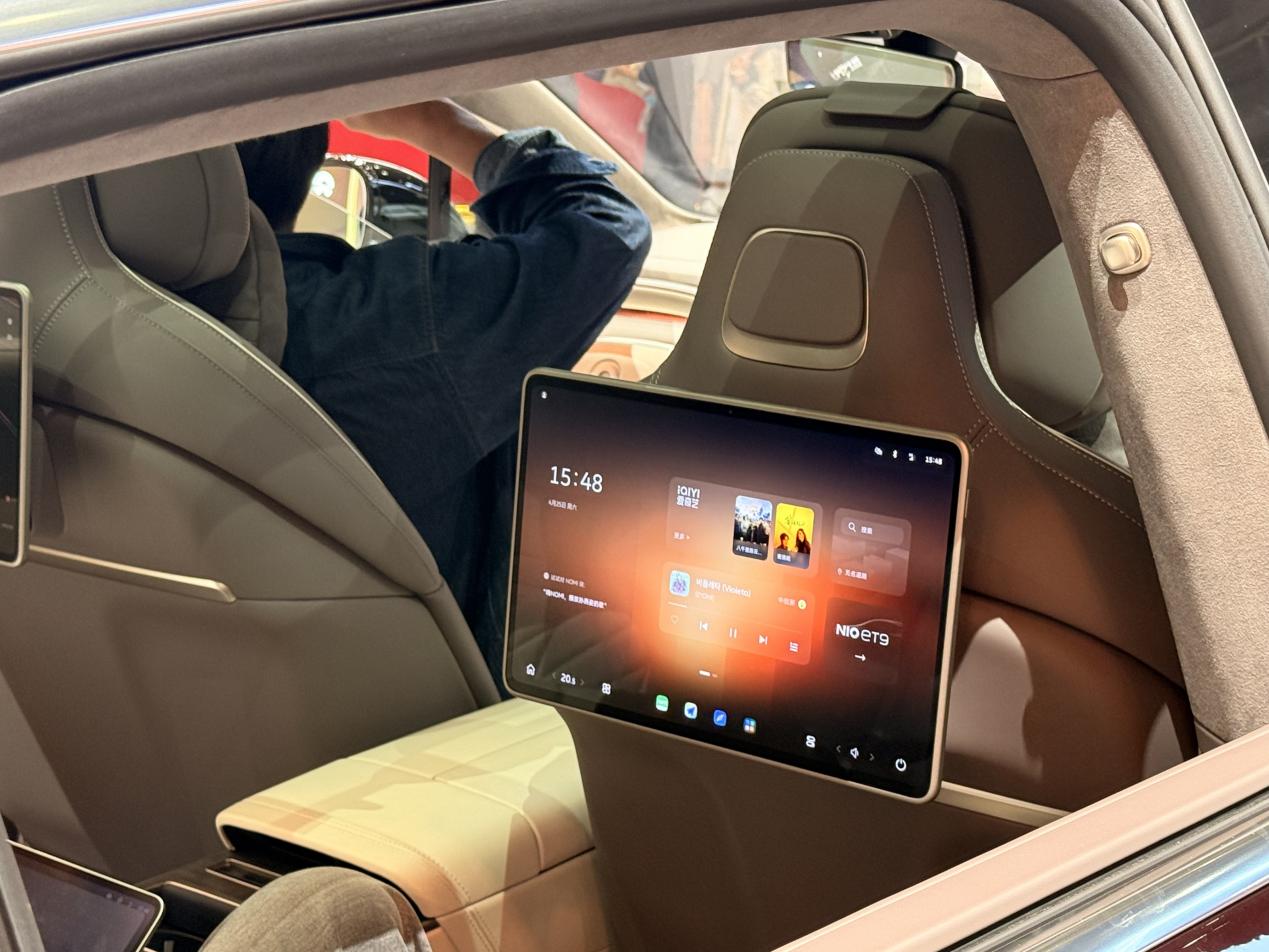
(Image source: Dianchetong Media)
But honestly, comparing sales in today's NEV landscape is meaningless—sales are no longer the most critical variable in this competition. Each emerging force now occupies a distinct competitive dimension. They're no longer chasing each other on the same track but diverging in different directions.
HiMo competes for ecosystem control, NIO for first-mover infrastructure monopoly, XPeng for technological generational gaps, Xiaomi for cross-scenario ecosystem stickiness, Leapmotor for cost management and global first-mover advantage, and Li Auto for precise user mindshare.
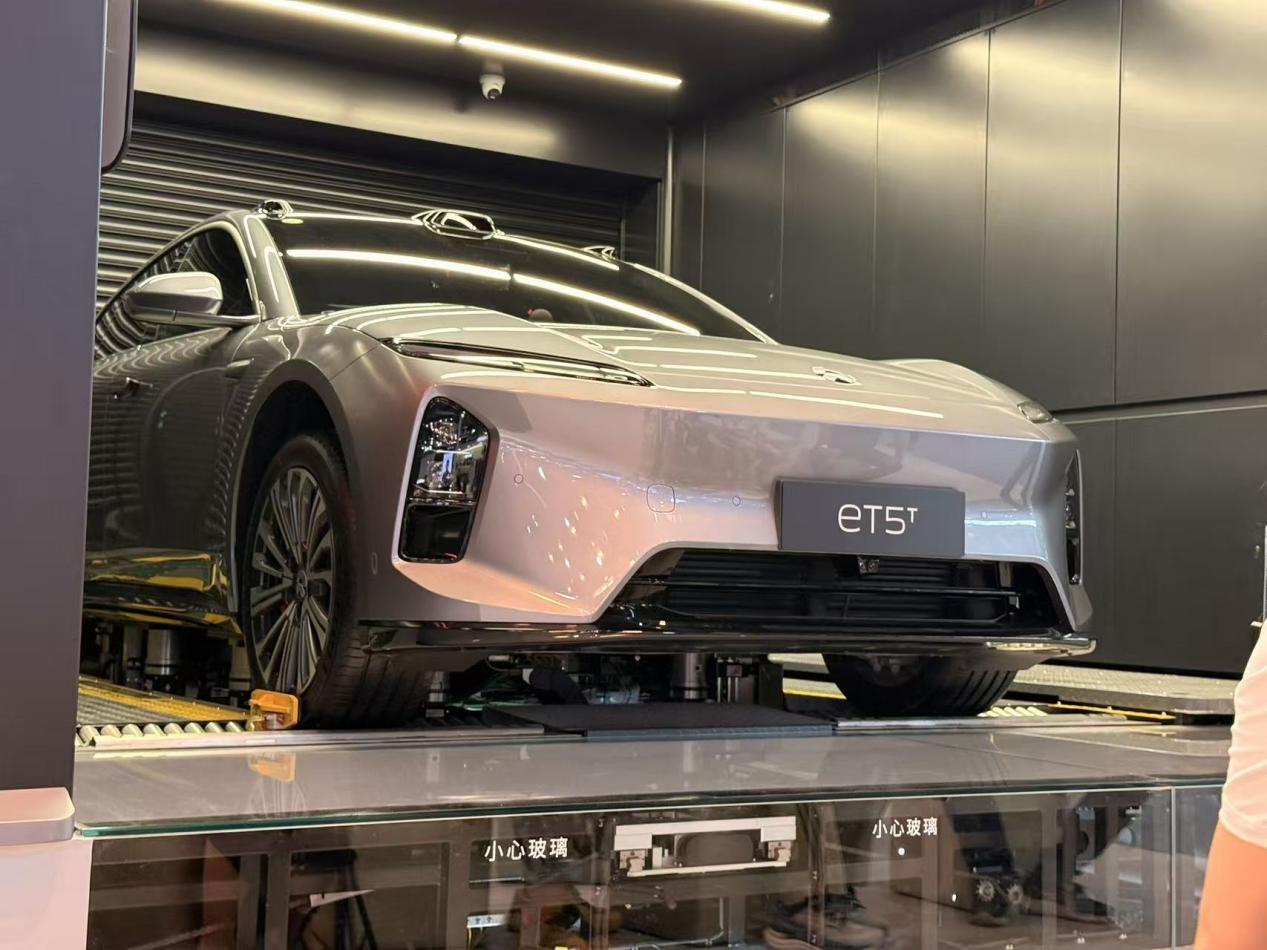
(Image source: Dianchetong Media)
Their competitive relationships have partially decoupled. It's hard to say Xiaomi and HiMo are in direct competition, or that XPeng and Leapmotor are fighting for the same market.
This represents a more fundamental structural shift than sales rankings. When competitors in an industry start building barriers across different dimensions, their core assets are no longer homogeneous, and competitive advantages can no longer be simply compared.
You can't say NIO's 2,700 battery swap stations are more valuable than XPeng's VLA, or that Leapmotor's global channels are stronger than Xiaomi's ecosystem stickiness—because they're betting on different futures.
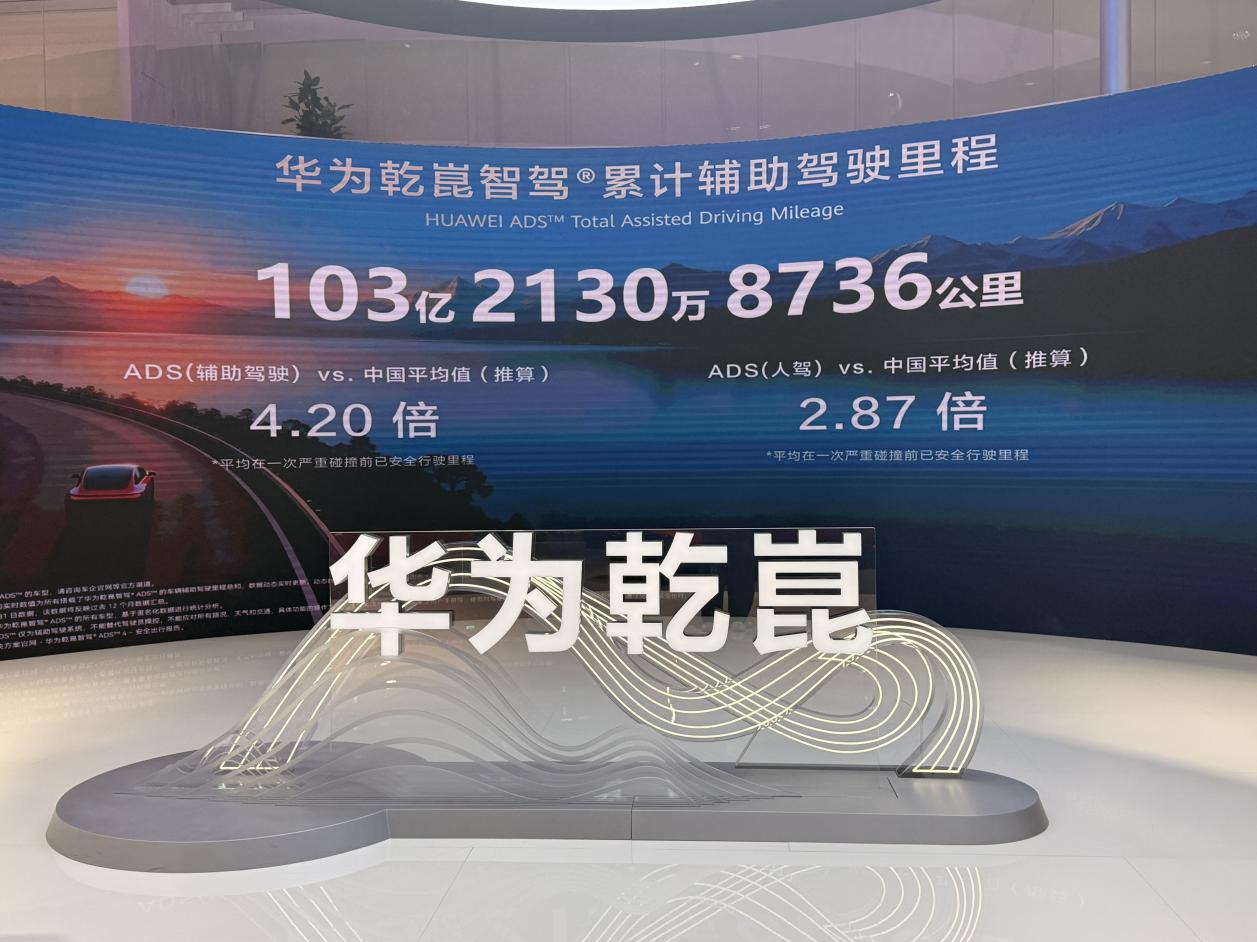
(Image source: Dianchetong Media)
Of course, every path carries fatal risks. An ecosystem approach that fails will collapse faster than anyone else; infrastructure plays risk being dragged down by heavy assets if scale isn't reached; technological generational gaps require true maturity and commercialization; cross-border ecosystems become hollow if cars don't sell; global expansion risks losing cost advantages if trade barriers arise; precise positioning risks losing pricing power if moats are eroded.
No path guarantees victory—that's what makes this competition thrilling.
So, at the April 2026 Beijing Auto Show, booth excitement isn't a popularity contest. Where it's hottest indicates where attention is highest now; where it's steady reflects clear logic that doesn't need rediscovery.
No one is truly "winning" at the Beijing Auto Show—except for one certainty: the global automotive industry is now seriously confronting something it once thought wouldn't arrive: China's emerging forces are no longer just racing on Chinese tracks.
Beijing Auto Show
Source: Leikeji
Images courtesy of: 123RF Licensed Image Library Source: Leikeji
-
![]()
Expert Interpretation of New Policy Combination: Activating the Trillion-Dollar Automotive Aftermarket
-
![]()
Doubao Goes 'Professional', Volcano Rolls the Snowball
-
AI: No Sign of a Bubble!
-
![]()
NVIDIA-Backed AI Unicorn Secures $1.5 Billion Funding: Revenue Soars 2000%
-
![]()
Doubao Pro is Here: How Can Seed 2.1 Be Integrated into Real Processes?
-
"PCB Juice" Sees Four Consecutive Declines: Even Computing Power Material Suppliers Can't Lift This "Old Stock"
-
![]()
Potential 'Seismic Shift' in the U.S. TV Industry: Competition Shifts from Hardware Sales to Traffic Entry Points
-
![]()
Audi A6L's Defense in the Luxury C-Class Market: Following Huawei's Smart Driving Integration, Is Large-Battery HEV the Next Move?