The Mega-Trial: Musk Versus Altman in the AI Arena! The Courtroom Becomes a Business Battlefield, with xAI Emerging as the Unexpected Victor
 04/29 2026
 416
416
Musk's strategic moves are too conspicuous.
Following the submission of evidence by both parties, Musk's high-stakes lawsuit against OpenAI, a landmark case in the AI sector, has finally entered the trial phase. On April 27, local time, a throng of media outlets gathered outside the federal courthouse in Oakland, California, marking the official commencement of this much-anticipated 'trial of the century' in Silicon Valley and the global tech community.
The first day of the trial did not witness a dramatic courtroom showdown between the two tech giants. Instead, it was dominated by tedious legal formalities. Yet, this is the essence of corporate litigation—behind the mundane processes often lie intricate calculations and strategies.
From Leitech's (ID: leitech) perspective, this lawsuit, involving a staggering $134 billion in damages and the 'future trajectory of human AI,' appears to be a meticulously orchestrated commercial battle by Musk, targeting OpenAI's core territory. The lawsuit serves as a means to an end, rather than the end itself.
An 'All-Star' Lineup: The Jurors Are No Ordinary Citizens
Both sides boast significant influence. Musk, the world's wealthiest individual and a tech visionary, controls companies such as SpaceX, Tesla, and xAI. OpenAI, on the other hand, is a pioneer and leader in the era of large AI models. The presiding judge is Yvonne Gonzalez Rogers of the federal court, who previously oversaw the high-profile Epic vs. Apple case, where the ruling favored Apple.
Following legal procedures, a key task on the first day of the trial was the selection of jury members. Specifically, the judicial authority responsible for the case is the Oakland Division of the U.S. District Court for the Northern District of California, which oversees Alameda and Contra Costa Counties—commonly referred to as San Francisco's East Bay region. Jurors are to be selected from residents of this area. Legally, anyone residing locally for over a year, holding U.S. citizenship, being of legal adult age, proficient in English, and without serious felonies that would strip them of relevant rights, could be placed on the potential juror list.
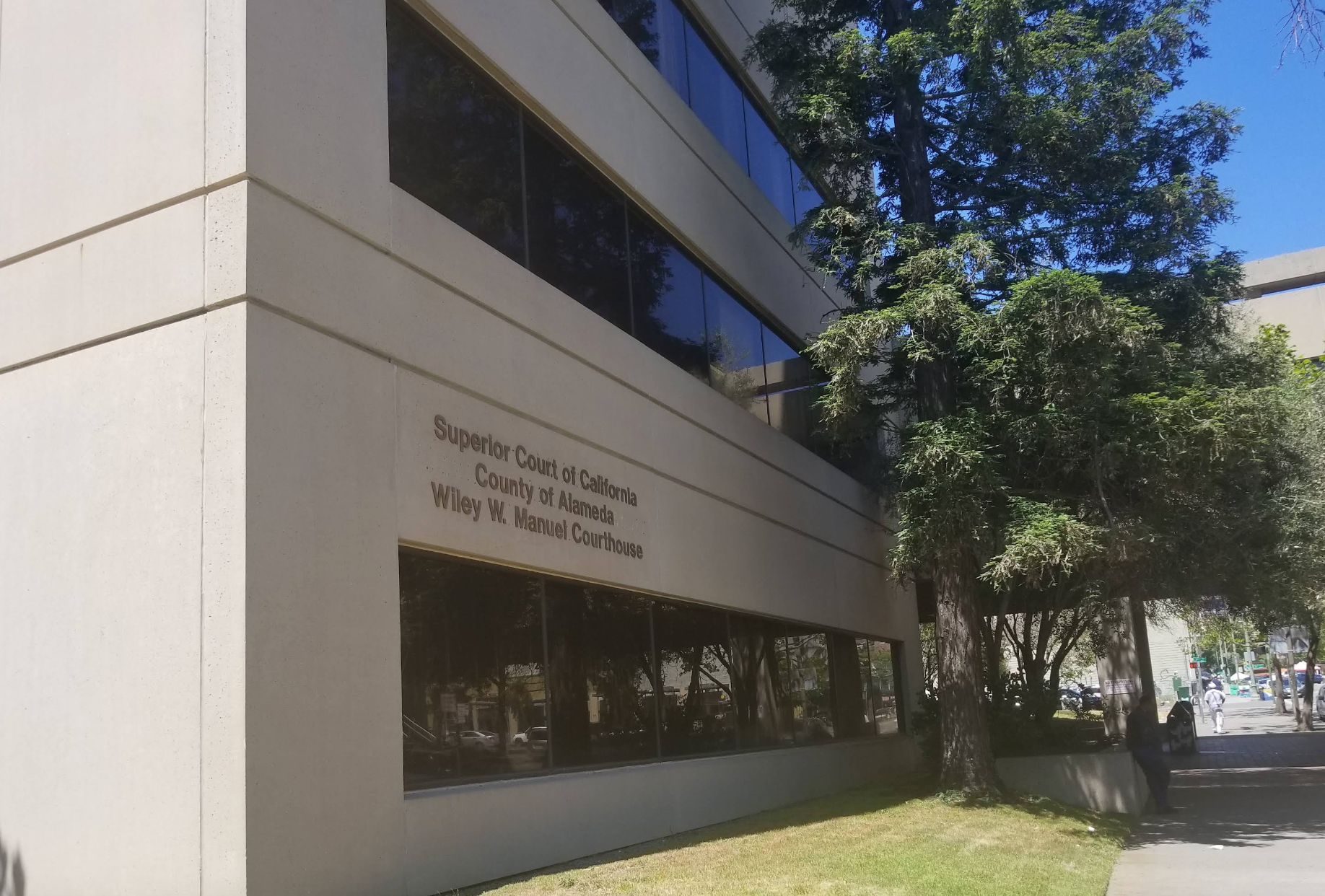
(Image Source: Google Maps)
Interestingly, many residents of San Francisco's East Bay are tech and internet professionals, including numerous Silicon Valley employees. For randomly selected potential jurors, each side has five exclusion slots.
According to reports from outlets like The Guardian, candidates were asked questions such as, 'Do you frequently use ChatGPT?' 'Do you follow Musk on X?' 'Have you purchased Tesla or SpaceX stock?' The rationale behind jury selection is straightforward: Musk's team aims to exclude heavy ChatGPT users, while OpenAI seeks to prevent Musk's fans or related corporate investors from joining the jury.
Ultimately, both sides exhausted their five exclusion slots, and one candidate who explicitly expressed a negative opinion of Musk was dismissed by the judge.
Given the case's high profile, jurors' identities will remain confidential to shield them from immense external pressure, and they will be referred to by code names during the trial. Moreover, throughout the month-long trial, jurors will be barred from consuming related news or searching for case-related information to prevent media and internet influence.
In reality, this is difficult to enforce. Jurors are not confined to isolated spaces and remain free to move and communicate. In the age of big data, they may unintentionally encounter related news through information streams, especially since many are professionals in relevant fields.
However, in this case, the jury's decision-making power is limited, with the judge retaining final authority over specific legal matters.
Currently, both Musk and Altman are confirmed to testify, with OpenAI co-founder and president Brockman also listed as a defendant. Microsoft, as a stakeholder, is a key witness in the case, with figures like Microsoft CEO Satya Nadella slated to testify. On the first day of the trial, however, Musk did not appear, while Altman and Brockman did.
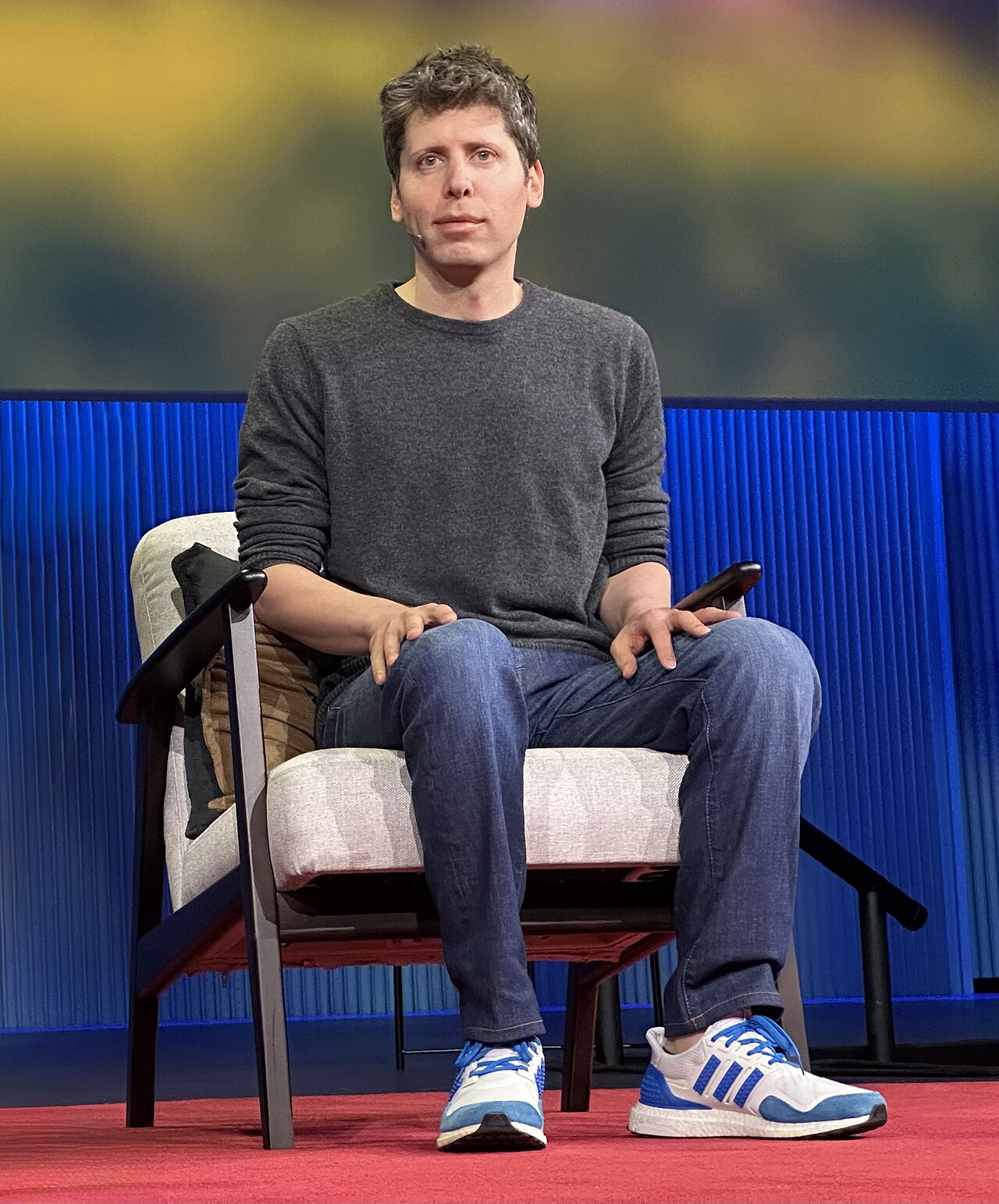
(Image Source: Wikipedia)
According to the judge's allocation, both Musk's and OpenAI's teams have 22 hours for speeches, including witness examinations and closing arguments. Microsoft, as a stakeholder, has five hours for speeches. The trial is expected to last four weeks, with sessions held Monday through Thursday each week.
Musk Vows to Donate All Damages, OpenAI and Microsoft 'Part Ways'
Additionally, both sides employed surprise tactics on the eve of the trial. Musk significantly reduced the number of charges, with the core demands being $134 billion in damages, the removal of Altman as CEO, and restoring OpenAI's non-profit status. He also stated that any damages awarded would be donated entirely to OpenAI's non-profit arm. OpenAI, meanwhile, announced its 'breakup' with Microsoft, with Microsoft relinquishing exclusive rights to OpenAI's intellectual property. OpenAI's technology and services will now be available for sale on other platforms like Amazon.
Both sides have pragmatic goals. Musk streamlined charges to accelerate the trial's pace and announced damage donations to secure the moral high ground.
OpenAI's separation from Microsoft likely aims to avoid the impression of monopoly, especially since the presiding judge previously handled antitrust cases. However, Microsoft remains OpenAI's largest shareholder and collaborator, making their relationship a likely target for Musk's team.
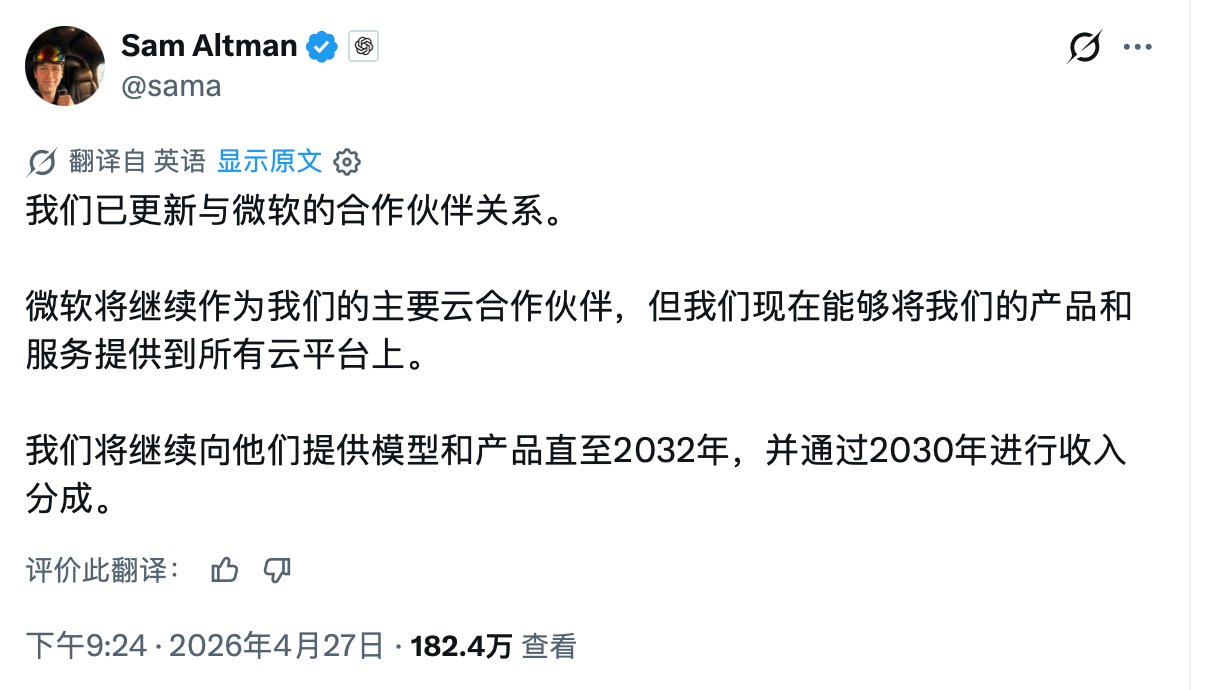
(Image Source: X)
Musk's dropped charges primarily involved 'commercial fraud.' For this charge to hold in court, an extremely airtight chain of evidence is required. If Musk had pursued this charge relentlessly, both sides would have become mired in endless evidentiary disputes. Such tedious legal processes would only bore onlookers, reducing public interest in the case—something Musk clearly wishes to avoid. As someone who frequently makes controversial statements online and knows how to stir internet emotions, Musk understands how to keep this trial in the spotlight.
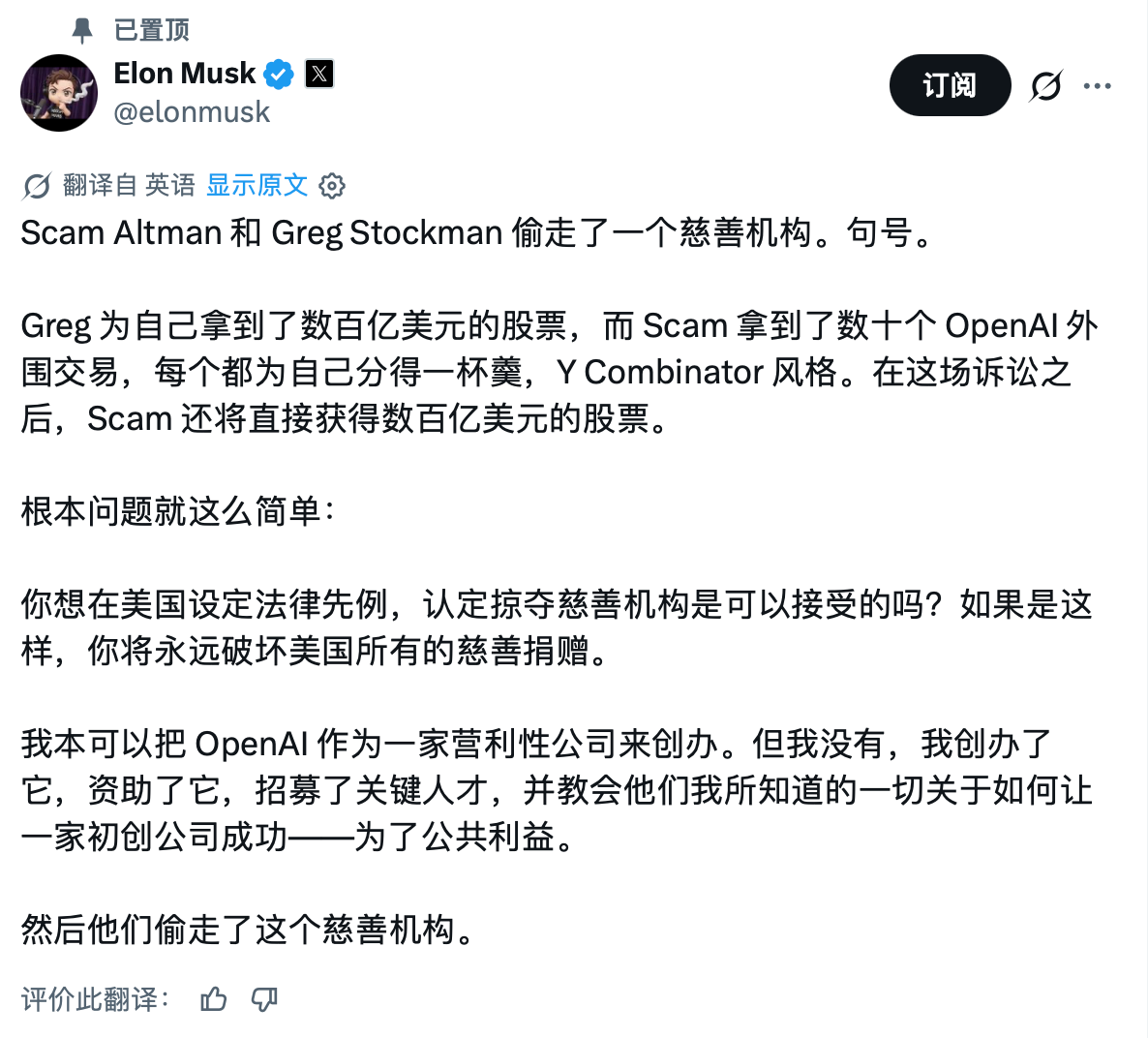
(Image Source: X)
Musk's three core demands each carry significant drama. Refusing any portion of the astronomical damages further portrays him as a selfless figure acting solely in humanity's interest. Yet, the truth is far more complex—every move Musk makes is driven by commercial considerations.
Targeting OpenAI to Boost xAI?
Frankly, if Musk had no AI ventures or AI-related business interests, his 'moral declaration' might hold some credibility. Unfortunately, xAI—a major recipient of Musk's resources—exists, casting doubt on the purity of his motives.
In court, Musk portrays himself as a grieving 'AI whistleblower,' a noble knight battling corporate behemoths for humanity's sake. However, anyone familiar with the logic of tech industry warfare can see that the lawsuit itself is a common commercial weapon.
In Leitech's view, Musk's 'trial of the century' is driven by multiple considerations.
First, suing OpenAI could secure a larger time window for Musk's own xAI.
xAI and its Grok model were founded in 2023 but have since faced ongoing turmoil. Recently, several xAI co-founders departed, leaving Musk nearly alone. Grok's generated content has also sparked significant controversy, including racism, pornographic images, false information, and even bans in certain countries. More critically, xAI cannot compete with OpenAI, Google, or Anthropic on either technical or commercial fronts.
(Image Source: xAI)
As an early investor and former board member of OpenAI, Musk found avenues and justifications for suing OpenAI. This lawsuit could force OpenAI to divert resources into legal defense, achieving part of Musk's goal.
OpenAI plans to go public by year-end. Even if Musk's disruptions fail, they will leave investors with a negative impression of uncertainties, affecting valuations. With a limited leading AI market, any harm to OpenAI creates opportunities for xAI to profit.
Second, undermining Altman to gain the moral high ground in the developer ecosystem.
Silicon Valley's tech community and global developers share a collective anxiety: the alliance led by OpenAI and Microsoft is gradually locking AI's foundational capabilities into closed-source 'black boxes.' Discontent with OpenAI has persisted. For instance, Anthropic was founded by former OpenAI employees who pursued a different technical and commercial path. Earlier this year, numerous Silicon Valley tech professionals publicly expressed dissatisfaction with OpenAI's military collaboration with the Pentagon to deploy AI in warfare.
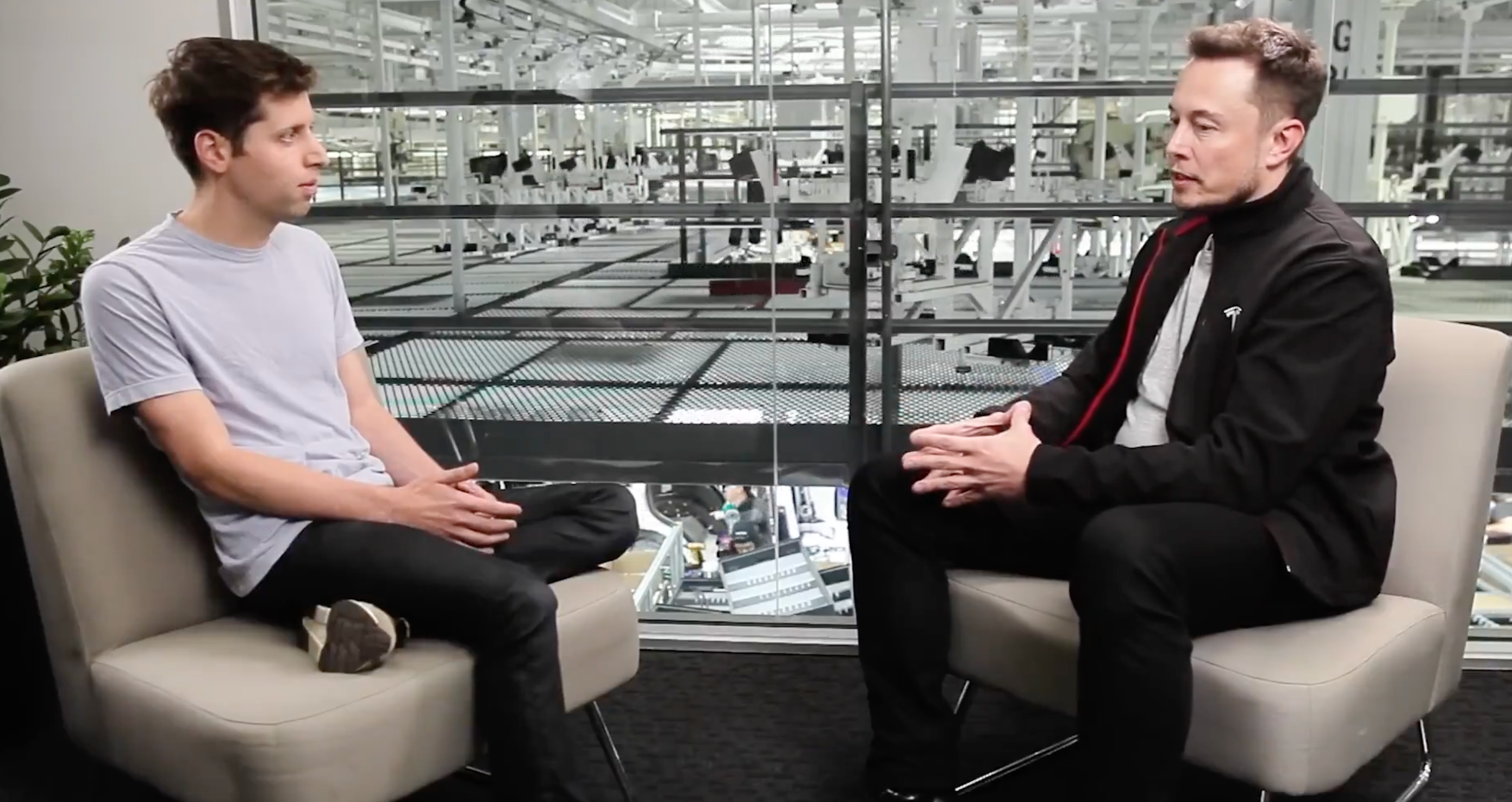
Musk keenly capitalized on this sentiment. His lawsuit against OpenAI is essentially a grand PR campaign. He aims to portray Altman as a villain who abandoned open-source principles and OpenAI's public-interest ethos, thereby elevating his own image as a protector of public interests.
(Image Source: xAI)
Musk's formal lawsuit against OpenAI and the open-sourcing of the Grok model coincided in the same year. Leveraging this public sentiment, he could attract users and businesses opposed to closed-source giants.
Furthermore, this lawsuit enables Musk to legally and legitimately gather OpenAI's internal secrets.
U.S. federal litigation includes a phase called 'discovery,' where, once the case reaches trial, the defendant (OpenAI) must present substantial internal documents to the court, which Musk and his lawyers can review.
When internal documents are exposed in court, many secrets may be revealed, such as specific details of exclusive agreements previously signed between OpenAI and Microsoft or the roadmap for GPT training. Any previously undisclosed internal information Musk can access would benefit him and xAI.
Final Thoughts
From a purely legal-technical standpoint, Musk's chances of a complete victory in this lawsuit are extremely low. The founding agreement Musk accuses OpenAI of violating lacks a formally signed legal document—the so-called evidence consists merely of a few early emails and verbal promises.
Using a few old emails to overturn a trillion-dollar AI giant is nearly impossible. Ironically, Musk's departure from OpenAI was not due to Altman's plans to establish a for-profit entity but because Musk failed to secure control. Musk had also previously attempted to acquire OpenAI.
However, Musk may not care about winning in court. In the arenas of capital and commerce, litigation itself is a tactic, not an end goal. Even if the judge ultimately rules against Musk months or years later, he will have already achieved significant success.
Musk has used a protracted lawsuit to shackle OpenAI's rapid progress; he has gained immense global attention and the favor of some open-source developers through a highly publicized courtroom drama; and he has legally gathered intelligence on the industry's top player at minimal litigation cost.
The first day of the trial merely marks the beginning of formal legal proceedings—this Silicon Valley spectacle is just reaching its climax. Yet, regardless of how fierce the courtroom debates become, the outcome outside the courtroom has already been written: neither OpenAI nor Musk represents absolute justice. Essentially, this remains a commercial offensive and defensive battle centered around AI.
Musk OpenAI AI Large Model xAI
Source: Leitech
Images in this article are from 123RF Royalty-Free Image Library
-
![]()
Tesla Restructures Its Balance Sheet
-
![]()
Accelerating the High-Speed Interconnection Upgrade of AI Computing Clusters! JONHON Releases ELSFP External Light Source Optical Connectors
-
![]()
Breaking the overseas blockade of volumetric holographic materials, this optical enterprise secures nearly 100 million yuan in financing!
-
![]()
Why Does Jensen Huang So Openly Praise China’s AI?
-
![]()
"Wudang" Unveiled: Arm China's Next-Gen AI VPU Redefines Video Encoding
-
![]()
From Energy Conservation and Carbon Reduction to AI Decision-Making: GECON East Intelligence and Chery Group Explore a New Green and Smart Paradigm for Automobile Manufacturing
-
![]()
WAIC 2026 Observation | AI Accelerates Towards the Core of Industries, Industrial AI Enters a Critical Phase
-
![]()
Volkswagen China Fires the First Shot in Foreign-Funded 'White Box Delivery'!