Paradigm Shift Unleashed: OpenClaw Sparks China’s AI ‘Era of Action’ — Decoding the ‘Report’ (Part 1)
 05/14 2026
 464
464
Analysis: The ‘extraordinary’ impact of OpenClaw signals a quiet yet transformative paradigm shift within the AI sector. Far from a mere incremental update, it is reshaping every facet of China’s AI industrial ecosystem, positioning the nation to evolve from a ‘fast follower’ to a ‘co-shaper’ in its inaugural synchronized race with global AI frontrunners.
Analysys is set to unveil the ‘Reconstruction and Rise: China’s Agent Industry Ecosystem Report in the OpenClaw Era’. The report identifies OpenClaw’s emergence as the convergence of three pivotal technological forces: a quantum leap in large model inference reliability (evidenced by soaring Function Calling success rates), the democratization of hardware deployment, and the self-reinforcing dynamics of open-source ecosystems. Together, these forces have catapulted AI Agents from being ‘experimental prototypes’ in labs and ‘niche chatbots’ to ‘fully operational digital employees’, marking a watershed moment in AI’s evolution. The development journey is as follows:
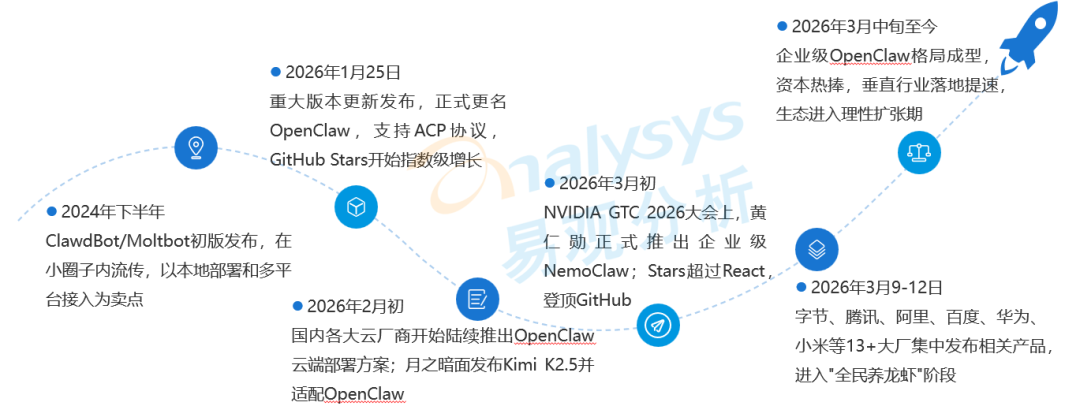
Figure 1: The Development Journey of OpenClaw
The ascent of OpenClaw signifies a pivotal inflection point, steering the Agent industry from the ‘Age of Assistance’ to the ‘Age of Action’. Vertically, it has spurred a surge in demand for computing power and advanced models, reshaping the competitive dynamics; horizontally, it has propelled open protocols like MCP and A2A to de facto standards, forging a new development paradigm; and downstream, it has ignited a vibrant tool and application ecosystem, birthing novel markets and business models. The transformative impact of OpenClaw’s emergence is illustrated below:
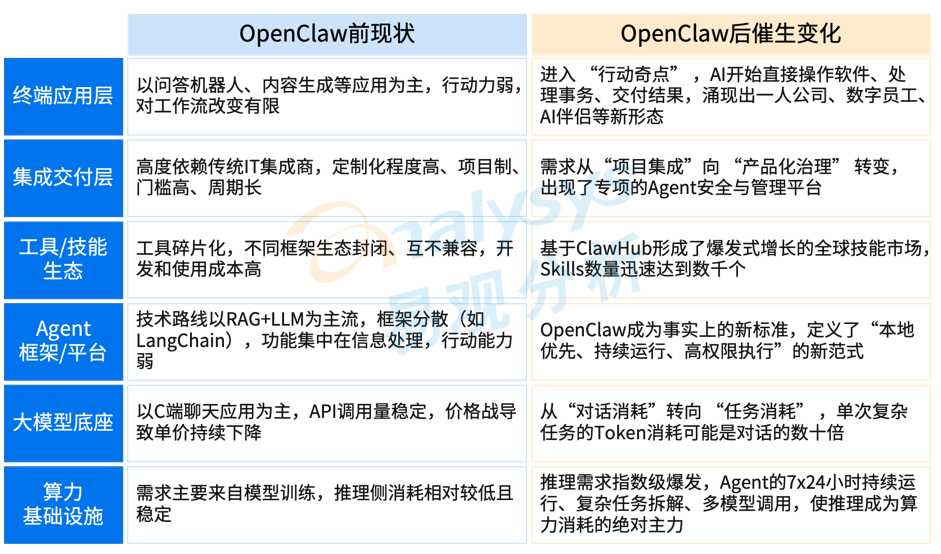
Figure 2: The Impact of OpenClaw on the Agent Industry
This comparative analysis underscores a fundamental paradigm shift: the value proposition of AI has transitioned from ‘what is generated’ to ‘what is accomplished’. Historically, AI functioned as a co-pilot, offering insights and recommendations; today’s AI Agents are the pilots, steering the course, navigating complexities, and delivering results. This leap in ‘executive capability’ has triggered a ripple effect, reallocating value across the entire industrial chain.
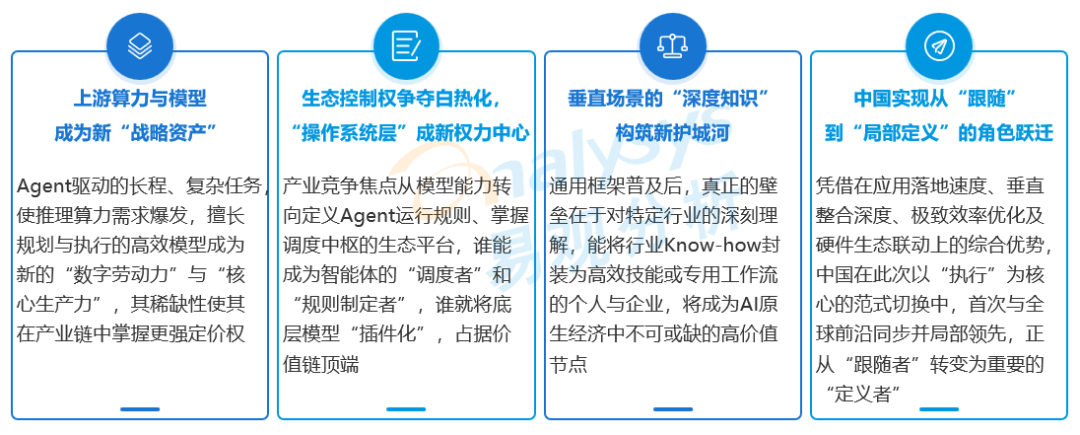
Figure 3: OpenClaw's Development Path in China
Confronted with the same OpenClaw technological wave, the Chinese market has charted a distinct course, orchestrating a unique ‘ecological adaptation’. The report highlights key divergences between Chinese and U.S. Agent ecosystems: overseas ecosystems lean towards ‘technological purism’, focusing on standardizing underlying frameworks and protocols; in contrast, China embraces ‘ecological integration, domestic substitution, and compliance-centricity’. This ‘Chinese approach’ is underpinned by three distinctive features:
Firstly, the localized accelerator effect: Domestic large models, exemplified by DeepSeek and Kimi, offer API call costs that are 10-50 times lower than their international counterparts. This cost advantage acts as a catalyst, significantly reducing barriers to entry and experimentation, enabling Chinese innovators to accelerate their market deployments at a fraction of the cost, thereby creating a unique competitive landscape.
Secondly, deeper platform integration: The Agent boom in China is fundamentally a ‘platform entry point battle’. With national-level apps like WeChat, DingTalk, and Feishu enjoying near-universal penetration, the choice of platform integration becomes a strategic and ecological imperative, rather than a mere technical consideration. Tech giants are deeply embedding Agent capabilities into their platforms, vying for dominance in the next era of human-computer interaction.
Thirdly, a compliance-first ethos: In China, data security, classified protection (ML: graded protection) certification, and private deployment are not optional extras but prerequisites for enterprise services. This establishes a unique ‘compliance barrier’, filtering out less robust players while fortifying the commercial position of providers capable of delivering secure, reliable solutions.
What emerges is a ‘application-driven, ecologically integrated’ Chinese market. While not the originator of all underlying technologies, it demonstrates remarkable agility in rapidly transforming cutting-edge innovations into deployable, integrable, and locally compliant commercial solutions.
In conclusion, the rise of OpenClaw is not merely the triumph of a single product but the heralding of a new era. It signifies that AI has finally breached the critical threshold from ‘perception and cognition’ to ‘decision-making and execution’, initiating an endless game centered around ‘action’.
For China’s AI industry, this presents both unprecedented opportunities and novel challenges. The opportunity lies in leveraging unique market and ecological advantages to stand shoulder-to-shoulder with global leaders during this pivotal paradigm shift, even securing leading positions in select domains. The challenge, however, lies in cultivating long-term competitiveness in areas such as upstream core technologies, security and trust frameworks, sustainable business models, and global ecological influence.
-
![]()
Why Does Jensen Huang So Openly Praise China’s AI?
-
![]()
"Wudang" Unveiled: Arm China's Next-Gen AI VPU Redefines Video Encoding
-
![]()
From Energy Conservation and Carbon Reduction to AI Decision-Making: GECON East Intelligence and Chery Group Explore a New Green and Smart Paradigm for Automobile Manufacturing
-
![]()
WAIC 2026 Observation | AI Accelerates Towards the Core of Industries, Industrial AI Enters a Critical Phase
-
![]()
Volkswagen China Fires the First Shot in Foreign-Funded 'White Box Delivery'!
-
![]()
AI Agent Smartphones: The Next Competitive Edge Transcends Large Models
-
![]()
Over 880 Million Yuan Worth of Orders Unveiled, Bidding Launched for Shenzhen Eastern Public Transport
-
![]()
Tesla's Robotaxi Hits the Road: A Monumental Gamble with an Uncertain Future