Why Have ‘Computing Power Rental’ Companies Emerged as the Biggest Winners in the AI Era Amid Soaring Chip Prices?
 06/17 2026
 386
386

Many assume that model developers are the most profitable entities in the AI era. However, data from the first quarter of 2026 reveals a surprising trend: Samsung Electronics' profits surged by 755%, SK Hynix's market capitalization exceeded $1 trillion, and Micron's profits jumped by 770%. These companies do not develop AI models; they are merely the "shovel sellers" in the gold rush—manufacturing chips and computing power infrastructure. 
AI Chip Production Line Source: Internet
As token prices plummet to "1 yuan for 250,000 tokens," another class of companies is emerging as the true winners: those enabling businesses to access computing power affordably. Edianyun exemplifies this new business model.
- 01 -
The Token Price War: "1 Yuan for 250,000 Tokens"
In 2026, major model providers initiated a price war. Tencent Cloud's DeepSeek series saw maximum price reductions of 97.5%, with inference costs dropping by 99% year-on-year. Despite cheaper tokens, AI adoption among enterprises remains at just 10%. Why? 
A survey by the Cheung Kong Graduate School of Business revealed that 57.2% of enterprise AI investments are allocated to hardware rather than tokens. Large enterprises (500+ employees) have an AI adoption rate of 15.5%, while small businesses stand at 5.4%. Although tokens are becoming cheaper, the "entry ticket" for AI adoption—computing power infrastructure—is becoming prohibitively expensive.
- 02 -
The Chip Price Surge: A Server Memory Box Now Costs as Much as an Apartment
Storage chip prices have skyrocketed. In Q1 2026, DRAM contract price increases were revised upward to 90%-95%. DDR5 memory prices have surged by 414% since July 2025—a box of 100 server memory modules now costs 4 million yuan, exceeding Shanghai apartment prices. A single A100 GPU card retails for 100,000-150,000 yuan, while an 8-card A100 server's GPU costs alone exceed 500,000 yuan. Critically, depreciation is a major concern: when next-generation architectures launch, existing equipment performance drops by 30%-50%. SMEs face a dilemma: they want to adopt AI but cannot afford the infrastructure; if they purchase it, they face rapid depreciation and high upgrade risks.
- 03 -
Computing Power Rental: Edianyun's Disruptive Approach
If enterprises can neither afford nor manage this infrastructure, what is the solution? The answer lies in shifting from "buying computing power" to "renting it." A new breed of companies is emerging, offering computing power equipment rental services instead of outright sales. Enterprises no longer need to invest millions upfront in GPU servers or maintain dedicated IT teams for configuration and upgrades. Instead, they pay a monthly fee for a complete, ready-to-use AI computing environment. 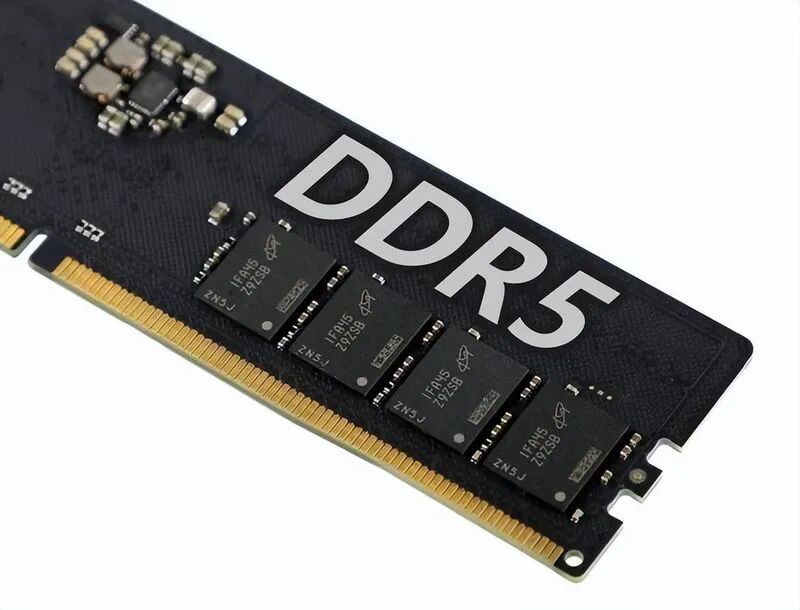
Take Edianyun, China's largest provider of comprehensive office IT solutions, as an example. Its offerings extend far beyond simple "computer rentals."
Enterprises can lease AI workstations equipped with GPUs like RTX 3050/4060/5080 or even high-performance GPU servers from Edianyun.
Upon delivery, businesses can immediately run large models by simply plugging in the equipment. Behind the scenes, Edianyun provides a comprehensive support system: 24/7 remote technical assistance, on-site replacements within 2-4 hours, and the flexibility to adjust configurations or upgrade computing power as business needs evolve.
For SMEs, this means:
- No need to spend two months building a computing environment
- No need to hire algorithm engineers for operations
- No idle equipment costs during slow periods
- No obsolescence concerns—equipment can be upgraded anytime
Enterprises now pay for "continuously available computing power" rather than equipment ownership.
- 04 -
Computing Power Rental: A 260 Billion Yuan Hidden Market
Data from the China Academy of Information and Communications Technology shows the computing power rental market reached 68 billion yuan in Q1 2026, a 62% year-on-year increase, with full-year projections exceeding 260 billion yuan. This growth is driven by exponential demand for computing power. Global AI large model token invocations have reached 27 trillion, with ByteDance's Doubao consuming 120 trillion tokens daily—doubling in just the first three months of 2026. 
Simultaneously, businesses are becoming wary of equipment ownership. Depreciation begins immediately upon unboxing, with severe value loss after three years. In 2026's financing-constrained environment, removing computing infrastructure from balance sheets and converting it into monthly operational expenses has become an implicit agreement among SME owners. 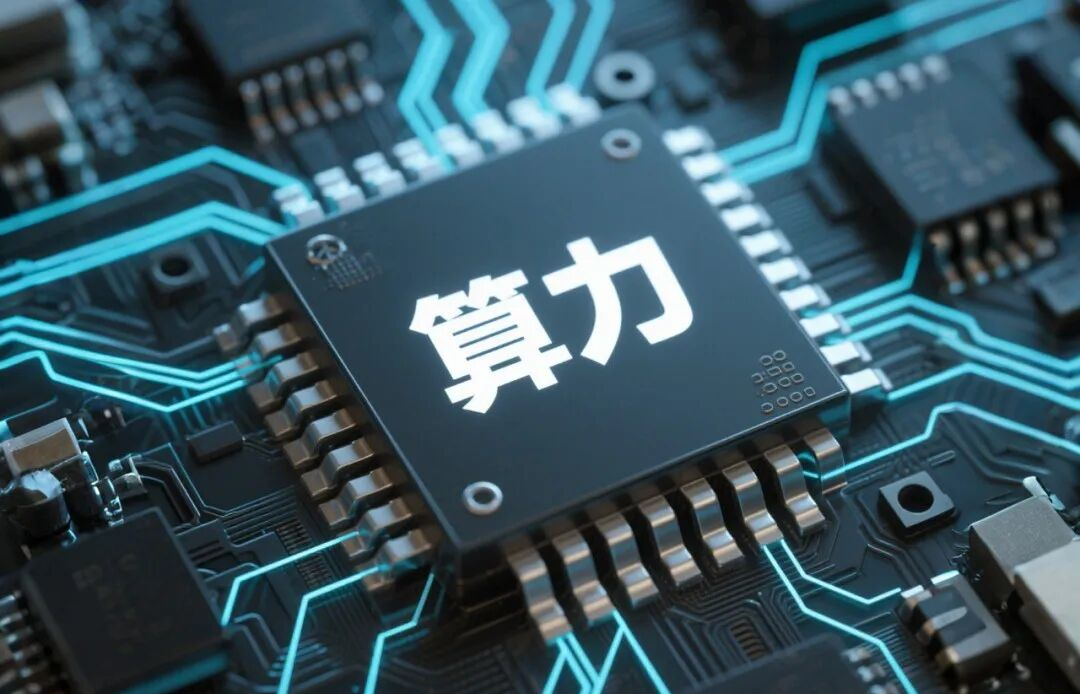
Edianyun serves over 50,000 enterprises with pre-configured equipment, pre-set environments, 24/7 management, and the flexibility to swap hardware as needs change. Businesses can scale computing power on demand, enabling rapid AI project development and deployment while avoiding significant upfront costs—perfectly matching market demand for flexible computing resources.
- 05 -
The Real Winners Are Those Who Keep Computing Power Flowing
The adage "those selling water make more money than gold miners" takes on new meaning in 2026. The real profits now accrue to those ensuring continuous water flow—and revenue streams. While major model providers engage in token price wars, computing power rental platforms like Edianyun are quietly dominating the market. Enterprises no longer need to purchase equipment, handle maintenance, or provide technical support—they simply pay a monthly fee. 
This is the essence of the 260 billion yuan market: not a technological arms race but a commercial revolution to "democratize computing power." The sector's rapid growth is fundamentally driven by businesses' need for flexible resource allocation amid surging AI adoption. Edianyun's model of "keeping computing power flowing" precisely addresses this hidden market's core needs. This article does not constitute investment advice.
-
![]()
In-depth | Survival Transformation of 38 Million Freight Drivers: How Platformization Defines the Next Decade?
-
![]()
Why Have ‘Computing Power Rental’ Companies Emerged as the Biggest Winners in the AI Era Amid Soaring Chip Prices?
-
![]()
DeepSeek's Financing Details Revealed! How Liang Wenfeng Secured Control
-
![]()
Valued at 210 Billion Yuan, Generating 42 Billion Yuan in Annual Revenue, Xiaohongshu May Proceed with IPO
-
![]()
Three Straight Months of Growth in Heavy Truck Sales: Both New and Veteran Players Are on the Same Wavelength!
-
![]()
AI Rewrites the Logic of Going Global: Cross-border E-commerce Reaches a New Turning Point
-
![]()
DeepSeek Secures Over 50 Billion Yuan in Initial Funding Round: Tencent and CATL Among Investors
-
![]()
Trillionaire Musk